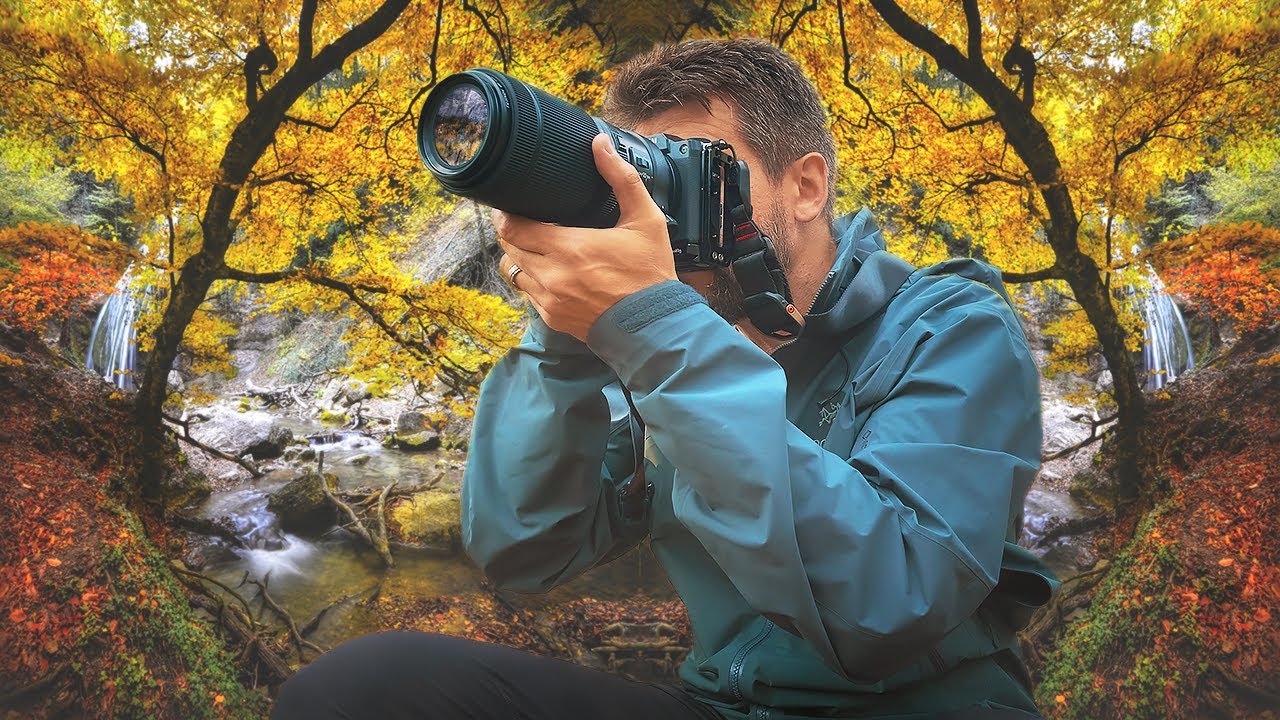
How a Camera Strap (Yes, Really) Broke My Worst Shooting Habit

How a Camera Strap (Yes, Really) Broke My Worst Shooting Habit

I’ve spent an embarrassing amount of time researching whether a $38 tripod can outperform a $200 one. Spoiler: sometimes it can. But for all the hours I’ve logged comparing gear specs, I keep coming back to the same uncomfortable truth — the most limiting piece of equipment in my kit is usually my own habits. I shoot wide. I shoot safe. I go home thinking I nailed it, then review the cards and realize I grabbed twelve versions of the same grand scene and zero intimate details.
Find Your Lens's Sweet Spot in 20 Minutes (And Never Wonder Again)

Find Your Lens's Sweet Spot in 20 Minutes (And Never Wonder Again)

I spend an embarrassing amount of time researching lenses before I buy them. Price first, sharpness second — every single time, without fail. I’ve got a spreadsheet with resolution test results, sample image comparisons, and user forum complaints going back three years across probably 40 different lenses. But here’s the thing I kept overlooking: knowing a lens is sharp on paper is not the same as knowing where it’s sharpest on your actual camera, at the focal lengths you actually shoot.

The 50mm Street Photography Trick That Changed How I Read a Scene

The 50mm Street Photography Trick That Changed How I Read a Scene

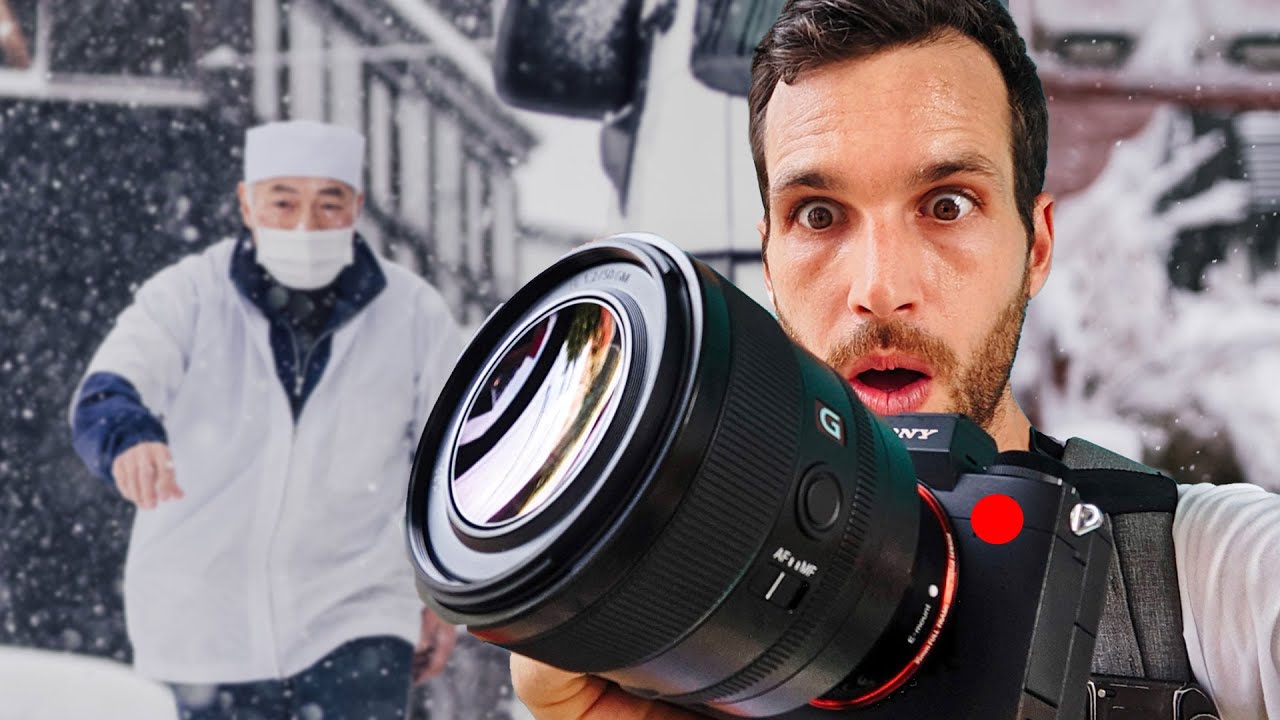
Street photography has a way of punishing hesitation. You either see the shot and commit, or you end up with a memory card full of “almost” frames. For a long time, my problem wasn’t confidence, it was framework. I’d walk a block, raise my camera, and react. But reacting isn’t the same as reading a scene, and the difference shows up in the final images. In this Pierre T. Lambert tutorial, shot entirely on the snowy streets of a small Japanese town, Lambert works through exactly that gap between reacting and reading.