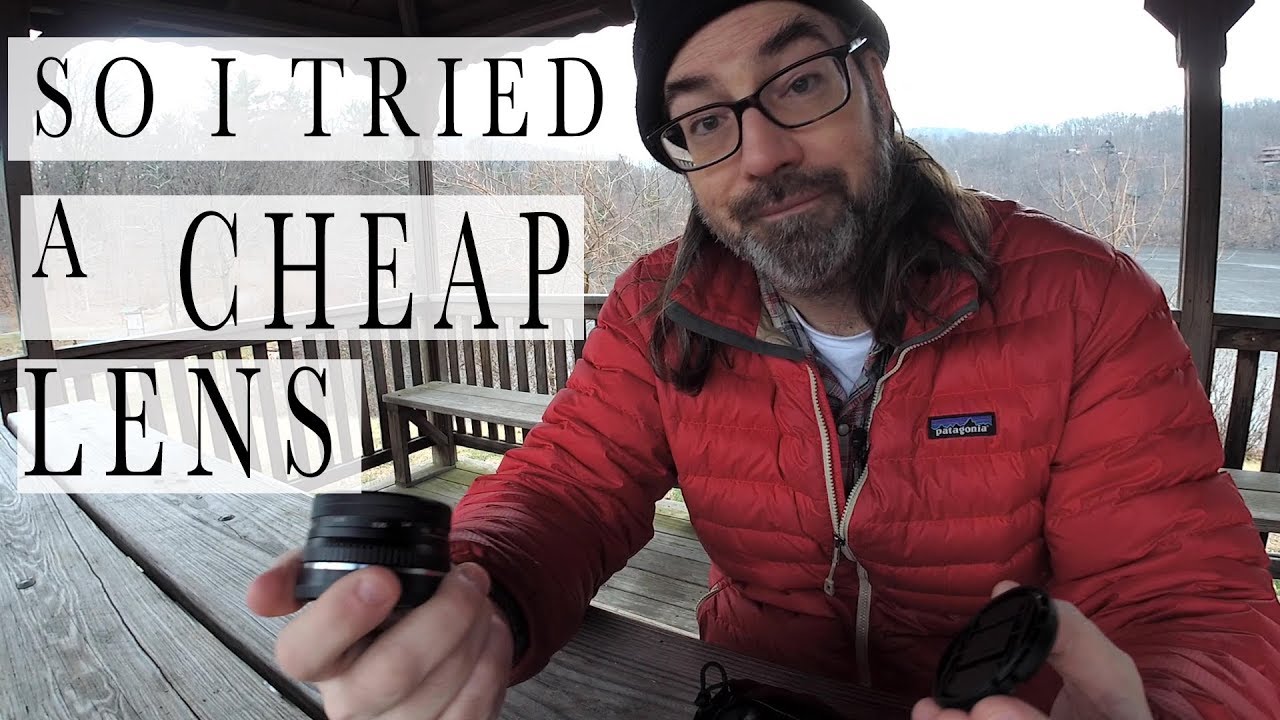
I Tested a $70 Budget Lens So You Don't Have To (Here's the Honest Verdict)

I Tested a $70 Budget Lens So You Don't Have To (Here's the Honest Verdict)

There’s a conversation that keeps coming up in photography communities, and I’m tired of watching it go sideways. Someone asks about budget gear, someone else fires back that cheap glass ruins shots, and nobody walks away with anything useful. What actually cuts through the noise is a working professional picking up a cheap lens, mounting it on a real camera, and shooting a real job with it. That’s exactly what happens in this Daniel Norton Photographer tutorial, and the results are worth paying attention to whether you’re a working shooter trying to stretch a tight kit budget or just curious where the floor is on usable glass.
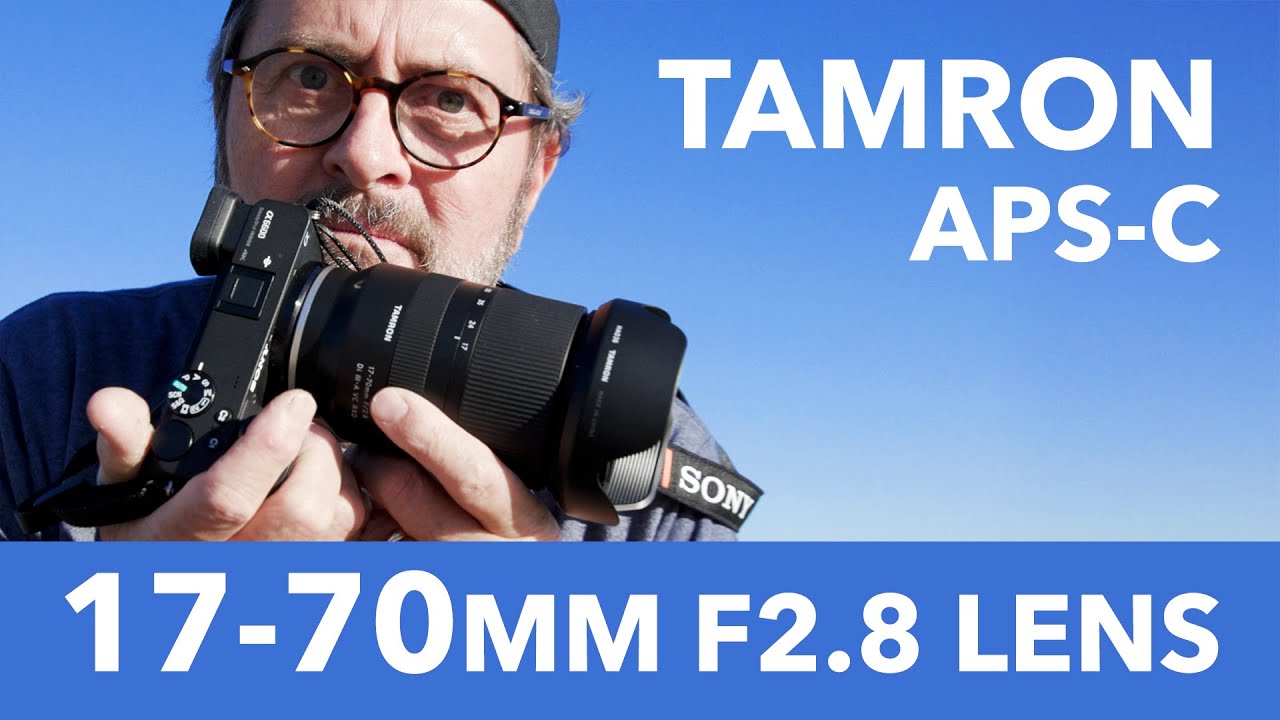
Tamron 17-70mm f/2.8 for Sony APS-C: Why This Zoom Might Be the Smartest Lens Buy Right Now

Tamron 17-70mm f/2.8 for Sony APS-C: Why This Zoom Might Be the Smartest Lens Buy Right Now

I keep a spreadsheet of every budget lens I’ve ever tested. Not because I’m obsessive (okay, maybe a little), but because the price-to-performance gap in this category changes fast and I want receipts when I tell someone what to buy. The question I get most from Sony APS-C shooters is always some version of: “Do I really need a dedicated crop-sensor lens, or can I just slap a full-frame lens on and call it a day?

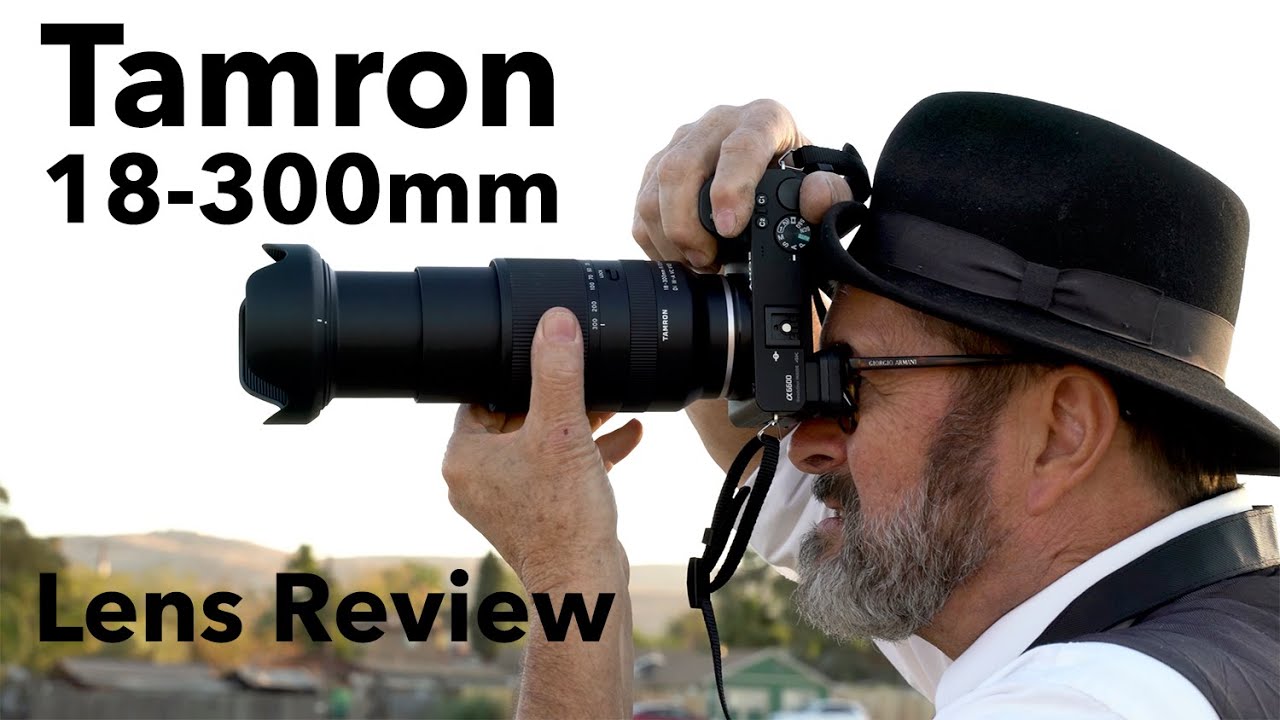
One Lens, Every Shot: Why the Tamron 18-300mm Might Be the Smartest Buy for APS-C Shooters

One Lens, Every Shot: Why the Tamron 18-300mm Might Be the Smartest Buy for APS-C Shooters

I’ll be honest: superzoom lenses have a reputation problem. Photographers who’ve spent years chasing prime sharpness tend to dismiss them as a compromise. But when you’re trying to cover a wide-open festival, portrait setups, street scenes, and low-light architecture all in the same afternoon, hauling a bag full of primes is its own kind of compromise. The question worth asking isn’t “is this lens perfect?” It’s “does this lens solve a real problem?