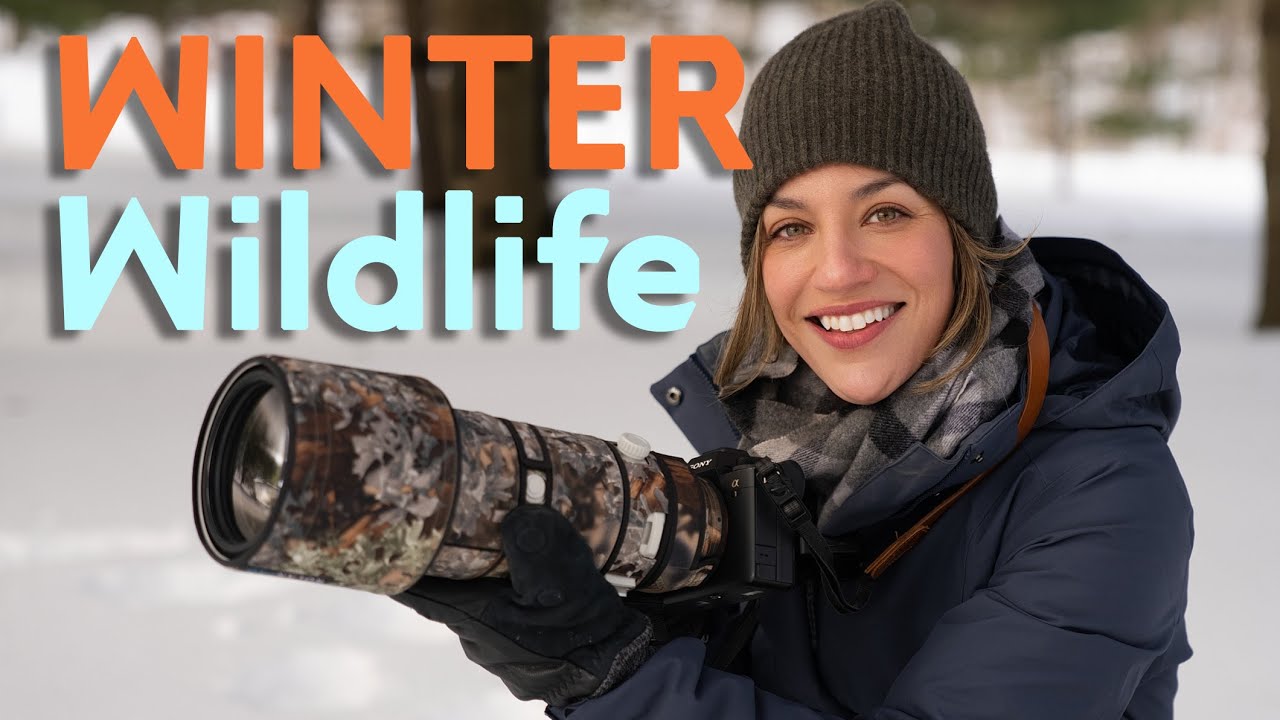
Winter Wildlife Photography: How to Keep Your Gear (and Yourself) Alive When It's Freezing Out

Winter Wildlife Photography: How to Keep Your Gear (and Yourself) Alive When It's Freezing Out

Living in Denver means I don’t get the luxury of skipping winter shooting seasons. The elk are out. The light is incredible. The temperatures are absolutely brutal. And for a while, I was doing everything wrong - bringing my camera straight from a 10-degree field into a 70-degree car, wondering why my lens kept fogging up, and draining batteries faster than I could swap them. I lost at least two solid shooting sessions to gear problems before I started taking cold-weather prep seriously.
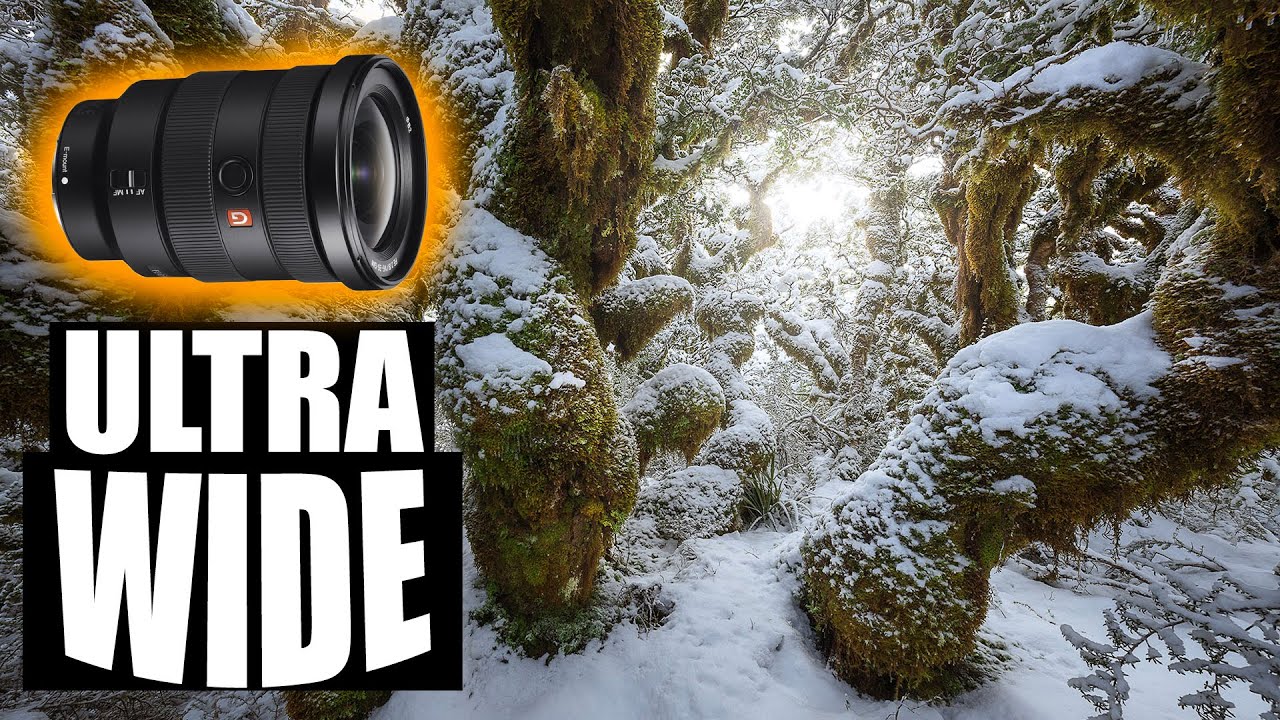
Wide Lens Landscape Shooting in Snow: What This New Zealand Winter Scene Teaches About Light, Framing, and Patience

Wide Lens Landscape Shooting in Snow: What This New Zealand Winter Scene Teaches About Light, Framing, and Patience

Wide lenses punish lazy composition. That’s the honest truth I’ve had to sit with since I started doing serious landscape work. A telephoto can compress a mediocre scene into something that looks intentional. A wide lens at 16mm in a forest full of snow-covered trees will expose every weak framing decision you make. So when I came across a tutorial that spends real time in a real winter environment showing how to think through wide-angle landscape shots, I paid attention.

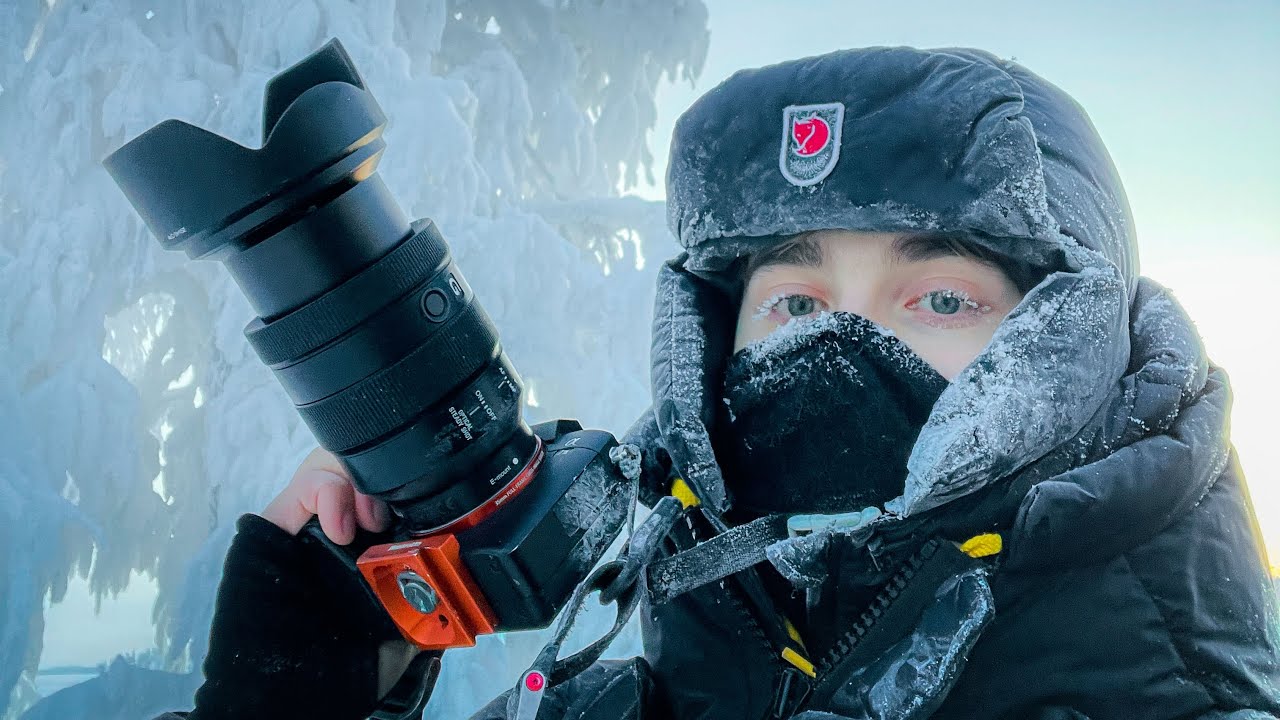
Cold-Weather Camera Survival: A Finnish Photographer's 3-Step System That Actually Works

Cold-Weather Camera Survival: A Finnish Photographer's 3-Step System That Actually Works

I live in Denver, which means I’m not exactly shooting in Finnish tundra conditions. But Colorado winters are no joke either, and I’ve had my share of moments where a camera started acting weird mid-shoot because I yanked it out of a warm car into 10-degree air. Fogged lenses, sluggish shutters, batteries that dropped from 80% to dead in twenty minutes. If you’ve shot in serious cold, you know the specific kind of dread that comes with watching your camera struggle.