How to Find and Frame Spring Woodland Shots with a 24-70mm (Lessons from Nigel Danson)

How to Find and Frame Spring Woodland Shots with a 24-70mm (Lessons from Nigel Danson)

Spring woodland shooting sounds easy until you’re actually standing in one. Trees everywhere, light doing unpredictable things, and a carpet of flowers that looks stunning to your eyes but turns into a flat green mess on your screen. I’ve been there more times than I want to admit, usually after dragging myself out of bed at 5am for nothing I’d actually post. In this Nigel Danson tutorial filmed in the spring woodlands of North Yorkshire, Danson works through a real shooting session, live decisions and all, covering composition logic, how to read woodland light before you fire a single frame, and the specific settings he leans on when conditions get tricky.
Why Photographers Who Shoot Woodland Keep Coming Back to the 24-70mm (And Why It's Not Hype)

Why Photographers Who Shoot Woodland Keep Coming Back to the 24-70mm (And Why It's Not Hype)

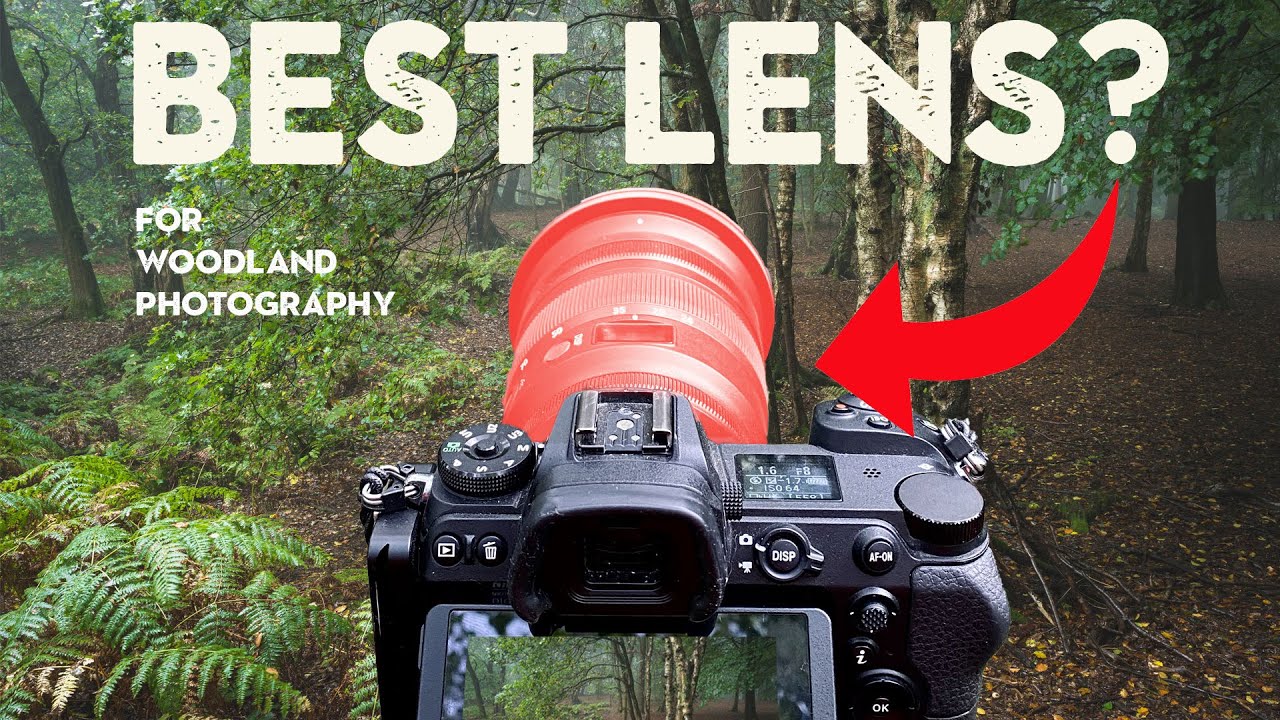
I’ve tested a lot of lenses. I have a spreadsheet to prove it. And one pattern that shows up constantly in my data is that the “boring” mid-range zoom outperforms specialty glass far more often than photographers expect, especially in environments where you’re reacting to light rather than controlling it. Woodland photography is the clearest example of this. You’re moving fast, the light is changing by the minute, and the difference between a good shot and a great one often comes down to being able to shift focal length without swapping glass.

Why Your Woodland Photos Feel Flat (And What Nigel Danson's Composition Review Fixed For Me)

Why Your Woodland Photos Feel Flat (And What Nigel Danson's Composition Review Fixed For Me)

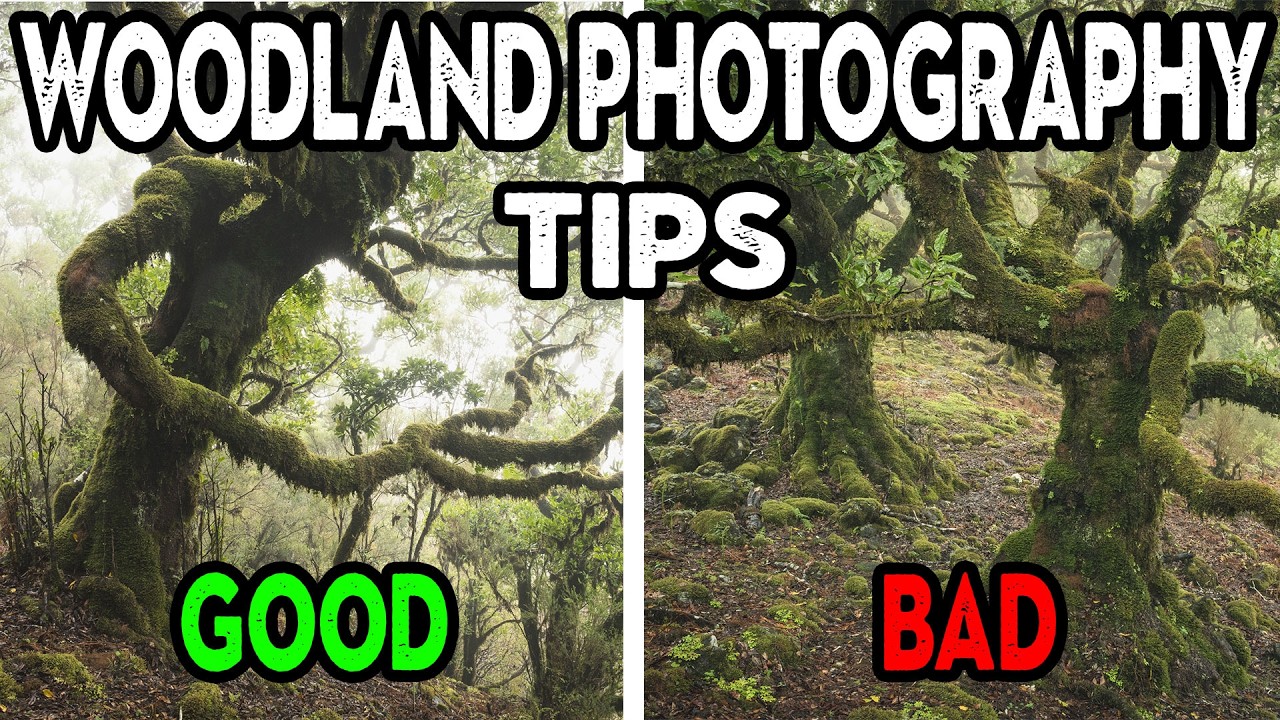
I used to think woodland photography was just about showing up when the light was good and pointing your camera at trees. Then I’d get home, pull the files into Lightroom, and wonder why half of them felt flat or chaotic despite looking great on the LCD. The problem wasn’t my gear. It was that I had no systematic way to evaluate what was actually working in a composition before I pressed the shutter.