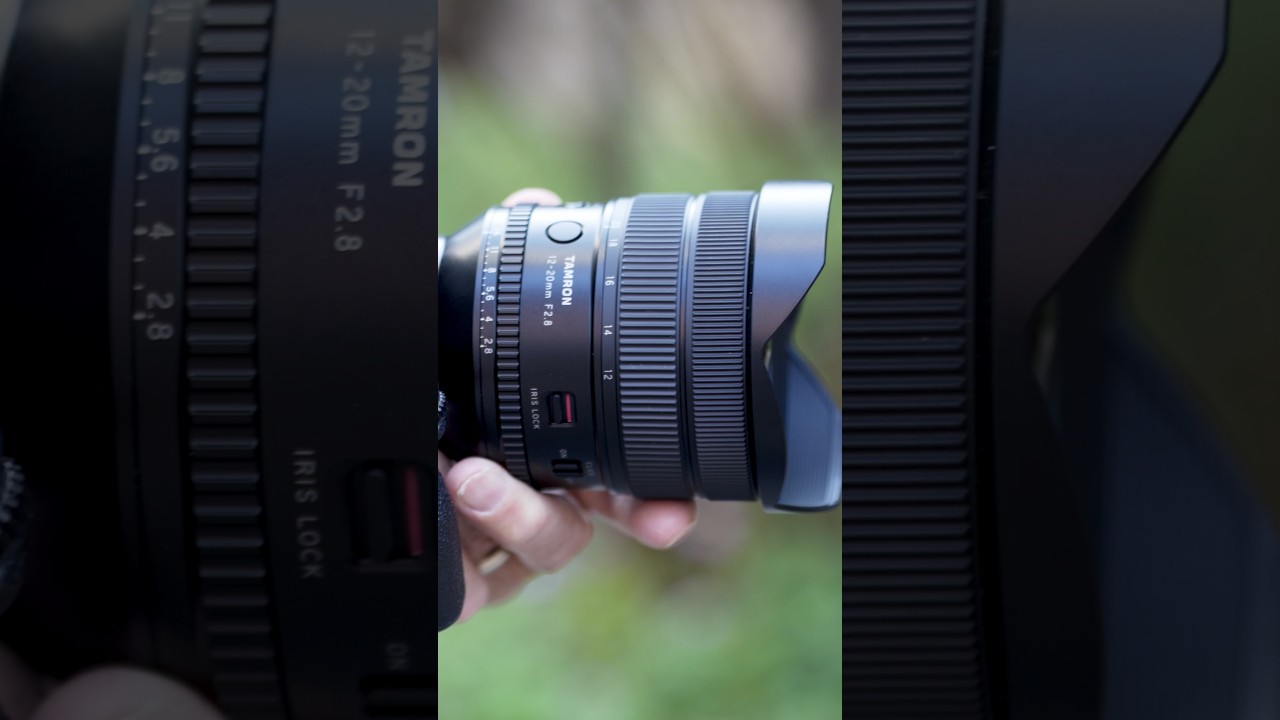
The Tamron 12-20mm f/2.8 Is the Wide-Angle I've Been Waiting For (And It's Not $3,300)

The Tamron 12-20mm f/2.8 Is the Wide-Angle I've Been Waiting For (And It's Not $3,300)

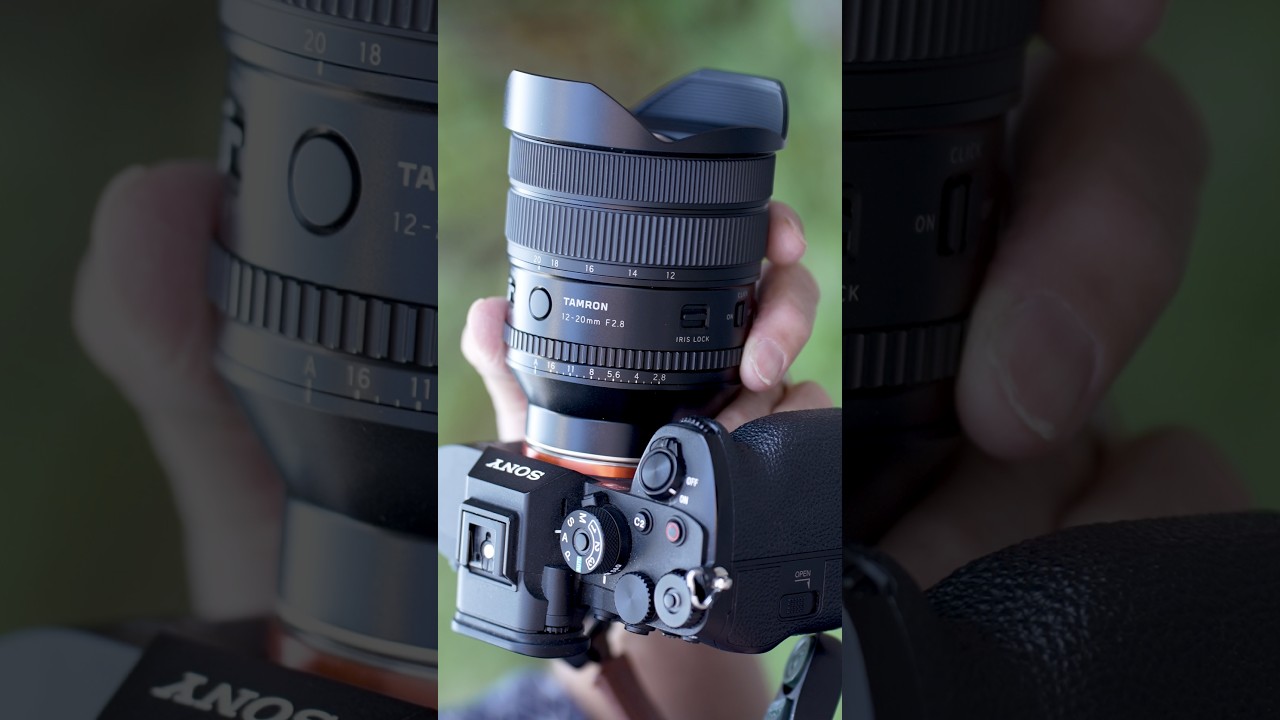
I’ve been burned enough times by ultra-wide lenses that I do my homework now. There’s a spreadsheet on my desktop with every wide-angle I’ve tested in the last three years, sorted by price-to-sharpness ratio, distortion control, and whether the autofocus holds up in low light. So when a lens comes along that actually threatens to shake up that list, I pay attention. In this The Slanted Lens tutorial, creator Jay P.
Stop Buying Lenses You'll Never Use: A Landscape Photographer's Buying Guide

Stop Buying Lenses You'll Never Use: A Landscape Photographer's Buying Guide

The single most expensive mistake I see newer landscape photographers make isn’t buying a bad lens. It’s buying six decent lenses when two great ones would have done the job. I’ve watched people drop two grand spread across a half-dozen focal lengths, only to shoot 90% of their images with the same two glass options every single time. I know this pattern well because I’ve tracked it obsessively in a spreadsheet I started years ago, and the data is embarrassingly consistent.

Tamron 12-20mm f/2.8 Review: A Cine-Style Ultra-Wide That Finally Makes Financial Sense

Tamron 12-20mm f/2.8 Review: A Cine-Style Ultra-Wide That Finally Makes Financial Sense

I’ve been avoiding ultra-wide lenses for years. Not because I don’t want one, but because every time I looked seriously at what was available for full-frame cameras, the math stopped making sense. A Sony G Master 12mm runs over three grand. That’s not a lens purchase, that’s a used car decision. And for someone who shoots wide angles maybe a dozen times a year, for group shots, interior architecture, and the occasional night sky outing, that number has always been a hard stop.

Sony 20mm f/1.8 vs Sigma 20mm f/2: Which Wide-Angle Actually Wins for Landscape and Astro Work?

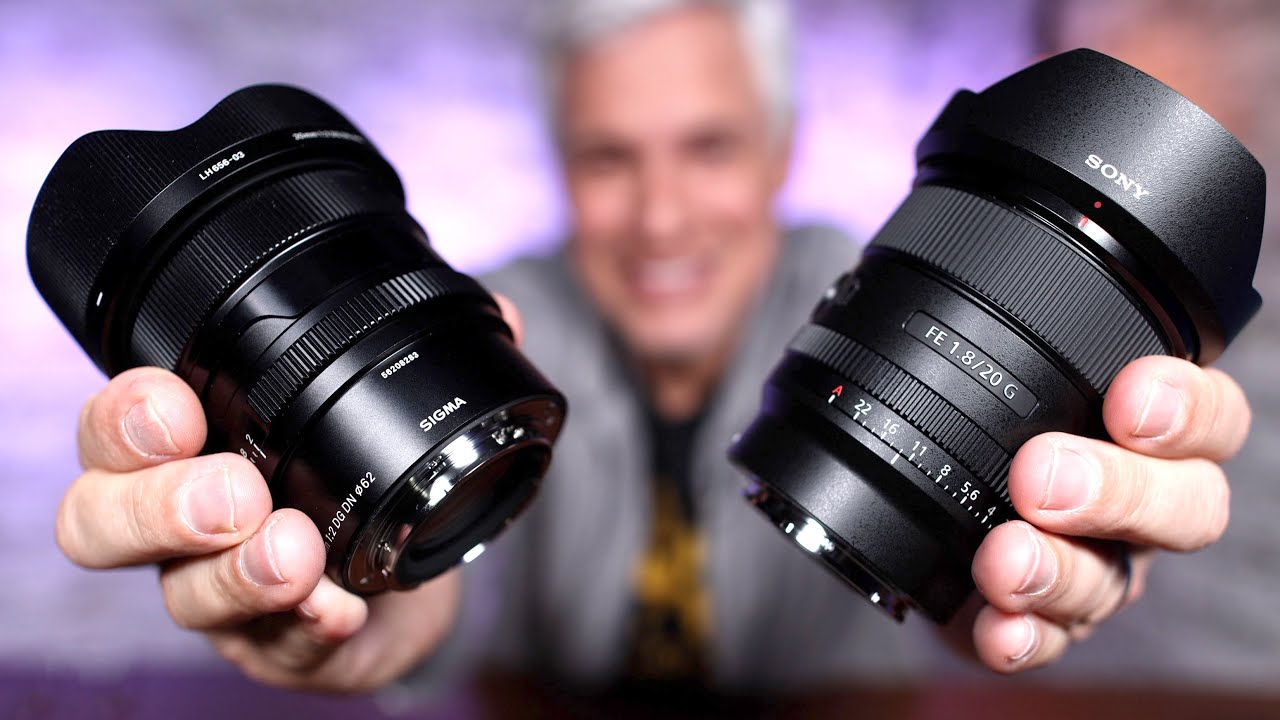
Sony 20mm f/1.8 vs Sigma 20mm f/2: Which Wide-Angle Actually Wins for Landscape and Astro Work?

Every time I’m about to pull the trigger on a lens, I end up in the same rabbit hole: spec sheets, forum arguments, and sample images shot under perfect studio conditions that tell me almost nothing about how the thing behaves when I’m freezing at 2 a.m. trying to photograph the Milky Way outside Denver. That’s why I stopped trusting spec sheets and started trusting side-by-side field tests. Tony and Chelsea Northrup do some of the most methodical lens comparisons on YouTube, and their recent shootout between the Sony 20mm f/1.

I Caught Aurora and a Meteor in One Shot—With a $300 Lens

I Caught Aurora and a Meteor in One Shot—With a $300 Lens

When Budget Gear Outperforms Expectations I’ll be honest—I didn’t expect much when I packed my Laowa 9mm f/2.8 Zero-D for a Northern Lights expedition last week. At under $300 on the used market, it’s practically the forgotten stepchild of ultra-wide astrophotography lenses. Yet somehow, I managed to capture both the Aurora Borealis and a Perseid meteor streaking across the frame in the same shot. Not bad for “cheap” glass. This experience reinforces something I’ve been preaching for years: you don’t need a $2,000+ lens to produce world-class astrophotography.

Why 2026 Is Your Best Year Yet to Shoot the Perseids (And What Gear You Actually Need)

Why 2026 Is Your Best Year Yet to Shoot the Perseids (And What Gear You Actually Need)

I’ll be honest: meteor photography gets hyped up way more than it deserves. Every year, photography sites publish these elaborate guides suggesting you need the latest full-frame mirrorless camera and a collection of premium wide-angle lenses. Then people drop $4,000+ on gear they’ll use once, capture mediocre shots, and wonder why their results don’t match the magazine spreads. But 2026 is actually different. And not because of some magical new camera body—because of the sky itself.

Smart Telescopes Are Quietly Revolutionizing Astrophotography—Here's Why That Matters

Smart Telescopes Are Quietly Revolutionizing Astrophotography—Here's Why That Matters

The Telescope Market is Changing Fast I’ve been paying close attention to the smart telescope category lately, and I have to say: something genuinely interesting is happening. These aren’t your grandfather’s telescopes. We’re talking about computer-driven systems that handle the heavy lifting for you—literally and figuratively. What excites me isn’t the flashy marketing or the “AI-powered” buzzwords everyone’s throwing around. It’s that these tools are actually lowering the barrier to entry for astrophotography in meaningful ways.