Full Frame Lenses on Crop Bodies: The Math That Proves You're Probably Wasting Money

Full Frame Lenses on Crop Bodies: The Math That Proves You're Probably Wasting Money

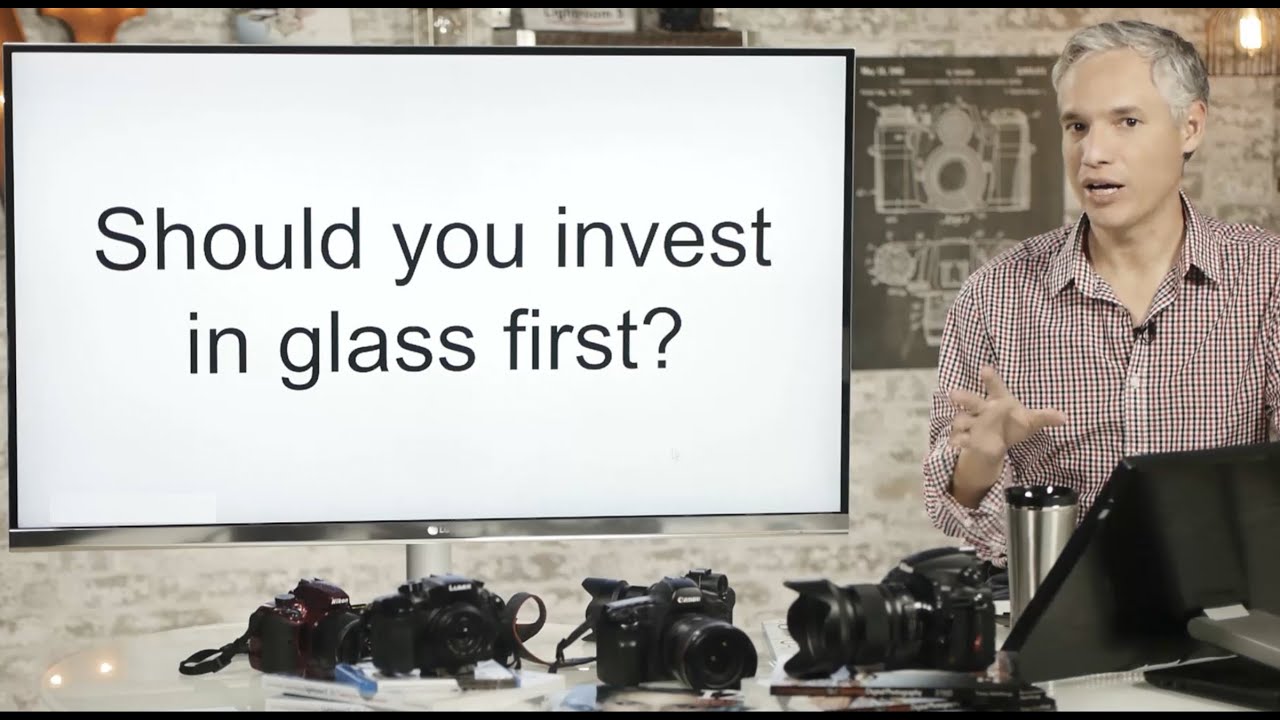
Every few weeks someone in a photography forum drops the advice like it’s gospel: “Invest in glass first, bodies come and go.” I’ve heard it so many times I used to repeat it myself. And honestly, the logic sounds solid until you actually look at the numbers. I got burned chasing that advice early on, buying into the idea that a more expensive lens would automatically produce sharper, better images on whatever body I was running at the time.
Full-Frame Lenses on Your Crop Sensor Camera: Why You're Probably Wasting Money

Full-Frame Lenses on Your Crop Sensor Camera: Why You're Probably Wasting Money

I run a spreadsheet. A real one, with 40-plus lenses sorted by sharpness, price, and sensor compatibility. And the column I’ve had to add more corrections to than any other is the “works on crop body” column, because the answer is almost never a clean yes or no. It’s more like “technically, but…” which is exactly the kind of answer that costs photographers money. In this Tony & Chelsea Northrup tutorial, Watch the full tutorial on YouTube, Tony revisits a question he first tackled back in 2014 and backs it up this time with side-by-side image comparisons that make the argument impossible to dismiss.

Does a 50mm Lens Become a Portrait Lens on a Crop Sensor Camera? Here's the Actual Answer

Does a 50mm Lens Become a Portrait Lens on a Crop Sensor Camera? Here's the Actual Answer

One question I kept seeing pop up in beginner photography groups — and honestly one I wrestled with myself when I was shooting on a crop sensor body — is whether a 50mm lens “counts” as a portrait lens when you’re not on full frame. It sounds like a simple question, but the answer touches on focal length compression, field of view, and how lens manufacturers actually design their glass. In this Daniel Norton Photographer tutorial, Watch the full tutorial on YouTube, Daniel works through the physics and the practical logic in about five minutes flat.

Full Frame Lenses on a Crop Camera: When It's Smart and When It's Just Expensive

Full Frame Lenses on a Crop Camera: When It's Smart and When It's Just Expensive

Every few weeks someone emails me asking some version of the same question: “I’m still on a crop sensor but should I just start buying full frame lenses now so I’m ready when I upgrade?” I’ve been dodging a complete answer because the honest truth is more complicated than a yes or no. Turns out Daniel Norton, a working photographer out of New York, laid out the clearest framework I’ve seen for thinking through this decision.

Upgrading from Crop to Full Frame: What to Expect

Upgrading from Crop to Full Frame: What to Expect

You’ve decided to make the jump to full frame. Here’s what will actually change in your photography experience — because some of the improvements are dramatic and some are surprisingly underwhelming. Things That Improve Immediately Low-Light Confidence This is the change you’ll notice first. Where you used to hesitate about pushing past ISO 1600, you’ll comfortably shoot at ISO 3200-6400 and get clean results. Indoor events, dimly lit restaurants, and evening shoots become far less stressful.

Is a Full Frame Camera Worth the Extra Cost?

Is a Full Frame Camera Worth the Extra Cost?

“Should I go full frame?” is the most common gear question I get. The marketing says full frame is better at everything. The reality is more nuanced. What Full Frame Actually Gives You Better Low-Light Performance This is the biggest real-world advantage. A full-frame sensor is roughly 2.5 times larger than an APS-C (crop) sensor. More surface area means more light captured, which means less noise at high ISO settings.