I Tested a $70 Budget Lens So You Don't Have To (Here's the Honest Verdict)

I Tested a $70 Budget Lens So You Don't Have To (Here's the Honest Verdict)

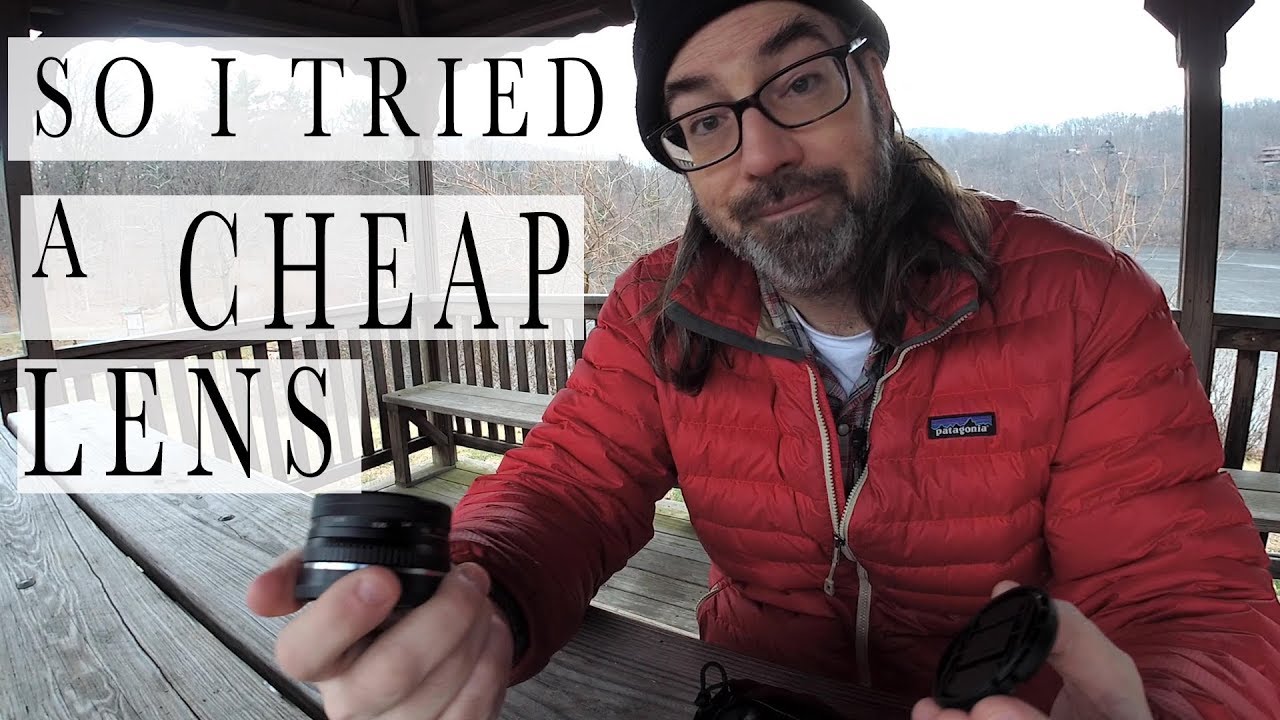
There’s a conversation that keeps coming up in photography communities, and I’m tired of watching it go sideways. Someone asks about budget gear, someone else fires back that cheap glass ruins shots, and nobody walks away with anything useful. What actually cuts through the noise is a working professional picking up a cheap lens, mounting it on a real camera, and shooting a real job with it. That’s exactly what happens in this Daniel Norton Photographer tutorial, and the results are worth paying attention to whether you’re a working shooter trying to stretch a tight kit budget or just curious where the floor is on usable glass.
Two Tamron Lenses Worth Gifting (Or Buying Yourself): The 15-30 and 28-300 Breakdown

Two Tamron Lenses Worth Gifting (Or Buying Yourself): The 15-30 and 28-300 Breakdown

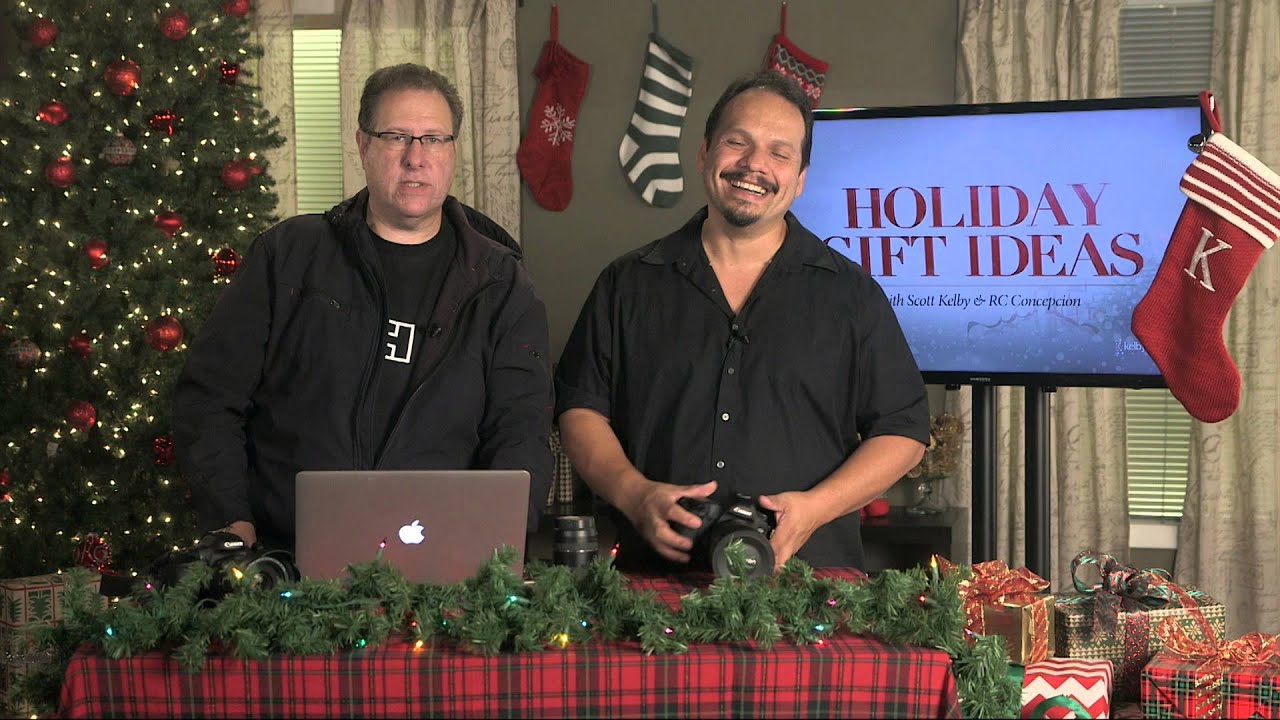
There’s a certain kind of gear recommendation I actually trust: the one that comes from someone who pulled the lens out in the field, not in a studio with controlled lighting and a color chart. When RC Concepcion and Scott Kelby run through holiday lens picks in this KelbyOne segment, the recommendations carry weight because they’re grounded in real shooting situations. RC used the Tamron 15-30mm in Dubai on a workshop trip.

Is the Panasonic Lumix 100-500mm the Wildlife Lens Budget Shooters Have Been Waiting For?

Is the Panasonic Lumix 100-500mm the Wildlife Lens Budget Shooters Have Been Waiting For?

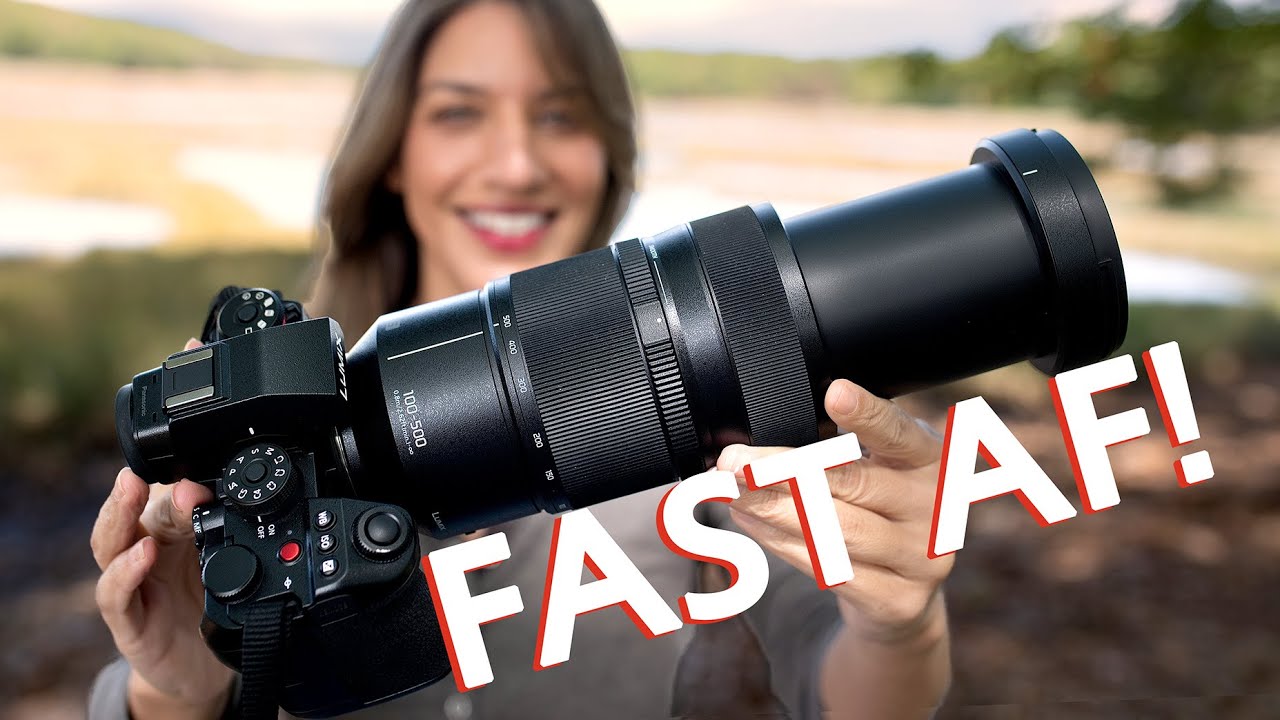
Finding a wildlife lens that won’t destroy your bank account while still delivering usable results is genuinely hard. The sweet spot everyone is hunting for - enough reach, fast enough autofocus, light enough to actually carry - keeps moving just out of reach depending on your budget. I’ve been tracking telephoto options in my lens comparison spreadsheet for a while now, and the $2,100 Panasonic Lumix 100-500mm F5-7.1 recently jumped to the top of my “keep watching” list.

Why a High-Zoom All-in-One Lens Might Be the Smartest Landscape Purchase You Make This Year

Why a High-Zoom All-in-One Lens Might Be the Smartest Landscape Purchase You Make This Year

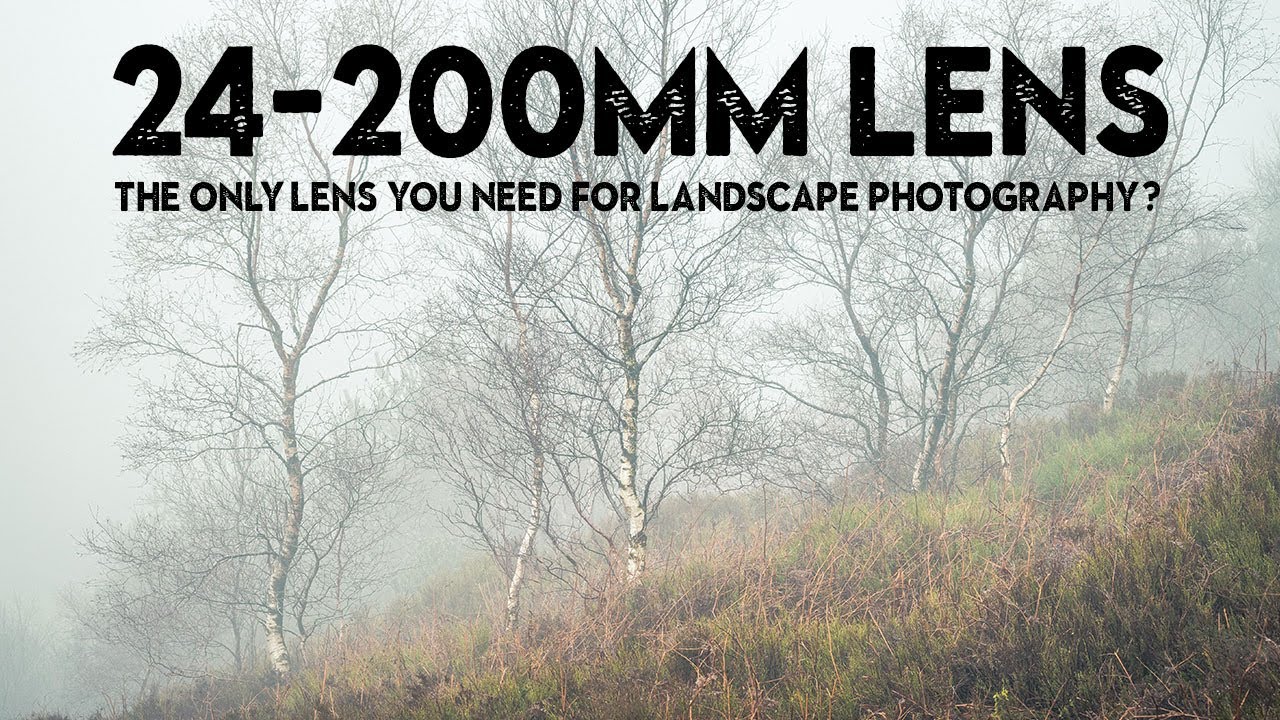
I have a spreadsheet with 47 lenses on it. I have bought, borrowed, and stress-tested more budget glass than most photographers will touch in a lifetime. And the question I keep coming back to is never “which lens is sharpest?” It’s always “which lens are you actually going to bring?” That distinction matters more than any MTF chart, and it’s exactly what pushed me to pay close attention when Nigel Danson made his case for adding a 24-200mm all-in-one zoom to his landscape kit.

The Sigma 10-18mm f/2.8 Is the Wide Angle Wake-Up Call APS-C Shooters Needed

The Sigma 10-18mm f/2.8 Is the Wide Angle Wake-Up Call APS-C Shooters Needed

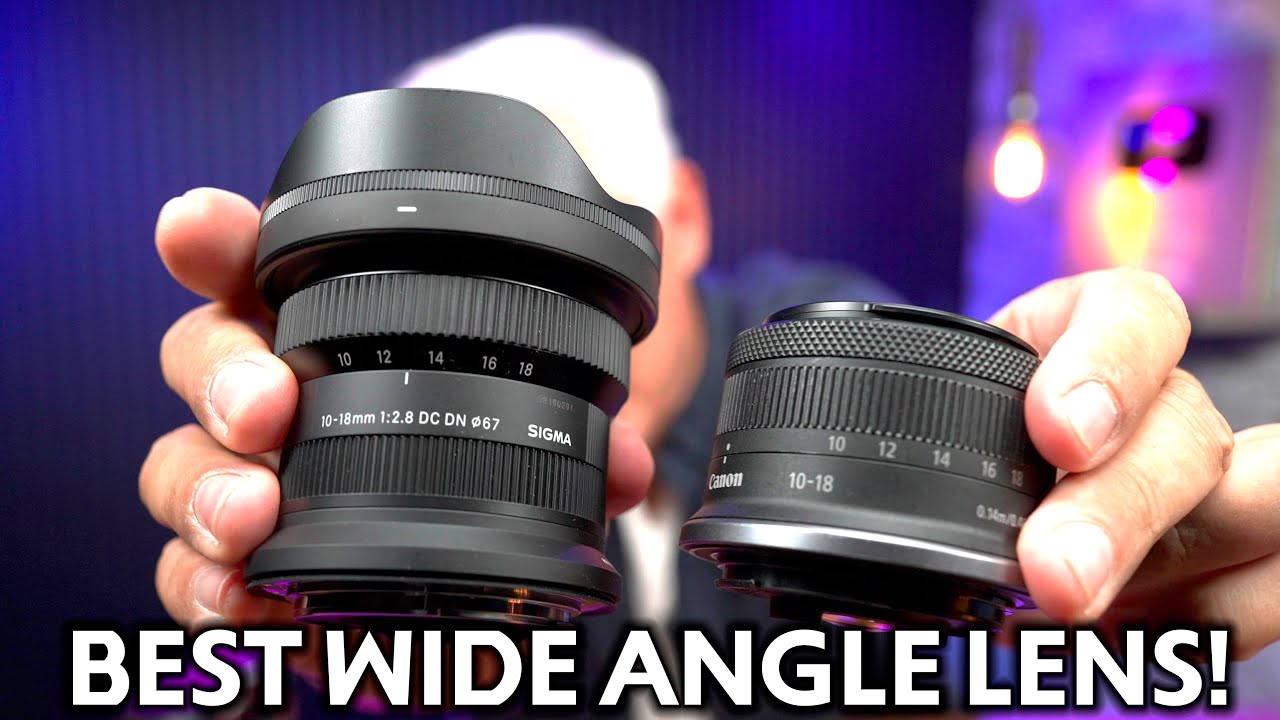
I’ve spent an embarrassing number of hours building spreadsheets that compare budget lenses side by side. Fast apertures, corner sharpness, autofocus reliability - I track all of it. So when a single lens shows up that checks nearly every box for APS-C shooters, I pay attention. That lens right now is the Sigma 10-18mm f/2.8, and the clearest breakdown I’ve seen of why it matters comes from Tony and Chelsea Northrup.

Canon RF 100-500mm Review: Is a $2,900 Super Zoom Actually Worth It for Working Photographers?

Canon RF 100-500mm Review: Is a $2,900 Super Zoom Actually Worth It for Working Photographers?

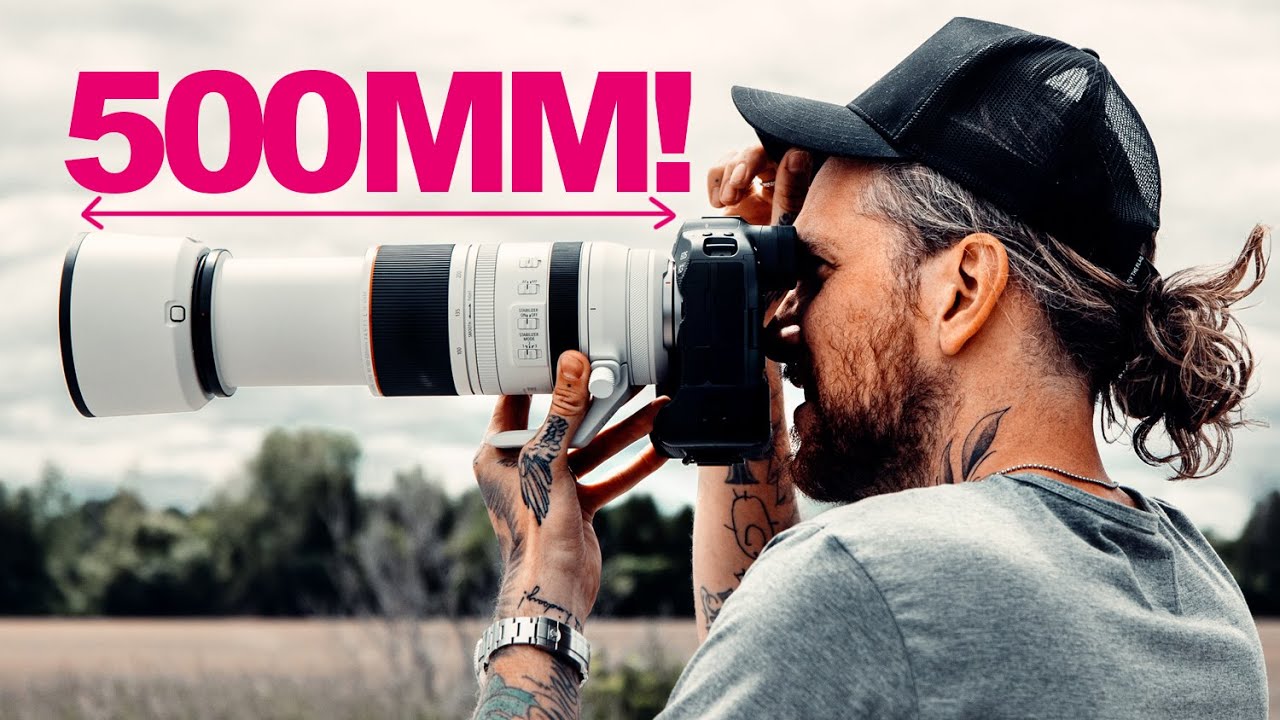
Every few months I get an email asking me some version of the same question: “Tyler, should I just save up and buy the expensive lens?” My honest answer is usually no. But occasionally a piece of gear comes along that makes me actually stop and think through the math. Canon’s RF 100-500mm f/4.5-7.1L IS USM is one of those lenses. At $2,899, it sits in that painful middle zone where it’s too expensive to dismiss as a lifestyle purchase and too specialized to recommend broadly.

What a Tokyo Camera Megastore Teaches You About Lens Obsession (And When to Walk Away)

What a Tokyo Camera Megastore Teaches You About Lens Obsession (And When to Walk Away)

There’s a version of gear addiction that looks responsible. You tell yourself you’re just researching. You watch reviews, read forums, compare MTF charts. I know this cycle intimately because I’ve lived it, and honestly, building a spreadsheet comparing every budget lens I’ve tested is basically my personality at this point. The trap isn’t wanting better gear. The trap is confusing hands-on testing with buying decisions made from spec sheets alone. That’s exactly why a video like this one caught my attention.

Canon RF 50mm f/1.8: The Budget Lens That Actually Delivers (And Why You Should Stop Waiting to Buy It)

Canon RF 50mm f/1.8: The Budget Lens That Actually Delivers (And Why You Should Stop Waiting to Buy It)

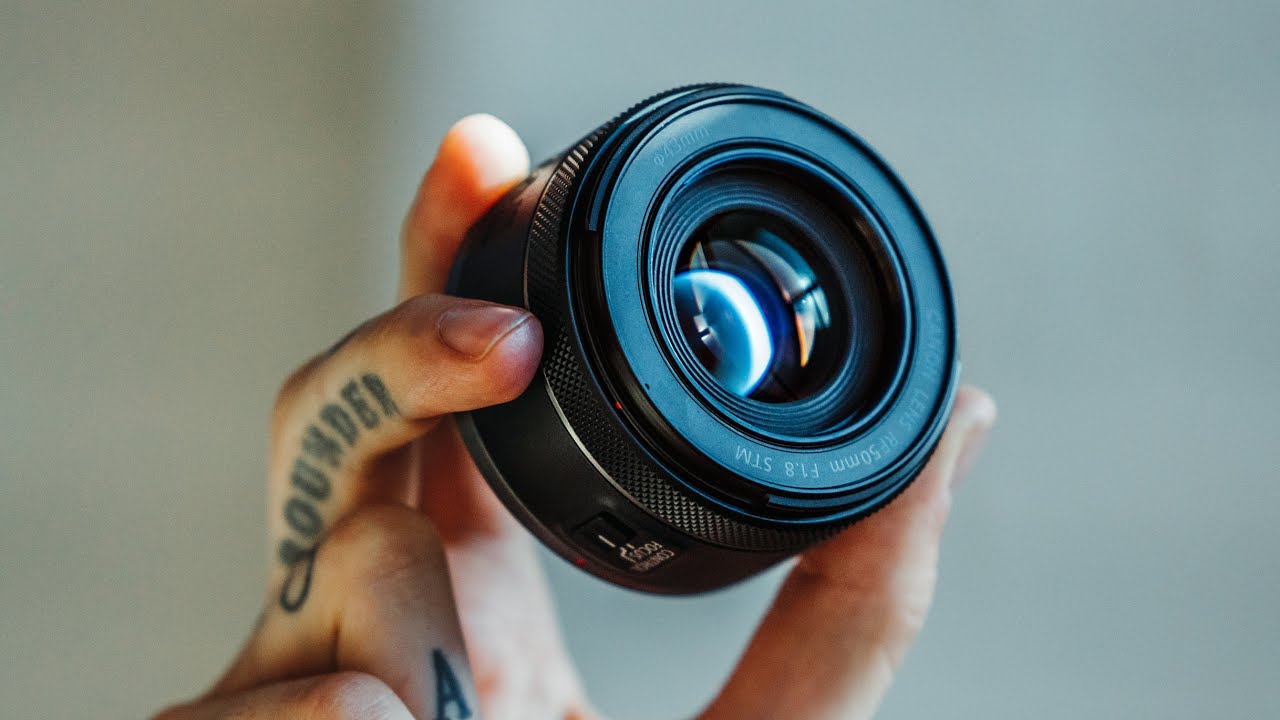
The question I get more than any other from people starting out is some version of “what lens should I buy next?” I’ve answered it so many times I almost have a script. But the honest answer is almost always the same one, and it has been for years: get a 50mm f/1.8. It’s the lens I wish someone had pushed me toward faster when I was shooting everything on a kit zoom and wondering why my photos looked flat.

Ditch the Kit Lens: Why a $125 Fifty is the First Upgrade Every New Shooter Needs

Ditch the Kit Lens: Why a $125 Fifty is the First Upgrade Every New Shooter Needs

I started with a $300 camera kit and shot a wedding that ended up published in a local magazine. The camera wasn’t special. The kit lens wasn’t special. But somewhere between that gig and the next hundred shoots, I learned the one swap that changes everything for new photographers, and it has nothing to do with buying a better camera body. In this Pierre T. Lambert tutorial, he lays out the exact same lesson in a way that I genuinely wish someone had handed me on day one: swap the kit zoom for a cheap 50mm prime and watch your photos get better almost overnight.

The One Lens Peter McKinnon Always Packs (And Why It Changed How I Think About My Kit)

The One Lens Peter McKinnon Always Packs (And Why It Changed How I Think About My Kit)

I have a spreadsheet. It has every lens I’ve tested in the last four years, sorted by price-to-performance ratio. Budget glass, mid-range glass, a few splurges I justified way too hard. And for a long time, my working theory was simple: the more expensive the lens, the harder you have to work to justify it. Most of the time, cheaper alternatives hold their own. But every once in a while, a piece of gear comes along that forces you to update your assumptions.

Sony 24-105mm f/4 vs Sigma 28-105mm f/2.8: Which Sony Zoom Actually Wins?

Sony 24-105mm f/4 vs Sigma 28-105mm f/2.8: Which Sony Zoom Actually Wins?

There’s a question I see constantly in Sony shooter communities: do you go with the lighter, more affordable Sony 24-105mm f/4 G OSS, or do you pay up for the beefier Sigma 28-105mm f/2.8? I’ve been watching this debate heat up ever since the Sigma hit the market, and I wanted a comparison grounded in actual test data rather than spec-sheet opinions. That’s exactly what I found in this Tony & Chelsea Northrup tutorial, which puts both lenses through sharpness tests, backlit portrait scenarios, and a real-world usability comparison.

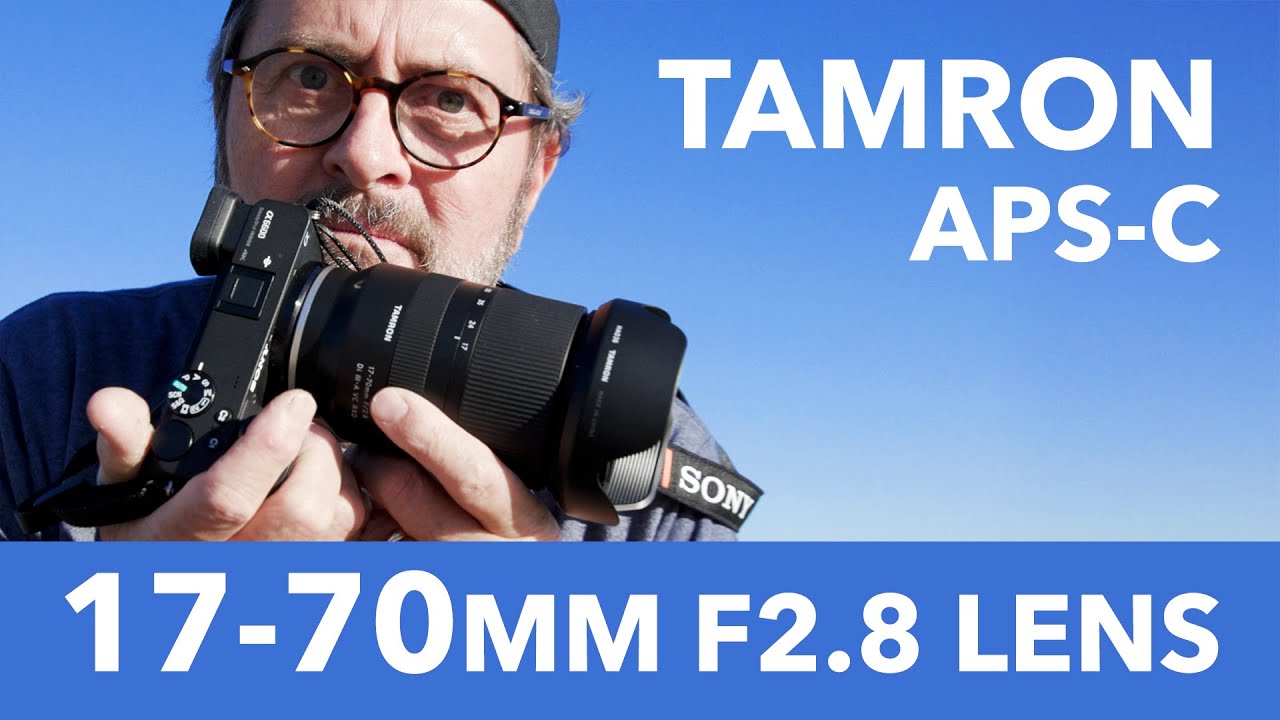
Tamron 17-70mm f/2.8 for Sony APS-C: Why This Zoom Might Be the Smartest Lens Buy Right Now

Tamron 17-70mm f/2.8 for Sony APS-C: Why This Zoom Might Be the Smartest Lens Buy Right Now

I keep a spreadsheet of every budget lens I’ve ever tested. Not because I’m obsessive (okay, maybe a little), but because the price-to-performance gap in this category changes fast and I want receipts when I tell someone what to buy. The question I get most from Sony APS-C shooters is always some version of: “Do I really need a dedicated crop-sensor lens, or can I just slap a full-frame lens on and call it a day?