Why Your Wide-Angle Lens Is Holding You Back (And What to Do About It)

Why Your Wide-Angle Lens Is Holding You Back (And What to Do About It)

I spent my first two years shooting landscapes almost exclusively with a wide-angle lens. Made sense at the time - wide glass is cheap, it’s what every “landscape photography beginner” listicle recommends, and the dramatic foreground-to-sky shots look impressive as a thumbnail. But I kept running into the same wall: if the light wasn’t cooperating, if there wasn’t a compelling foreground element within arm’s reach, or if the scene just didn’t have that sweeping cinematic quality, I’d come home with nothing worth keeping.
What a $12,000 Telephoto Lens Taught Me About Shooting Portraits (That You Can Apply for Way Less)

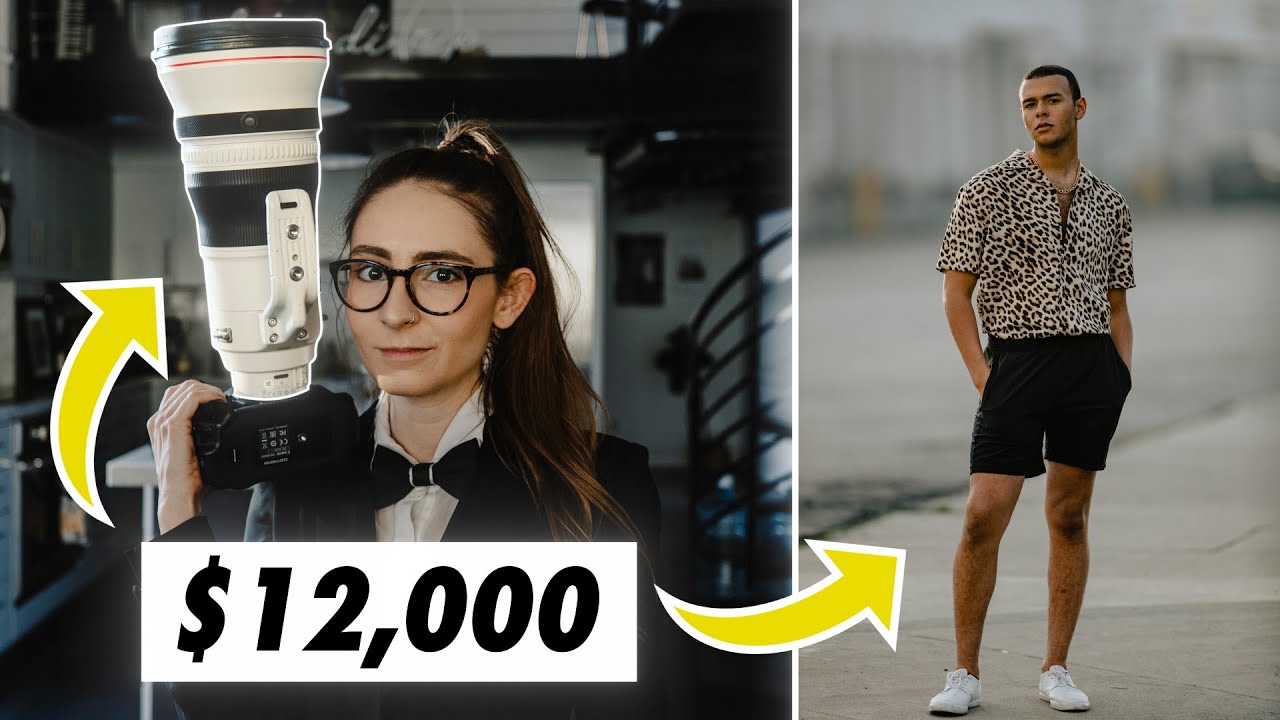
What a $12,000 Telephoto Lens Taught Me About Shooting Portraits (That You Can Apply for Way Less)

Most portrait photographers top out at 85mm or maybe 135mm and call it a day. I’ve been in that camp for years, and honestly, it makes sense for run-and-gun work. But there’s a whole different look sitting at the long end of the focal length spectrum, and unless you’ve shot with a serious telephoto, it’s hard to picture what you’re actually giving up. That question is exactly what Mango Street set out to answer in Watch the full tutorial on YouTube, when they rented Canon’s 400mm f/2.

How Pierre T. Lambert Uses a 70-200mm for Street Photography (And Why It Actually Works)

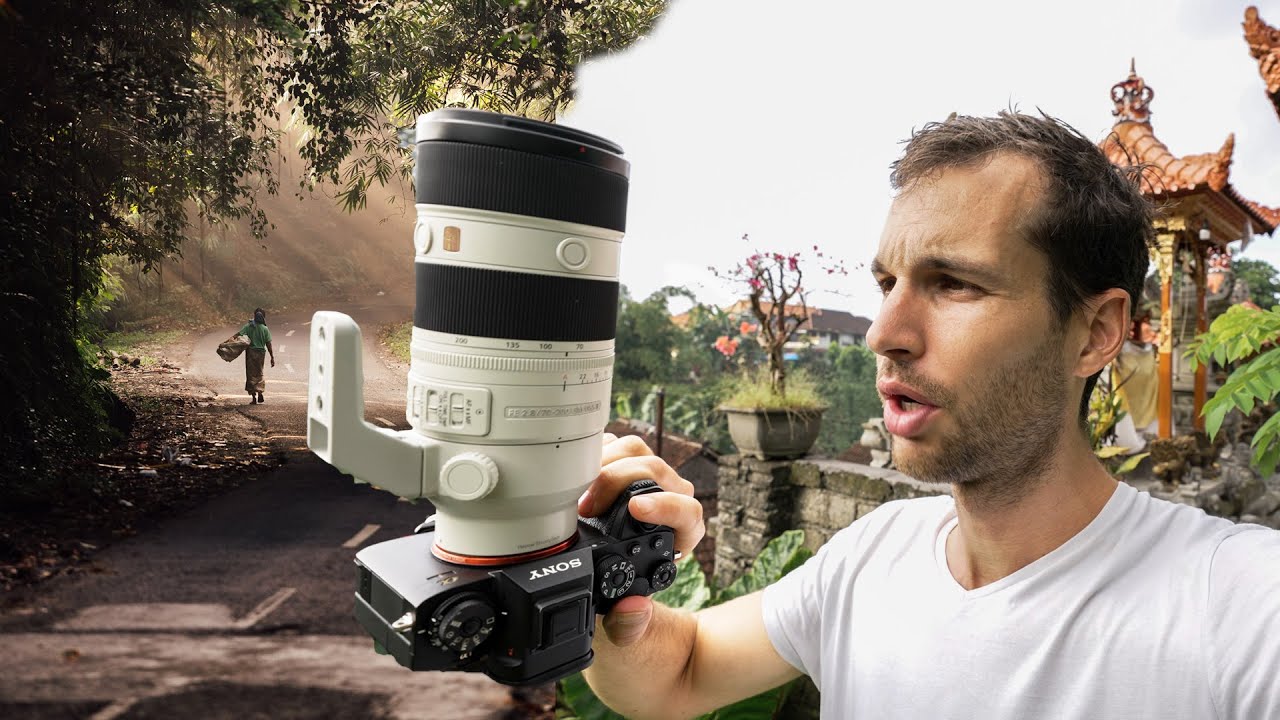
How Pierre T. Lambert Uses a 70-200mm for Street Photography (And Why It Actually Works)

Street photography is one of those disciplines where everyone has an opinion about the “right” gear. Prime lenses only. Go wide or go home. You need to be close to make it real. I’ve heard all of it, and honestly, I’ve repeated some of it myself. So when I came across this Pierre T. Lambert tutorial shot entirely on location in Ubud, Bali, using a 70-200mm zoom for street work, it stopped me mid-scroll.