Two Tamron Lenses Worth Gifting (Or Buying Yourself): The 15-30 and 28-300 Breakdown

Two Tamron Lenses Worth Gifting (Or Buying Yourself): The 15-30 and 28-300 Breakdown

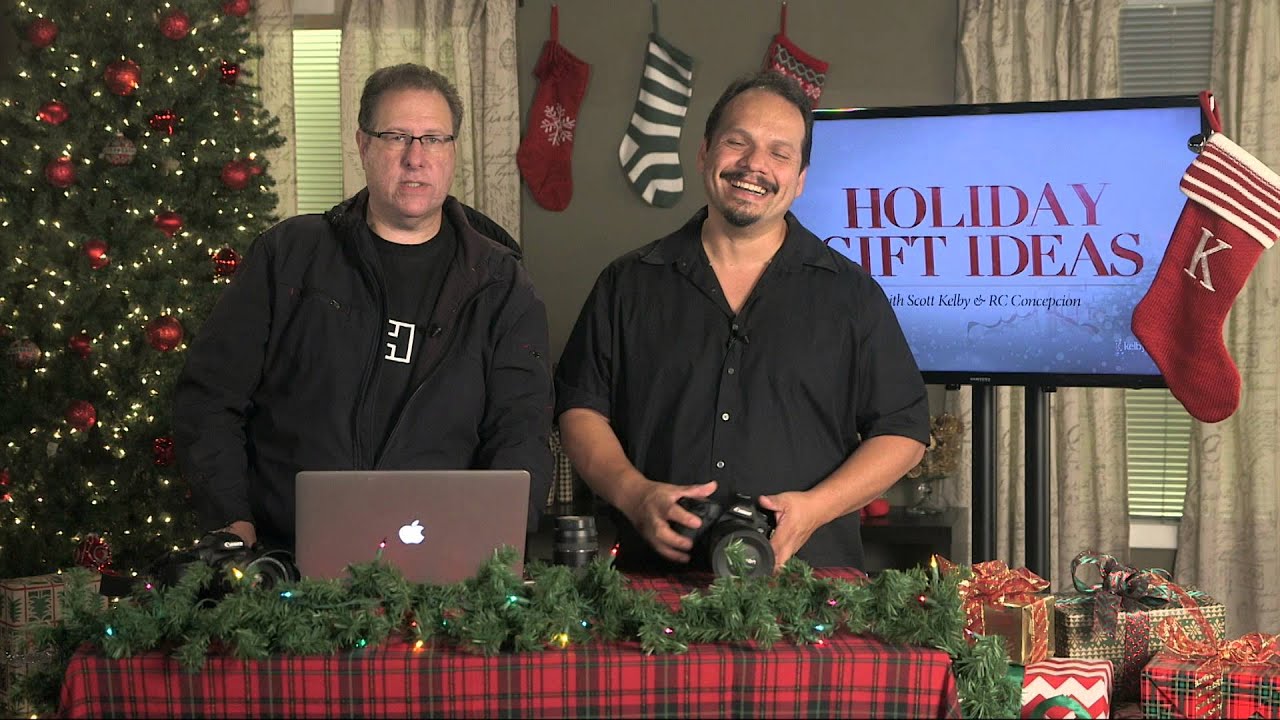
There’s a certain kind of gear recommendation I actually trust: the one that comes from someone who pulled the lens out in the field, not in a studio with controlled lighting and a color chart. When RC Concepcion and Scott Kelby run through holiday lens picks in this KelbyOne segment, the recommendations carry weight because they’re grounded in real shooting situations. RC used the Tamron 15-30mm in Dubai on a workshop trip.
Get More Out of Your Wide Angle Lens: A Step-by-Step Guide to Shooting Like a Landscape Pro

Get More Out of Your Wide Angle Lens: A Step-by-Step Guide to Shooting Like a Landscape Pro

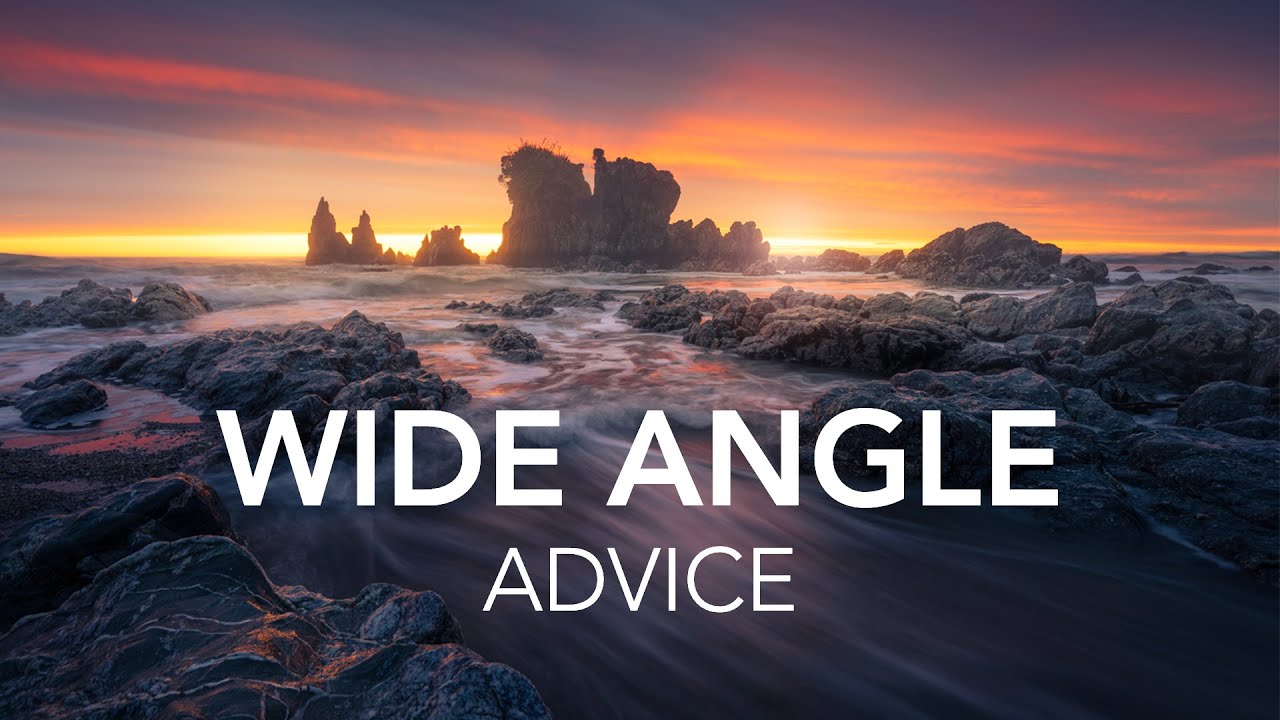
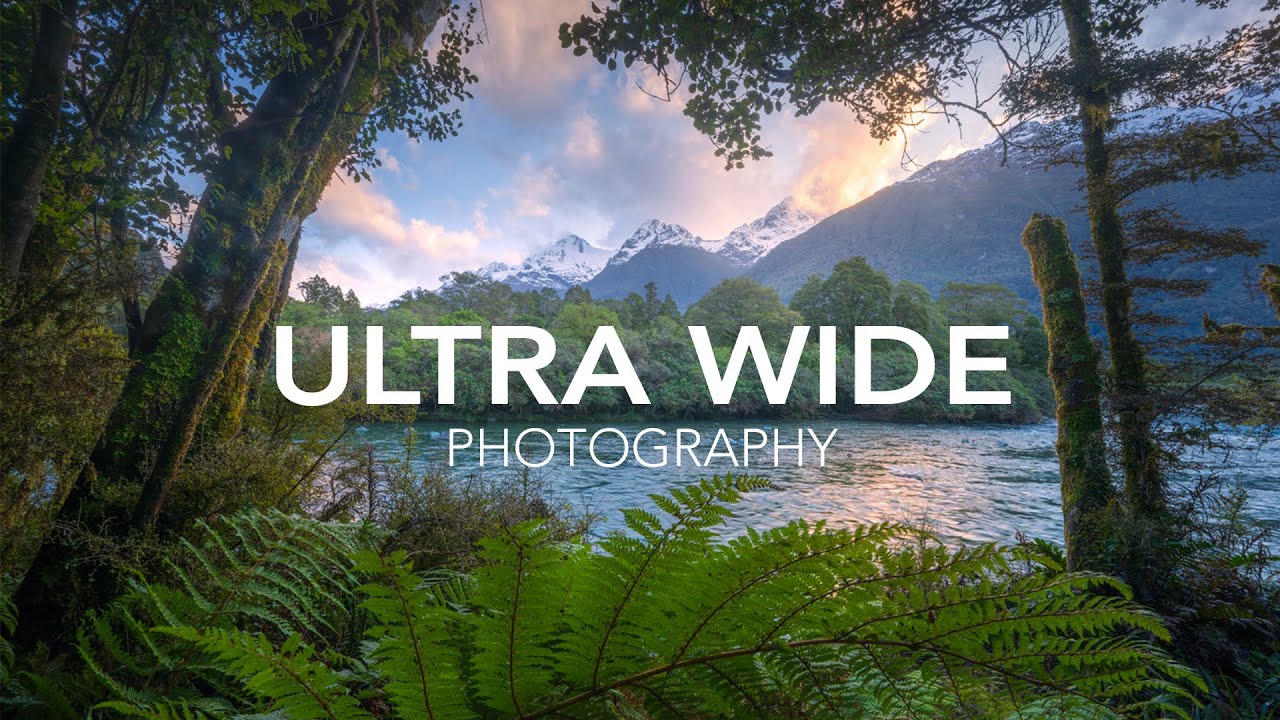
I’ll be honest: wide angle lenses have a reputation for being “easy” because they fit so much in the frame. Point them at a big landscape, click, done. Except that’s exactly the wrong way to use them, and it took me longer than I’d like to admit to figure that out. When I was starting out with a budget ultra-wide zoom, my landscape shots looked flat and lifeless even though I was standing in front of genuinely beautiful scenery.

How to Actually Use a Wide Angle Lens for Landscape Photography (Without Wasting a Shot)

How to Actually Use a Wide Angle Lens for Landscape Photography (Without Wasting a Shot)

Wide angle lenses are one of those purchases I see people regret constantly. Not because the glass is bad, but because they grab a 12mm or 14mm, point it at a mountain, and wonder why the shot looks flat and uninteresting. The mountain is tiny. The foreground is dead space. Nothing works. I’ve been there. Most of us have. What changed things for me was understanding that a wide angle lens isn’t a “fit more stuff in” tool.

How to Stitch a Super-Wide Pano in Photoshop Using a Single Zoom Lens (No Specialty Gear Required)

How to Stitch a Super-Wide Pano in Photoshop Using a Single Zoom Lens (No Specialty Gear Required)

Most of my readers know I’m not the guy who tells you to go buy more glass to solve a compositional problem. So when I came across this KelbyOne tutorial from photographer RC — Watch the full tutorial on YouTube — it immediately clicked with me. The core idea is dead simple: if your widest lens still can’t capture the full scope of a scene, shoot two overlapping frames and stitch them into a single super-wide panorama.