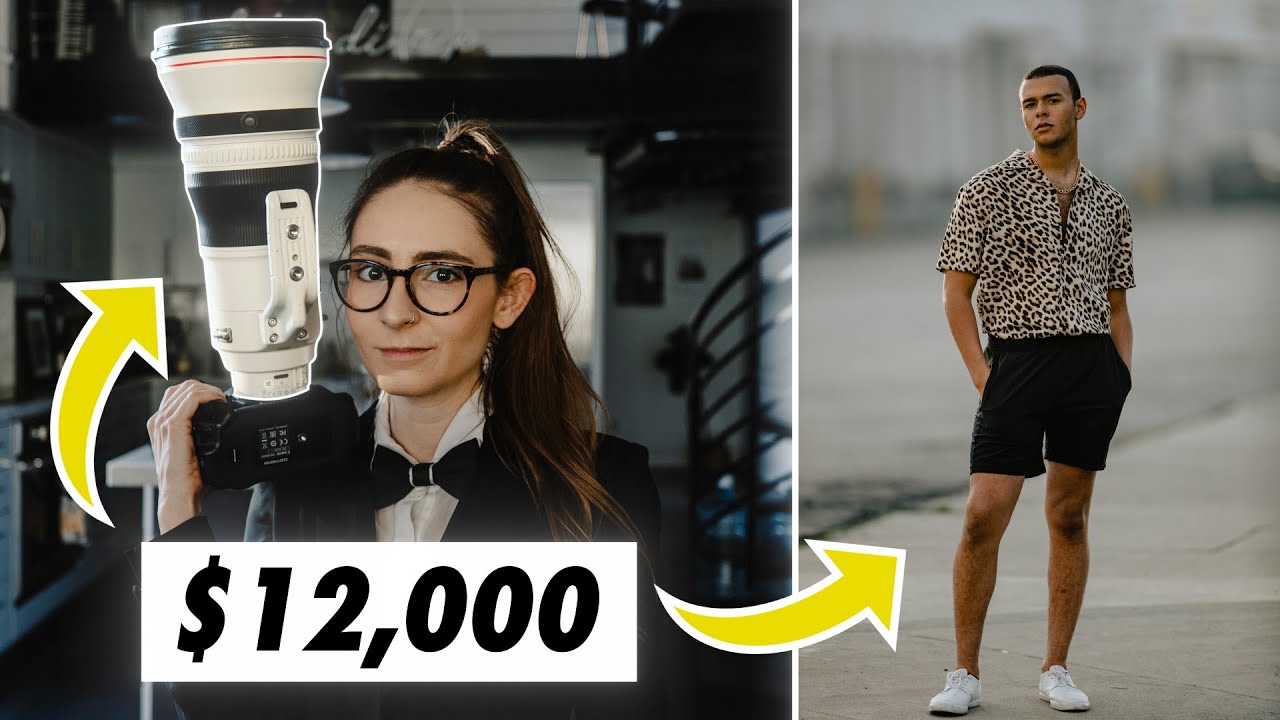
What a $12,000 Telephoto Lens Taught Me About Shooting Portraits (That You Can Apply for Way Less)

What a $12,000 Telephoto Lens Taught Me About Shooting Portraits (That You Can Apply for Way Less)

Most portrait photographers top out at 85mm or maybe 135mm and call it a day. I’ve been in that camp for years, and honestly, it makes sense for run-and-gun work. But there’s a whole different look sitting at the long end of the focal length spectrum, and unless you’ve shot with a serious telephoto, it’s hard to picture what you’re actually giving up. That question is exactly what Mango Street set out to answer in Watch the full tutorial on YouTube, when they rented Canon’s 400mm f/2.
Labor Day Gear Sales: Which Photo Deals Are Actually Worth Your Money

Labor Day Gear Sales: Which Photo Deals Are Actually Worth Your Money

Labor Day Gear Sales: Which Photo Deals Are Actually Worth Your Money Look, I’m going to be straight with you—Labor Day sales can be hit or miss. B&H Photo has rolled out some genuinely good discounts this year, but not everything deserves your hard-earned money just because it’s marked down. I’ve spent the last few hours digging through their sale to separate the real deals from the “meh” pricing. Here’s what matters: if you’ve been waiting to upgrade your kit, this is legitimately one of the better times to pull the trigger.

Fujifilm XApp Finally Delivers: The Companion App Your Camera's Been Waiting For

Fujifilm XApp Finally Delivers: The Companion App Your Camera's Been Waiting For

Fujifilm XApp Finally Delivers: The Companion App Your Camera’s Been Waiting For I’ve spent enough time wrestling with terrible camera companion apps to know when a company actually gets it right. After putting Fujifilm’s XApp through its paces with an X-T5, I can say this: Fujifilm has finally built an app that doesn’t feel like a corporate obligation. For years, we’ve watched camera manufacturers treat smartphone apps like an afterthought—clunky interfaces, slow transfers, features that feel half-baked.

Nikon's 28-400mm Superzoom Tested in the Dolomites: One Lens to Rule Your Hiking Kit?

Nikon's 28-400mm Superzoom Tested in the Dolomites: One Lens to Rule Your Hiking Kit?

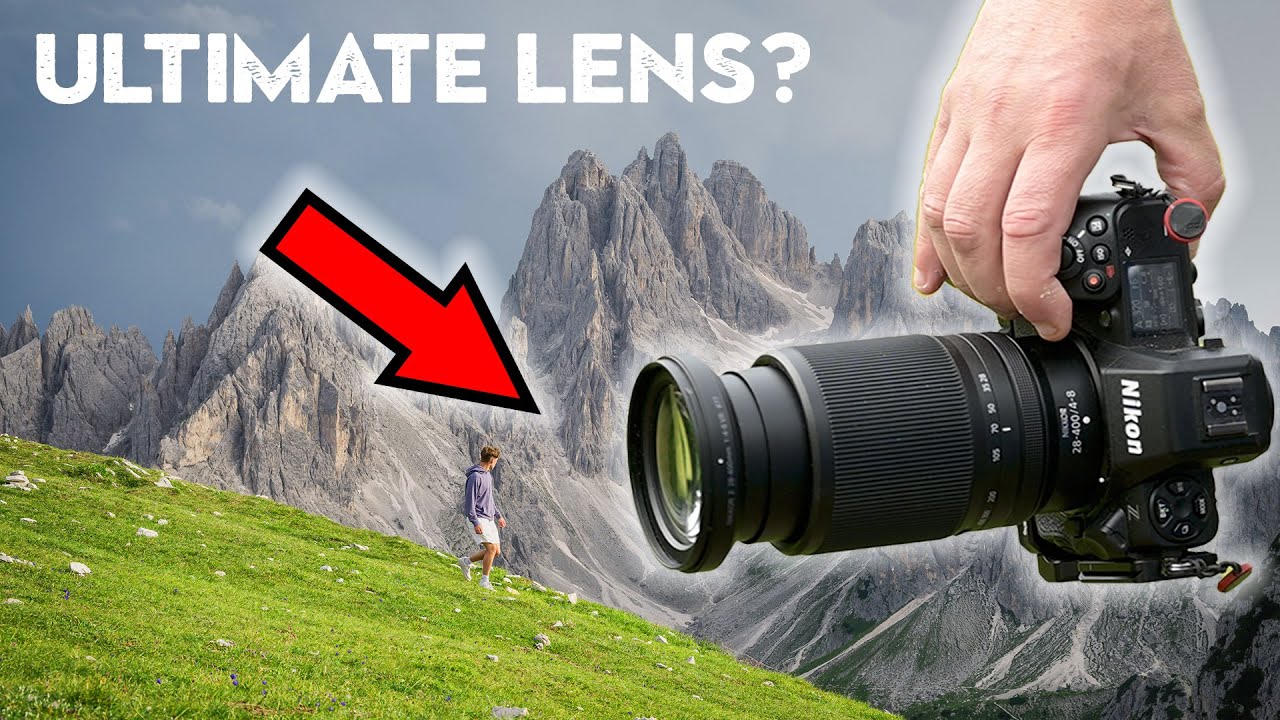
The dream for any photographer who shoots on foot is simple: one lens that covers everything, weighs nothing, and doesn’t make you choose between a wide establishing shot and a compressed telephoto pull. I’ve spent years chasing that setup on a budget, testing every superzoom I can get my hands on, and the tradeoffs are always the same. You gain range, you lose sharpness. You gain convenience, you lose speed. So when a new lens promises 28mm to 400mm in a single barrel, I pay attention, but I also stay skeptical until someone actually takes it somewhere that matters.

Canon's RF 135mm f/1.8 Is the Lens I'd Buy If I Stopped Caring About Price (Here's What It Actually Does)

Canon's RF 135mm f/1.8 Is the Lens I'd Buy If I Stopped Caring About Price (Here's What It Actually Does)

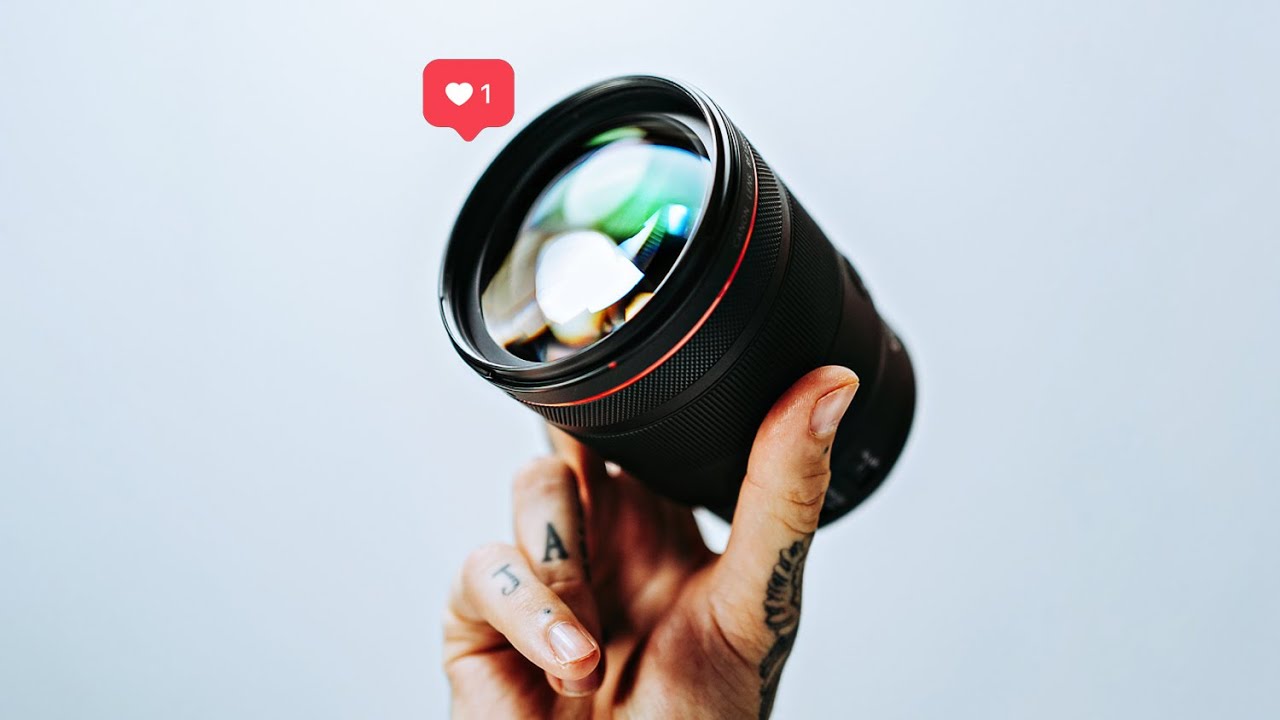
I’ve spent years arguing that you don’t need to spend big to get great results. That’s still true. But every once in a while a piece of gear comes along that makes me stop, look at the specs, and think hard about what “worth it” actually means. Canon’s new RF 135mm f/1.8 is one of those lenses. Not because of the hype, but because the original EF 135mm f/2 was genuinely one of the most underrated portrait lenses ever made, and Canon just rebuilt it with better glass, a faster aperture, and image stabilization it never had before.

Sony Wildlife Photography Gear: What Actually Matters (And What to Skip)

Sony Wildlife Photography Gear: What Actually Matters (And What to Skip)

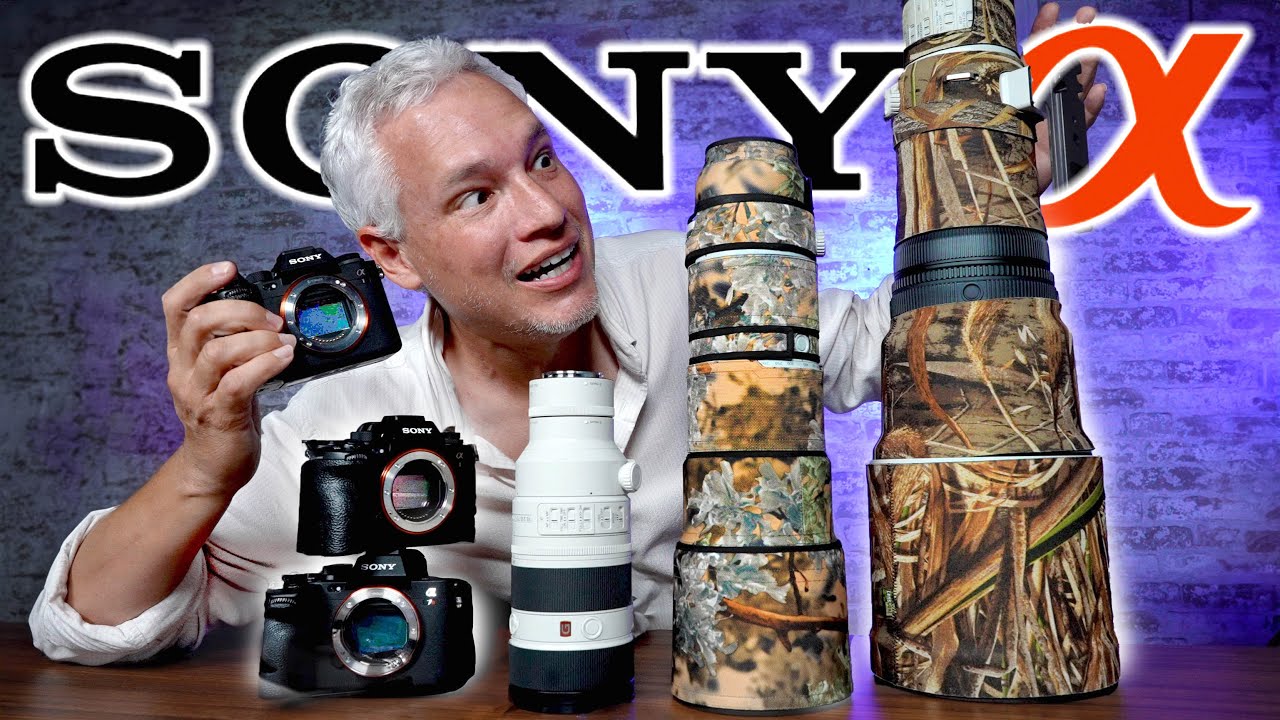
Wildlife photography is the one genre where I can’t tell you gear doesn’t matter. I’ve spent years arguing that a $500 camera can do most of what a $2,000 camera can do, and I stand by that for portraits, street work, and even landscapes. But when you’re tracking a bird of prey at 400mm while it banks hard left, your autofocus system and viewfinder refresh rate are not abstractions. They are the difference between a keeper and a blur.

Skip the Marketing Nonsense: What Waterproof Rating Actually Matters for Your Bluetooth Speaker

Skip the Marketing Nonsense: What Waterproof Rating Actually Matters for Your Bluetooth Speaker

Stop Falling for the Waterproof Hype Look, I’m tired of seeing companies slap “waterproof” on a speaker box and charge an extra $50 for it. Here’s the thing: not all waterproof ratings are created equal, and understanding the difference could save you serious cash. As someone who reviews gear constantly, I’ve watched the audio market get absolutely flooded with misleading marketing claims. A speaker that’s “water-resistant” isn’t the same as one that’s truly waterproof, yet manufacturers use these terms interchangeably to confuse buyers.

Jasmine Star's Wedding Lens Kit Breakdown: What Actually Matters and What You Can Rent

Jasmine Star's Wedding Lens Kit Breakdown: What Actually Matters and What You Can Rent

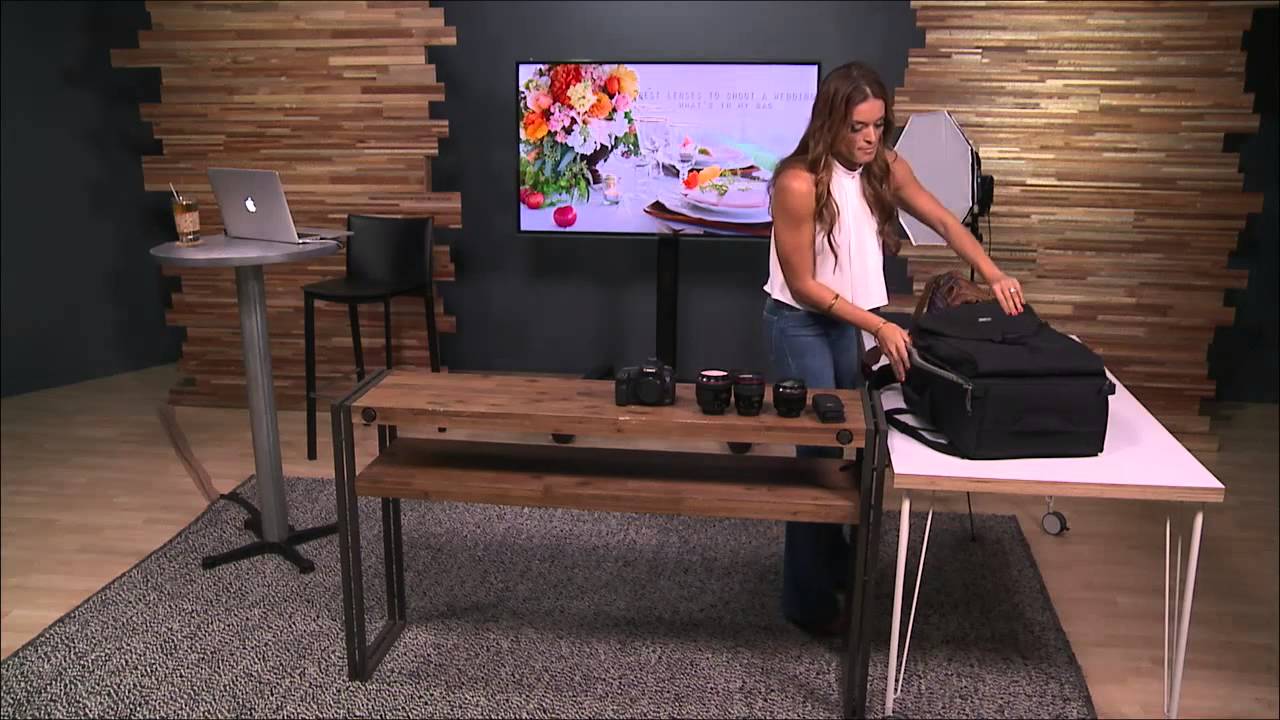
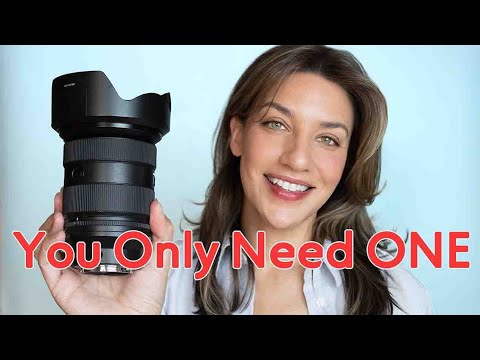
Most photographers I talk to are buying lenses in the wrong order. They chase the exotic glass first because it looks impressive in a kit list, then they realize six months later that their workhorse lens is something far simpler. I fell into that trap myself early on, and it cost me real money I didn’t have to spend. That’s why I kept coming back to this CreativeLive tutorial featuring wedding photographer Jasmine Star.

How Thomas Heaton Rebuilt His Entire Hiking Kit Around Fujifilm (And What It Cost Him)

How Thomas Heaton Rebuilt His Entire Hiking Kit Around Fujifilm (And What It Cost Him)

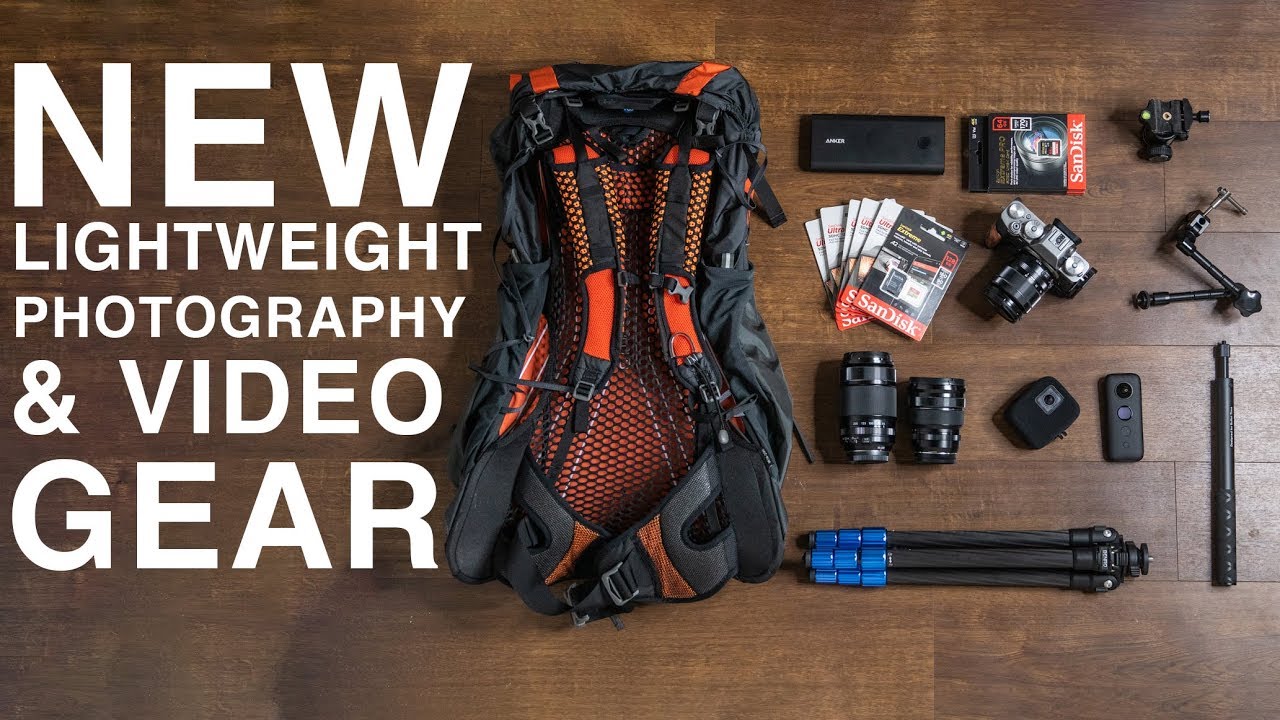
There’s a specific kind of misery that hits you about two miles into a steep trail when your pack is loaded with a full-frame body, three lenses, a secondary camera, a drone, and a carbon fiber tripod. I know it well. It’s the moment the photography stops feeling worth it. In Watch the full tutorial on YouTube, landscape photographer Thomas Heaton walks through a complete overhaul of his hiking camera kit, motivated by an upcoming Nepal expedition and years of carrying gear that was technically excellent but physically punishing.

Why Your Portrait Lens Focal Length Matters More Than Your Aperture

Why Your Portrait Lens Focal Length Matters More Than Your Aperture

I spent years thinking portrait quality came down to two things: a fast aperture and a sharp lens. Get an f/1.8 prime, shoot wide open, blur the background into oblivion, done. It took an embarrassingly long time for me to realize I was missing the bigger picture, literally. Focal length isn’t just a cropping tool. It fundamentally changes how your subject’s face looks, how the background relates to them, and what emotional story the image tells.

Zeiss Just Made Lens Repairs Way Less of a Headache—Here's What You Need to Know

Zeiss Just Made Lens Repairs Way Less of a Headache—Here's What You Need to Know

Zeiss Just Made Lens Repairs Way Less of a Headache—Here’s What You Need to Know I’ll be straight with you: before September 1st, getting a Zeiss lens repaired in North America was a bureaucratic nightmare. You’d contact Zeiss, get bounced to an authorized service center, wait weeks, and pray someone actually knew how to handle your particular glass—especially if it was vintage. Now? KEH Camera is the official Zeiss repair partner for both the US and Canada.

Why the 50mm Prime Should Be the First Lens You Master (and Maybe the Last You Need)

Why the 50mm Prime Should Be the First Lens You Master (and Maybe the Last You Need)

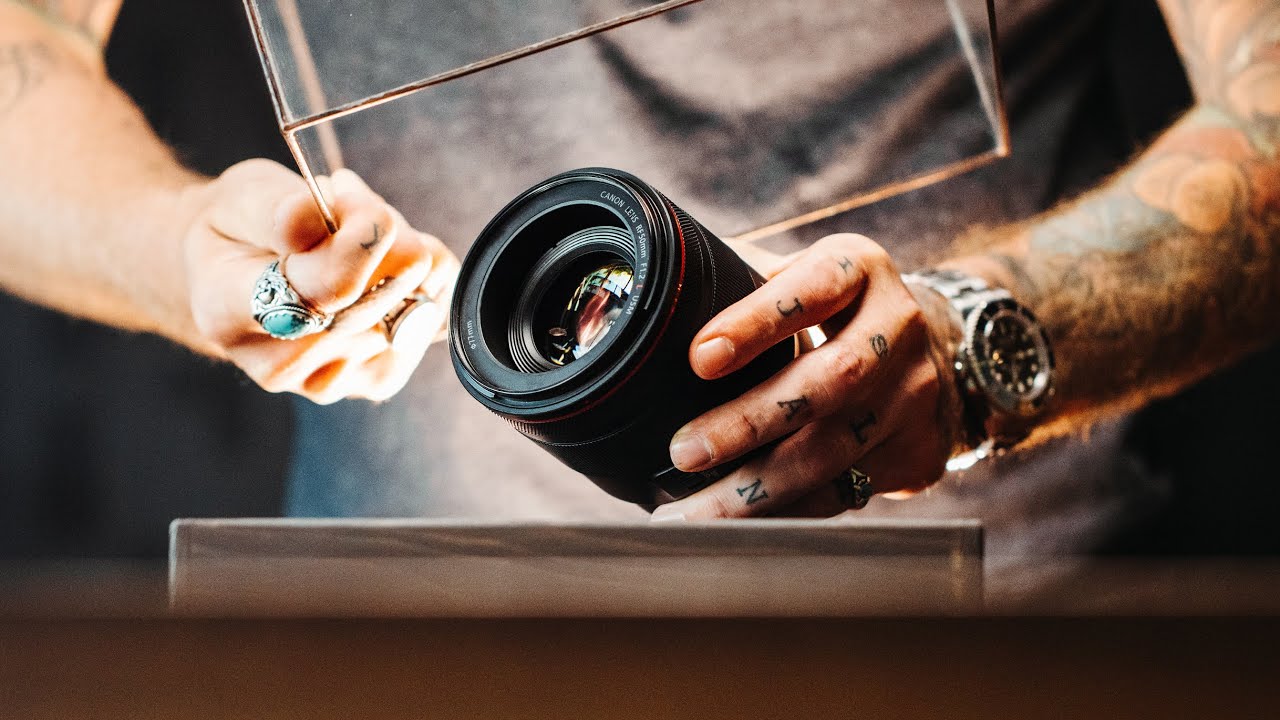
For a long time, I chased the wrong gear. I’d convince myself that the shot I missed was because I didn’t have a longer zoom, a faster aperture, or a bigger bag to carry all of it. Then I started tracking my actual keeper shots in a spreadsheet - yes, I have one of those - and noticed something uncomfortable: my best work almost always came from one focal length. Fifty millimeters.