Does a 50mm Lens Become a Portrait Lens on a Crop Sensor Camera? Here's the Actual Answer

Does a 50mm Lens Become a Portrait Lens on a Crop Sensor Camera? Here's the Actual Answer

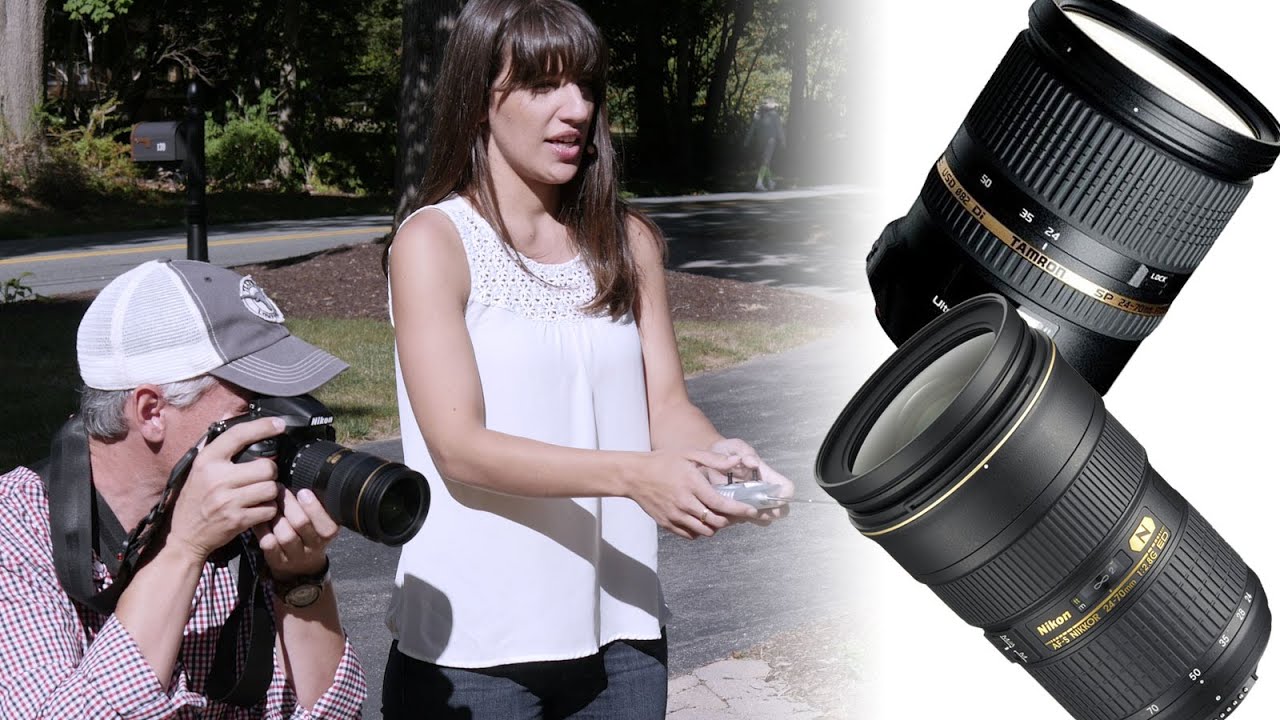
One question I kept seeing pop up in beginner photography groups — and honestly one I wrestled with myself when I was shooting on a crop sensor body — is whether a 50mm lens “counts” as a portrait lens when you’re not on full frame. It sounds like a simple question, but the answer touches on focal length compression, field of view, and how lens manufacturers actually design their glass. In this Daniel Norton Photographer tutorial, Watch the full tutorial on YouTube, Daniel works through the physics and the practical logic in about five minutes flat.
How to Sell Your Old Camera Gear Fast Using KEH's Virtual Appraisal (No Guesswork, No Risk)

How to Sell Your Old Camera Gear Fast Using KEH's Virtual Appraisal (No Guesswork, No Risk)

I have a problem that I suspect a lot of gear-focused photographers share: I research and buy equipment constantly, which means I also have a slowly growing pile of stuff I no longer use. A Canon body here, a kit lens there, a drone I flew twice. For a long time I told myself I’d list everything on Facebook Marketplace “eventually.” That eventually never came, because dealing with flaky buyers, lowball offers, and the paranoia of shipping expensive glass to strangers is genuinely exhausting.

How to Use AI as Your Street Photography Coach (And Actually Learn From It)

How to Use AI as Your Street Photography Coach (And Actually Learn From It)

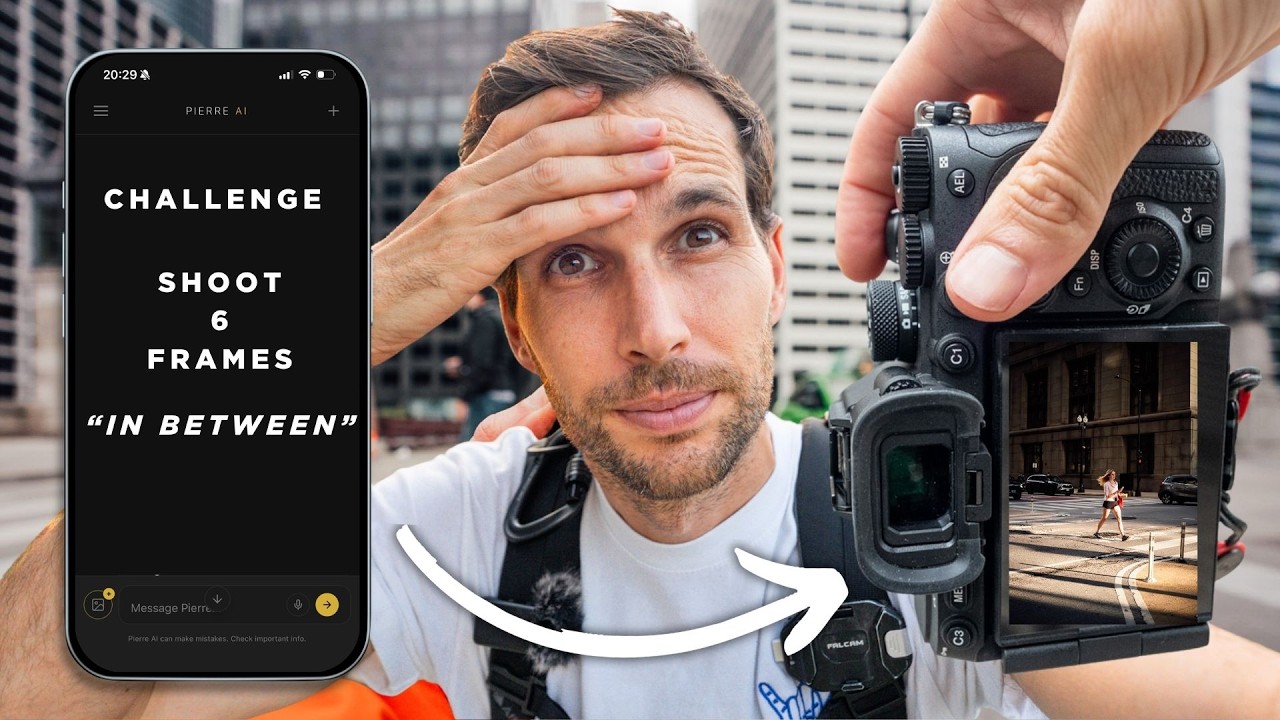
Street photography has a motivation problem. You show up somewhere you’ve shot a dozen times, you wander around for a while, you come home with okay images, and you wonder why you bothered. The location isn’t the issue. The lack of a mission is. That’s the real thing this technique solves, and I say that as someone who spent more hours than I’d like to admit researching gear when what I actually needed was a reason to go outside and shoot.

DPReview's September Photo Challenge: Free Creativity Boost (No Gear Required)

DPReview's September Photo Challenge: Free Creativity Boost (No Gear Required)

DPReview’s September Photo Challenge: Free Creativity Boost (No Gear Required) Look, I’m going to be straight with you: this isn’t a gear deal in the traditional sense. There’s no discount code, no markdown on camera bodies, no flash sale on lenses. But it is valuable, and that’s why I’m covering it. DPReview is launching a daily photo challenge throughout September to celebrate Save Your Photos Month. Each day brings a new theme, and you submit your best shots.

September Photo Challenge: Time to Dust Off Your Gear and Actually Use It

September Photo Challenge: Time to Dust Off Your Gear and Actually Use It

Stop Scrolling, Start Shooting Here’s something I’ll say without hesitation: most photography gear sits unused. People drop serious cash on cameras, lenses, and accessories, then let them gather dust while they scroll through Instagram on their phones. It’s genuinely frustrating to see. That’s why I’m genuinely excited about the daily photo challenge launching this September. This isn’t some gatekeeping, Instagram-famous-photographer situation. This is just an opportunity to use whatever camera you’ve got—whether it’s a $3,000 mirrorless beast or a smartphone—and actually make something with it.

Do Cheap Lens Filters Actually Work for Street Photography? I Tried Three to Find Out

Do Cheap Lens Filters Actually Work for Street Photography? I Tried Three to Find Out

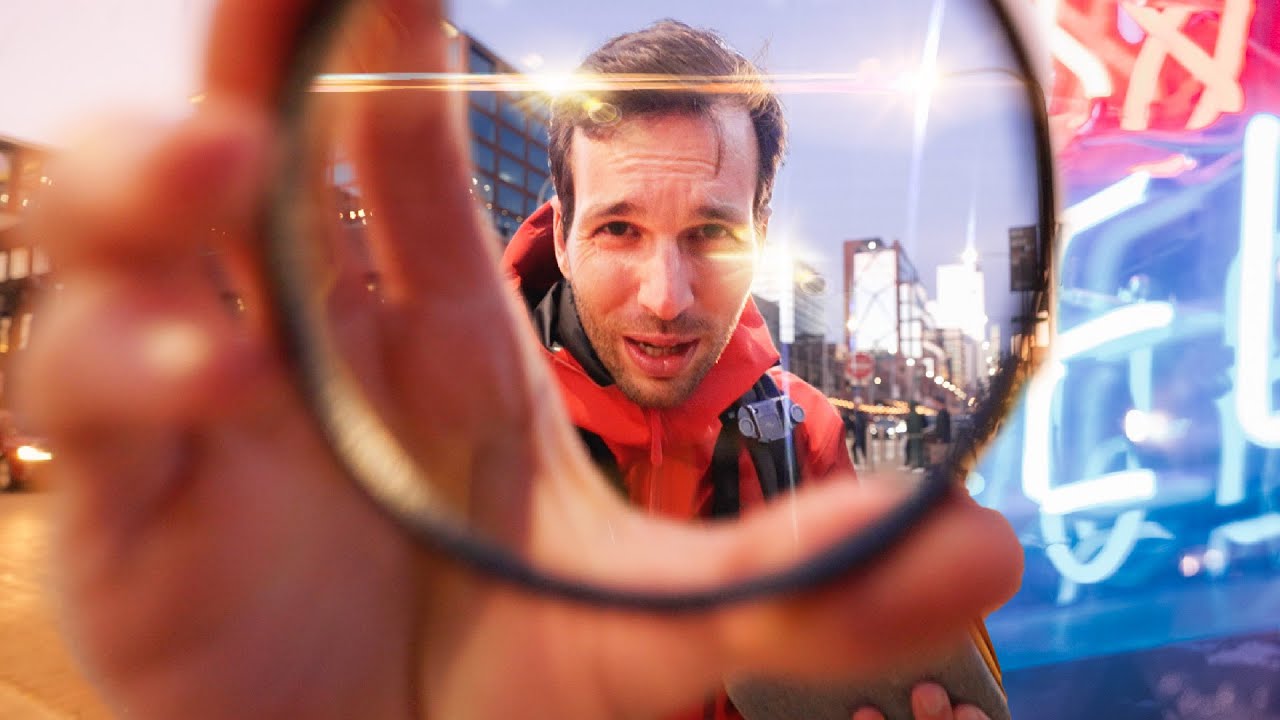
I’ve said it before and I’ll keep saying it: the accessory market for photographers is a minefield. Half the stuff looks cool in product shots and does nothing useful in the field. The other half gets dismissed as gimmicky until someone actually shoots with it and proves otherwise. Streak filters and mist filters land right in that second category for most people, and I’ll admit I’ve been guilty of writing them off without giving them a real test.

Which Portrait Lens Actually Wins? A Focal Length Breakdown From 24mm to 135mm

Which Portrait Lens Actually Wins? A Focal Length Breakdown From 24mm to 135mm

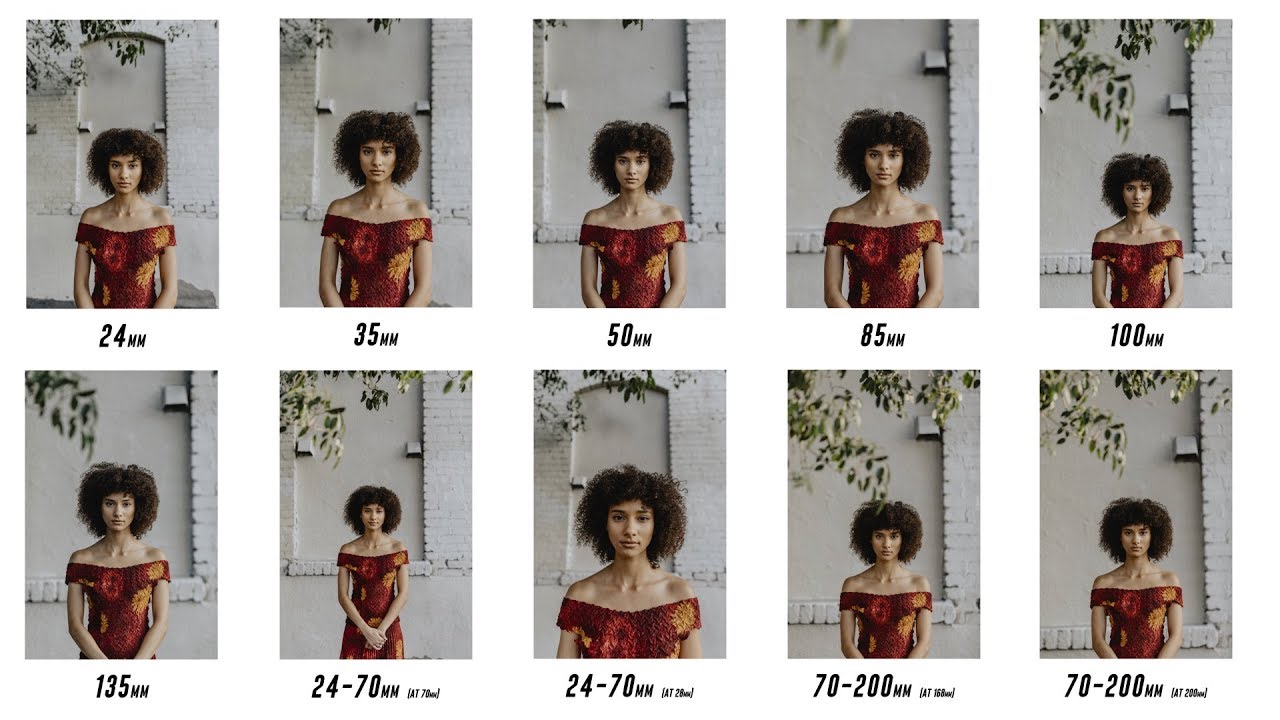
The question I get more than any other from photographers just building out their kits is some version of: “Which lens should I buy for portraits?” It sounds simple. It is not simple. The answer depends on your shooting style, your sensor size, your working distance, and honestly, your personality as a photographer. I’ve tested a lot of glass, and I’ve made a lot of bad purchases chasing someone else’s answer to that question.

The 50mm f/1.8 Is the Only Lens You Actually Need Right Now (Here's How to Use It)

The 50mm f/1.8 Is the Only Lens You Actually Need Right Now (Here's How to Use It)

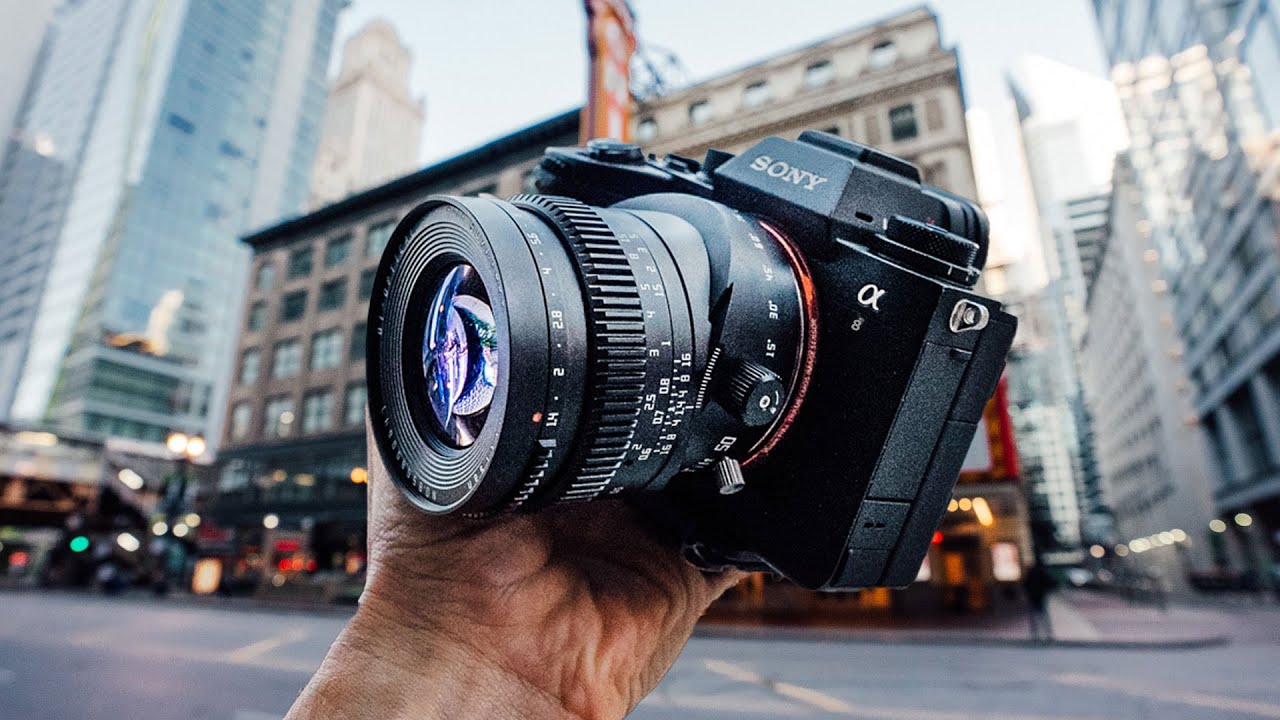
I have a spreadsheet with 47 lenses on it. Budget zooms, tilt-shifts, third-party primes, a few oddball manual focus options I bought off eBay at midnight. I’ve tested most of them. And after all of that, the one lens I still recommend first to anyone who asks is the 50mm f/1.8. Not because it’s the most exciting answer. Because it’s the correct one. In this Pierre T. Lambert tutorial filmed on the streets of Chicago, Lambert does something refreshing: he makes the case for the 50mm f/1.

Changing Lenses in a Sandstorm: What Thomas Heaton's Namibia Trip Taught Me About Field Craft

Changing Lenses in a Sandstorm: What Thomas Heaton's Namibia Trip Taught Me About Field Craft

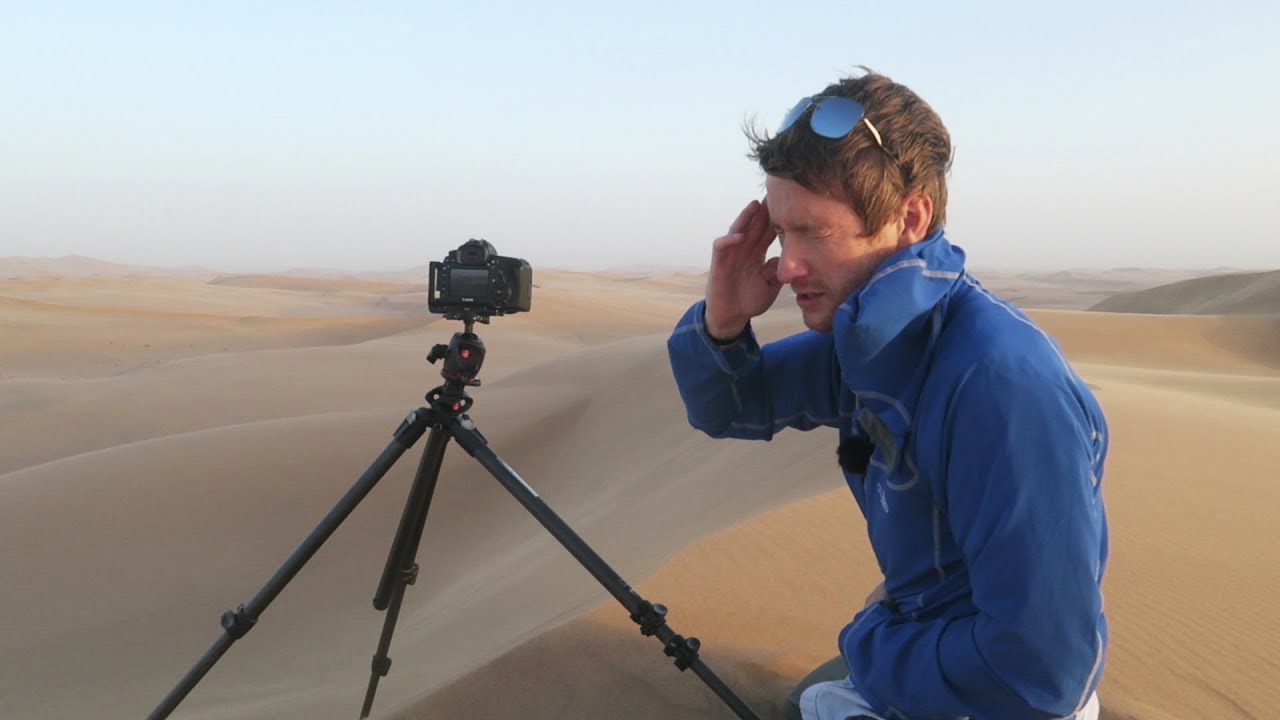
There’s a specific kind of panic that sets in when conditions turn bad and your gear is still in the bag. I know it well. I’ve stood on a snowy ridge in Colorado with wind coming sideways, trying to swap a filter while keeping sand and debris off my sensor, wondering why I never actually practiced this move before I needed it. Most of us treat lens changes like something we do at home on the couch.

Forget the Fancy Gear: Sean Tucker's Food Photography Tips Actually Work in a Real Kitchen

Forget the Fancy Gear: Sean Tucker's Food Photography Tips Actually Work in a Real Kitchen

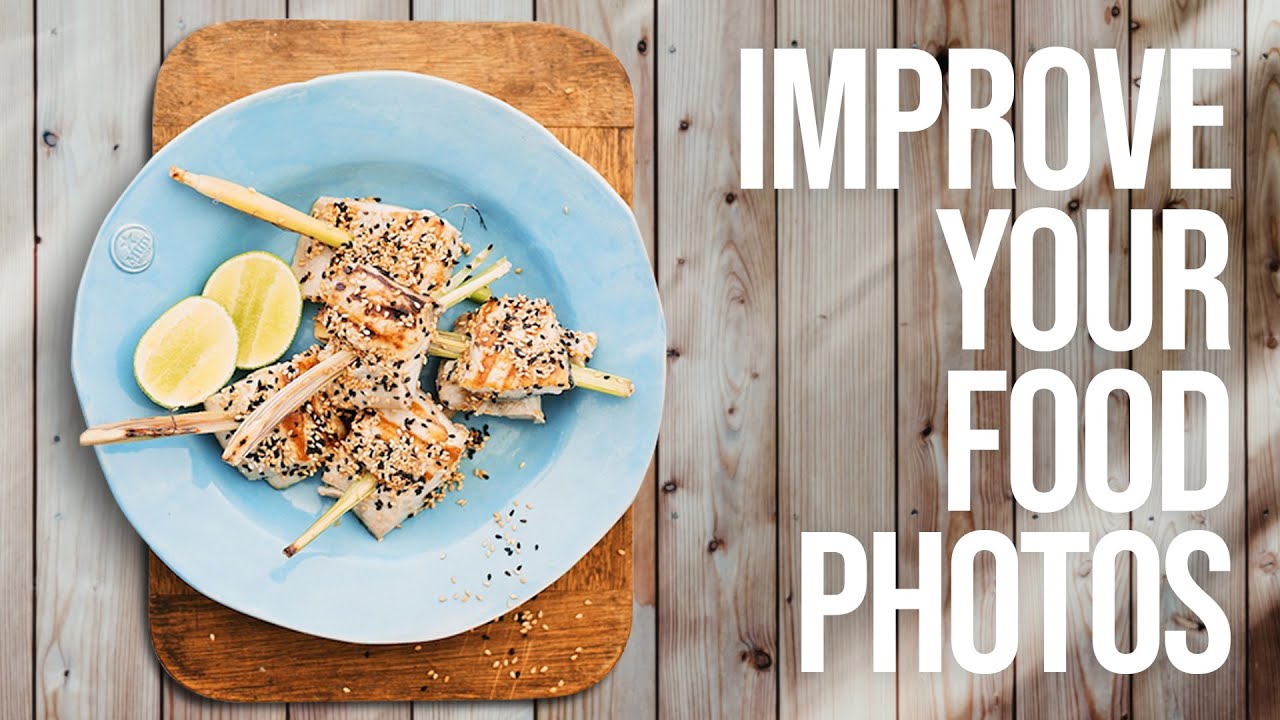
I shoot gear for a living. Tripods, lenses, light modifiers — I’ve tested more budget versions of those things than I care to admit. But food photography kept humbling me, and for a long time I couldn’t figure out why. I’d have a decent camera, decent light, and the result still looked like a cafeteria tray. It wasn’t a gear problem. I just didn’t understand what actually makes food photography work.

Why I'd Swap a Heavy Zoom for a Tiny Prime on Any Travel Trip (And You Probably Should Too)

Why I'd Swap a Heavy Zoom for a Tiny Prime on Any Travel Trip (And You Probably Should Too)

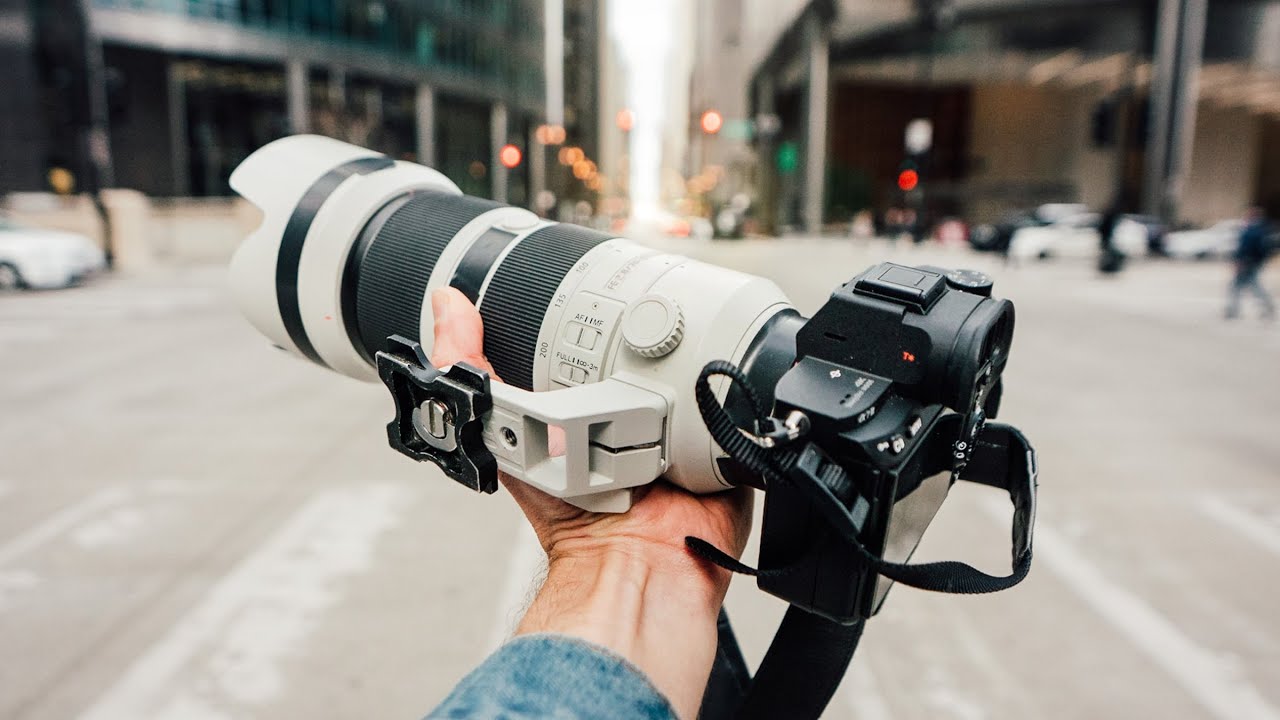
There’s a version of gear ownership where the “best” lens becomes a liability. I’ve watched it happen to shooters who carry a $2,000 zoom to a street market and spend more energy protecting the glass than actually shooting. The lens wins. The photos lose. In this Pierre T. Lambert tutorial, Pierre walks through a decision he’d been wrestling with for over a year: leaving his Sony 70-200mm f/2.8 at home for a trip to Tulum, Mexico, and replacing it with the Sony 85mm f/1.

Tamron 24-70 f/2.8 vs Nikon 24-70 f/2.8: The $600 Question Every Nikon Shooter Needs to Answer

Tamron 24-70 f/2.8 vs Nikon 24-70 f/2.8: The $600 Question Every Nikon Shooter Needs to Answer

Every time I put together a lens buying guide, someone in the comments asks some version of the same question: “Is the name-brand version actually worth the premium, or am I just paying for the logo?” With standard zooms, that question hits hardest in the 24-70 f/2.8 range, because these are working lenses. Photographers buy them to shoot weddings, events, portraits, travel – the stuff that actually pays or matters. The price gap between the Nikon and Tamron versions of this focal range sits around $600 at most price points, which is not rounding error money.