I Caught Aurora and a Meteor in One Shot—With a $300 Lens

I Caught Aurora and a Meteor in One Shot—With a $300 Lens

When Budget Gear Outperforms Expectations I’ll be honest—I didn’t expect much when I packed my Laowa 9mm f/2.8 Zero-D for a Northern Lights expedition last week. At under $300 on the used market, it’s practically the forgotten stepchild of ultra-wide astrophotography lenses. Yet somehow, I managed to capture both the Aurora Borealis and a Perseid meteor streaking across the frame in the same shot. Not bad for “cheap” glass. This experience reinforces something I’ve been preaching for years: you don’t need a $2,000+ lens to produce world-class astrophotography.

Two Lights, One Reflector, Zero Excuses: A Simple Portrait Setup That Actually Works

Two Lights, One Reflector, Zero Excuses: A Simple Portrait Setup That Actually Works

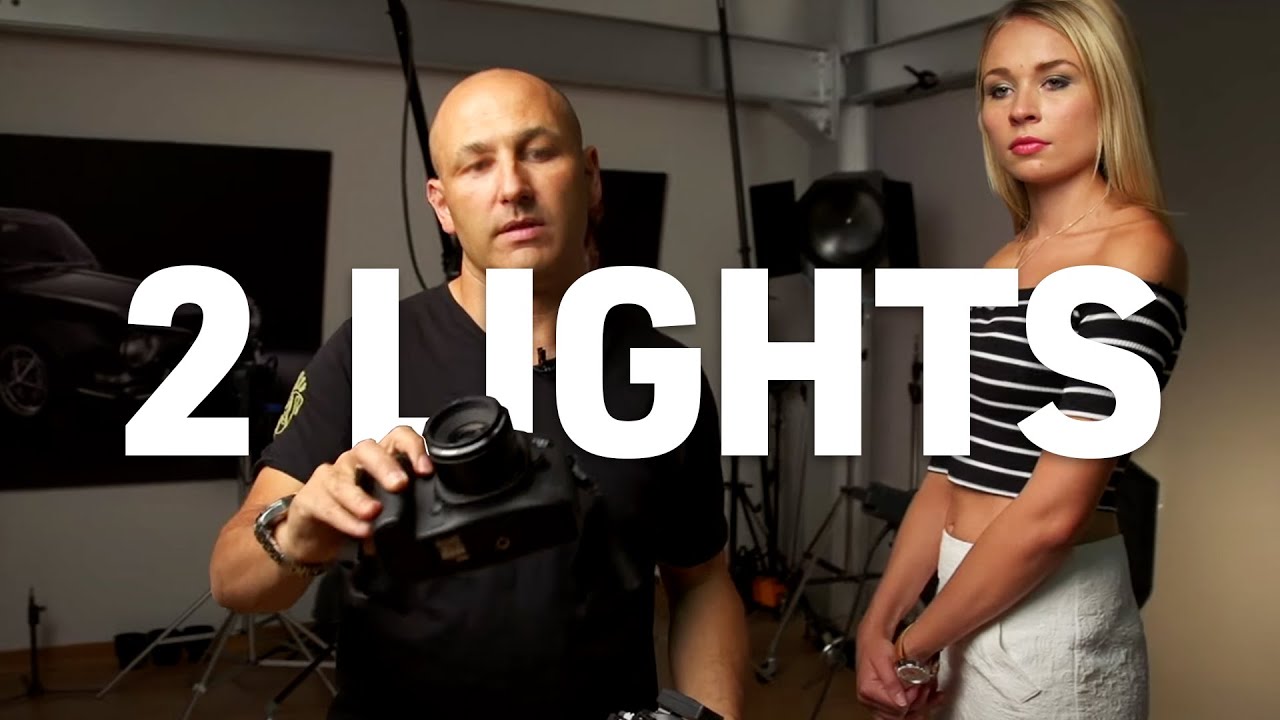
I’ve done the blind test. I’ve stood in a room full of photographers and watched them fail to pick out which portrait came from a $500 camera and which came from a $2,000 one. Every time, the conversation eventually lands in the same place: it was the light. Not the sensor. Not the glass. The light. That’s why this particular tutorial from Visual Education stopped my morning scroll cold. It strips a portrait setup down to two lights and a piece of foam board, then shoots the same subject on a high-end Canon 5D and a budget Olympus mirrorless camera to prove the point.

OpenAI's $300-$400 Ring Speaker is a Hard Pass for Creators on a Budget

OpenAI's $300-$400 Ring Speaker is a Hard Pass for Creators on a Budget

Another Premium Price Tag Nobody Asked For Look, I’ll be direct: OpenAI’s rumored ring-shaped smart speaker pricing between $300 and $400 is objectively wild. And not in a good way. We’ve been hearing whispers about OpenAI jumping into hardware for a while now, but when actual price speculation started floating around, I had to do a double-take. For context, you can grab a quality Ring doorbell, a solid WiFi-enabled security camera, or a genuinely useful Bluetooth speaker ecosystem for that same budget.

Is the Panasonic Lumix 100-500mm the Wildlife Lens Budget Shooters Have Been Waiting For?

Is the Panasonic Lumix 100-500mm the Wildlife Lens Budget Shooters Have Been Waiting For?

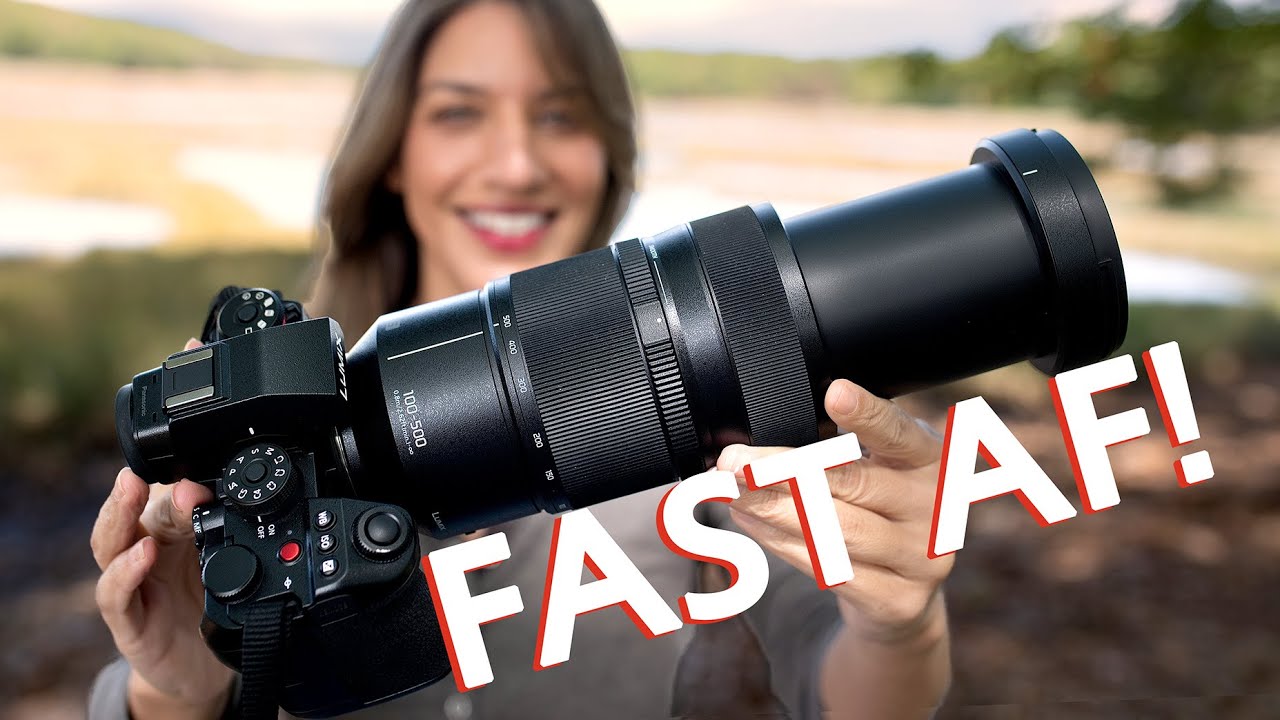
Finding a wildlife lens that won’t destroy your bank account while still delivering usable results is genuinely hard. The sweet spot everyone is hunting for - enough reach, fast enough autofocus, light enough to actually carry - keeps moving just out of reach depending on your budget. I’ve been tracking telephoto options in my lens comparison spreadsheet for a while now, and the $2,100 Panasonic Lumix 100-500mm F5-7.1 recently jumped to the top of my “keep watching” list.

Irix 11mm f/4 Blackstone Review: Is This Ultra-Wide Worth the Premium Price Tag?

Irix 11mm f/4 Blackstone Review: Is This Ultra-Wide Worth the Premium Price Tag?

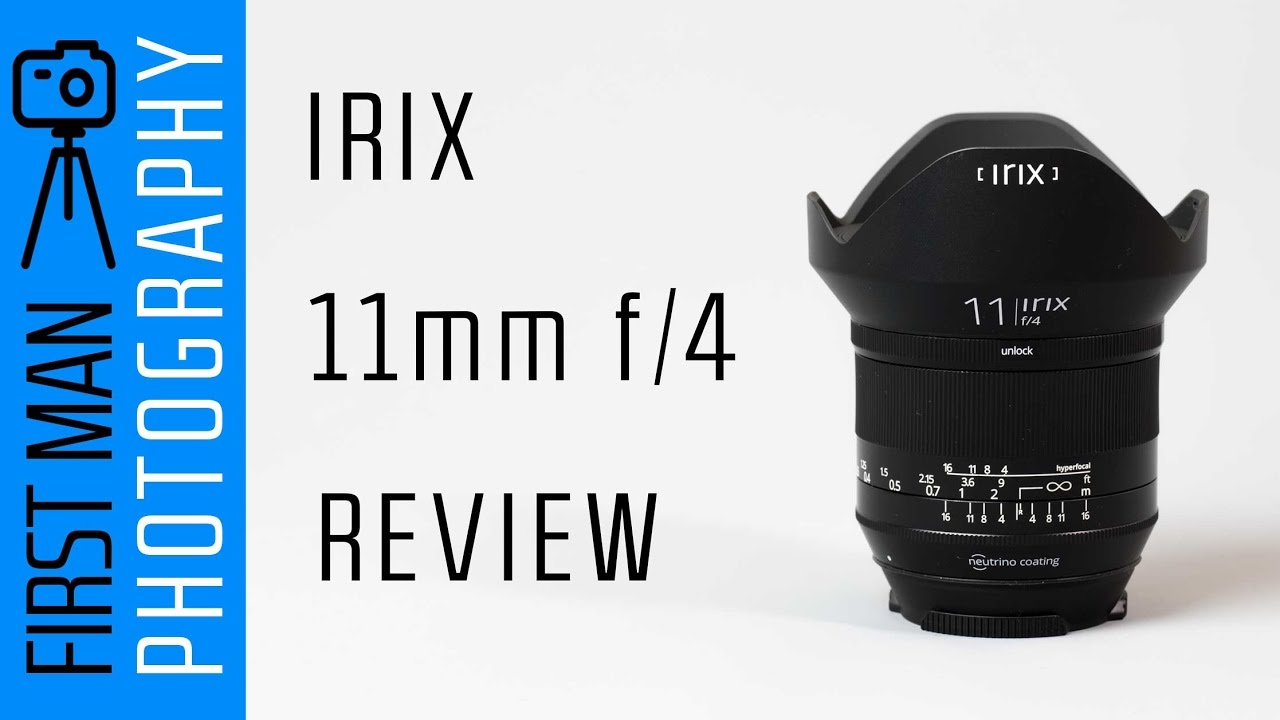
There’s a question I get more than almost any other from photographers stepping up their landscape game: “What’s the widest I can go before my images start looking like a funhouse mirror?” It’s a fair concern. Ultra-wide lenses are either revelatory or a regret, and there isn’t much middle ground. When I came across this review from First Man Photography covering the Irix 11mm f/4 Blackstone, I paid close attention, because this lens sits in a price bracket that gets real consideration from shooters who aren’t ready to drop a mortgage payment on a first-party prime.

Macro Probe Lens Shootout: Is the Budget AstrHori 28mm Worth It Against the Laowa 24mm?

Macro Probe Lens Shootout: Is the Budget AstrHori 28mm Worth It Against the Laowa 24mm?

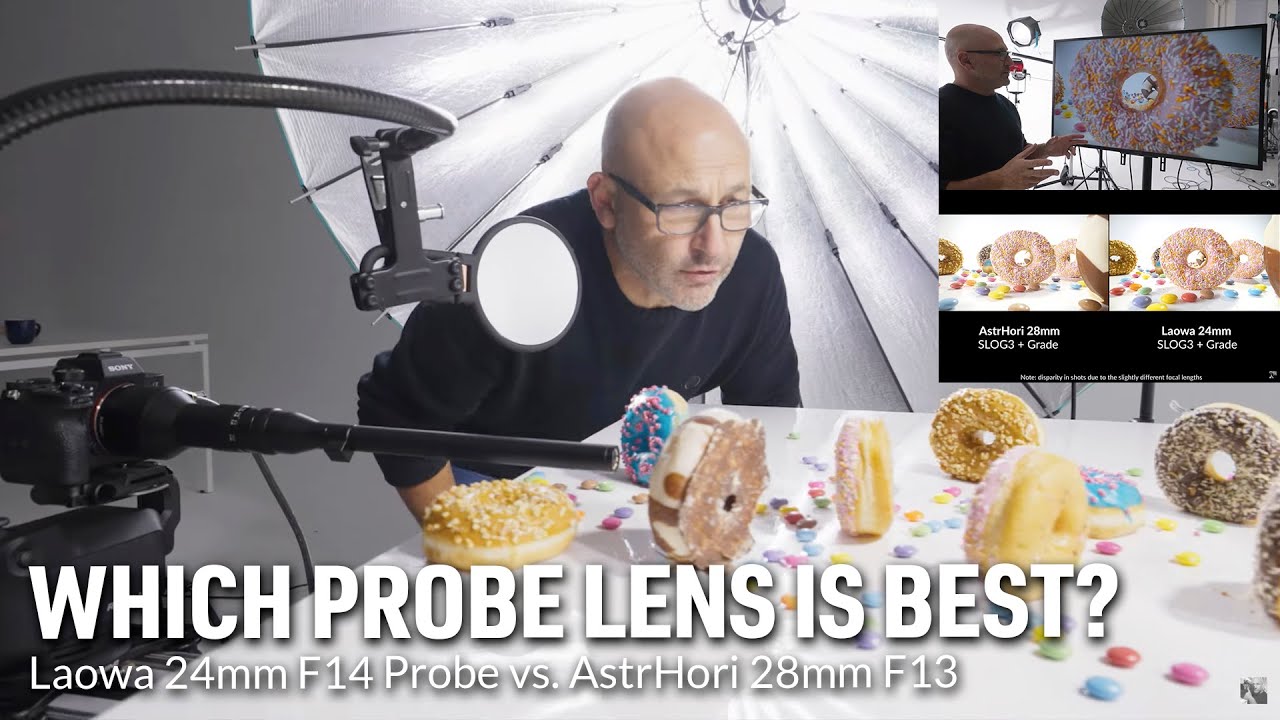
If you’ve ever wanted to send a camera lens crawling through a pile of coffee beans or diving into a donut like some kind of cinematic insect, a macro probe lens is the tool that makes it happen. These weird, elongated lenses are niche by design, but they produce shots that stop people mid-scroll. The problem has always been the price. The Laowa 24mm f/14 is the benchmark, and it’s priced like one.

The Camera Accessories Actually Worth Buying (And the Ones Draining Your Wallet)

The Camera Accessories Actually Worth Buying (And the Ones Draining Your Wallet)

The Accessory Aisle Is Where Camera Budgets Go to Die Last year I walked into a camera store to grab a spare battery. I walked out $340 lighter. A circular polarizer, a “premium” cleaning kit, a lens hood I didn’t need, and a bag that I’ve since replaced with a $28 Lowepro off Amazon. None of those purchases made my photos better. Not one. This is the trap with camera accessories.

This Week's Best Camera Deals: Where Your Money Actually Goes Further

This Week's Best Camera Deals: Where Your Money Actually Goes Further

I’ve been tracking camera gear pricing for long enough to know that truly valuable deals don’t come around every day. This week, though, we’ve got a genuinely solid spread of discounts that actually make sense—not the inflated “original prices” that retailers love to slap on things. Let me break down what’s actually worth your attention. The Workhorse Zoom: Tamron 50-400mm The Tamron 50-400mm f/4.5-6.3 Di III VC VXD is sitting at $1,044.

Hohem MT3 Pro Gimbal Review: Why This Underdog Deserves Your Attention

Hohem MT3 Pro Gimbal Review: Why This Underdog Deserves Your Attention

The Gimbal Market is Oversaturated—And That’s Good News Walk into any gear discussion and you’ll hear the same names repeated: DJI this, DJI that. Don’t get me wrong—DJI makes solid products. But the gimbal landscape has exploded over the past couple years, and frankly, I’m tired of seeing creators overpay for features they’ll never use just because a brand has better marketing. That’s why the Hohem MT3 Pro caught my eye.

The 50mm f/1.4 Is the Only Lens Most Photographers Actually Need — Here's Why a Pro Agrees

The 50mm f/1.4 Is the Only Lens Most Photographers Actually Need — Here's Why a Pro Agrees

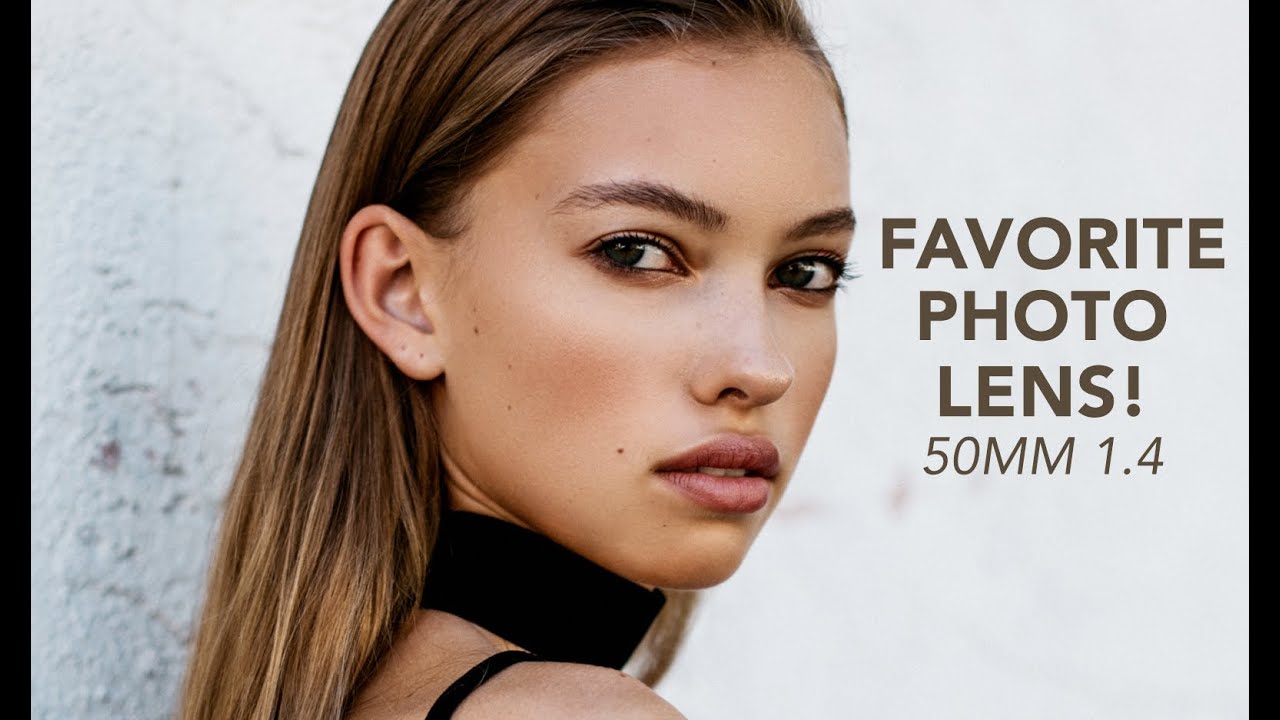
I’ve built most of my gear philosophy around one uncomfortable truth: photographers consistently overspend on glass they don’t need. I tracked my own lens usage for three months using a spreadsheet and found that roughly 80 percent of my keepers came from a single focal length. That didn’t surprise me. What surprised me was how many working photographers I talked to had the same result and still kept reaching for more exotic, more expensive glass out of habit or ego.

What the Ricoh GR IVA Taught Me About Buying Into a Camera System, Not Just a Camera

What the Ricoh GR IVA Taught Me About Buying Into a Camera System, Not Just a Camera

I’ve always had a soft spot for the Ricoh GR line. Not because it’s the flashiest gear on the market, but because it represents something I genuinely believe in: a small, no-nonsense tool that gets out of your way and lets you shoot. When I started out with a $300 kit camera, I learned pretty fast that the camera you actually carry beats the one sitting at home in a padded bag.

The Anamorphic Dream vs. Reality: Is a $1,000 Lens Close Enough to a $4K Cinema Optic?

The Anamorphic Dream vs. Reality: Is a $1,000 Lens Close Enough to a $4K Cinema Optic?

The Anamorphic Obsession Is Real Let’s be honest: anamorphic lenses have become the gear world’s equivalent of designer sneakers. Everyone wants that stretched bokeh, those horizontal lens flares, and that undeniable cinematic something that makes footage feel like it came straight out of a Tarantino film. The problem? Authentic anamorphic glass has historically meant mortgaging your house or settling for decades-old vintage optics held together by prayers and duct tape.