Why I Started Shooting Portraits With a 24mm (And Why You Should Try It Too)

Why I Started Shooting Portraits With a 24mm (And Why You Should Try It Too)

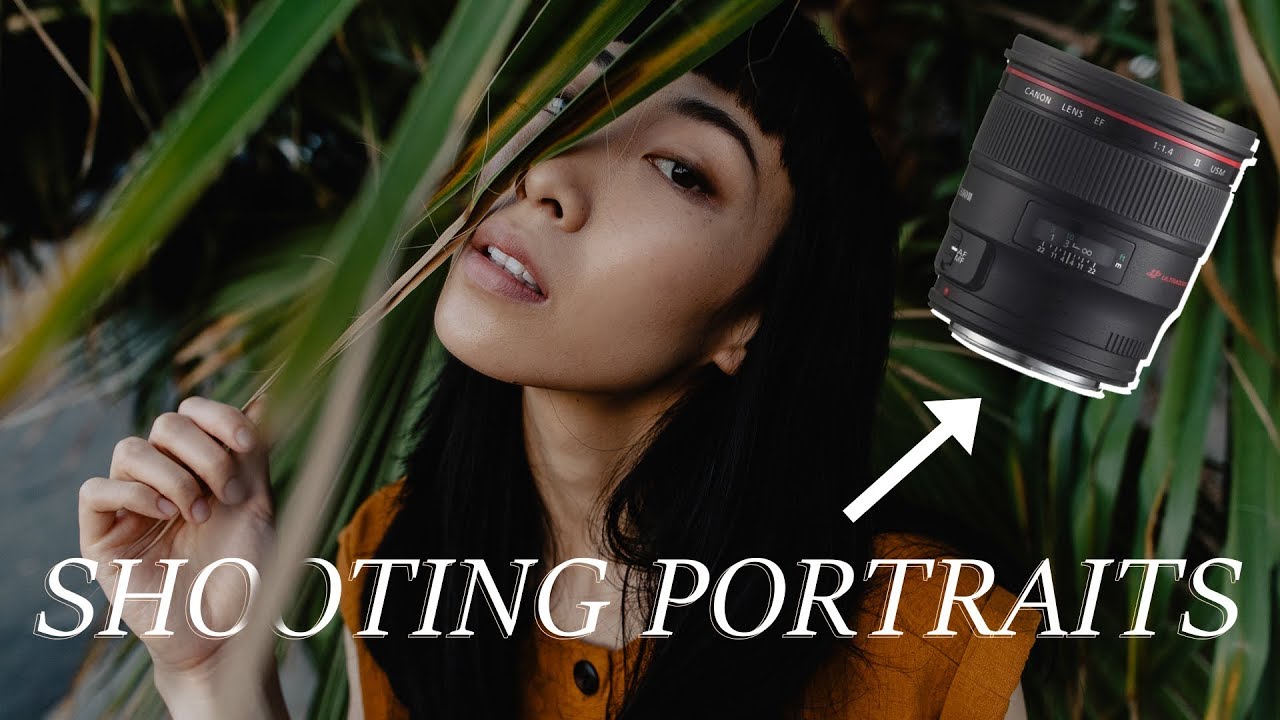
Every photographer I know has a comfort zone lens. For most portrait shooters, that’s an 85mm, a 50mm, maybe a 70-200mm if they’re feeling fancy. I get it. Those focal lengths are forgiving, flattering, and predictable. But predictable is also another word for boring, and I’ve been trying to push myself out of that rut lately. What finally cracked things open for me was watching Mango Street take their brand new Canon 24mm f/1.
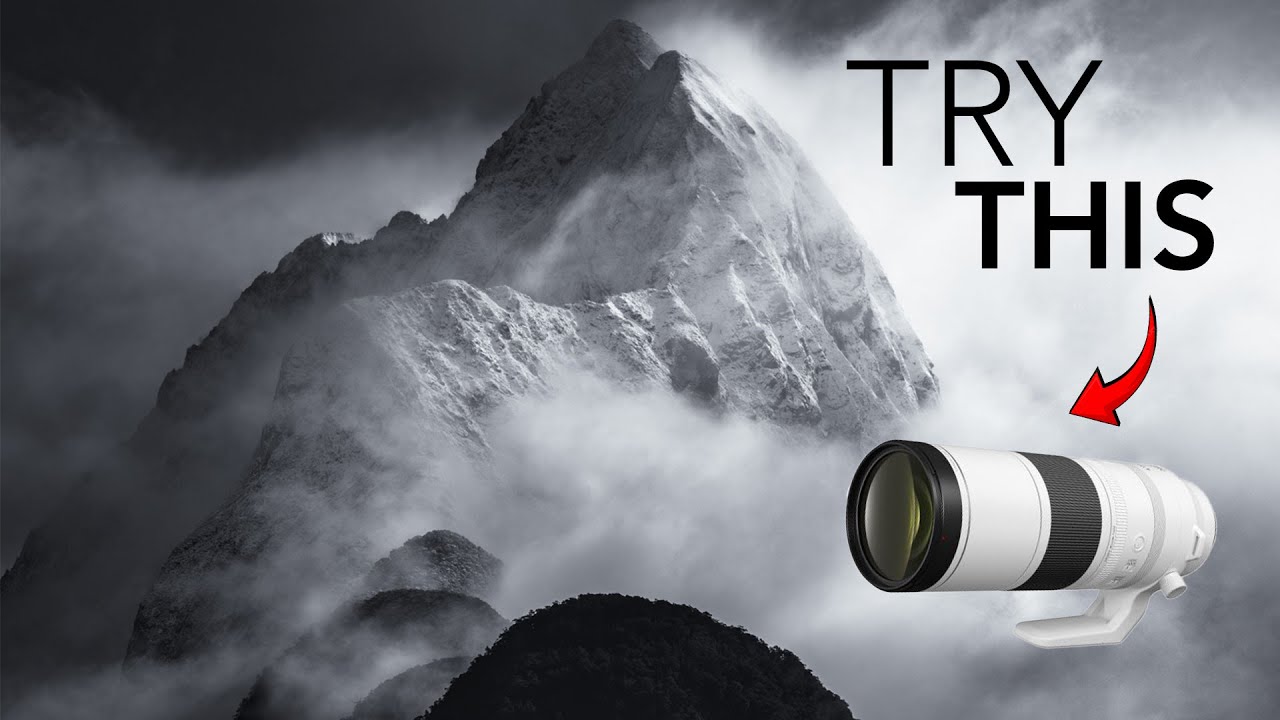
How to Actually See with a Telephoto Lens (Most Landscape Photographers Never Learn This)

How to Actually See with a Telephoto Lens (Most Landscape Photographers Never Learn This)

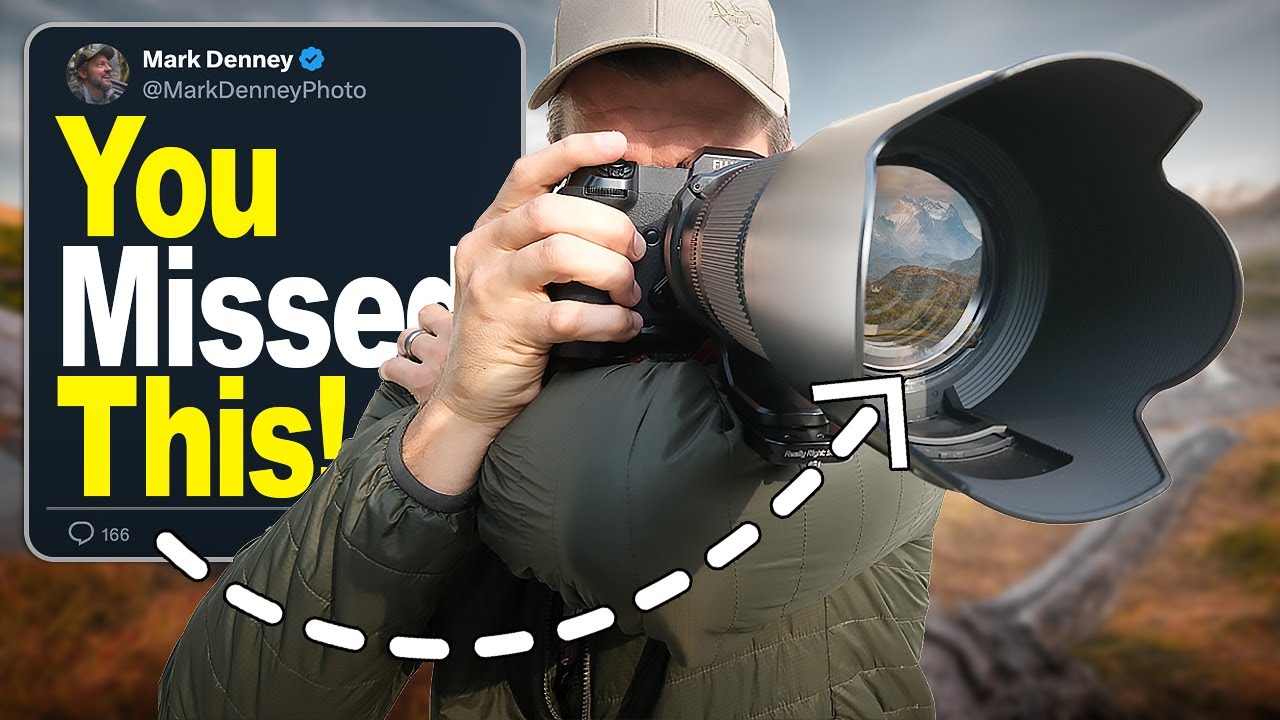
I spent way too long treating my telephoto lens like a specialty item I only reached for when something was far away. Wide angle on, walk around, find a composition, done. The telephoto stayed in the bag unless I spotted a bird or a distant mountain peak I wanted to pull in. Sound familiar? The problem wasn’t the gear. I’ve tested enough budget telephotos to fill a spreadsheet, and even the cheap ones are optically capable of stunning landscape shots.

How to Actually Use a Telephoto Lens for Landscape Photography (Without Wasting Its Best Features)

How to Actually Use a Telephoto Lens for Landscape Photography (Without Wasting Its Best Features)

I came up through the budget-gear world convincing people that a kit lens could do more than they thought. And for years, I kind of overlooked the telephoto as a landscape tool because it felt like a specialty item, something wildlife shooters needed, not landscape photographers. Then I sat down with William Patino’s tutorial on making the most of your telephoto lens, and it reframed how I think about the whole focal length category.

Why Your Wide Angle Shots Look Flat (And the Field Fix That Actually Works)

Why Your Wide Angle Shots Look Flat (And the Field Fix That Actually Works)

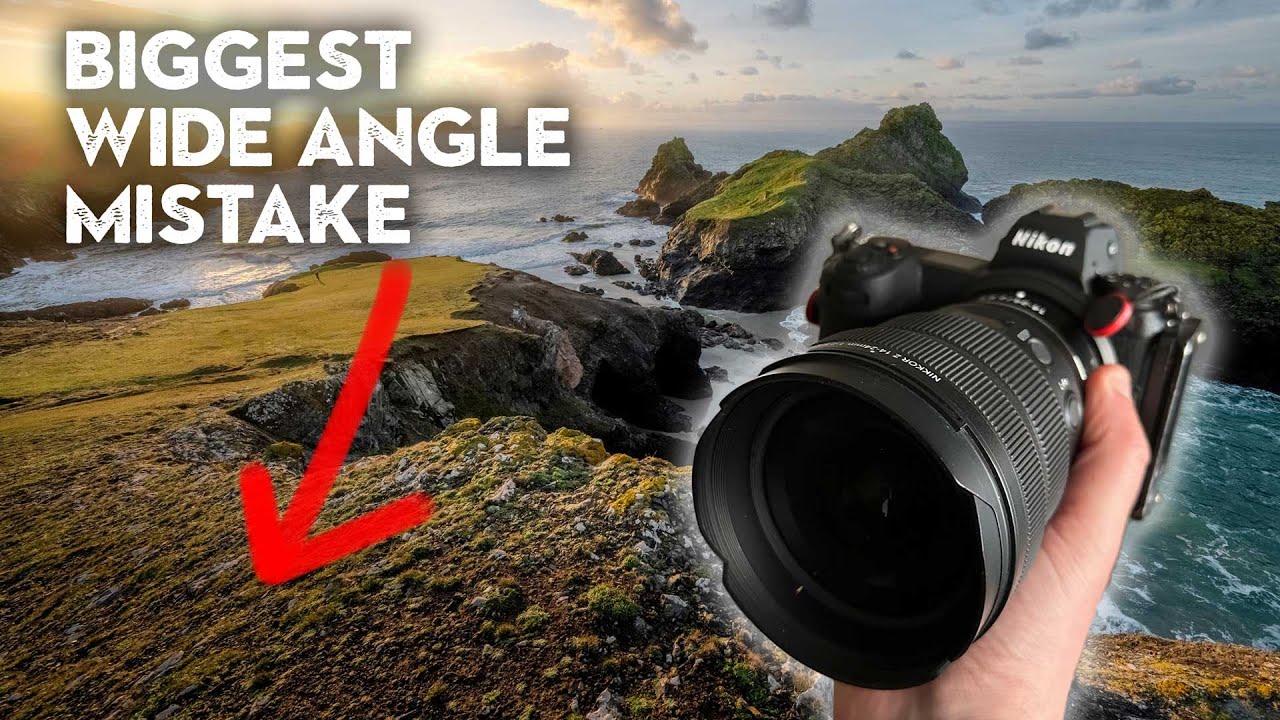
I used to blame my wide angle lens every time a shot came back looking empty and lifeless. The foreground was boring, the subject felt distant, and the whole image had that stretched-out, “nothing going on here” quality that kills otherwise great light. I spent months thinking I needed a sharper, more expensive optic. Turns out the glass wasn’t the problem. My approach to using it was. In this Nigel Danson tutorial, he heads out to Gannet’s Cove at sunrise with his camera and a very honest field report, including what happens when you go the wrong direction and arrive fifteen minutes late to your own location.

Your Lens Has a Sweet Spot — Here's How to Find It and Why It Changes Everything

Your Lens Has a Sweet Spot — Here's How to Find It and Why It Changes Everything

I used to think my budget lenses were the problem. I’d pixel-peep a shot, see soft corners or muddy detail, and immediately start shopping for something more expensive. Then I started actually learning how optics work, and I realized I’d been fighting my own gear by shooting at the wrong apertures. A lot of photographers, even experienced ones, skip this foundational knowledge because it feels too technical. It isn’t. Once it clicks, it changes how you make every exposure decision.