Tilt-Shift Lenses Explained: What They Actually Do to Your Plane of Focus

Tilt-Shift Lenses Explained: What They Actually Do to Your Plane of Focus

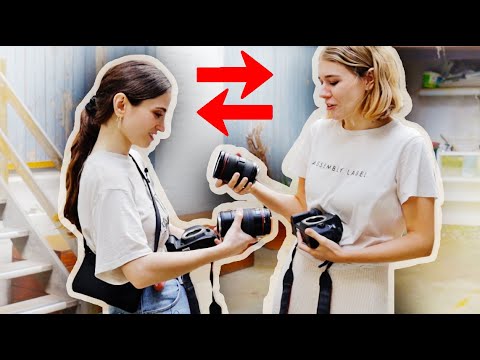
I’ve spent years telling people that expensive gear is mostly marketing. But tilt-shift lenses are one of those cases where the tool genuinely does something no other tool can do, and I’ve been meaning to properly sit down and understand the mechanics rather than just knowing the rough idea. The problem I kept running into was landscapes. Flowers or grass in the foreground, mountains or trees in the background, and no matter how aggressively I stopped down, something was always soft.

Stop Shooting Wide: Why a Telephoto Lens Might Be Your Best Landscape Tool

Stop Shooting Wide: Why a Telephoto Lens Might Be Your Best Landscape Tool

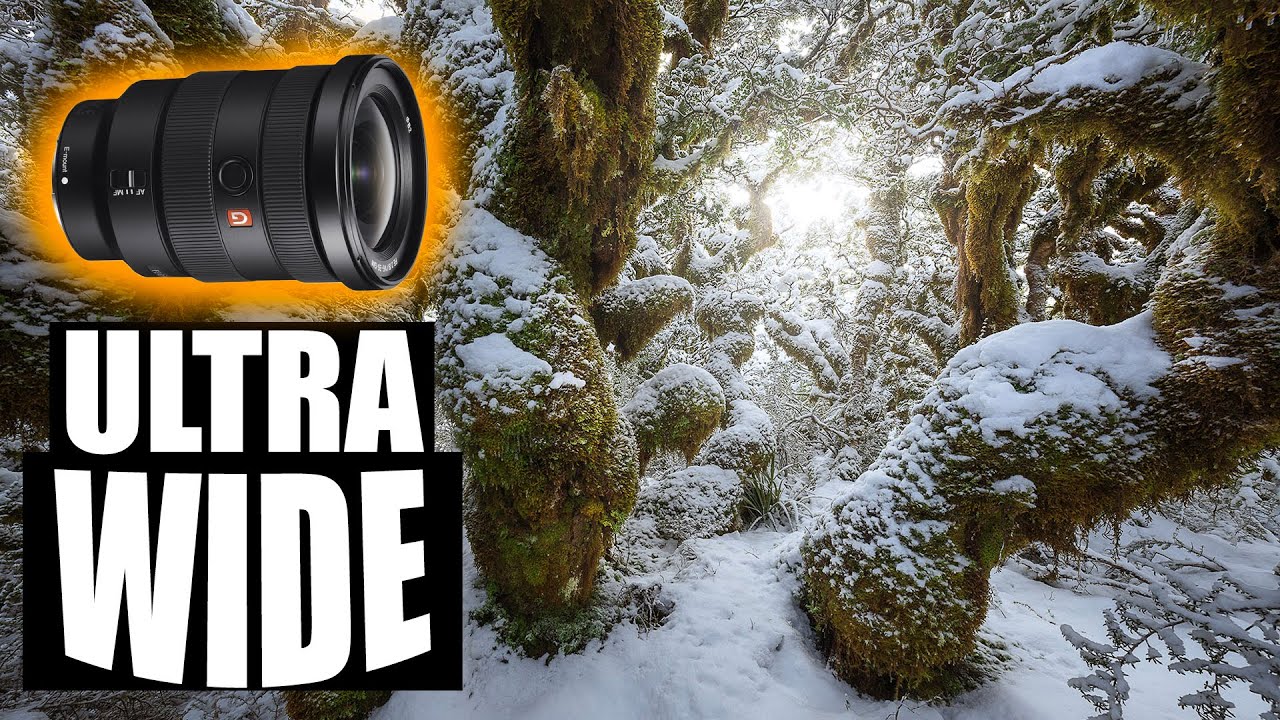
Most landscape photographers reach for their widest lens by default. I did the same thing for years. Wide angle captures the sweeping scene, the dramatic sky, the sense of being there — but it also captures the ugly parking lot edge, the boring middle ground, and the dead space that kills an otherwise strong shot. The result looks like a postcard nobody wants to send. I’ve been testing budget telephoto options lately for an upcoming lens roundup, and I needed a clearer framework for actually using them in the field rather than just pixel-peeping test charts.

How to Shoot Panning Shots That Actually Look Intentional (Lessons from Death Valley's Race Track)

How to Shoot Panning Shots That Actually Look Intentional (Lessons from Death Valley's Race Track)

I’ve been chasing better panning shots for two years. Not race cars or sports, just moving subjects in landscape contexts, dust devils, tumbleweeds, the occasional cyclist cutting through a scene I’m already set up for. My keeper rate was embarrassing. I’d nail the blur on the background and get a subject that looked like it was shot through a shower door. Or I’d sharpen the subject and the background would look like I just had shaky hands.

Why Your Woodland Photos Feel Flat (And What Nigel Danson's Composition Review Fixed For Me)

Why Your Woodland Photos Feel Flat (And What Nigel Danson's Composition Review Fixed For Me)

I used to think woodland photography was just about showing up when the light was good and pointing your camera at trees. Then I’d get home, pull the files into Lightroom, and wonder why half of them felt flat or chaotic despite looking great on the LCD. The problem wasn’t my gear. It was that I had no systematic way to evaluate what was actually working in a composition before I pressed the shutter.

The One-Hour Arches Shot List: What a Pro Actually Recommends (And Why It Works)

The One-Hour Arches Shot List: What a Pro Actually Recommends (And Why It Works)

If you’ve ever pulled into Arches National Park with a small window of time and absolutely no idea which direction to point your camera, you already know the problem. The park is massive, the light doesn’t wait, and driving around hoping to stumble onto something iconic is a real way to blow your entire golden hour. I’ve made that mistake in places like Rocky Mountain National Park, burned 45 minutes on a dirt road, and come back with nothing worth keeping.

Joel Grimes' Lighting Breakdown: What I Actually Took Away (And What I'd Change)

Joel Grimes' Lighting Breakdown: What I Actually Took Away (And What I'd Change)

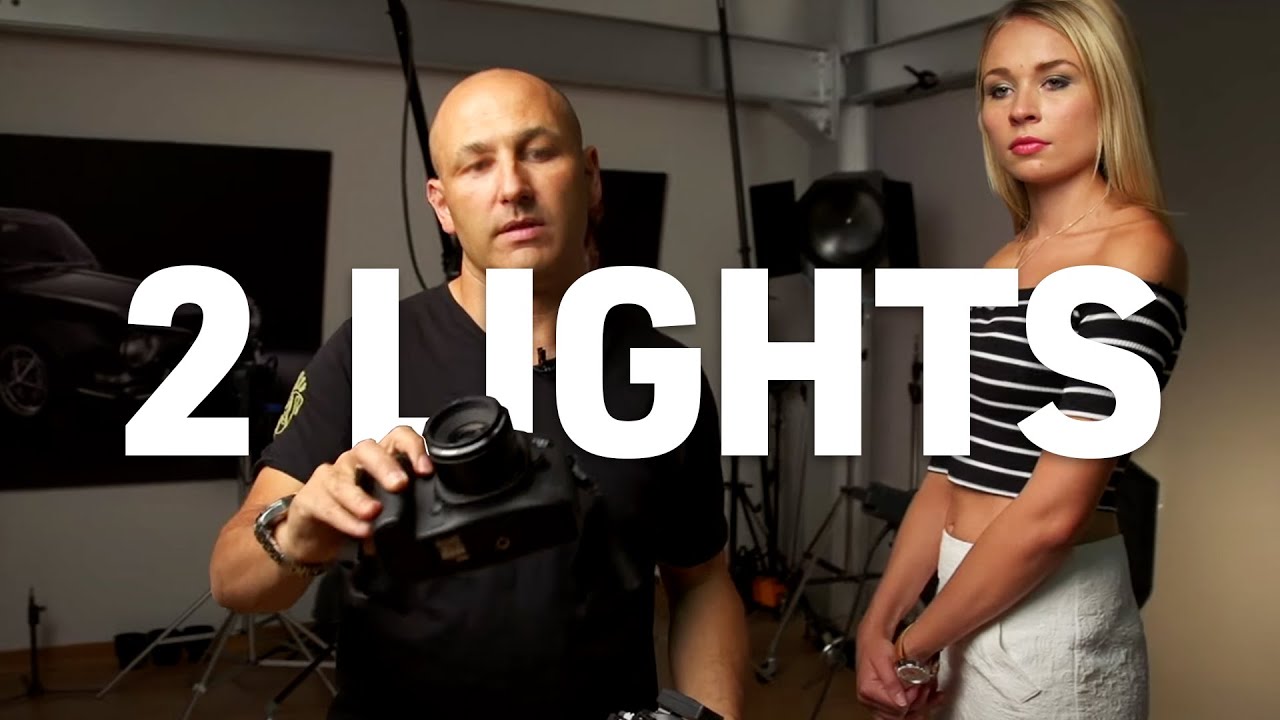
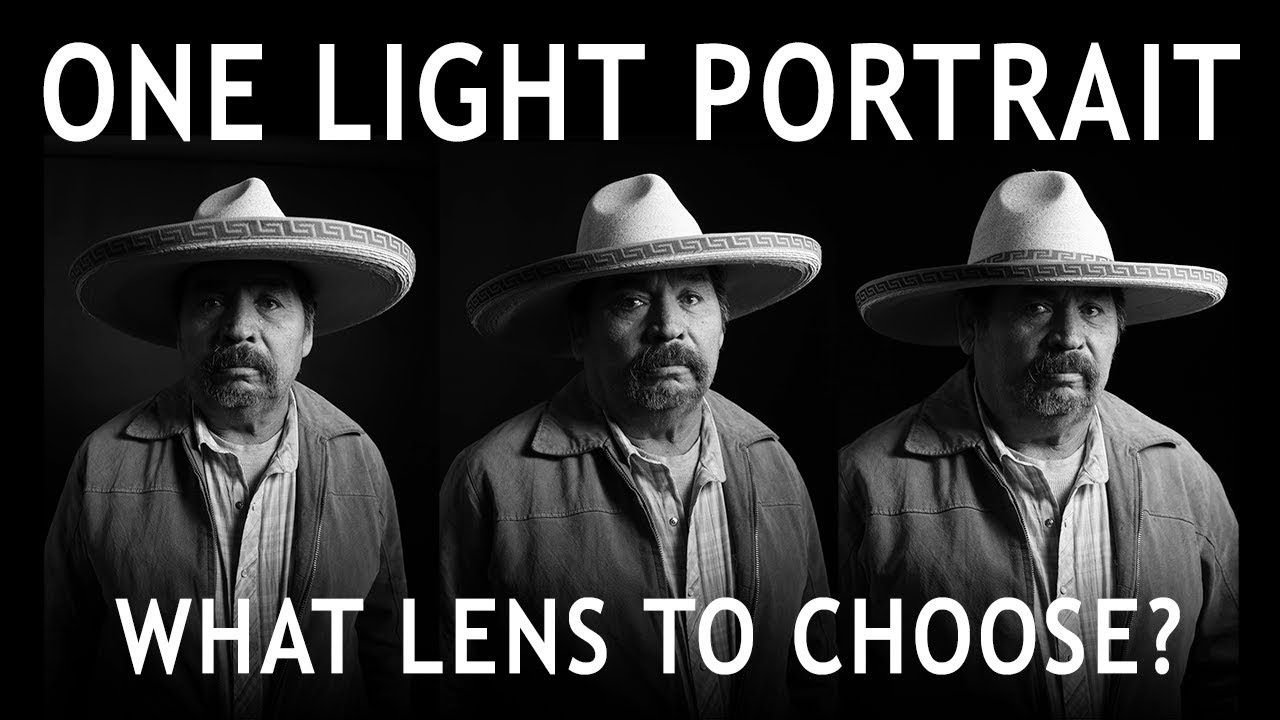
Dramatic portrait lighting is one of those things that looks impossibly complex until someone pulls back the curtain and shows you exactly what’s happening. I’ve spent a lot of time reverse-engineering lighting setups from behind-the-scenes photos, squinting at catch lights in subjects’ eyes, trying to figure out where the photographer put their gear. It’s a frustrating way to learn. So when I came across a breakdown that just tells you directly, I pay attention.