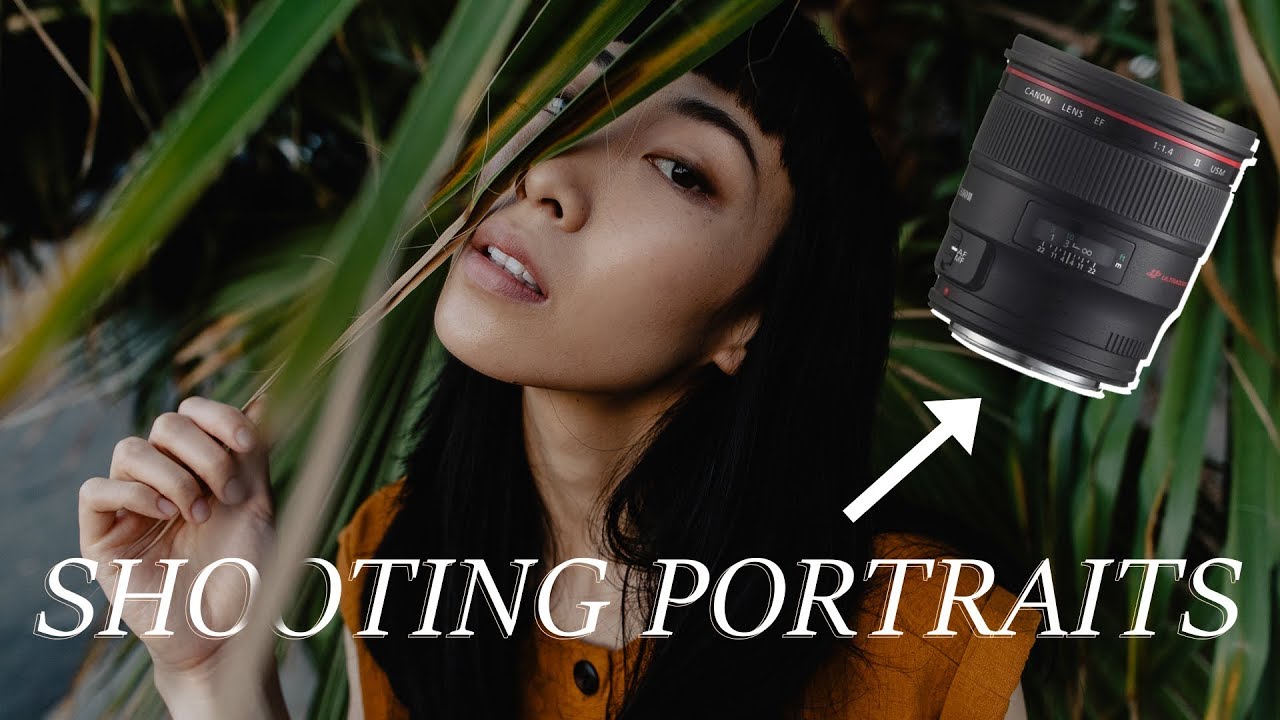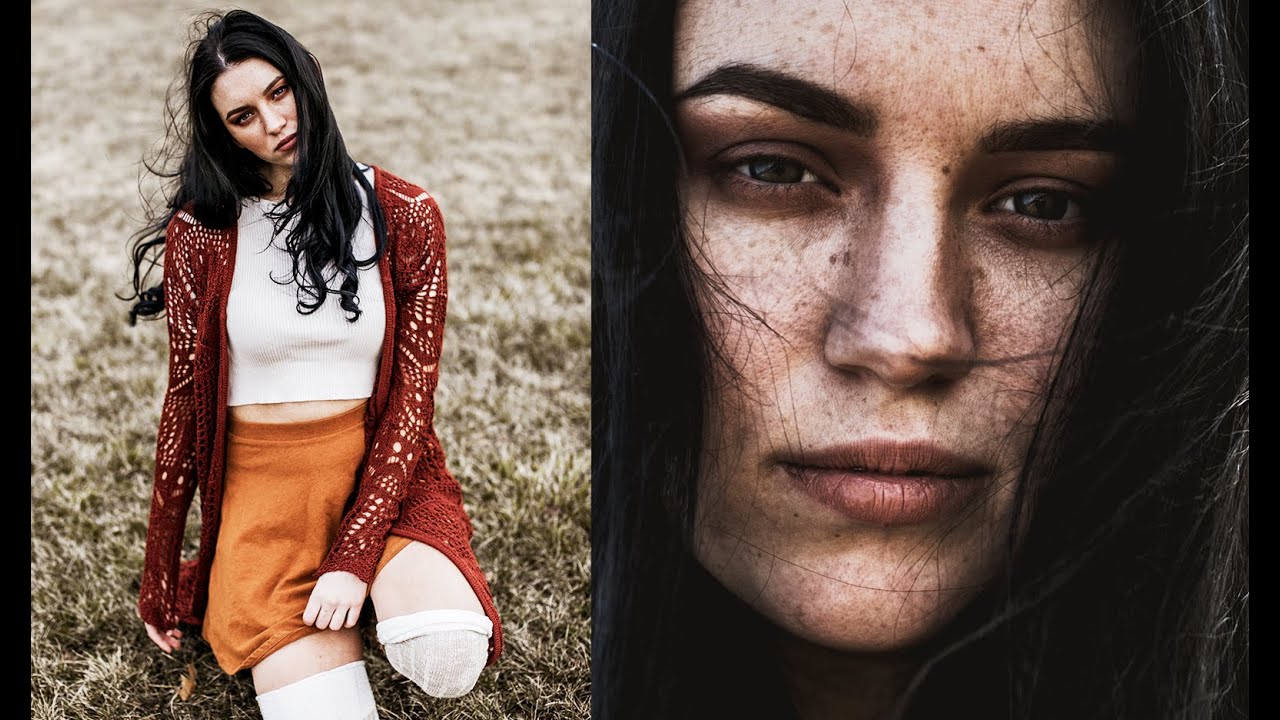
How to Shoot Stunning Natural Light Portraits With a 50mm Lens (And Actually Direct a Stranger)

How to Shoot Stunning Natural Light Portraits With a 50mm Lens (And Actually Direct a Stranger)

There’s a specific kind of shoot that trips up a lot of photographers who are otherwise technically solid: outdoor portraits, midday sun, someone you’ve never worked with before. No studio lights to hide behind, no creative director feeding direction, just you, your glass, and a person who’s quietly wondering if you know what you’re doing. I’ve been there more times than I’d like to admit, and for a long time my solution was to over-plan and under-deliver.
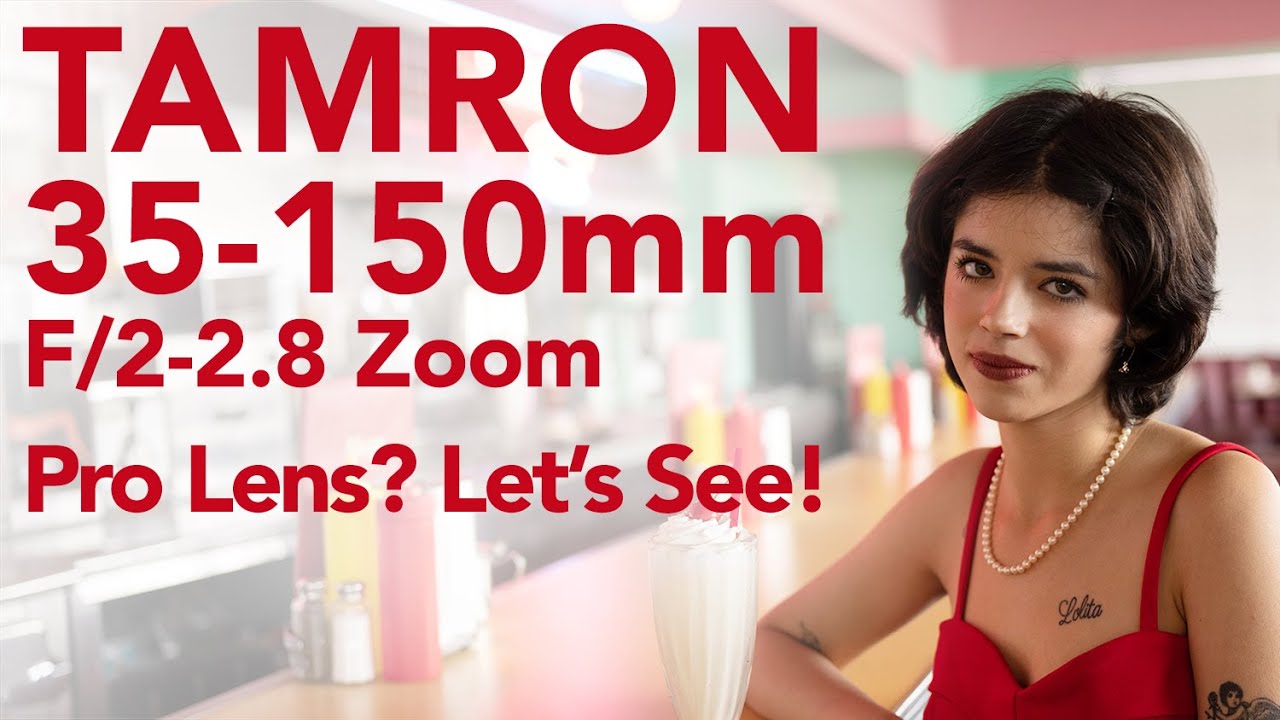
Tamron 35-150mm f/2-2.8: The One Zoom That Might Replace Half Your Bag

Tamron 35-150mm f/2-2.8: The One Zoom That Might Replace Half Your Bag

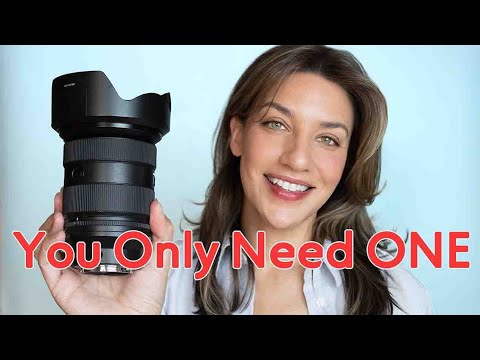
I have a spreadsheet. It has every budget and mid-range lens I’ve tested going back three years, with columns for sharpness, bokeh quality, autofocus speed, filter size, and whether I’d actually buy it again. Most lenses end up somewhere in the “solid but forgettable” category. Every once in a while one shows up that makes me rethink a whole column. The Tamron 35-150mm f/2-2.8 is one of those lenses, and not in an obvious way.

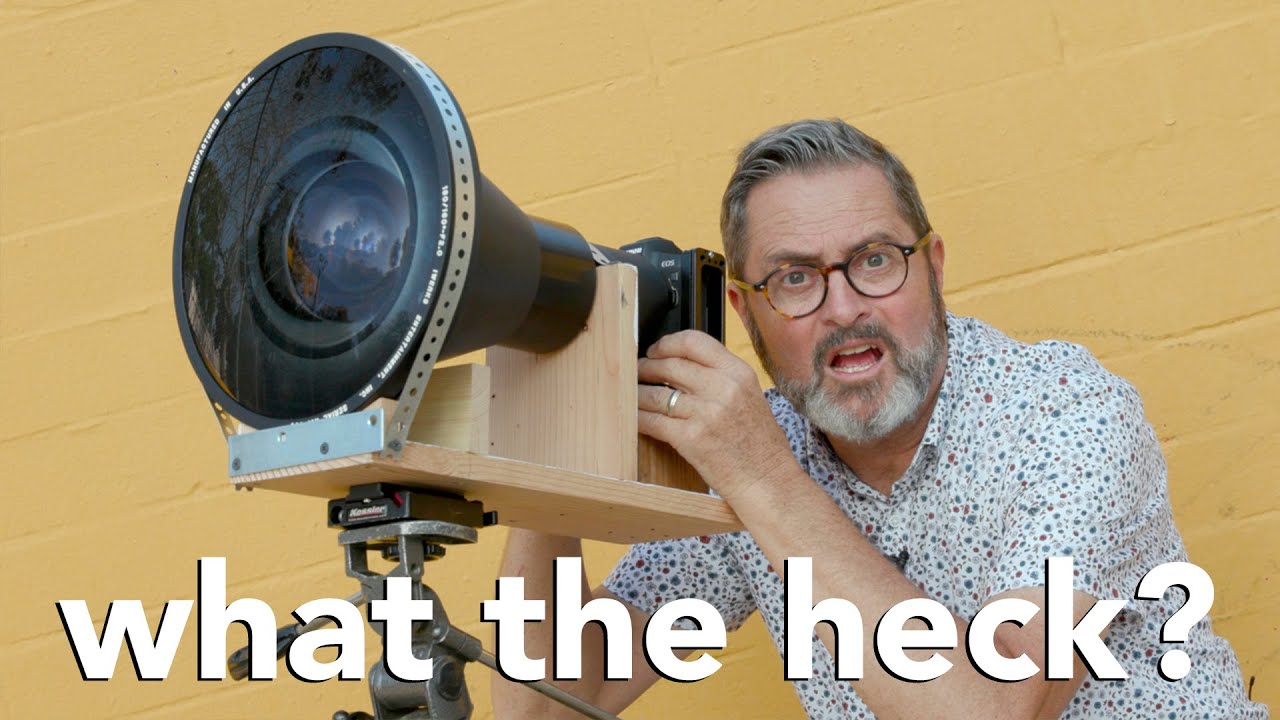
How to Shoot Street Portraits With a Massive IMAX Lens (And What It Taught Me About Thinking Outside the Bag)

How to Shoot Street Portraits With a Massive IMAX Lens (And What It Taught Me About Thinking Outside the Bag)

There’s a certain kind of photographer who looks at a massive, decades-old cinema lens collecting dust in a storage case and thinks “yeah, that’ll work for portraits.” That’s JP Morgan of The Slanted Lens, and honestly, that mindset is exactly why I keep coming back to his channel. In this The Slanted Lens tutorial, JP hauls an IMAX lens built by iWerks down to a skate park in Santa Monica and shoots street portraits with it on his Canon EOS R.

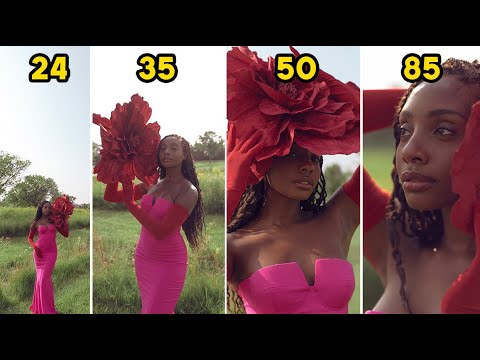
24mm, 35mm, 50mm, or 85mm: What a Real Fashion Shoot Reveals About Each Prime Lens

24mm, 35mm, 50mm, or 85mm: What a Real Fashion Shoot Reveals About Each Prime Lens

The question I get more than any other from people just getting serious about photography is this: which prime lens should I buy first? I have a whole spreadsheet on this. Dozens of lenses, price points, sharpness charts, real-world test shots. But numbers only tell part of the story. What I always want to see is a working photographer actually running the same subject through multiple focal lengths back to back, so the differences are impossible to ignore.

Why I Started Shooting Portraits With a 24mm (And Why You Should Try It Too)

Why I Started Shooting Portraits With a 24mm (And Why You Should Try It Too)

Every photographer I know has a comfort zone lens. For most portrait shooters, that’s an 85mm, a 50mm, maybe a 70-200mm if they’re feeling fancy. I get it. Those focal lengths are forgiving, flattering, and predictable. But predictable is also another word for boring, and I’ve been trying to push myself out of that rut lately. What finally cracked things open for me was watching Mango Street take their brand new Canon 24mm f/1.

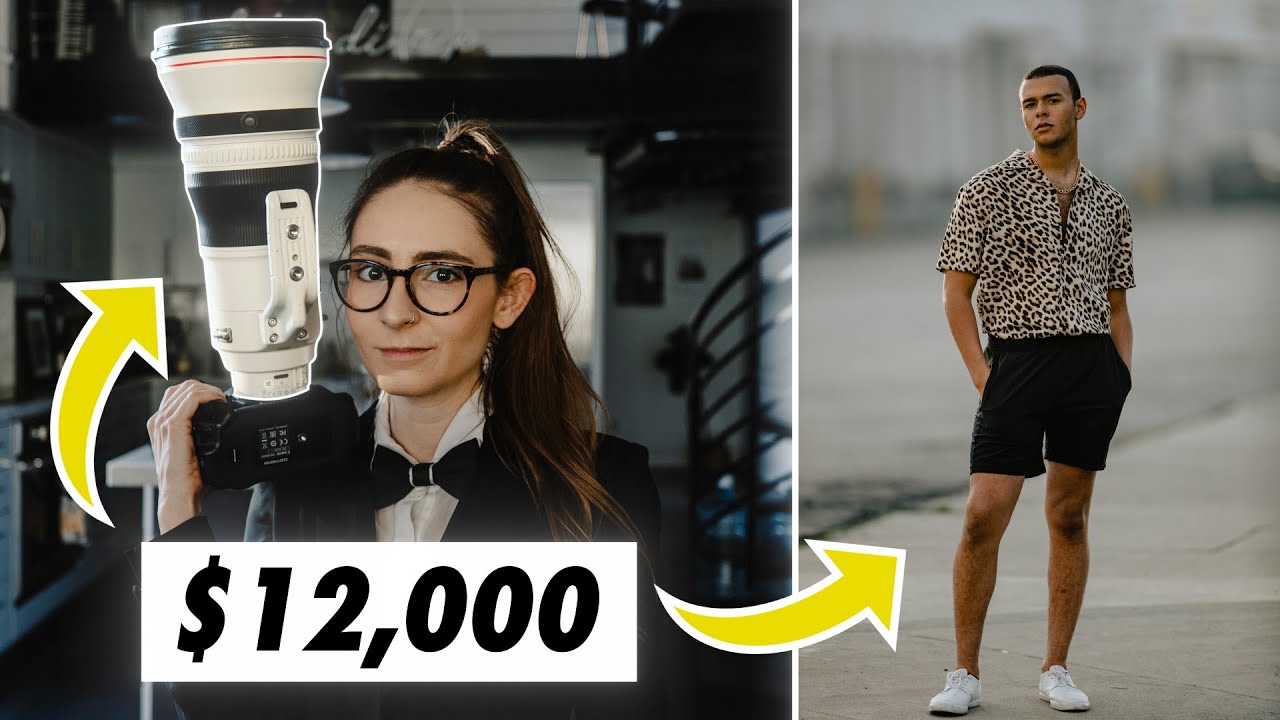
What a $12,000 Telephoto Lens Taught Me About Shooting Portraits (That You Can Apply for Way Less)

What a $12,000 Telephoto Lens Taught Me About Shooting Portraits (That You Can Apply for Way Less)

Most portrait photographers top out at 85mm or maybe 135mm and call it a day. I’ve been in that camp for years, and honestly, it makes sense for run-and-gun work. But there’s a whole different look sitting at the long end of the focal length spectrum, and unless you’ve shot with a serious telephoto, it’s hard to picture what you’re actually giving up. That question is exactly what Mango Street set out to answer in Watch the full tutorial on YouTube, when they rented Canon’s 400mm f/2.

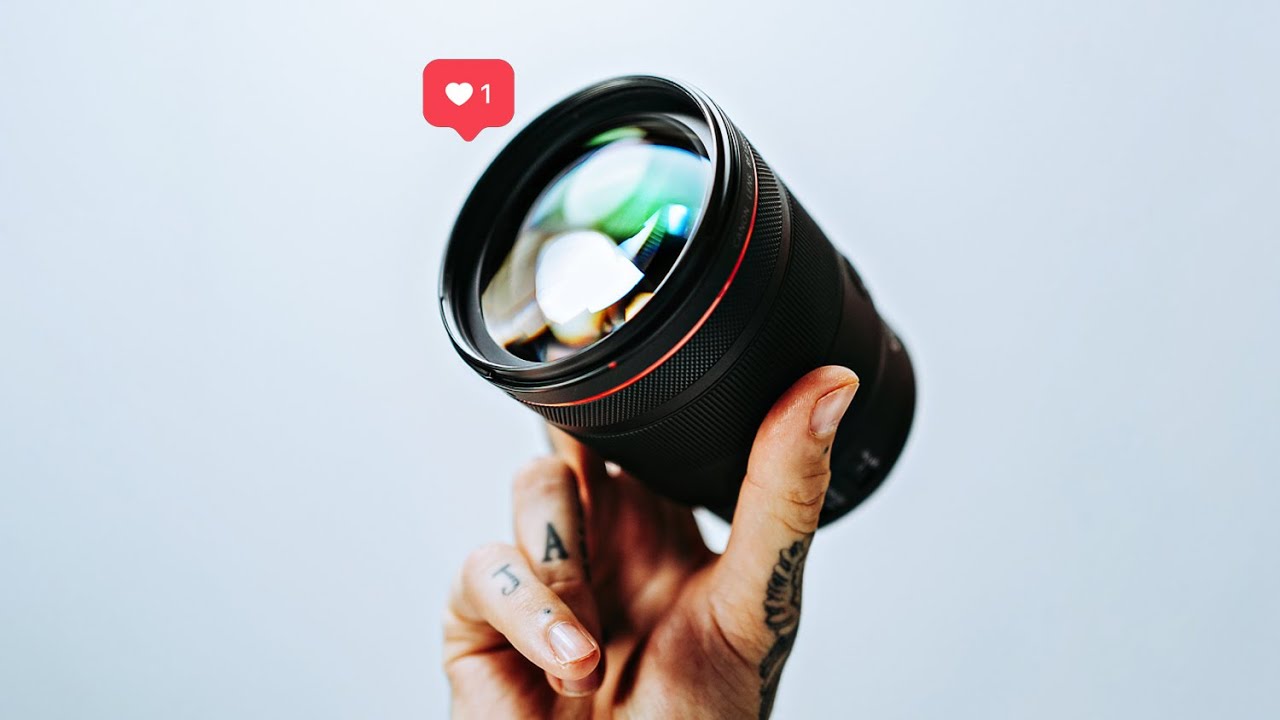
Canon's RF 135mm f/1.8 Is the Lens I'd Buy If I Stopped Caring About Price (Here's What It Actually Does)

Canon's RF 135mm f/1.8 Is the Lens I'd Buy If I Stopped Caring About Price (Here's What It Actually Does)

I’ve spent years arguing that you don’t need to spend big to get great results. That’s still true. But every once in a while a piece of gear comes along that makes me stop, look at the specs, and think hard about what “worth it” actually means. Canon’s new RF 135mm f/1.8 is one of those lenses. Not because of the hype, but because the original EF 135mm f/2 was genuinely one of the most underrated portrait lenses ever made, and Canon just rebuilt it with better glass, a faster aperture, and image stabilization it never had before.

Why Your Portrait Lens Focal Length Matters More Than Your Aperture

Why Your Portrait Lens Focal Length Matters More Than Your Aperture

I spent years thinking portrait quality came down to two things: a fast aperture and a sharp lens. Get an f/1.8 prime, shoot wide open, blur the background into oblivion, done. It took an embarrassingly long time for me to realize I was missing the bigger picture, literally. Focal length isn’t just a cropping tool. It fundamentally changes how your subject’s face looks, how the background relates to them, and what emotional story the image tells.

Your Feet Matter More Than Your Focal Length — Here's the Proof

Your Feet Matter More Than Your Focal Length — Here's the Proof

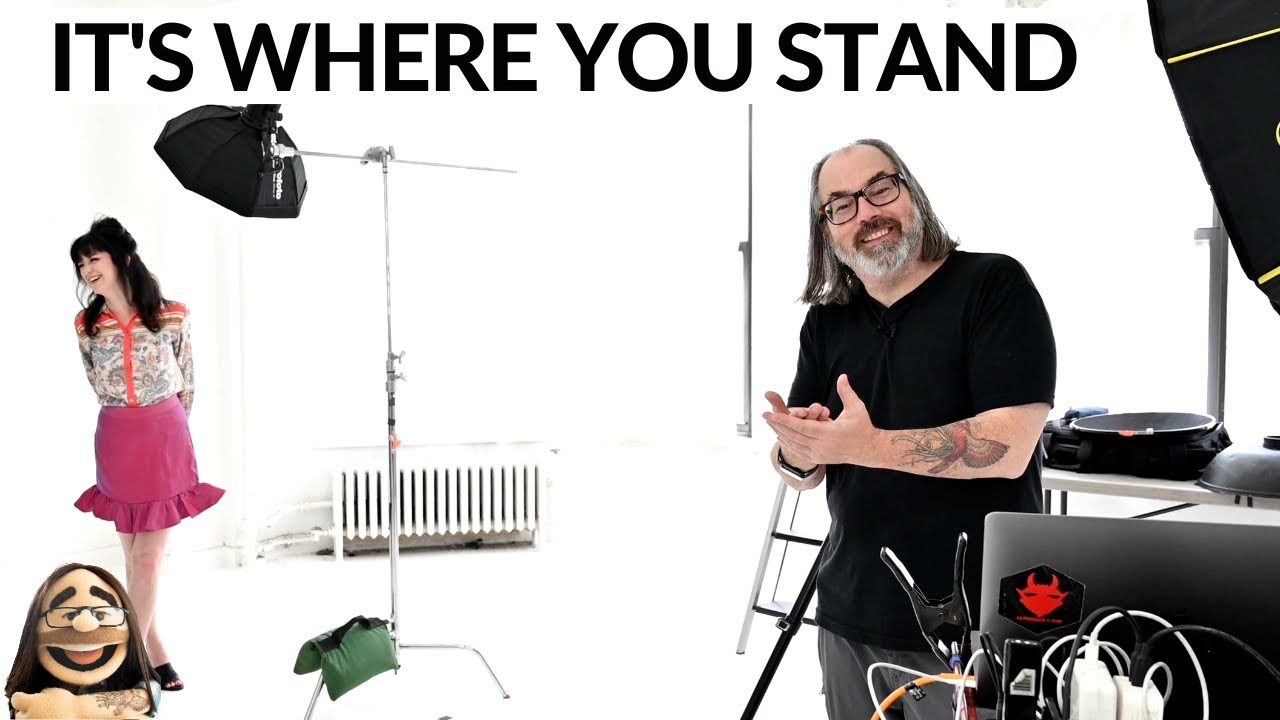
I spent way too long convincing myself that my portraits would improve the moment I bought a longer lens. I’d look at shots that felt flat or slightly off and immediately start browsing used gear listings. Then I watched a shooting demo from Daniel Norton, a New York-based professional photographer, and had one of those frustrating moments where the fix was embarrassingly simple. The problem wasn’t my glass. It was where I was standing when I fired the shutter.

Does a 50mm Lens Become a Portrait Lens on a Crop Sensor Camera? Here's the Actual Answer

Does a 50mm Lens Become a Portrait Lens on a Crop Sensor Camera? Here's the Actual Answer

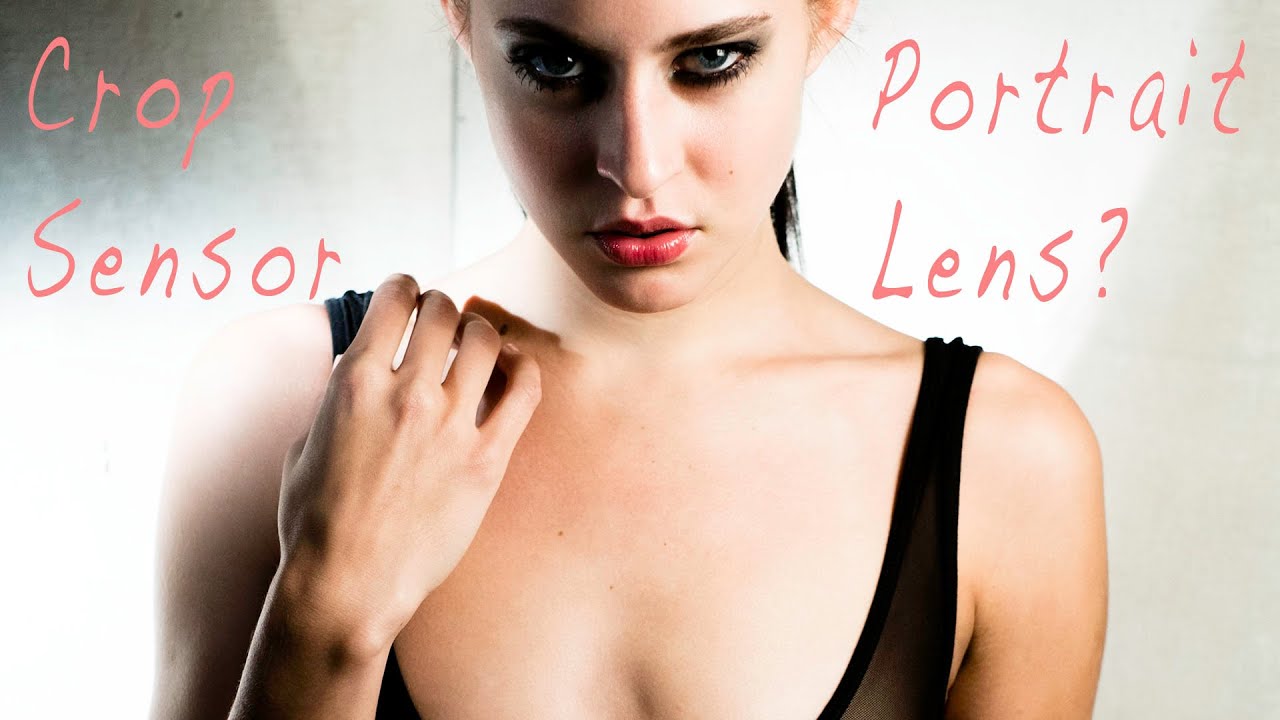
One question I kept seeing pop up in beginner photography groups — and honestly one I wrestled with myself when I was shooting on a crop sensor body — is whether a 50mm lens “counts” as a portrait lens when you’re not on full frame. It sounds like a simple question, but the answer touches on focal length compression, field of view, and how lens manufacturers actually design their glass. In this Daniel Norton Photographer tutorial, Watch the full tutorial on YouTube, Daniel works through the physics and the practical logic in about five minutes flat.

Which Portrait Lens Actually Wins? A Focal Length Breakdown From 24mm to 135mm

Which Portrait Lens Actually Wins? A Focal Length Breakdown From 24mm to 135mm

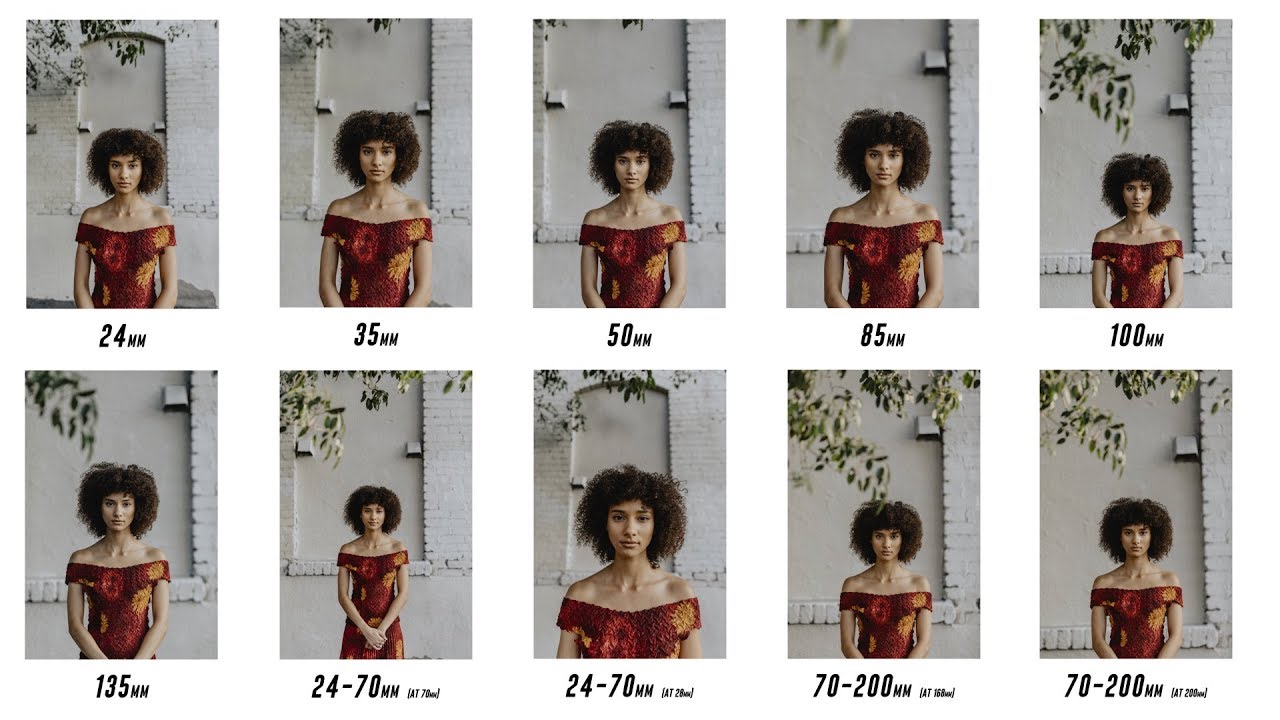
The question I get more than any other from photographers just building out their kits is some version of: “Which lens should I buy for portraits?” It sounds simple. It is not simple. The answer depends on your shooting style, your sensor size, your working distance, and honestly, your personality as a photographer. I’ve tested a lot of glass, and I’ve made a lot of bad purchases chasing someone else’s answer to that question.

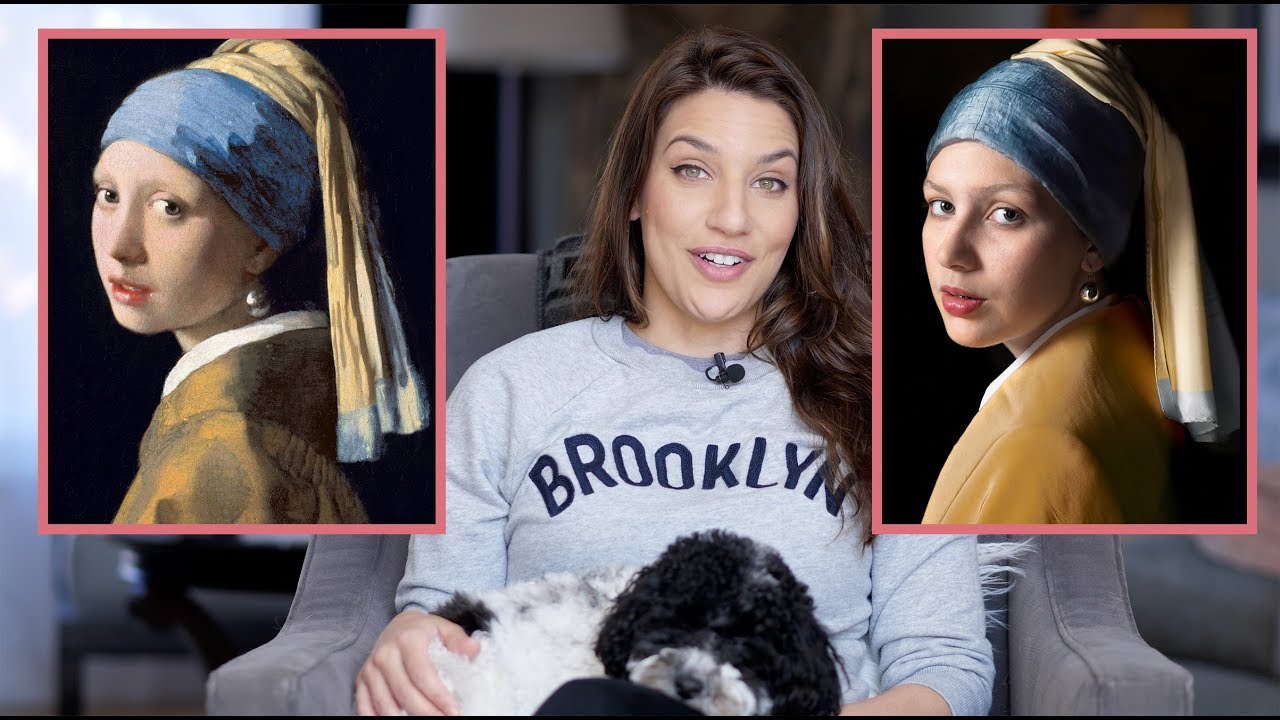
How Tony & Chelsea Northrup Recreated Girl With a Pearl Earring (And What Every Portrait Shooter Can Steal From It)

How Tony & Chelsea Northrup Recreated Girl With a Pearl Earring (And What Every Portrait Shooter Can Steal From It)

I spend a lot of my time thinking about constraints. Budget constraints, gear constraints, time constraints. What I don’t think about enough is using art as a creative constraint, and that’s exactly what flipped a switch for me when I watched this tutorial. There’s a specific problem portrait photographers run into constantly: shooting something that looks intentional rather than accidental. Replicating a painting forces every decision to have a reason. The angle of light, the color of fabric, the tilt of the head.