What a Tilt-Shift Lens Actually Does (And Whether You Need One)

What a Tilt-Shift Lens Actually Does (And Whether You Need One)

I shoot on a budget. That’s kind of my whole thing. So when a lens exists that costs anywhere from $1,000 to $3,000 depending on the focal length, I want to understand exactly what it does before I ever recommend it or dismiss it. Tilt-shift lenses are one of those pieces of gear that get thrown around in architecture photography conversations without a lot of clear explanation. Most people know the name.

How to Shoot Tilt-Shift Panoramas in the Field (No Photoshop Tricks Required)

How to Shoot Tilt-Shift Panoramas in the Field (No Photoshop Tricks Required)

There’s a specific frustration I keep running into with wide landscape shots: you find a scene that’s just too big for any single frame, and stitching handheld shots together turns into a nightmare of misaligned horizons and warped foregrounds. I’ve tried the nodal point adjustments, the rotation plates, the whole thing. It works, but it’s fiddly and it eats time you don’t have when the light is moving fast. That’s what made this tutorial land so hard for me.

How a Tilt-Shift Lens Gives You Control Over What's Sharp (And What Isn't)

How a Tilt-Shift Lens Gives You Control Over What's Sharp (And What Isn't)

Most of us chase sharpness. We pixel-peep, we chimp, we stop down to f/8 and call it safe. But there’s a whole category of creative focus control that doesn’t get enough attention outside of architecture and product photography circles, and that’s the tilt-shift lens. I spent years assuming it was a specialty tool for correcting buildings and nothing else. A recent tutorial from The Slanted Lens changed that for me, and I want to break it down in a way that actually sticks.

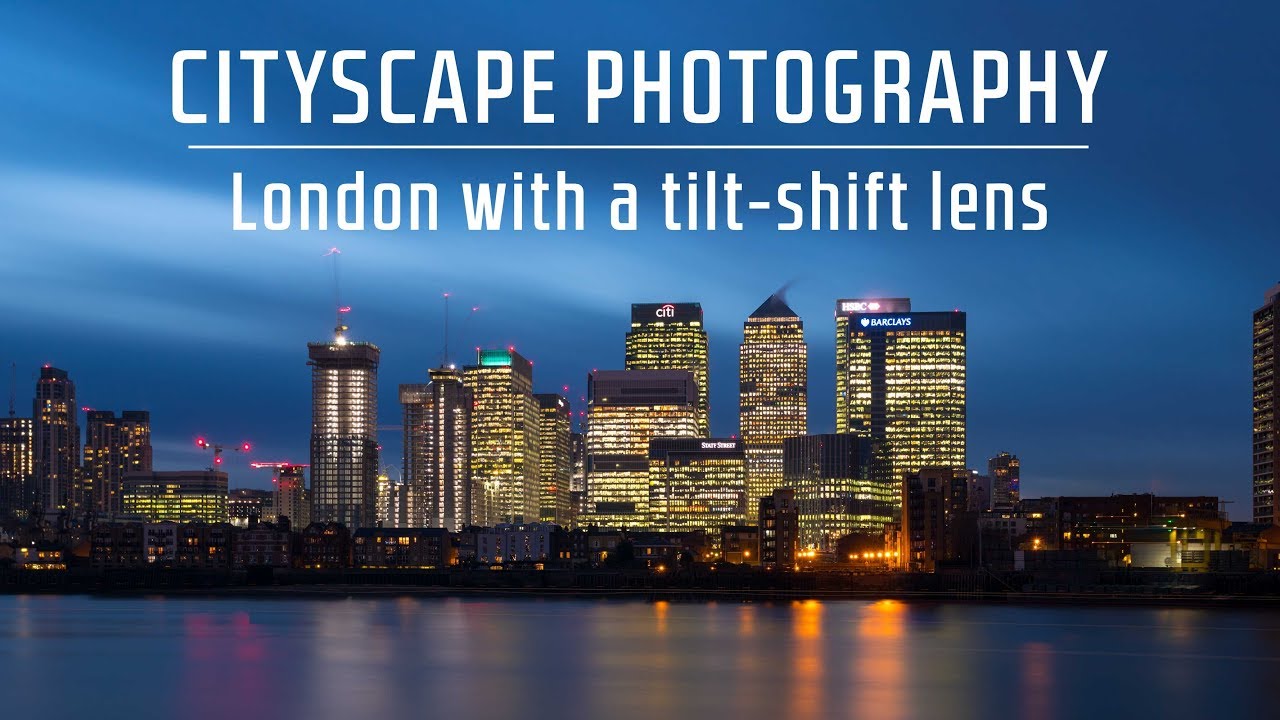
How to Shoot Cityscape Photography with a Tilt-Shift Lens (and Why Your Wide-Angle Is Lying to You)

How to Shoot Cityscape Photography with a Tilt-Shift Lens (and Why Your Wide-Angle Is Lying to You)

I got into deals content because I was spending more time researching prices than actually shooting. That habit made me a pretty good gear analyst, but it also meant I was sometimes using the wrong tool for the job because I’d never sat down and learned why certain tools exist. Tilt-shift lenses are a perfect example. I’d seen them on spec sheets, wondered if they were worth the money, and moved on.

What a Tilt-Shift Lens Actually Does (And Why You Should Rent One Before You Buy)

What a Tilt-Shift Lens Actually Does (And Why You Should Rent One Before You Buy)

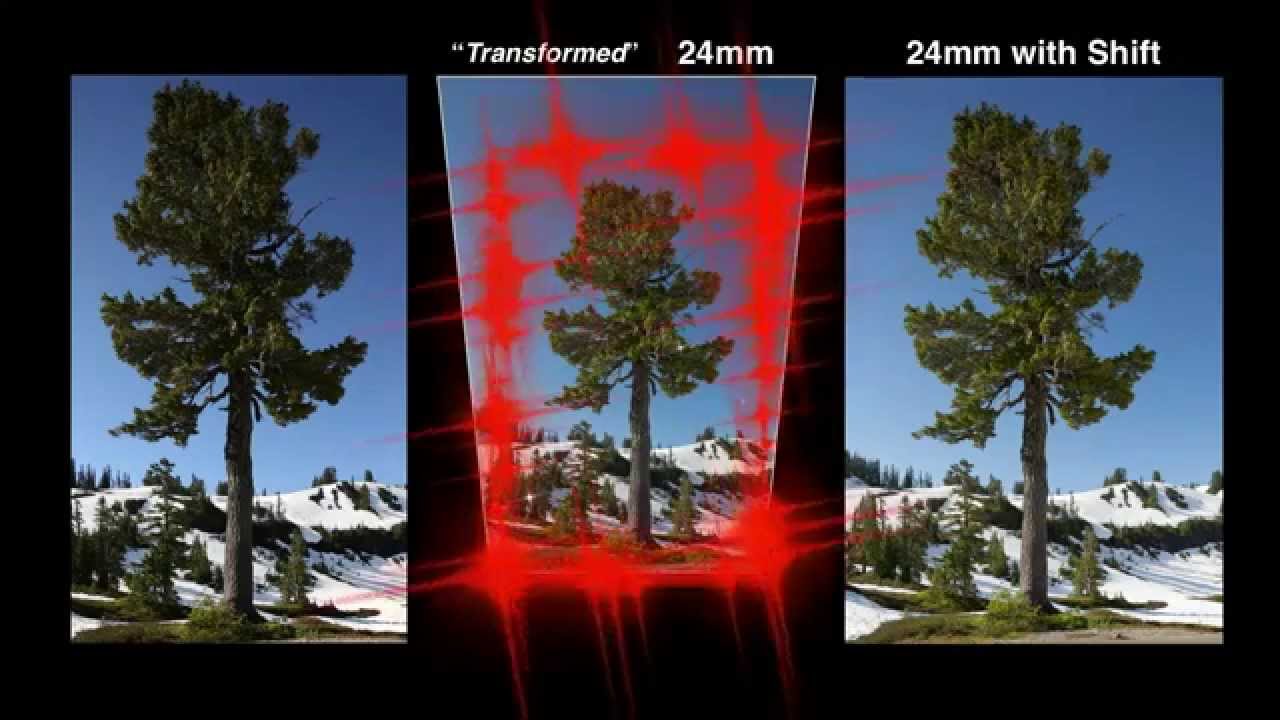
Most photographers never touch a tilt-shift lens. They’re expensive, they’re manual-everything, and the learning curve is steep enough that most people just skip them entirely. I get it. For years I filed them under “gear I’ll worry about when I’m rich,” right next to medium format backs and cinema-grade gimbals. But I kept running into situations where my shots of tall trees, building interiors, and wide landscape scenes looked just slightly wrong, and I couldn’t fix it cleanly in post without weird stretching artifacts.