Force the Perspective: What Shooting Yosemite with Only a 20mm Lens Actually Teaches You

Force the Perspective: What Shooting Yosemite with Only a 20mm Lens Actually Teaches You

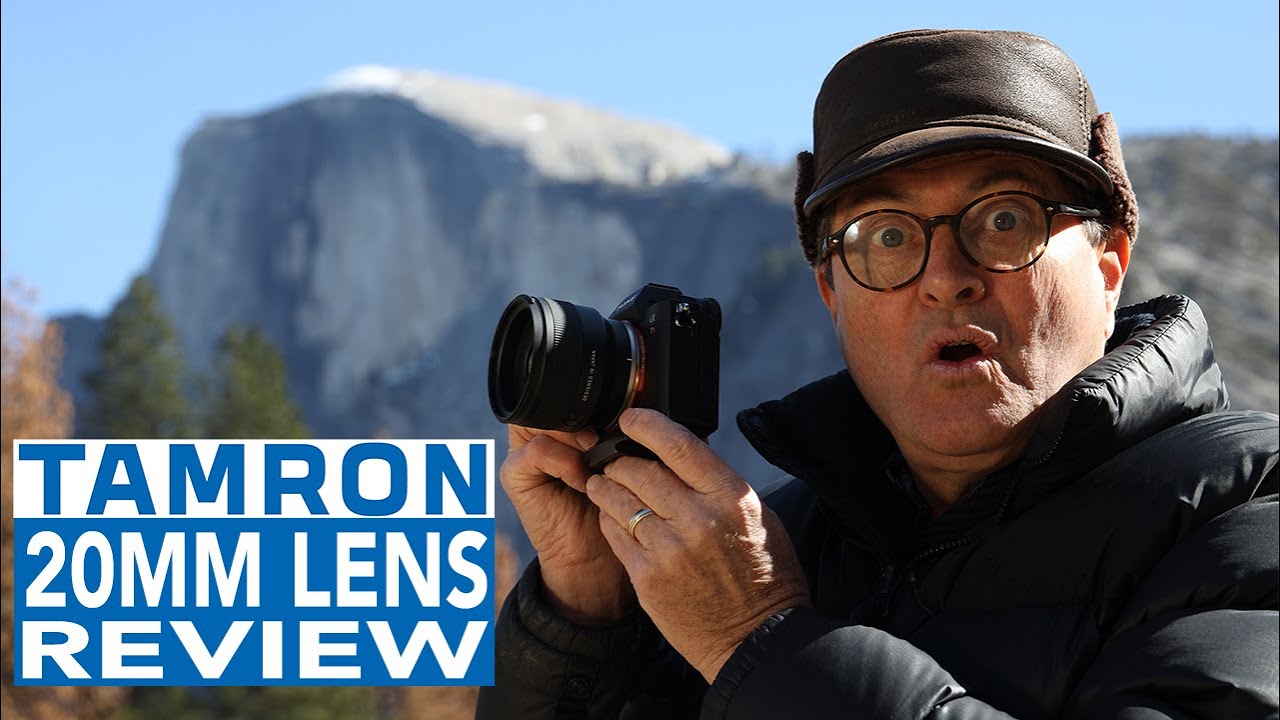
I have a bad habit of reaching for the “safe” focal length. Something in the 35-50mm range that feels natural, causes no drama, and produces competent, forgettable images. It took me longer than I’d like to admit to realize that safe focal lengths produce safe photos, and safe photos don’t stop anyone’s scroll. That’s exactly why a recent tutorial from JP Morgan over at The Slanted Lens hit differently. In it, he hauls a Tamron 20mm f/2.
Canon RF 15-35mm f/2.8 Review: Is Built-In Stabilization Worth It on a Wide-Angle Lens?

Canon RF 15-35mm f/2.8 Review: Is Built-In Stabilization Worth It on a Wide-Angle Lens?

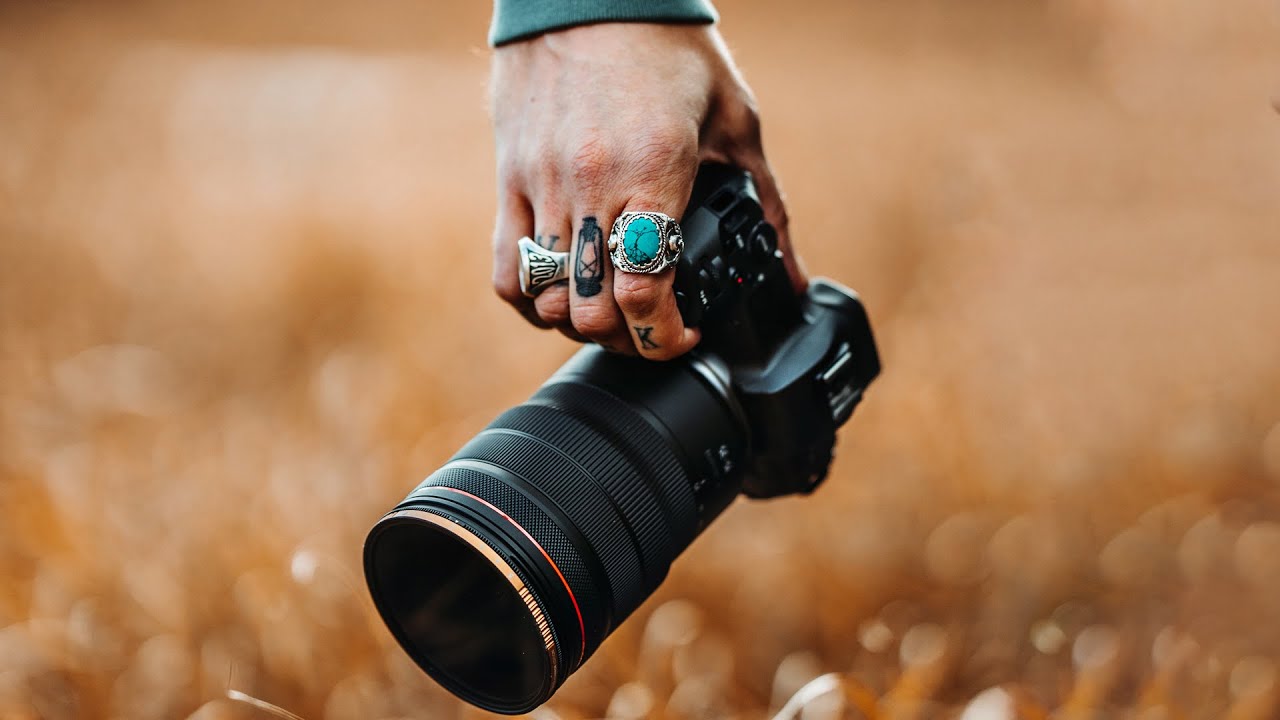
Wide-angle lenses are where I see photographers waste the most money. They chase maximum sharpness at the edges, obsess over distortion charts, and end up buying twice because they didn’t think through how they’d actually use the lens in the field. My whole thing is finding gear that solves real problems without burning your budget. But every once in a while, a higher-end piece of kit does something genuinely new, and it’s worth paying attention.

7 Wide Angle Lens Habits That Actually Make Your Shots Look Intentional

7 Wide Angle Lens Habits That Actually Make Your Shots Look Intentional

Wide angle lenses are one of those purchases that feel exciting in the cart and humbling in the field. I’ve tested more budget wide angles than I care to admit - there’s a whole tab in my gear spreadsheet dedicated to them - and the honest truth is that the lens itself is rarely the problem. Technique is. I’d hand someone a $200 wide angle and watch them produce flat, lifeless images, then hand the same lens to someone who understood how to use the field of view, and suddenly it looked like a completely different piece of glass.

Do You Actually Need an Ultra Wide Angle Lens? Here's How to Decide

Do You Actually Need an Ultra Wide Angle Lens? Here's How to Decide

I’ve tested a lot of lenses on a tight budget. My spreadsheet has entries for focal lengths most people have never heard of, and I’ve run side-by-side comparisons on lenses that cost $89 versus $890. But one question keeps showing up in my inbox more than any other: “Do I need to go wider than 24mm?” It sounds simple. It’s not. Spend enough time in the field and you realize that buying an ultra wide angle lens without understanding how to use it is one of the fastest ways to end up with disappointing, distorted images you’ll never post.

The Sigma 10-18mm f/2.8 Is the Wide Angle Wake-Up Call APS-C Shooters Needed

The Sigma 10-18mm f/2.8 Is the Wide Angle Wake-Up Call APS-C Shooters Needed

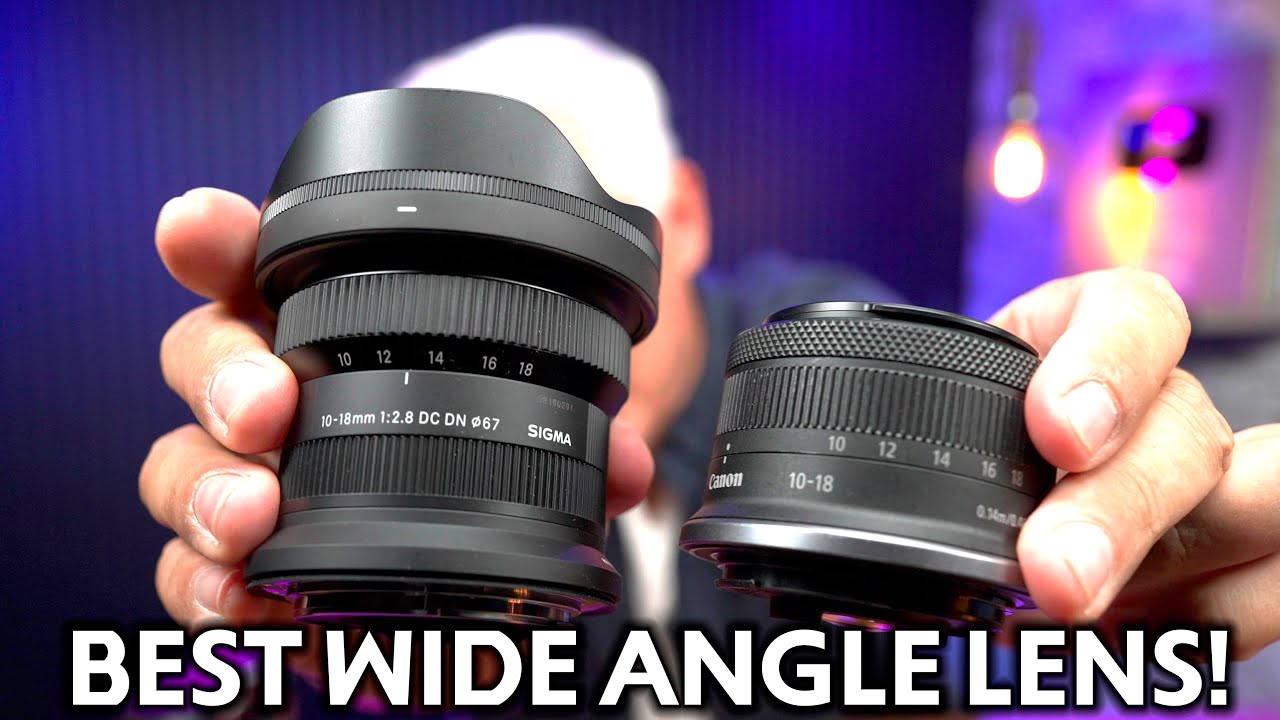
I’ve spent an embarrassing number of hours building spreadsheets that compare budget lenses side by side. Fast apertures, corner sharpness, autofocus reliability - I track all of it. So when a single lens shows up that checks nearly every box for APS-C shooters, I pay attention. That lens right now is the Sigma 10-18mm f/2.8, and the clearest breakdown I’ve seen of why it matters comes from Tony and Chelsea Northrup.

How to Stop Wasting Your Wide Angle Lens on Dead Foregrounds (Lessons from Nigel Danson)

How to Stop Wasting Your Wide Angle Lens on Dead Foregrounds (Lessons from Nigel Danson)

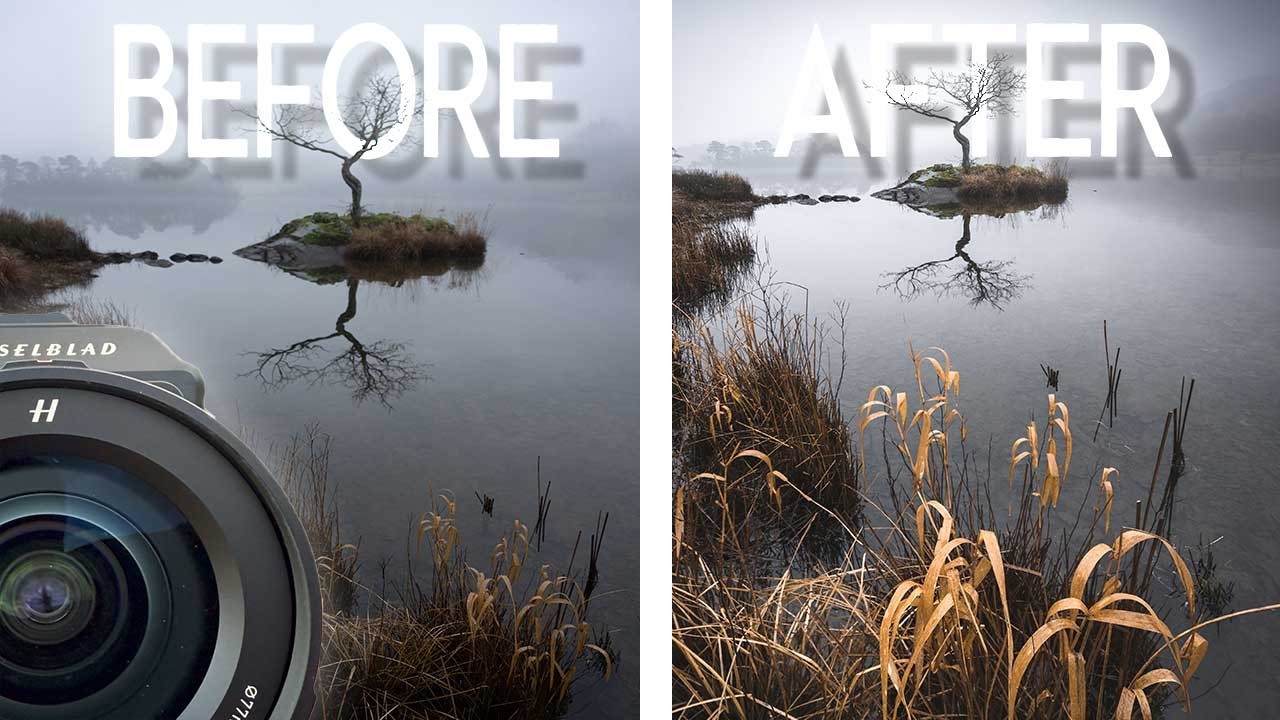
Wide angle lenses are the ones that separate photographers who “get it” from photographers who just think they do. I spent a solid year shooting wide and wondering why my images looked flat, boring, and weirdly empty despite having more of the scene in frame. More isn’t always more. The problem, almost every time, was the foreground. I was looking for something concrete to fix this, and I landed on a tutorial from Nigel Danson that clicked immediately.

Sony 12-24mm f/2.8 GM: Is It Actually Worth the Pain of That Price Tag?

Sony 12-24mm f/2.8 GM: Is It Actually Worth the Pain of That Price Tag?

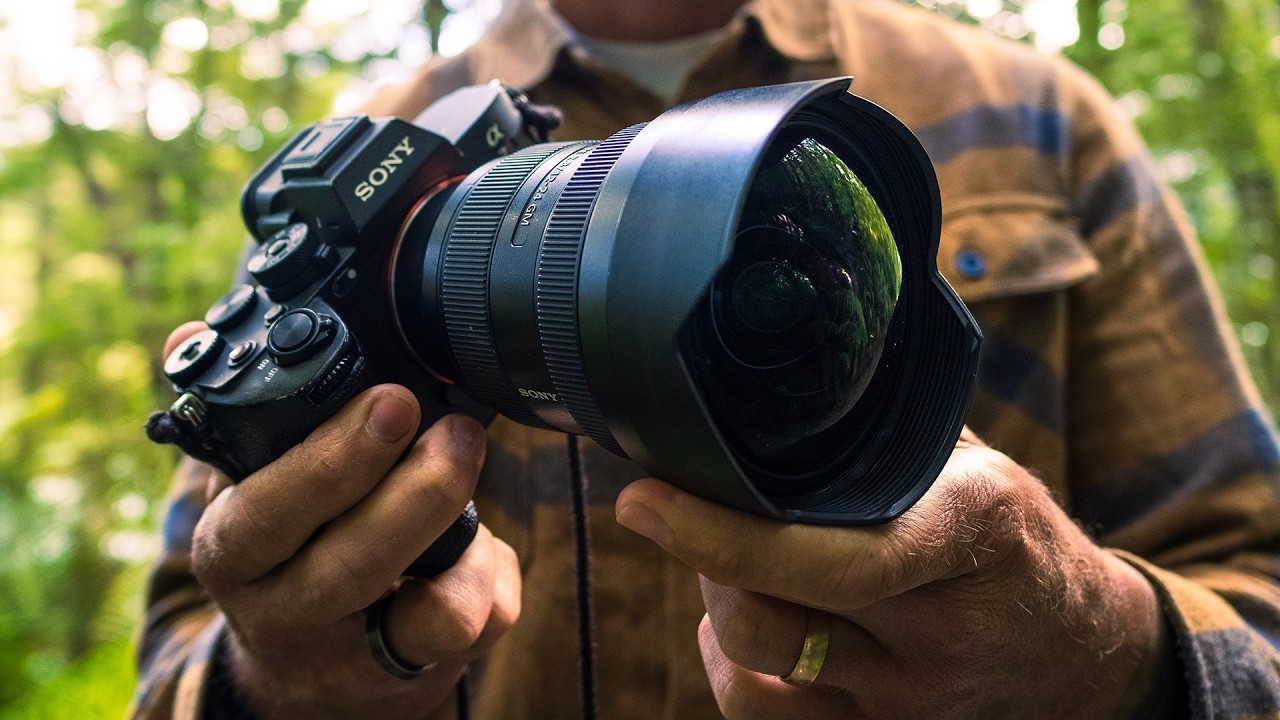
I’ll be upfront: I spend most of my time testing lenses that cost under $400. That’s my lane. But I keep a close eye on what working landscape photographers are actually using in the field, because understanding the top-tier options is the only way to know whether a budget alternative is actually worth your money or whether you’re just kidding yourself. That’s how I landed on this breakdown from William Patino, a landscape photographer who has owned and shot with the Sony 12-24mm f/2.