Nikon Z5II vs Z5IIC: The Budget Full-Frame Trap Nobody's Talking About

Nikon Z5II vs Z5IIC: The Budget Full-Frame Trap Nobody's Talking About

Nikon Z5II vs Z5IIC: The “Budget” Full-Frame Trap Nobody’s Talking About Look, I’m going to be straight with you: the marketing around Nikon’s Z5 line is designed to make you feel like you’re getting a steal. But when you actually compare the Z5II to the Z5IIC, the math gets weird—and not in a good way. What You’re Actually Giving Up The Z5II is the older sibling, and it’s generally priced $100-200 less than the Z5IIC at most retailers.

Nikon Z5 IIC: The Budget Full-Frame Camera That Almost Nails It

Nikon Z5 IIC: The Budget Full-Frame Camera That Almost Nails It

Nikon Z5 IIC: The Budget Full-Frame Camera That Almost Nails It Here’s the thing about entry-level full-frame cameras: they’re supposed to remove barriers to entry, not create new ones. So when Nikon announced the Z5 IIC at $1,399, undercutting its predecessor by $450, I got excited. Then I found out there’s no electronic viewfinder, and my enthusiasm took a nosedive. Let me back up. The original Z5 II proved that Nikon understood the assignment when it comes to accessible full-frame mirrorless cameras.

Nikon Is Finally Updating Its DSLRs — Here's What the Leaked Memo Actually Means for F-Mount Shooters

Nikon Is Finally Updating Its DSLRs — Here's What the Leaked Memo Actually Means for F-Mount Shooters

If you’re a Nikon shooter who hasn’t made the jump to mirrorless, you’ve probably felt the pressure. Every YouTube comment section, every photography forum, every gear podcast seems to be telling you that your DSLR is already obsolete. I’ve been covering budget gear long enough to know that “obsolete” is almost always marketing language dressed up as advice. And honestly? This leaked Nikon memo that Tony and Chelsea Northrup broke down recently made me feel vindicated on behalf of every F-mount shooter who just wants a solid upgrade without torching their lens collection.

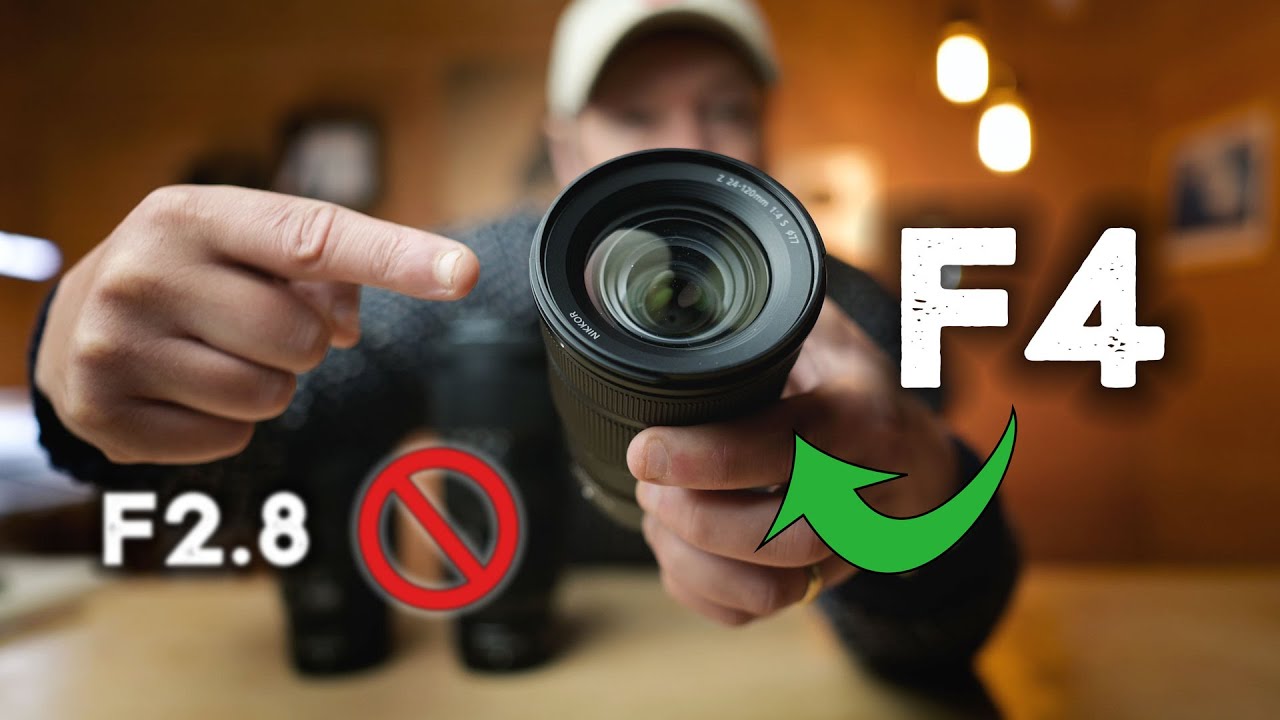
Why a Cheaper F4 Zoom Might Be the Smarter Buy (A Pro Landscape Shooter Just Made the Case)

Why a Cheaper F4 Zoom Might Be the Smarter Buy (A Pro Landscape Shooter Just Made the Case)

There’s a version of me that used to think f/2.8 was the finish line. Get the fast glass, get the sharp glass, get the glass that sounds impressive when you name it at a meetup. I’ve spent enough time with my lens comparison spreadsheet to know that instinct is wrong more often than not — but it still takes seeing a working pro walk away from expensive gear to really drive the point home.

Fuji's 50mm f/1.0, Nikon's 50mm f/1.2, and Why the Spec Sheet Doesn't Tell the Whole Story

Fuji's 50mm f/1.0, Nikon's 50mm f/1.2, and Why the Spec Sheet Doesn't Tell the Whole Story

I spend a lot of time watching people get excited about specs they don’t fully understand. That’s not a knock — I’ve done it too. I once nearly bought a lens because it had a lower f-number than my current one, without stopping to think about the crop factor math that would make them functionally identical. So when Tony and Chelsea Northrup dropped a breakdown of the incoming Fujifilm 50mm f/1.

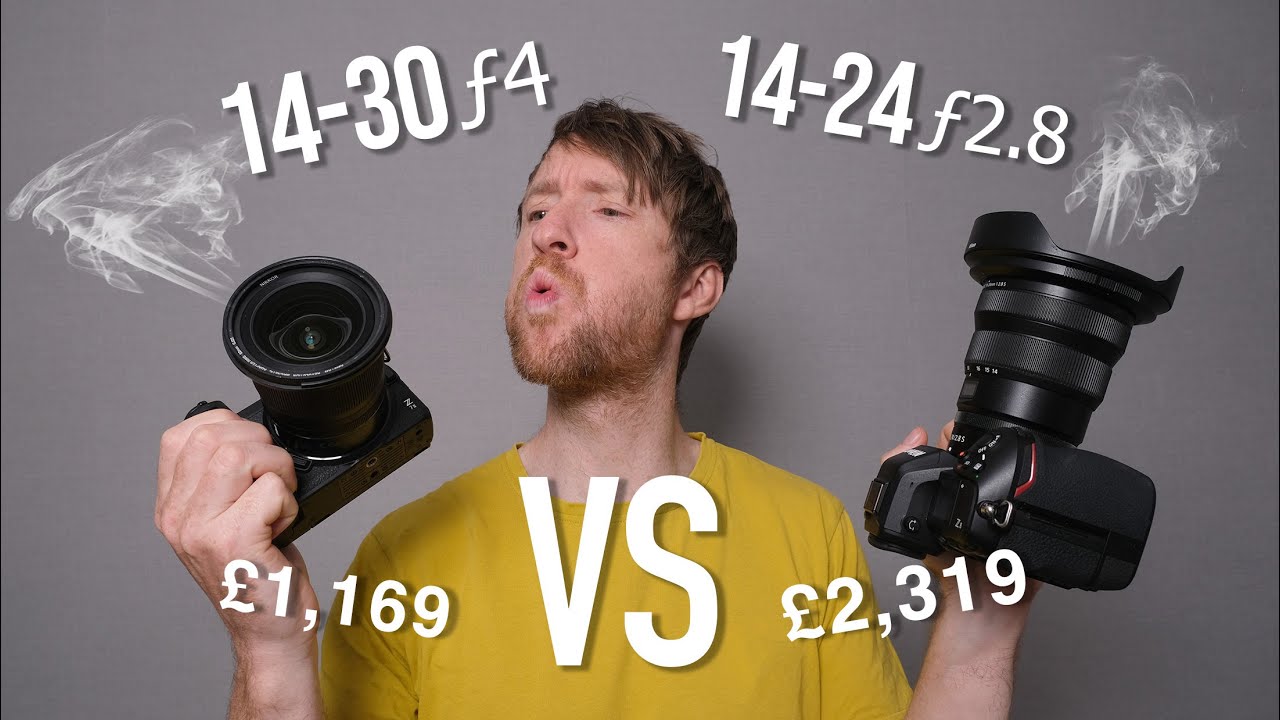
Nikon 14-30mm f/4 vs 14-24mm f/2.8: Is Half the Price Half the Lens?

Nikon 14-30mm f/4 vs 14-24mm f/2.8: Is Half the Price Half the Lens?

The question I get more than almost any other from landscape photographers is some version of: “Do I really need the expensive one?” Usually I’m the guy screaming “no” from the rooftops. I built this whole corner of the internet on proving that cheaper gear gets the job done. But wide-angle lenses are one of those categories where I’ve had to eat my words more than once, because the image quality gap between budget and premium glass at the ultra-wide end is real in ways it simply isn’t with, say, a nifty fifty.

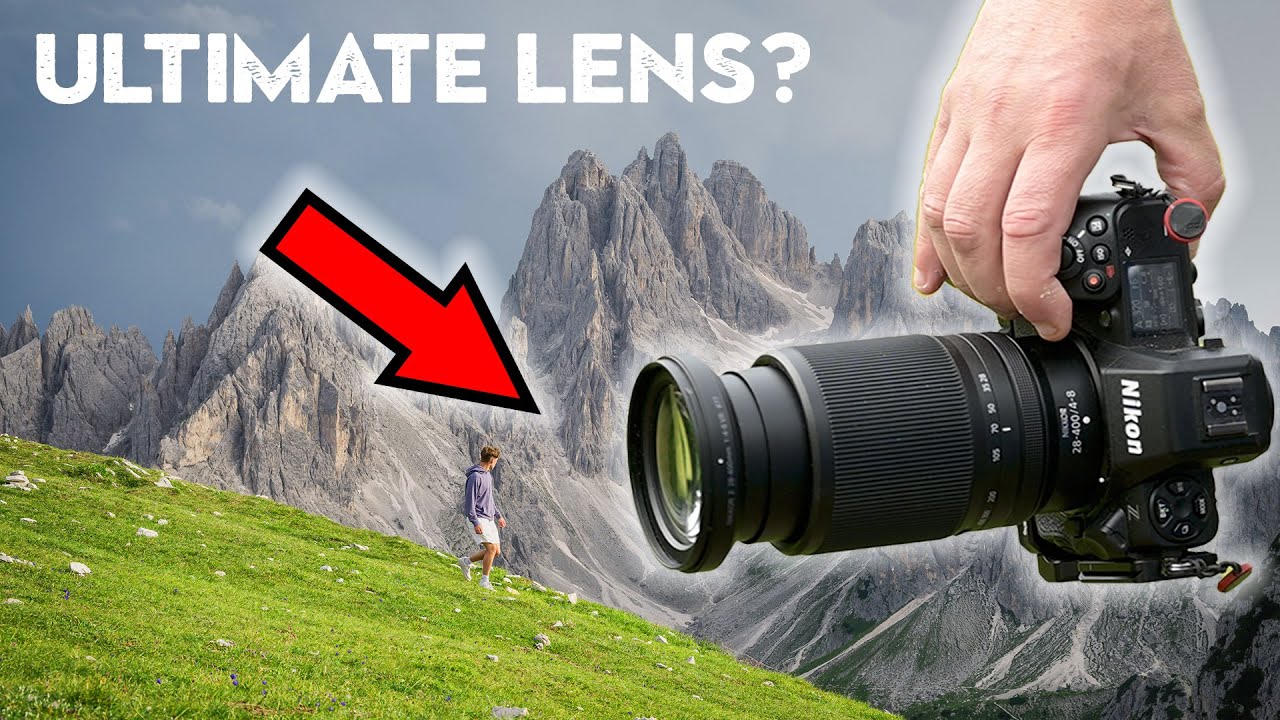
Nikon's 28-400mm Superzoom Tested in the Dolomites: One Lens to Rule Your Hiking Kit?

Nikon's 28-400mm Superzoom Tested in the Dolomites: One Lens to Rule Your Hiking Kit?

The dream for any photographer who shoots on foot is simple: one lens that covers everything, weighs nothing, and doesn’t make you choose between a wide establishing shot and a compressed telephoto pull. I’ve spent years chasing that setup on a budget, testing every superzoom I can get my hands on, and the tradeoffs are always the same. You gain range, you lose sharpness. You gain convenience, you lose speed. So when a new lens promises 28mm to 400mm in a single barrel, I pay attention, but I also stay skeptical until someone actually takes it somewhere that matters.

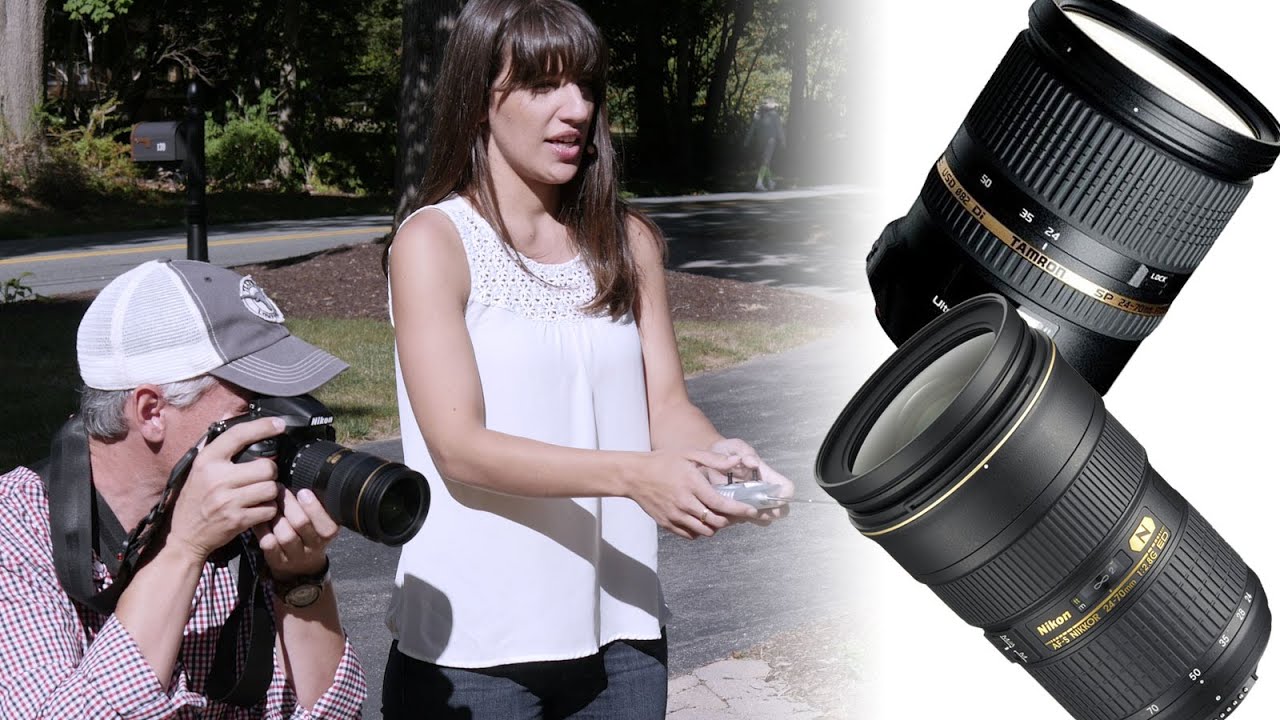
Tamron 24-70 f/2.8 vs Nikon 24-70 f/2.8: The $600 Question Every Nikon Shooter Needs to Answer

Tamron 24-70 f/2.8 vs Nikon 24-70 f/2.8: The $600 Question Every Nikon Shooter Needs to Answer

Every time I put together a lens buying guide, someone in the comments asks some version of the same question: “Is the name-brand version actually worth the premium, or am I just paying for the logo?” With standard zooms, that question hits hardest in the 24-70 f/2.8 range, because these are working lenses. Photographers buy them to shoot weddings, events, portraits, travel – the stuff that actually pays or matters. The price gap between the Nikon and Tamron versions of this focal range sits around $600 at most price points, which is not rounding error money.

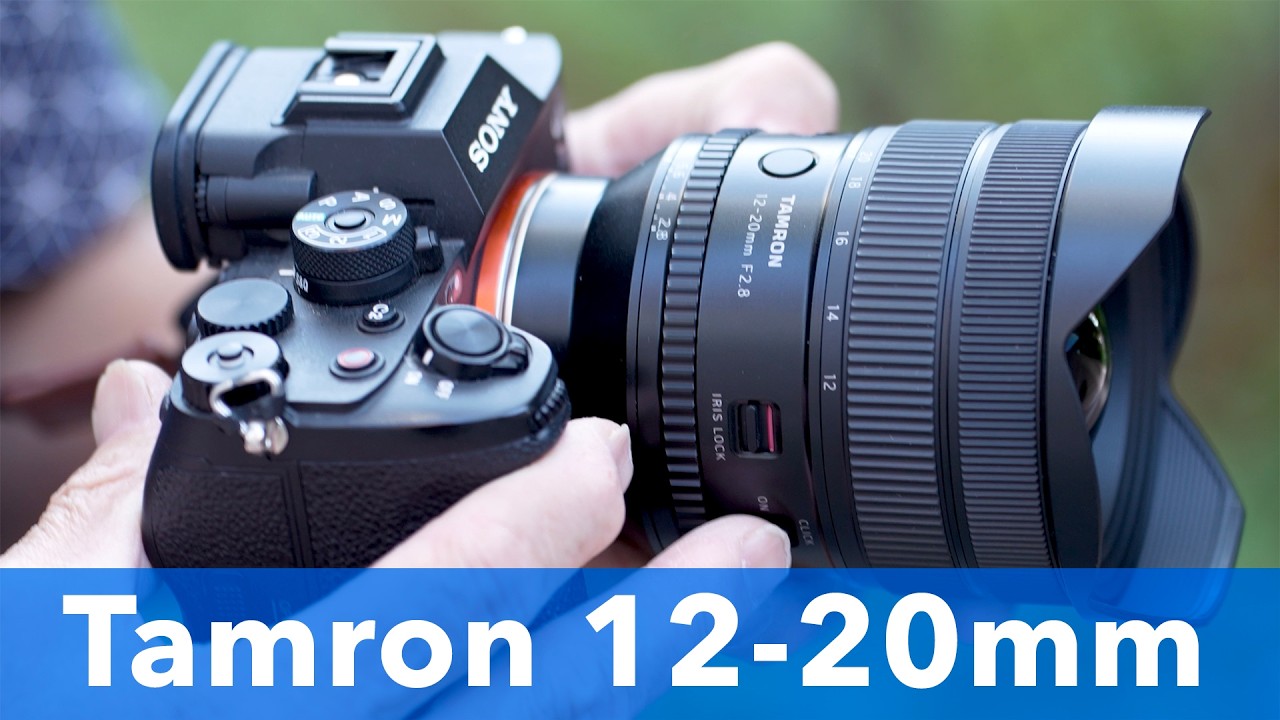
Tamron's 12-20mm f/2.8 Is the Wide-Angle Zoom I've Been Waiting For (And It Won't Break You)

Tamron's 12-20mm f/2.8 Is the Wide-Angle Zoom I've Been Waiting For (And It Won't Break You)

Every time I start pricing out ultra-wide lenses for a landscape or astro shoot, I end up closing seventeen browser tabs in frustration. The options under $1,000 are either optically soft, plasticky, or so stripped of controls that you’re basically buying a fixed aperture kit lens with a fancy name. The options over $1,000 are great, obviously, but spending that kind of money on a specialty focal length that lives in your bag for maybe 20% of your shoots is a hard sell when you’re trying to run a lean kit.

Japan's Camera Market Gets Shaken Up: What the Latest Sales Data Really Tells Us

Japan's Camera Market Gets Shaken Up: What the Latest Sales Data Really Tells Us

I’ve been watching the Japanese camera market closely, and the July 2026 sales rankings just landed with some genuinely interesting takeaways—not because of who’s winning, but because of what’s actually happening beneath the surface. Sony Keeps Its Grip, But That’s Not the Story Let’s get the obvious out of the way: the Sony a7 V is sitting pretty at number one again in Japan. This camera has basically owned the top spot since it launched seven months ago, and honestly?

Nikon's Quality Control Problem: What Z5II, Z6III, and ZR Owners Need to Know

Nikon's Quality Control Problem: What Z5II, Z6III, and ZR Owners Need to Know

Nikon’s Quality Control Problem: What Z5II, Z6III, and ZR Owners Need to Know I’ve got some frustrating news for Nikon mirrorless shooters. The company just publicly acknowledged a manufacturing defect affecting certain units of the Z5II, Z6III, and ZR camera lines. And here’s the kicker—it’s serious enough that affected cameras could become completely unusable. The Problem Nikon traced the issue to substandard components that somehow made it through their quality control process.