Tamron's 4 New Sony E-Mount Lenses Break Down the You Need to Spend More Myth

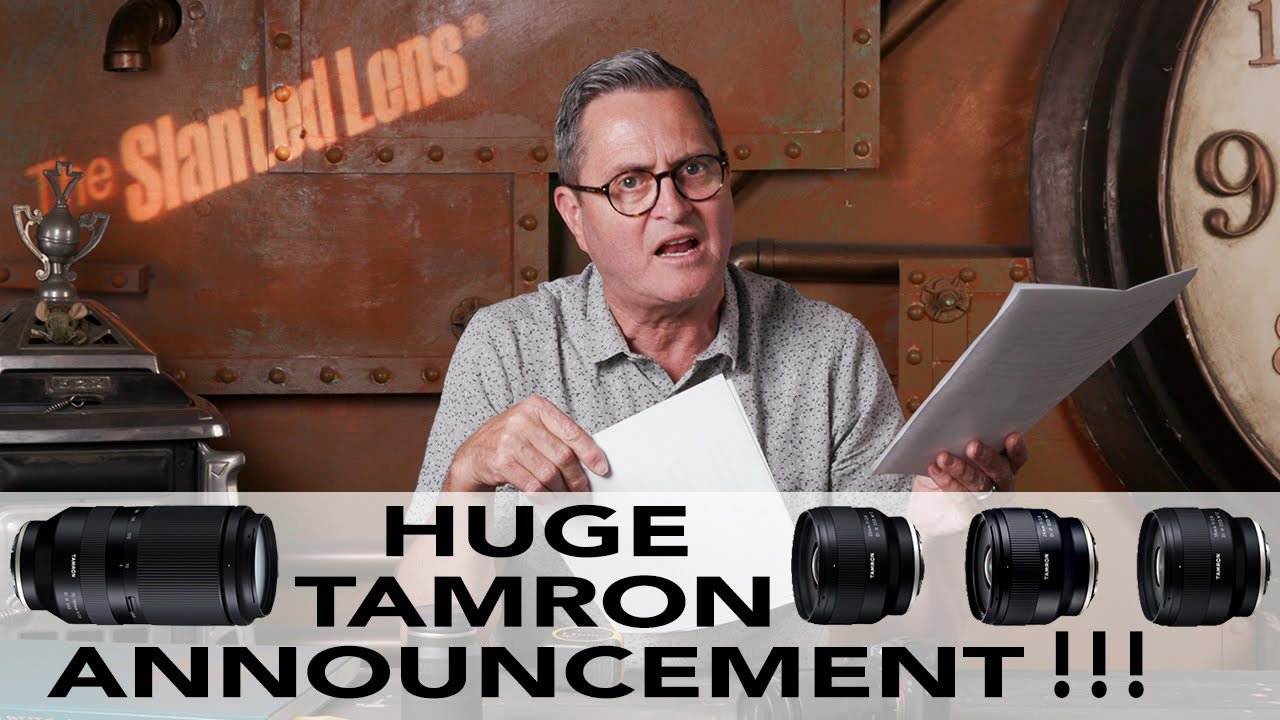
Tamron's 4 New Sony E-Mount Lenses Break Down the You Need to Spend More Myth

If you shoot Sony full-frame mirrorless and you’ve been quietly resenting the price tags on native glass, this announcement is the one you’ve been waiting for. I’ve spent more time than I’d like to admit cross-referencing lens prices across every deals site I follow, and the pattern is always the same: Sony’s own glass is sharp but expensive, third-party options are cheaper but often sketchy on autofocus compatibility. Tamron has been quietly dismantling that trade-off, and their latest announcement blows the door wide open.
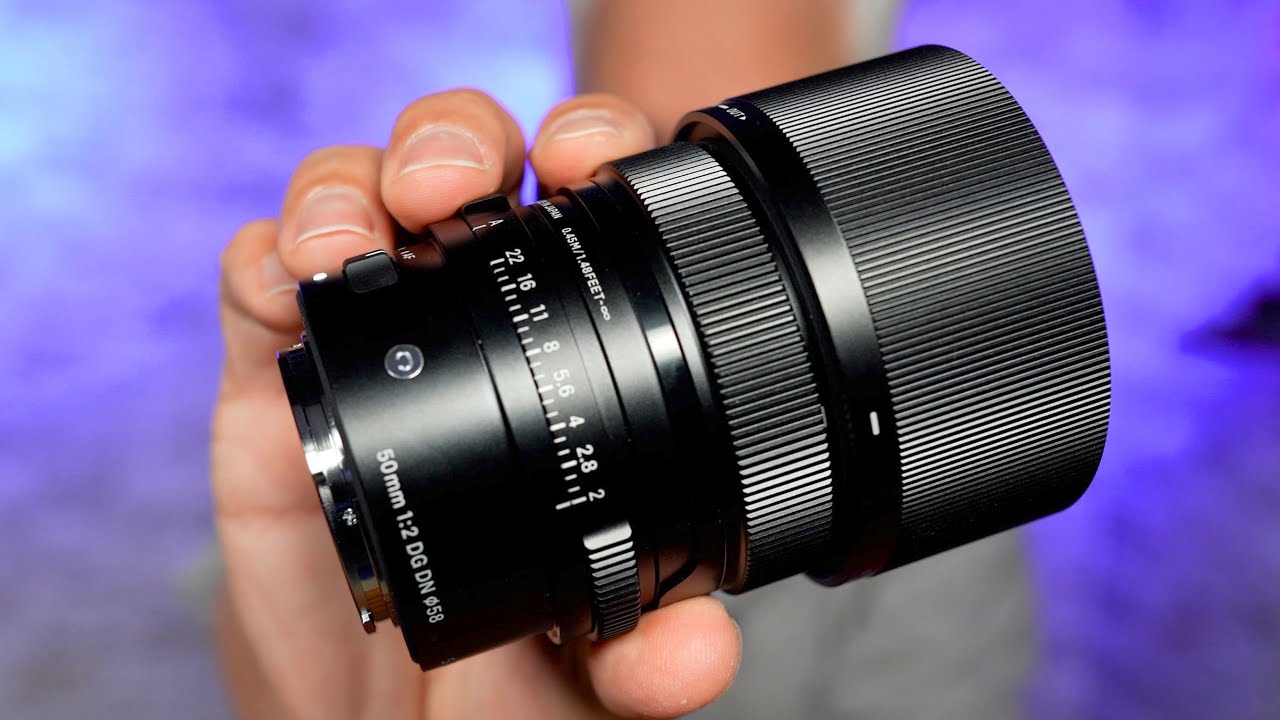
The Sigma 50mm f/2 DG DN Made Me Rethink What I Actually Want From a Lens

The Sigma 50mm f/2 DG DN Made Me Rethink What I Actually Want From a Lens

I have a spreadsheet. It has every budget lens I’ve ever tested, ranked by sharpness per dollar. For years, that spreadsheet was my entire lens buying philosophy. If the math didn’t justify the price, the lens didn’t make the cut. So when I first heard people raving about the Sigma 50mm f/2 DG DN at over $600, my instinct was to write it off before I even looked at the specs.

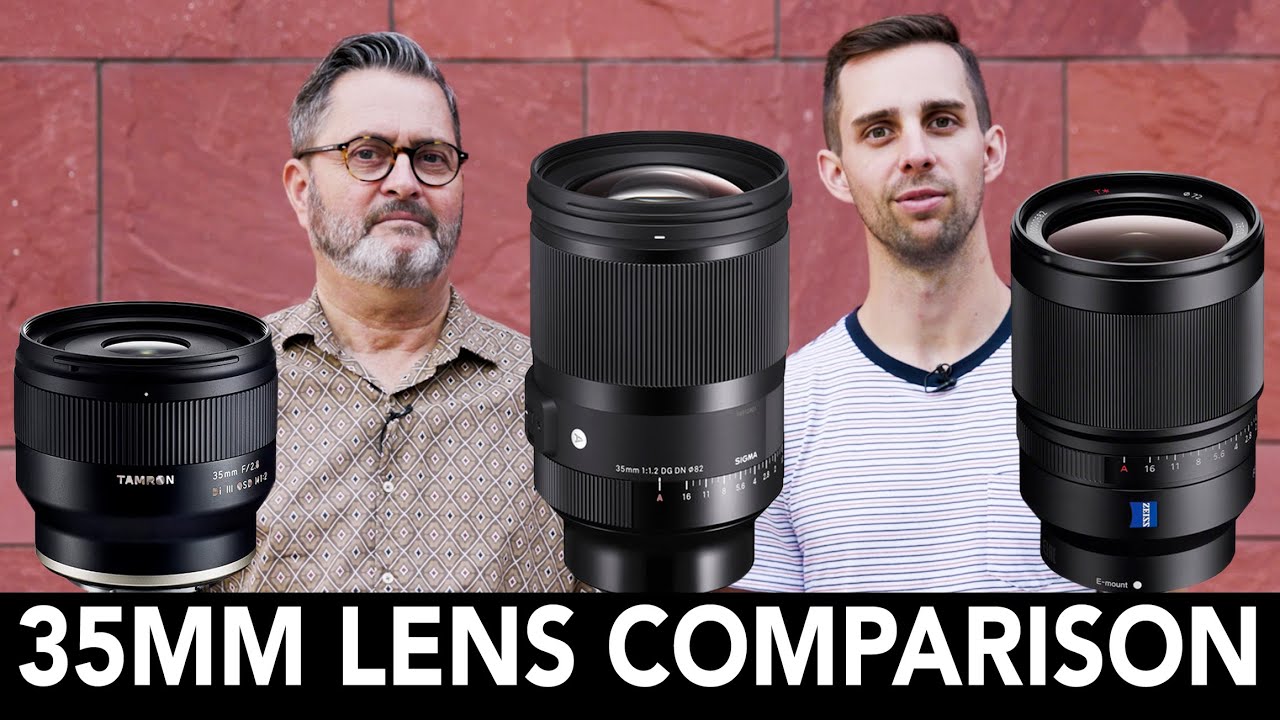
Sigma vs Sony vs Tamron 35mm: Here's Which One I'd Actually Buy

Sigma vs Sony vs Tamron 35mm: Here's Which One I'd Actually Buy

There’s a question I get more than almost any other from photographers building out a Sony mirrorless kit: “Which 35mm lens is actually worth buying?” It sounds simple. It isn’t. The 35mm focal length is one of the most crowded spots in the Sony E-mount ecosystem, and the price gap between the options is wide enough that picking the wrong one stings. I’ve been chewing on this myself, so when The Slanted Lens dropped a direct comparison video putting the Sigma, Sony, and Tamron 35mm lenses head to head in real shooting conditions, I watched it twice and took notes.

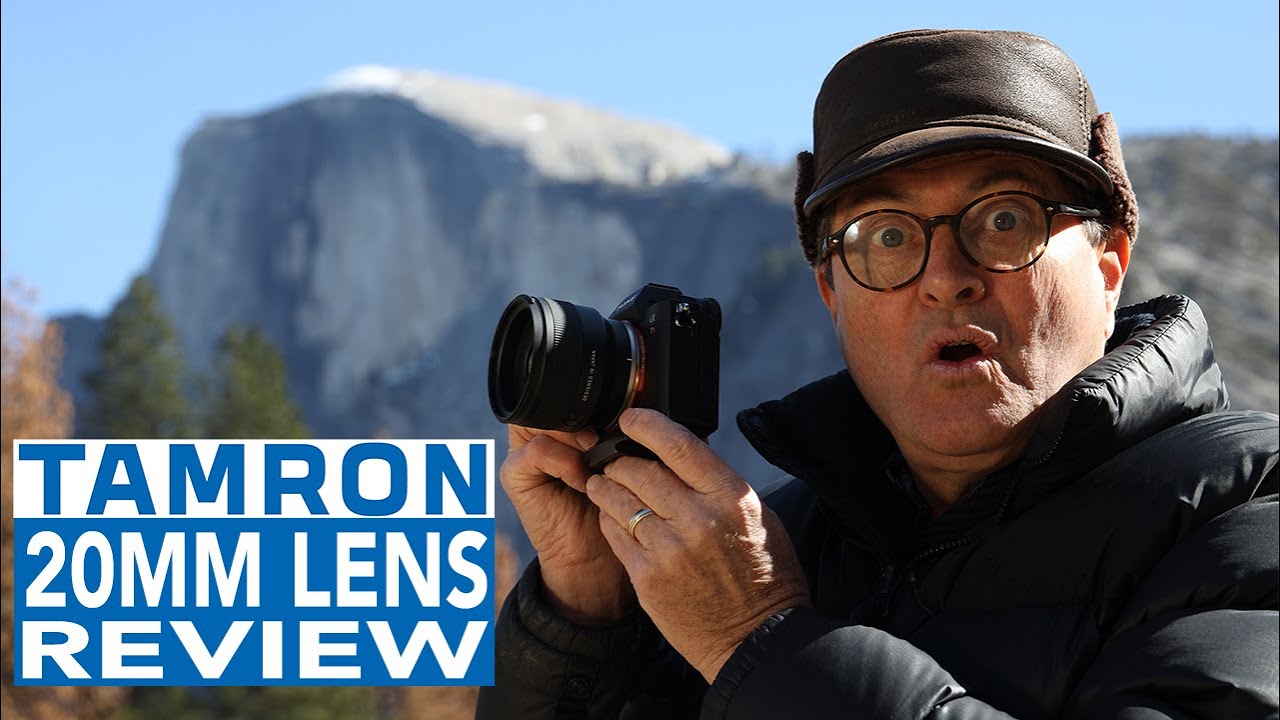
Force the Perspective: What Shooting Yosemite with Only a 20mm Lens Actually Teaches You

Force the Perspective: What Shooting Yosemite with Only a 20mm Lens Actually Teaches You

I have a bad habit of reaching for the “safe” focal length. Something in the 35-50mm range that feels natural, causes no drama, and produces competent, forgettable images. It took me longer than I’d like to admit to realize that safe focal lengths produce safe photos, and safe photos don’t stop anyone’s scroll. That’s exactly why a recent tutorial from JP Morgan over at The Slanted Lens hit differently. In it, he hauls a Tamron 20mm f/2.

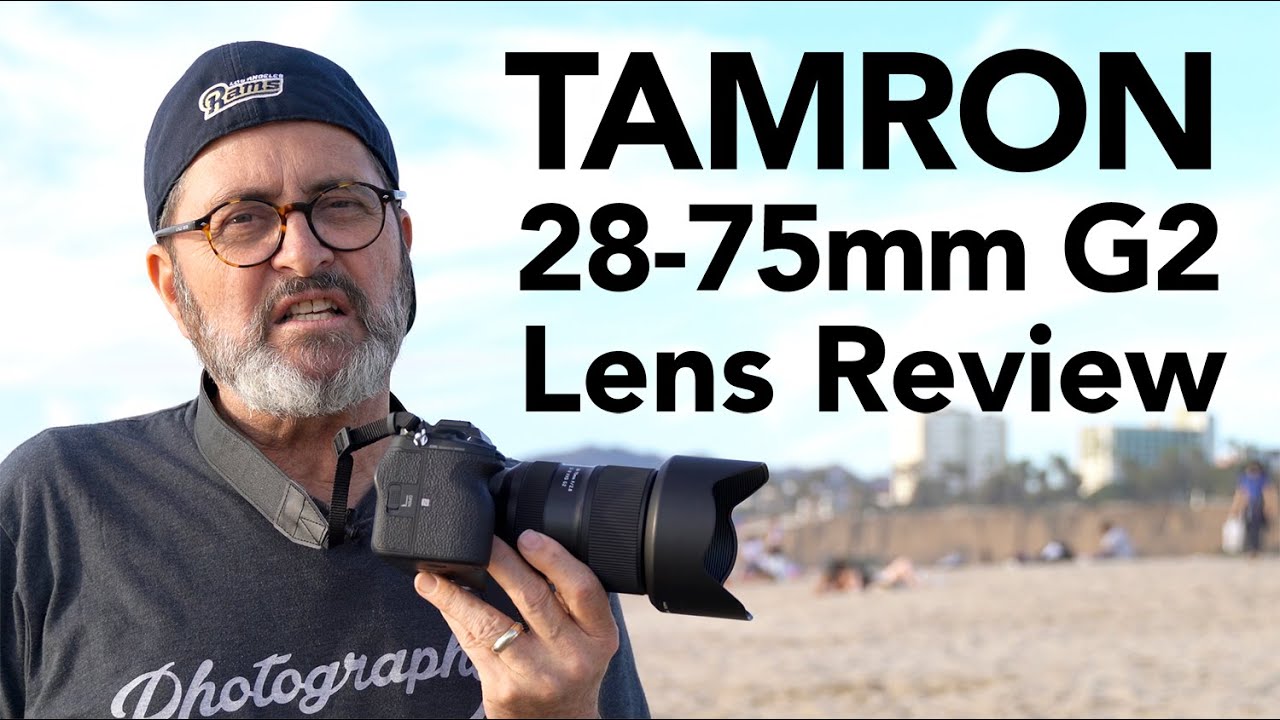
The Tamron 28-75mm f/2.8 G2 Is the Lens I'd Buy If I Had to Start Over

The Tamron 28-75mm f/2.8 G2 Is the Lens I'd Buy If I Had to Start Over

The hardest question I get from readers is some version of: “I have $800 to spend on a lens, what do I actually buy?” Not “what’s the best lens money can buy,” but what delivers the most usable image quality for real shooting situations without burning through your whole budget. That question used to take me 20 minutes to answer. Now I send them one link. In this The Slanted Lens tutorial, Jay P.

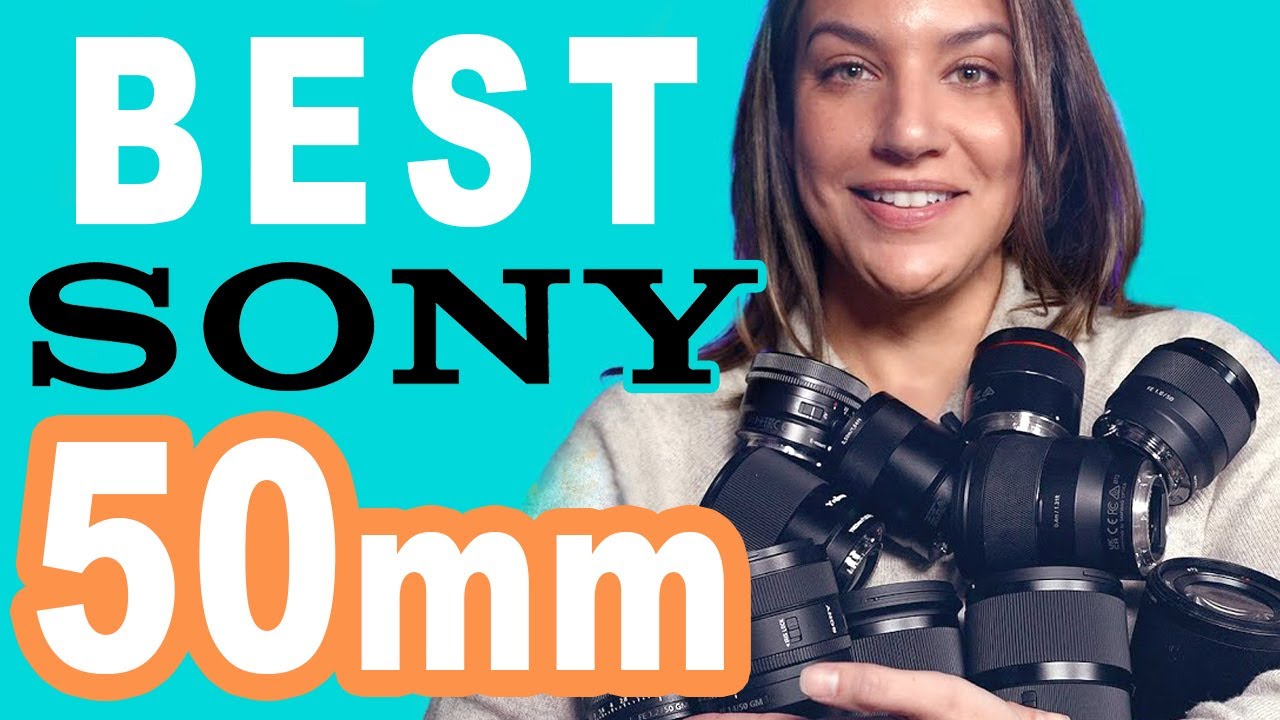
Every Sony 50mm Autofocus Lens Ranked: What a 11-Lens Shootout Actually Taught Me

Every Sony 50mm Autofocus Lens Ranked: What a 11-Lens Shootout Actually Taught Me

If you’re still shooting on the kit lens that came with your camera, I get it. That’s exactly where I started. But the single upgrade that changed how my images looked wasn’t a new camera body or a fancy flash. It was a fast 50mm prime. The subject separation alone, pulling your subject out of a cluttered background with a wide aperture, makes your photos look intentional rather than accidental. And in low light, a fast 50mm is the difference between a clean, usable shot and something grainy and soft that you’d never post.

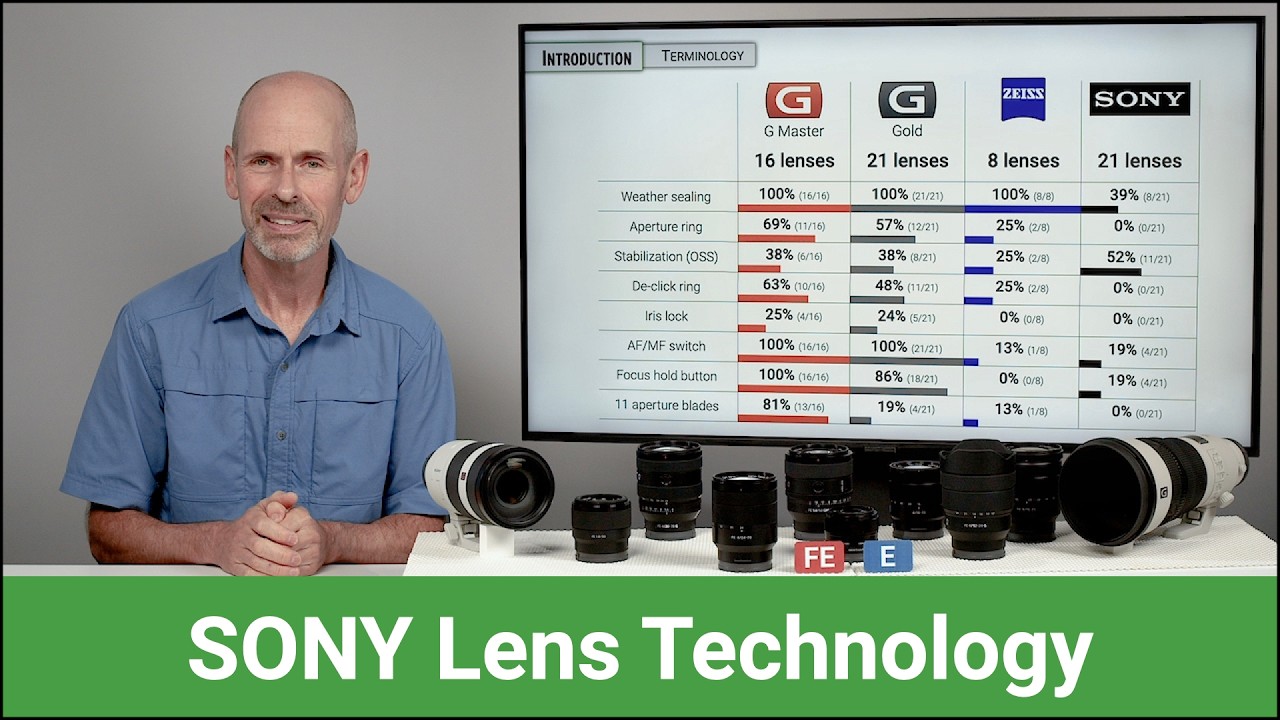
Sony Alpha Lens Codes Decoded: What Those Letters Actually Mean Before You Buy

Sony Alpha Lens Codes Decoded: What Those Letters Actually Mean Before You Buy

When I first started seriously shopping Sony glass, I did what most people do: I filtered by price, squinted at sample images, and then got completely lost in the alphabet soup printed on the barrel. FE. G. GM. Zeiss T*. I had no idea which letters actually mattered for my shooting and which ones were just Sony marketing their way into my wallet. Every forum thread I found either assumed I already knew or dissolved into brand wars.

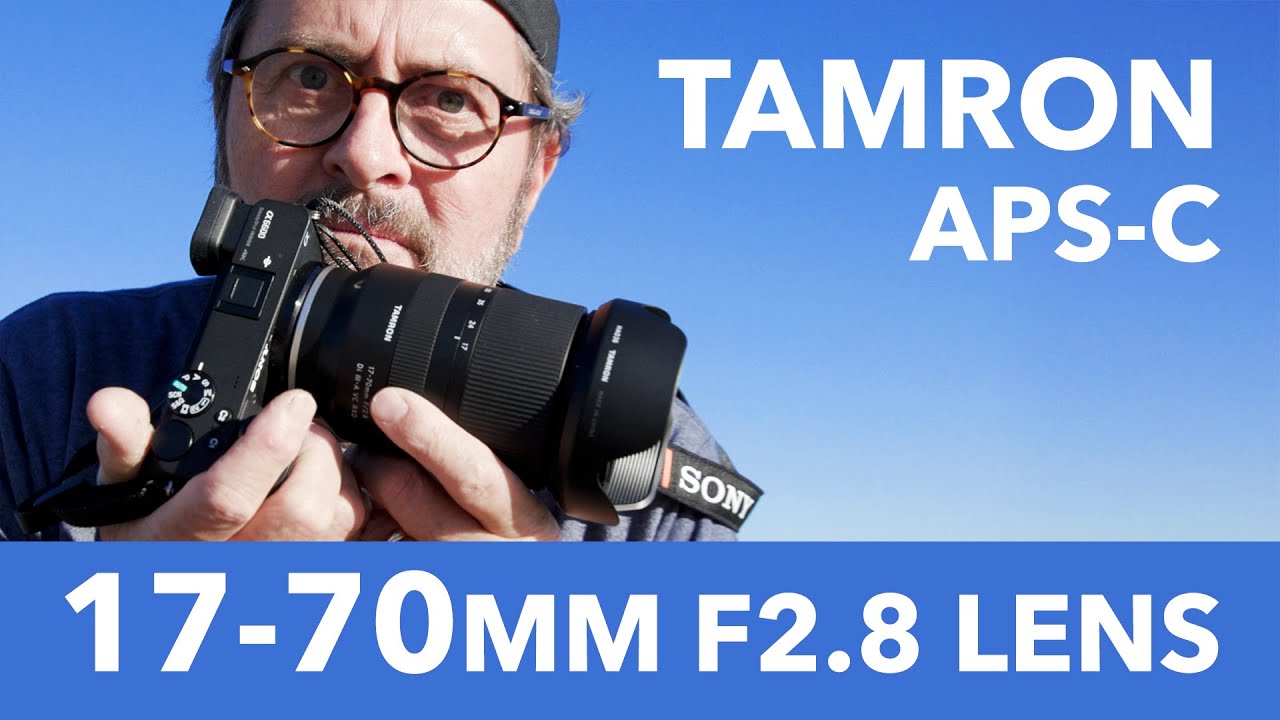
Tamron 17-70mm f/2.8 for Sony APS-C: Why This Zoom Might Be the Smartest Lens Buy Right Now

Tamron 17-70mm f/2.8 for Sony APS-C: Why This Zoom Might Be the Smartest Lens Buy Right Now

I keep a spreadsheet of every budget lens I’ve ever tested. Not because I’m obsessive (okay, maybe a little), but because the price-to-performance gap in this category changes fast and I want receipts when I tell someone what to buy. The question I get most from Sony APS-C shooters is always some version of: “Do I really need a dedicated crop-sensor lens, or can I just slap a full-frame lens on and call it a day?

Tamron 28-75mm G2 vs Sigma 28-70mm — The Ultimate Budget Zoom Showdown

Tamron 28-75mm G2 vs Sigma 28-70mm — The Ultimate Budget Zoom Showdown

Tamron 28-75mm G2 vs Sigma 28-70mm — The Ultimate Budget Zoom Showdown Look, I’m going to be straight with you: the sub-$1000 f/2.8 zoom space is finally getting interesting. For years, if you wanted a fast standard zoom without dropping $2,000+ on a Sony or Canon native lens, you were basically stuck praying. Now we’ve got serious options, and I’ve spent enough time with both the Tamron 28-75mm f/2.8 Di III VXD G2 and the Sigma 28-70mm f/2.

Sony 50mm vs Viltrox 85mm — Which Budget Portrait Lens Should You Buy?

Sony 50mm vs Viltrox 85mm — Which Budget Portrait Lens Should You Buy?

Sony 50mm vs Viltrox 85mm — Which Budget Portrait Lens Should You Buy? Here’s the thing about budget portrait lenses: everyone wants to tell you that “cheap gear will hold you back.” I call BS. I’ve shot with $200 lenses that out-performed $2,000 options in the hands of someone who actually knows what they’re doing. The real question isn’t whether budget lenses work—it’s which budget lens works best for what you’re actually going to shoot.