How to Shoot Stunning Natural Light Portraits With a 50mm Lens (And Actually Direct a Stranger)

How to Shoot Stunning Natural Light Portraits With a 50mm Lens (And Actually Direct a Stranger)

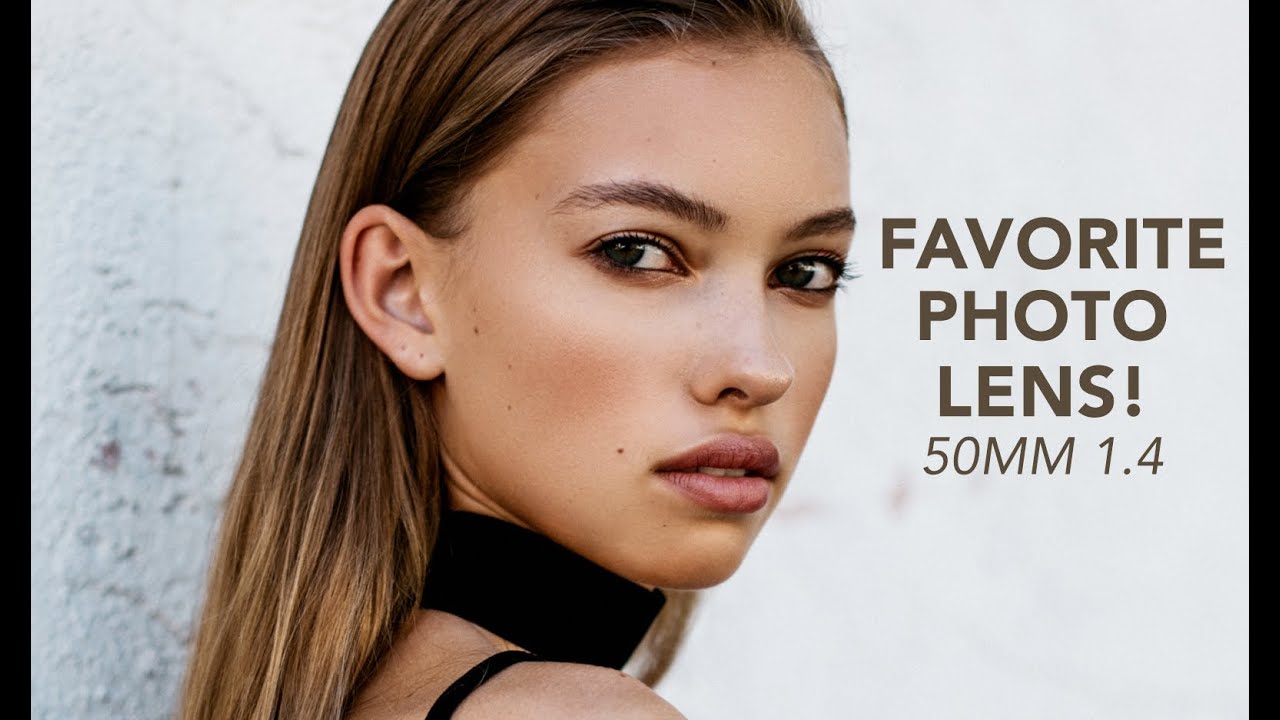
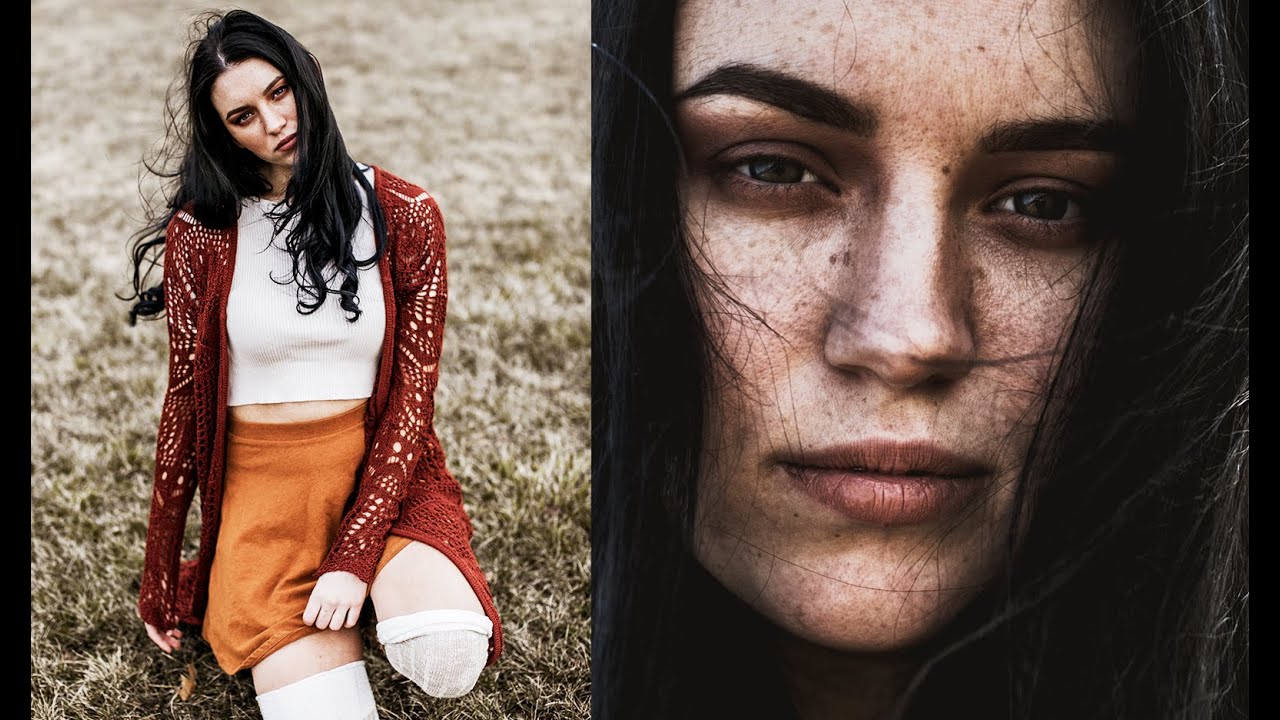
There’s a specific kind of shoot that trips up a lot of photographers who are otherwise technically solid: outdoor portraits, midday sun, someone you’ve never worked with before. No studio lights to hide behind, no creative director feeding direction, just you, your glass, and a person who’s quietly wondering if you know what you’re doing. I’ve been there more times than I’d like to admit, and for a long time my solution was to over-plan and under-deliver.
Stop Reaching for the Wide Angle: How a 50mm Lens Can Unlock Better Landscape Shots

Stop Reaching for the Wide Angle: How a 50mm Lens Can Unlock Better Landscape Shots

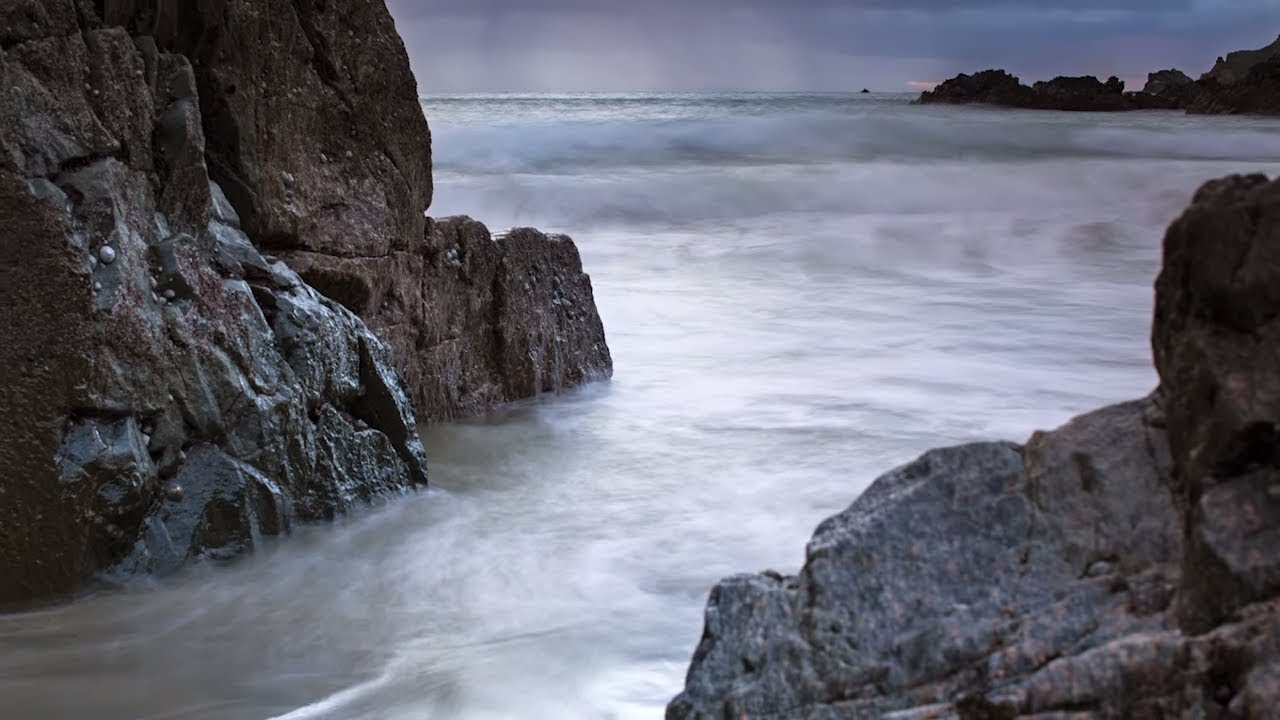
There’s a bias in landscape photography that’s almost impossible to escape: wider is better. If you’re not shooting at 16mm or 24mm, the assumption is you’re leaving something on the table. I bought into that for a long time. I own a decent ultrawide, and for a while it was the first lens that went into my bag on any outdoor shoot. Then I watched Karl Taylor do something that genuinely shifted how I think about focal length selection.

Breaking: $89 Nikon Z 50mm f/1.8 Autofocus Lens Delivers Shockingly Professional Results

Breaking: $89 Nikon Z 50mm f/1.8 Autofocus Lens Delivers Shockingly Professional Results

The 50mm That Changes Everything for Nikon Z Shooters I’ve been covering camera gear long enough to be skeptical when prices seem too good to be true. But I recently put the new $89 autofocus 50mm f/1.8 for Nikon Z through its paces, and I have to eat my words: this thing actually works. Let me be clear about what we’re dealing with here. Eighty-nine dollars. For a fast prime lens with autofocus on one of the most modern mirrorless systems available.

Why the 50mm Prime Should Be the First Lens You Master (and Maybe the Last You Need)

Why the 50mm Prime Should Be the First Lens You Master (and Maybe the Last You Need)

For a long time, I chased the wrong gear. I’d convince myself that the shot I missed was because I didn’t have a longer zoom, a faster aperture, or a bigger bag to carry all of it. Then I started tracking my actual keeper shots in a spreadsheet - yes, I have one of those - and noticed something uncomfortable: my best work almost always came from one focal length. Fifty millimeters.

Does a 50mm Lens Become a Portrait Lens on a Crop Sensor Camera? Here's the Actual Answer

Does a 50mm Lens Become a Portrait Lens on a Crop Sensor Camera? Here's the Actual Answer

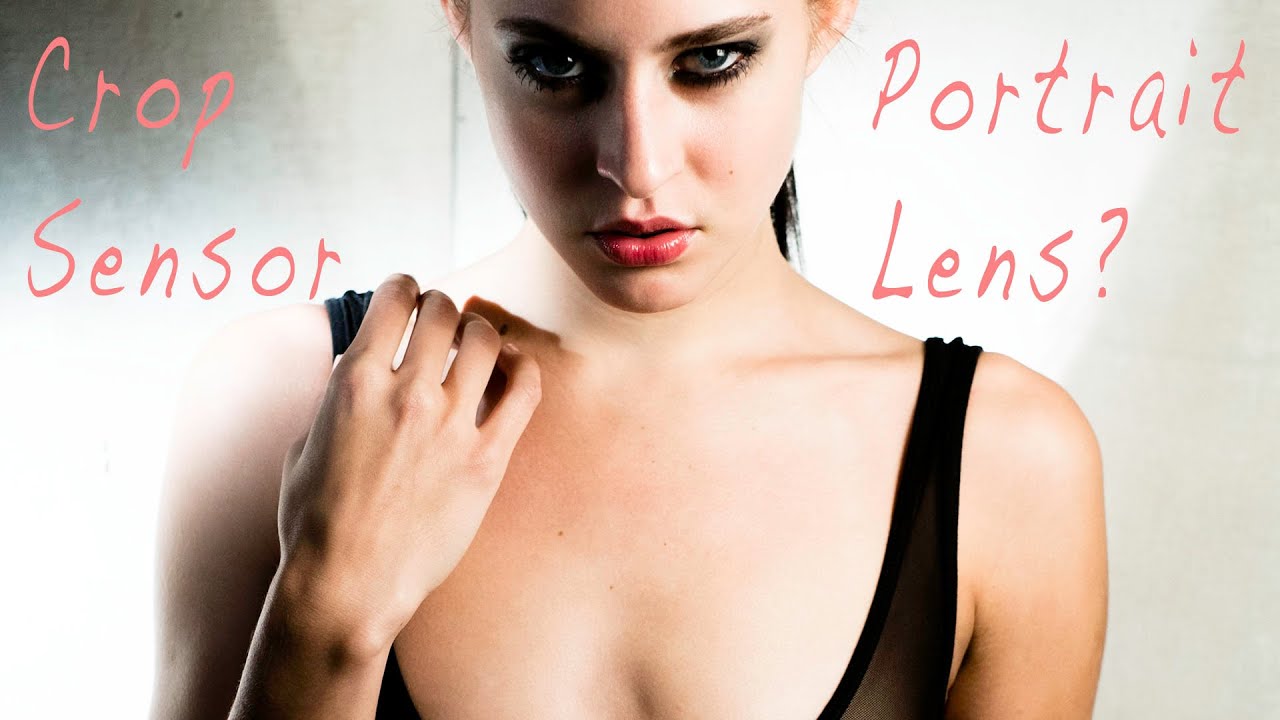
One question I kept seeing pop up in beginner photography groups — and honestly one I wrestled with myself when I was shooting on a crop sensor body — is whether a 50mm lens “counts” as a portrait lens when you’re not on full frame. It sounds like a simple question, but the answer touches on focal length compression, field of view, and how lens manufacturers actually design their glass. In this Daniel Norton Photographer tutorial, Watch the full tutorial on YouTube, Daniel works through the physics and the practical logic in about five minutes flat.

The 50mm f/1.8 Is the Only Lens You Actually Need Right Now (Here's How to Use It)

The 50mm f/1.8 Is the Only Lens You Actually Need Right Now (Here's How to Use It)

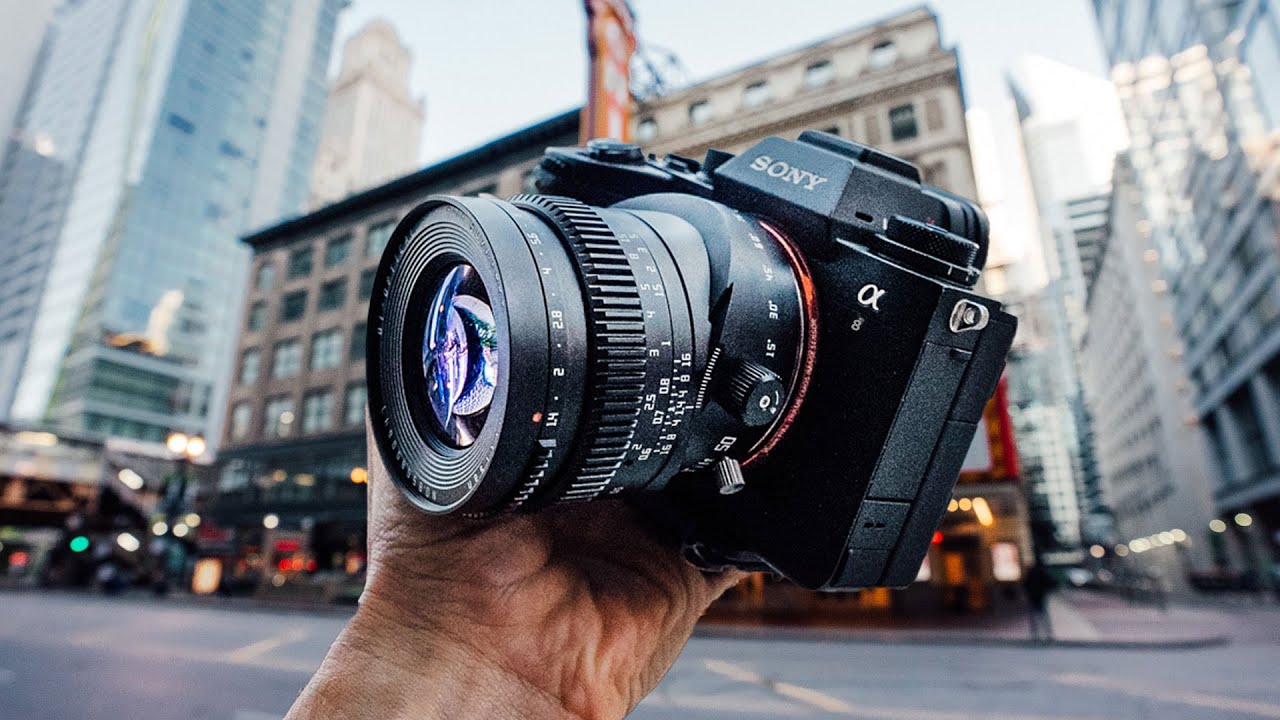
I have a spreadsheet with 47 lenses on it. Budget zooms, tilt-shifts, third-party primes, a few oddball manual focus options I bought off eBay at midnight. I’ve tested most of them. And after all of that, the one lens I still recommend first to anyone who asks is the 50mm f/1.8. Not because it’s the most exciting answer. Because it’s the correct one. In this Pierre T. Lambert tutorial filmed on the streets of Chicago, Lambert does something refreshing: he makes the case for the 50mm f/1.

Every Sony 50mm Autofocus Lens Ranked: What a 11-Lens Shootout Actually Taught Me

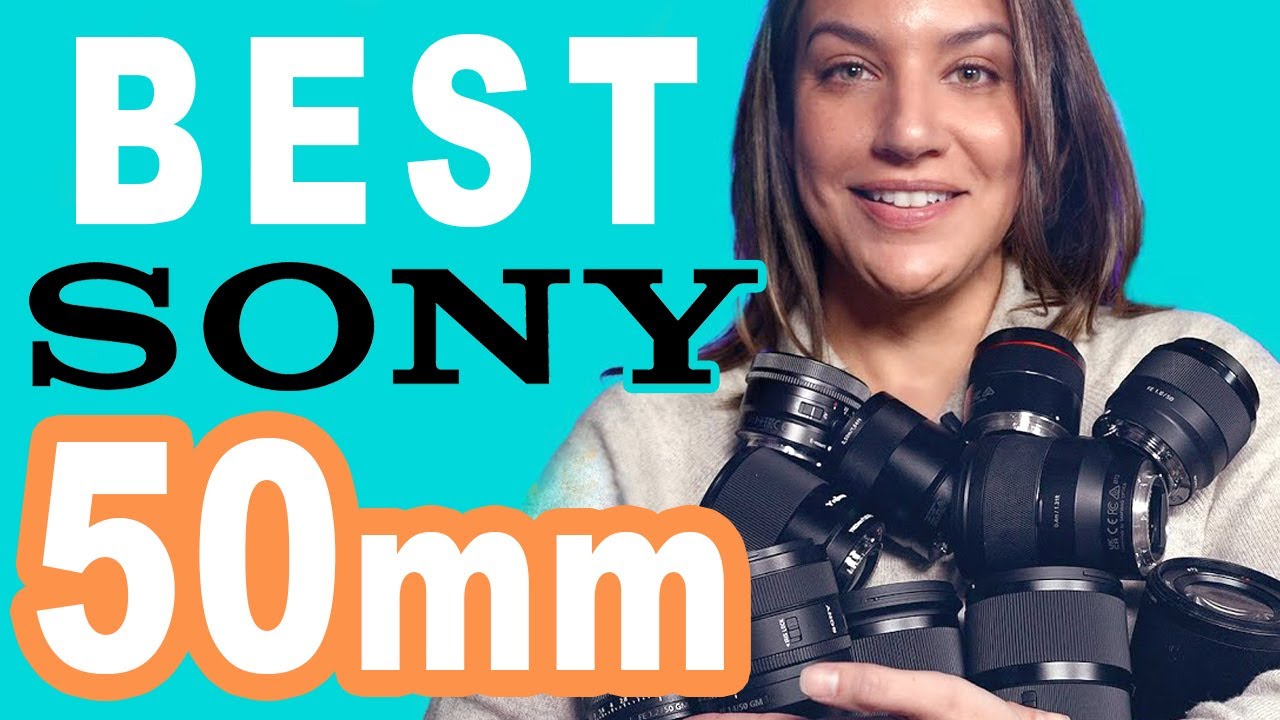
Every Sony 50mm Autofocus Lens Ranked: What a 11-Lens Shootout Actually Taught Me

If you’re still shooting on the kit lens that came with your camera, I get it. That’s exactly where I started. But the single upgrade that changed how my images looked wasn’t a new camera body or a fancy flash. It was a fast 50mm prime. The subject separation alone, pulling your subject out of a cluttered background with a wide aperture, makes your photos look intentional rather than accidental. And in low light, a fast 50mm is the difference between a clean, usable shot and something grainy and soft that you’d never post.

The 50mm Street Photography Trick That Changed How I Read a Scene

The 50mm Street Photography Trick That Changed How I Read a Scene

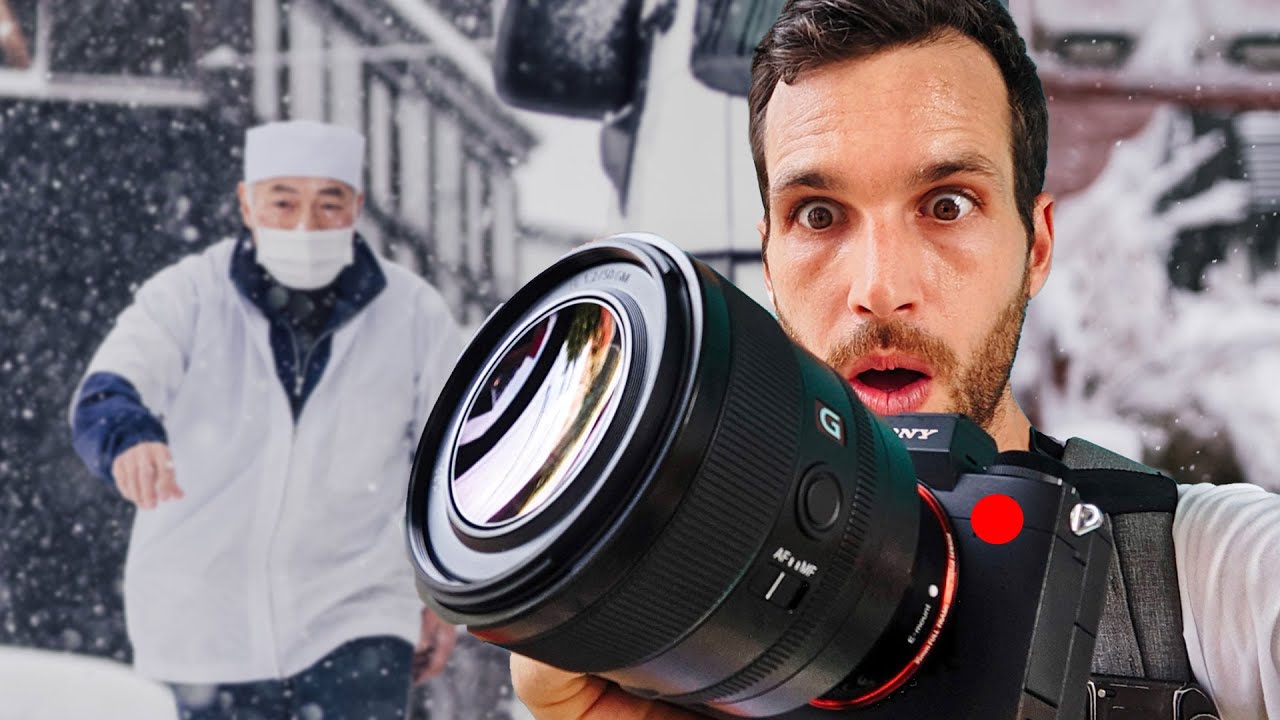
Street photography has a way of punishing hesitation. You either see the shot and commit, or you end up with a memory card full of “almost” frames. For a long time, my problem wasn’t confidence, it was framework. I’d walk a block, raise my camera, and react. But reacting isn’t the same as reading a scene, and the difference shows up in the final images. In this Pierre T. Lambert tutorial, shot entirely on the snowy streets of a small Japanese town, Lambert works through exactly that gap between reacting and reading.

The 50mm f/1.4 Is the Only Lens Most Photographers Actually Need — Here's Why a Pro Agrees

The 50mm f/1.4 Is the Only Lens Most Photographers Actually Need — Here's Why a Pro Agrees

I’ve built most of my gear philosophy around one uncomfortable truth: photographers consistently overspend on glass they don’t need. I tracked my own lens usage for three months using a spreadsheet and found that roughly 80 percent of my keepers came from a single focal length. That didn’t surprise me. What surprised me was how many working photographers I talked to had the same result and still kept reaching for more exotic, more expensive glass out of habit or ego.