What Your Go-To Lens Actually Reveals About How You See the World (And How to Find Out in Lightroom)

What Your Go-To Lens Actually Reveals About How You See the World (And How to Find Out in Lightroom)

I’ll be honest: I thought I knew which lens I reached for most. I would have bet money on my nifty fifty. Turns out I was wrong, and finding out I was wrong took about 45 seconds inside Lightroom. That gap between the lens you think defines your shooting style and the one you actually use constantly is more revealing than most photographers want to admit. In this Mark Denney tutorial, Watch the full tutorial on YouTube, he walks through how to pull that data directly from Lightroom and then connects your dominant focal length to how you naturally perceive and interpret a scene.
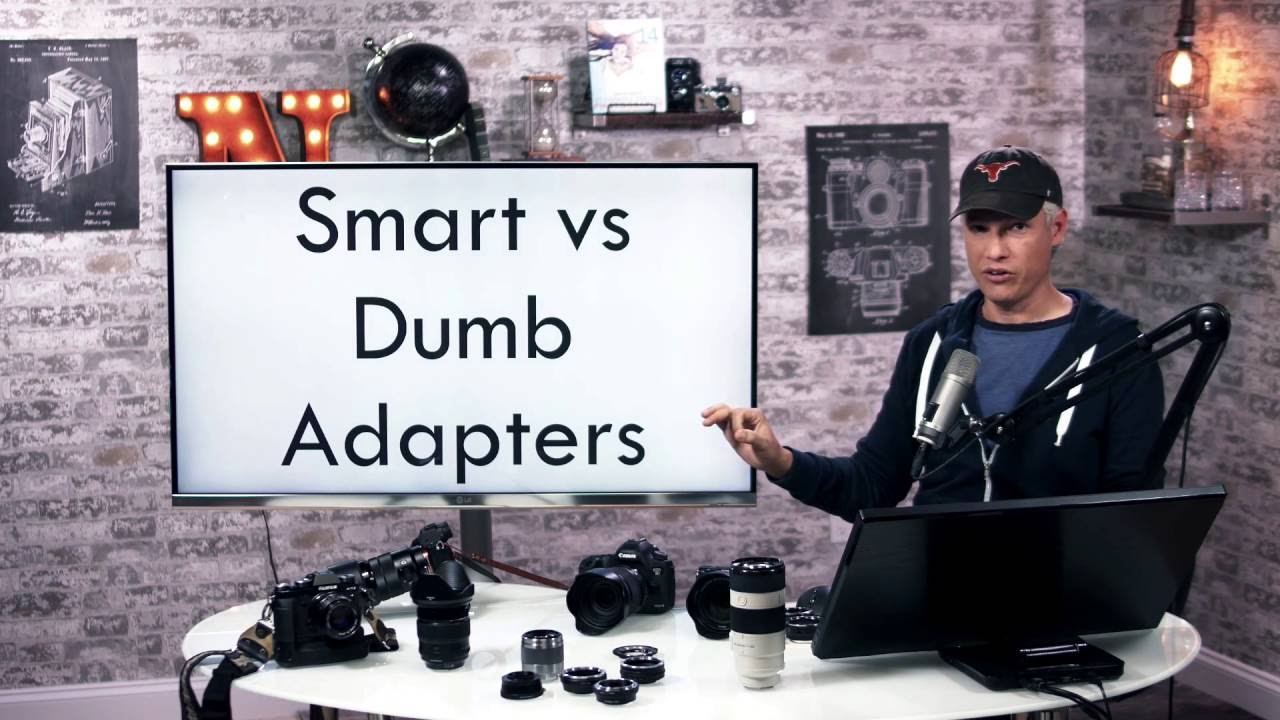
Adapting Lenses to Any Camera Body: What Actually Works (And What Doesn't)

Adapting Lenses to Any Camera Body: What Actually Works (And What Doesn't)

I’ve been chasing the budget angle on photography gear long enough to know that one of the fastest ways to stretch your kit is adapting lenses you already own to a new body. When I made the jump from a crop-sensor DSLR to a mirrorless system a couple of years back, I had a small collection of glass I wasn’t willing to sell at a loss. The question was whether I could actually use it or whether I’d just be buying a pile of junk adapters that turned sharp primes into manual-focus paperweights.

Prime vs. Zoom, Focal Length Explained: What Every Lens Buyer Actually Needs to Know

Prime vs. Zoom, Focal Length Explained: What Every Lens Buyer Actually Needs to Know

I’ll be honest with you: the question I get asked more than any other is not “which camera should I buy?” It’s “which lens should I buy?” And that makes sense, because camera bodies come and go but a good lens can follow you for decades. The problem is that lens marketing is dense, the jargon is thick, and the price range runs from $80 to $14,000 on the same camera mount.

How Different Focal Lengths Actually Change Your Shot (A Visual Breakdown)

How Different Focal Lengths Actually Change Your Shot (A Visual Breakdown)

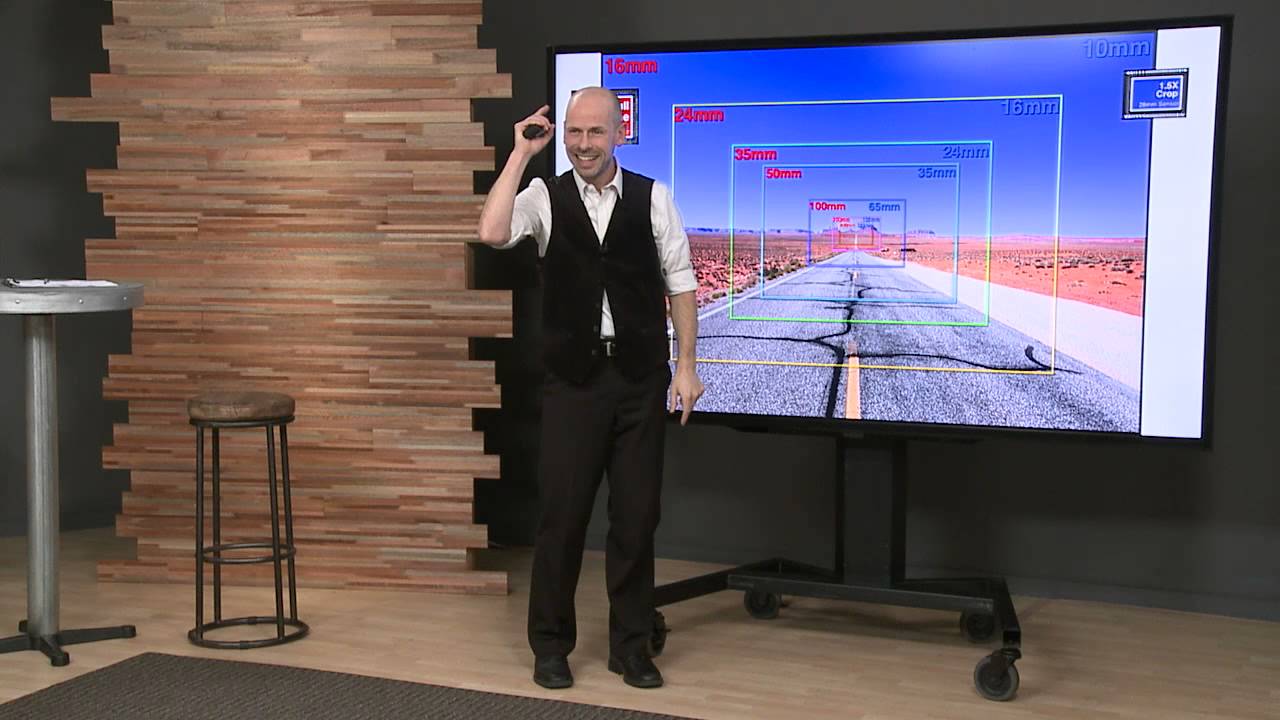
Most photographers buy lenses based on specs and reviews. I used to do the same thing, cross-referencing MTF charts and pixel-peeping sample images before I’d even thought about what I actually needed the lens to do. What changed my thinking wasn’t a spec sheet. It was watching a photographer stand in the same spot and shoot the same scene across a full range of focal lengths, from ultra-wide to 400mm telephoto, so you could see exactly how the image transforms with each swap.

What Lens Should You Actually Buy? Breaking Down Mango Street's No-BS Q&A

What Lens Should You Actually Buy? Breaking Down Mango Street's No-BS Q&A

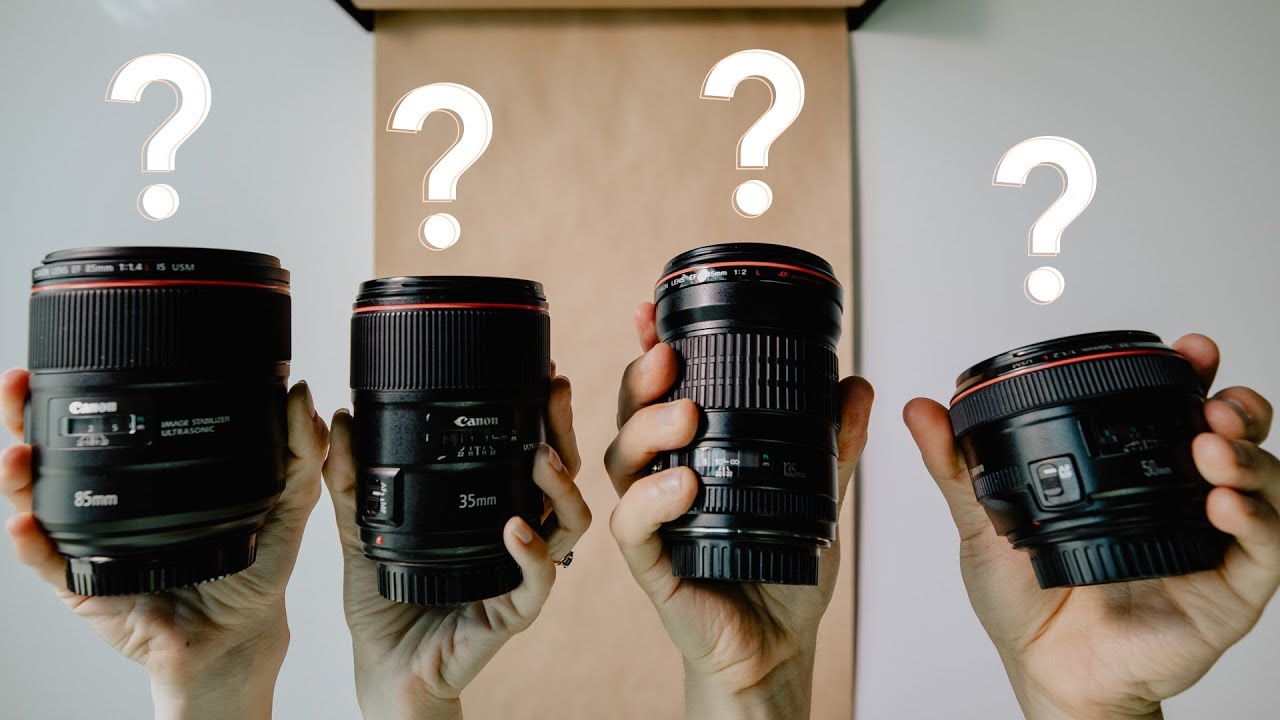
I’ve spent more hours researching lenses than I care to admit. Before I even touch breakfast, I’m usually knee-deep in price trackers and forum threads trying to figure out whether a deal is real or just marketing noise. So when Mango Street dropped a mega Q&A covering everything from bokeh settings to whether beginners should trust autofocus, I watched it twice and took notes. Not because it’s flashy, but because it cuts through the kind of overthinking that keeps new photographers from actually buying something and going out to shoot.

Scott Kelby's Lens Picks Decoded: What Actually Matters for Every Photographer's Bag

Scott Kelby's Lens Picks Decoded: What Actually Matters for Every Photographer's Bag

I’ve spent more hours than I care to admit building spreadsheets comparing lens specs, price-to-performance ratios, and street prices across Canon, Nikon, and Sony systems. So when a photographer like Scott Kelby sits down and just tells you what’s actually on his camera, not what’s theoretically optimal, I pay attention. In this KelbyOne tutorial, Kelby walks through the lenses he genuinely uses, lenses with worn-off labels and frequent flyer miles, and the reasoning is surprisingly practical for anyone trying to build a lean, functional kit.

What Focal Length Actually Does to a Face (And Why Your Kit Lens Is Lying to You)

What Focal Length Actually Does to a Face (And Why Your Kit Lens Is Lying to You)

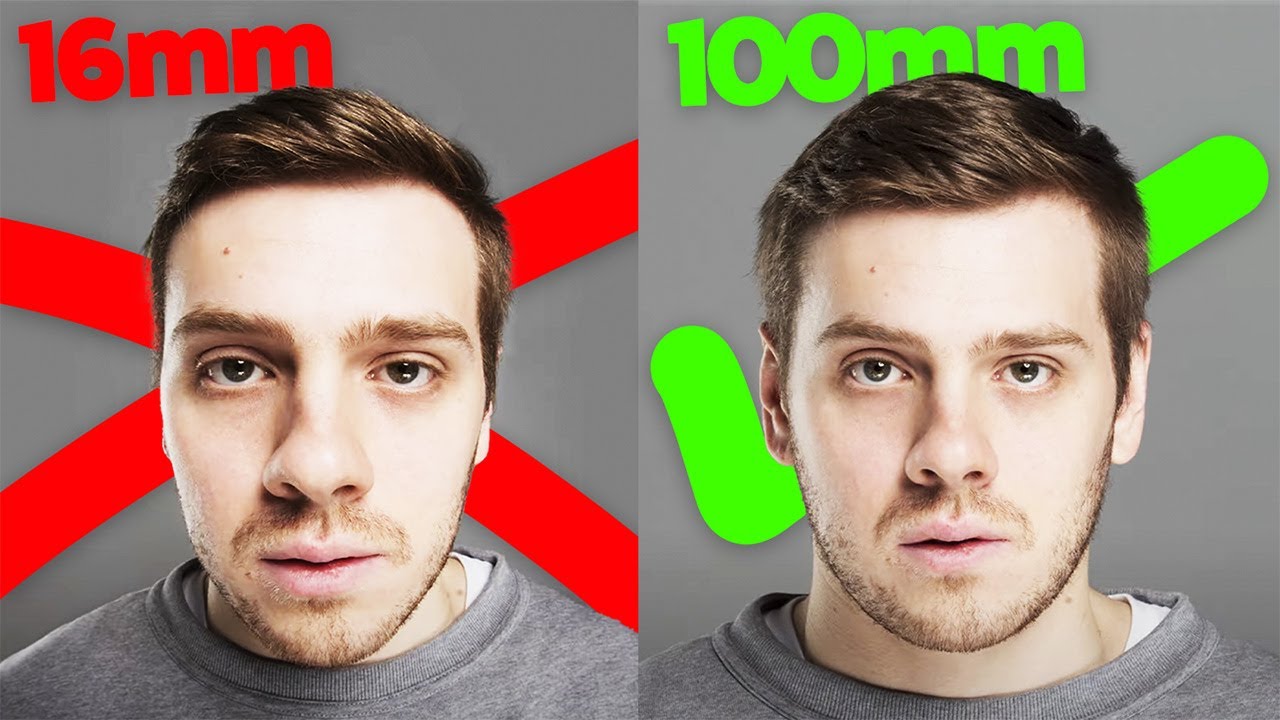
I spent a long time convinced that bad portraits were a lighting problem. I’d move the softbox, try a reflector, mess with the angle, and still get shots that felt slightly off. Faces looked a little bloated, or the background felt weirdly compressed, or the whole image just didn’t match what I was seeing with my own eyes. The real culprit, most of the time, was the lens I was standing behind and how far away I was from the subject.