Why the 50mm Prime Should Be the First Lens You Master (and Maybe the Last You Need)

Why the 50mm Prime Should Be the First Lens You Master (and Maybe the Last You Need)

For a long time, I chased the wrong gear. I’d convince myself that the shot I missed was because I didn’t have a longer zoom, a faster aperture, or a bigger bag to carry all of it. Then I started tracking my actual keeper shots in a spreadsheet - yes, I have one of those - and noticed something uncomfortable: my best work almost always came from one focal length. Fifty millimeters.
Tamron's 24mm and 35mm f/2.8 Primes Are the Budget Travel Lenses I've Been Waiting For

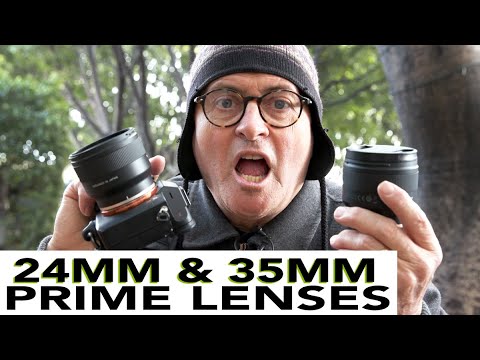
Tamron's 24mm and 35mm f/2.8 Primes Are the Budget Travel Lenses I've Been Waiting For

I have a spreadsheet. It has every budget lens I’ve tested going back three years, with columns for sharpness, bokeh quality, flare resistance, minimum focus distance, and price-per-feature. I built it because the gear market is loud and most reviews are written by people who aren’t actually flinching at the price tag. So when Tamron dropped two new compact primes for Sony mirrorless systems, both sitting under $350, I paid attention fast.

Ditch the Kit Lens: Why a $125 Fifty is the First Upgrade Every New Shooter Needs

Ditch the Kit Lens: Why a $125 Fifty is the First Upgrade Every New Shooter Needs

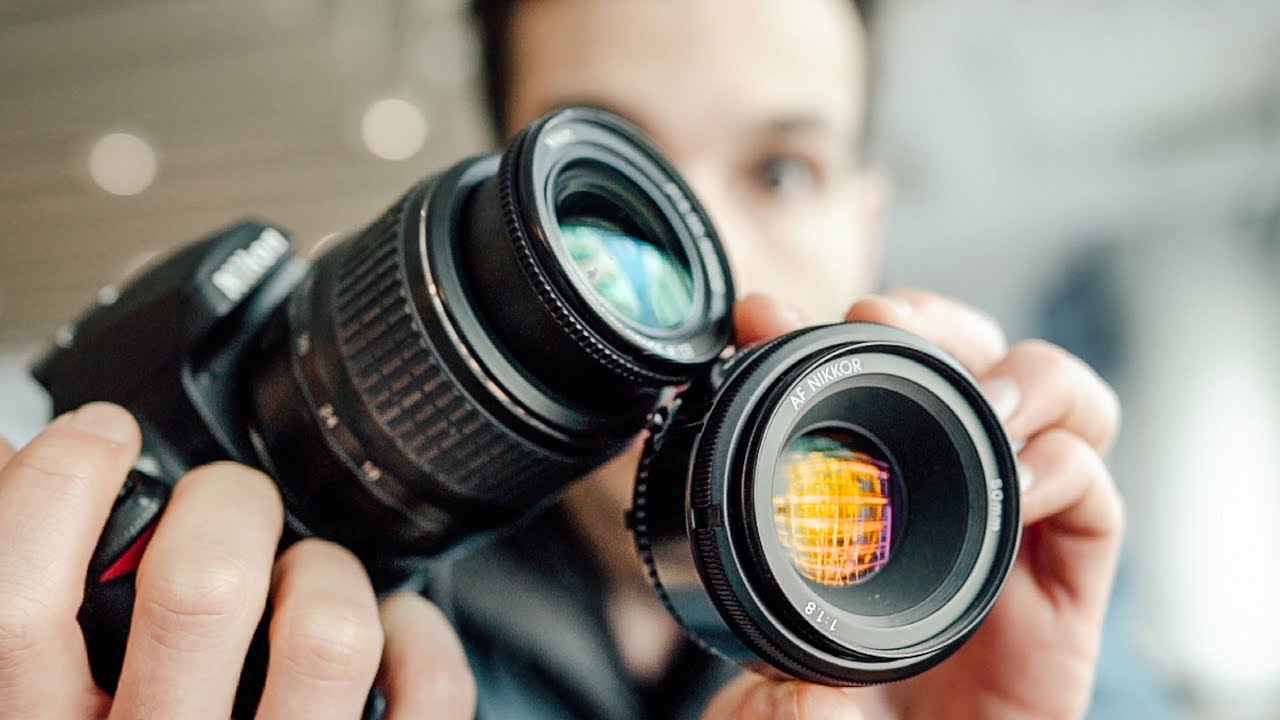
I started with a $300 camera kit and shot a wedding that ended up published in a local magazine. The camera wasn’t special. The kit lens wasn’t special. But somewhere between that gig and the next hundred shoots, I learned the one swap that changes everything for new photographers, and it has nothing to do with buying a better camera body. In this Pierre T. Lambert tutorial, he lays out the exact same lesson in a way that I genuinely wish someone had handed me on day one: swap the kit zoom for a cheap 50mm prime and watch your photos get better almost overnight.

What Mango Street's Wedding Kit Actually Teaches You (Canon 5D Mark IV Breakdown)

What Mango Street's Wedding Kit Actually Teaches You (Canon 5D Mark IV Breakdown)

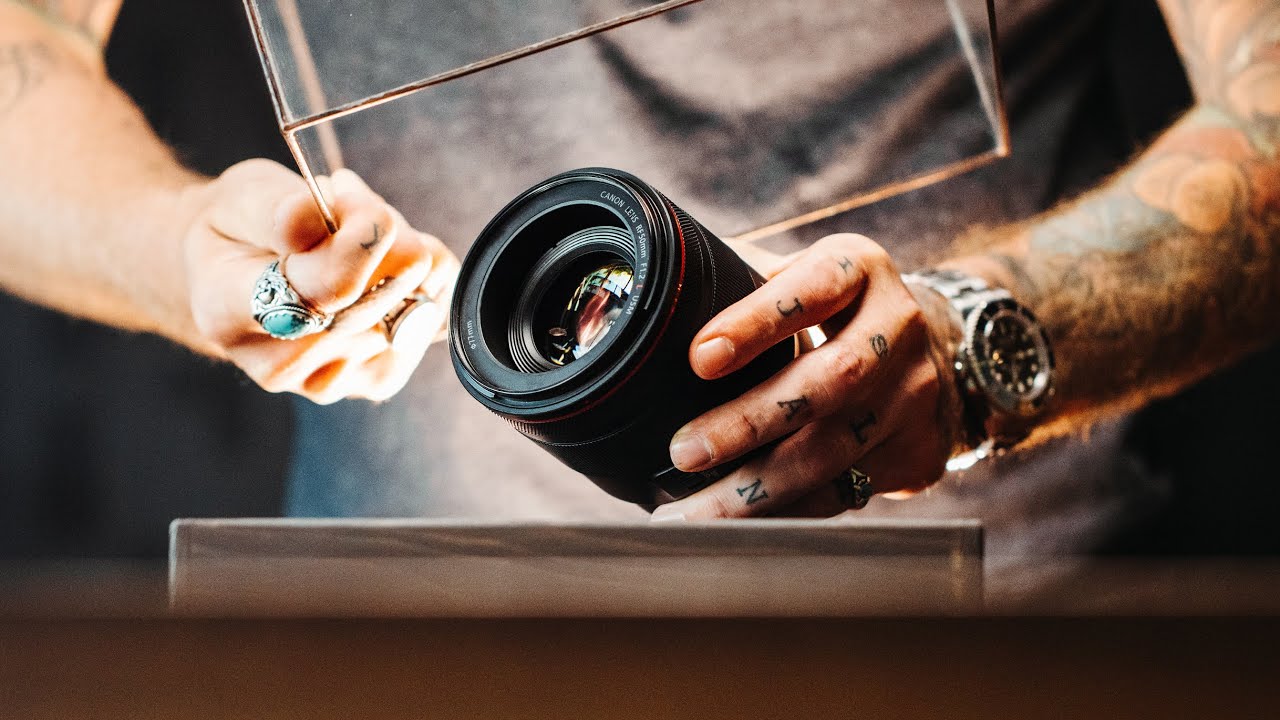
Wedding photography is the one job that exposes every weakness in your kit. You get one shot at the first dance, one shot at the ring exchange, and zero opportunity to ask the flower girl to re-toss her petals because your autofocus hunted. I’ve spent years arguing that budget gear can handle almost anything, and I still believe that. But watching how professionals build their wedding kits teaches you something more useful than any gear list: it shows you why certain tools earn their place and what problem each one actually solves under pressure.

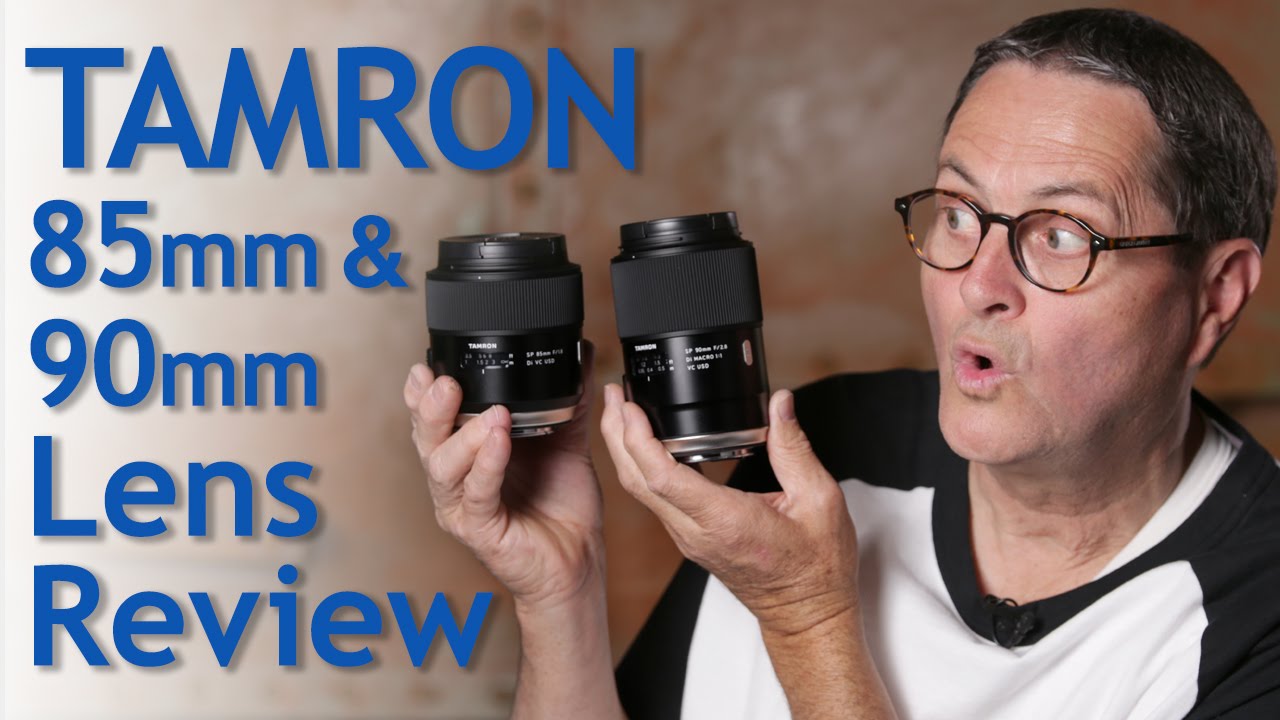
Tamron's 90mm Macro and 85mm f/1.8 Are the Budget Prime Duo I've Been Waiting For

Tamron's 90mm Macro and 85mm f/1.8 Are the Budget Prime Duo I've Been Waiting For

I’ve tested a lot of budget glass over the years. Enough to fill a spreadsheet that my friends think is deeply unhinged. And the question I get most often isn’t “which cheap lens is sharpest?” It’s simpler than that: “Which primes can I actually build a working kit around without spending Canon L-series money?” That’s the problem I keep trying to solve, and it’s exactly why I sat up when I came across this review.

Viltrox 55mm f/1.8 EVO APO Finally Proves Budget Lenses Don't Have to Be Compromises

Viltrox 55mm f/1.8 EVO APO Finally Proves Budget Lenses Don't Have to Be Compromises

Stop Sleeping on Viltrox I’ll be honest—I’ve been skeptical of budget lens brands for years. Not out of snobbery, but because I’ve seen too many “affordable” options that just move your problems around instead of solving them. You save $300 on the sticker price and spend it on frustration. But I need to eat my words. Viltrox’s new 55mm f/1.8 EVO APO is legitimately good, and I’m not using that phrase lightly.

Sigma Lens Sale: Real Value for Photographers Who Skip the Brand Tax

Sigma Lens Sale: Real Value for Photographers Who Skip the Brand Tax

Sigma Lens Sale: Real Value for Photographers Who Skip the Brand Tax Look, I’m going to be straight with you: Sigma doesn’t get the hype that Canon and Nikon do. But that’s exactly why their deals matter. I’ve tested enough Sigma glass over the years to know they’re not the budget alternative—they’re the smart alternative. Their Contemporary and Art series lenses consistently deliver optical performance that matches or beats first-party options, often at 30-50% less money.