Why a High-Zoom All-in-One Lens Might Be the Smartest Landscape Purchase You Make This Year

Why a High-Zoom All-in-One Lens Might Be the Smartest Landscape Purchase You Make This Year

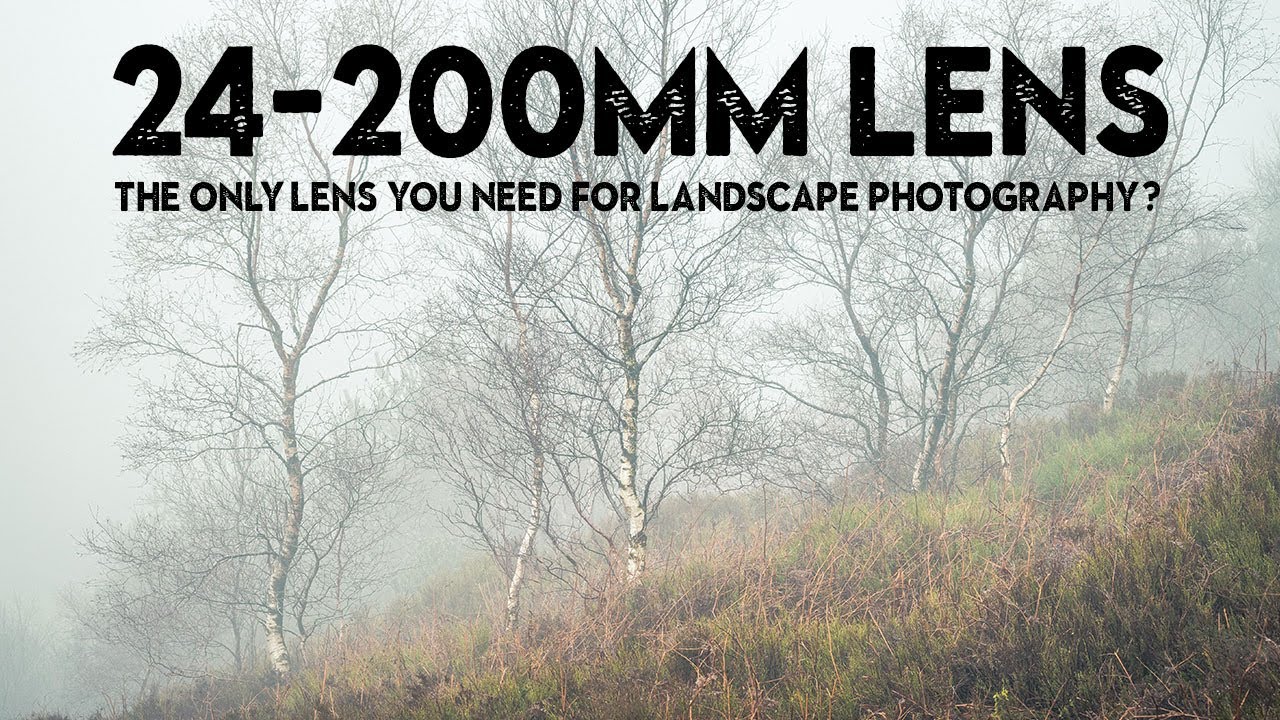
I have a spreadsheet with 47 lenses on it. I have bought, borrowed, and stress-tested more budget glass than most photographers will touch in a lifetime. And the question I keep coming back to is never “which lens is sharpest?” It’s always “which lens are you actually going to bring?” That distinction matters more than any MTF chart, and it’s exactly what pushed me to pay close attention when Nigel Danson made his case for adding a 24-200mm all-in-one zoom to his landscape kit.
How to Pack a Travel Photography Bag That Actually Works (Without Overpacking)

How to Pack a Travel Photography Bag That Actually Works (Without Overpacking)

Every time I prep for a trip, I waste at least an hour second-guessing my gear. Do I need the extra lens? Is this tripod too heavy? Can I get away with just one camera body? I’ve been guilty of showing up to shoot a weekend trip with a bag so heavy my shoulders hated me by noon. That’s the real problem with travel photography gear advice — most of it is written by people who aren’t actually carrying the bag all day.

How Pierre T. Lambert Uses a 70-200mm for Street Photography (And Why It Actually Works)

How Pierre T. Lambert Uses a 70-200mm for Street Photography (And Why It Actually Works)

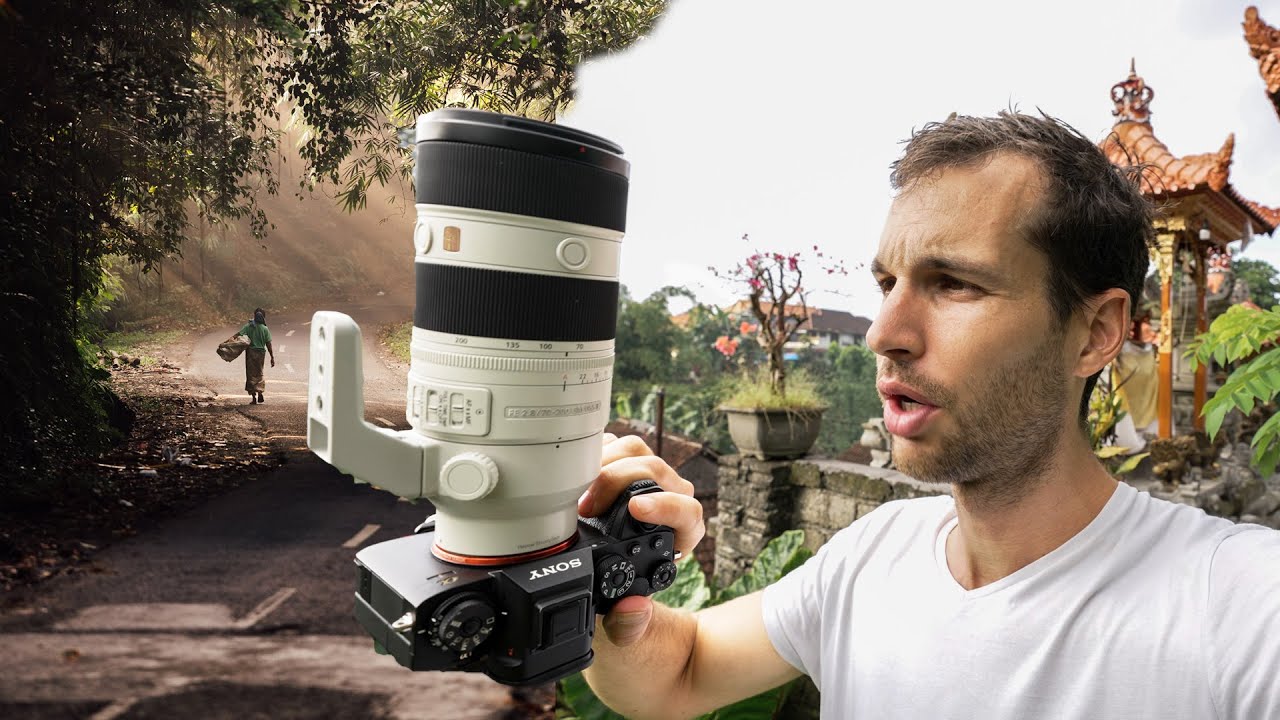
Street photography is one of those disciplines where everyone has an opinion about the “right” gear. Prime lenses only. Go wide or go home. You need to be close to make it real. I’ve heard all of it, and honestly, I’ve repeated some of it myself. So when I came across this Pierre T. Lambert tutorial shot entirely on location in Ubud, Bali, using a 70-200mm zoom for street work, it stopped me mid-scroll.

The Vanguard VEO 265CB Is the Travel Tripod I Wish I'd Had Before I Wasted Money on Four Cheap Ones

The Vanguard VEO 265CB Is the Travel Tripod I Wish I'd Had Before I Wasted Money on Four Cheap Ones

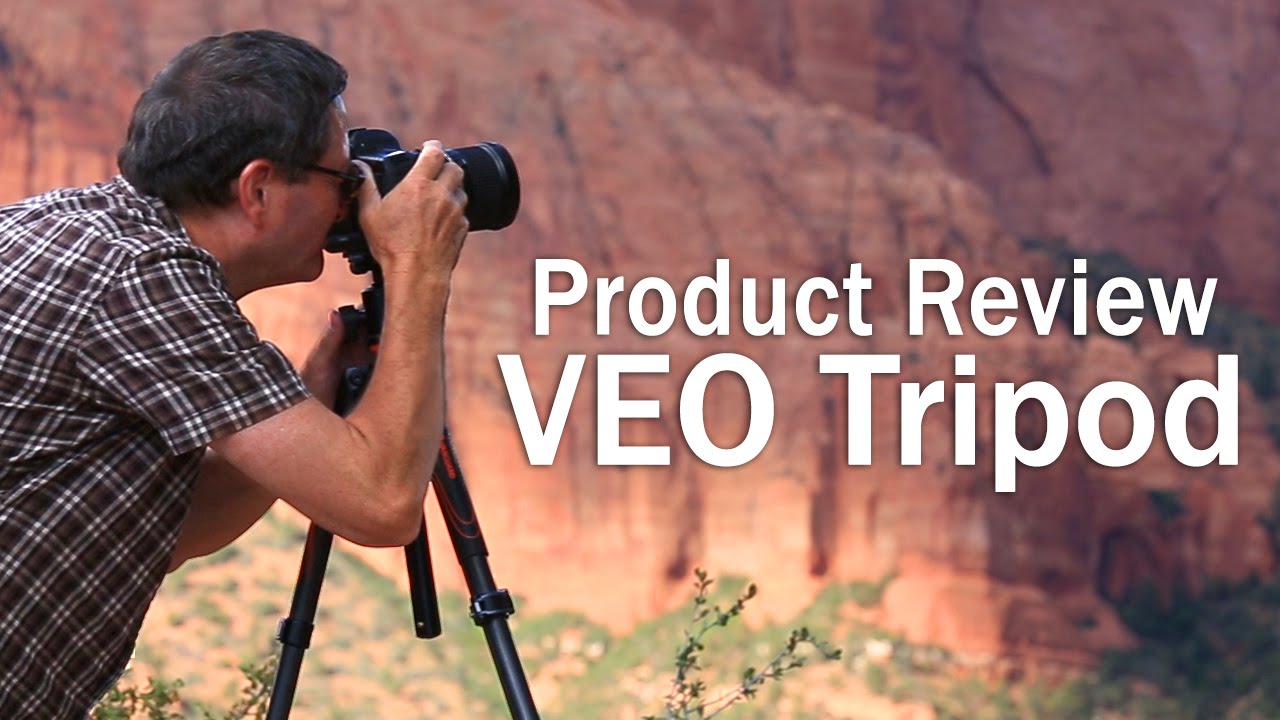
I have a problem that I suspect a lot of photographers share: I never bring a tripod when I travel because my good one is too bulky, and then I end up buying some $25 garbage stick from a drugstore or a tourist shop and wondering why my long exposures look like they were shot during an earthquake. I’ve done this more times than I’d like to admit. I’ve got a spreadsheet tracking every piece of budget gear I’ve tested, and the “emergency travel tripod” category is embarrassingly long, all of them disappointing.

Tropical Photography Isn't Romantic—Here's How to Actually Protect Your Gear

Tropical Photography Isn't Romantic—Here's How to Actually Protect Your Gear

I’ve seen plenty of Instagram posts of photographers basking in tropical paradise with their cameras slung around their necks like accessories. The reality? It’s messy, it’s brutal on your equipment, and it demands serious preparation. Tropical environments present three genuine threats to your photography setup that most guides gloss over. Understanding these challenges helps you make smart gear choices before you drop cash on a tropical shoot. Heat and Humidity Will Wreck Your Gear This isn’t hype—I’m talking about actual equipment failure.

One Lens, Every Shot: Why the Tamron 18-300mm Might Be the Smartest Buy for APS-C Shooters

One Lens, Every Shot: Why the Tamron 18-300mm Might Be the Smartest Buy for APS-C Shooters

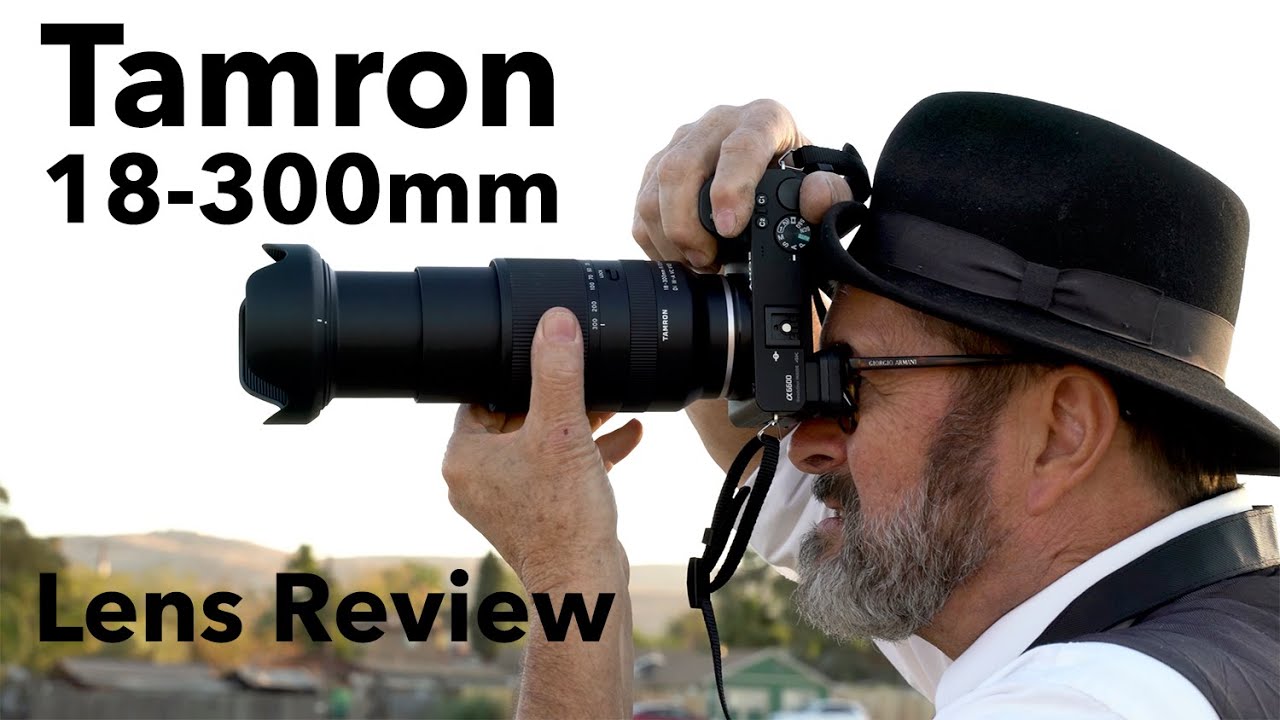
I’ll be honest: superzoom lenses have a reputation problem. Photographers who’ve spent years chasing prime sharpness tend to dismiss them as a compromise. But when you’re trying to cover a wide-open festival, portrait setups, street scenes, and low-light architecture all in the same afternoon, hauling a bag full of primes is its own kind of compromise. The question worth asking isn’t “is this lens perfect?” It’s “does this lens solve a real problem?

Canon 24-240mm for Mirrorless: A Real-World Field Report (And the One Reason You Might Want to Skip It)

Canon 24-240mm for Mirrorless: A Real-World Field Report (And the One Reason You Might Want to Skip It)

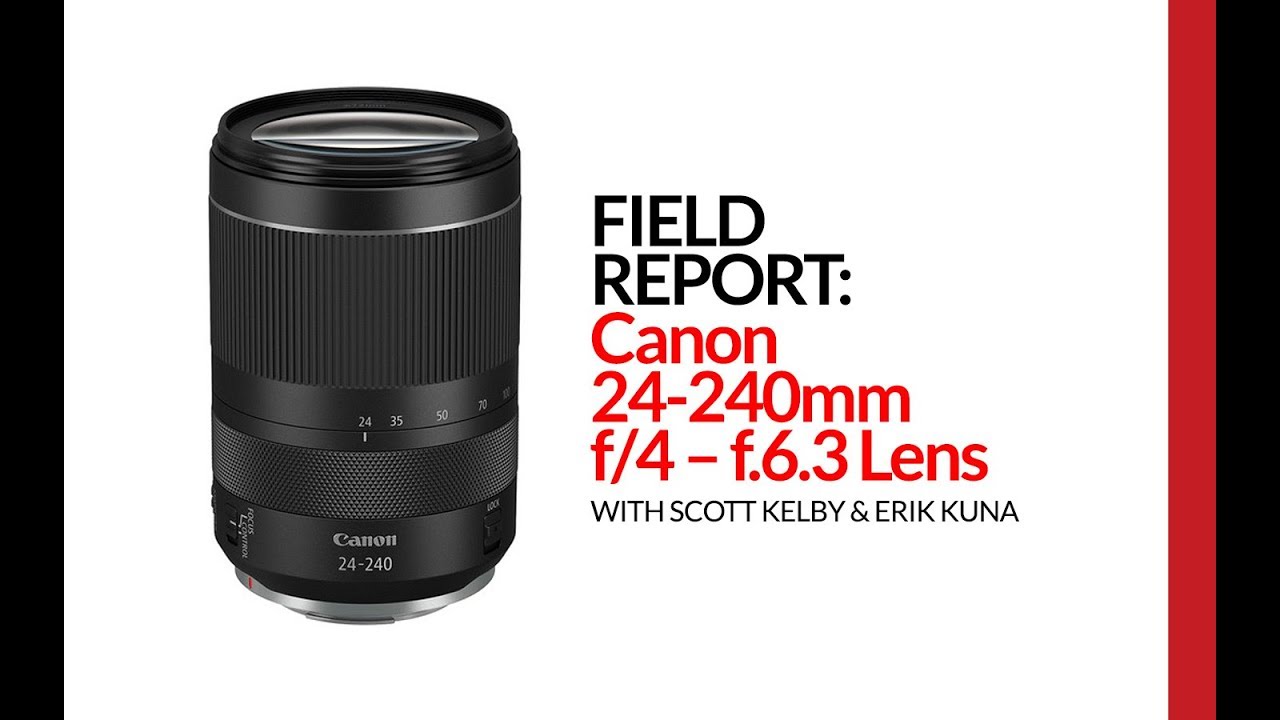
I have a rule I follow when evaluating any zoom lens: if it makes you stop reaching for your other glass, it’s doing its job. That’s a high bar. Most budget superzooms feel like compromises from the moment you put them on the camera. You keep thinking about the sharper prime sitting in your bag. So when Scott Kelby came back from a 10-day trip to China having barely touched his 16-35mm, I paid attention.

Scott Kelby's Lens Picks Decoded: What Actually Matters for Every Photographer's Bag

Scott Kelby's Lens Picks Decoded: What Actually Matters for Every Photographer's Bag

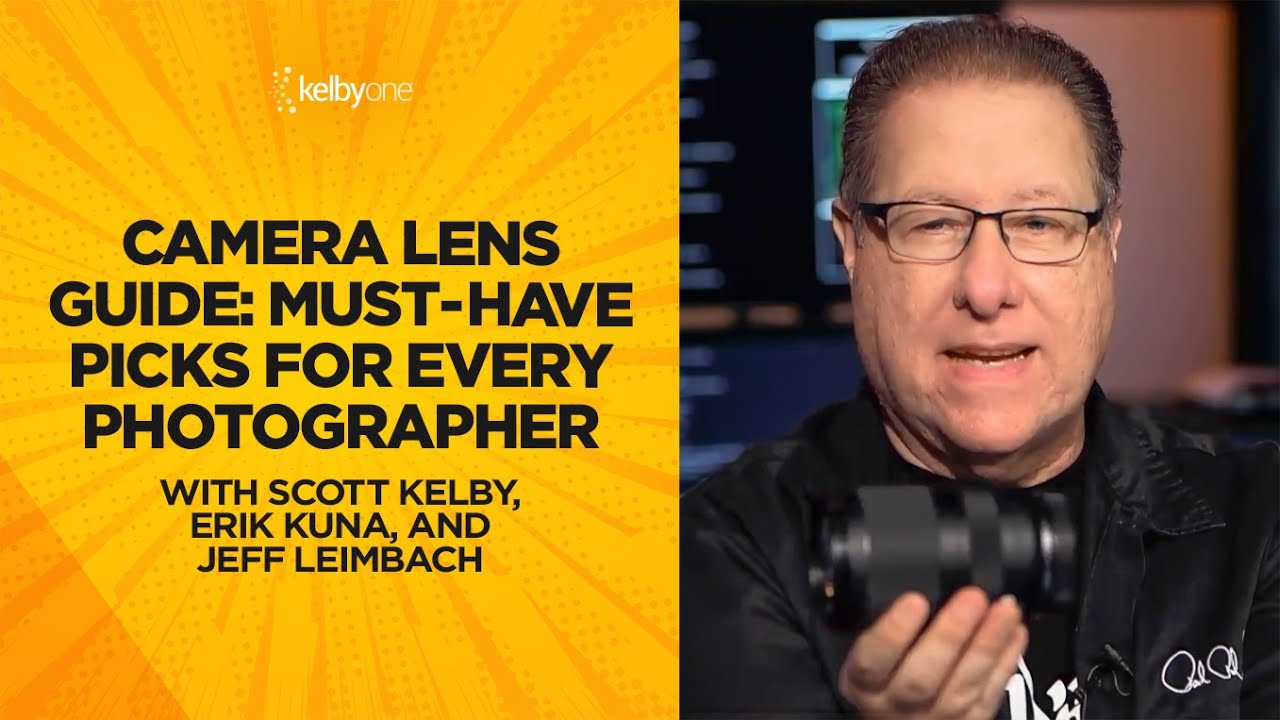
I’ve spent more hours than I care to admit building spreadsheets comparing lens specs, price-to-performance ratios, and street prices across Canon, Nikon, and Sony systems. So when a photographer like Scott Kelby sits down and just tells you what’s actually on his camera, not what’s theoretically optimal, I pay attention. In this KelbyOne tutorial, Kelby walks through the lenses he genuinely uses, lenses with worn-off labels and frequent flyer miles, and the reasoning is surprisingly practical for anyone trying to build a lean, functional kit.

Peak Design Pro Tripod: The Travel Tripod Gets a Serious Upgrade

Peak Design Pro Tripod: The Travel Tripod Gets a Serious Upgrade

Peak Design Pro Tripod: The Travel Tripod Gets a Serious Upgrade Peak Design has built a solid reputation doing one thing really well: making gear that photographers actually want to use. Their bags are legendary, their camera straps are clever, and now they’re doubling down on their tripod game with the new Pro model. What Peak Design Got Right (And What Stayed the Same) I’ve always appreciated Peak Design’s no-nonsense approach to product design.

Panasonic's New ZS300 Travel Zoom Drops the Viewfinder—And That's a Real Problem

Panasonic's New ZS300 Travel Zoom Drops the Viewfinder—And That's a Real Problem

Another Solid Zoom Lens, Another Questionable Design Choice Panasonic just dropped the Lumix DC-ZS300 (or TZ300 depending on your region), and on paper, it checks most of the boxes you’d want in a pocketable travel camera. A 15x zoom spanning 24-360mm equivalent, a decently-sized Type 1 BSI sensor, and the compact form factor people actually want to carry. So far, so good. But here’s where I have to pump the brakes: they’ve axed the electronic viewfinder that came standard on the previous generation.