Two Tamron Lenses Worth Gifting (Or Buying Yourself): The 15-30 and 28-300 Breakdown

Two Tamron Lenses Worth Gifting (Or Buying Yourself): The 15-30 and 28-300 Breakdown

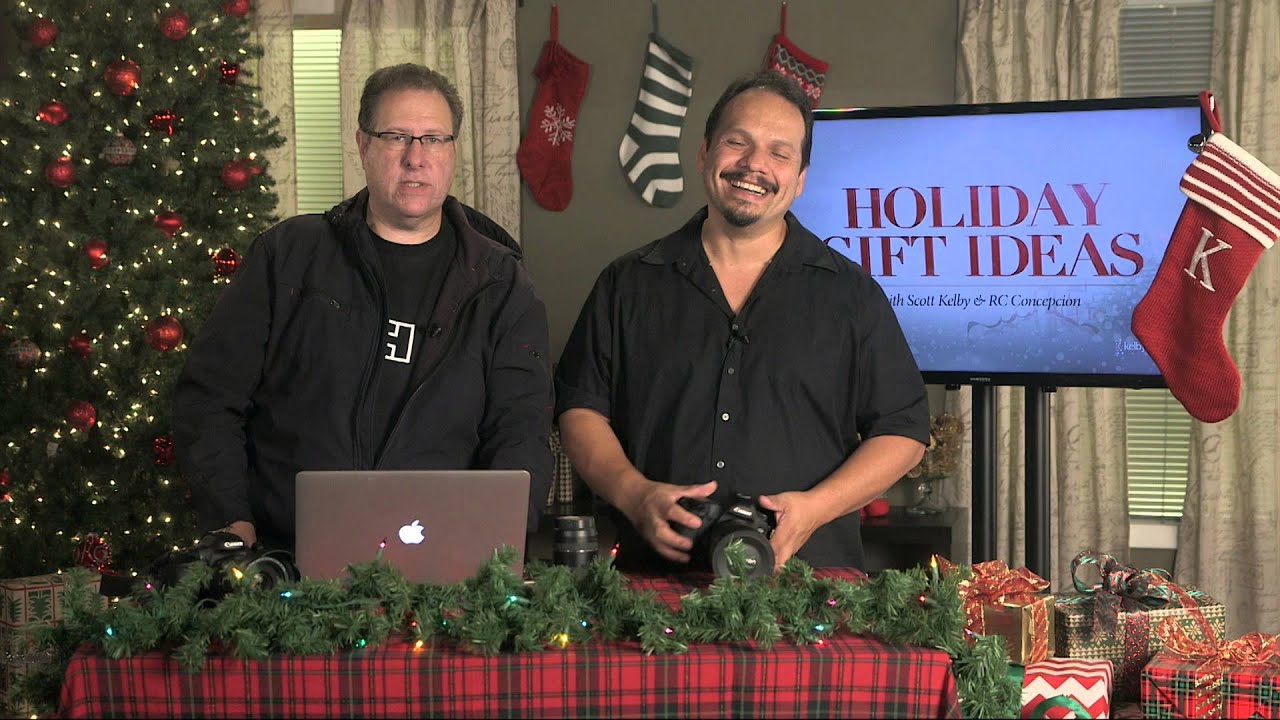
There’s a certain kind of gear recommendation I actually trust: the one that comes from someone who pulled the lens out in the field, not in a studio with controlled lighting and a color chart. When RC Concepcion and Scott Kelby run through holiday lens picks in this KelbyOne segment, the recommendations carry weight because they’re grounded in real shooting situations. RC used the Tamron 15-30mm in Dubai on a workshop trip.

B&H Photo's Camera Flash Sale Is Actually Worth Your Attention (Here's Why)

B&H Photo's Camera Flash Sale Is Actually Worth Your Attention (Here's Why)

B&H Photo’s Camera Flash Sale Is Actually Worth Your Attention (Here’s Why) I’ll be straight with you: I’m tired of “deal” posts that slap the word “discount” on anything marked down by fifty bucks. But this B&H sale? This one actually matters, and I’m going to tell you exactly why—and more importantly, who should care. Right now, B&H has legitimate price cuts across a solid range of interchangeable lens cameras. We’re talking Micro Four Thirds, APS-C, and full-frame options.

The Telephoto Lens Most Landscape Photographers Ignore (And Why I Keep Coming Back to It)

The Telephoto Lens Most Landscape Photographers Ignore (And Why I Keep Coming Back to It)

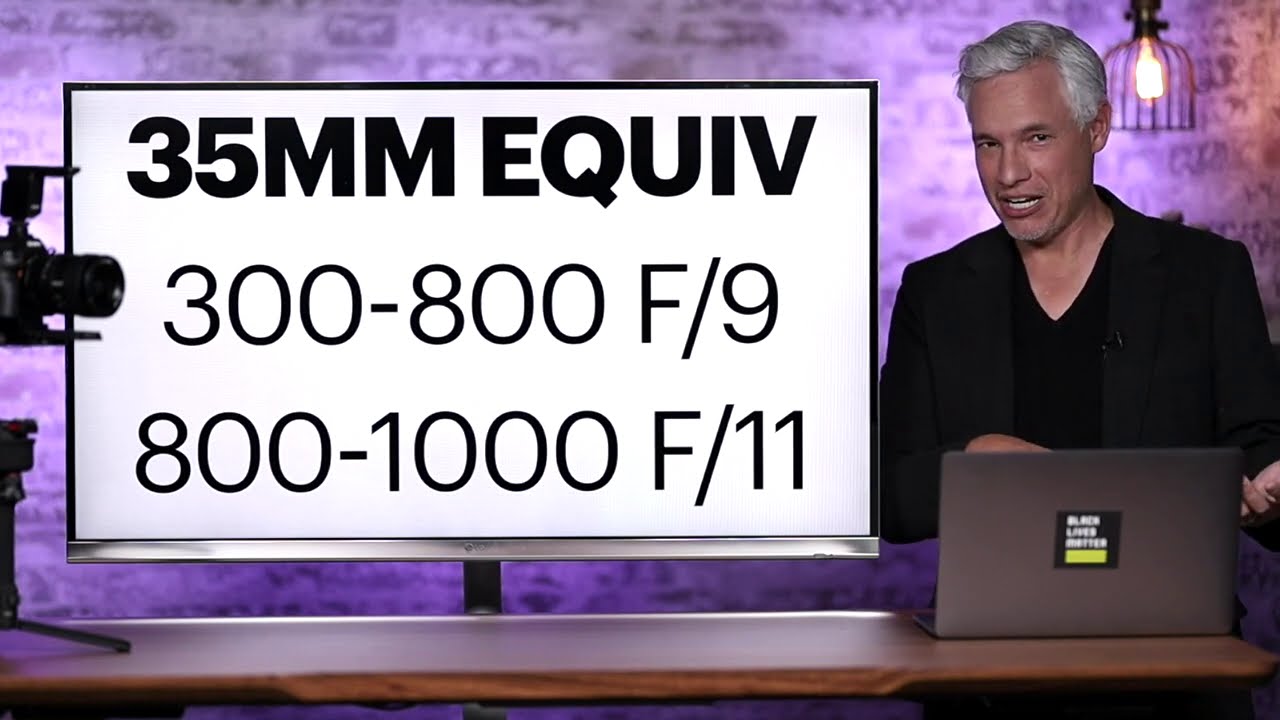
I’ll be upfront: I spent years dismissing telephoto lenses for landscape work. My logic was simple - wide glass captures the scene, and scene is what landscape photography is about. Then I started actually stress-testing that assumption against my own portfolio, and the images I kept coming back to, the ones that felt different from everything else on my hard drive, were almost never the ultra-wide shots. That pattern bothered me enough that I went looking for someone who could explain it better than I had thought it through myself.

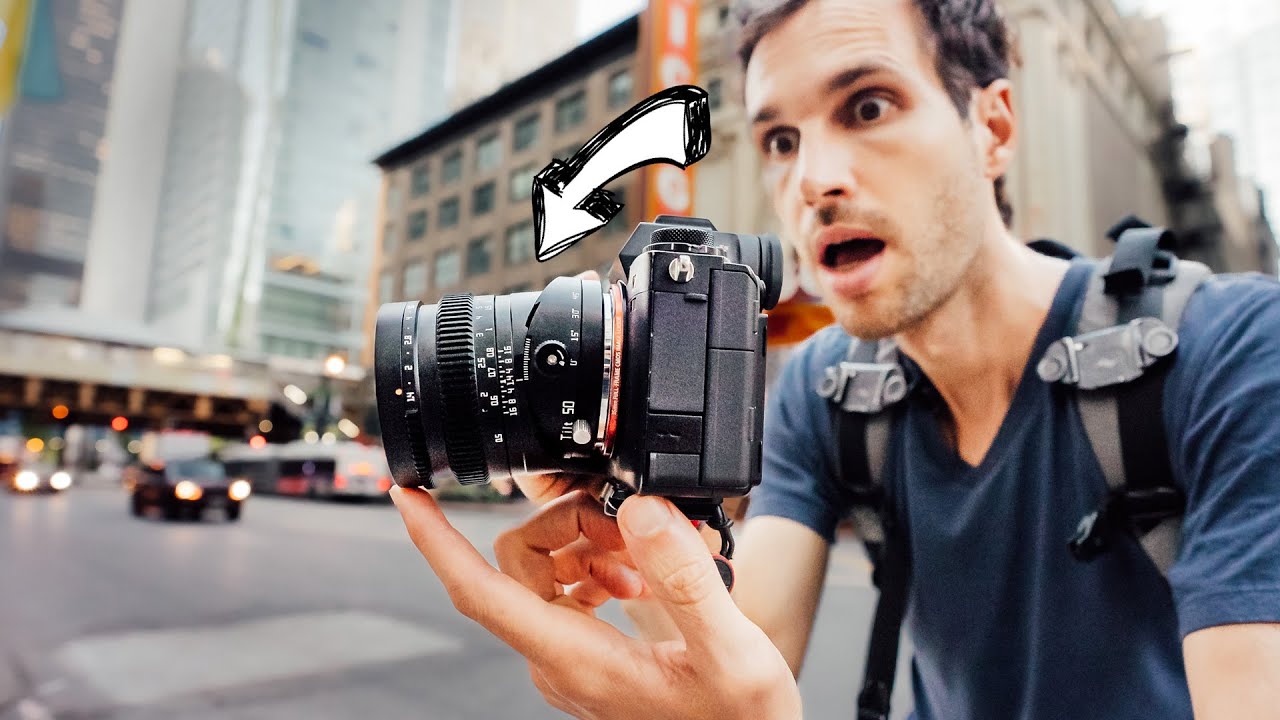
This Weird Tilt Lens Broke My Brain (And Then Made My Street Photos Look Incredible)

This Weird Tilt Lens Broke My Brain (And Then Made My Street Photos Look Incredible)

I have a spreadsheet with every budget lens I’ve tested over the past four years. Primes, zooms, vintage glass, Chinese third-party copies of Japanese classics. I thought I had a pretty solid mental map of what a lens can do to an image. Then I watched Pierre T. Lambert take a tilt lens out onto the streets of Chicago and I realized there’s a whole category of optical weirdness I had mostly ignored.

Fake It 'Til It's Film: Adding Light Leaks and Lens Flares in Photoshop

Fake It 'Til It's Film: Adding Light Leaks and Lens Flares in Photoshop

I spent an embarrassing amount of time buying cheap lens filters trying to get that washed-out, analog warmth in-camera. Spent maybe $40 total across four different options, none of which gave me consistent results. The effect I was chasing the whole time was achievable in Photoshop in about ten minutes, and I only figured that out when I sat down with this Aaron Nace tutorial from PHLEARN. Watch the full tutorial on YouTube

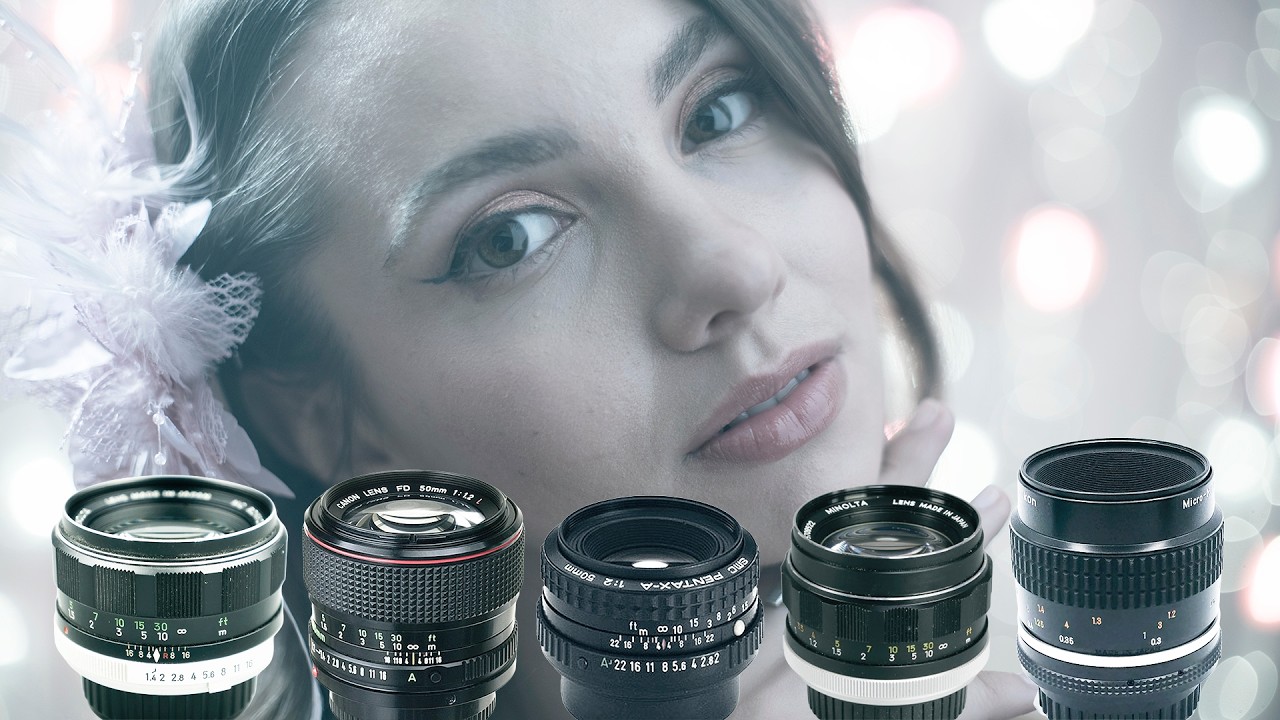
Canon FD vs Nikon vs Pentax vs Minolta: Which Vintage 50mm Actually Fits Your Shooting Style?

Canon FD vs Nikon vs Pentax vs Minolta: Which Vintage 50mm Actually Fits Your Shooting Style?

I’ve been chasing the vintage lens rabbit hole for a while now. My spreadsheet has entries for somewhere around thirty budget lenses at this point, and a solid chunk of them are old manual-focus glass from the 70s and 80s. The appeal is obvious if you’ve been paying attention to used gear prices: you can pick up Canon FD, Minolta MD, Pentax SMC, or Nikkor primes for under $50 in a lot of cases, mount them on a Sony mirrorless body with a cheap adapter, and get images that feel genuinely different from what modern lenses produce.

OpenAI's $300-$400 Ring Speaker is a Hard Pass for Creators on a Budget

OpenAI's $300-$400 Ring Speaker is a Hard Pass for Creators on a Budget

Another Premium Price Tag Nobody Asked For Look, I’ll be direct: OpenAI’s rumored ring-shaped smart speaker pricing between $300 and $400 is objectively wild. And not in a good way. We’ve been hearing whispers about OpenAI jumping into hardware for a while now, but when actual price speculation started floating around, I had to do a double-take. For context, you can grab a quality Ring doorbell, a solid WiFi-enabled security camera, or a genuinely useful Bluetooth speaker ecosystem for that same budget.

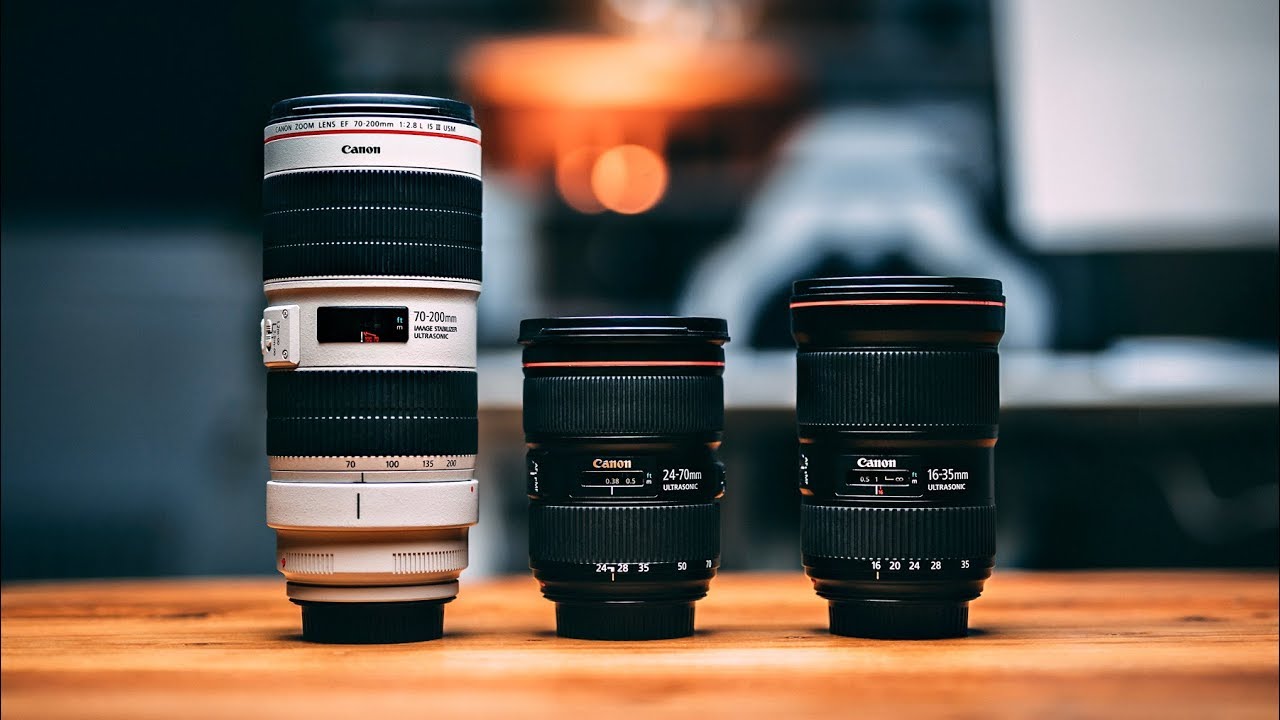
The Holy Trinity of Lenses: Why Three Zooms Beat a Bag Full of Primes

The Holy Trinity of Lenses: Why Three Zooms Beat a Bag Full of Primes

I used to approach lens buying the same way I approached buying tripods – impulsively, one at a time, without a system. I’d grab whatever seemed like the best deal that week, end up with overlapping focal lengths, and still find myself in situations where I didn’t have the right tool for the shot. It took me an embarrassingly long time to realize the problem wasn’t my budget. It was that I had no framework for building a kit that actually covered everything.

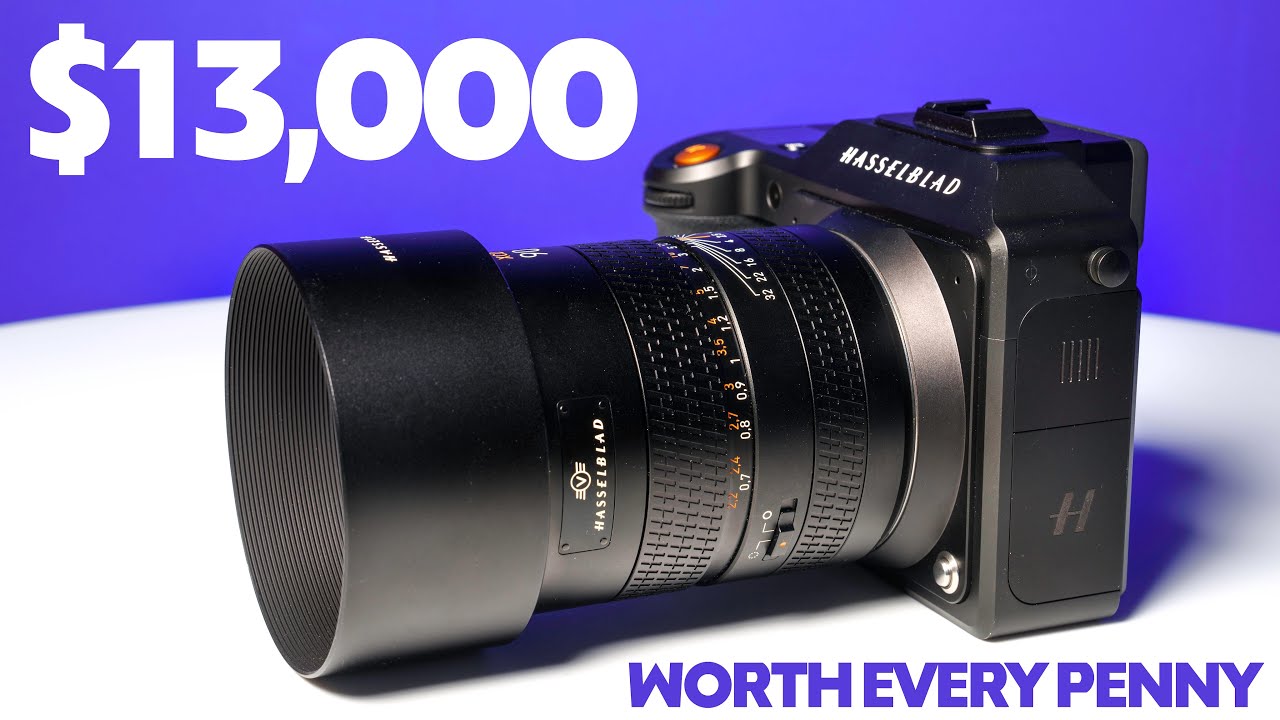
Is the Hasselblad X2D + 90V the Greatest Portrait Setup Ever Built? Here's What $13K Actually Gets You

Is the Hasselblad X2D + 90V the Greatest Portrait Setup Ever Built? Here's What $13K Actually Gets You

I spend most of my working life arguing that you don’t need expensive gear to make great images. I’ve built my whole corner of the internet around that idea. So when a $13,000 camera-and-lens combo lands on my radar and I can’t immediately dismiss it, that’s worth paying attention to. In this Tony & Chelsea Northrup tutorial on the Hasselblad X2D 100C paired with the new 90mm f/2.5 V lens, Tony makes a case I found genuinely hard to argue with, not because of the price tag, but because of the specific things this system does that nothing else can do right now.

Protect Your Camera Gear for Free: How to Use the Lenstag Registration System

Protect Your Camera Gear for Free: How to Use the Lenstag Registration System

I’ve spent more hours than I want to admit researching used gear deals. Buying secondhand is one of the best ways to stretch a photography budget, but there’s always that nagging question: where did this lens actually come from? I’ve passed on deals that felt off, and I’ve bought things that turned out fine. The difference between those two outcomes often comes down to having the right information at the right time.

DZOFilm Arcana Lenses Finally Make Anamorphic Shooting Practical (And Affordable)

DZOFilm Arcana Lenses Finally Make Anamorphic Shooting Practical (And Affordable)

The Anamorphic Problem Nobody Wanted to Solve Let’s be real: anamorphic lenses have always been the gear equivalent of a luxury car with no cup holders. Yeah, you get that gorgeous cinematic look, but the practical downsides are brutal. You’re hauling around heavy glass, dealing with close-focus limitations that require auxiliary diopters, and choosing between your rent payment or acceptable optical quality. I’ve watched filmmakers compromise their vision for years because the anamorphic market was essentially divided into two camps: overpriced vintage glass or cheap optics that looked like they were shot through a fishbowl.

Olympus's Last Lens Is a $7,500 Mistake (And the Sony FX6 Might Be the Pro Video Camera I've Been Waiting For)

Olympus's Last Lens Is a $7,500 Mistake (And the Sony FX6 Might Be the Pro Video Camera I've Been Waiting For)

I spend a lot of mornings doing something most photographers don’t bother with: running the actual math on gear before I get excited about it. Manufacturer spec sheets are written to make things sound impressive, and that gap between “sounds impressive” and “is actually worth your money” is exactly where bad purchasing decisions live. When I watched the latest Tony & Chelsea Northrup tutorial covering Olympus’s final-ever lens release and the newly announced Sony FX6, I had that familiar feeling of someone else doing the homework I would have done anyway.