Prime Lens vs. Super Zoom: What a Day in the Lake District Actually Teaches You About Creative Constraints

Prime Lens vs. Super Zoom: What a Day in the Lake District Actually Teaches You About Creative Constraints

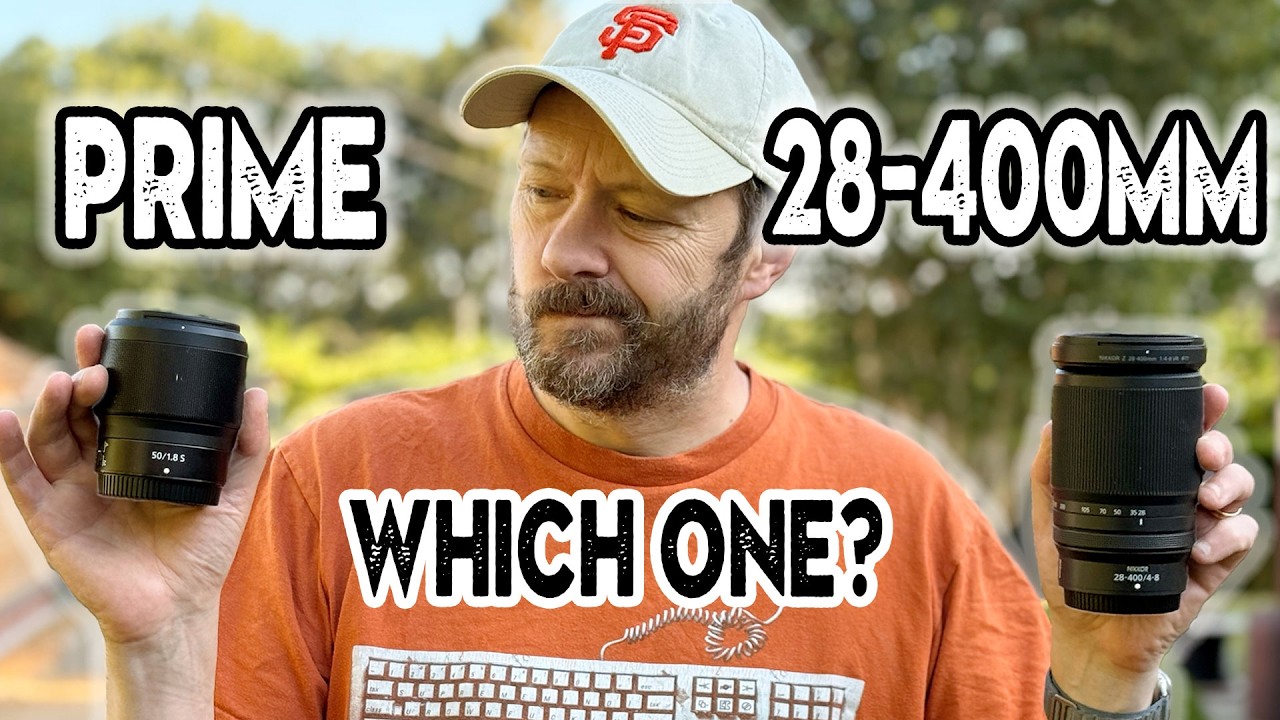
There’s a question I get in my inbox constantly, usually from someone who just found a killer deal on a superzoom: “Should I grab this or just stick with a prime?” I’ve been on both sides of that argument more times than I can count, and I’ll be honest, my spreadsheet of budget lens comparisons has a whole tab dedicated to exactly this tradeoff. When I watched Nigel Danson take a 28-400mm into the Lake District to wrestle with this question in real shooting conditions, I paid close attention, because he’s not running a controlled studio test.

Sigma vs Sony vs Tamron 35mm: Here's Which One I'd Actually Buy

Sigma vs Sony vs Tamron 35mm: Here's Which One I'd Actually Buy

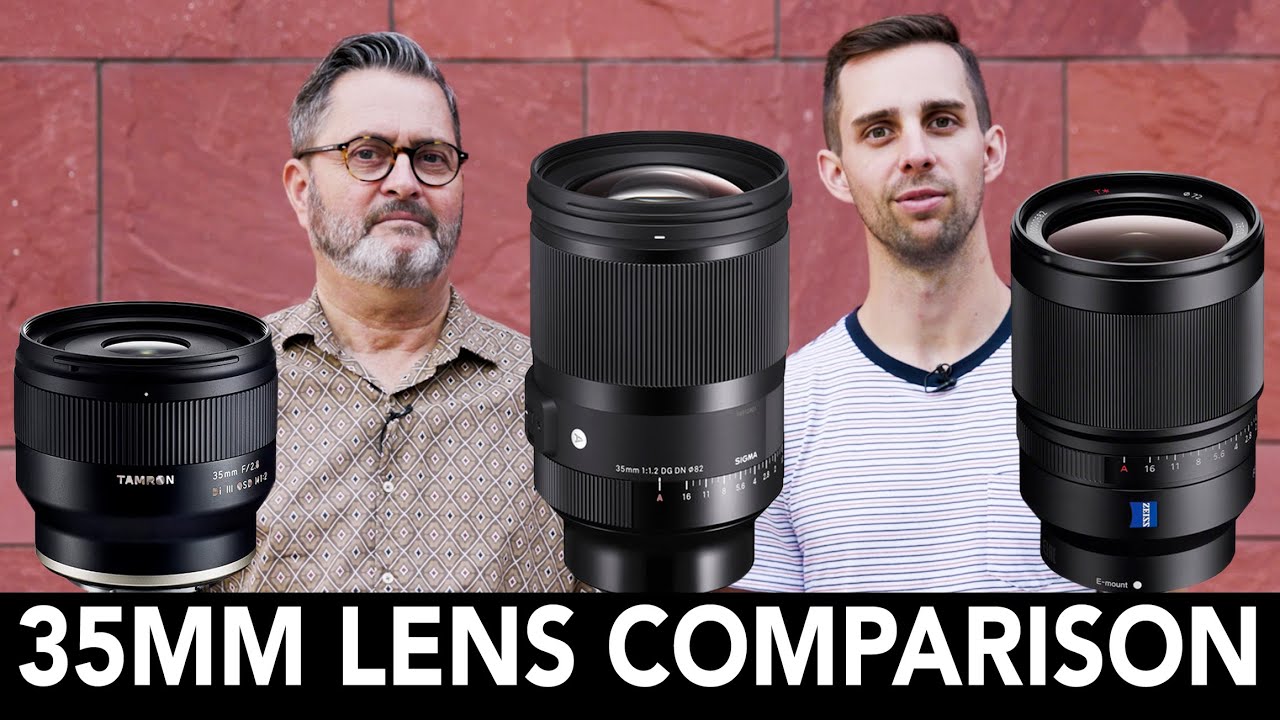
There’s a question I get more than almost any other from photographers building out a Sony mirrorless kit: “Which 35mm lens is actually worth buying?” It sounds simple. It isn’t. The 35mm focal length is one of the most crowded spots in the Sony E-mount ecosystem, and the price gap between the options is wide enough that picking the wrong one stings. I’ve been chewing on this myself, so when The Slanted Lens dropped a direct comparison video putting the Sigma, Sony, and Tamron 35mm lenses head to head in real shooting conditions, I watched it twice and took notes.

Fast Lenses vs. Cheap Lenses: What That Price Gap Is Actually Buying You

Fast Lenses vs. Cheap Lenses: What That Price Gap Is Actually Buying You

I’ll be honest with you: I built this whole site on the premise that cheap gear gets underestimated. My spreadsheet has dozens of budget lenses on it. I’ve defended the kit lens in comment sections. I’ve run blind tests at local meetups where nobody could tell which shots came from the $500 body versus the $2,000 one. So when I say a video made me genuinely rethink how I talk about lens pricing, that’s not nothing.

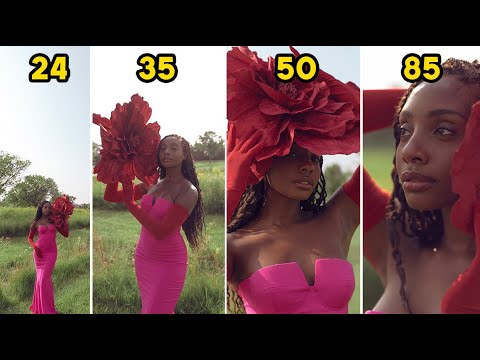
24mm, 35mm, 50mm, or 85mm: What a Real Fashion Shoot Reveals About Each Prime Lens

24mm, 35mm, 50mm, or 85mm: What a Real Fashion Shoot Reveals About Each Prime Lens

The question I get more than any other from people just getting serious about photography is this: which prime lens should I buy first? I have a whole spreadsheet on this. Dozens of lenses, price points, sharpness charts, real-world test shots. But numbers only tell part of the story. What I always want to see is a working photographer actually running the same subject through multiple focal lengths back to back, so the differences are impossible to ignore.

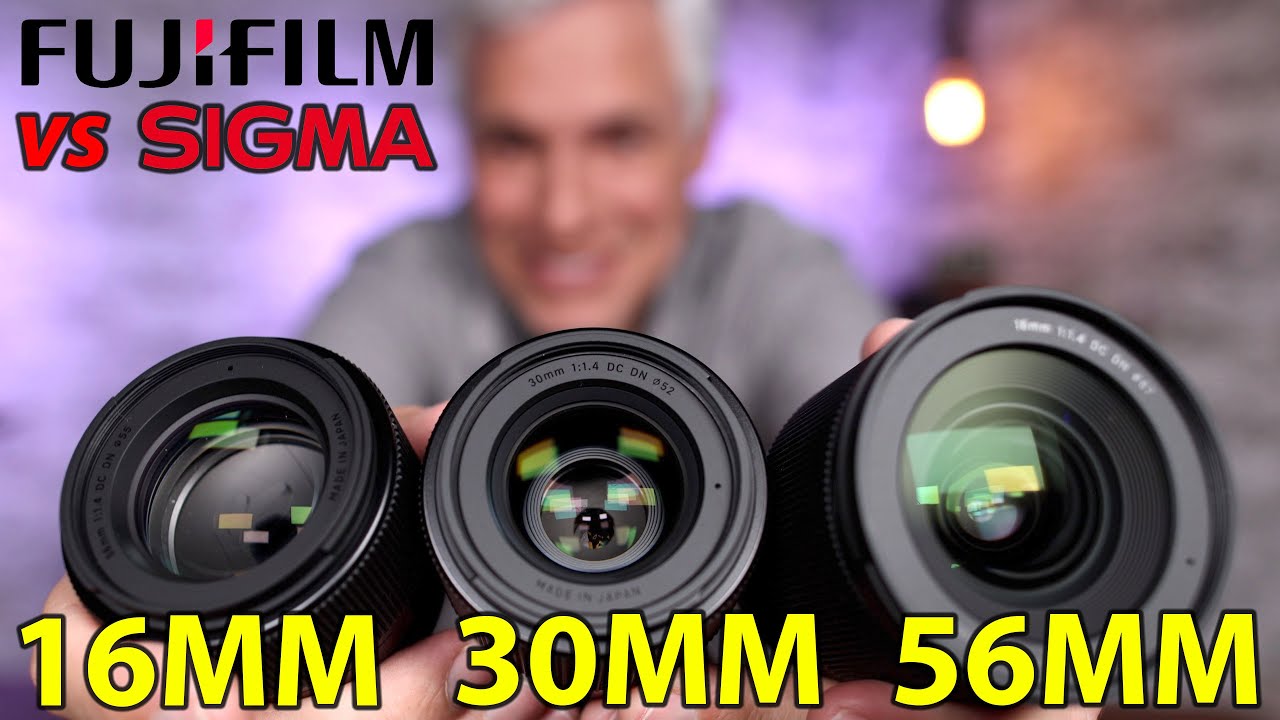
Sigma's Fuji X-Mount Lenses Are Here — But Should Budget Shooters Actually Care?

Sigma's Fuji X-Mount Lenses Are Here — But Should Budget Shooters Actually Care?

If you shoot Fuji and you’ve been eyeing Sigma’s APS-C lens lineup with envy, the wait is finally over. Sigma has ported their popular 16mm, 30mm, and 56mm trio to the Fuji X-mount, bringing autofocus and auto exposure to a system that’s long deserved more third-party love. That sounds like a win on paper, but the real question for anyone who cares about value is whether these lenses actually earn their price tag when stacked against what already exists.

Sony 16-35mm f/2.8 GM vs Nikon 14-24 vs Tamron 15-30: Which Wide-Angle Actually Wins for Landscapes?

Sony 16-35mm f/2.8 GM vs Nikon 14-24 vs Tamron 15-30: Which Wide-Angle Actually Wins for Landscapes?

Every time a new “best lens” drops, I get the same question from readers: “Should I switch systems to get it?” It’s the kind of question that sounds like a gear problem but is usually a spending problem in disguise. So when Sony launched the 16-35mm f/2.8 G Master and people started asking me whether it was worth ditching their Nikon kit, I wanted actual data before I gave an opinion.

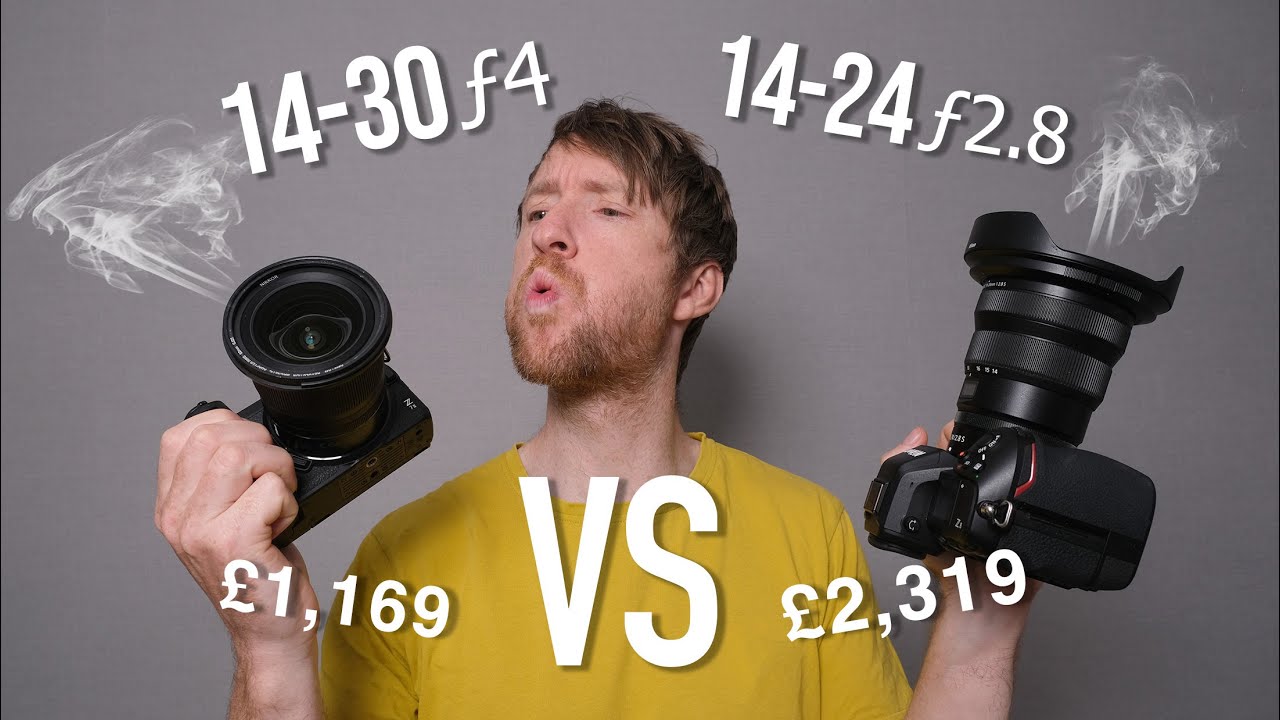
Nikon 14-30mm f/4 vs 14-24mm f/2.8: Is Half the Price Half the Lens?

Nikon 14-30mm f/4 vs 14-24mm f/2.8: Is Half the Price Half the Lens?

The question I get more than almost any other from landscape photographers is some version of: “Do I really need the expensive one?” Usually I’m the guy screaming “no” from the rooftops. I built this whole corner of the internet on proving that cheaper gear gets the job done. But wide-angle lenses are one of those categories where I’ve had to eat my words more than once, because the image quality gap between budget and premium glass at the ultra-wide end is real in ways it simply isn’t with, say, a nifty fifty.

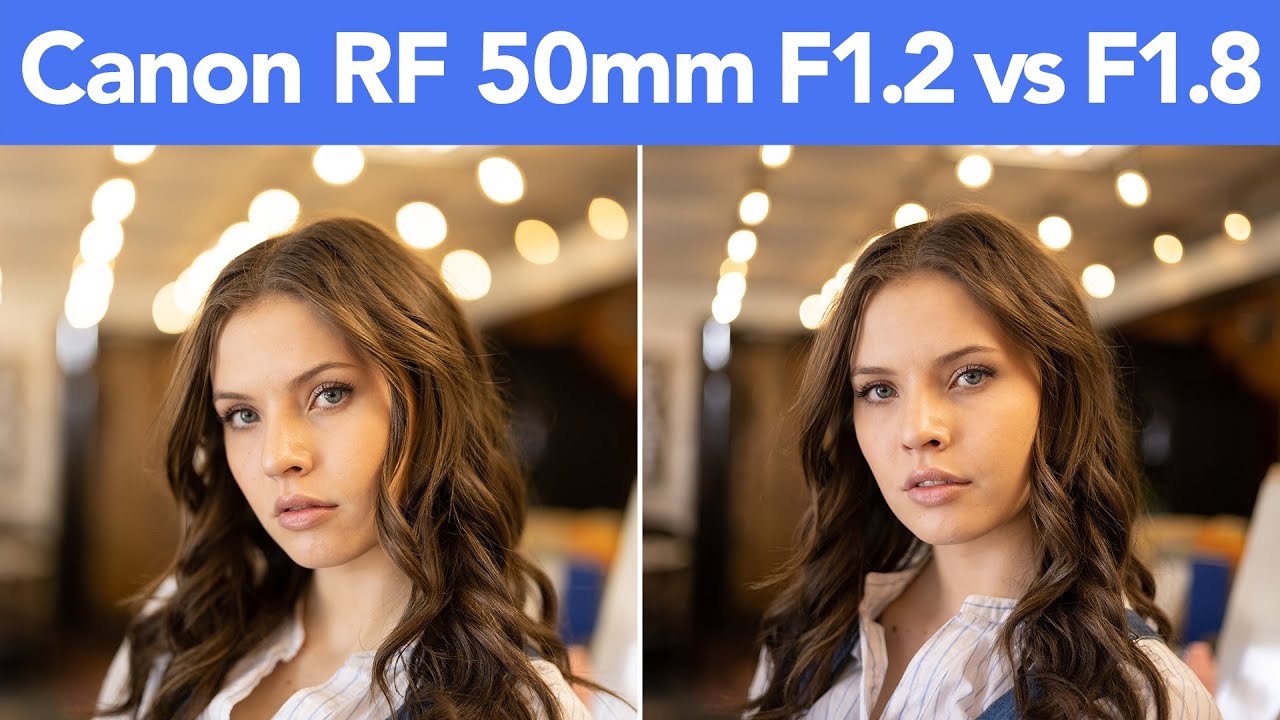
Canon RF 50mm f/1.2 vs f/1.8: Is a $2,000 Price Difference Actually Worth It?

Canon RF 50mm f/1.2 vs f/1.8: Is a $2,000 Price Difference Actually Worth It?

Here’s the question I get more than almost any other: “Do I really need to spend more to get better results?” I’ve built my whole review approach around answering that honestly, without defaulting to “well, more expensive is always better” or the equally useless contrarian take that gear never matters. Most of the time the truth lives somewhere specific and boring in the middle. But occasionally a comparison comes along that actually surprises you.

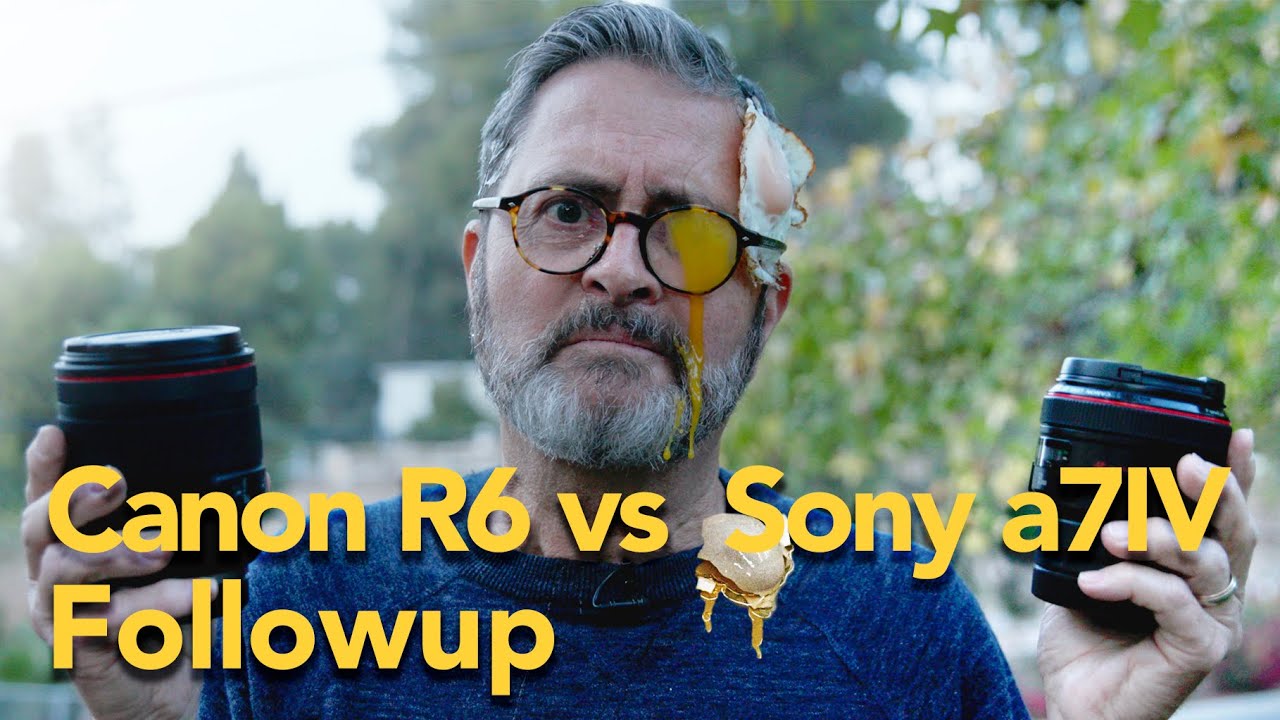
The RF 50mm 1.2 Changes Everything: What a Fairer R6 vs a7 IV Comparison Actually Shows

The RF 50mm 1.2 Changes Everything: What a Fairer R6 vs a7 IV Comparison Actually Shows

I run a blind test at almost every local photo meetup I attend. I hand people two prints, cover the EXIF, and ask which one came from the expensive camera. More often than not, people pick wrong. The point isn’t that gear doesn’t matter. It’s that the specific gear choice matters a lot more than the price of the gear. That lesson is exactly why a recent follow-up tutorial from The Slanted Lens caught my attention and honestly made me rethink some assumptions I had been carrying around.

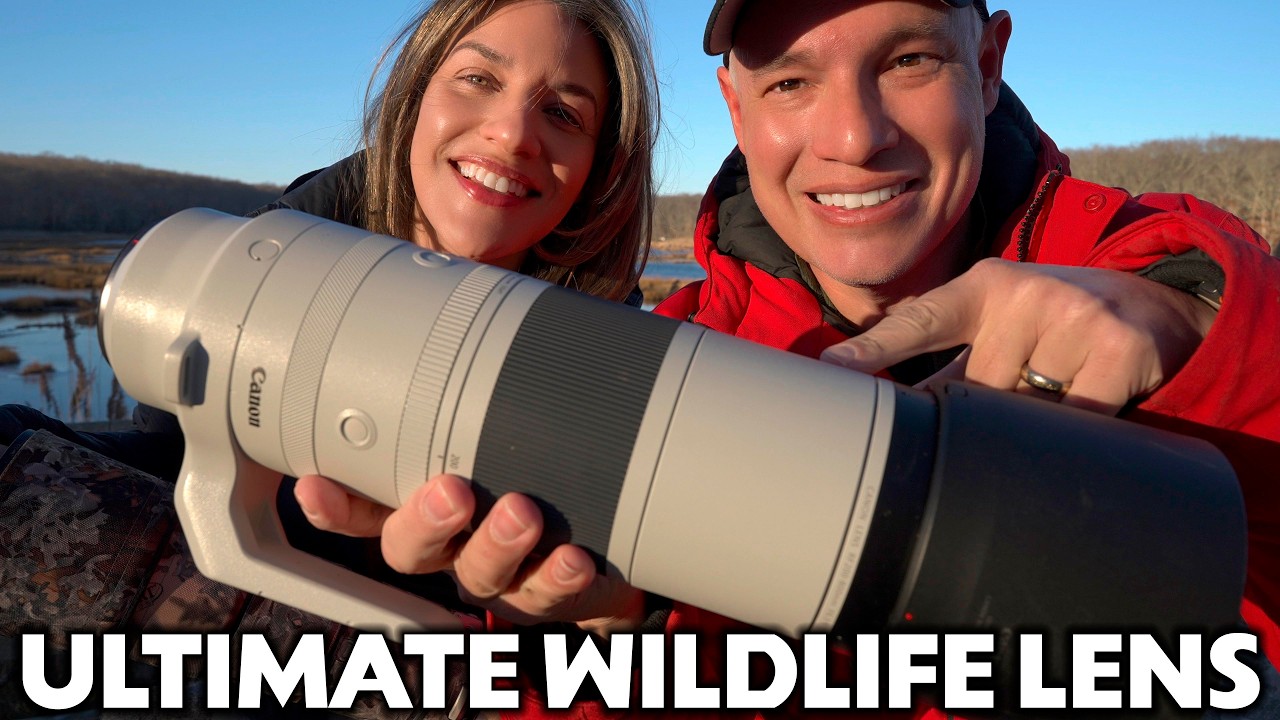
Canon 200-800mm vs. the Field: What Tony & Chelsea's Wildlife Lens Shootout Actually Proves

Canon 200-800mm vs. the Field: What Tony & Chelsea's Wildlife Lens Shootout Actually Proves

I’ve been down the wildlife lens rabbit hole more times than I care to admit. Every time I think I’ve landed on the right setup, something new drops and the math changes. The tension I keep running into is this: do you buy a dedicated super-telephoto zoom and be done with it, or do you stack a solid mid-range zoom with a teleconverter and call it good? That question has a real cost attached to it, and for Canon shooters especially, it’s been frustratingly hard to answer because the options until recently were either too short or too expensive.

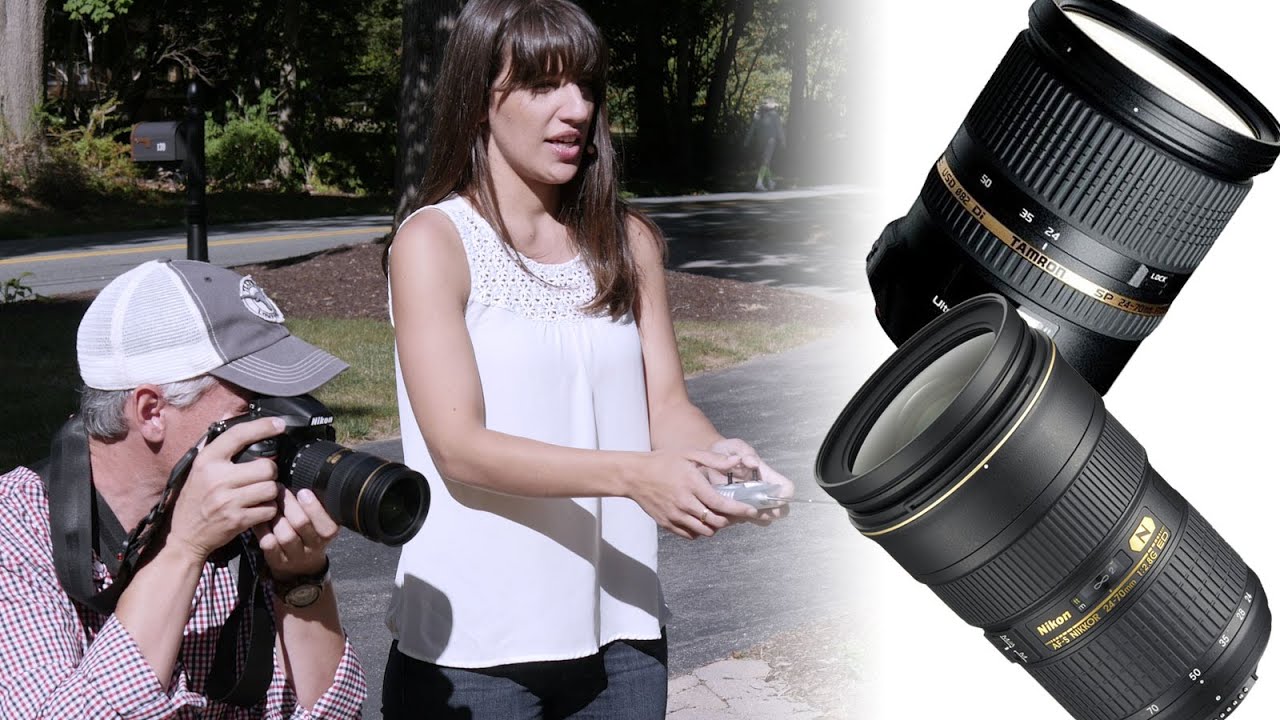
Tamron 24-70 f/2.8 vs Nikon 24-70 f/2.8: The $600 Question Every Nikon Shooter Needs to Answer

Tamron 24-70 f/2.8 vs Nikon 24-70 f/2.8: The $600 Question Every Nikon Shooter Needs to Answer

Every time I put together a lens buying guide, someone in the comments asks some version of the same question: “Is the name-brand version actually worth the premium, or am I just paying for the logo?” With standard zooms, that question hits hardest in the 24-70 f/2.8 range, because these are working lenses. Photographers buy them to shoot weddings, events, portraits, travel – the stuff that actually pays or matters. The price gap between the Nikon and Tamron versions of this focal range sits around $600 at most price points, which is not rounding error money.

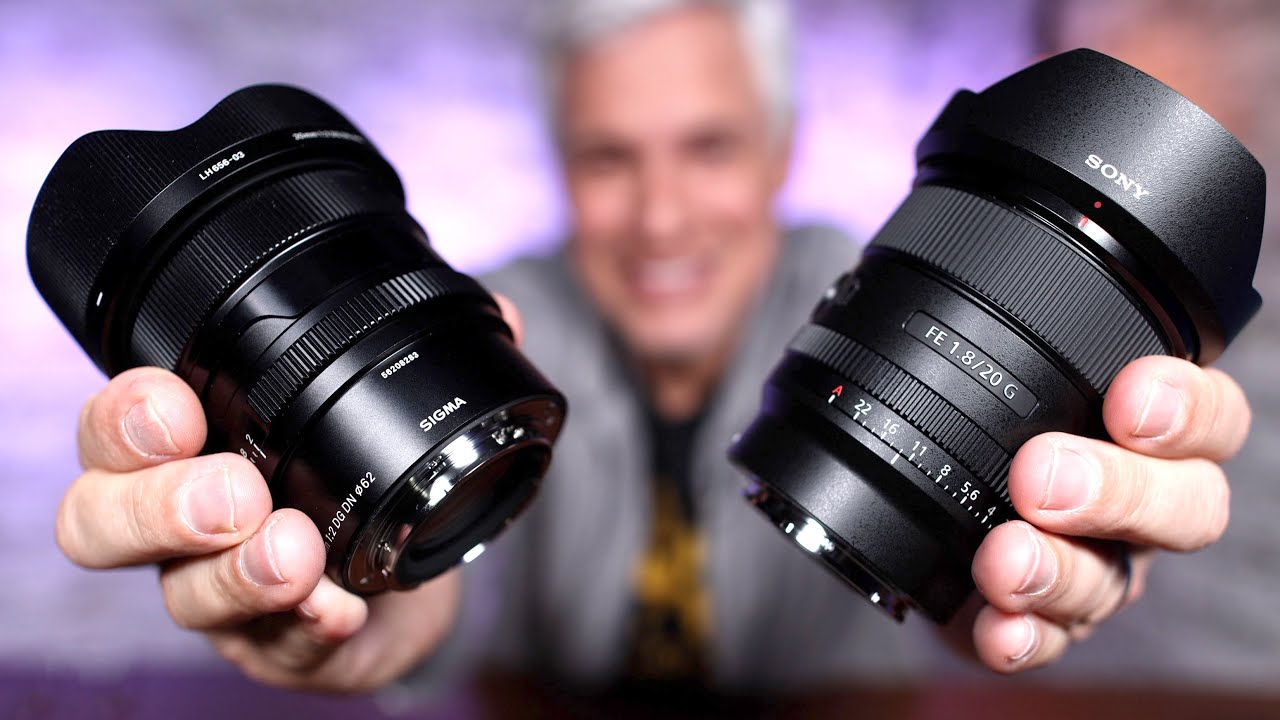
Sony 20mm f/1.8 vs Sigma 20mm f/2: Which Wide-Angle Actually Wins for Landscape and Astro Work?

Sony 20mm f/1.8 vs Sigma 20mm f/2: Which Wide-Angle Actually Wins for Landscape and Astro Work?

Every time I’m about to pull the trigger on a lens, I end up in the same rabbit hole: spec sheets, forum arguments, and sample images shot under perfect studio conditions that tell me almost nothing about how the thing behaves when I’m freezing at 2 a.m. trying to photograph the Milky Way outside Denver. That’s why I stopped trusting spec sheets and started trusting side-by-side field tests. Tony and Chelsea Northrup do some of the most methodical lens comparisons on YouTube, and their recent shootout between the Sony 20mm f/1.