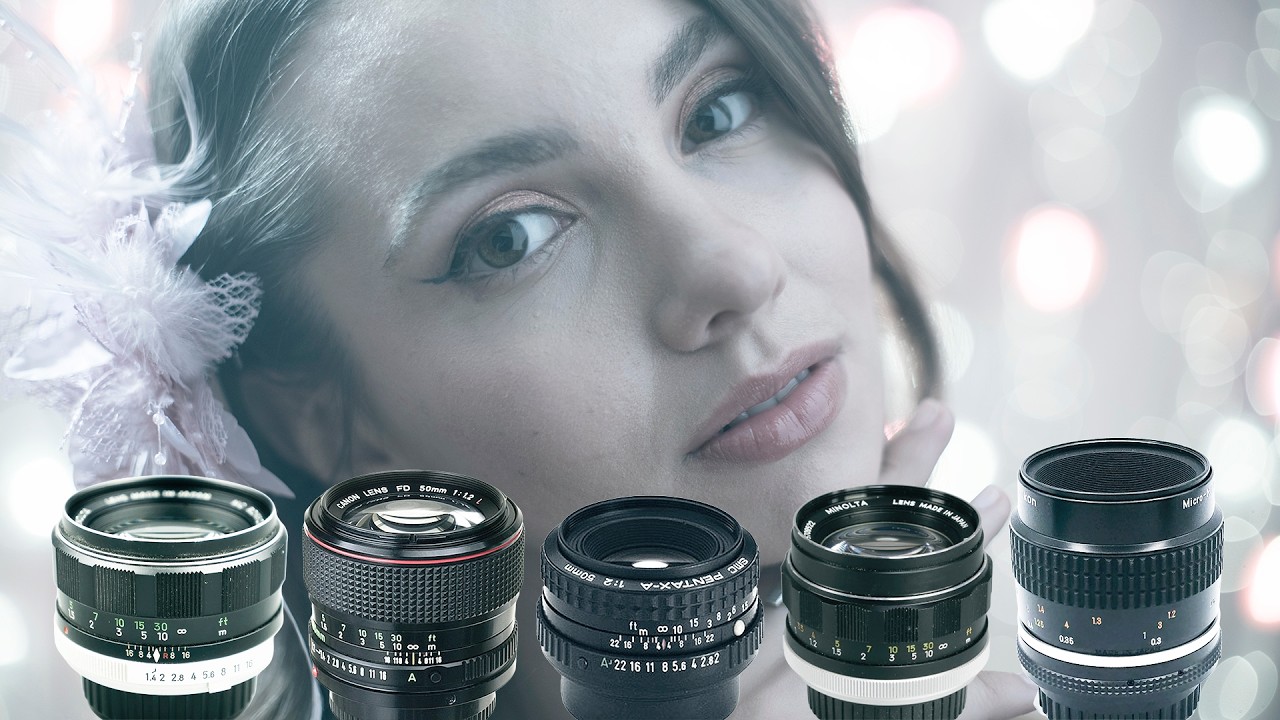
Canon FD vs Nikon vs Pentax vs Minolta: Which Vintage 50mm Actually Fits Your Shooting Style?

Canon FD vs Nikon vs Pentax vs Minolta: Which Vintage 50mm Actually Fits Your Shooting Style?

I’ve been chasing the vintage lens rabbit hole for a while now. My spreadsheet has entries for somewhere around thirty budget lenses at this point, and a solid chunk of them are old manual-focus glass from the 70s and 80s. The appeal is obvious if you’ve been paying attention to used gear prices: you can pick up Canon FD, Minolta MD, Pentax SMC, or Nikkor primes for under $50 in a lot of cases, mount them on a Sony mirrorless body with a cheap adapter, and get images that feel genuinely different from what modern lenses produce.
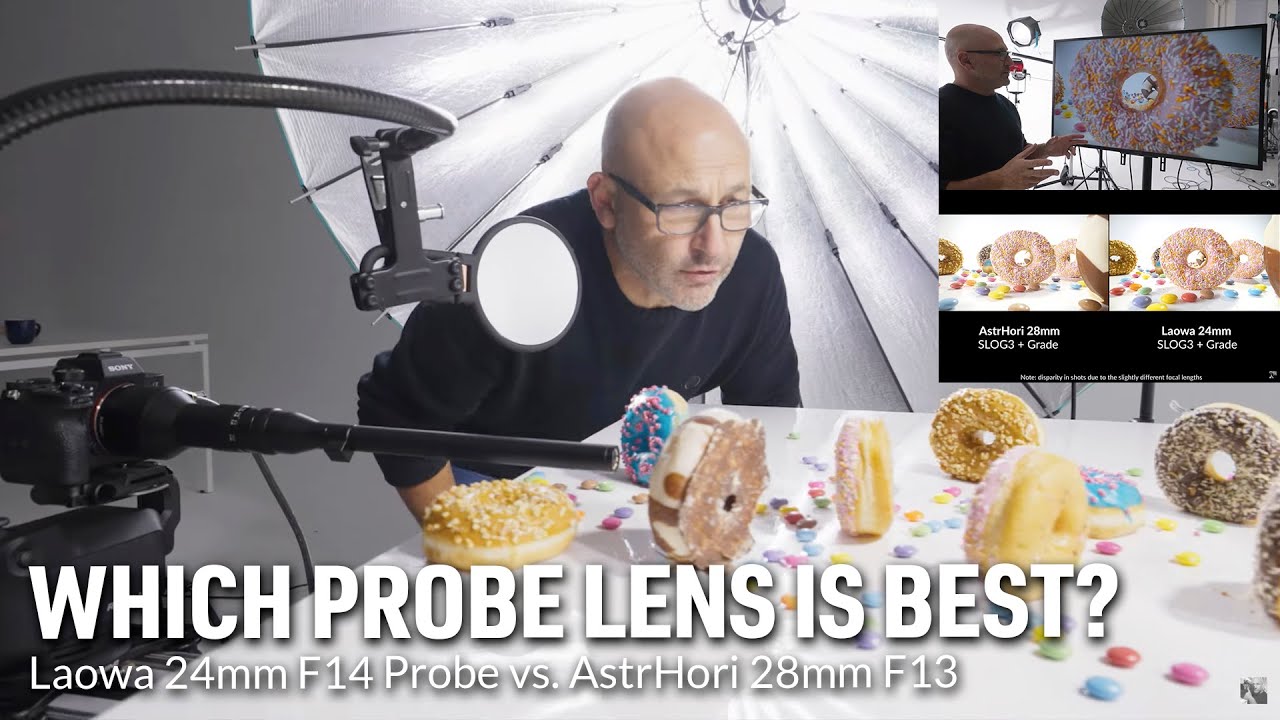
Macro Probe Lens Shootout: Is the Budget AstrHori 28mm Worth It Against the Laowa 24mm?

Macro Probe Lens Shootout: Is the Budget AstrHori 28mm Worth It Against the Laowa 24mm?

If you’ve ever wanted to send a camera lens crawling through a pile of coffee beans or diving into a donut like some kind of cinematic insect, a macro probe lens is the tool that makes it happen. These weird, elongated lenses are niche by design, but they produce shots that stop people mid-scroll. The problem has always been the price. The Laowa 24mm f/14 is the benchmark, and it’s priced like one.

What 7 Focal Lengths Actually Do to Your Photos (A Side-by-Side Breakdown)

What 7 Focal Lengths Actually Do to Your Photos (A Side-by-Side Breakdown)

Every time I’m about to buy a lens, I open a spreadsheet. I know how that sounds. But when you’ve tested as many budget lenses as I have, you stop trusting marketing copy and start trusting data. The problem is that most lens comparisons focus on sharpness charts and bokeh rendering, and they skip the one thing that actually changes how your photos feel - how focal length reshapes the relationship between your subject and the background.

How Different Focal Lengths Actually Change Your Shot (A Visual Breakdown)

How Different Focal Lengths Actually Change Your Shot (A Visual Breakdown)

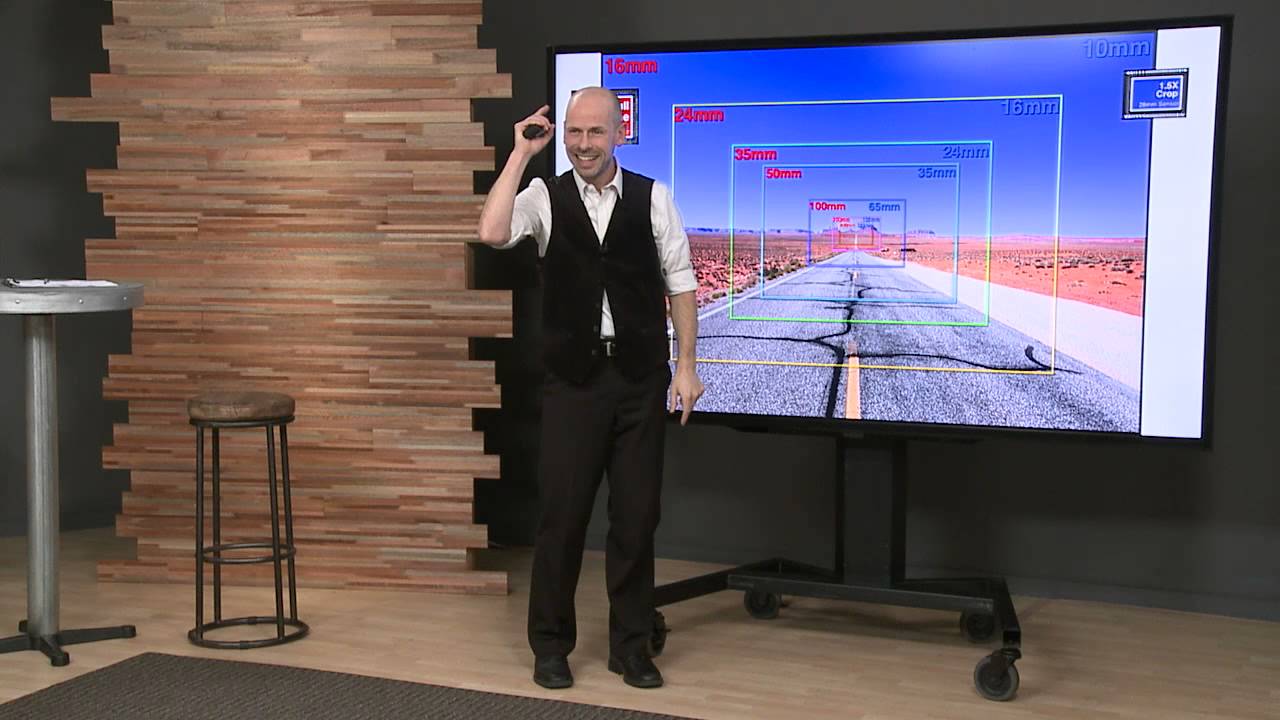
Most photographers buy lenses based on specs and reviews. I used to do the same thing, cross-referencing MTF charts and pixel-peeping sample images before I’d even thought about what I actually needed the lens to do. What changed my thinking wasn’t a spec sheet. It was watching a photographer stand in the same spot and shoot the same scene across a full range of focal lengths, from ultra-wide to 400mm telephoto, so you could see exactly how the image transforms with each swap.

Every Sony 50mm Autofocus Lens Ranked: What a 11-Lens Shootout Actually Taught Me

Every Sony 50mm Autofocus Lens Ranked: What a 11-Lens Shootout Actually Taught Me

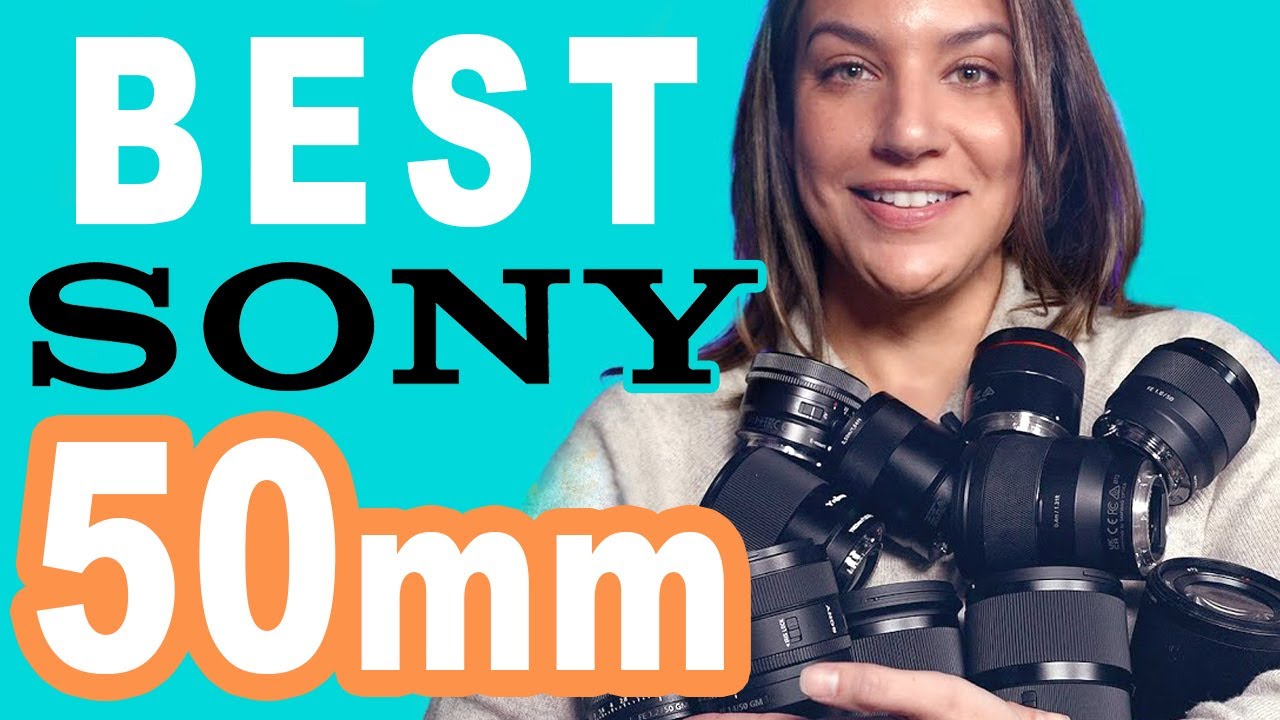
If you’re still shooting on the kit lens that came with your camera, I get it. That’s exactly where I started. But the single upgrade that changed how my images looked wasn’t a new camera body or a fancy flash. It was a fast 50mm prime. The subject separation alone, pulling your subject out of a cluttered background with a wide aperture, makes your photos look intentional rather than accidental. And in low light, a fast 50mm is the difference between a clean, usable shot and something grainy and soft that you’d never post.

The Lens Range Explained: What a 25-Year Pro Actually Sees Through Each Focal Length

The Lens Range Explained: What a 25-Year Pro Actually Sees Through Each Focal Length

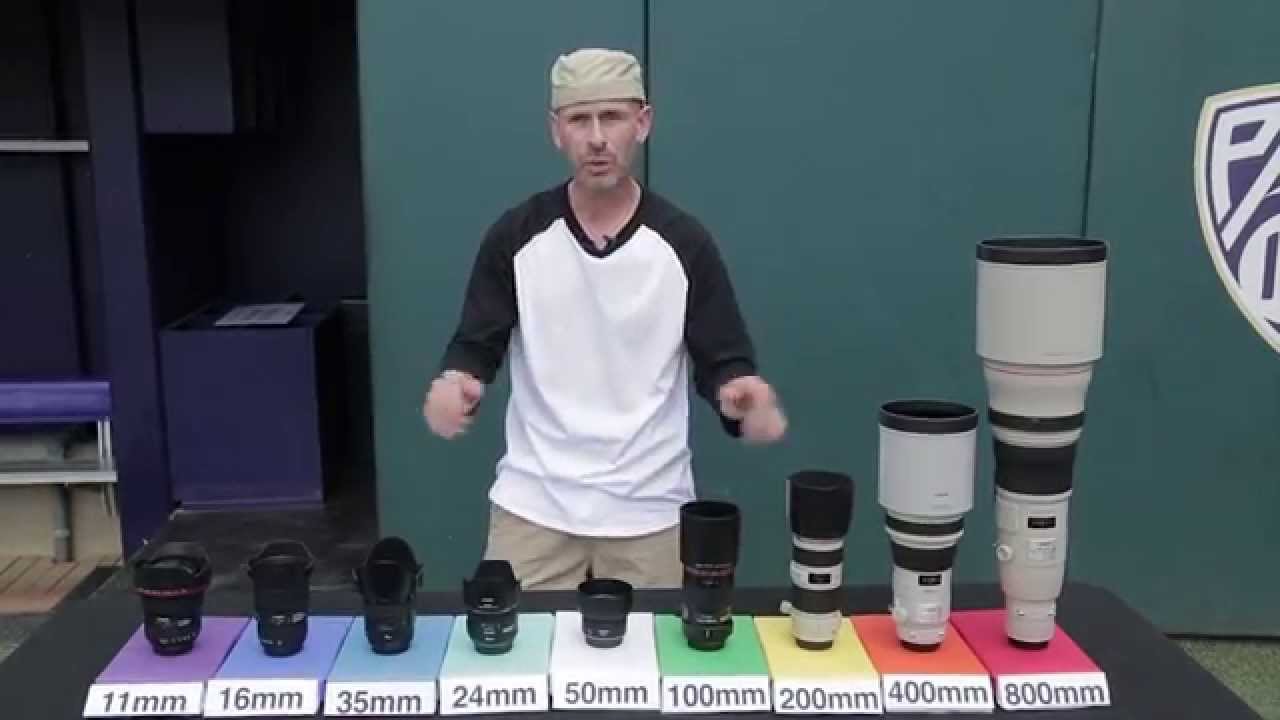
Most photographers I know built their lens collection backwards. They bought what was on sale, what a friend recommended, or whatever came bundled with their first camera body. I was no different. My first kit lens covered 18-55mm and I genuinely had no idea what that range meant in practice until I went out and shot with it enough to feel it. The problem is that feeling takes time, and most tutorials skip the intuitive, visual explanation in favor of specs and charts.

Probe Lens Shootout: What Peter McKinnon and Daniel Schiffer's Shot-for-Shot Battle Actually Teaches You

Probe Lens Shootout: What Peter McKinnon and Daniel Schiffer's Shot-for-Shot Battle Actually Teaches You

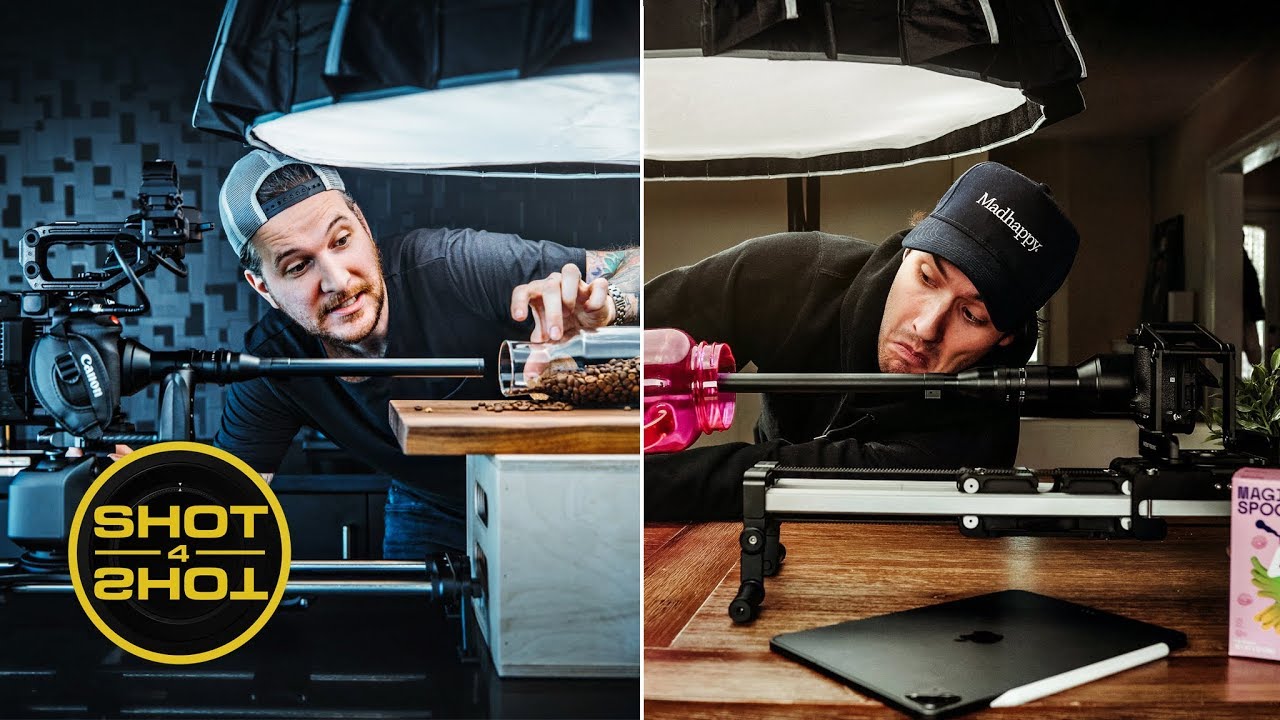
There’s a specific frustration I’ve come back to more times than I can count: two shooters, same location, same subject, wildly different results. Not because one person had better gear, but because they saw the shot differently. Probe lenses are one of those tools that strip that problem down to its bones. Either you understand spatial storytelling or you don’t, and the glass just makes that gap obvious. I came across this Peter McKinnon video, a shot-for-shot creative battle with filmmaker Daniel Schiffer, right around the time I was evaluating whether probe lenses were worth the price-per-use for the kind of work I do.

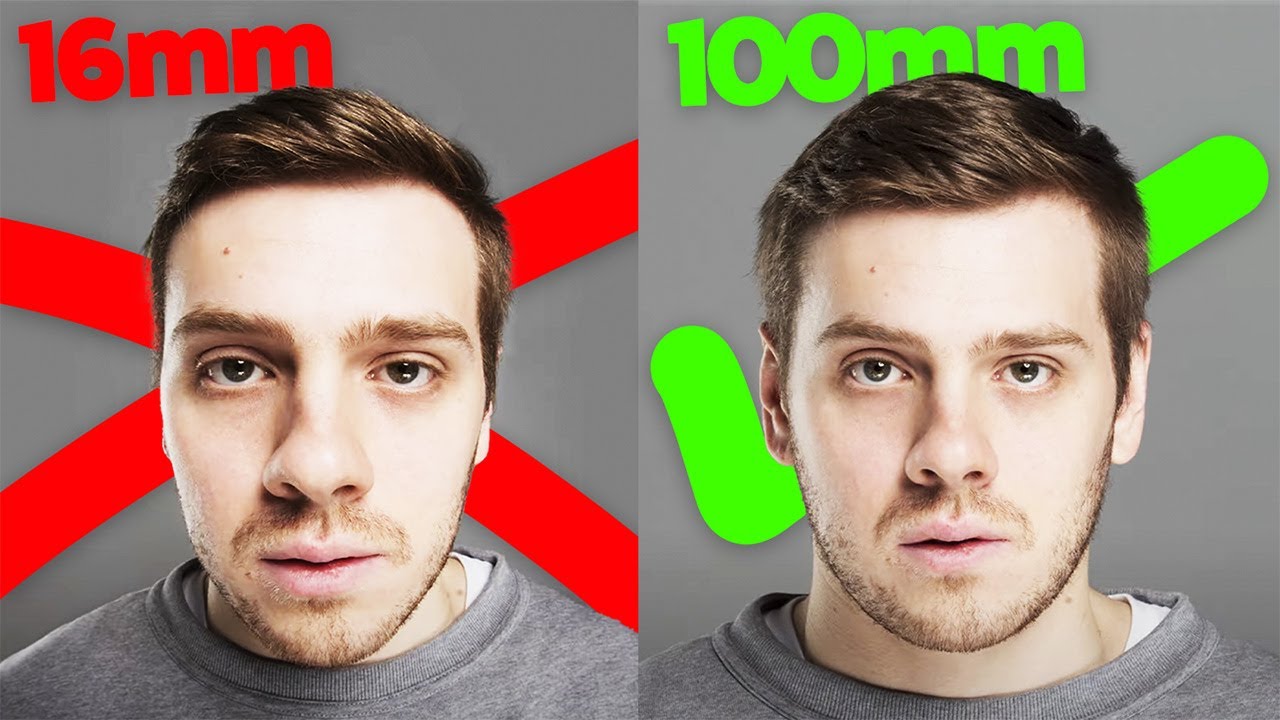
What Focal Length Actually Does to a Face (And Why Your Kit Lens Is Lying to You)

What Focal Length Actually Does to a Face (And Why Your Kit Lens Is Lying to You)

I spent a long time convinced that bad portraits were a lighting problem. I’d move the softbox, try a reflector, mess with the angle, and still get shots that felt slightly off. Faces looked a little bloated, or the background felt weirdly compressed, or the whole image just didn’t match what I was seeing with my own eyes. The real culprit, most of the time, was the lens I was standing behind and how far away I was from the subject.

The Anamorphic Dream vs. Reality: Is a $1,000 Lens Close Enough to a $4K Cinema Optic?

The Anamorphic Dream vs. Reality: Is a $1,000 Lens Close Enough to a $4K Cinema Optic?

The Anamorphic Obsession Is Real Let’s be honest: anamorphic lenses have become the gear world’s equivalent of designer sneakers. Everyone wants that stretched bokeh, those horizontal lens flares, and that undeniable cinematic something that makes footage feel like it came straight out of a Tarantino film. The problem? Authentic anamorphic glass has historically meant mortgaging your house or settling for decades-old vintage optics held together by prayers and duct tape.

Stop Buying Lenses Based on Brand Reputation — Here's How to Actually Compare Them

Stop Buying Lenses Based on Brand Reputation — Here's How to Actually Compare Them

Stop Buying Lenses Based on Brand Reputation — Here’s How to Actually Compare Them I’m going to say something that’ll upset the gear forums: most photographers buy lenses for the wrong reasons. They chase red rings, gold rings, and brand names they’ve heard YouTubers mention. Meanwhile, they’re spending $800 more than necessary for maybe a 5% performance difference they’ll never actually see in real-world shooting. I’ve tested hundreds of lenses over the years, and I’m tired of watching smart photographers make expensive mistakes.

Stop Falling for the Hype: How to Actually Compare Lenses Like a Pro

Stop Falling for the Hype: How to Actually Compare Lenses Like a Pro

Stop Falling for the Hype: How to Actually Compare Lenses Like a Pro I’ve been reviewing camera gear for years, and I can tell you with absolute certainty: most photographers buy lenses based on the wrong criteria. They chase megapixels that don’t matter, obsess over brand names, or get hypnotized by fancy coatings. Then they wonder why their $2,000 lens doesn’t magically make their photos better. Here’s what I’ve learned: comparing lenses isn’t about specs.

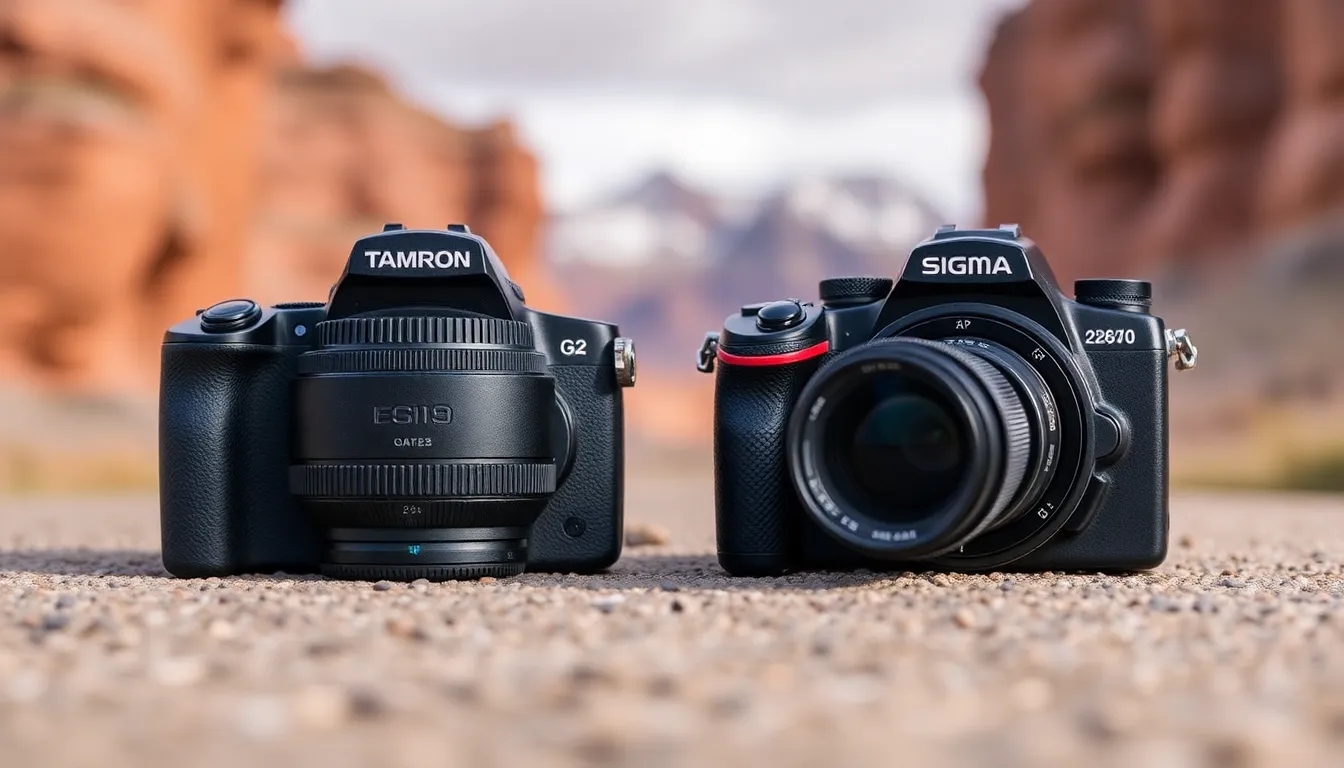
Tamron 28-75mm G2 vs Sigma 28-70mm — The Ultimate Budget Zoom Showdown

Tamron 28-75mm G2 vs Sigma 28-70mm — The Ultimate Budget Zoom Showdown

Tamron 28-75mm G2 vs Sigma 28-70mm — The Ultimate Budget Zoom Showdown Look, I’m going to be straight with you: the sub-$1000 f/2.8 zoom space is finally getting interesting. For years, if you wanted a fast standard zoom without dropping $2,000+ on a Sony or Canon native lens, you were basically stuck praying. Now we’ve got serious options, and I’ve spent enough time with both the Tamron 28-75mm f/2.8 Di III VXD G2 and the Sigma 28-70mm f/2.