One Camera, One Lens, No Bag: Scott Kelby's Japan Strategy Proves Minimalism Wins

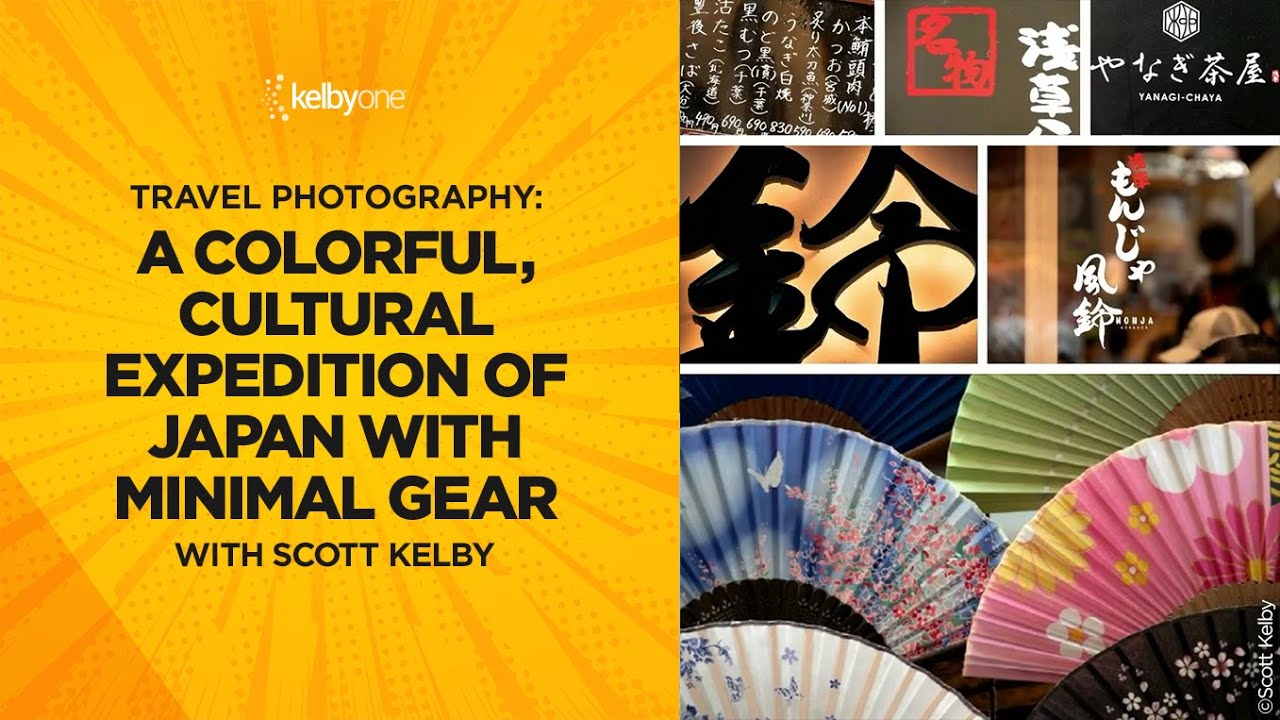
One Camera, One Lens, No Bag: Scott Kelby's Japan Strategy Proves Minimalism Wins

There’s a version of travel photography that requires a rolling carry-on full of bodies, lenses, filters, and backup batteries. I know that version well because I spent about two years convinced it was the only way to come home with serious images. Then I watched photographers I respected keep showing up with one small bag and leaving with better shots than mine. The math stopped adding up. In this KelbyOne tutorial, Scott Kelby walks through an entire Japan expedition and the gear list is almost offensively short: one mirrorless camera, one lens, and an iPhone.
This Weird Tilt Lens Broke My Brain (And Then Made My Street Photos Look Incredible)

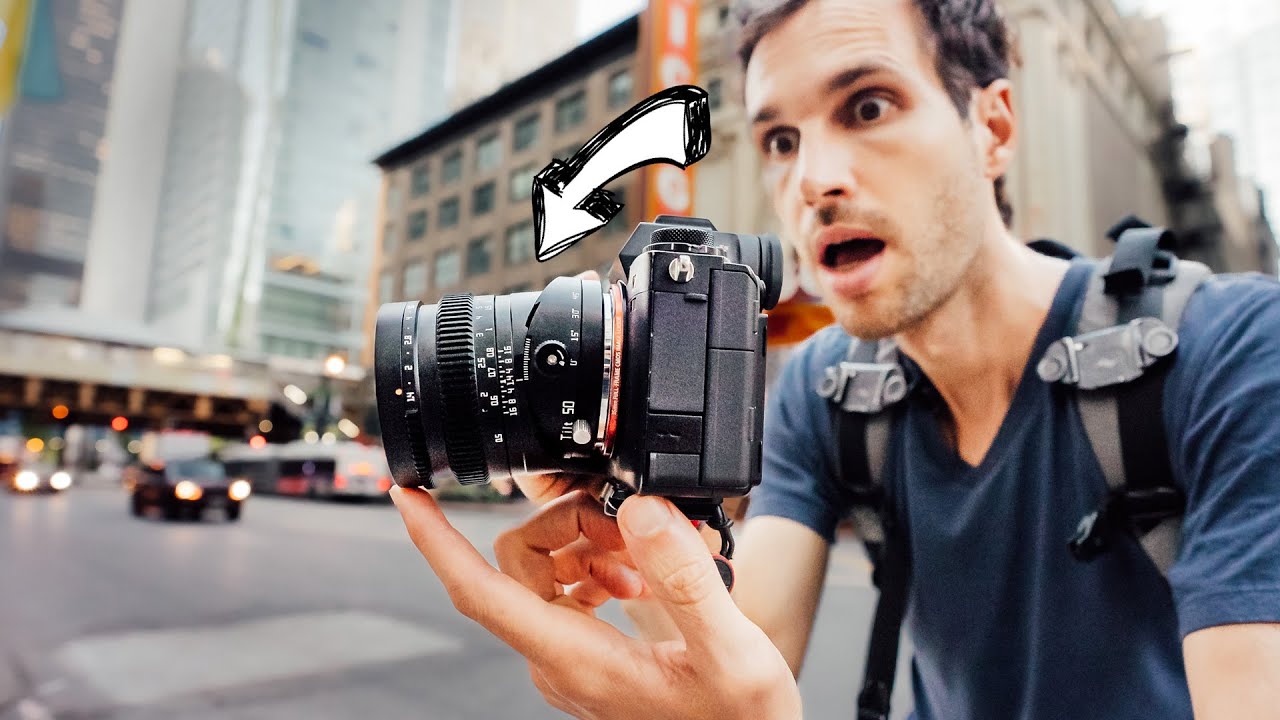
This Weird Tilt Lens Broke My Brain (And Then Made My Street Photos Look Incredible)

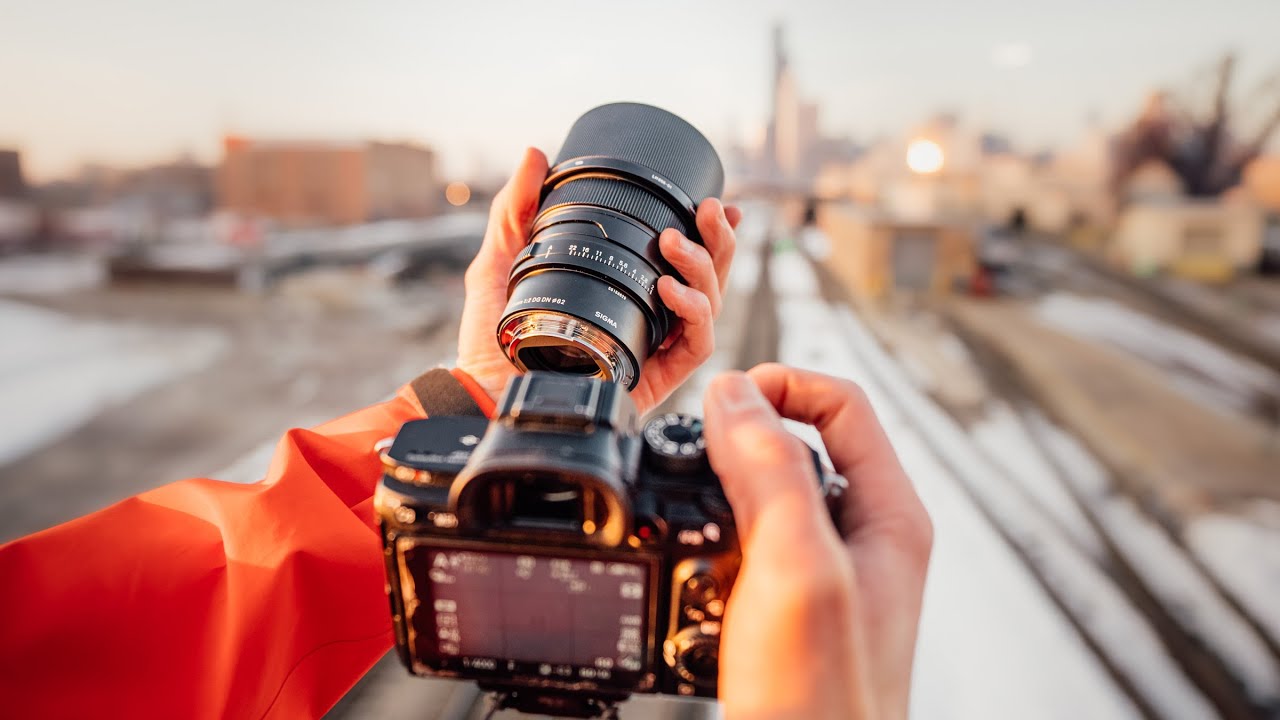
I have a spreadsheet with every budget lens I’ve tested over the past four years. Primes, zooms, vintage glass, Chinese third-party copies of Japanese classics. I thought I had a pretty solid mental map of what a lens can do to an image. Then I watched Pierre T. Lambert take a tilt lens out onto the streets of Chicago and I realized there’s a whole category of optical weirdness I had mostly ignored.

What Shooting Street With the Sigma 65mm F/2 Actually Teaches You About Focal Length Gaps

What Shooting Street With the Sigma 65mm F/2 Actually Teaches You About Focal Length Gaps

There’s a gap in most photographers’ kits that nobody talks about until they’re standing on a street corner wishing they had something between their 35mm and their 85mm. I’ve been there more times than I want to admit. My spreadsheet of tested lenses has columns for focal length, max aperture, price per millimeter of reach (yes, really), and “gap filler” potential. The 65mm focal length almost never shows up in that spreadsheet, because most manufacturers skip it entirely.

How Pierre T. Lambert Uses a 70-200mm for Street Photography (And Why It Actually Works)

How Pierre T. Lambert Uses a 70-200mm for Street Photography (And Why It Actually Works)

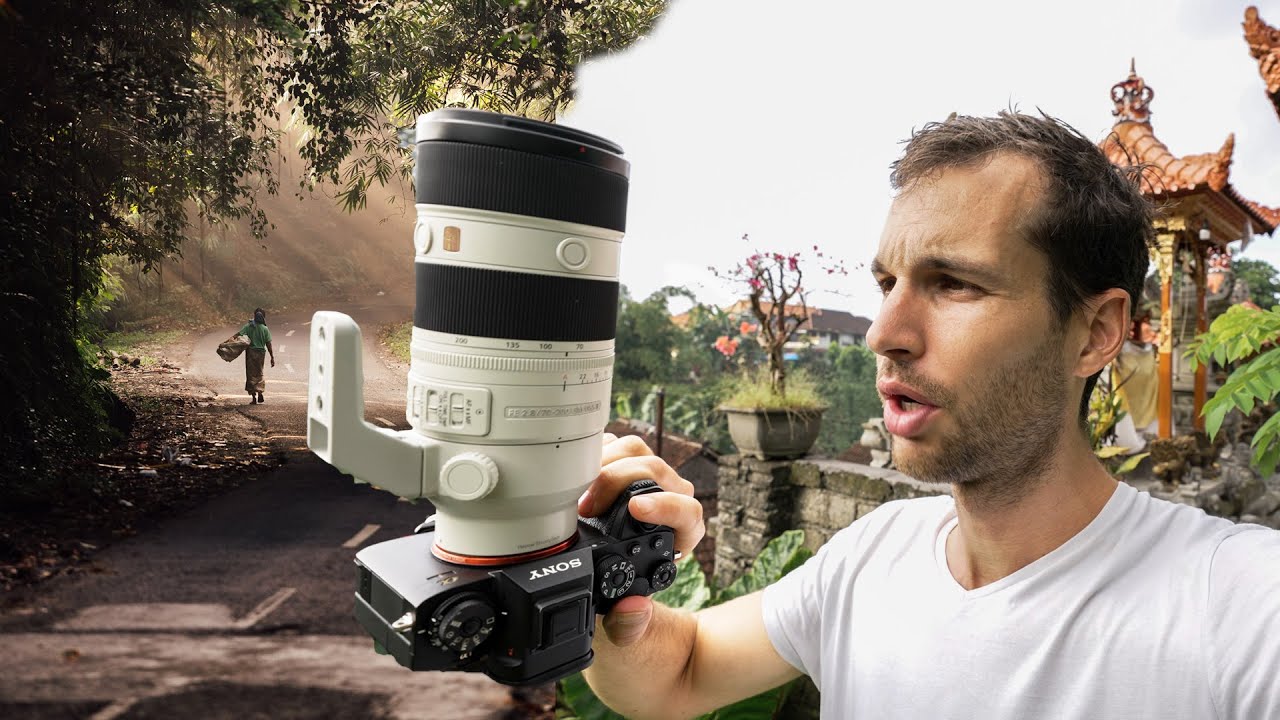
Street photography is one of those disciplines where everyone has an opinion about the “right” gear. Prime lenses only. Go wide or go home. You need to be close to make it real. I’ve heard all of it, and honestly, I’ve repeated some of it myself. So when I came across this Pierre T. Lambert tutorial shot entirely on location in Ubud, Bali, using a 70-200mm zoom for street work, it stopped me mid-scroll.

The 50mm Street Photography Trick That Changed How I Read a Scene

The 50mm Street Photography Trick That Changed How I Read a Scene

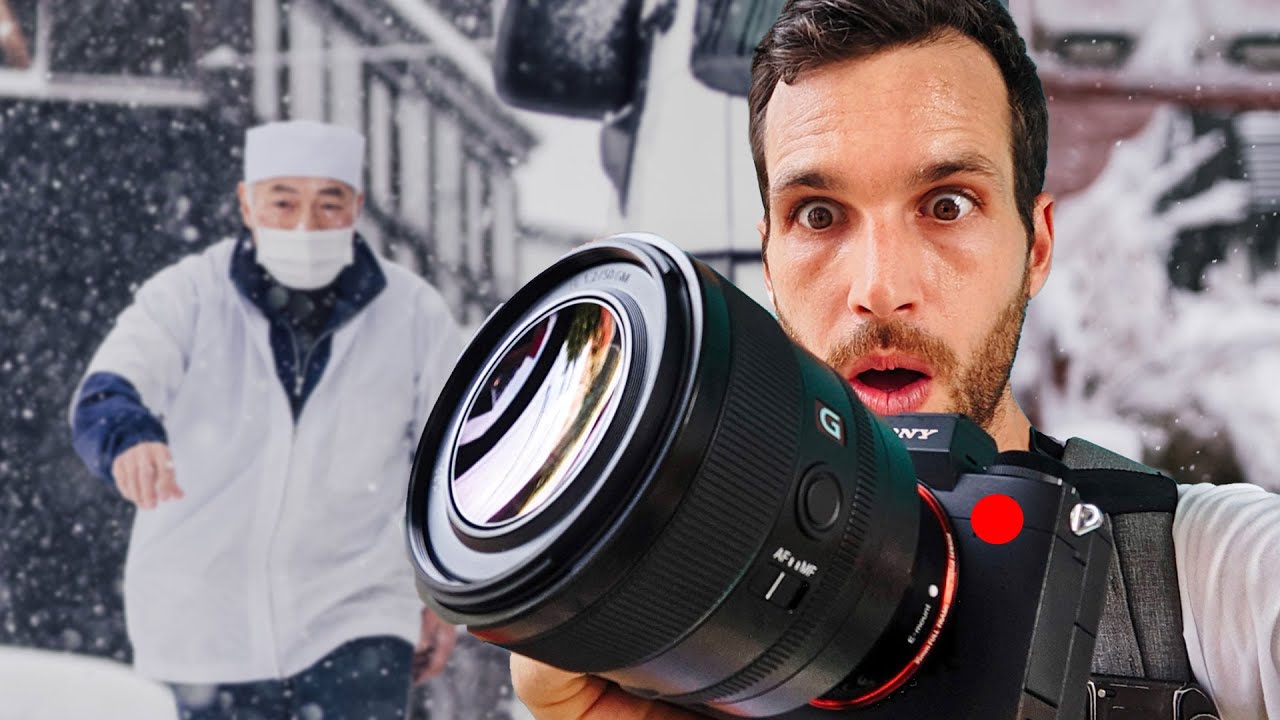
Street photography has a way of punishing hesitation. You either see the shot and commit, or you end up with a memory card full of “almost” frames. For a long time, my problem wasn’t confidence, it was framework. I’d walk a block, raise my camera, and react. But reacting isn’t the same as reading a scene, and the difference shows up in the final images. In this Pierre T. Lambert tutorial, shot entirely on the snowy streets of a small Japanese town, Lambert works through exactly that gap between reacting and reading.

Fuji X100V Real-World Review: What a Fixed-Lens Street Camera Actually Delivers

Fuji X100V Real-World Review: What a Fixed-Lens Street Camera Actually Delivers

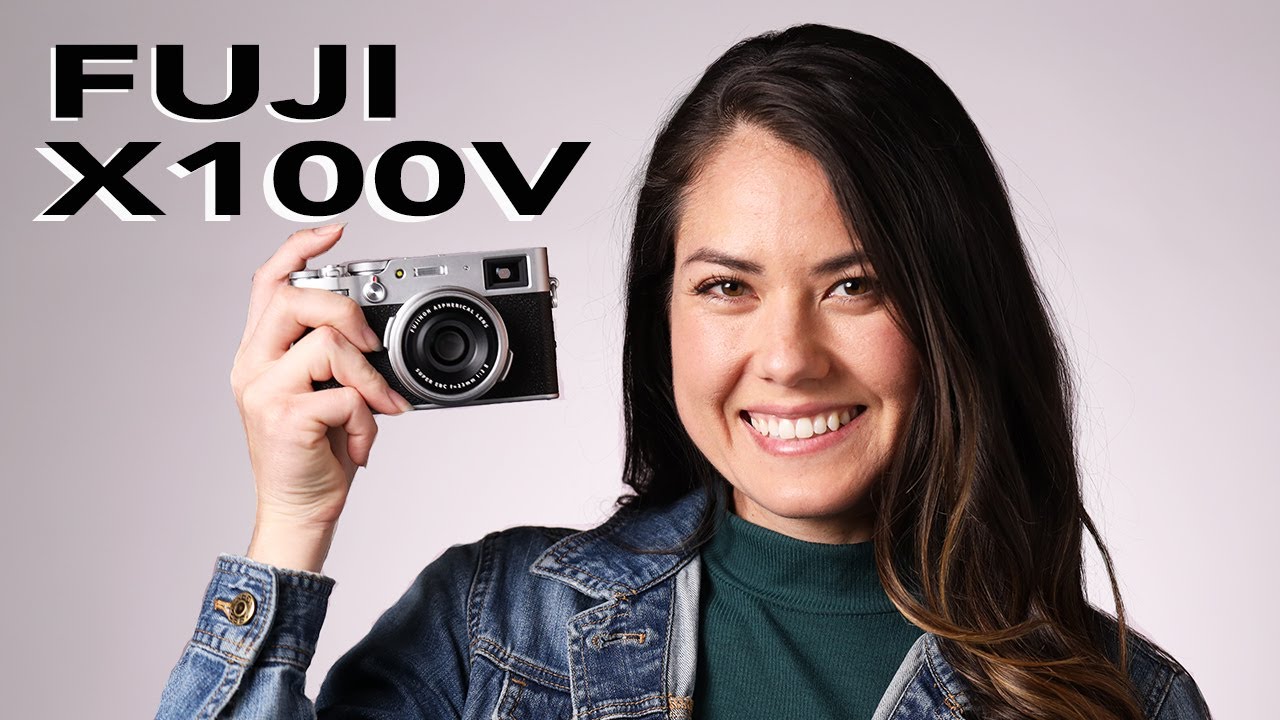
I’ve been shooting with budget bodies long enough to know that a camera’s spec sheet and a camera’s actual output are two very different conversations. So when Fujifilm announced the X100V, I paid attention, but I didn’t get excited. Not yet. What got me to actually dig in was Watch the full tutorial on YouTube from The Slanted Lens, where JP Morgan and his team put the camera through a proper structured test, not a vlog grab-and-go, but an actual picture quality workflow with a model, controlled lighting, and back-to-back dynamic range comparisons.

Sony 35mm f/1.8: The Street Lens That Actually Fits in Your Pocket (Pierre T. Lambert Hands-On Breakdown)

Sony 35mm f/1.8: The Street Lens That Actually Fits in Your Pocket (Pierre T. Lambert Hands-On Breakdown)

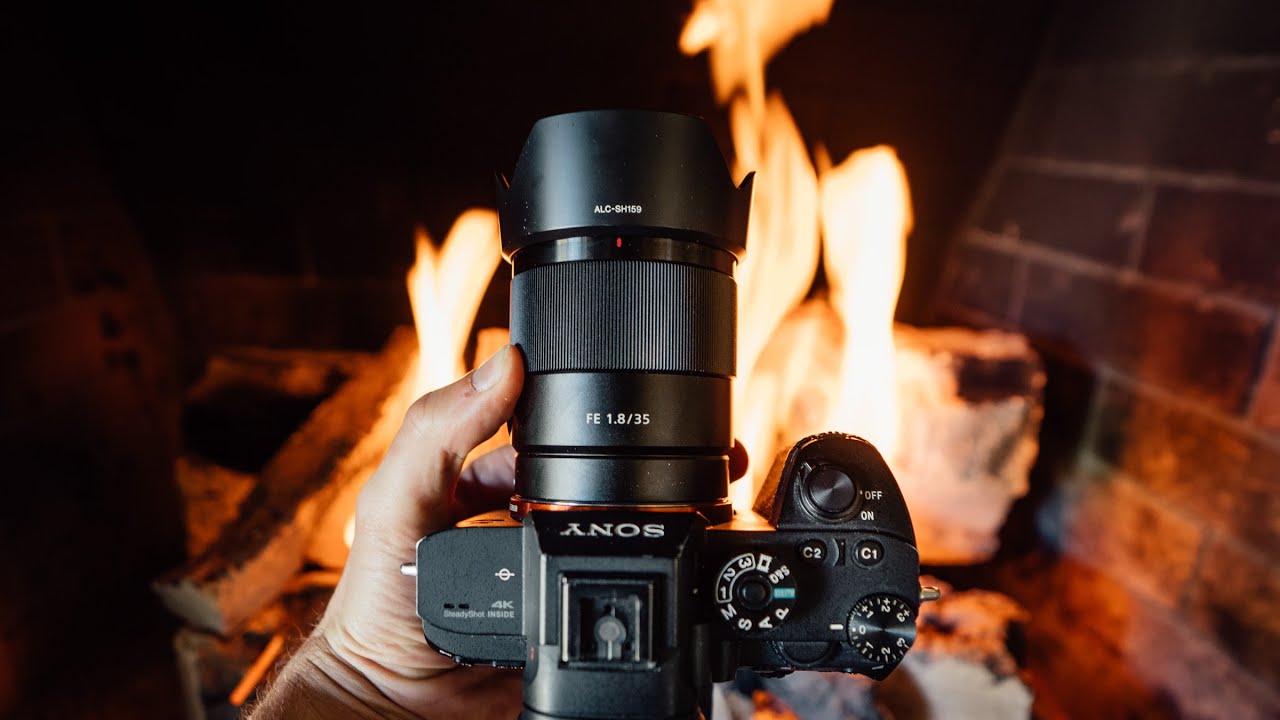
I have a simple test for any lens I’m considering for street work: does it fit in my jacket pocket with the hood on? If it doesn’t, it stays home. That might sound like a weird filter, but after years of reviewing budget gear and hunting down deals, I’ve learned that the best lens is the one you actually carry. Expensive glass sitting in a bag because it’s too bulky is just an expensive paperweight.

Sony 24-70mm f/2.8 for Street Photography: What Pierre T. Lambert's Field Test Actually Tells You

Sony 24-70mm f/2.8 for Street Photography: What Pierre T. Lambert's Field Test Actually Tells You

I’ll be straight with you: I’ve spent more hours than I’d like to admit building spreadsheets comparing prime lenses to zoom lenses for street shooting. The argument always circles back to the same tension. Primes give you a decisive focal length and force discipline. Zooms give you options. For street photography specifically, “options” sounds good on paper until you’re fumbling with a massive lens at 70mm while someone walks past with perfect light.

What the Ricoh GR IVA Taught Me About Buying Into a Camera System, Not Just a Camera

What the Ricoh GR IVA Taught Me About Buying Into a Camera System, Not Just a Camera

I’ve always had a soft spot for the Ricoh GR line. Not because it’s the flashiest gear on the market, but because it represents something I genuinely believe in: a small, no-nonsense tool that gets out of your way and lets you shoot. When I started out with a $300 kit camera, I learned pretty fast that the camera you actually carry beats the one sitting at home in a padded bag.

Can AI Actually Critique Your Photos? Sean Tucker Put It to the Test So You Don't Have To

Can AI Actually Critique Your Photos? Sean Tucker Put It to the Test So You Don't Have To

Getting honest feedback on your photos is one of the hardest parts of improving as a photographer. Most working photographers don’t have time to review your portfolio for free, and the ones who charge for it aren’t always worth the cost. I’ve been shooting long enough to know that the gap between “I think this image is good” and “this image is actually good” can be enormous, and without someone experienced telling you which side of that gap you’re on, you can spin your wheels for years.