How to Photograph an Owl (or Any Fast Bird) With a Budget Telephoto: Lessons From Fuji X-H2 and the Tamron 150-500mm

How to Photograph an Owl (or Any Fast Bird) With a Budget Telephoto: Lessons From Fuji X-H2 and the Tamron 150-500mm

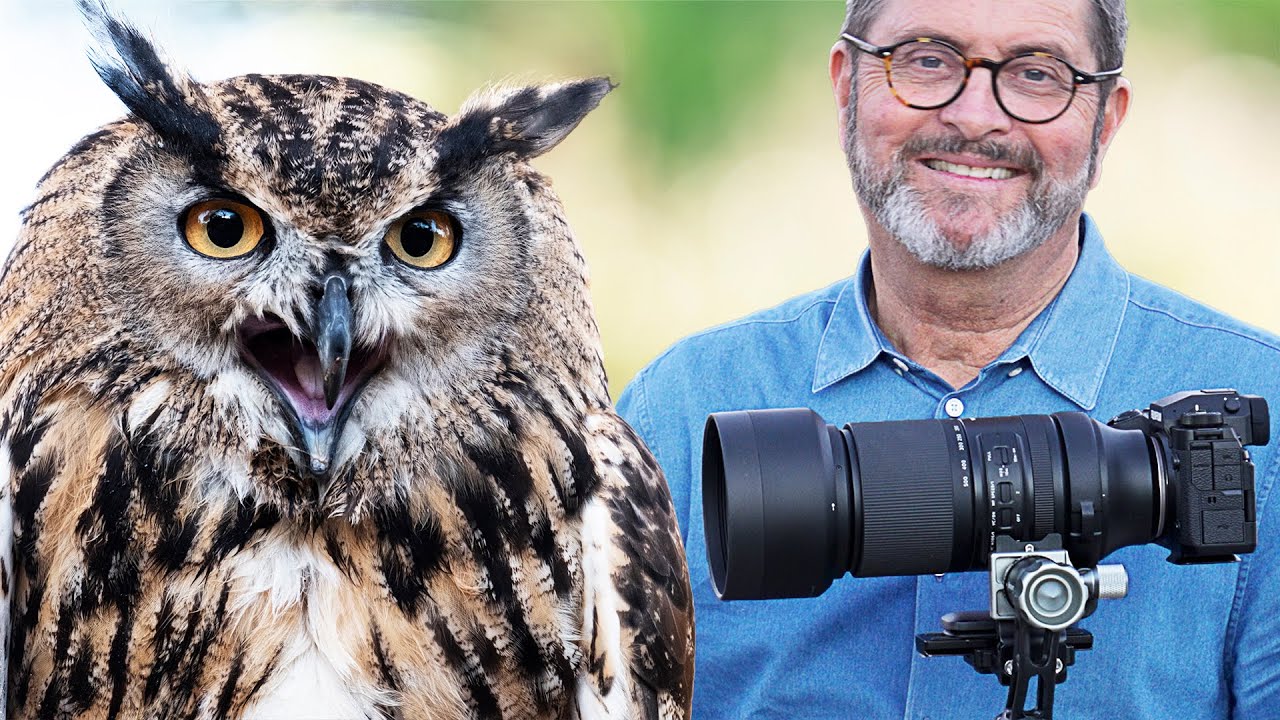
I’ll be honest: wildlife photography has always been the genre that made me feel like my budget philosophy falls apart. Fast-moving subjects, unpredictable light, and a traditional insistence on f/4 glass that costs more than my car. Every time I’d look into a serious telephoto setup, I’d end up on a spreadsheet comparing options I couldn’t justify buying. So when I saw The Slanted Lens put the Tamron 150-500mm on a Fujifilm X-H2 and walk away with genuinely stunning owl portraits, I needed to understand exactly how they pulled it off.

Which Lens Should You Actually Reach For? A Practical Breakdown for Real Shooters

Which Lens Should You Actually Reach For? A Practical Breakdown for Real Shooters

I used to swap lenses by feel. No real logic, just instinct built from trial and error and a lot of blurry test shots I’ll never show anyone. The question “which lens do I put on right now?” sounds basic, but it’s the kind of decision that quietly makes or breaks a photo. Get it wrong and you’re fighting your gear instead of making pictures. In this CreativeLive tutorial, photographer Erin Manning does something I wish I’d had when I was starting out: she stands in one fixed spot, swaps three different lenses, and shows you exactly what changes in the frame.

Ditch the Tripod: How Handholding a 70-200mm Can Make You a Better Landscape Photographer

Ditch the Tripod: How Handholding a 70-200mm Can Make You a Better Landscape Photographer

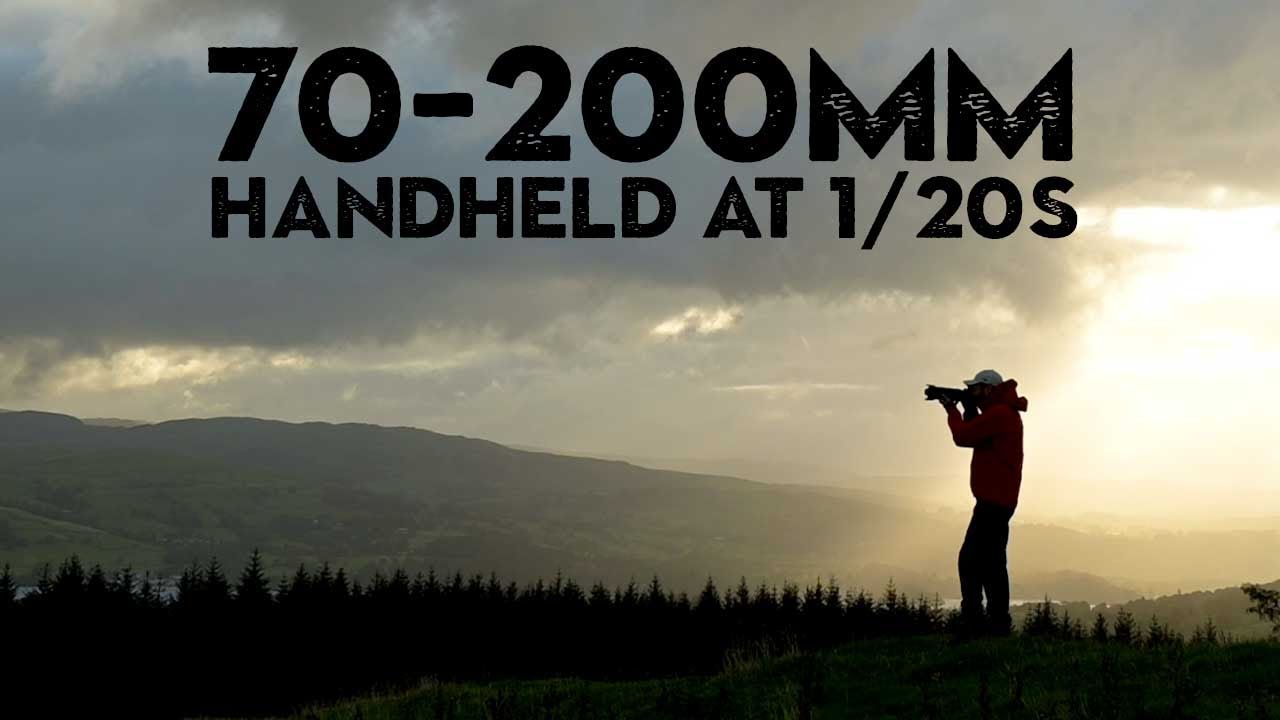
I used to haul a tripod everywhere. Heavy bag, slow setup, missed shots while I was still screwing in the quick-release plate. Then I started questioning whether I actually needed it for every situation, or whether I was just following a rule someone handed me early on and I never stopped to examine. That question got answered pretty decisively when I watched this Nigel Danson tutorial shot on location in the Lake District, where he spends a full morning handholding a 70-200mm lens for landscape work and pulling off shots that look like they came off a tripod-mounted medium format rig.

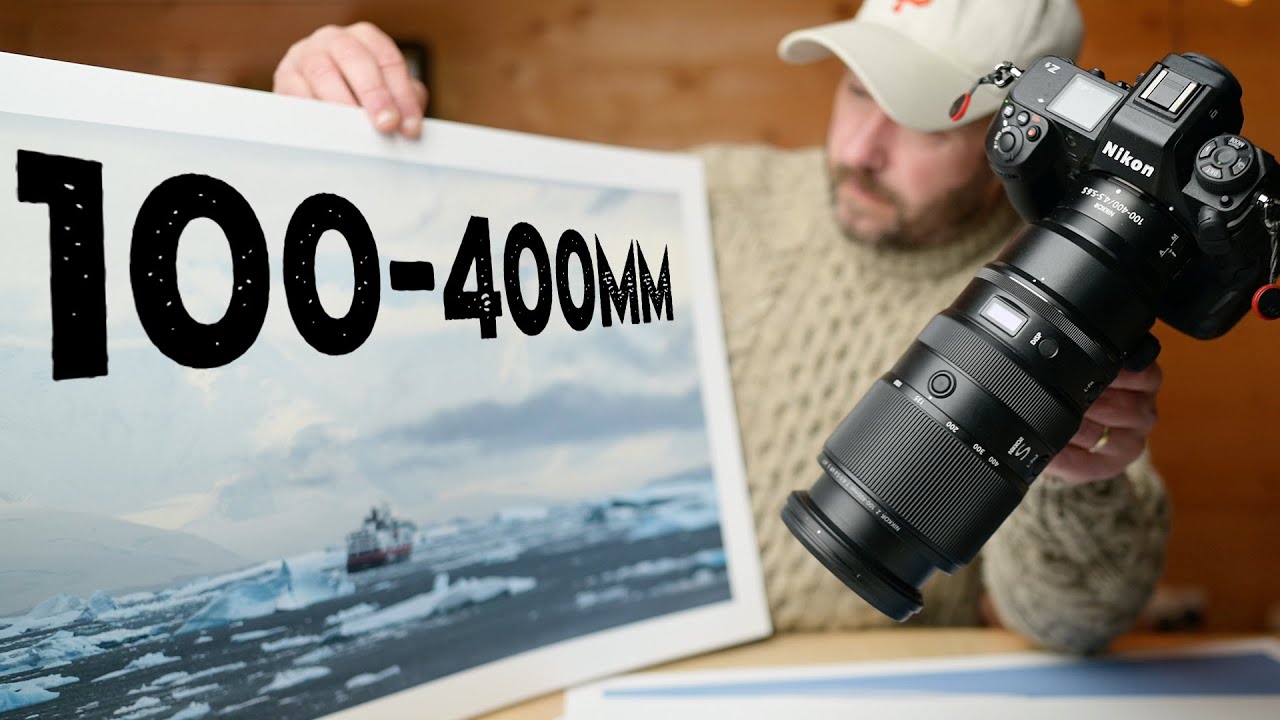
What a 100-400mm Lens in Antarctica Taught Me About Shooting Landscapes Differently

What a 100-400mm Lens in Antarctica Taught Me About Shooting Landscapes Differently

Most landscape photographers treat a wide-angle lens like a security blanket. I get it. I spent years defaulting to the widest thing in my bag the second I hit a scenic overlook. Wide feels safe. Wide feels epic. But wide also flattens everything into a postcard that looks like every other postcard from the same spot. That’s the problem Nigel Danson’s recent Antarctica tutorial cracked open for me in a way I wasn’t expecting.

How a Camera Strap (Yes, Really) Broke My Worst Shooting Habit

How a Camera Strap (Yes, Really) Broke My Worst Shooting Habit

I’ve spent an embarrassing amount of time researching whether a $38 tripod can outperform a $200 one. Spoiler: sometimes it can. But for all the hours I’ve logged comparing gear specs, I keep coming back to the same uncomfortable truth — the most limiting piece of equipment in my kit is usually my own habits. I shoot wide. I shoot safe. I go home thinking I nailed it, then review the cards and realize I grabbed twelve versions of the same grand scene and zero intimate details.

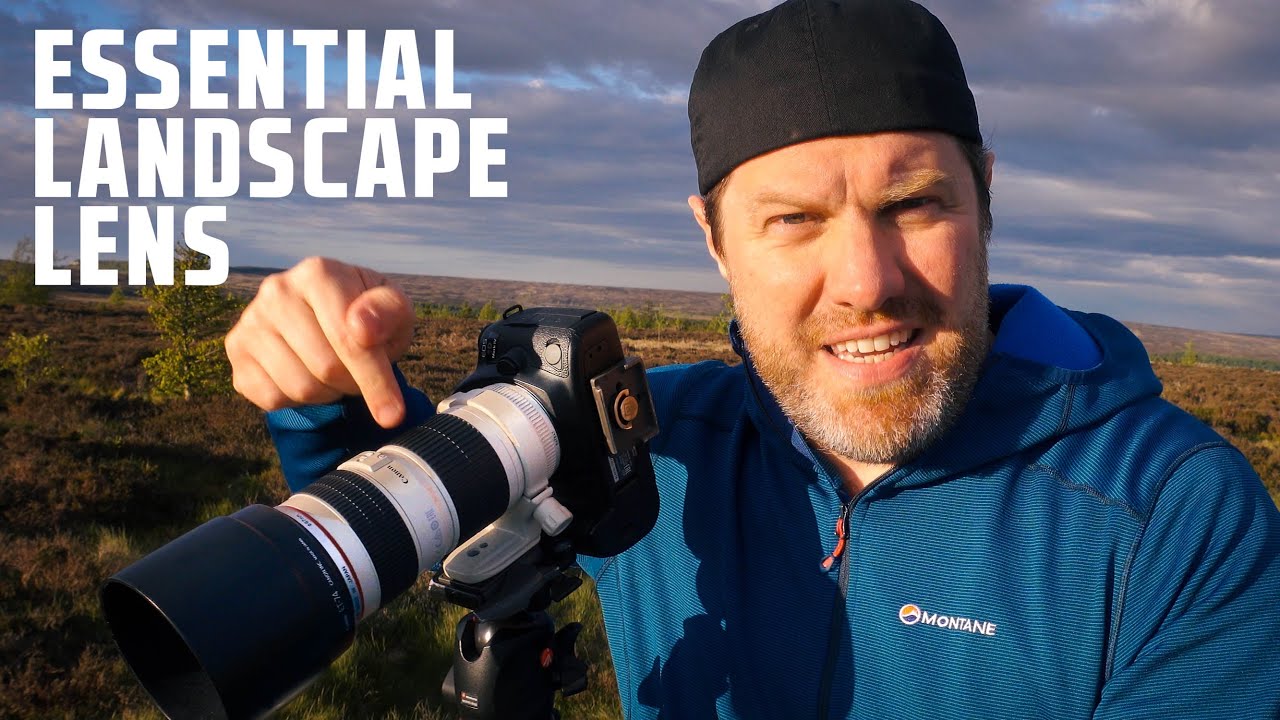
Why the 70-200mm Is Actually the Most Underrated Lens for Landscape Photography

Why the 70-200mm Is Actually the Most Underrated Lens for Landscape Photography

Every landscape photographer I know owns a wide-angle lens. Most of them own two. I get it — wide-angle feels like the obvious call when you’re standing in front of a mountain range or a sweeping coastline. For a long time I defaulted to the same instinct. The problem is that “sweeping and epic” starts to look the same after a while, both in your own portfolio and across every Instagram feed you’ve ever scrolled.

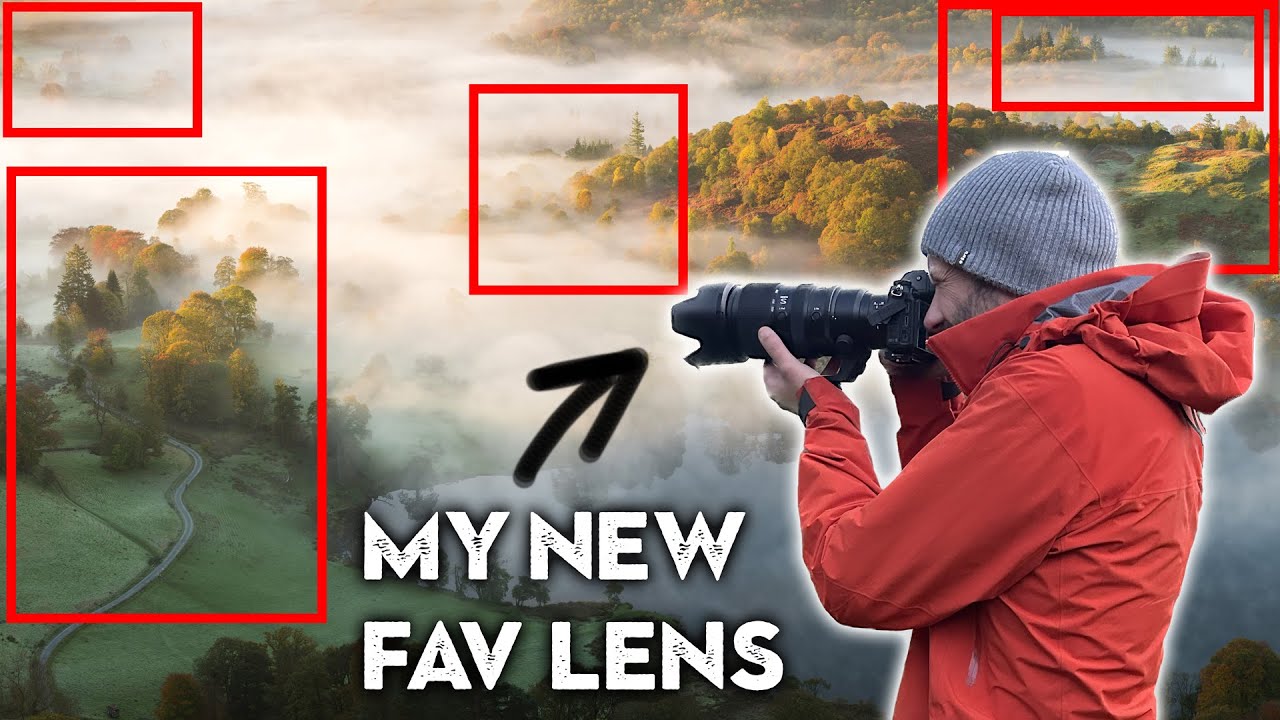
How a 100-400mm Lens Can Give You 100+ Compositions From a Single Hillside

How a 100-400mm Lens Can Give You 100+ Compositions From a Single Hillside

There’s a specific kind of frustration I used to feel constantly: I’d hike to a viewpoint, shoot the obvious wide-angle scene in about twenty minutes, and then just… stand there. Waiting. Watching other photographers keep shooting while I mentally checked out. The problem wasn’t the location. It was that I was treating every scene like it only had one composition in it, the big sweeping one you see on the postcard.

Why Your Wide-Angle Lens Is Holding You Back (And What to Do About It)

Why Your Wide-Angle Lens Is Holding You Back (And What to Do About It)

I spent my first two years shooting landscapes almost exclusively with a wide-angle lens. Made sense at the time - wide glass is cheap, it’s what every “landscape photography beginner” listicle recommends, and the dramatic foreground-to-sky shots look impressive as a thumbnail. But I kept running into the same wall: if the light wasn’t cooperating, if there wasn’t a compelling foreground element within arm’s reach, or if the scene just didn’t have that sweeping cinematic quality, I’d come home with nothing worth keeping.

How to Actually See with a Telephoto Lens (Most Landscape Photographers Never Learn This)

How to Actually See with a Telephoto Lens (Most Landscape Photographers Never Learn This)

I spent way too long treating my telephoto lens like a specialty item I only reached for when something was far away. Wide angle on, walk around, find a composition, done. The telephoto stayed in the bag unless I spotted a bird or a distant mountain peak I wanted to pull in. Sound familiar? The problem wasn’t the gear. I’ve tested enough budget telephotos to fill a spreadsheet, and even the cheap ones are optically capable of stunning landscape shots.

Why I Now Take My 100-400mm Lens on Every Landscape Shoot (And How to Actually Use It)

Why I Now Take My 100-400mm Lens on Every Landscape Shoot (And How to Actually Use It)

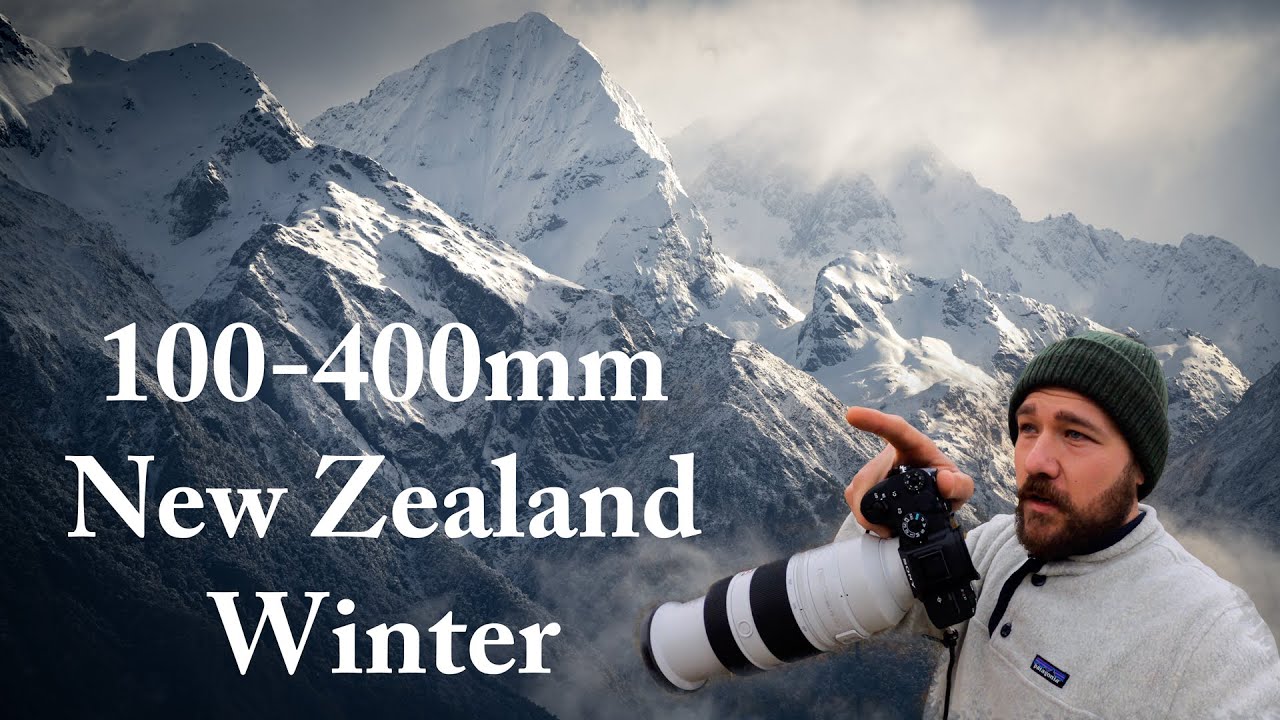
Most landscape photographers treat their telephoto lens like a backup option. It stays in the bag while the wide angle does all the work. I used to do the same thing. My 100-400mm would come out maybe once a session, usually when I spotted wildlife, then back in it went. Watching William Patino work through a frosty winter morning in New Zealand’s South Island genuinely changed how I think about that piece of glass.

How to Use a Telephoto Lens for Landscape Photography (And Why It Changes Everything)

How to Use a Telephoto Lens for Landscape Photography (And Why It Changes Everything)

Most landscape photographers reach for their widest lens by default. I did the same thing for years. Wide angle felt “epic,” and telephoto felt like something you pulled out for wildlife or sports. Then I started paying closer attention to photographers who were coming back from the same locations I’d shot a dozen times with images that looked completely different from mine. They weren’t finding better light. They were using a longer lens and finding smaller, tighter stories inside the big scene I’d been trying to capture in one frame.

The Telephoto Lens Most Landscape Photographers Ignore (And Why I Keep Coming Back to It)

The Telephoto Lens Most Landscape Photographers Ignore (And Why I Keep Coming Back to It)

I’ll be upfront: I spent years dismissing telephoto lenses for landscape work. My logic was simple - wide glass captures the scene, and scene is what landscape photography is about. Then I started actually stress-testing that assumption against my own portfolio, and the images I kept coming back to, the ones that felt different from everything else on my hard drive, were almost never the ultra-wide shots. That pattern bothered me enough that I went looking for someone who could explain it better than I had thought it through myself.