Tamron's Lens Utility Mobile 4.0 Turns Your Android Into a Cinematic Focus Controller

Tamron's Lens Utility Mobile 4.0 Turns Your Android Into a Cinematic Focus Controller

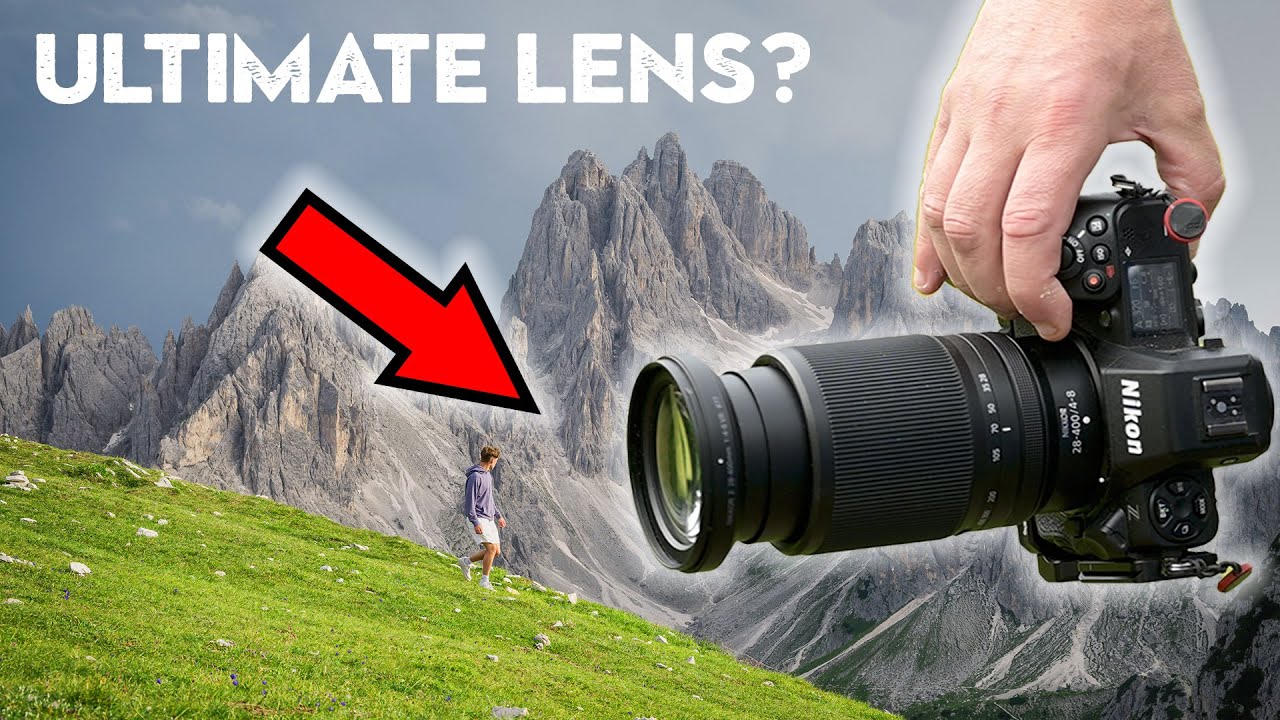
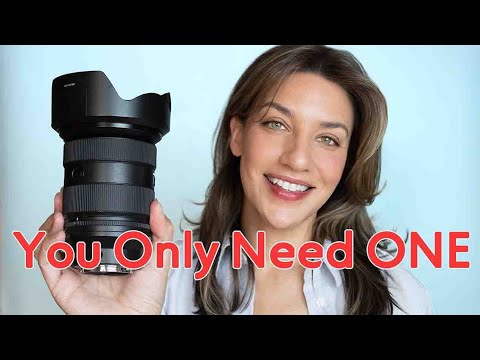
I shoot a lot of solo video work. No focus puller, no assistant, just me, a camera, and whatever I can rig together to make the footage not look like a disaster. For a long time, pulling focus manually mid-shot meant either a botched take or buying into a follow focus system that cost more than my first camera kit. So when I came across this The Slanted Lens tutorial on Tamron’s Lens Utility Mobile app version 4.

What a Tilt-Shift Lens Actually Does (And Why You Should Rent One Before You Buy)

What a Tilt-Shift Lens Actually Does (And Why You Should Rent One Before You Buy)

Most photographers never touch a tilt-shift lens. They’re expensive, they’re manual-everything, and the learning curve is steep enough that most people just skip them entirely. I get it. For years I filed them under “gear I’ll worry about when I’m rich,” right next to medium format backs and cinema-grade gimbals. But I kept running into situations where my shots of tall trees, building interiors, and wide landscape scenes looked just slightly wrong, and I couldn’t fix it cleanly in post without weird stretching artifacts.

Canon 70D for Video: What the Moire Tests, ISO Comparisons, and Dual Pixel AF Actually Tell You

Canon 70D for Video: What the Moire Tests, ISO Comparisons, and Dual Pixel AF Actually Tell You

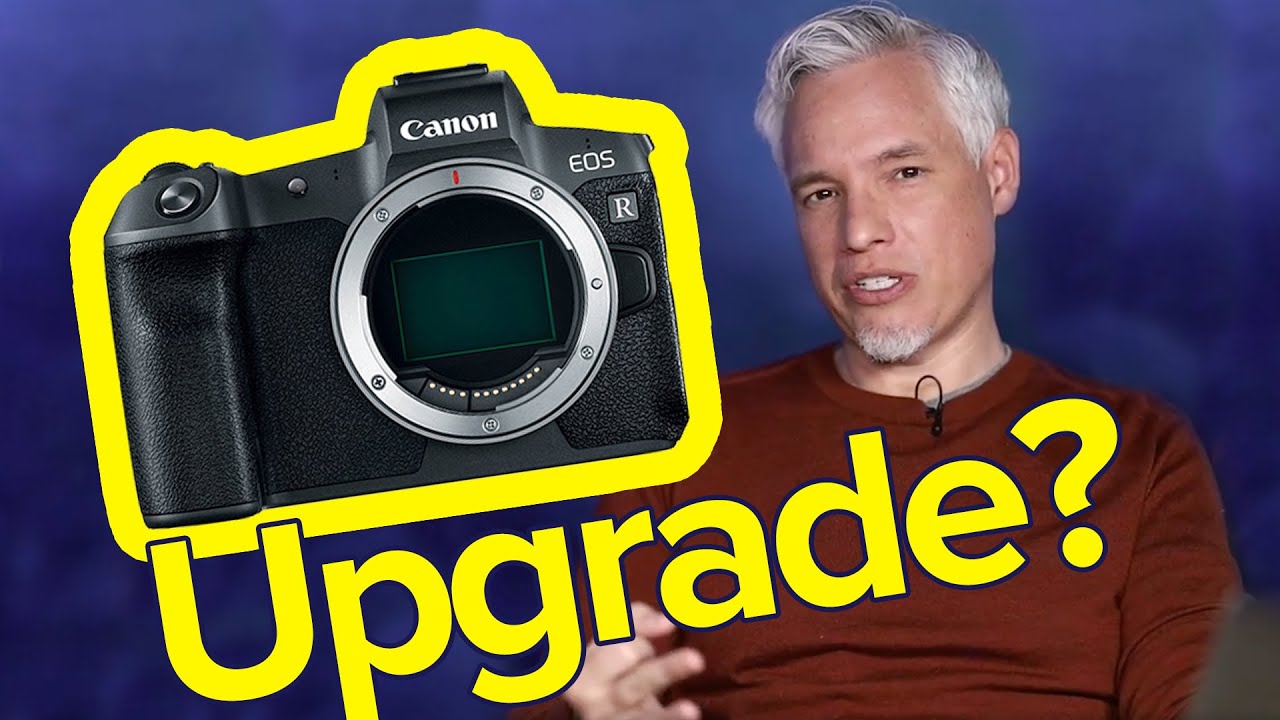
Every time a new mid-range Canon body drops, the same argument starts up in forums and comment sections: is it actually worth upgrading, or is the marketing team just doing its job? I’ve been on both sides of that debate more times than I can count. When I first started shooting video seriously, I was working with whatever body I could justify on a gear-budget that also had to cover rent.

The $69 Airline Hack That Pro Photographers Have Been Using for Decades

The $69 Airline Hack That Pro Photographers Have Been Using for Decades

I track gear costs obsessively. Spreadsheets, price alerts, deal sites before my coffee’s done brewing. So when I realized photographers were routinely dropping $200 round-trip just to fly their light stands somewhere, it hit me the way a bad lens deal does: there has to be a smarter way. It turns out there is, and it’s been hiding in plain sight at every golf shop and Amazon storefront for years.

Canon RF 50mm f/1.8: The Budget Lens That Actually Delivers (And Why You Should Stop Waiting to Buy It)

Canon RF 50mm f/1.8: The Budget Lens That Actually Delivers (And Why You Should Stop Waiting to Buy It)

The question I get more than any other from people starting out is some version of “what lens should I buy next?” I’ve answered it so many times I almost have a script. But the honest answer is almost always the same one, and it has been for years: get a 50mm f/1.8. It’s the lens I wish someone had pushed me toward faster when I was shooting everything on a kit zoom and wondering why my photos looked flat.

The Vanguard VEO 265CB Is the Travel Tripod I Wish I'd Had Before I Wasted Money on Four Cheap Ones

The Vanguard VEO 265CB Is the Travel Tripod I Wish I'd Had Before I Wasted Money on Four Cheap Ones

I have a problem that I suspect a lot of photographers share: I never bring a tripod when I travel because my good one is too bulky, and then I end up buying some $25 garbage stick from a drugstore or a tourist shop and wondering why my long exposures look like they were shot during an earthquake. I’ve done this more times than I’d like to admit. I’ve got a spreadsheet tracking every piece of budget gear I’ve tested, and the “emergency travel tripod” category is embarrassingly long, all of them disappointing.

Cold-Weather Camera Survival: A Finnish Photographer's 3-Step System That Actually Works

Cold-Weather Camera Survival: A Finnish Photographer's 3-Step System That Actually Works

I live in Denver, which means I’m not exactly shooting in Finnish tundra conditions. But Colorado winters are no joke either, and I’ve had my share of moments where a camera started acting weird mid-shoot because I yanked it out of a warm car into 10-degree air. Fogged lenses, sluggish shutters, batteries that dropped from 80% to dead in twenty minutes. If you’ve shot in serious cold, you know the specific kind of dread that comes with watching your camera struggle.

Get More Out of Your Wide Angle Lens: A Step-by-Step Guide to Shooting Like a Landscape Pro

Get More Out of Your Wide Angle Lens: A Step-by-Step Guide to Shooting Like a Landscape Pro

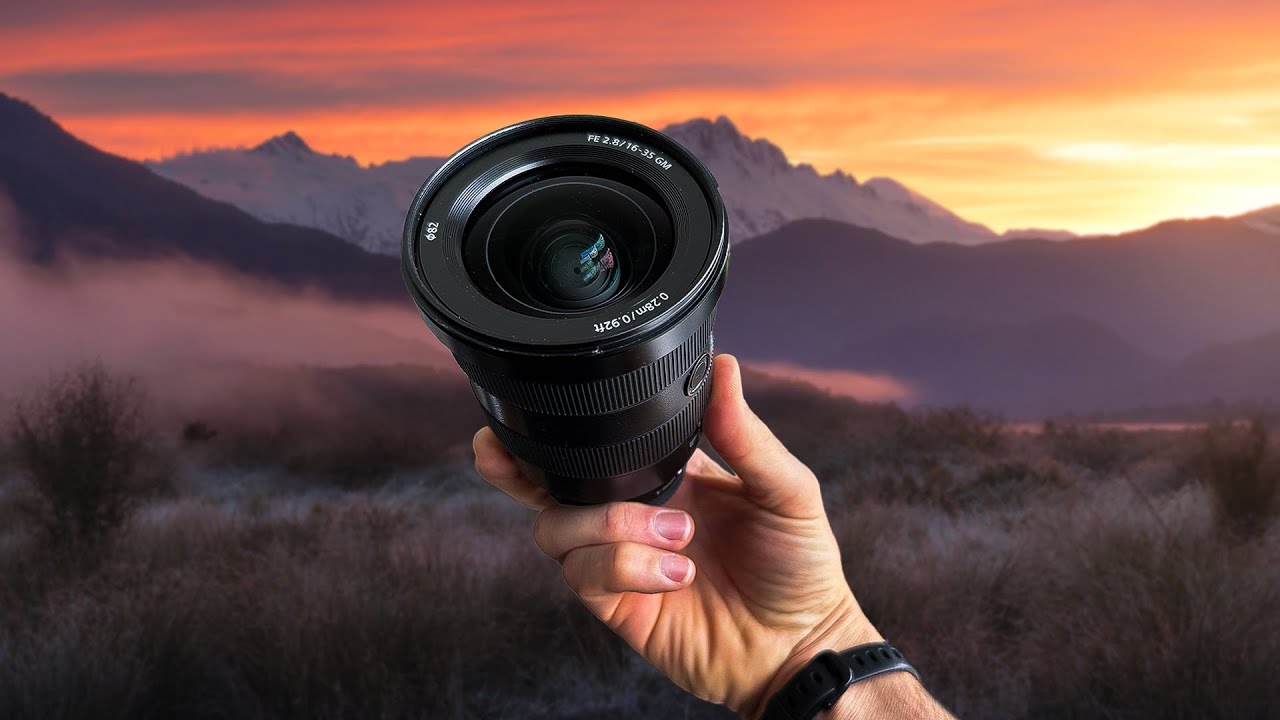
I’ll be honest: wide angle lenses have a reputation for being “easy” because they fit so much in the frame. Point them at a big landscape, click, done. Except that’s exactly the wrong way to use them, and it took me longer than I’d like to admit to figure that out. When I was starting out with a budget ultra-wide zoom, my landscape shots looked flat and lifeless even though I was standing in front of genuinely beautiful scenery.

Is the Panasonic GH5 II Actually the YouTube Camera Panasonic Promised Us? A Real-World Breakdown

Is the Panasonic GH5 II Actually the YouTube Camera Panasonic Promised Us? A Real-World Breakdown

I’ve been burned by the “this time Panasonic fixed the autofocus” promise before. Every GH-series release comes with a wave of optimism from the micro four thirds community, and every time, the contrast-detect focus hunting rears its head the moment you put the camera in front of a real subject in real light. So when Tony and Chelsea Northrup took the GH5 II out for an actual vlogging field test, not a studio demo, I paid close attention.

Ditch the Kit Lens: Why a $125 Fifty is the First Upgrade Every New Shooter Needs

Ditch the Kit Lens: Why a $125 Fifty is the First Upgrade Every New Shooter Needs

I started with a $300 camera kit and shot a wedding that ended up published in a local magazine. The camera wasn’t special. The kit lens wasn’t special. But somewhere between that gig and the next hundred shoots, I learned the one swap that changes everything for new photographers, and it has nothing to do with buying a better camera body. In this Pierre T. Lambert tutorial, he lays out the exact same lesson in a way that I genuinely wish someone had handed me on day one: swap the kit zoom for a cheap 50mm prime and watch your photos get better almost overnight.

35mm vs 20mm vs 24mm: A Real Shooter's Guide to Picking Your One Lens

35mm vs 20mm vs 24mm: A Real Shooter's Guide to Picking Your One Lens

One question shows up in every photography forum, every beginner Facebook group, every comment section I’ve ever been in: “Which lens should I buy first?” I’ve answered it so many times I basically have a copy-paste response saved. But the honest answer isn’t a product recommendation. It’s a process. And watching Pierre T. Lambert work through exactly this question on a Chicago rooftop shoot helped me articulate that process better than I ever had before.

What Mango Street's Wedding Kit Actually Teaches You (Canon 5D Mark IV Breakdown)

What Mango Street's Wedding Kit Actually Teaches You (Canon 5D Mark IV Breakdown)

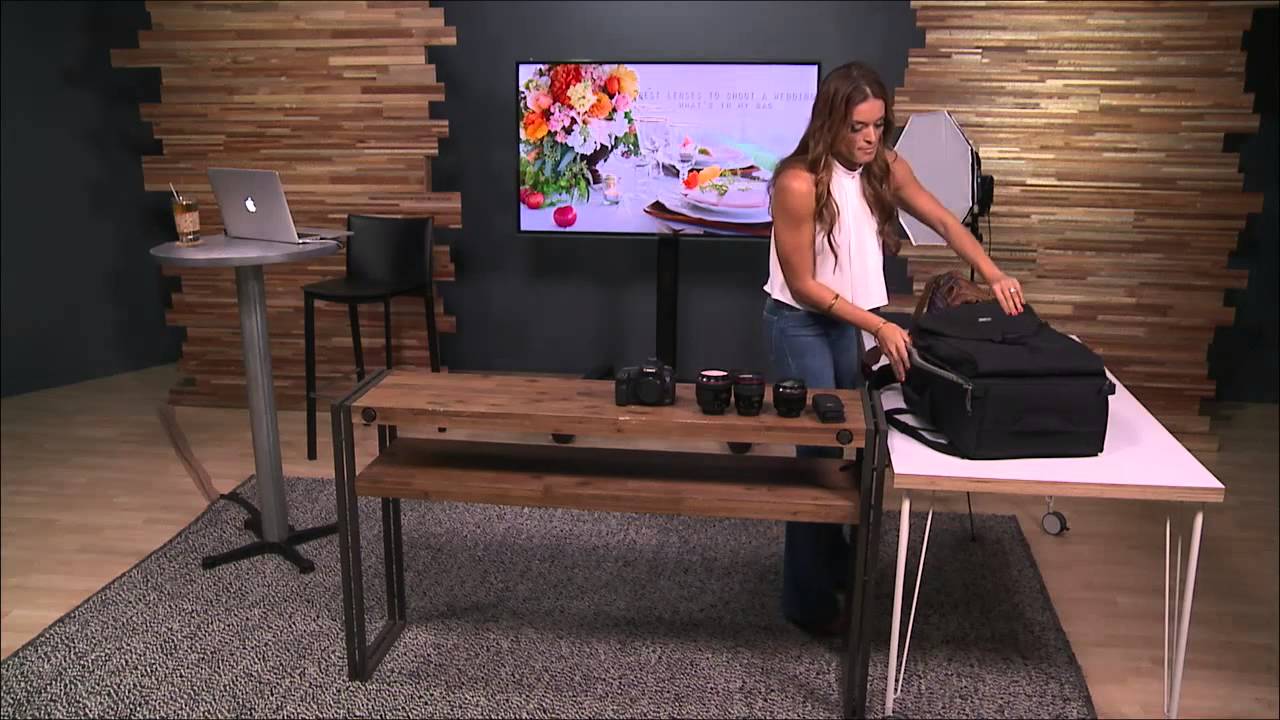
Wedding photography is the one job that exposes every weakness in your kit. You get one shot at the first dance, one shot at the ring exchange, and zero opportunity to ask the flower girl to re-toss her petals because your autofocus hunted. I’ve spent years arguing that budget gear can handle almost anything, and I still believe that. But watching how professionals build their wedding kits teaches you something more useful than any gear list: it shows you why certain tools earn their place and what problem each one actually solves under pressure.