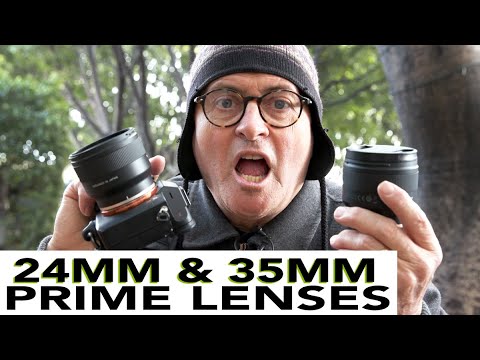
Tamron's 24mm and 35mm f/2.8 Primes Are the Budget Travel Lenses I've Been Waiting For

Tamron's 24mm and 35mm f/2.8 Primes Are the Budget Travel Lenses I've Been Waiting For

I have a spreadsheet. It has every budget lens I’ve tested going back three years, with columns for sharpness, bokeh quality, flare resistance, minimum focus distance, and price-per-feature. I built it because the gear market is loud and most reviews are written by people who aren’t actually flinching at the price tag. So when Tamron dropped two new compact primes for Sony mirrorless systems, both sitting under $350, I paid attention fast.
Google Pixel 5 vs iPhone 11 Pro Max: What a $700 Phone Actually Gets You

Google Pixel 5 vs iPhone 11 Pro Max: What a $700 Phone Actually Gets You

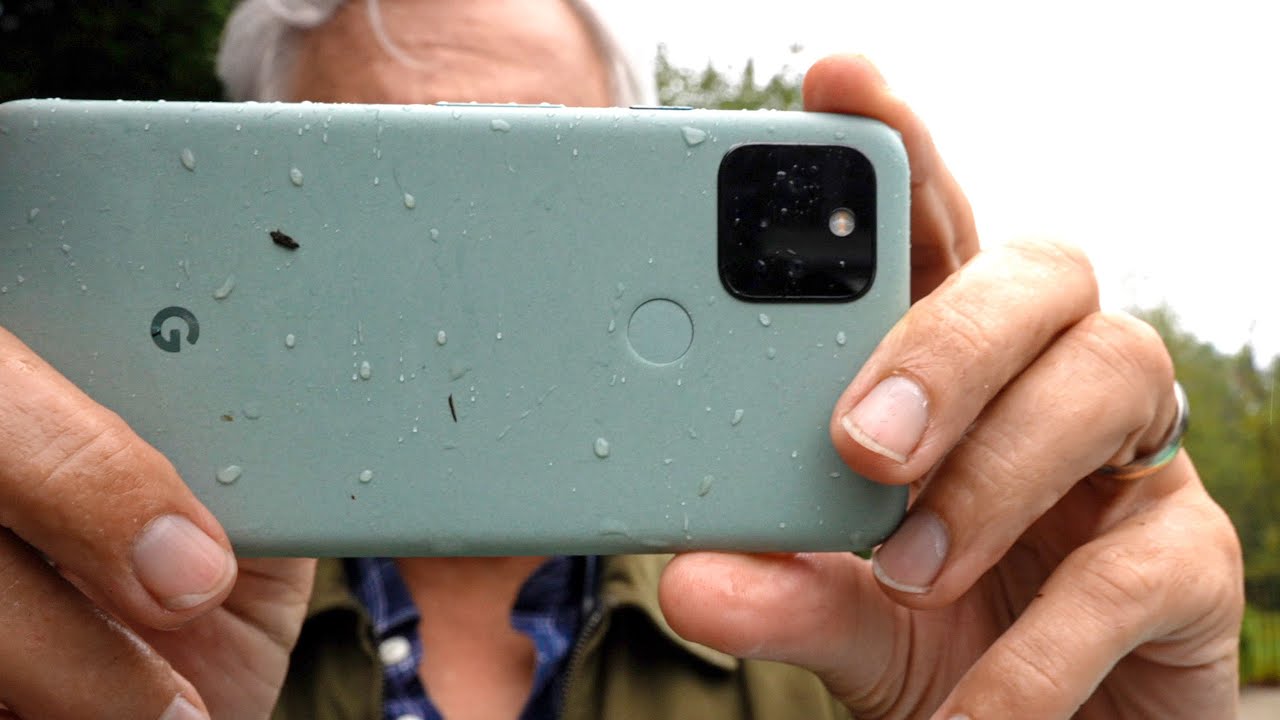
I run my whole content operation on the idea that the price tag on your gear matters a lot less than how well you understand what it can and can’t do. That philosophy got put to the test when Google sent Tony and Chelsea Northrup a Pixel 5 to review. At $700, it sits in an interesting spot: not a bargain-bin phone, but nearly $400 cheaper than the iPhone 12 Pro Max that launched around the same time.

Five Photographers Redefining Their Craft (And Why Their Gear Choices Matter)

Five Photographers Redefining Their Craft (And Why Their Gear Choices Matter)

Five Photographers Redefining Their Craft (And Why Their Gear Choices Matter) I recently had the chance to spend time with a diverse group of photographers and videographers at Sony’s Kando event in Vermont. Here’s the thing: while everyone loves talking about the latest camera body or lens announcement, the real story isn’t about new gear—it’s about what people are actually doing with the tools they already have. That’s what made this gathering genuinely refreshing.

5 Pieces of Photography Gear That Actually Earn Their Keep (And One Is Under $100 Used)

5 Pieces of Photography Gear That Actually Earn Their Keep (And One Is Under $100 Used)

I’ll be straight with you: I’m suspicious of gear lists. Most of them are just wishlists dressed up as advice, full of $3,000 lenses that nobody asking the question can actually afford. So when I watched Adam’s recent video over at First Man Photography, I wasn’t expecting much. What I got instead was a genuinely honest breakdown of five things he’s actually used, not just unboxed, over the past year or more.

How Tony & Chelsea Northrup Recreated Girl With a Pearl Earring (And What Every Portrait Shooter Can Steal From It)

How Tony & Chelsea Northrup Recreated Girl With a Pearl Earring (And What Every Portrait Shooter Can Steal From It)

I spend a lot of my time thinking about constraints. Budget constraints, gear constraints, time constraints. What I don’t think about enough is using art as a creative constraint, and that’s exactly what flipped a switch for me when I watched this tutorial. There’s a specific problem portrait photographers run into constantly: shooting something that looks intentional rather than accidental. Replicating a painting forces every decision to have a reason. The angle of light, the color of fabric, the tilt of the head.

The Canon 5DS/5DSR for Wildlife: 50 Megapixels Sounds Amazing Until You Actually Think It Through

The Canon 5DS/5DSR for Wildlife: 50 Megapixels Sounds Amazing Until You Actually Think It Through

I’ll be honest - when Canon dropped the 5DSR with 50 megapixels and no anti-aliasing filter, my first instinct was to add it to a wishlist. More megapixels for wildlife cropping? That sounds like exactly the kind of upgrade that changes everything. But I’ve learned the hard way that specs on paper have a way of falling apart when you’re standing in a field at 5am waiting for an osprey to move.

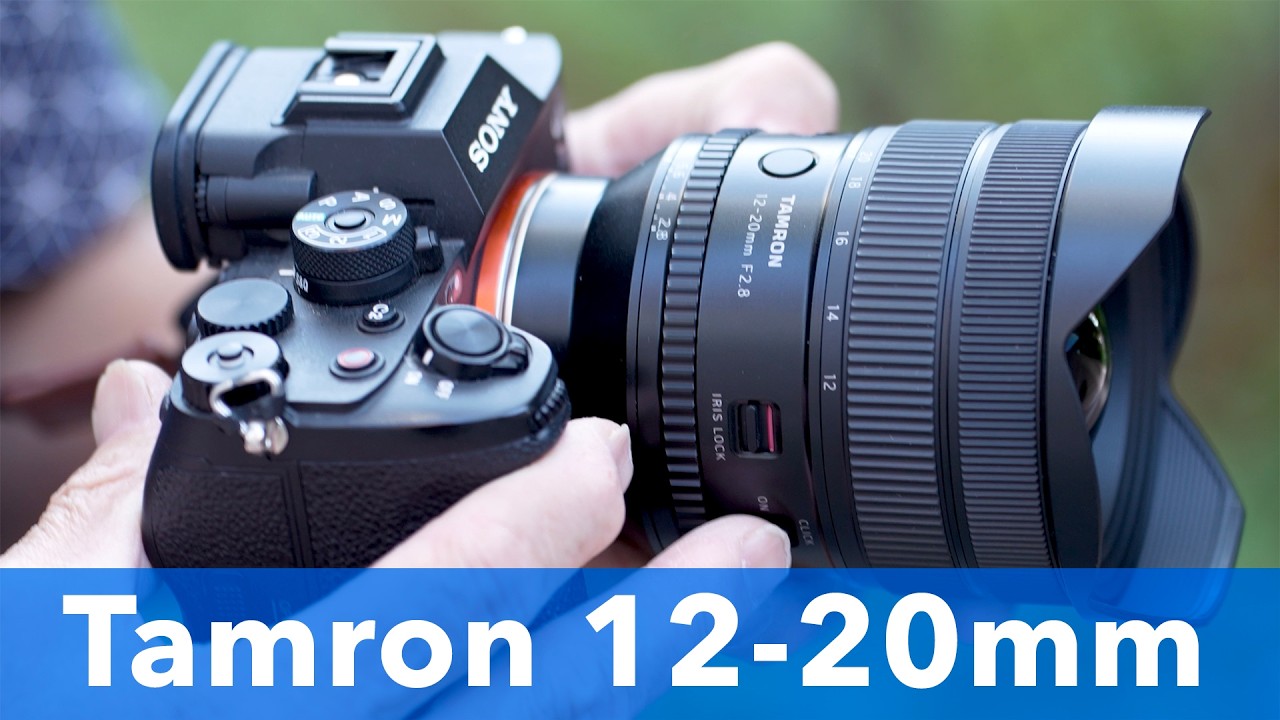
Tamron's 12-20mm f/2.8 Is the Wide-Angle Zoom I've Been Waiting For (And It Won't Break You)

Tamron's 12-20mm f/2.8 Is the Wide-Angle Zoom I've Been Waiting For (And It Won't Break You)

Every time I start pricing out ultra-wide lenses for a landscape or astro shoot, I end up closing seventeen browser tabs in frustration. The options under $1,000 are either optically soft, plasticky, or so stripped of controls that you’re basically buying a fixed aperture kit lens with a fancy name. The options over $1,000 are great, obviously, but spending that kind of money on a specialty focal length that lives in your bag for maybe 20% of your shoots is a hard sell when you’re trying to run a lean kit.

Apple's New Mac Mini and Mac Studio: More Power, Less Value for Photographers

Apple's New Mac Mini and Mac Studio: More Power, Less Value for Photographers

Apple’s New Mac Mini and Mac Studio: More Power, Less Value for Photographers I’ll be direct: I’m not thrilled about Apple’s latest desktop pricing, and neither should you be if you’re a photographer watching your budget. The new Mac Mini and Mac Studio both landed with faster chips—the M4 and M4 Pro/Max respectively. On paper, they’re genuinely better machines. Faster rendering, quicker exports, smoother Lightroom workflows. If you’re sitting in front of a three-year-old Mac, the performance jump is real.

Apple's M6 Mac Mini and Studio: Powerful Processors, Painful Price Tags

Apple's M6 Mac Mini and Studio: Powerful Processors, Painful Price Tags

The Specs Are Impressive. The Prices? Not So Much. I’ve been watching Apple’s desktop lineup for years, and I have to be honest: the new M6 chips powering the refreshed Mac Mini and Mac Studio are genuinely impressive pieces of engineering. They’re faster, more capable, and better equipped to handle the kinds of computational tasks that creative professionals—including photographers—rely on daily. But here’s where I have to pump the brakes: these machines have lost their value proposition.

The One-Knob Trick That Makes Camera Mounting Actually Fast (Magic Arm Breakdown)

The One-Knob Trick That Makes Camera Mounting Actually Fast (Magic Arm Breakdown)

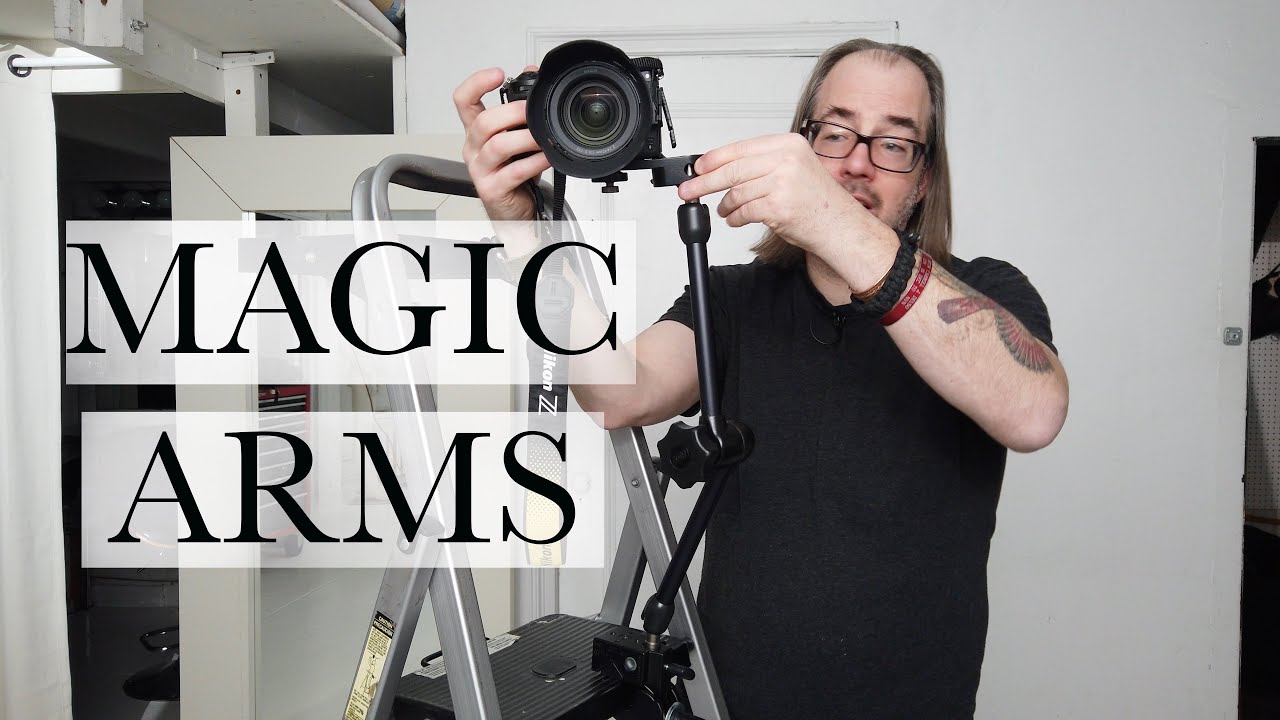
I’ve wasted more minutes than I want to admit fussing with articulating arms that have a separate knob at every joint. You loosen one, adjust, tighten, realize the angle is still wrong, loosen the next one, repeat. By the time the camera is where you want it, the light has changed or your subject has moved on. It’s one of those friction points in a shoot that feels small until it costs you a shot.

Macro Photography With Dedicated Gear: What Actually Changes When You Level Up

Macro Photography With Dedicated Gear: What Actually Changes When You Level Up

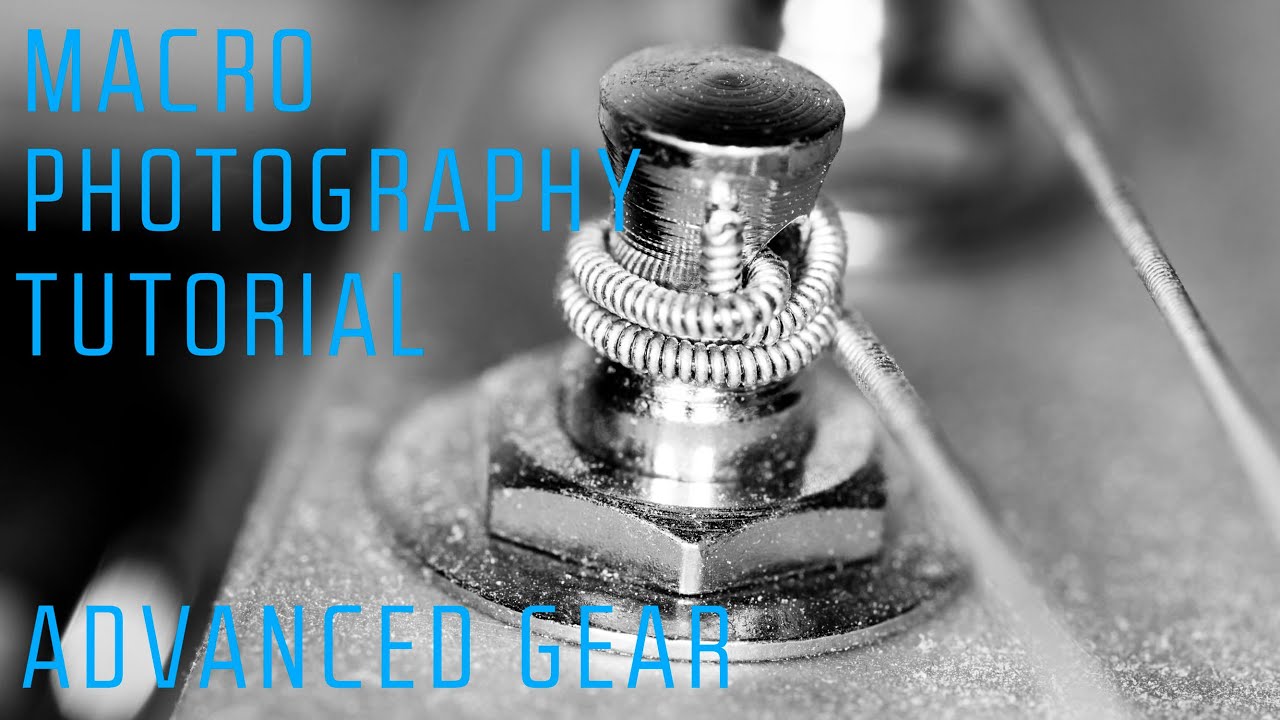
Macro photography has a reputation for being fussy, and honestly, it earns that reputation. Getting sharp, well-lit images of tiny subjects is genuinely hard, and most beginner tutorials gloss over the part where everything falls apart in practice: the depth of field becomes razor thin, your on-camera flash is physically blocked by your own lens, and your autofocus just gives up entirely. I ran into every one of those walls before I started digging into tutorials that actually addressed the gear side of the problem directly.

One Camera, One Lens, No Bag: Scott Kelby's Japan Strategy Proves Minimalism Wins

One Camera, One Lens, No Bag: Scott Kelby's Japan Strategy Proves Minimalism Wins

There’s a version of travel photography that requires a rolling carry-on full of bodies, lenses, filters, and backup batteries. I know that version well because I spent about two years convinced it was the only way to come home with serious images. Then I watched photographers I respected keep showing up with one small bag and leaving with better shots than mine. The math stopped adding up. In this KelbyOne tutorial, Scott Kelby walks through an entire Japan expedition and the gear list is almost offensively short: one mirrorless camera, one lens, and an iPhone.