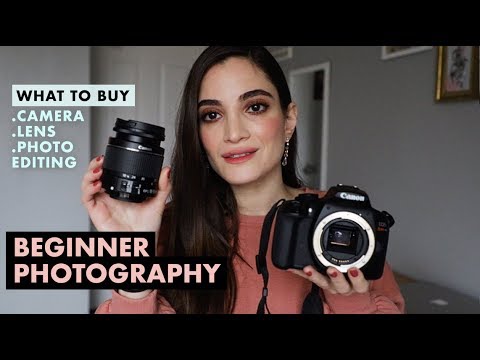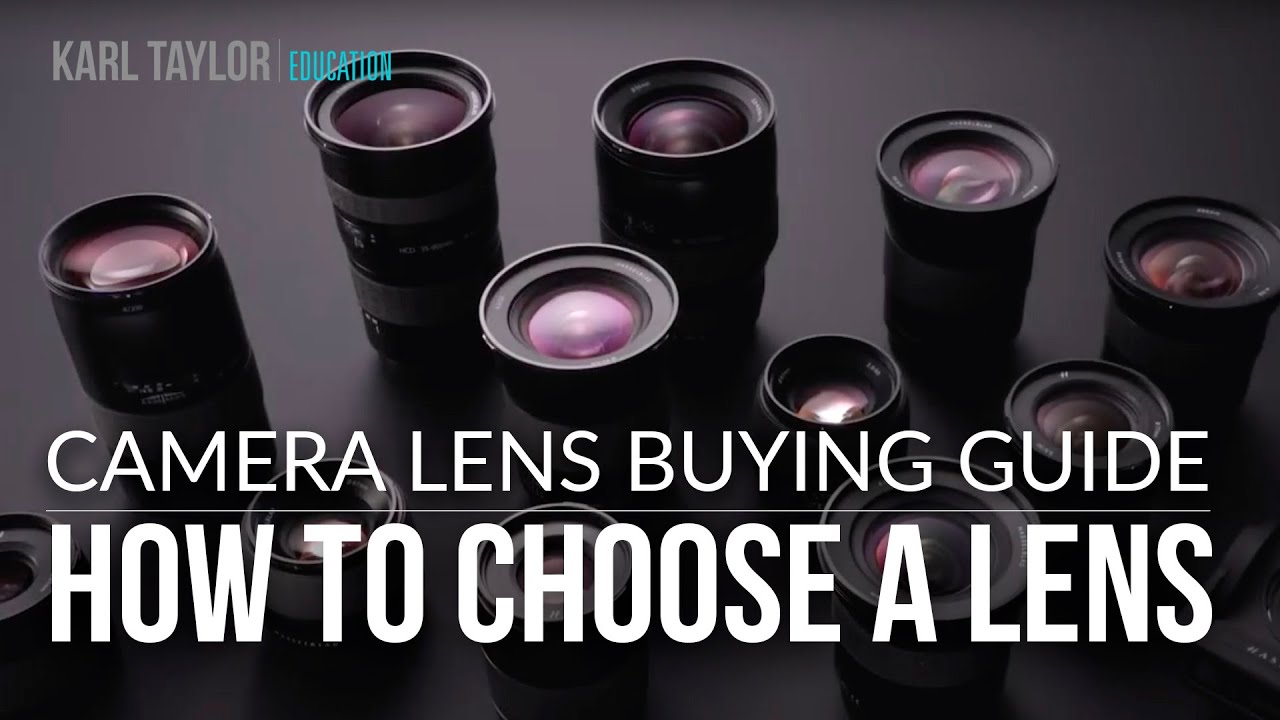
The First Lens Every Beginner Should Actually Buy (And the Reasoning That Changes Everything)

The First Lens Every Beginner Should Actually Buy (And the Reasoning That Changes Everything)

I spent an embarrassing amount of time early on convinced that the right lens was just a matter of budget. Scrape together enough money, buy the most versatile zoom you can find, done. What I didn’t understand was that “versatile” means completely different things depending on how you shoot, and buying the wrong first lens doesn’t just waste money, it actively slows down how fast you learn to see like a photographer.

How to Pack a Travel Photography Bag That Actually Works (Without Overpacking)

How to Pack a Travel Photography Bag That Actually Works (Without Overpacking)

Every time I prep for a trip, I waste at least an hour second-guessing my gear. Do I need the extra lens? Is this tripod too heavy? Can I get away with just one camera body? I’ve been guilty of showing up to shoot a weekend trip with a bag so heavy my shoulders hated me by noon. That’s the real problem with travel photography gear advice — most of it is written by people who aren’t actually carrying the bag all day.

Your Photos Aren't Bad — Your Composition Awareness Is (Here's How to Fix It)

Your Photos Aren't Bad — Your Composition Awareness Is (Here's How to Fix It)

There’s a specific kind of disappointment I know too well: you’re out shooting, the light is perfect, the subject is right there, and you feel like you’re absolutely nailing it. Then you get home, pull the images up on your monitor, and something is just… off. The photo doesn’t land. You can’t quite explain why, but it doesn’t work. For a long time I chalked this up to gear. Different lens, maybe.

Get More Out of Your Wide Angle Lens: A Step-by-Step Guide to Shooting Like a Landscape Pro

Get More Out of Your Wide Angle Lens: A Step-by-Step Guide to Shooting Like a Landscape Pro

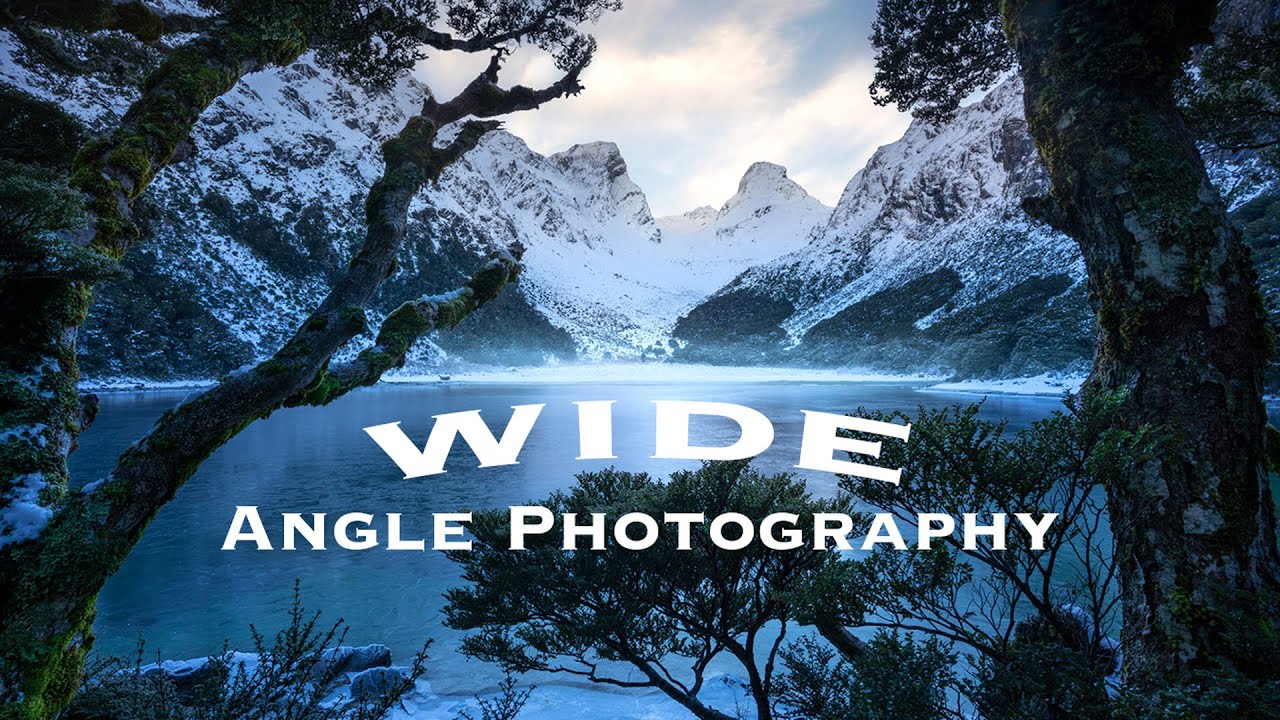
I’ll be honest: wide angle lenses have a reputation for being “easy” because they fit so much in the frame. Point them at a big landscape, click, done. Except that’s exactly the wrong way to use them, and it took me longer than I’d like to admit to figure that out. When I was starting out with a budget ultra-wide zoom, my landscape shots looked flat and lifeless even though I was standing in front of genuinely beautiful scenery.

Ditch the Kit Lens: Why a $125 Fifty is the First Upgrade Every New Shooter Needs

Ditch the Kit Lens: Why a $125 Fifty is the First Upgrade Every New Shooter Needs

I started with a $300 camera kit and shot a wedding that ended up published in a local magazine. The camera wasn’t special. The kit lens wasn’t special. But somewhere between that gig and the next hundred shoots, I learned the one swap that changes everything for new photographers, and it has nothing to do with buying a better camera body. In this Pierre T. Lambert tutorial, he lays out the exact same lesson in a way that I genuinely wish someone had handed me on day one: swap the kit zoom for a cheap 50mm prime and watch your photos get better almost overnight.

Vision First, Gear Second: What Joel Grimes Got Me Thinking About Great Photography

Vision First, Gear Second: What Joel Grimes Got Me Thinking About Great Photography

I got into gear reviewing because I kept obsessing over prices instead of actually shooting. Spreadsheets, deal alerts, five tripods under fifty bucks lined up in my Denver apartment like some kind of budget photographer’s science experiment. I know gear. I can tell you the sharpest lens under $200 and which brands are worth watching on sale days. But here’s the thing I had to learn the hard way: none of that matters if you haven’t figured out what you’re actually trying to say with a photograph.

What Lens Should You Actually Buy? Breaking Down Mango Street's No-BS Q&A

What Lens Should You Actually Buy? Breaking Down Mango Street's No-BS Q&A

I’ve spent more hours researching lenses than I care to admit. Before I even touch breakfast, I’m usually knee-deep in price trackers and forum threads trying to figure out whether a deal is real or just marketing noise. So when Mango Street dropped a mega Q&A covering everything from bokeh settings to whether beginners should trust autofocus, I watched it twice and took notes. Not because it’s flashy, but because it cuts through the kind of overthinking that keeps new photographers from actually buying something and going out to shoot.

Stop Waiting Until Your Gear Is Good Enough — The World Needs Your Art Now

Stop Waiting Until Your Gear Is Good Enough — The World Needs Your Art Now

There is a specific kind of paralysis that hits a lot of photographers I know, and honestly, it hit me hard in my early years. You keep telling yourself you will start sharing your work when the lens is sharper, when the editing is cleaner, when you finally understand light the way the pros do. I shot a wedding on a $300 kit that ended up in a local magazine, and even after that, I still caught myself hesitating to post street shots because the noise at ISO 3200 bothered me.

Stop Waiting for the Perfect Gear—Budget Equipment That Actually Works

Stop Waiting for the Perfect Gear—Budget Equipment That Actually Works

Stop Waiting for the Perfect Gear—Budget Equipment That Actually Works I’m going to be direct: the photography industry is built on making you feel like your gear isn’t good enough. It’s exhausting, and it’s mostly nonsense. I’ve spent the last six months intentionally shooting with budget equipment—not as a challenge or a stunt, but because I wanted to answer a real question: What’s the actual minimum you need to take great photos?