The Viltrox 35mm f/1.2 Is Half the Price of Sony's Version — Here's What It Actually Delivers

The Viltrox 35mm f/1.2 Is Half the Price of Sony's Version — Here's What It Actually Delivers

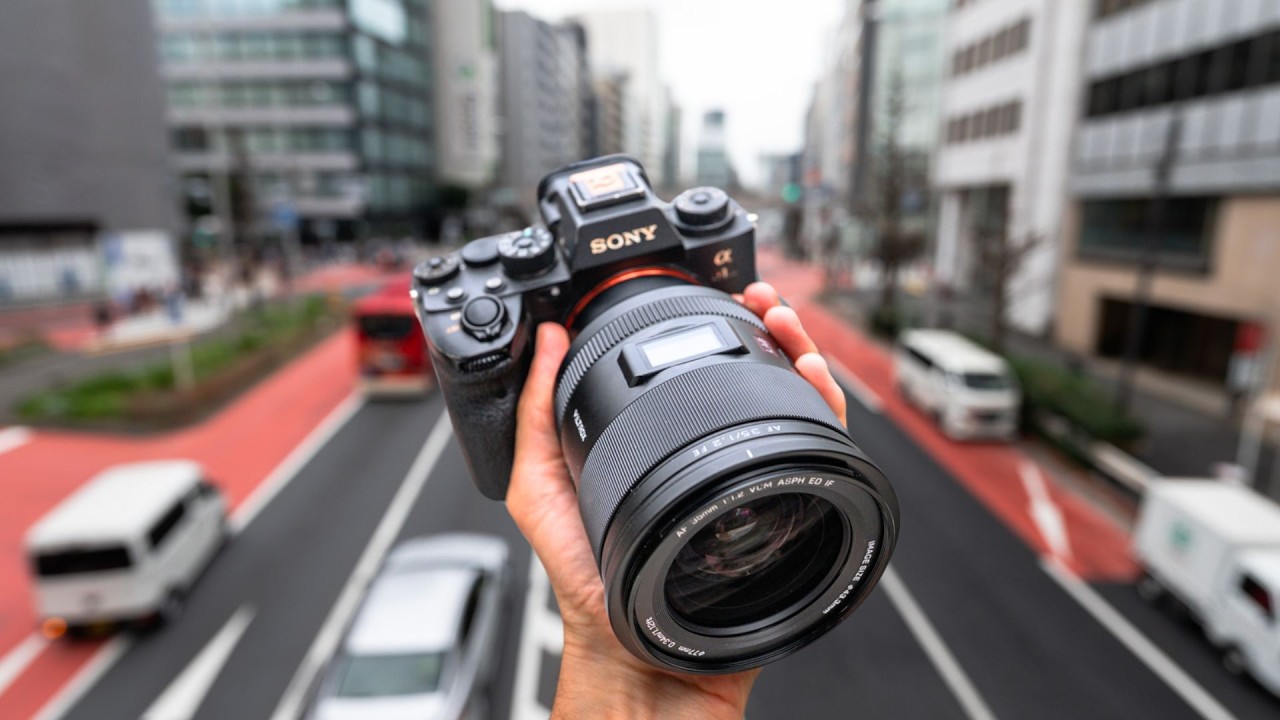
I’ve got a spreadsheet with every budget lens I’ve ever tested, and the column I always sort by first is “value vs. flagship equivalent.” That single ratio has saved me — and plenty of readers — from spending money they didn’t need to spend. So when I came across Pierre T. Lambert’s hands-on field test of the Viltrox 35mm f/1.2, I paid close attention. Pierre is a travel and adventure photographer who shoots in real conditions, not just a controlled studio, which means his opinion carries actual weight.
I Tested a $70 Budget Lens So You Don't Have To (Here's the Honest Verdict)

I Tested a $70 Budget Lens So You Don't Have To (Here's the Honest Verdict)

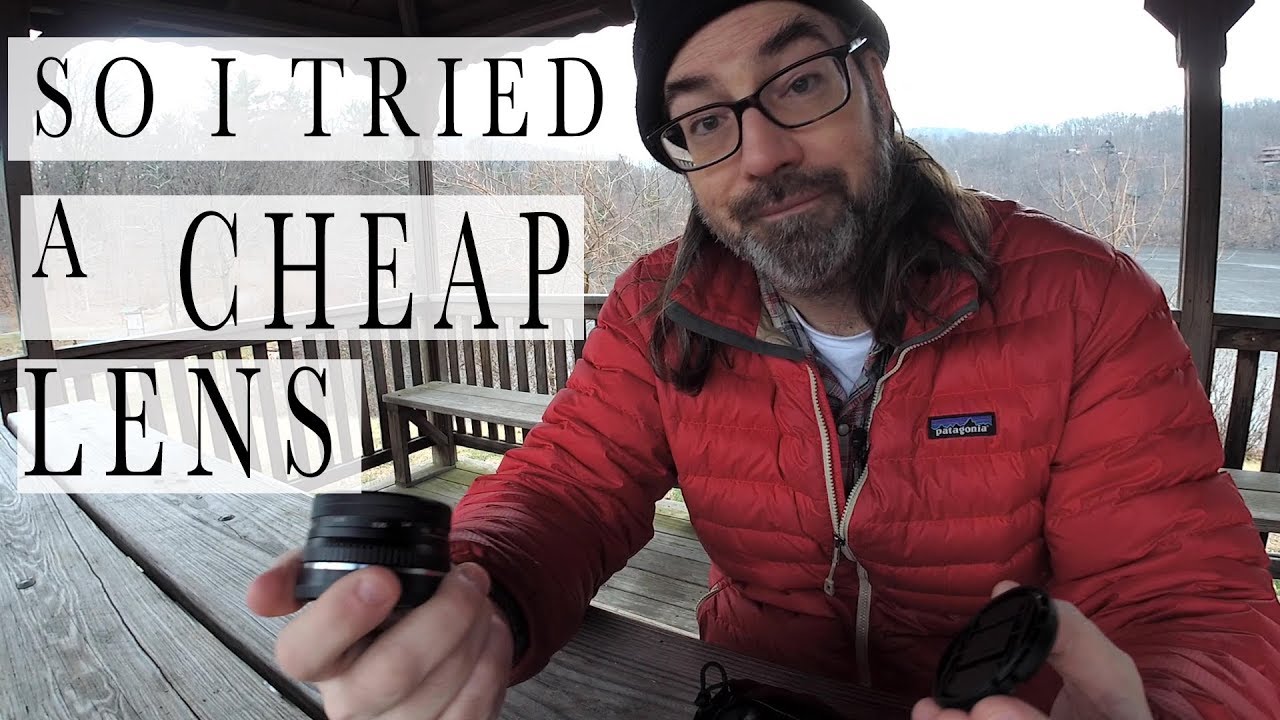
There’s a conversation that keeps coming up in photography communities, and I’m tired of watching it go sideways. Someone asks about budget gear, someone else fires back that cheap glass ruins shots, and nobody walks away with anything useful. What actually cuts through the noise is a working professional picking up a cheap lens, mounting it on a real camera, and shooting a real job with it. That’s exactly what happens in this Daniel Norton Photographer tutorial, and the results are worth paying attention to whether you’re a working shooter trying to stretch a tight kit budget or just curious where the floor is on usable glass.

The First Lens Every Beginner Should Actually Buy (And the Reasoning That Changes Everything)

The First Lens Every Beginner Should Actually Buy (And the Reasoning That Changes Everything)

I spent an embarrassing amount of time early on convinced that the right lens was just a matter of budget. Scrape together enough money, buy the most versatile zoom you can find, done. What I didn’t understand was that “versatile” means completely different things depending on how you shoot, and buying the wrong first lens doesn’t just waste money, it actively slows down how fast you learn to see like a photographer.

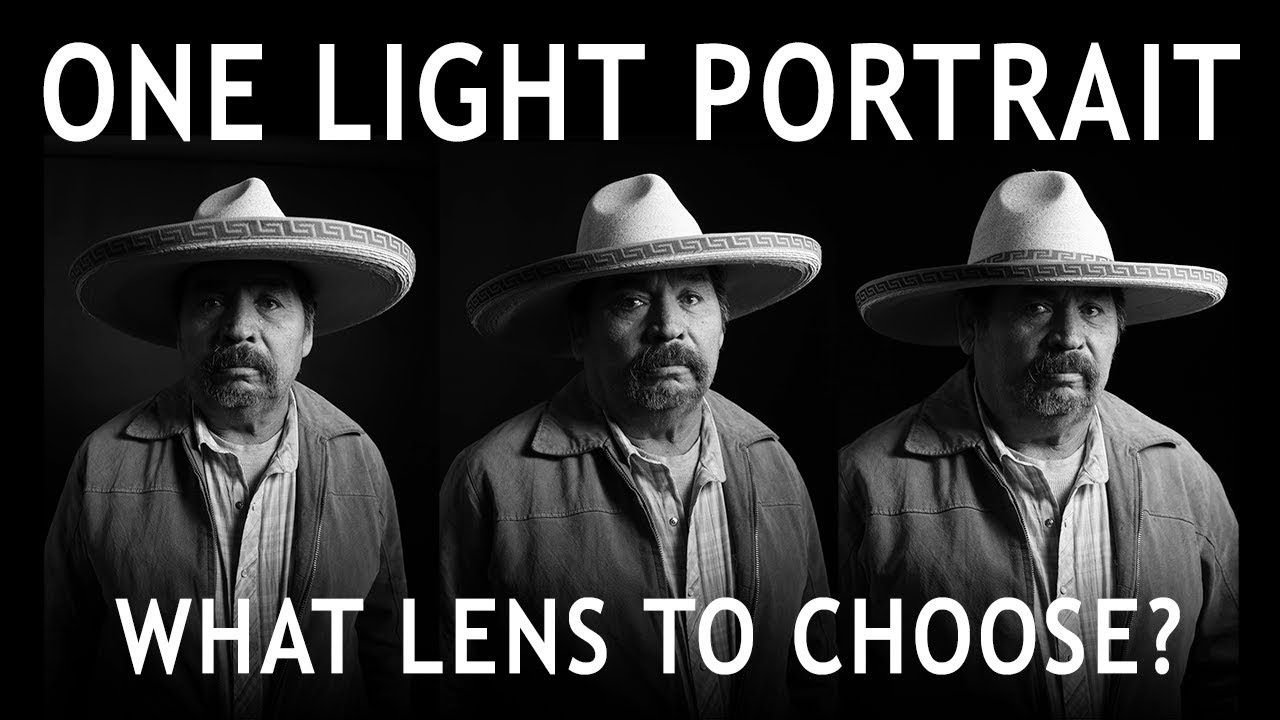
Which Lens Actually Wins for One-Light Portraits? A Breakdown of The Slanted Lens Tutorial

Which Lens Actually Wins for One-Light Portraits? A Breakdown of The Slanted Lens Tutorial

I’ve tested more budget lenses than I care to admit - there’s literally a spreadsheet on my desktop right now with 34 entries. But for a long time, I defaulted to whatever was in my bag without really thinking hard about why a specific focal length was the right call for a portrait session. That changed when I started paying closer attention to how focal length shapes the face, not just the frame.

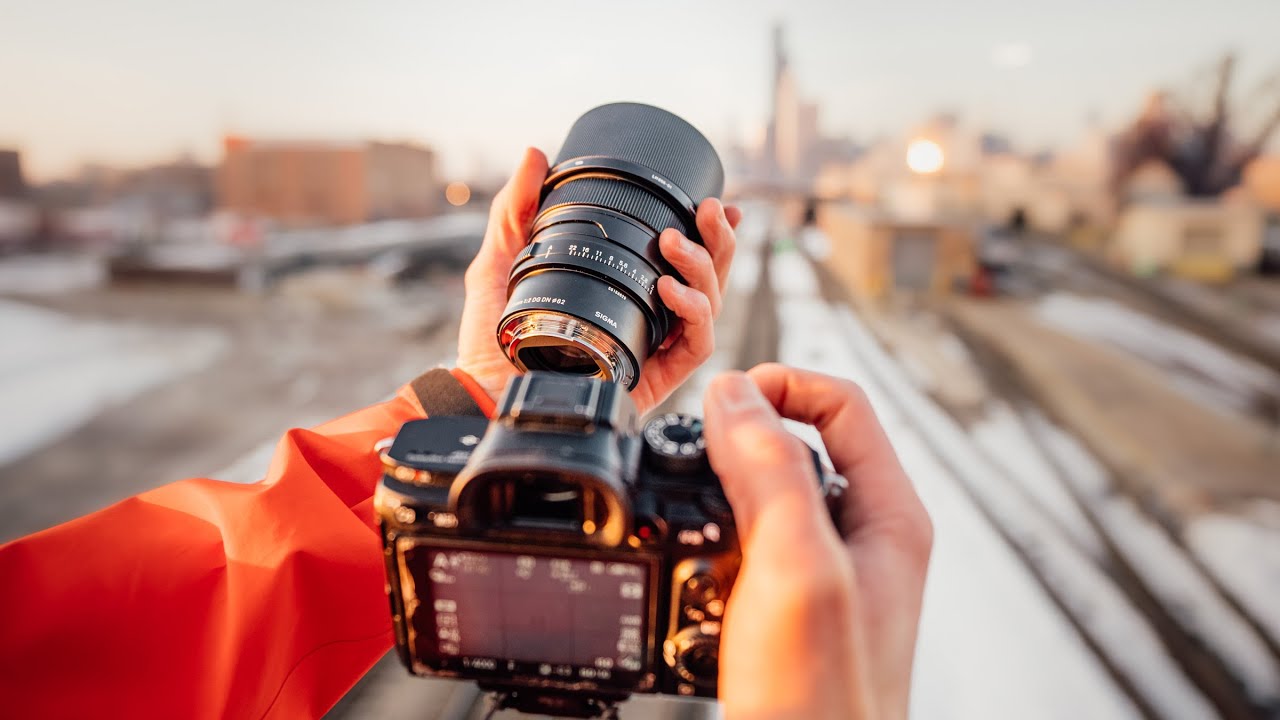
What Shooting Street With the Sigma 65mm F/2 Actually Teaches You About Focal Length Gaps

What Shooting Street With the Sigma 65mm F/2 Actually Teaches You About Focal Length Gaps

There’s a gap in most photographers’ kits that nobody talks about until they’re standing on a street corner wishing they had something between their 35mm and their 85mm. I’ve been there more times than I want to admit. My spreadsheet of tested lenses has columns for focal length, max aperture, price per millimeter of reach (yes, really), and “gap filler” potential. The 65mm focal length almost never shows up in that spreadsheet, because most manufacturers skip it entirely.

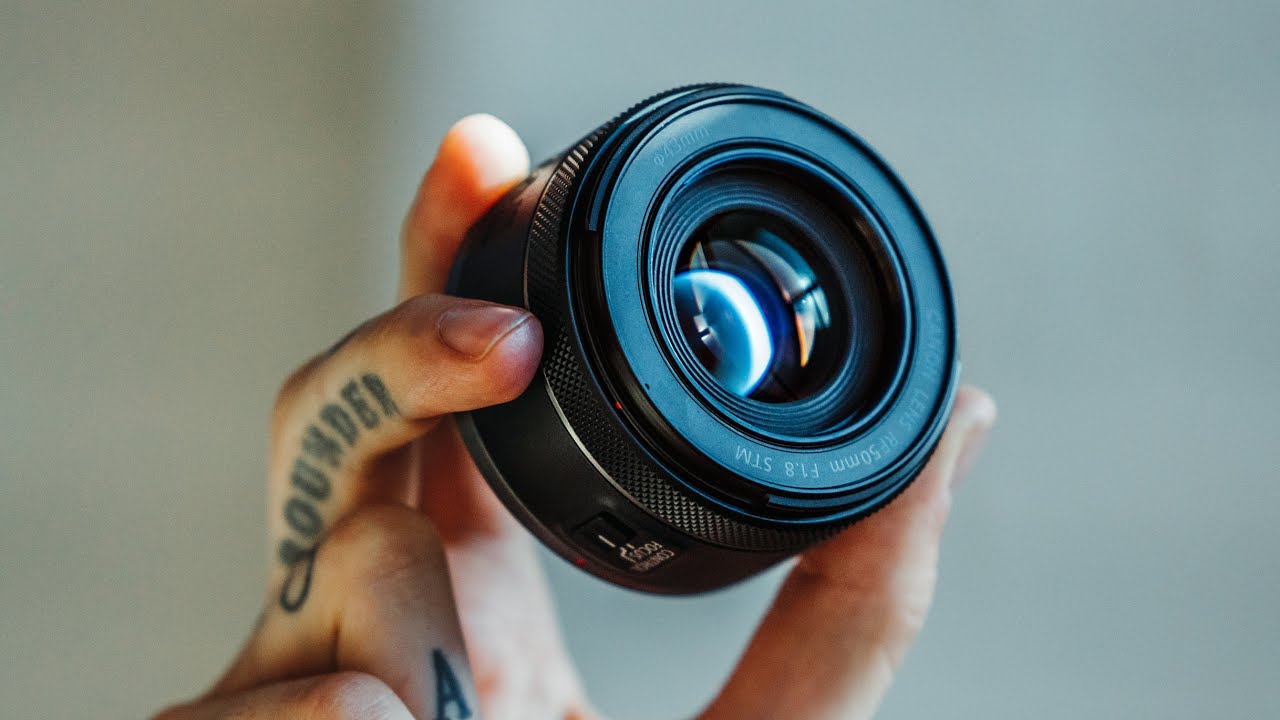
Canon RF 50mm f/1.8: The Budget Lens That Actually Delivers (And Why You Should Stop Waiting to Buy It)

Canon RF 50mm f/1.8: The Budget Lens That Actually Delivers (And Why You Should Stop Waiting to Buy It)

The question I get more than any other from people starting out is some version of “what lens should I buy next?” I’ve answered it so many times I almost have a script. But the honest answer is almost always the same one, and it has been for years: get a 50mm f/1.8. It’s the lens I wish someone had pushed me toward faster when I was shooting everything on a kit zoom and wondering why my photos looked flat.

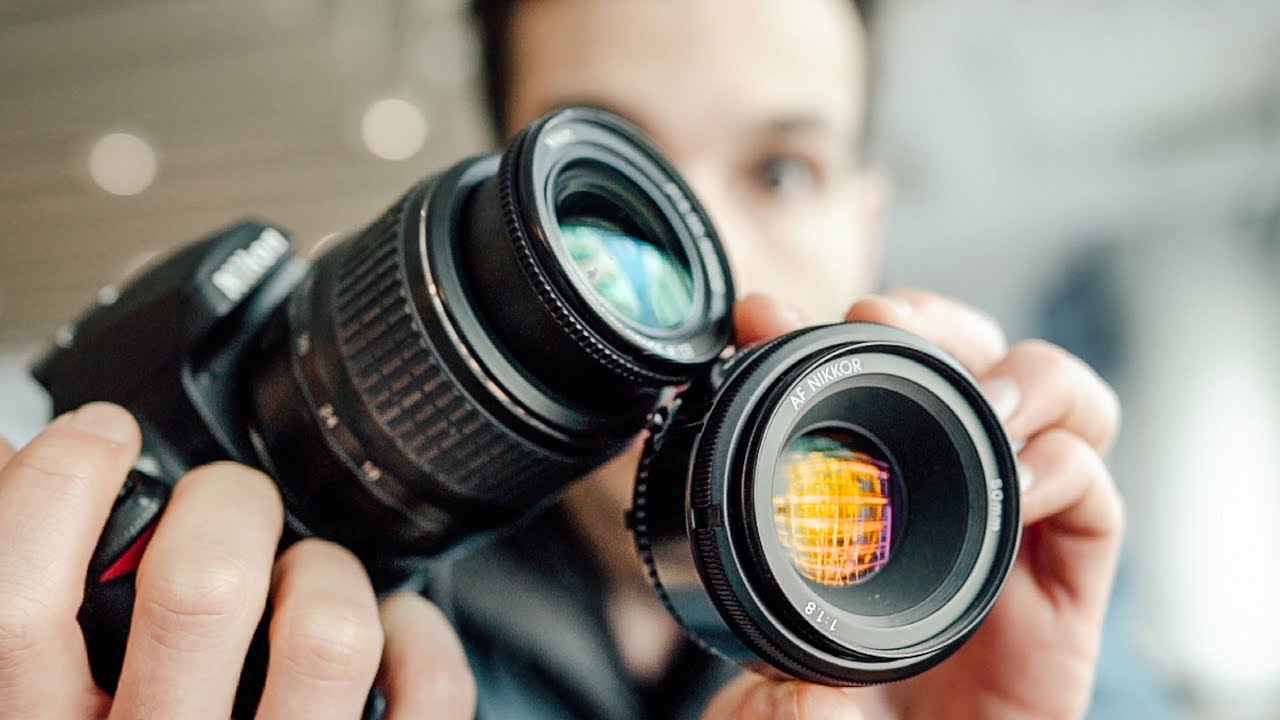
Ditch the Kit Lens: Why a $125 Fifty is the First Upgrade Every New Shooter Needs

Ditch the Kit Lens: Why a $125 Fifty is the First Upgrade Every New Shooter Needs

I started with a $300 camera kit and shot a wedding that ended up published in a local magazine. The camera wasn’t special. The kit lens wasn’t special. But somewhere between that gig and the next hundred shoots, I learned the one swap that changes everything for new photographers, and it has nothing to do with buying a better camera body. In this Pierre T. Lambert tutorial, he lays out the exact same lesson in a way that I genuinely wish someone had handed me on day one: swap the kit zoom for a cheap 50mm prime and watch your photos get better almost overnight.

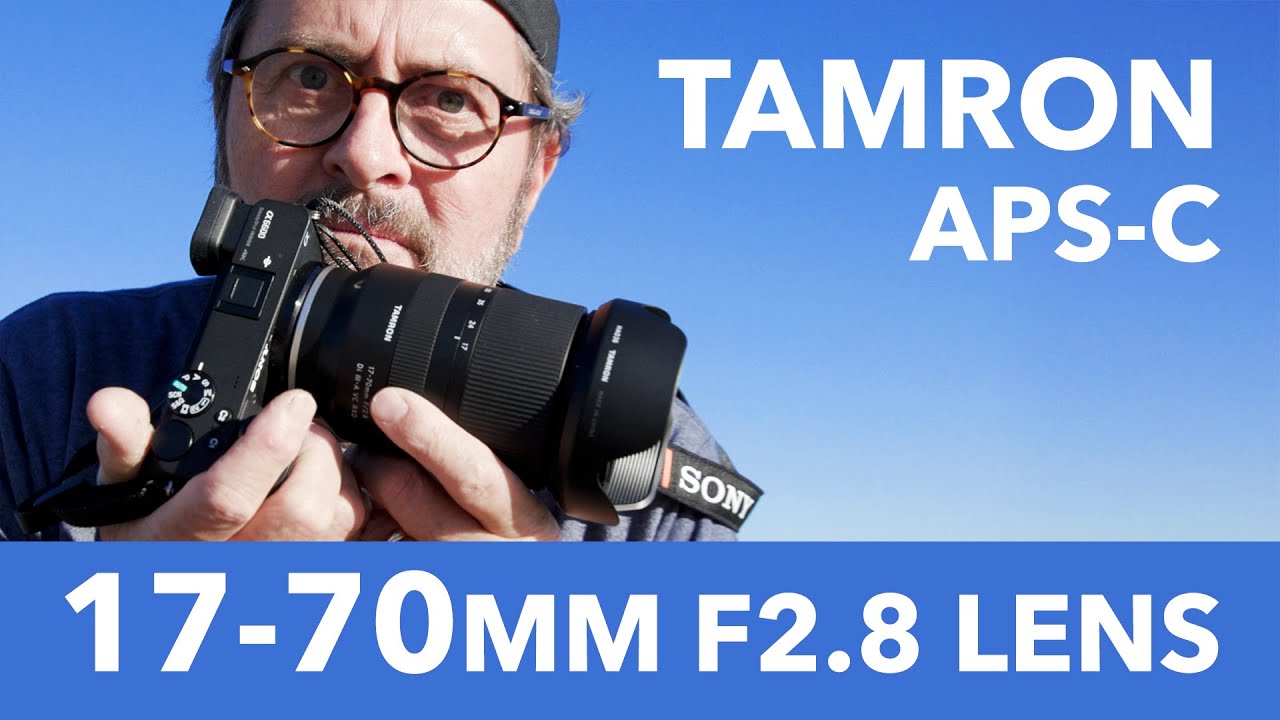
Tamron 17-70mm f/2.8 for Sony APS-C: Why This Zoom Might Be the Smartest Lens Buy Right Now

Tamron 17-70mm f/2.8 for Sony APS-C: Why This Zoom Might Be the Smartest Lens Buy Right Now

I keep a spreadsheet of every budget lens I’ve ever tested. Not because I’m obsessive (okay, maybe a little), but because the price-to-performance gap in this category changes fast and I want receipts when I tell someone what to buy. The question I get most from Sony APS-C shooters is always some version of: “Do I really need a dedicated crop-sensor lens, or can I just slap a full-frame lens on and call it a day?

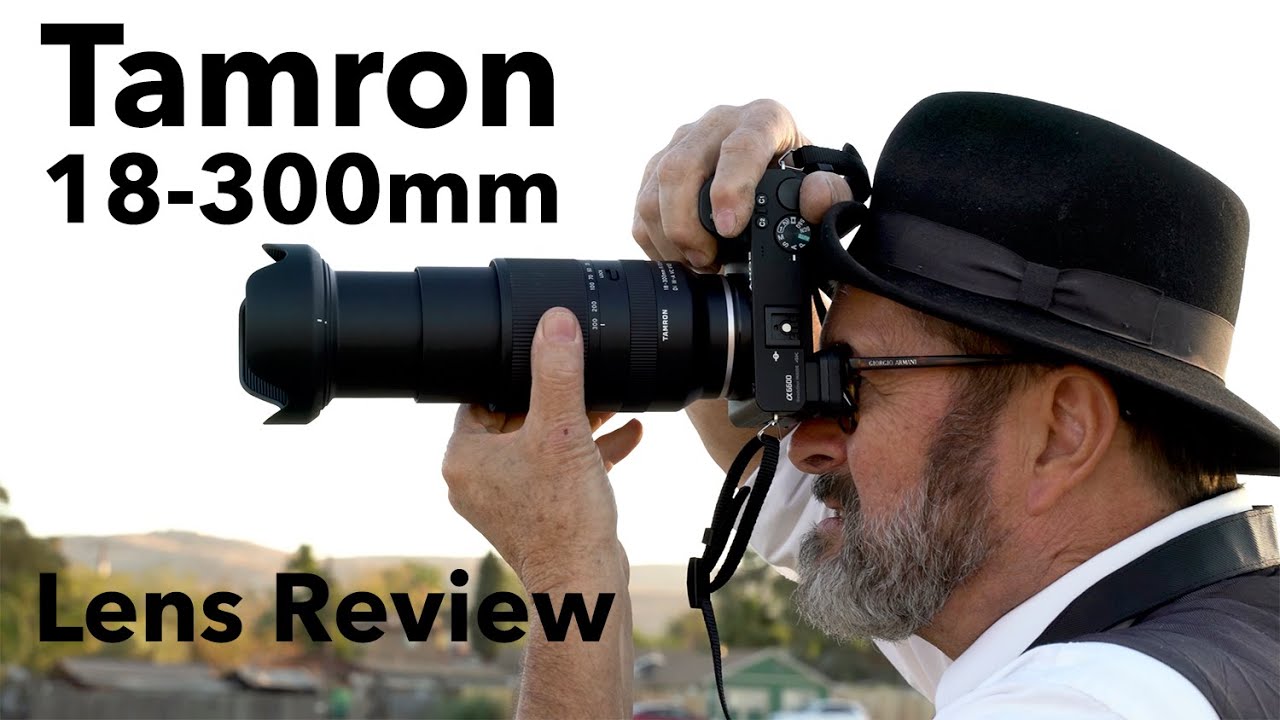
One Lens, Every Shot: Why the Tamron 18-300mm Might Be the Smartest Buy for APS-C Shooters

One Lens, Every Shot: Why the Tamron 18-300mm Might Be the Smartest Buy for APS-C Shooters

I’ll be honest: superzoom lenses have a reputation problem. Photographers who’ve spent years chasing prime sharpness tend to dismiss them as a compromise. But when you’re trying to cover a wide-open festival, portrait setups, street scenes, and low-light architecture all in the same afternoon, hauling a bag full of primes is its own kind of compromise. The question worth asking isn’t “is this lens perfect?” It’s “does this lens solve a real problem?

Joel Grimes' 5 Portrait Lenses Ranked — And the One Budget Pick That Outpunches Its Price Tag

Joel Grimes' 5 Portrait Lenses Ranked — And the One Budget Pick That Outpunches Its Price Tag

I’ve spent more hours than I care to admit arguing with myself over which lens to mount before a portrait session. The usual internet advice sends you straight toward an 85mm prime and a four-figure price tag, as if that’s the only path to a sharp, beautiful portrait. What actually moved the needle for me was watching working photographers talk through what’s actually sitting in their bags, not what’s on their wish list.

The $150 Lens That Beat My $600 Kit Glass (And Why I'm Not Surprised)

The $150 Lens That Beat My $600 Kit Glass (And Why I'm Not Surprised)

I ran a blind test at a local photography meetup last spring. Ten shots on a wall, five from a Sony a7 III with a $1,100 prime, five from a used Sony a6000 with a $149 Viltrox 56mm f/1.4. I asked everyone in the room to sort them by camera cost. Nobody got it right. One guy confidently pointed at a Viltrox shot and said, “That’s obviously the full-frame.” He was wrong.

Scott Kelby's Lens Picks Decoded: What Actually Matters for Every Photographer's Bag

Scott Kelby's Lens Picks Decoded: What Actually Matters for Every Photographer's Bag

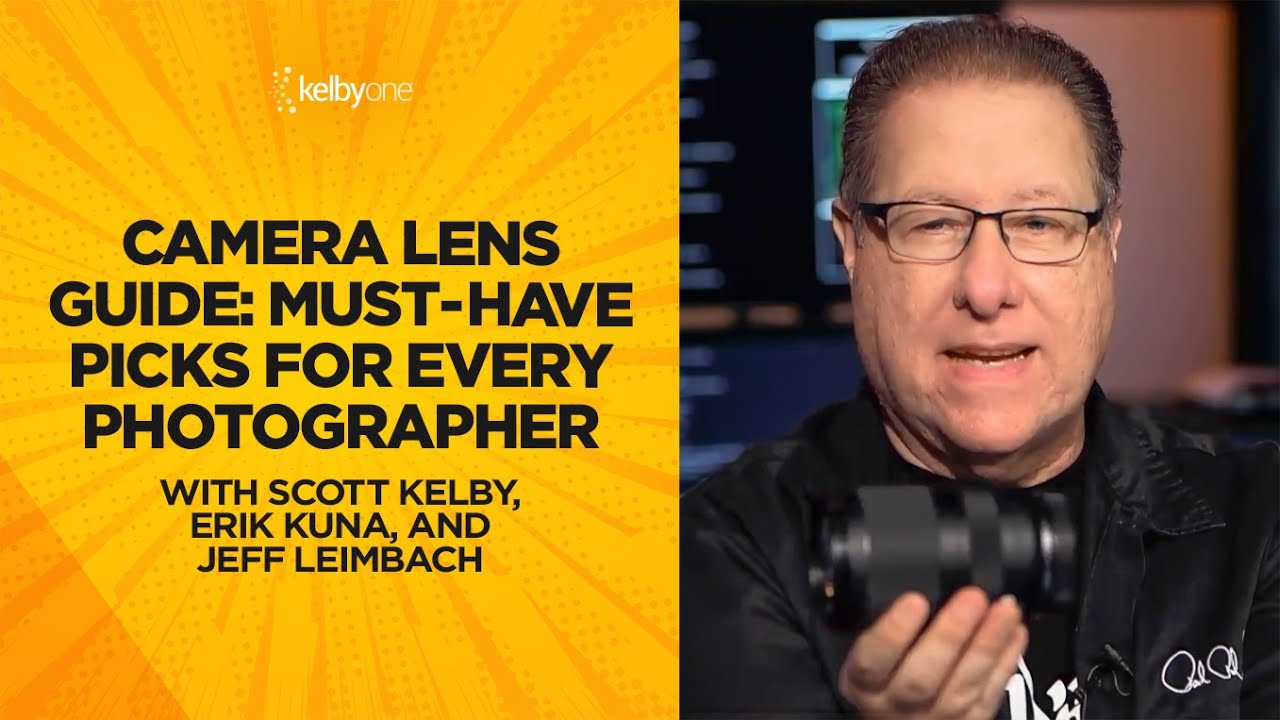
I’ve spent more hours than I care to admit building spreadsheets comparing lens specs, price-to-performance ratios, and street prices across Canon, Nikon, and Sony systems. So when a photographer like Scott Kelby sits down and just tells you what’s actually on his camera, not what’s theoretically optimal, I pay attention. In this KelbyOne tutorial, Kelby walks through the lenses he genuinely uses, lenses with worn-off labels and frequent flyer miles, and the reasoning is surprisingly practical for anyone trying to build a lean, functional kit.