Wide Lens Landscape Shooting in Snow: What This New Zealand Winter Scene Teaches About Light, Framing, and Patience

Wide Lens Landscape Shooting in Snow: What This New Zealand Winter Scene Teaches About Light, Framing, and Patience

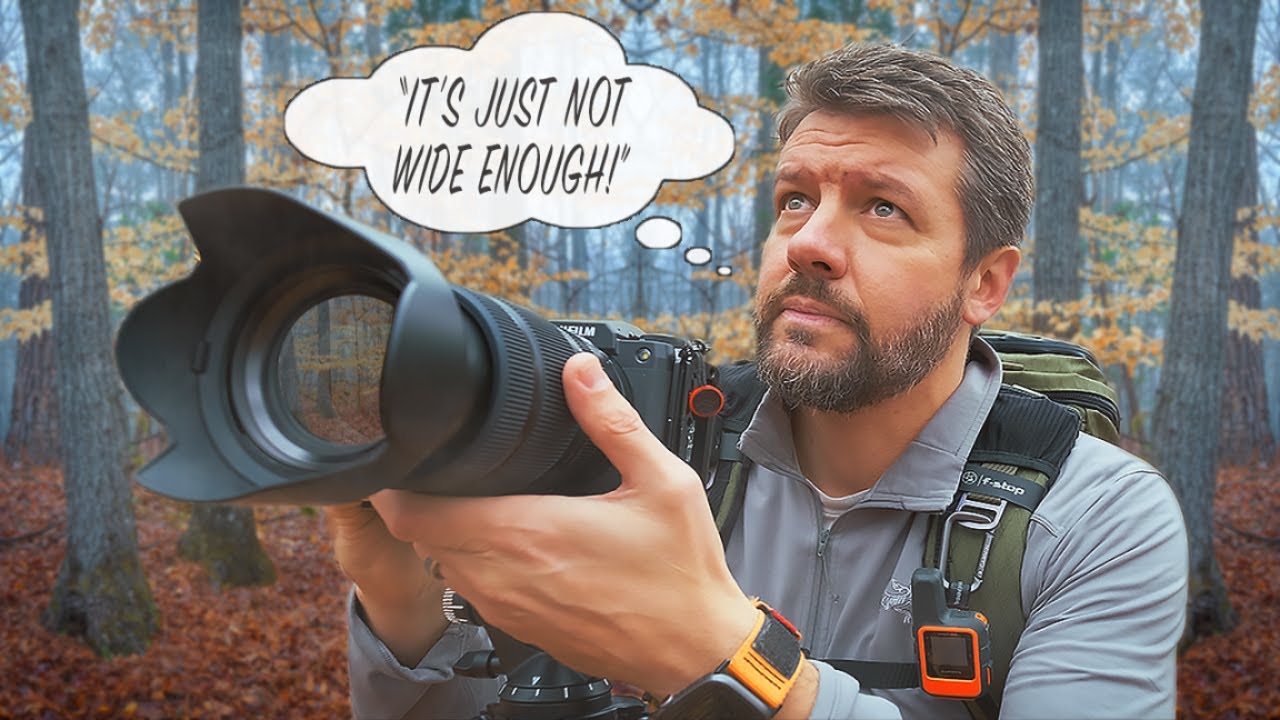
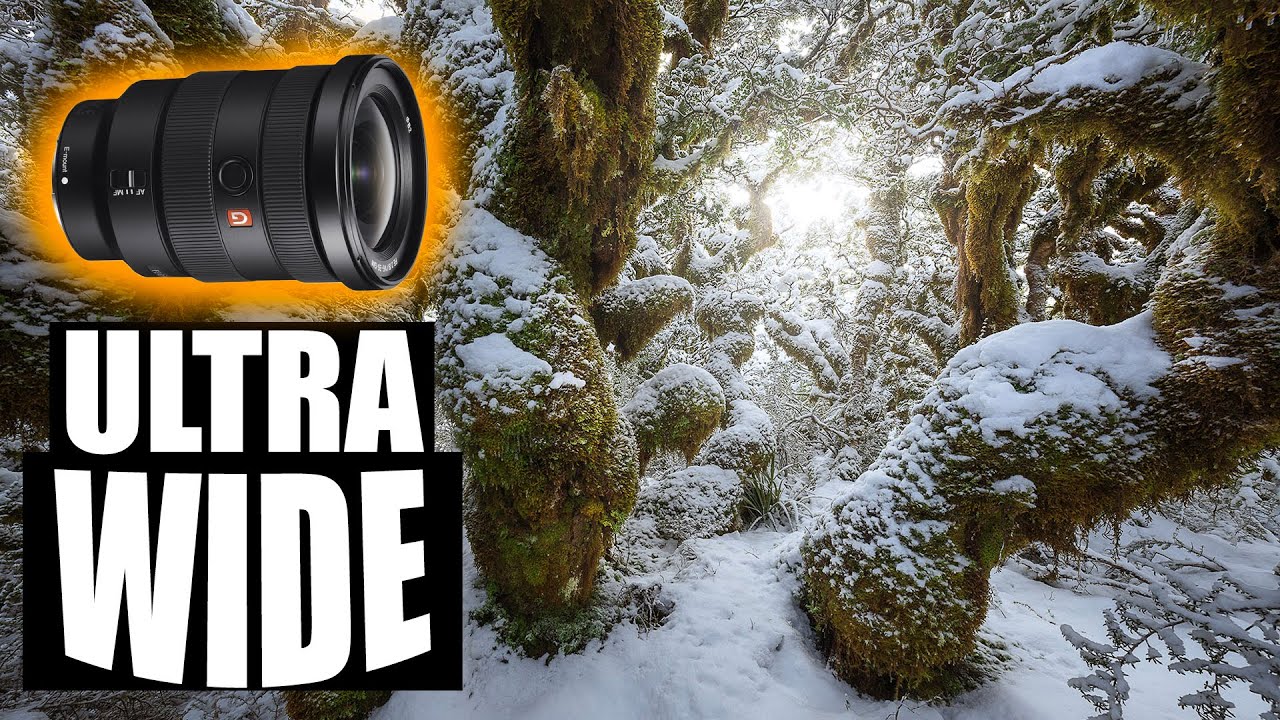
Wide lenses punish lazy composition. That’s the honest truth I’ve had to sit with since I started doing serious landscape work. A telephoto can compress a mediocre scene into something that looks intentional. A wide lens at 16mm in a forest full of snow-covered trees will expose every weak framing decision you make. So when I came across a tutorial that spends real time in a real winter environment showing how to think through wide-angle landscape shots, I paid attention.

How to Actually Use a Telephoto Lens for Landscape Photography (Without Wasting Its Best Features)

How to Actually Use a Telephoto Lens for Landscape Photography (Without Wasting Its Best Features)

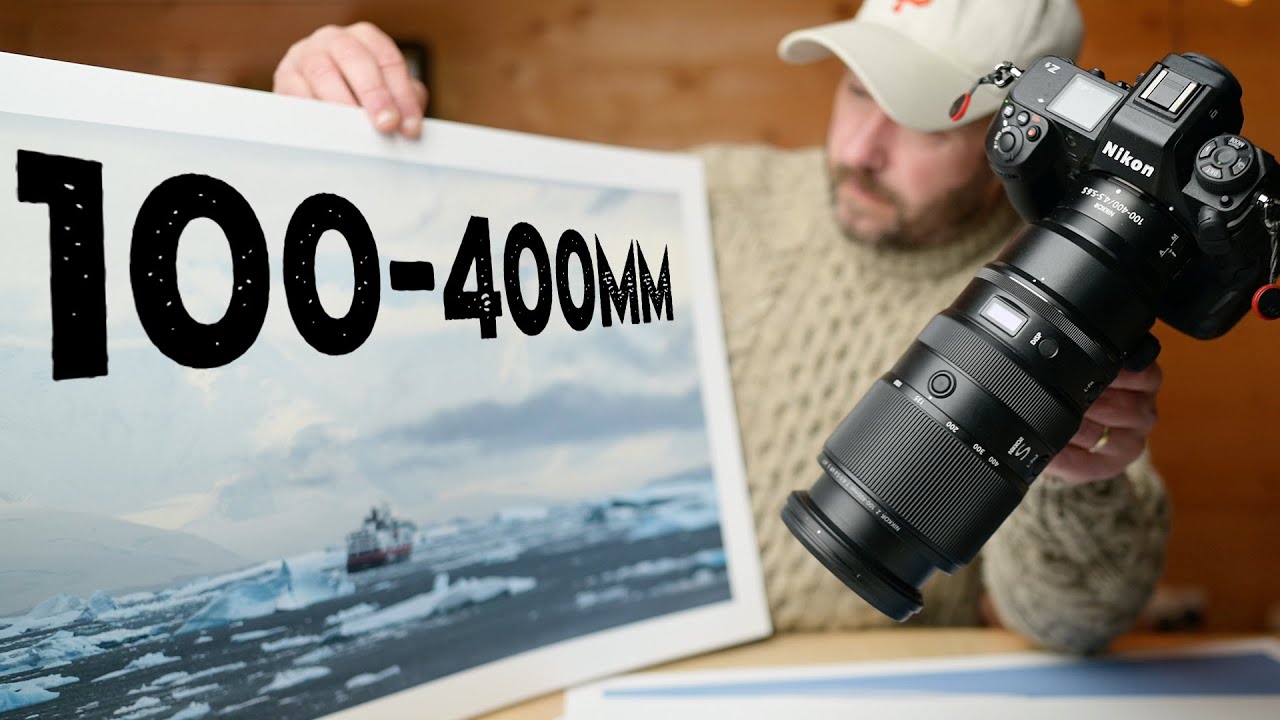
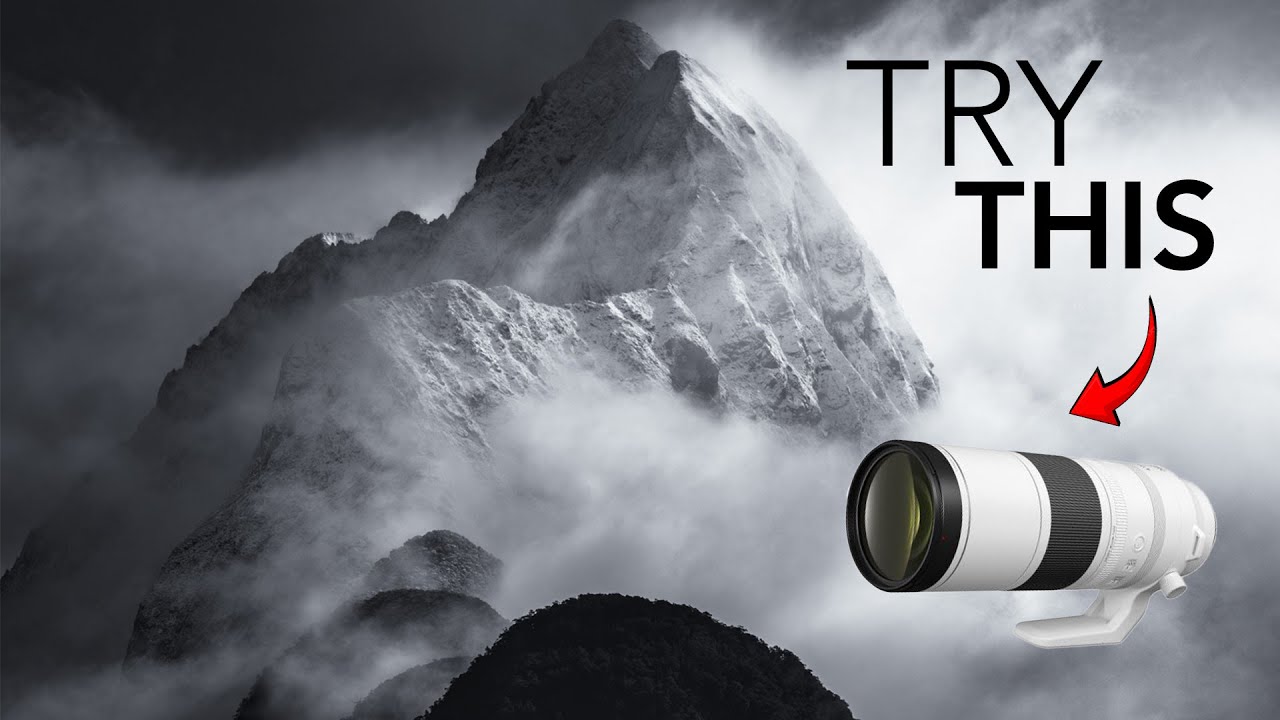
I came up through the budget-gear world convincing people that a kit lens could do more than they thought. And for years, I kind of overlooked the telephoto as a landscape tool because it felt like a specialty item, something wildlife shooters needed, not landscape photographers. Then I sat down with William Patino’s tutorial on making the most of your telephoto lens, and it reframed how I think about the whole focal length category.

What 7 Focal Lengths Actually Do to Your Photos (A Side-by-Side Breakdown)

What 7 Focal Lengths Actually Do to Your Photos (A Side-by-Side Breakdown)

Every time I’m about to buy a lens, I open a spreadsheet. I know how that sounds. But when you’ve tested as many budget lenses as I have, you stop trusting marketing copy and start trusting data. The problem is that most lens comparisons focus on sharpness charts and bokeh rendering, and they skip the one thing that actually changes how your photos feel - how focal length reshapes the relationship between your subject and the background.

How Different Focal Lengths Actually Change Your Shot (A Visual Breakdown)

How Different Focal Lengths Actually Change Your Shot (A Visual Breakdown)

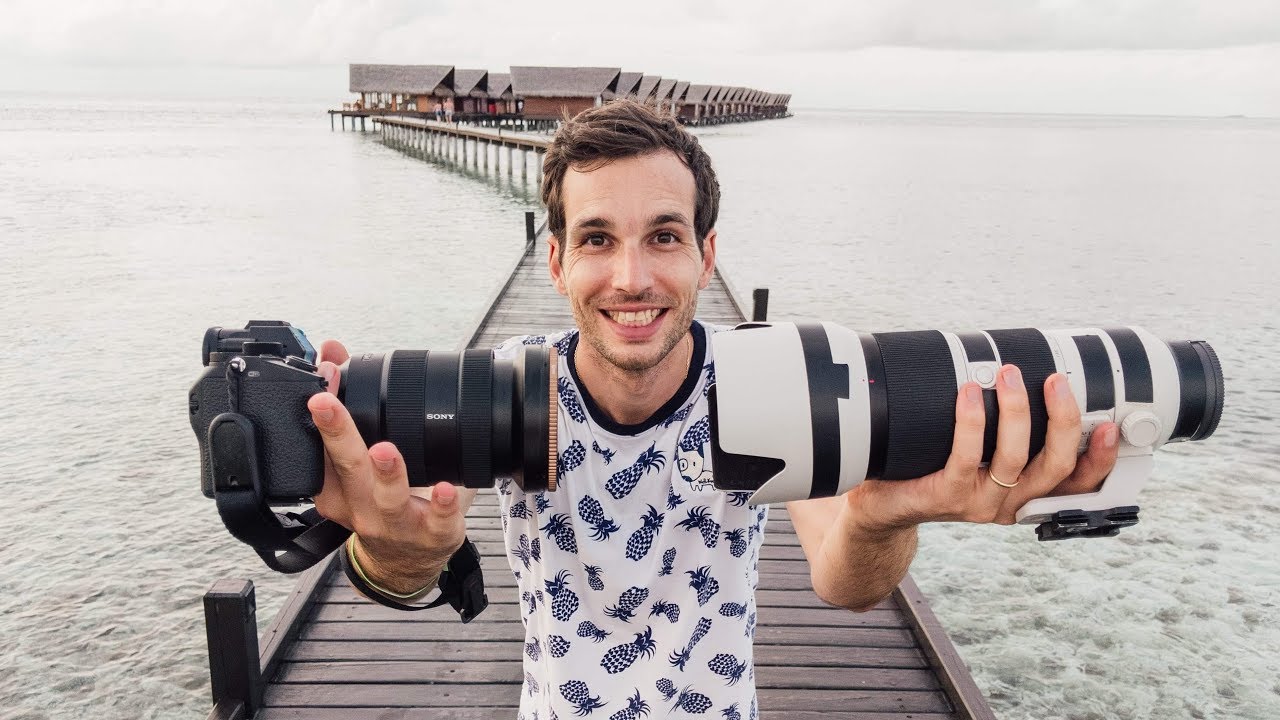
Most photographers buy lenses based on specs and reviews. I used to do the same thing, cross-referencing MTF charts and pixel-peeping sample images before I’d even thought about what I actually needed the lens to do. What changed my thinking wasn’t a spec sheet. It was watching a photographer stand in the same spot and shoot the same scene across a full range of focal lengths, from ultra-wide to 400mm telephoto, so you could see exactly how the image transforms with each swap.

Small Composition Fixes That Make a Big Difference (Lessons from Nigel Danson's Photo Critiques)

Small Composition Fixes That Make a Big Difference (Lessons from Nigel Danson's Photo Critiques)

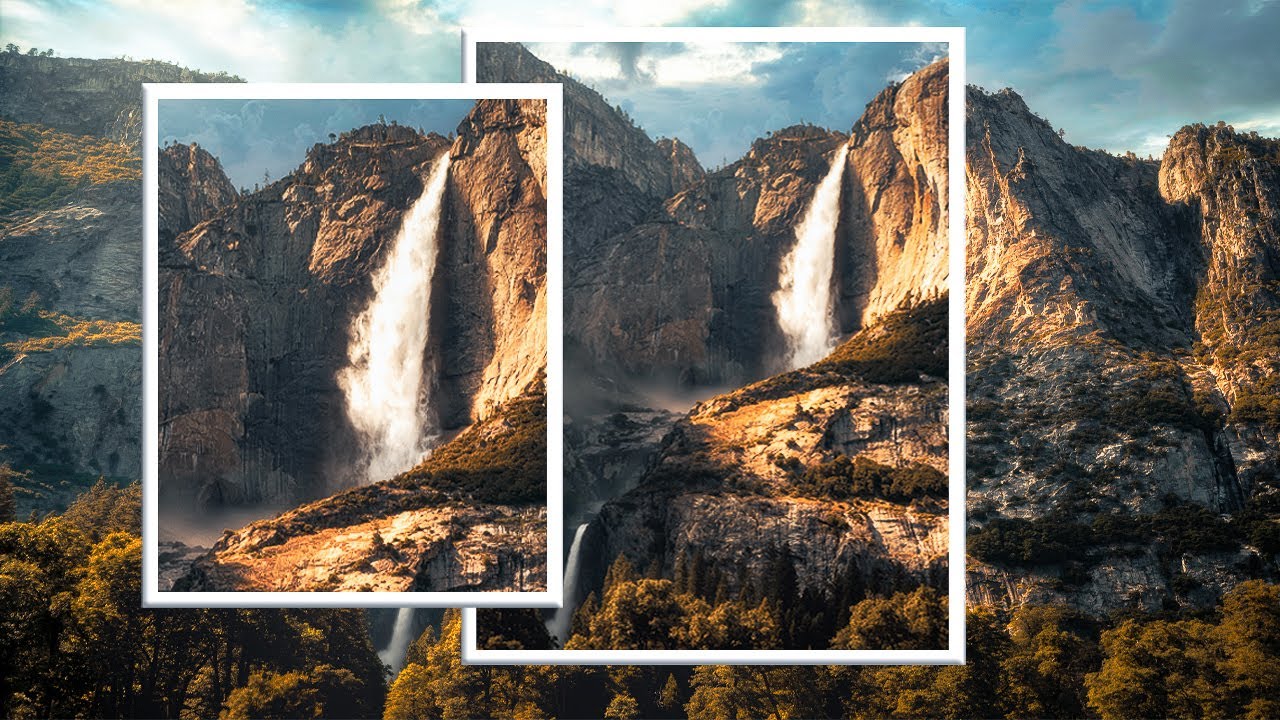
I spend a lot of time hunting deals and testing budget gear, and my whole argument is that the camera isn’t what’s holding most people back. But after watching enough work from photographers at every price point, I’ll admit the honest truth: cheap gear isn’t holding people back either. Composition is. Cropping is. Knowing when to simplify is. Those are free skills, and most of us, myself included, are still building them.

Your Photos Aren't Bad — Your Composition Awareness Is (Here's How to Fix It)

Your Photos Aren't Bad — Your Composition Awareness Is (Here's How to Fix It)

There’s a specific kind of disappointment I know too well: you’re out shooting, the light is perfect, the subject is right there, and you feel like you’re absolutely nailing it. Then you get home, pull the images up on your monitor, and something is just… off. The photo doesn’t land. You can’t quite explain why, but it doesn’t work. For a long time I chalked this up to gear. Different lens, maybe.

How Pierre T. Lambert Uses a 70-200mm for Street Photography (And Why It Actually Works)

How Pierre T. Lambert Uses a 70-200mm for Street Photography (And Why It Actually Works)

Street photography is one of those disciplines where everyone has an opinion about the “right” gear. Prime lenses only. Go wide or go home. You need to be close to make it real. I’ve heard all of it, and honestly, I’ve repeated some of it myself. So when I came across this Pierre T. Lambert tutorial shot entirely on location in Ubud, Bali, using a 70-200mm zoom for street work, it stopped me mid-scroll.

How to Actually Use a Wide Angle Lens for Landscape Photography (Without Wasting a Shot)

How to Actually Use a Wide Angle Lens for Landscape Photography (Without Wasting a Shot)

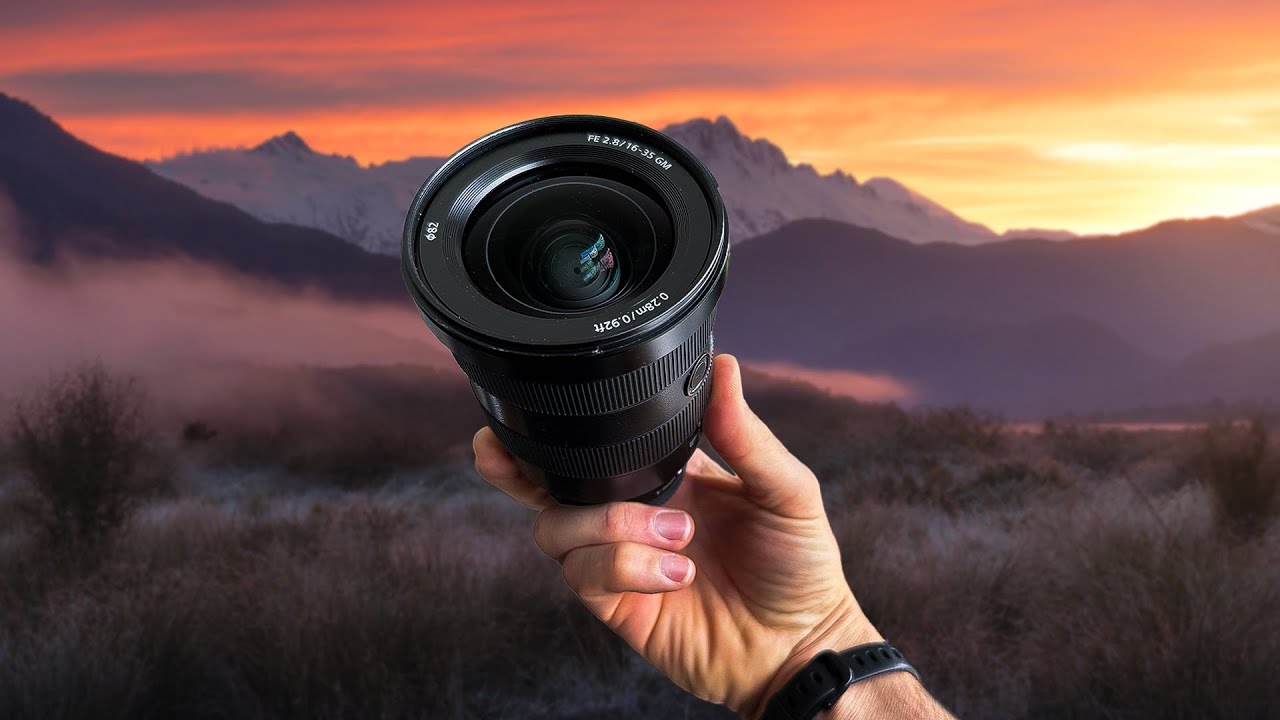
Wide angle lenses are one of those purchases I see people regret constantly. Not because the glass is bad, but because they grab a 12mm or 14mm, point it at a mountain, and wonder why the shot looks flat and uninteresting. The mountain is tiny. The foreground is dead space. Nothing works. I’ve been there. Most of us have. What changed things for me was understanding that a wide angle lens isn’t a “fit more stuff in” tool.

Why Your Wide Angle Shots Look Flat (And the Field Fix That Actually Works)

Why Your Wide Angle Shots Look Flat (And the Field Fix That Actually Works)

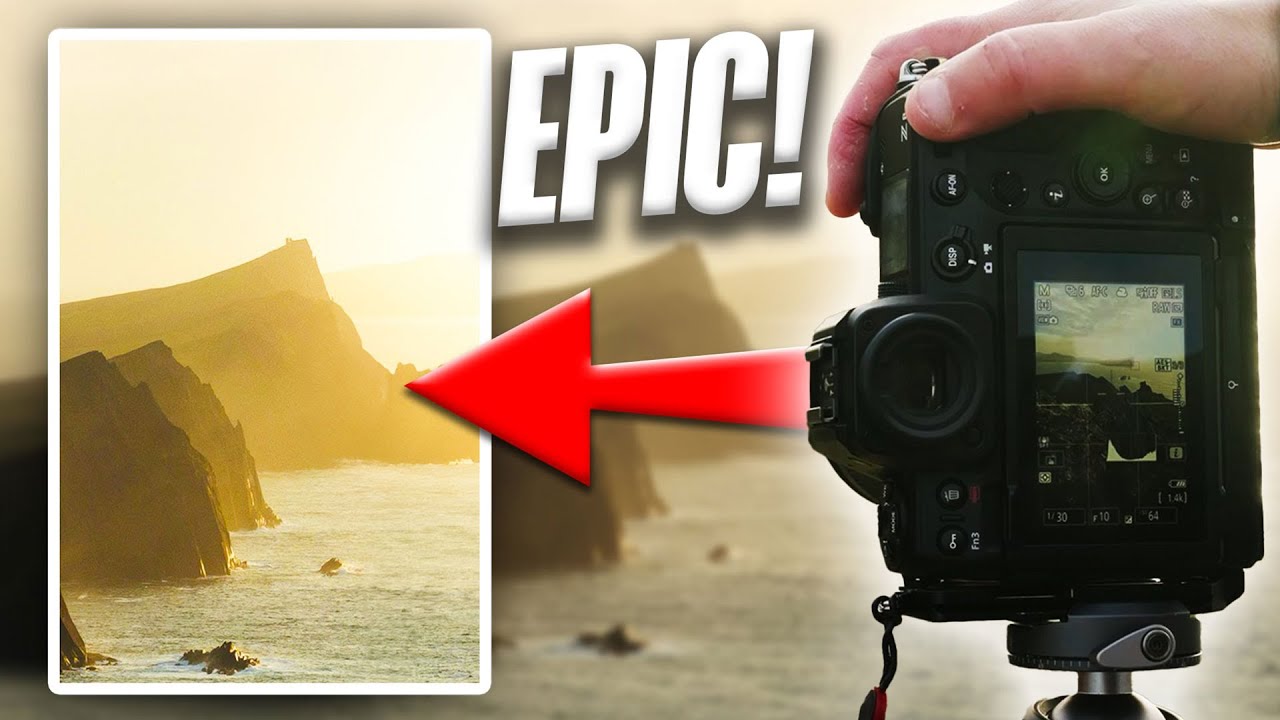
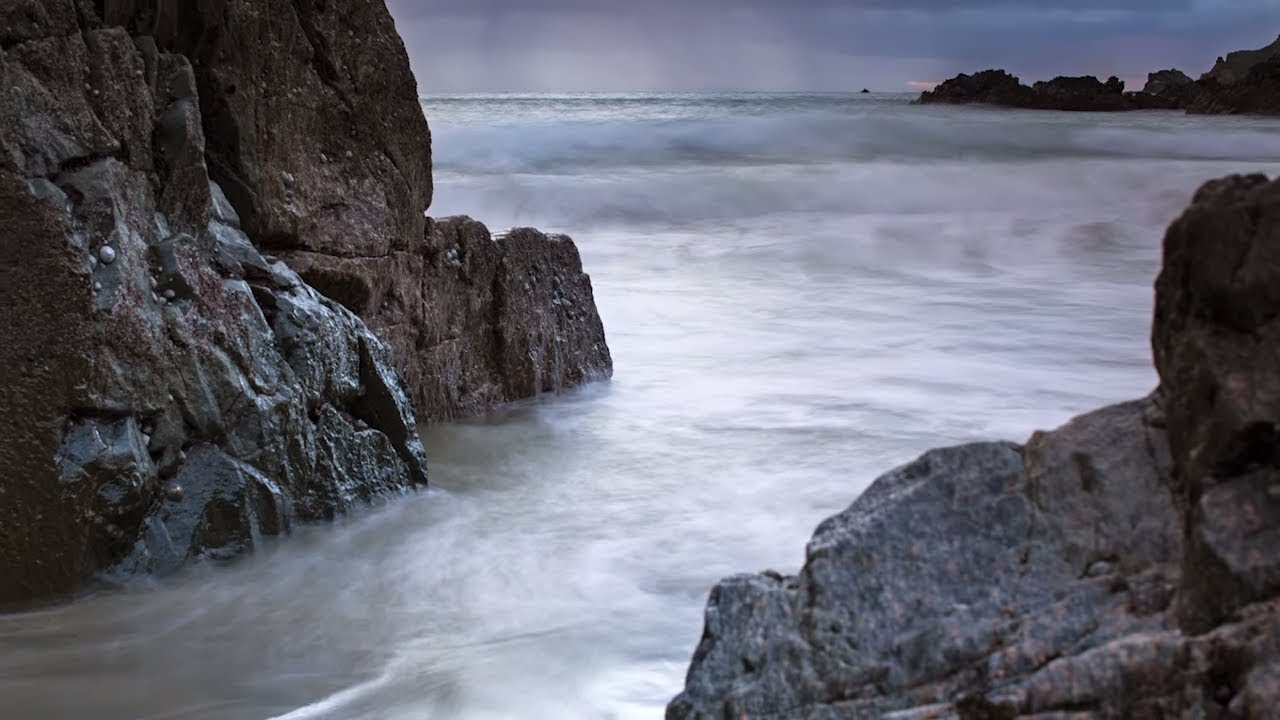
I used to blame my wide angle lens every time a shot came back looking empty and lifeless. The foreground was boring, the subject felt distant, and the whole image had that stretched-out, “nothing going on here” quality that kills otherwise great light. I spent months thinking I needed a sharper, more expensive optic. Turns out the glass wasn’t the problem. My approach to using it was. In this Nigel Danson tutorial, he heads out to Gannet’s Cove at sunrise with his camera and a very honest field report, including what happens when you go the wrong direction and arrive fifteen minutes late to your own location.

What Hasselblad's Best Photos Actually Teach Us (Even If You'll Never Own One)

What Hasselblad's Best Photos Actually Teach Us (Even If You'll Never Own One)

I’ll be straight with you: I built this entire site around the idea that gear doesn’t make the photographer. I started with a $300 camera kit and shot a wedding that ended up in a local magazine. So when a video pops up with “Hasselblad” in the title, my instinct is to scroll past it. But this one stopped me cold, and not because of the camera brand. In this Visual Education tutorial, Karl Taylor, a working commercial photographer and Hasselblad global ambassador, walks through finalists from the Hasselblad Masters 2026 competition.