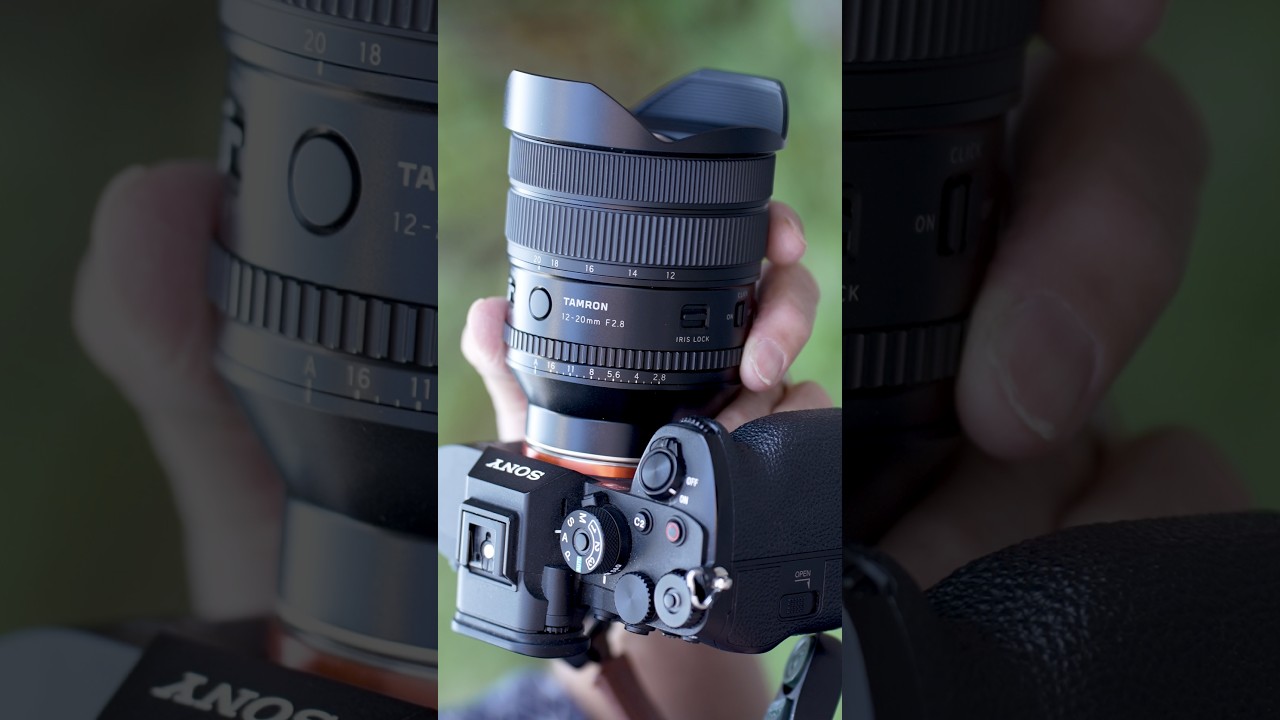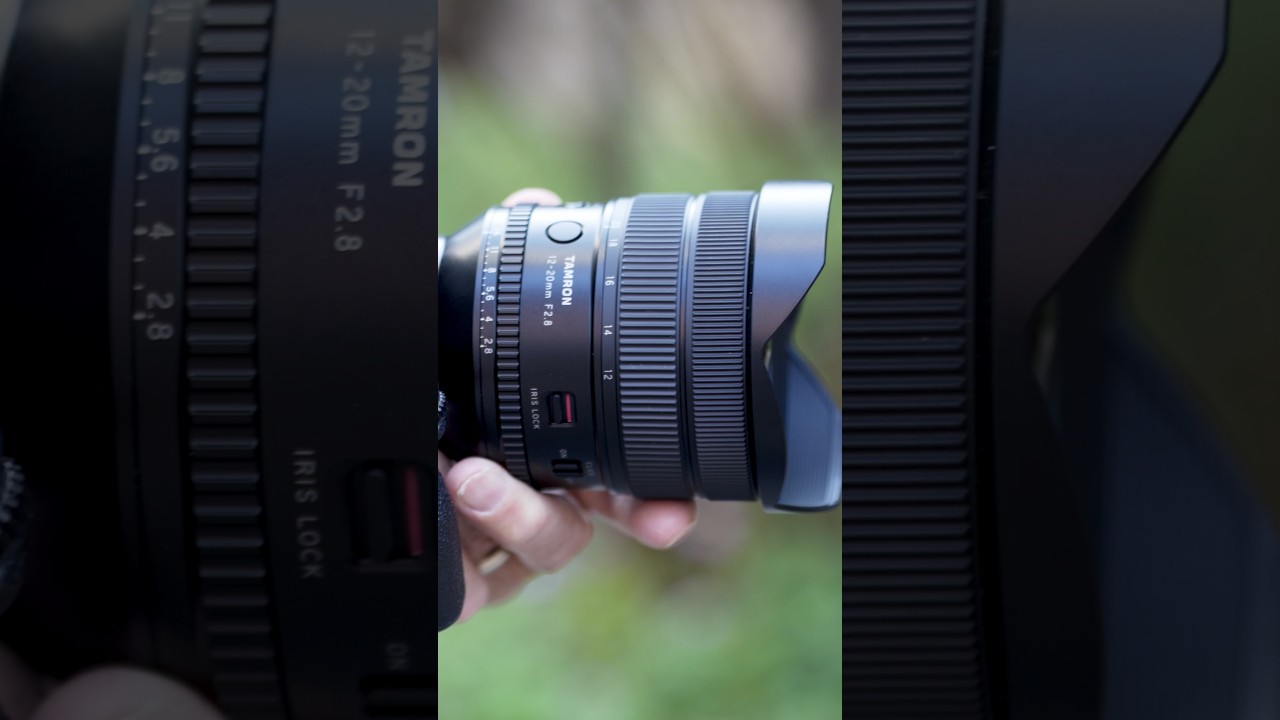
The Tamron 12-20mm f/2.8 Is the Wide-Angle I've Been Waiting For (And It's Not $3,300)

The Tamron 12-20mm f/2.8 Is the Wide-Angle I've Been Waiting For (And It's Not $3,300)

I’ve been burned enough times by ultra-wide lenses that I do my homework now. There’s a spreadsheet on my desktop with every wide-angle I’ve tested in the last three years, sorted by price-to-sharpness ratio, distortion control, and whether the autofocus holds up in low light. So when a lens comes along that actually threatens to shake up that list, I pay attention. In this The Slanted Lens tutorial, creator Jay P.

Tamron 85mm f/1.8 VC: The Portrait Lens That Actually Justifies Its Price Tag

Tamron 85mm f/1.8 VC: The Portrait Lens That Actually Justifies Its Price Tag

I’ll be straight with you: I’ve been burned enough times by “affordable alternative” lenses that I now keep a running spreadsheet before I commit to anything. Most fast primes in this focal range make you choose between sharp wide open, decent bokeh, or image stabilization. You rarely get all three without jumping to a first-party lens at a much steeper price. So when Tamron dropped the SP 85mm f/1.8 Di VC, I paid attention.

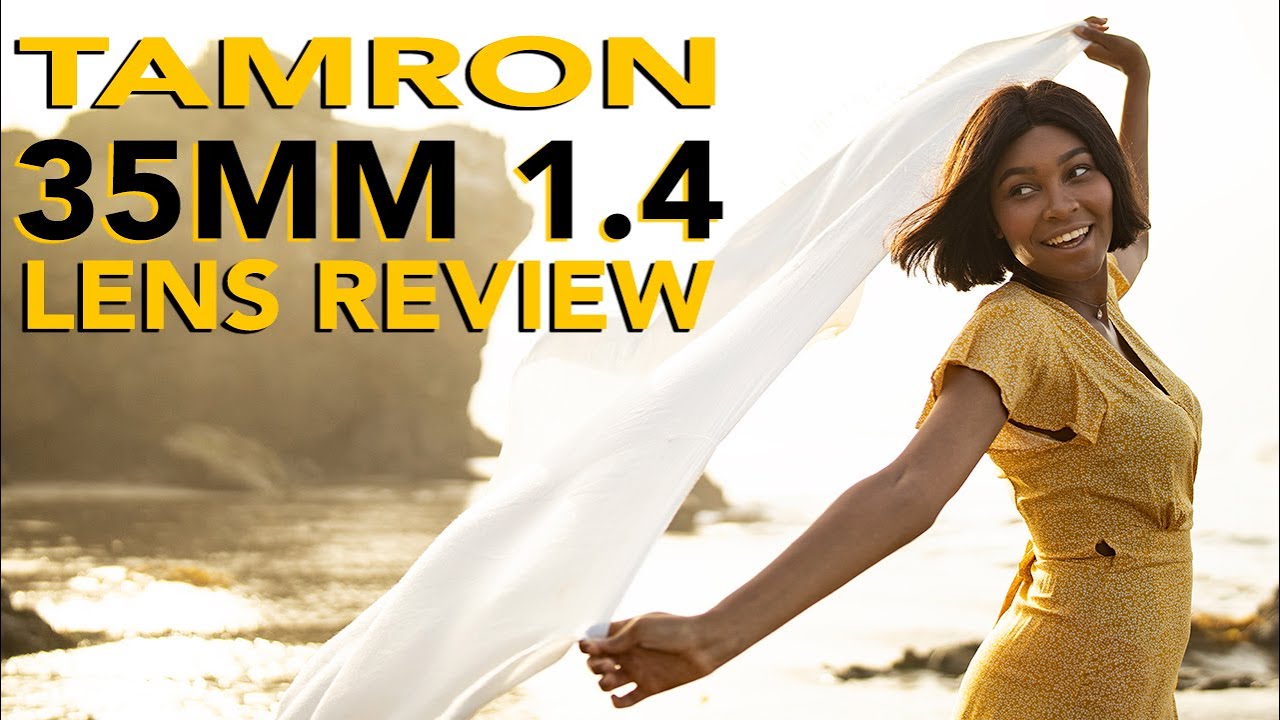
Tamron 35mm f/1.4 SP Review: Why This Lens Might Be the Only One You Need for Environmental Portraits

Tamron 35mm f/1.4 SP Review: Why This Lens Might Be the Only One You Need for Environmental Portraits

I have a spreadsheet. It has 47 lenses on it. And for a long time, the 35mm focal length column was a mess of compromises: sharp but slow, fast but soft wide open, affordable but plasticky. The 35mm is my go-to for environmental work because it keeps the subject grounded in the scene without the distortion you get from a wider angle. The problem is finding one that performs at f/1.

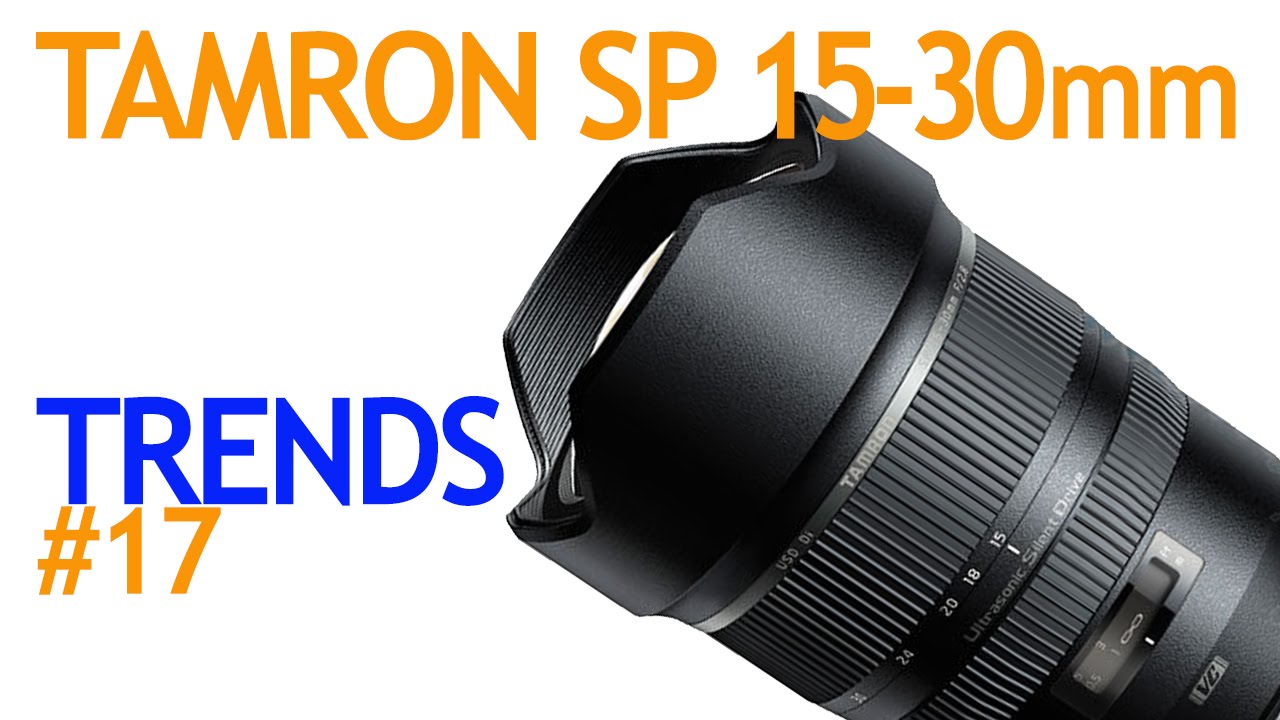
Tamron 15-30mm f/2.8 Breakdown: What Actually Makes This Ultra-Wide Worth Talking About

Tamron 15-30mm f/2.8 Breakdown: What Actually Makes This Ultra-Wide Worth Talking About

I’ll be honest with you: ultra-wide lenses are one of those categories where I’ve watched a lot of people spend a lot of money chasing something they didn’t fully understand before buying. The 15-30mm focal range sounds exciting until you’re standing inside a room trying to fill the frame with anything interesting, realizing that shooting ultra-wide is a skill set, not just a setting. When Tamron dropped their 15-30mm f/2.8 SP, the photography world paid attention, and I wanted to dig into what actually makes this lens different from the pile of wide primes and cheaper zoom alternatives sitting on my comparison spreadsheet.

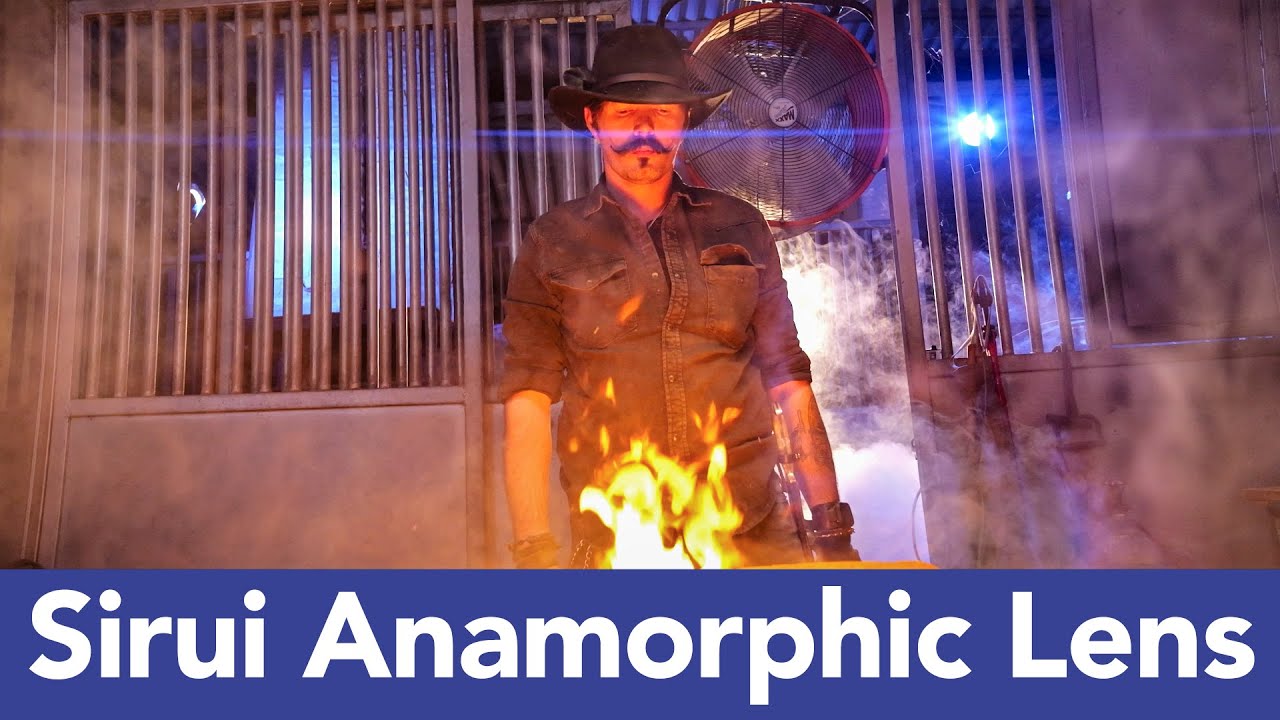
What Shooting Anamorphic for the First Time Actually Teaches You (Sirui Full-Frame Lens Breakdown)

What Shooting Anamorphic for the First Time Actually Teaches You (Sirui Full-Frame Lens Breakdown)

I’ve spent years arguing that the gap between cheap gear and expensive gear is smaller than most people think. But there’s one area where I kept hitting a wall when talking to videographers: anamorphic lenses. For a long time, “anamorphic” meant “renting glass that costs more than my car” or slapping a janky clip-on adapter on a kit lens and hoping for the best. That changed when full-frame anamorphic lenses from companies like Sirui started landing in the sub-$1000 range.

Tamron 12-20mm f/2.8 Review: A Cine-Style Ultra-Wide That Finally Makes Financial Sense

Tamron 12-20mm f/2.8 Review: A Cine-Style Ultra-Wide That Finally Makes Financial Sense

I’ve been avoiding ultra-wide lenses for years. Not because I don’t want one, but because every time I looked seriously at what was available for full-frame cameras, the math stopped making sense. A Sony G Master 12mm runs over three grand. That’s not a lens purchase, that’s a used car decision. And for someone who shoots wide angles maybe a dozen times a year, for group shots, interior architecture, and the occasional night sky outing, that number has always been a hard stop.

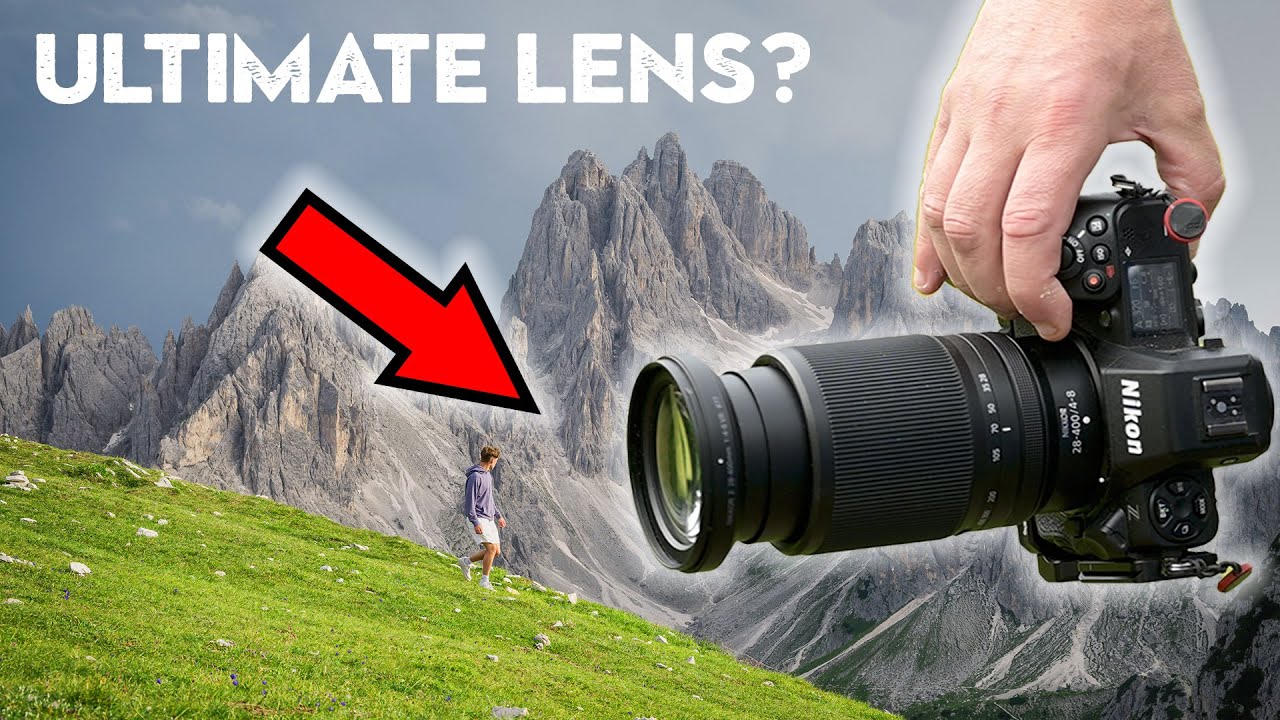
Nikon's 28-400mm Superzoom Tested in the Dolomites: One Lens to Rule Your Hiking Kit?

Nikon's 28-400mm Superzoom Tested in the Dolomites: One Lens to Rule Your Hiking Kit?

The dream for any photographer who shoots on foot is simple: one lens that covers everything, weighs nothing, and doesn’t make you choose between a wide establishing shot and a compressed telephoto pull. I’ve spent years chasing that setup on a budget, testing every superzoom I can get my hands on, and the tradeoffs are always the same. You gain range, you lose sharpness. You gain convenience, you lose speed. So when a new lens promises 28mm to 400mm in a single barrel, I pay attention, but I also stay skeptical until someone actually takes it somewhere that matters.

Canon's RF 135mm f/1.8 Is the Lens I'd Buy If I Stopped Caring About Price (Here's What It Actually Does)

Canon's RF 135mm f/1.8 Is the Lens I'd Buy If I Stopped Caring About Price (Here's What It Actually Does)

I’ve spent years arguing that you don’t need to spend big to get great results. That’s still true. But every once in a while a piece of gear comes along that makes me stop, look at the specs, and think hard about what “worth it” actually means. Canon’s new RF 135mm f/1.8 is one of those lenses. Not because of the hype, but because the original EF 135mm f/2 was genuinely one of the most underrated portrait lenses ever made, and Canon just rebuilt it with better glass, a faster aperture, and image stabilization it never had before.

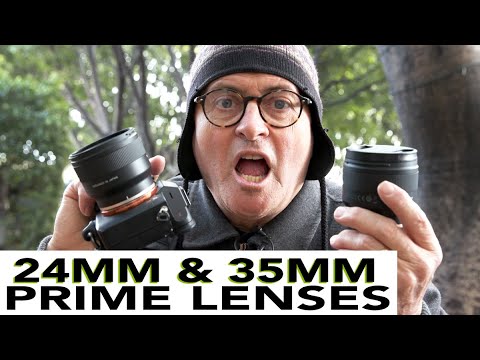
Tamron's 24mm and 35mm f/2.8 Primes Are the Budget Travel Lenses I've Been Waiting For

Tamron's 24mm and 35mm f/2.8 Primes Are the Budget Travel Lenses I've Been Waiting For

I have a spreadsheet. It has every budget lens I’ve tested going back three years, with columns for sharpness, bokeh quality, flare resistance, minimum focus distance, and price-per-feature. I built it because the gear market is loud and most reviews are written by people who aren’t actually flinching at the price tag. So when Tamron dropped two new compact primes for Sony mirrorless systems, both sitting under $350, I paid attention fast.

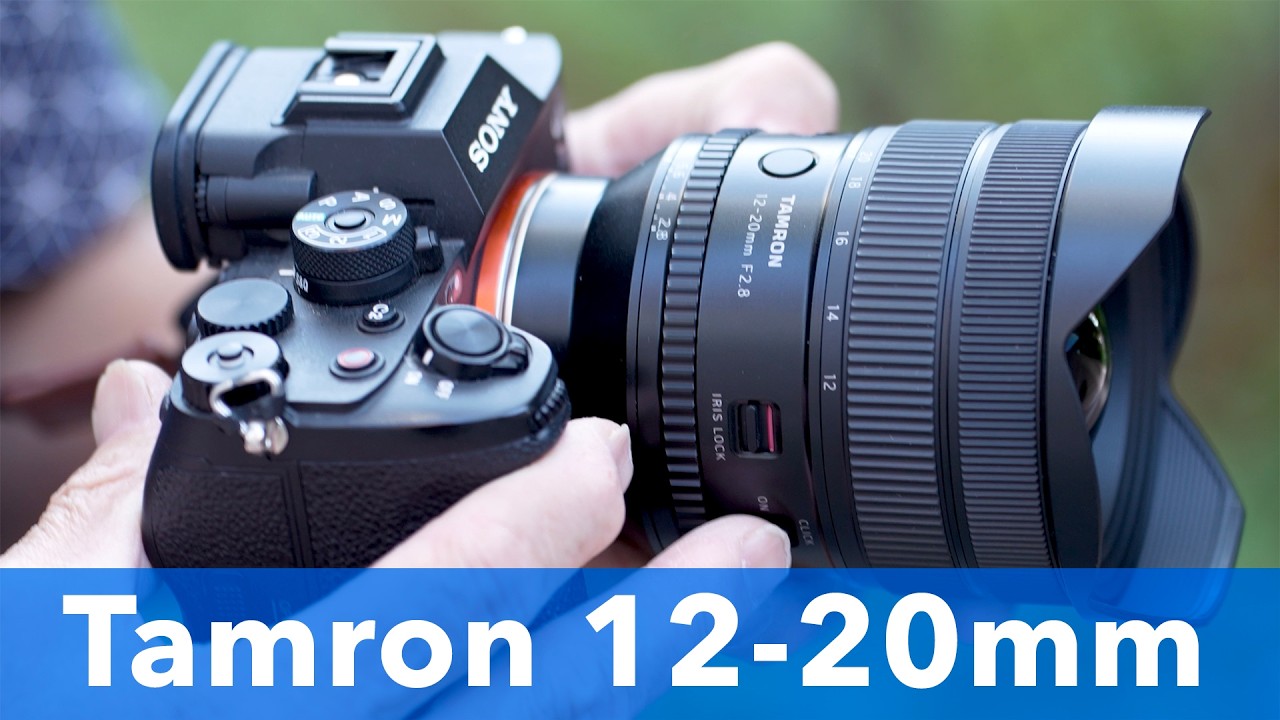
Tamron's 12-20mm f/2.8 Is the Wide-Angle Zoom I've Been Waiting For (And It Won't Break You)

Tamron's 12-20mm f/2.8 Is the Wide-Angle Zoom I've Been Waiting For (And It Won't Break You)

Every time I start pricing out ultra-wide lenses for a landscape or astro shoot, I end up closing seventeen browser tabs in frustration. The options under $1,000 are either optically soft, plasticky, or so stripped of controls that you’re basically buying a fixed aperture kit lens with a fancy name. The options over $1,000 are great, obviously, but spending that kind of money on a specialty focal length that lives in your bag for maybe 20% of your shoots is a hard sell when you’re trying to run a lean kit.

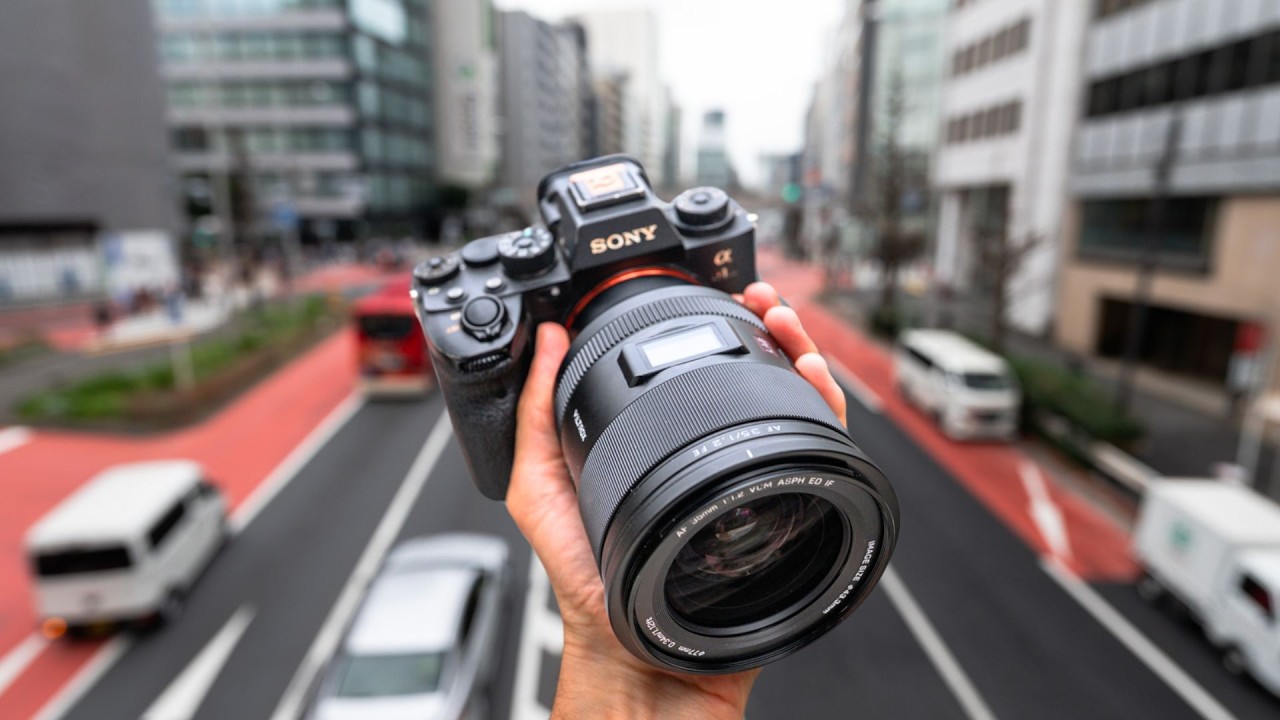
The Viltrox 35mm f/1.2 Is Half the Price of Sony's Version — Here's What It Actually Delivers

The Viltrox 35mm f/1.2 Is Half the Price of Sony's Version — Here's What It Actually Delivers

I’ve got a spreadsheet with every budget lens I’ve ever tested, and the column I always sort by first is “value vs. flagship equivalent.” That single ratio has saved me — and plenty of readers — from spending money they didn’t need to spend. So when I came across Pierre T. Lambert’s hands-on field test of the Viltrox 35mm f/1.2, I paid close attention. Pierre is a travel and adventure photographer who shoots in real conditions, not just a controlled studio, which means his opinion carries actual weight.

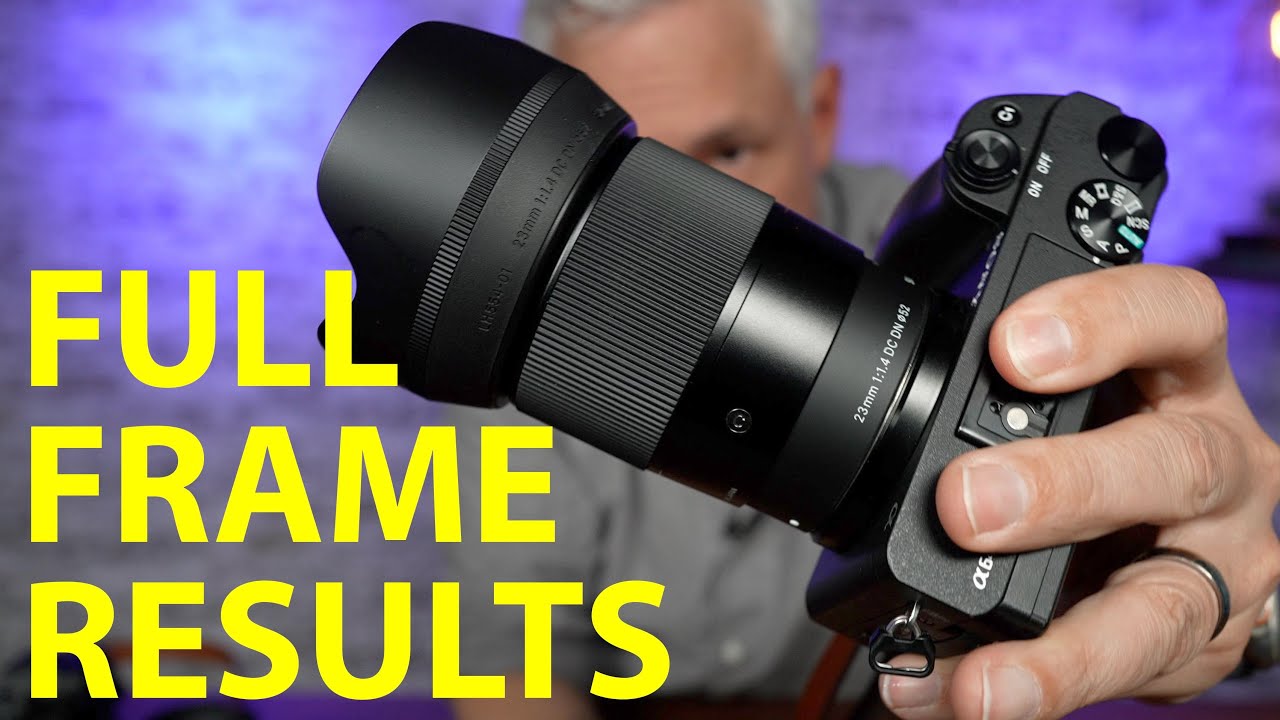
Is the Sigma 23mm f/1.4 the APS-C Prime Sony Shooters Have Been Waiting For? I Broke Down the Tests.

Is the Sigma 23mm f/1.4 the APS-C Prime Sony Shooters Have Been Waiting For? I Broke Down the Tests.

If you shoot Sony APS-C, you already know the frustration. The camera bodies are excellent, the ecosystem is open, but the native prime lens selection for crop-sensor shooters has always felt like an afterthought. I’ve had the same conversation a dozen times at local meetups: someone picks up a Sony ZV-E10 or an a6400 and immediately asks what lens to put on it. My spreadsheet of budget lenses has a long list of compromises in that category.