Tamron 17-28mm f/2.8 for Sony: A Working Shooter's Honest Take on the Best Budget Wide-Angle Right Now

Tamron 17-28mm f/2.8 for Sony: A Working Shooter's Honest Take on the Best Budget Wide-Angle Right Now

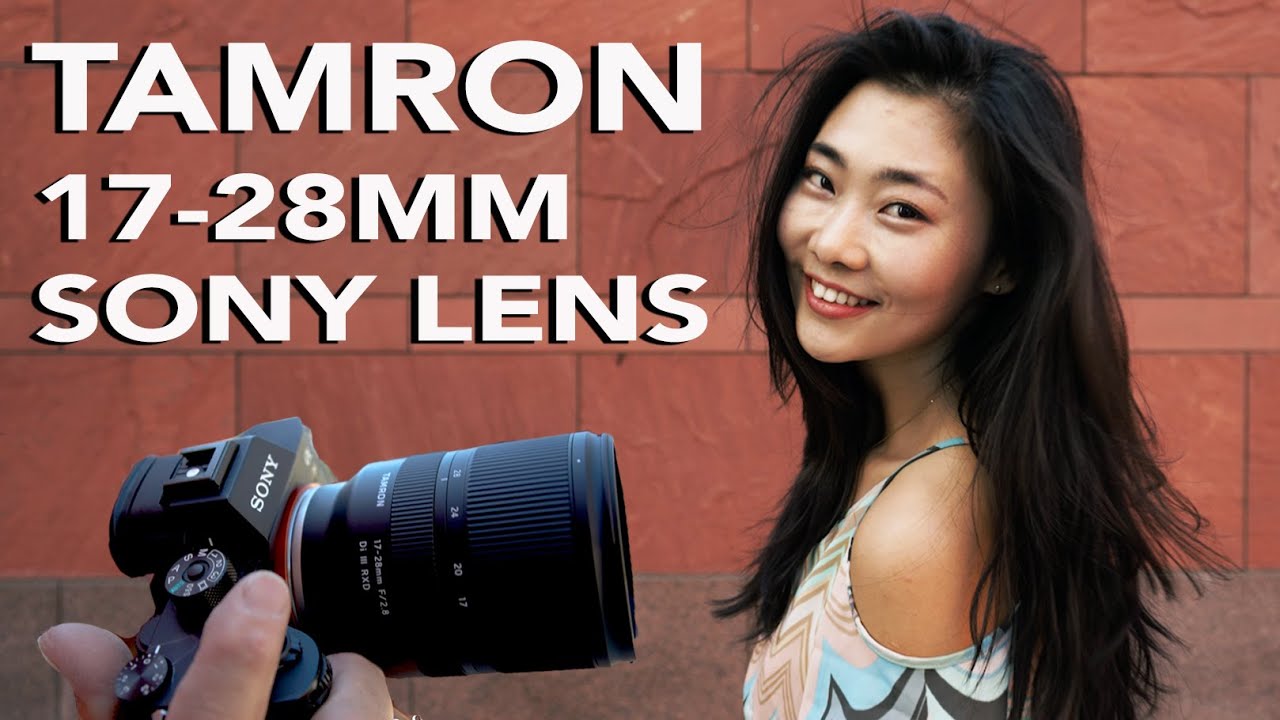
Wide-angle lenses have a reputation problem. Either they’re astronomically expensive Sony or Zeiss glass that makes your wallet hurt, or they’re cheap third-party options that turn your subject’s face into a funhouse mirror the moment they step toward the edge of the frame. For a long time, I felt like there was no honest middle ground, especially for Sony E-mount shooters. I’ve got a whole spreadsheet of lenses I’ve tested over the years, and the wide-angle column has more disappointments in it than I’d like to admit.
Canon's RF 70-200mm Is Smaller, Lighter, and Still the Magic Lens - Here's What Actually Changed

Canon's RF 70-200mm Is Smaller, Lighter, and Still the Magic Lens - Here's What Actually Changed

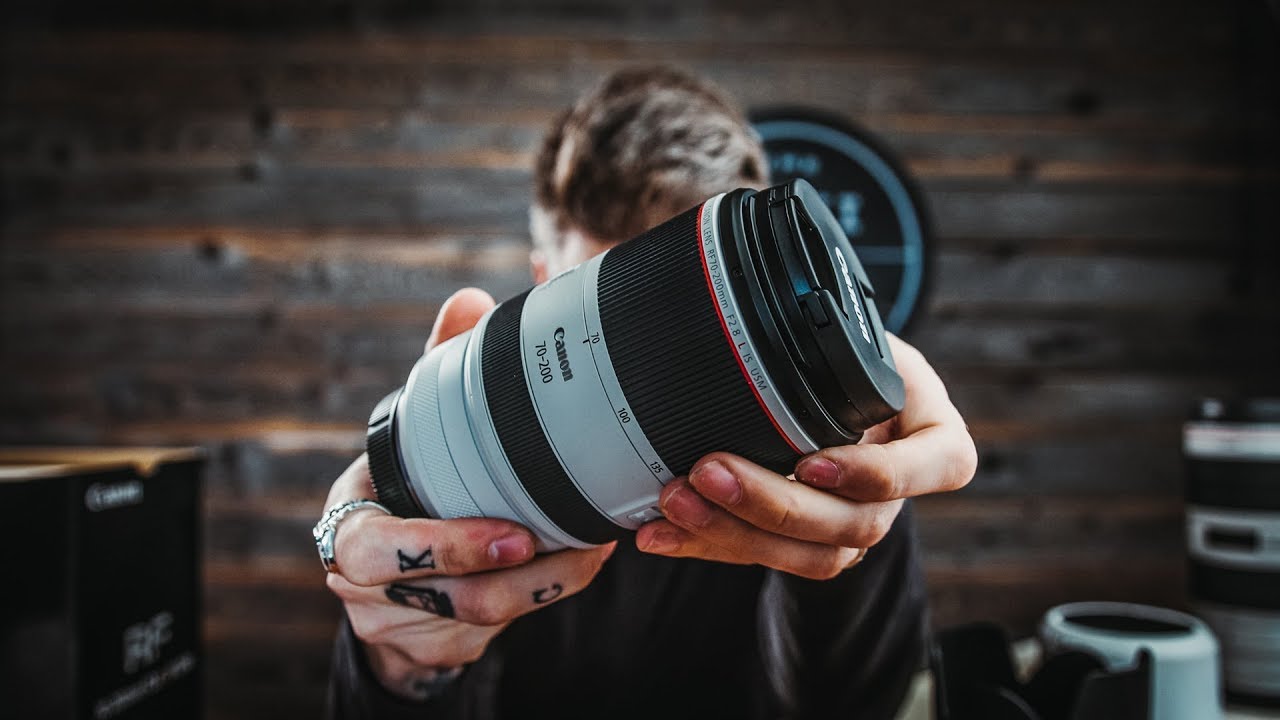
I’ve always had a complicated relationship with the 70-200mm focal range. It’s the lens I recommend to almost everyone who asks, and it’s the lens I personally avoided for years because the size and weight made it a liability when I was trying to travel light. If you’ve ever tried to cram a traditional 70-200mm into a carry-on alongside everything else you’re hauling, you know exactly what I mean. The glass is worth it.

This Weird Tilt Lens Broke My Brain (And Then Made My Street Photos Look Incredible)

This Weird Tilt Lens Broke My Brain (And Then Made My Street Photos Look Incredible)

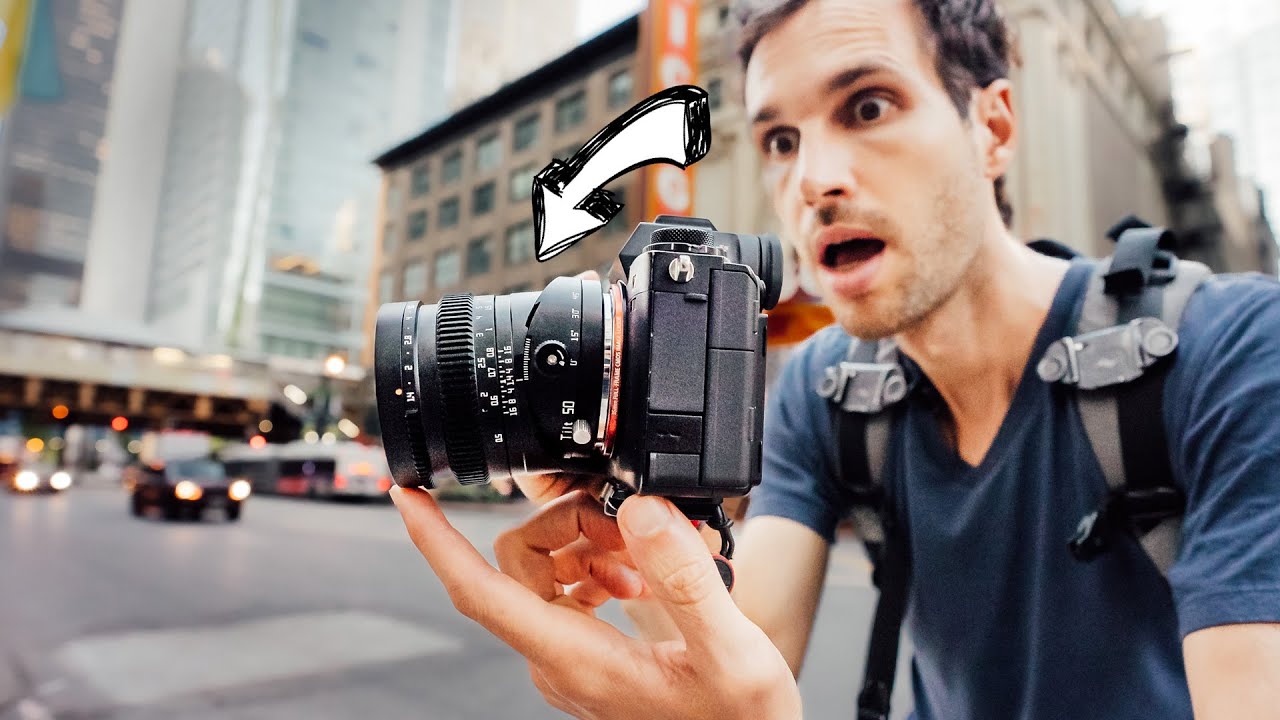
I have a spreadsheet with every budget lens I’ve tested over the past four years. Primes, zooms, vintage glass, Chinese third-party copies of Japanese classics. I thought I had a pretty solid mental map of what a lens can do to an image. Then I watched Pierre T. Lambert take a tilt lens out onto the streets of Chicago and I realized there’s a whole category of optical weirdness I had mostly ignored.

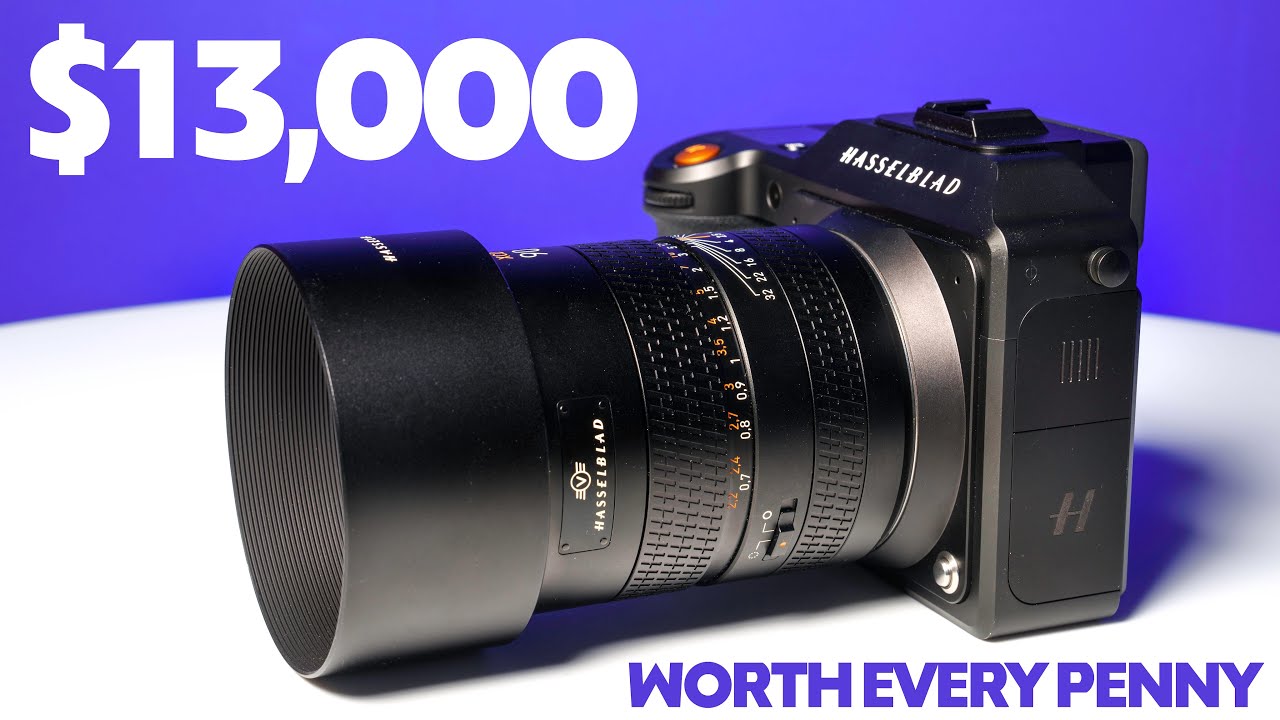
Is the Hasselblad X2D + 90V the Greatest Portrait Setup Ever Built? Here's What $13K Actually Gets You

Is the Hasselblad X2D + 90V the Greatest Portrait Setup Ever Built? Here's What $13K Actually Gets You

I spend most of my working life arguing that you don’t need expensive gear to make great images. I’ve built my whole corner of the internet around that idea. So when a $13,000 camera-and-lens combo lands on my radar and I can’t immediately dismiss it, that’s worth paying attention to. In this Tony & Chelsea Northrup tutorial on the Hasselblad X2D 100C paired with the new 90mm f/2.5 V lens, Tony makes a case I found genuinely hard to argue with, not because of the price tag, but because of the specific things this system does that nothing else can do right now.

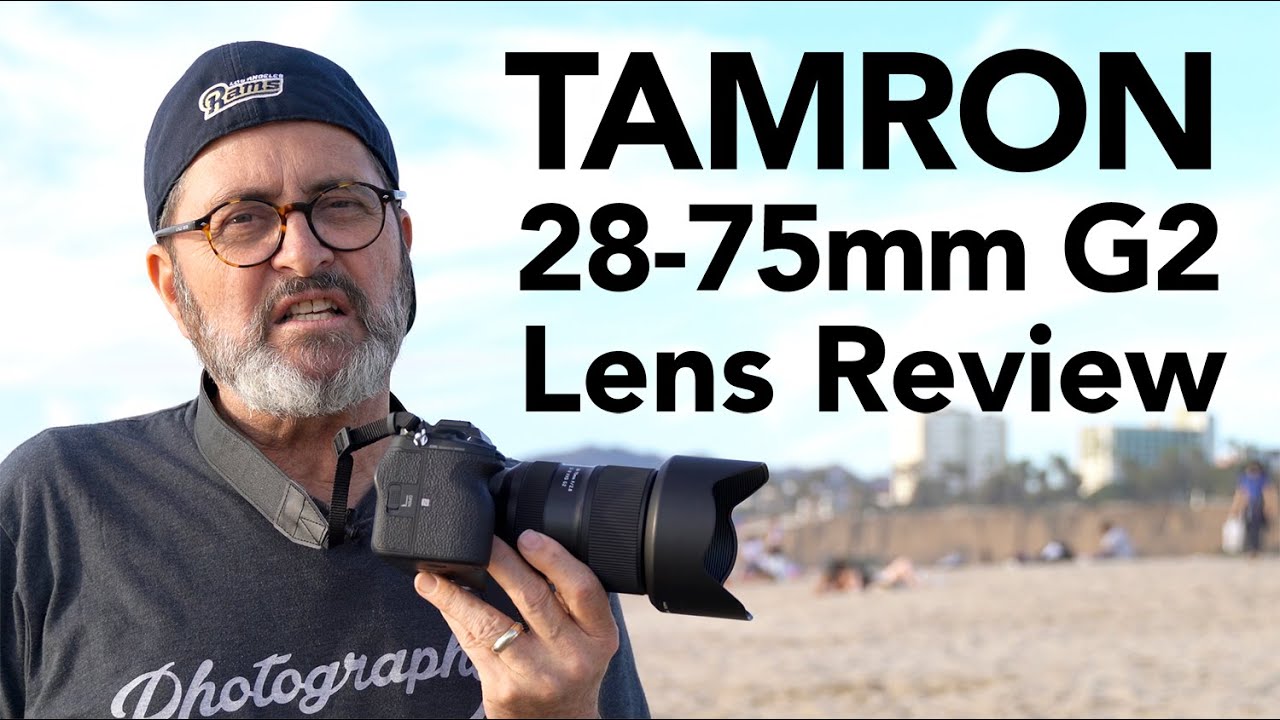
The Tamron 28-75mm f/2.8 G2 Is the Lens I'd Buy If I Had to Start Over

The Tamron 28-75mm f/2.8 G2 Is the Lens I'd Buy If I Had to Start Over

The hardest question I get from readers is some version of: “I have $800 to spend on a lens, what do I actually buy?” Not “what’s the best lens money can buy,” but what delivers the most usable image quality for real shooting situations without burning through your whole budget. That question used to take me 20 minutes to answer. Now I send them one link. In this The Slanted Lens tutorial, Jay P.

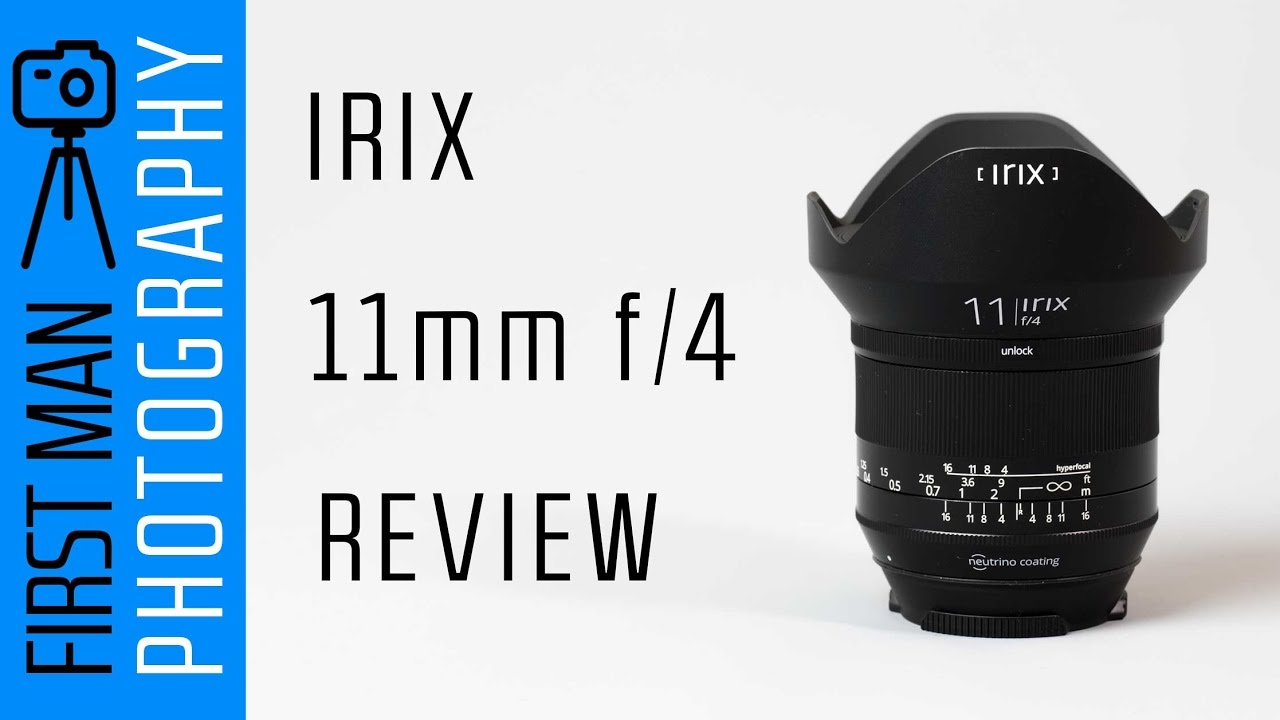
Irix 11mm f/4 Blackstone Review: Is This Ultra-Wide Worth the Premium Price Tag?

Irix 11mm f/4 Blackstone Review: Is This Ultra-Wide Worth the Premium Price Tag?

There’s a question I get more than almost any other from photographers stepping up their landscape game: “What’s the widest I can go before my images start looking like a funhouse mirror?” It’s a fair concern. Ultra-wide lenses are either revelatory or a regret, and there isn’t much middle ground. When I came across this review from First Man Photography covering the Irix 11mm f/4 Blackstone, I paid close attention, because this lens sits in a price bracket that gets real consideration from shooters who aren’t ready to drop a mortgage payment on a first-party prime.

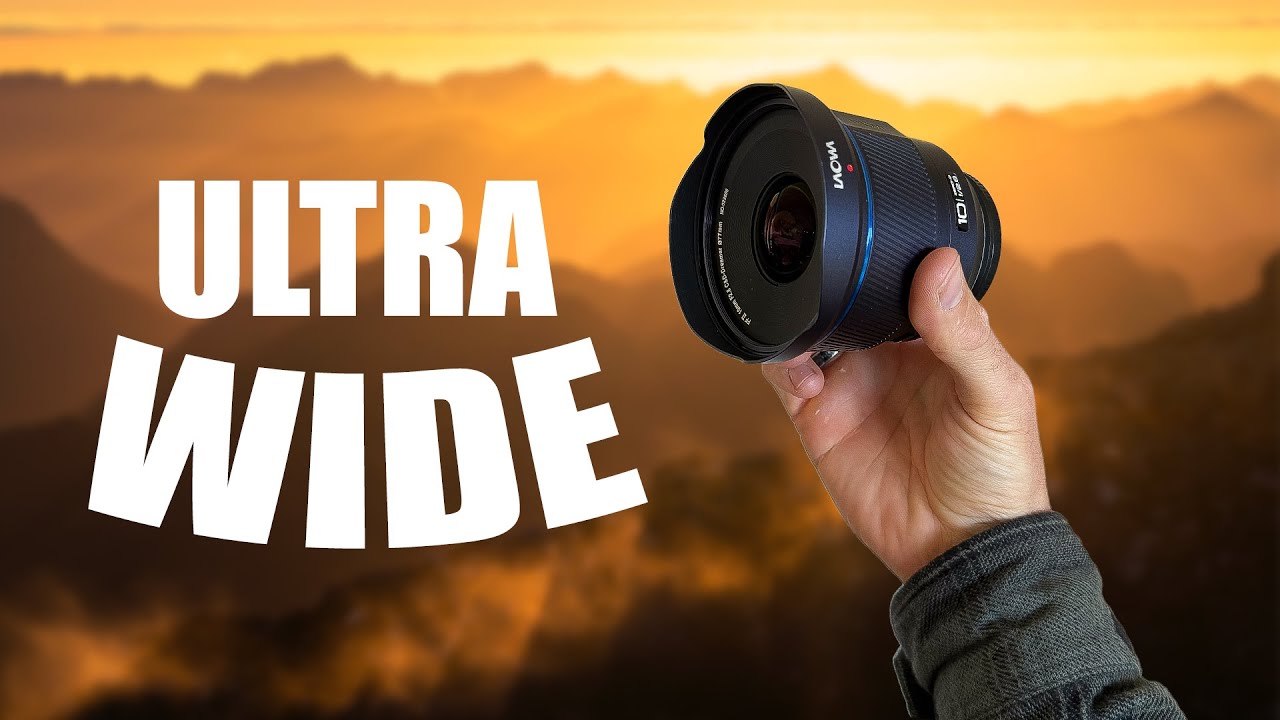
The Laowa 10mm f/2.8 in the Field: What a First Shoot Actually Teaches You About Ultra-Wide Composition

The Laowa 10mm f/2.8 in the Field: What a First Shoot Actually Teaches You About Ultra-Wide Composition

I’ve spent a embarrassing number of hours in spreadsheets comparing budget wide-angle lenses. Focal length, distortion, corner sharpness, price per millimeter of field of view - yes, I actually track that. So when I saw someone doing a genuine first-shoot field test of the Laowa 10mm f/2.8 full-frame lens with zero sponsorship attached, I stopped scrolling immediately. In this William Patino tutorial, he takes the lens out at golden hour in a forest and shoots through it in real time, talking through decisions as he makes them.

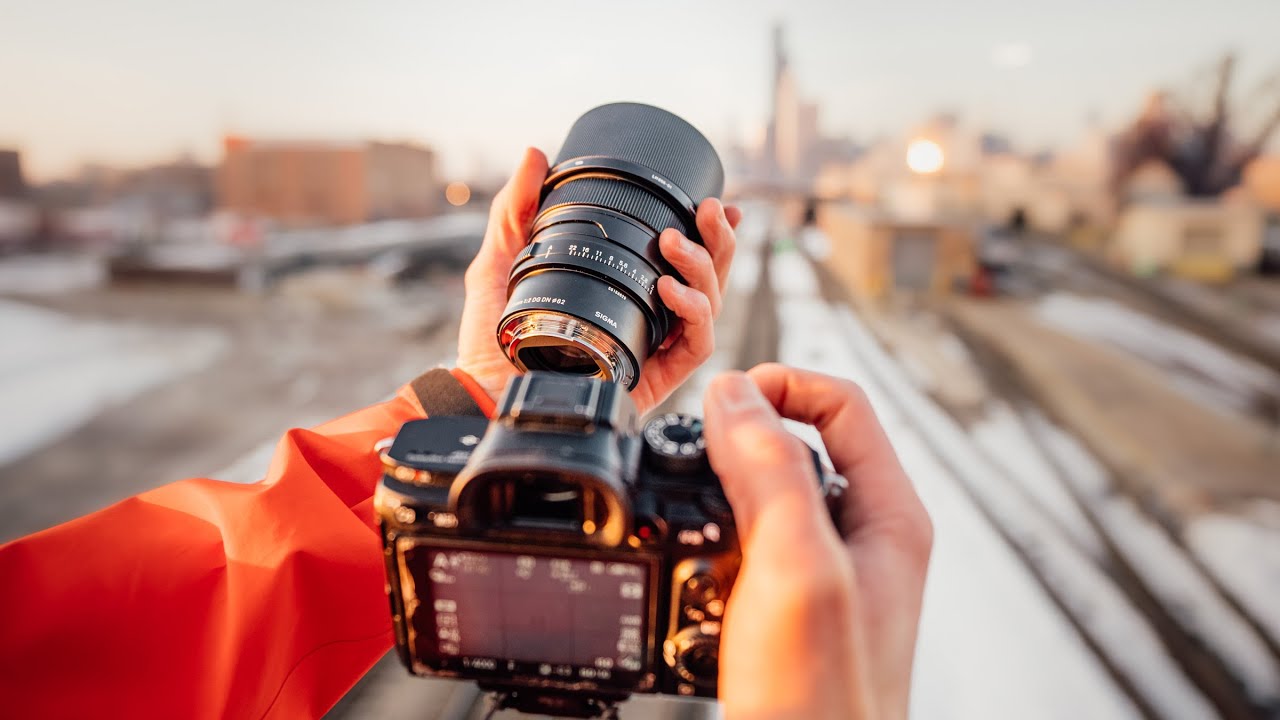
What Shooting Street With the Sigma 65mm F/2 Actually Teaches You About Focal Length Gaps

What Shooting Street With the Sigma 65mm F/2 Actually Teaches You About Focal Length Gaps

There’s a gap in most photographers’ kits that nobody talks about until they’re standing on a street corner wishing they had something between their 35mm and their 85mm. I’ve been there more times than I want to admit. My spreadsheet of tested lenses has columns for focal length, max aperture, price per millimeter of reach (yes, really), and “gap filler” potential. The 65mm focal length almost never shows up in that spreadsheet, because most manufacturers skip it entirely.

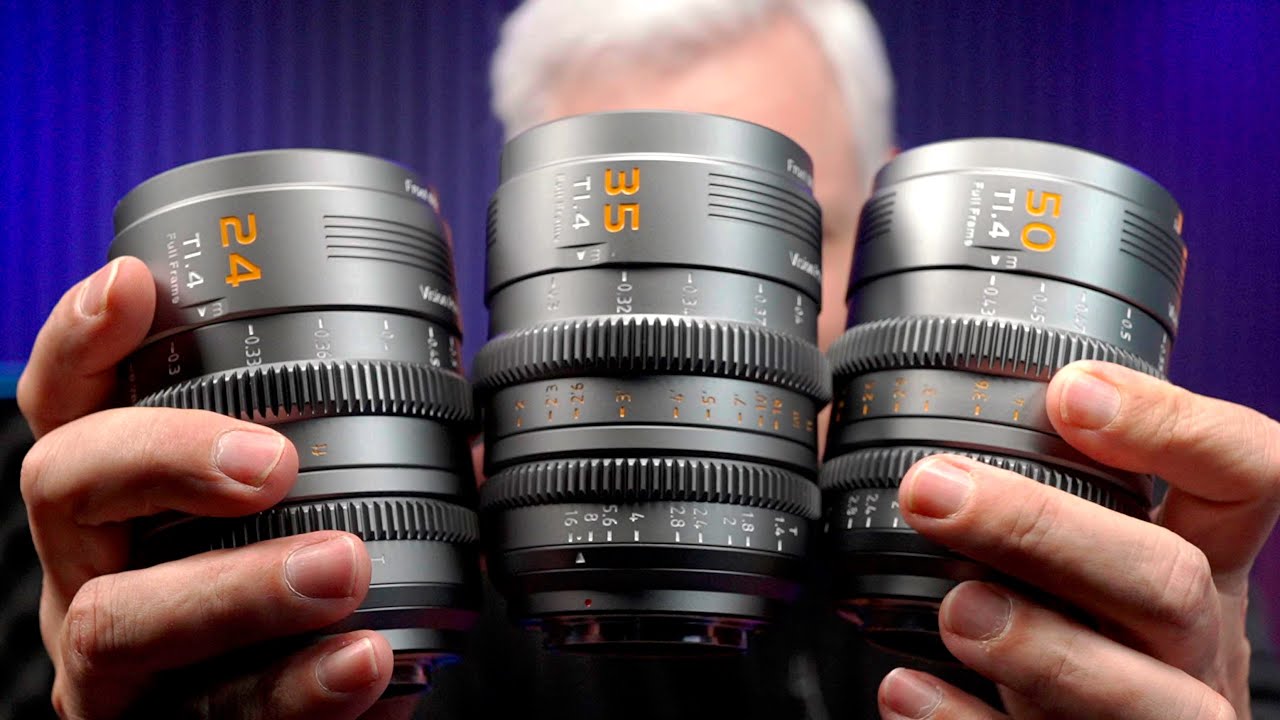
Sirui VP-1 Cinema Lens Set Review: Three T1.4 Primes for Less Than One Competitor Lens

Sirui VP-1 Cinema Lens Set Review: Three T1.4 Primes for Less Than One Competitor Lens

I’ve tested enough cheap lenses to know that the marketing always sounds better than the glass. “Cinema-grade” gets slapped on everything now, and most of the time it means someone added gear teeth to a kit lens and charged you three times as much. So when Tony and Chelsea Northrup dropped a review of the Sirui Vision Prime 1 set, I watched it twice, because the value proposition they laid out was the kind of thing that usually has a catch buried somewhere.

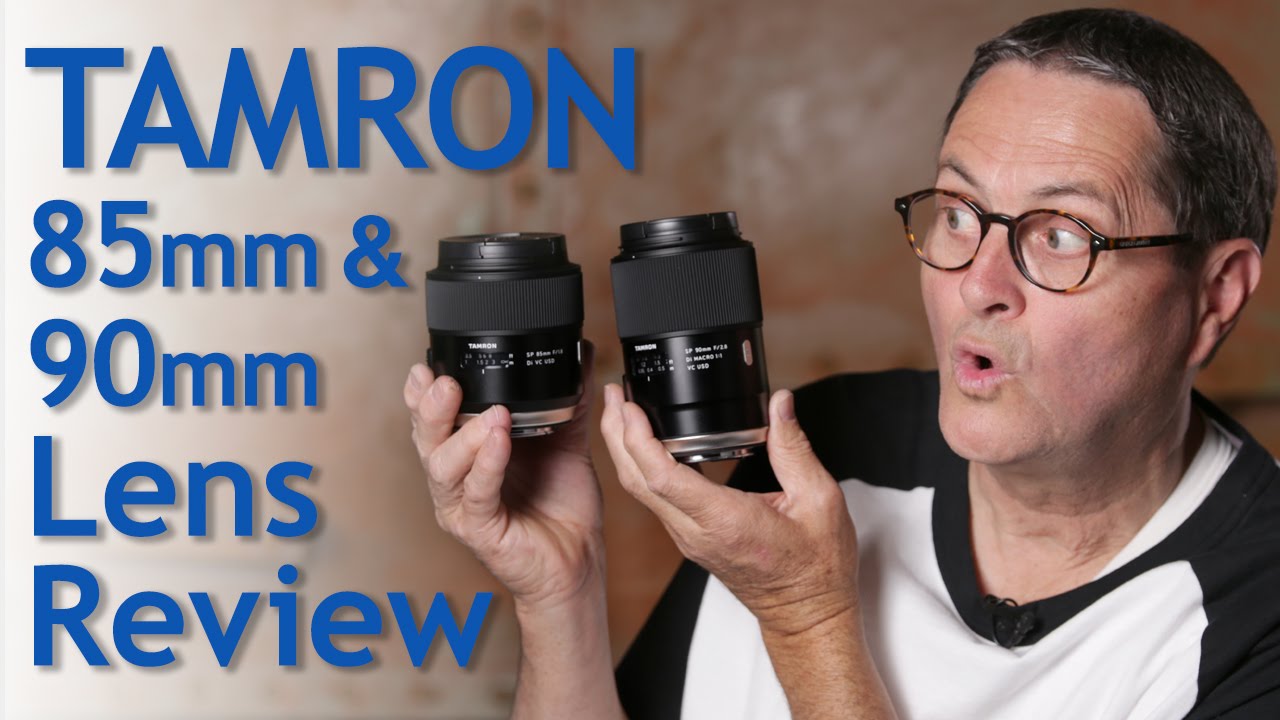
Tamron's 90mm Macro and 85mm f/1.8 Are the Budget Prime Duo I've Been Waiting For

Tamron's 90mm Macro and 85mm f/1.8 Are the Budget Prime Duo I've Been Waiting For

I’ve tested a lot of budget glass over the years. Enough to fill a spreadsheet that my friends think is deeply unhinged. And the question I get most often isn’t “which cheap lens is sharpest?” It’s simpler than that: “Which primes can I actually build a working kit around without spending Canon L-series money?” That’s the problem I keep trying to solve, and it’s exactly why I sat up when I came across this review.

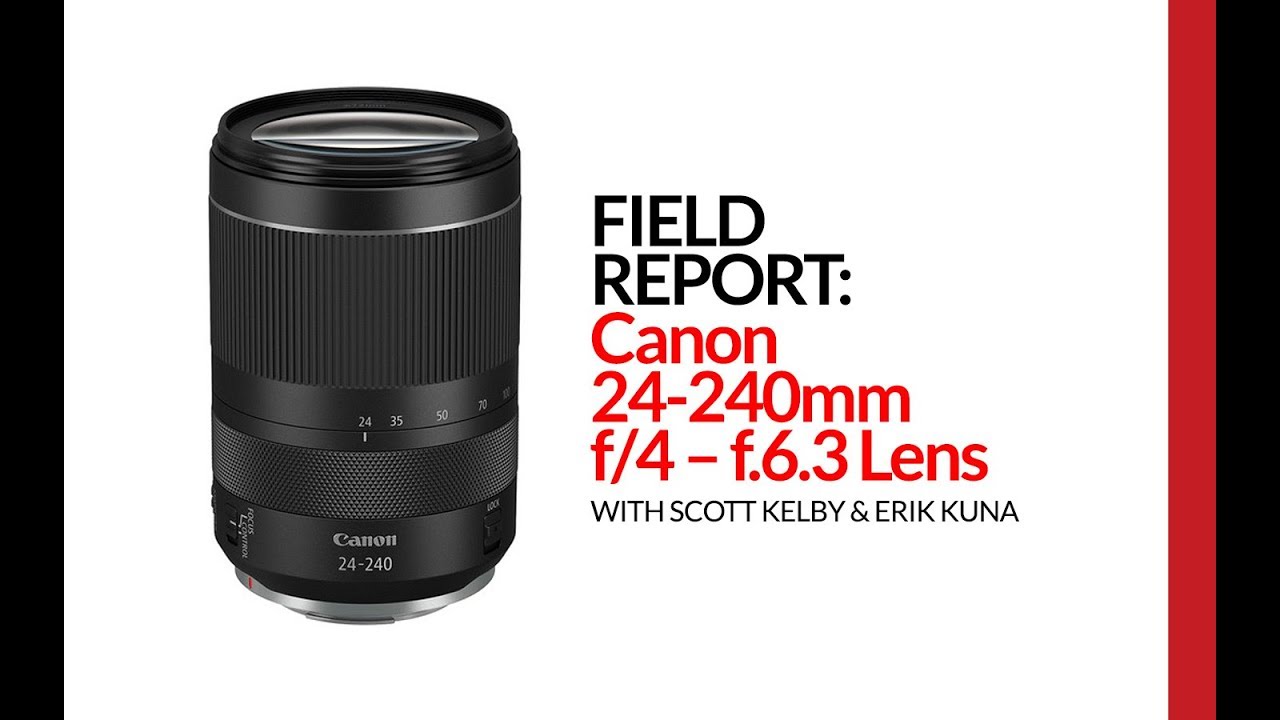
Canon 24-240mm for Mirrorless: A Real-World Field Report (And the One Reason You Might Want to Skip It)

Canon 24-240mm for Mirrorless: A Real-World Field Report (And the One Reason You Might Want to Skip It)

I have a rule I follow when evaluating any zoom lens: if it makes you stop reaching for your other glass, it’s doing its job. That’s a high bar. Most budget superzooms feel like compromises from the moment you put them on the camera. You keep thinking about the sharper prime sitting in your bag. So when Scott Kelby came back from a 10-day trip to China having barely touched his 16-35mm, I paid attention.

Sony 35mm f/1.8: The Street Lens That Actually Fits in Your Pocket (Pierre T. Lambert Hands-On Breakdown)

Sony 35mm f/1.8: The Street Lens That Actually Fits in Your Pocket (Pierre T. Lambert Hands-On Breakdown)

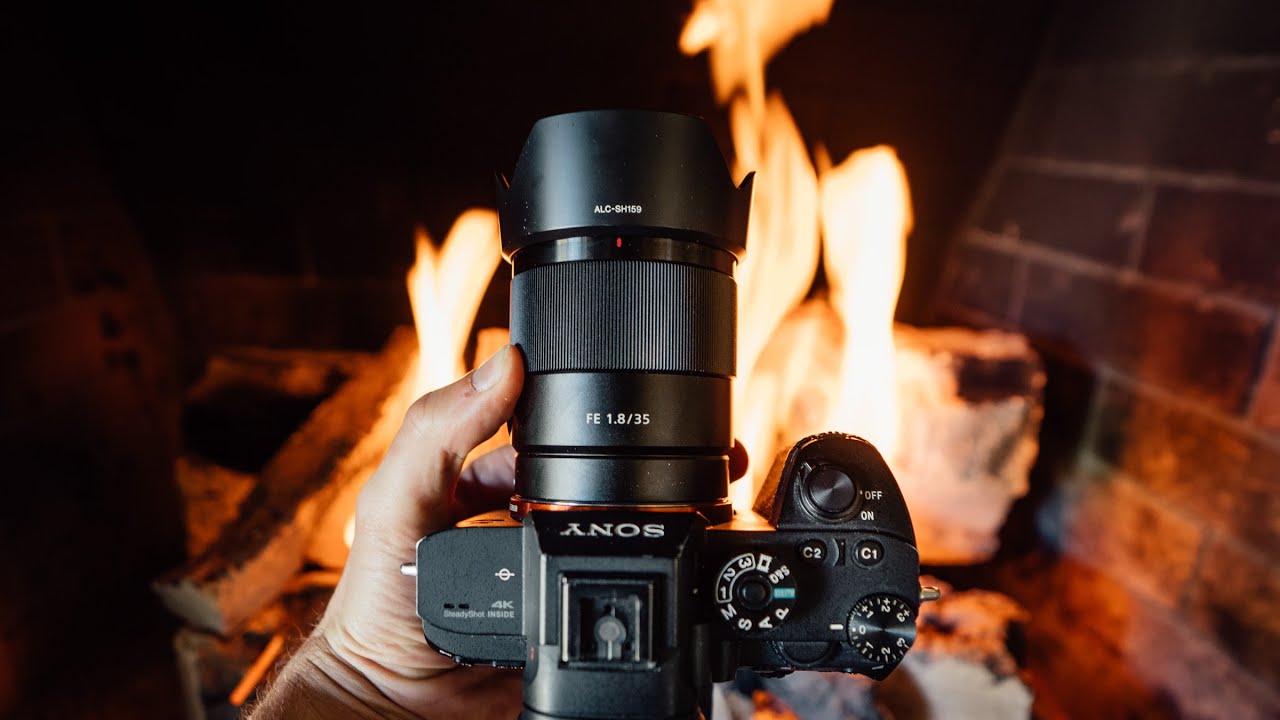
I have a simple test for any lens I’m considering for street work: does it fit in my jacket pocket with the hood on? If it doesn’t, it stays home. That might sound like a weird filter, but after years of reviewing budget gear and hunting down deals, I’ve learned that the best lens is the one you actually carry. Expensive glass sitting in a bag because it’s too bulky is just an expensive paperweight.