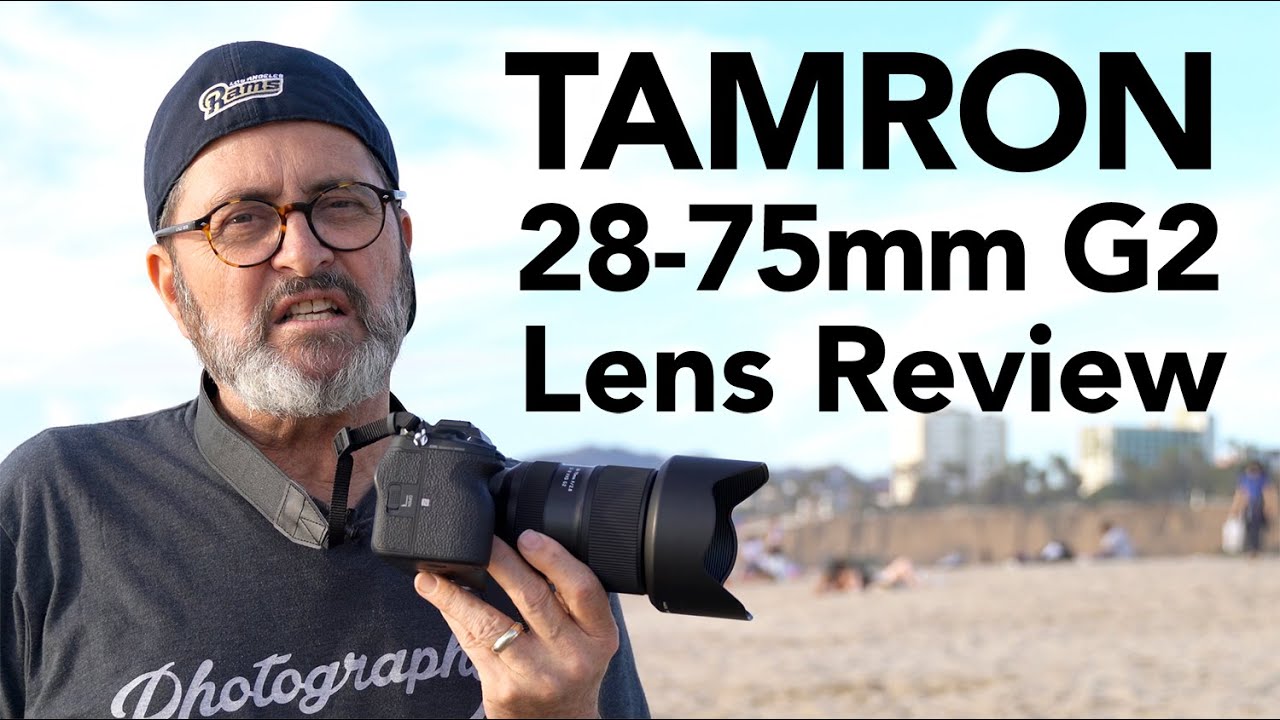
The Tamron 28-75mm f/2.8 G2 Is the Lens I'd Buy If I Had to Start Over

The Tamron 28-75mm f/2.8 G2 Is the Lens I'd Buy If I Had to Start Over

The hardest question I get from readers is some version of: “I have $800 to spend on a lens, what do I actually buy?” Not “what’s the best lens money can buy,” but what delivers the most usable image quality for real shooting situations without burning through your whole budget. That question used to take me 20 minutes to answer. Now I send them one link. In this The Slanted Lens tutorial, Jay P.
Irix 11mm f/4 Blackstone Review: Is This Ultra-Wide Worth the Premium Price Tag?

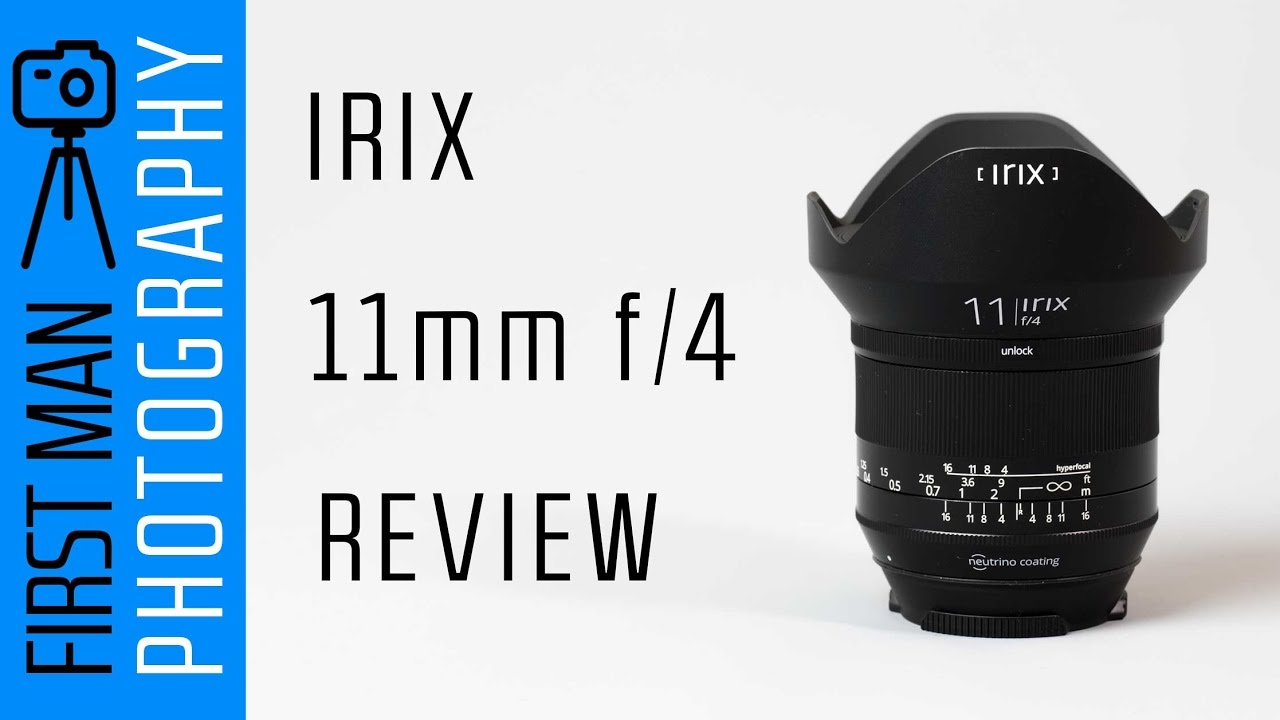
Irix 11mm f/4 Blackstone Review: Is This Ultra-Wide Worth the Premium Price Tag?

There’s a question I get more than almost any other from photographers stepping up their landscape game: “What’s the widest I can go before my images start looking like a funhouse mirror?” It’s a fair concern. Ultra-wide lenses are either revelatory or a regret, and there isn’t much middle ground. When I came across this review from First Man Photography covering the Irix 11mm f/4 Blackstone, I paid close attention, because this lens sits in a price bracket that gets real consideration from shooters who aren’t ready to drop a mortgage payment on a first-party prime.

The Laowa 10mm f/2.8 in the Field: What a First Shoot Actually Teaches You About Ultra-Wide Composition

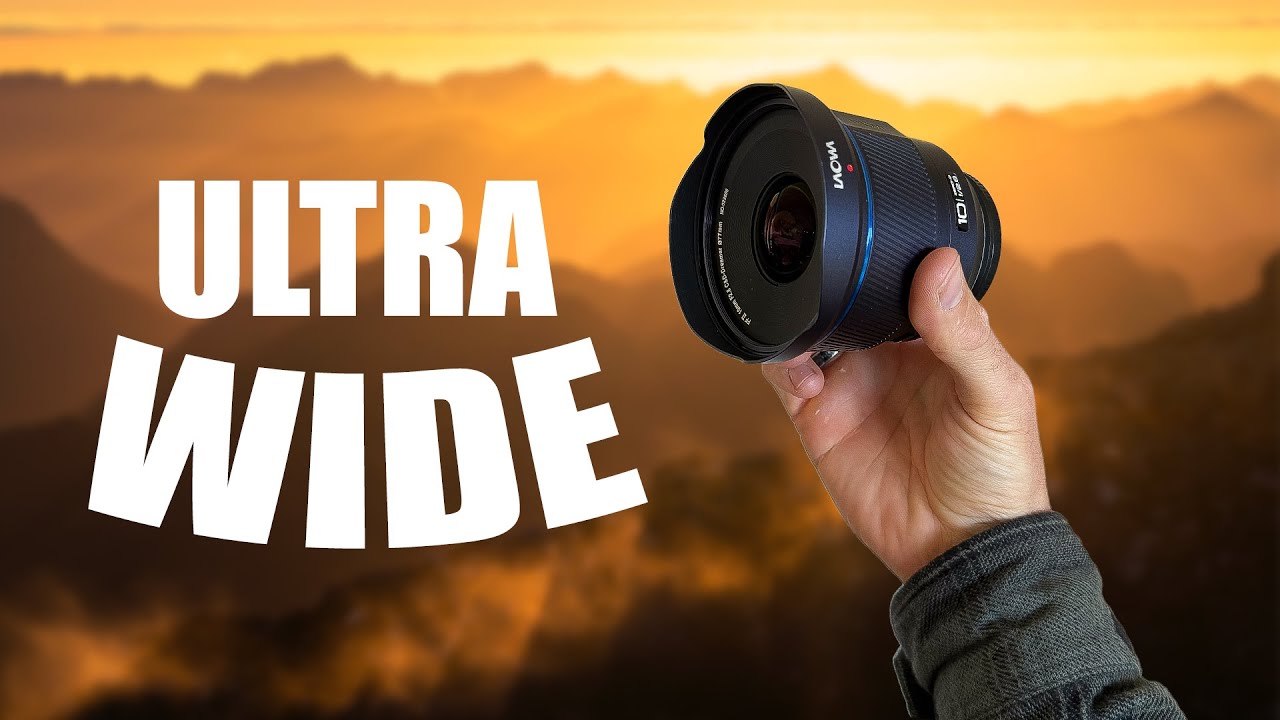
The Laowa 10mm f/2.8 in the Field: What a First Shoot Actually Teaches You About Ultra-Wide Composition

I’ve spent a embarrassing number of hours in spreadsheets comparing budget wide-angle lenses. Focal length, distortion, corner sharpness, price per millimeter of field of view - yes, I actually track that. So when I saw someone doing a genuine first-shoot field test of the Laowa 10mm f/2.8 full-frame lens with zero sponsorship attached, I stopped scrolling immediately. In this William Patino tutorial, he takes the lens out at golden hour in a forest and shoots through it in real time, talking through decisions as he makes them.

What Shooting Street With the Sigma 65mm F/2 Actually Teaches You About Focal Length Gaps

What Shooting Street With the Sigma 65mm F/2 Actually Teaches You About Focal Length Gaps

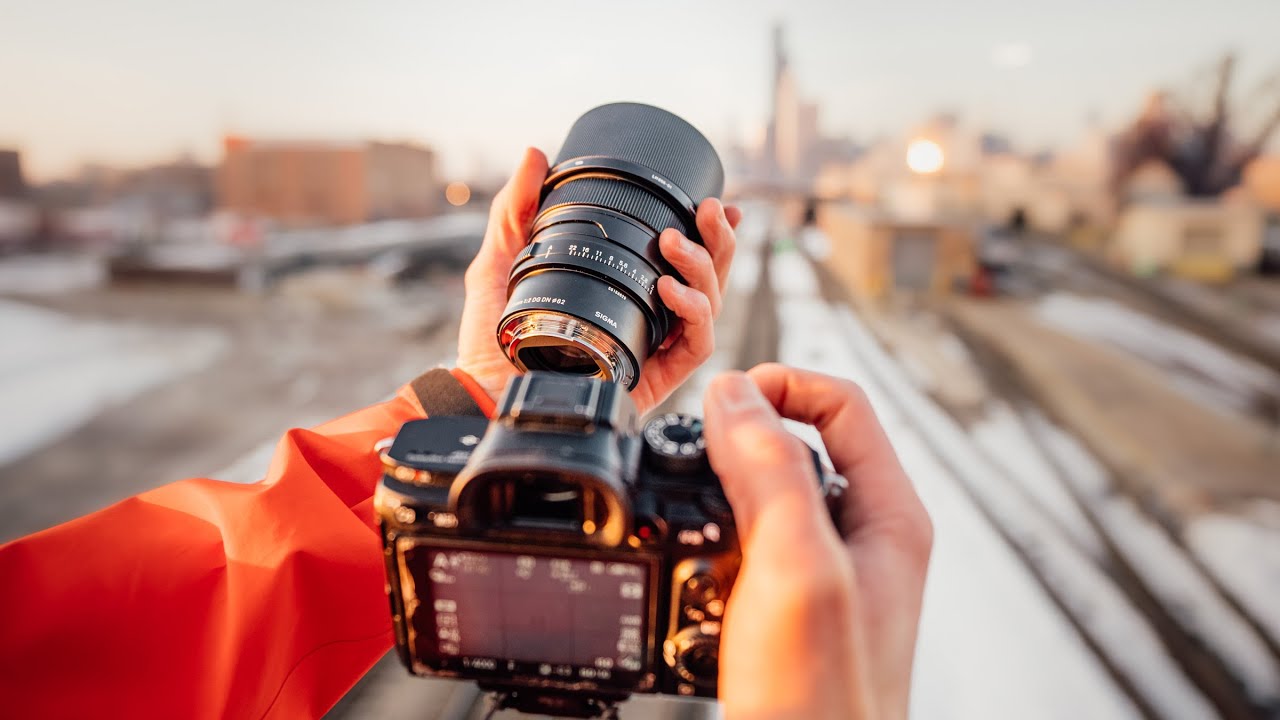
There’s a gap in most photographers’ kits that nobody talks about until they’re standing on a street corner wishing they had something between their 35mm and their 85mm. I’ve been there more times than I want to admit. My spreadsheet of tested lenses has columns for focal length, max aperture, price per millimeter of reach (yes, really), and “gap filler” potential. The 65mm focal length almost never shows up in that spreadsheet, because most manufacturers skip it entirely.

Sirui VP-1 Cinema Lens Set Review: Three T1.4 Primes for Less Than One Competitor Lens

Sirui VP-1 Cinema Lens Set Review: Three T1.4 Primes for Less Than One Competitor Lens

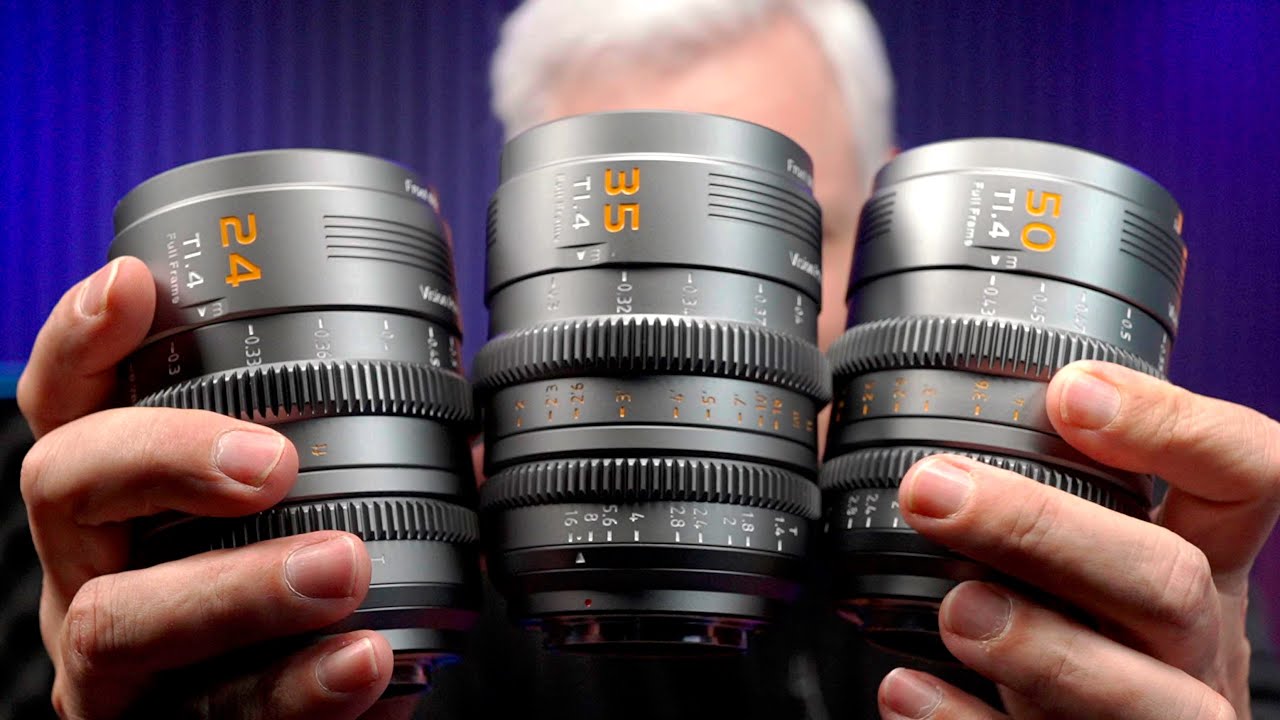
I’ve tested enough cheap lenses to know that the marketing always sounds better than the glass. “Cinema-grade” gets slapped on everything now, and most of the time it means someone added gear teeth to a kit lens and charged you three times as much. So when Tony and Chelsea Northrup dropped a review of the Sirui Vision Prime 1 set, I watched it twice, because the value proposition they laid out was the kind of thing that usually has a catch buried somewhere.

Tamron's 90mm Macro and 85mm f/1.8 Are the Budget Prime Duo I've Been Waiting For

Tamron's 90mm Macro and 85mm f/1.8 Are the Budget Prime Duo I've Been Waiting For

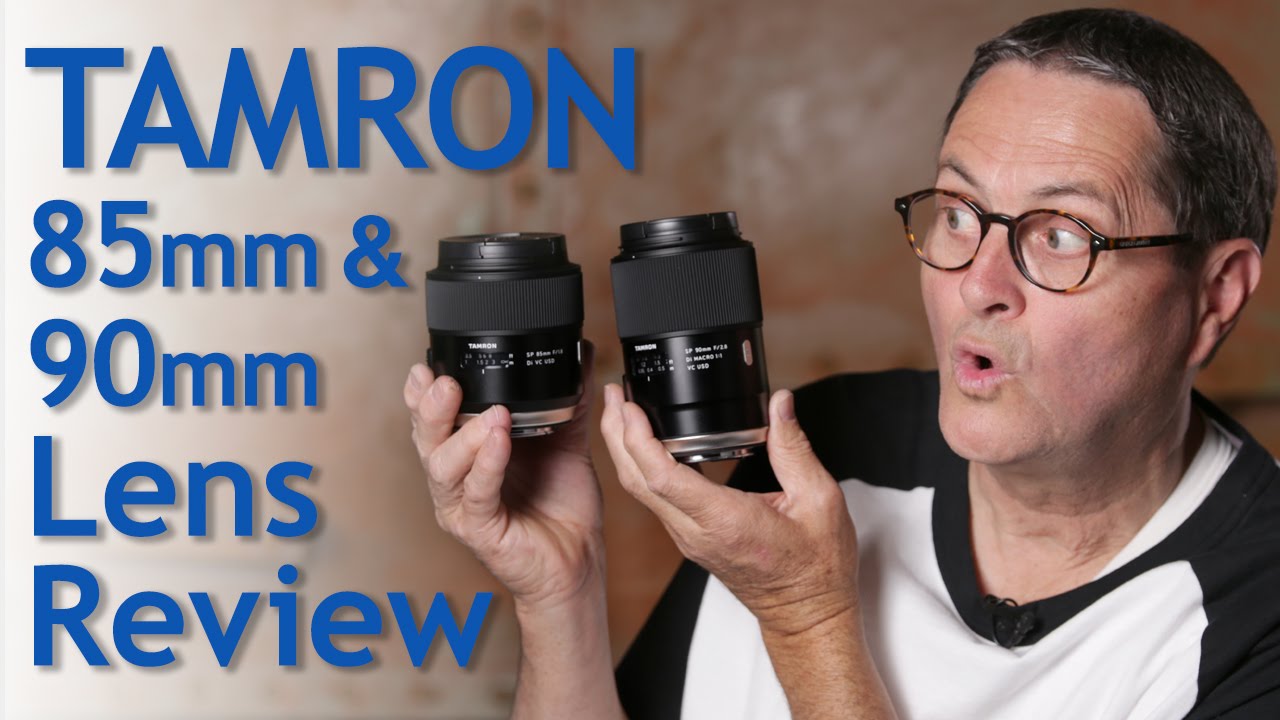
I’ve tested a lot of budget glass over the years. Enough to fill a spreadsheet that my friends think is deeply unhinged. And the question I get most often isn’t “which cheap lens is sharpest?” It’s simpler than that: “Which primes can I actually build a working kit around without spending Canon L-series money?” That’s the problem I keep trying to solve, and it’s exactly why I sat up when I came across this review.

Canon 24-240mm for Mirrorless: A Real-World Field Report (And the One Reason You Might Want to Skip It)

Canon 24-240mm for Mirrorless: A Real-World Field Report (And the One Reason You Might Want to Skip It)

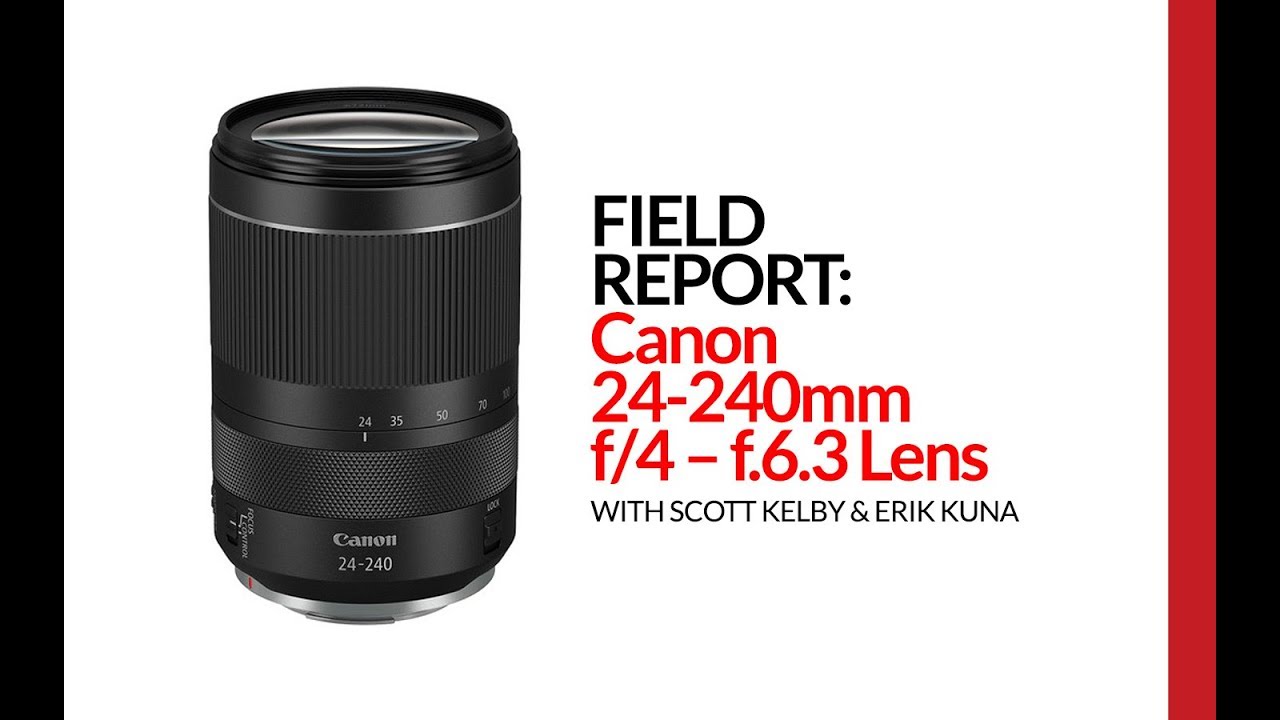
I have a rule I follow when evaluating any zoom lens: if it makes you stop reaching for your other glass, it’s doing its job. That’s a high bar. Most budget superzooms feel like compromises from the moment you put them on the camera. You keep thinking about the sharper prime sitting in your bag. So when Scott Kelby came back from a 10-day trip to China having barely touched his 16-35mm, I paid attention.

Sony 35mm f/1.8: The Street Lens That Actually Fits in Your Pocket (Pierre T. Lambert Hands-On Breakdown)

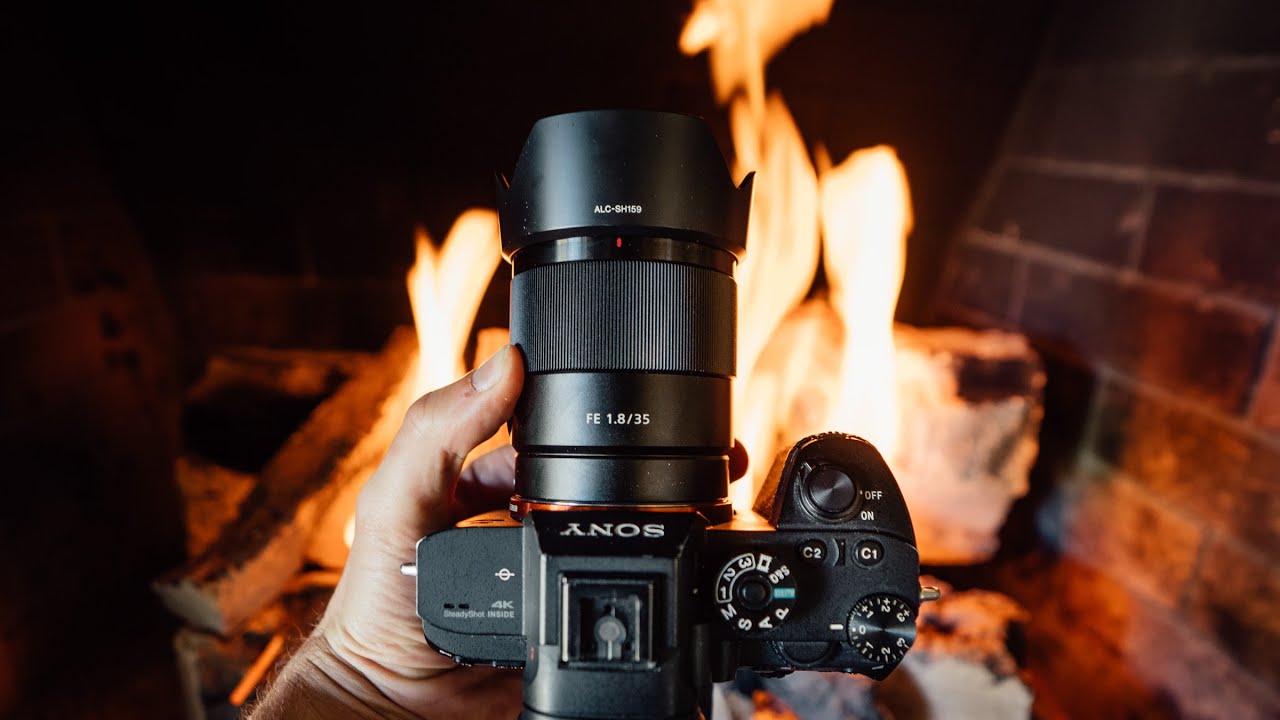
Sony 35mm f/1.8: The Street Lens That Actually Fits in Your Pocket (Pierre T. Lambert Hands-On Breakdown)

I have a simple test for any lens I’m considering for street work: does it fit in my jacket pocket with the hood on? If it doesn’t, it stays home. That might sound like a weird filter, but after years of reviewing budget gear and hunting down deals, I’ve learned that the best lens is the one you actually carry. Expensive glass sitting in a bag because it’s too bulky is just an expensive paperweight.

Sony 24-70mm f/2.8 for Street Photography: What Pierre T. Lambert's Field Test Actually Tells You

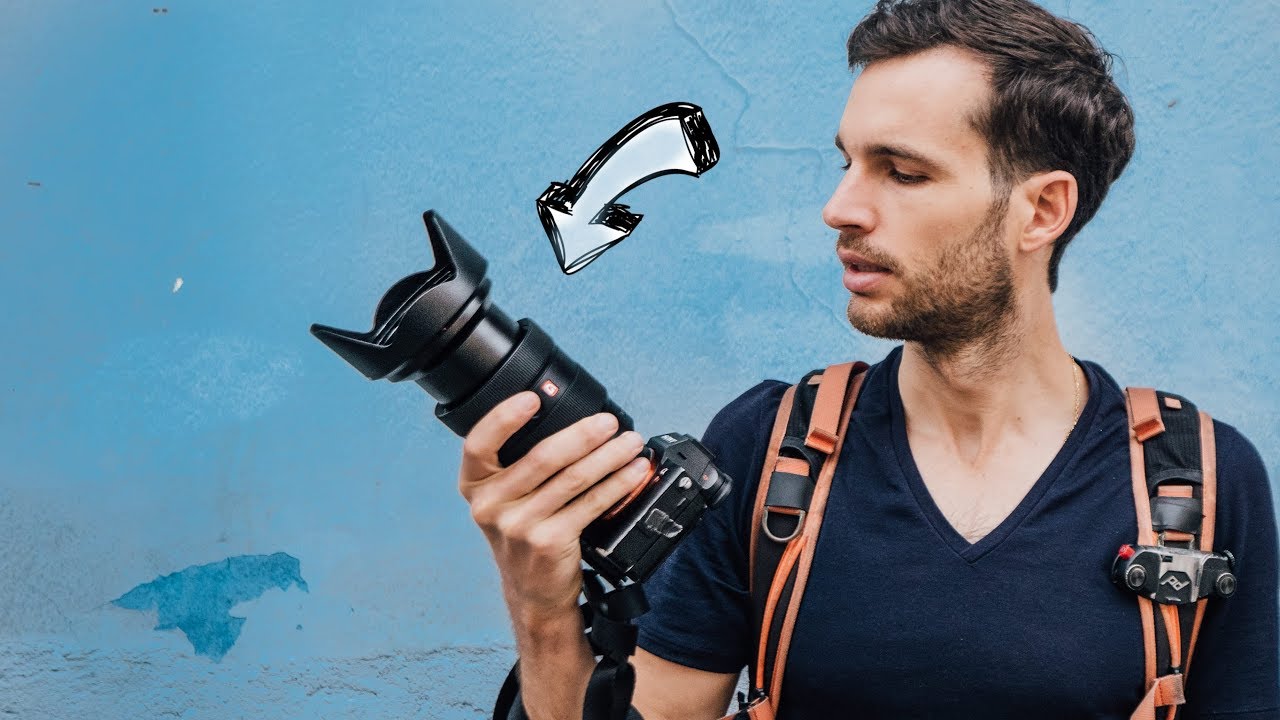
Sony 24-70mm f/2.8 for Street Photography: What Pierre T. Lambert's Field Test Actually Tells You

I’ll be straight with you: I’ve spent more hours than I’d like to admit building spreadsheets comparing prime lenses to zoom lenses for street shooting. The argument always circles back to the same tension. Primes give you a decisive focal length and force discipline. Zooms give you options. For street photography specifically, “options” sounds good on paper until you’re fumbling with a massive lens at 70mm while someone walks past with perfect light.

Tamron SP 35mm f/1.8 Di VC First Look: Is This Budget-Friendly Prime Worth Your Attention?

Tamron SP 35mm f/1.8 Di VC First Look: Is This Budget-Friendly Prime Worth Your Attention?

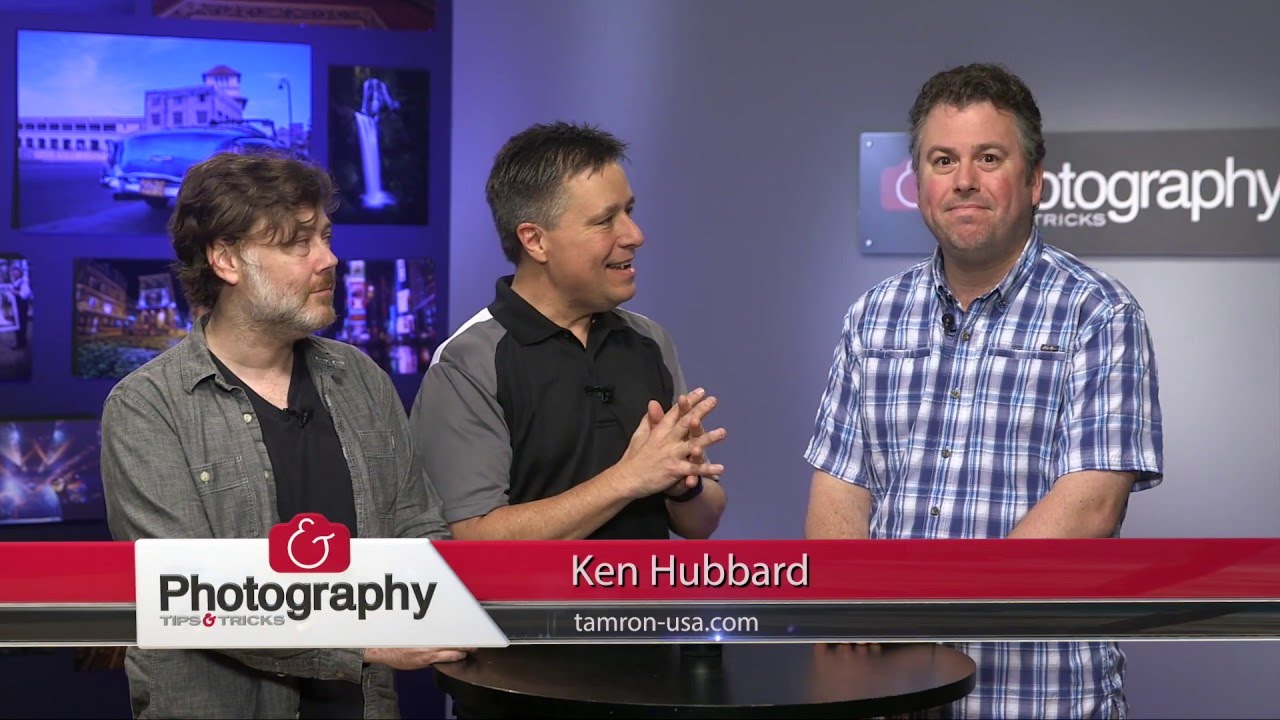
I’ll be honest with you. When Tamron started pushing into the prime lens market, I was skeptical. Zoom lenses had always been their bread and butter, and primes are where manufacturers live or die on optical quality alone. There’s nowhere to hide. So when a KelbyOne tutorial featuring Tamron representatives doing a first look at the SP 35mm f/1.8 Di VC landed in my feed, I watched it less as a fan and more as someone running quality control.

Viltrox's Tiny 28mm F/4.5 L-Mount Lens Proves You Don't Need Speed to Win

Viltrox's Tiny 28mm F/4.5 L-Mount Lens Proves You Don't Need Speed to Win

Viltrox’s Tiny 28mm F/4.5 L-Mount Lens Proves You Don’t Need Speed to Win Let’s be honest: the gear industry loves making us feel like we need everything. A faster aperture here, weather sealing there, autofocus that reads your mind. But what if I told you that sometimes the smartest move is knowing what to give up instead of what to add? That’s exactly what Viltrox seems to understand with their new AF 28mm f/4.

I Tested the Sigma 15mm F1.4 DC in Japan's Most Extreme Landscape—Here's What I Found

I Tested the Sigma 15mm F1.4 DC in Japan's Most Extreme Landscape—Here's What I Found

Taking the Scenic Route to Truth There’s something about pushing gear to its limits in actual shooting conditions that cuts through all the marketing noise. That’s exactly what I did recently when I traveled to Noboribetsu Jigokudani in Hokkaido, Japan—a geothermally active volcanic valley that’s basically nature’s stress test for camera equipment. The Sigma 15mm F1.4 DC Contemporary seemed like the perfect companion for this kind of demanding environment. A fast wide-angle at this focal length doesn’t come around often, especially at a price point that won’t require taking out a second mortgage.