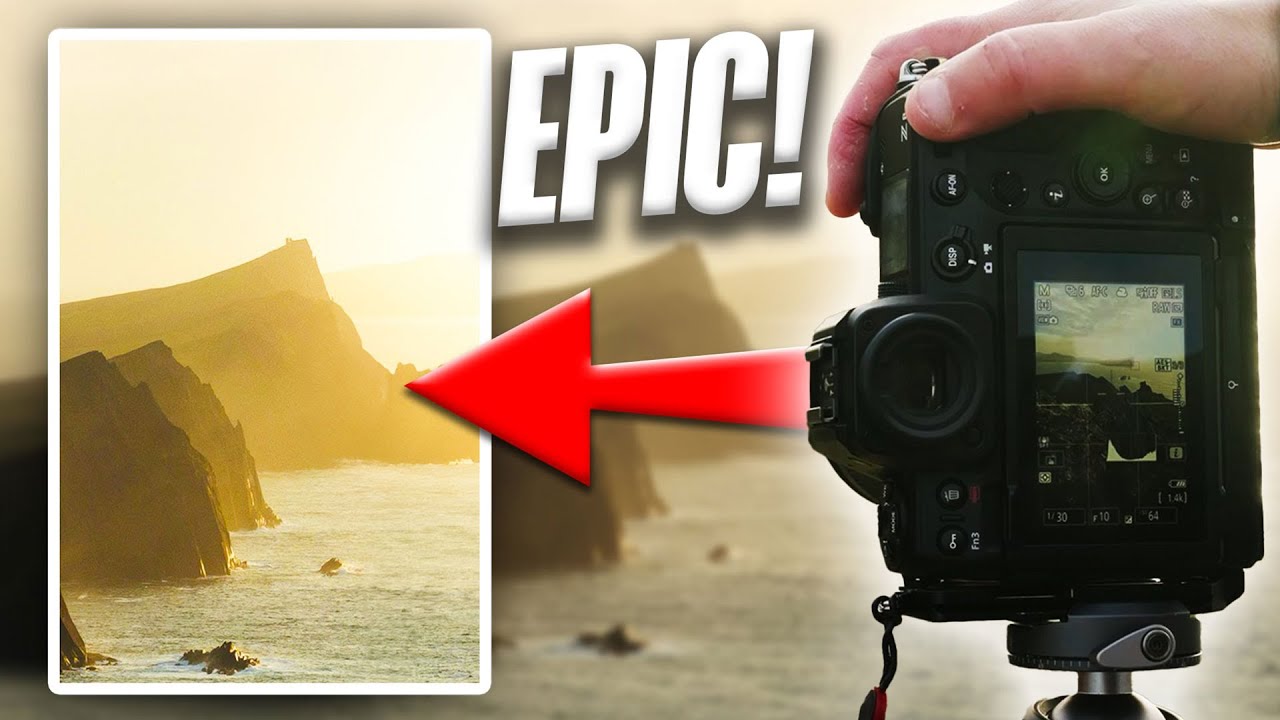
How Nigel Danson Uses a 24-200mm Lens to Slow Down and Shoot Smarter in the Field

How Nigel Danson Uses a 24-200mm Lens to Slow Down and Shoot Smarter in the Field

There’s a trap I fall into constantly: I show up to a location, light is doing something interesting, and I immediately start firing frames before I’ve actually looked at anything. I end up with 200 shots of the first angle I saw and nothing from the better one I noticed twenty minutes later. It’s a focus problem disguised as an enthusiasm problem. That’s exactly the issue Nigel Danson addresses in this Ireland landscape tutorial, not as a lecture, but just by showing how he actually works.
Force the Perspective: What Shooting Yosemite with Only a 20mm Lens Actually Teaches You

Force the Perspective: What Shooting Yosemite with Only a 20mm Lens Actually Teaches You

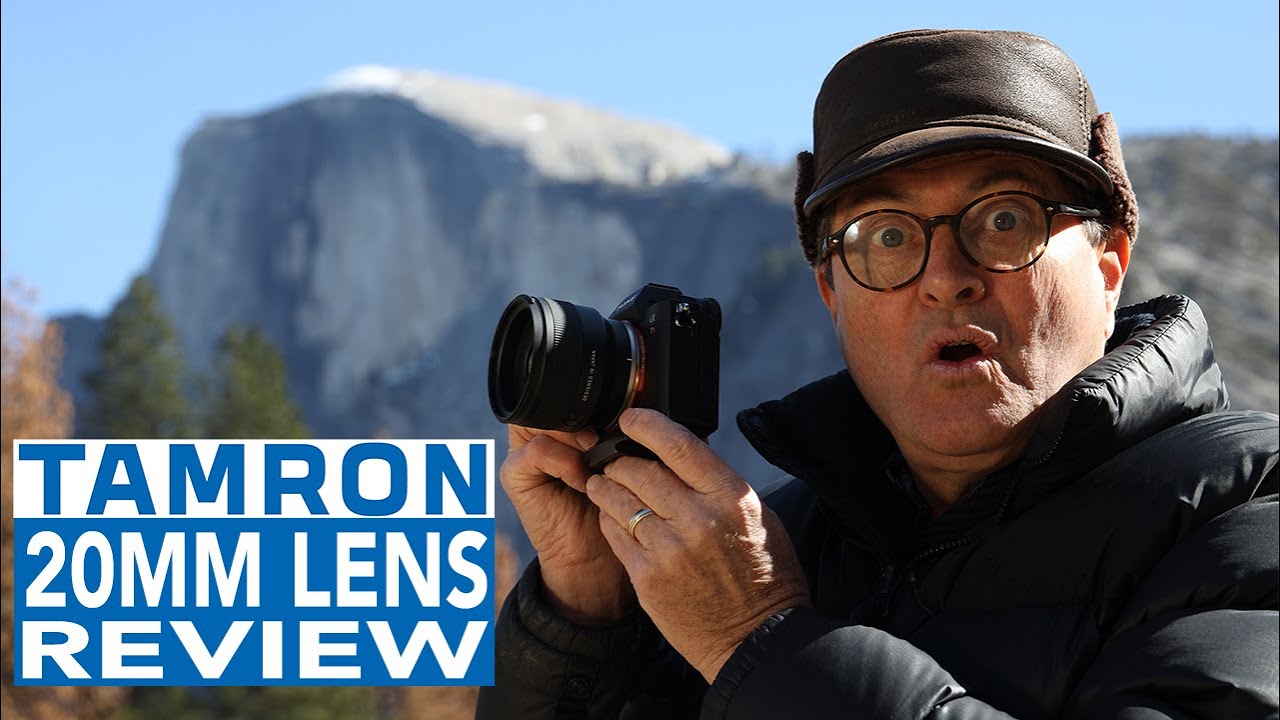
I have a bad habit of reaching for the “safe” focal length. Something in the 35-50mm range that feels natural, causes no drama, and produces competent, forgettable images. It took me longer than I’d like to admit to realize that safe focal lengths produce safe photos, and safe photos don’t stop anyone’s scroll. That’s exactly why a recent tutorial from JP Morgan over at The Slanted Lens hit differently. In it, he hauls a Tamron 20mm f/2.

How to Actually Use an Ultra-Wide Angle Lens for Landscape Photography (Not Just Slap It On and Hope)

How to Actually Use an Ultra-Wide Angle Lens for Landscape Photography (Not Just Slap It On and Hope)

I spent a long time thinking ultra-wide lenses were a flex move. Like, you buy the 12mm, you point it at a mountain, and the sheer field of view does the heavy lifting. Spoiler: it doesn’t. What I kept getting was flat, busy images that looked like I just stood far back from everything. No sense of scale. No pull. Just… wide. That changed when I worked through Watch the full tutorial on YouTube by William Patino, where he breaks down exactly how to think about ultra-wide lenses for landscape work.

Your Feet Matter More Than Your Focal Length — Here's the Proof

Your Feet Matter More Than Your Focal Length — Here's the Proof

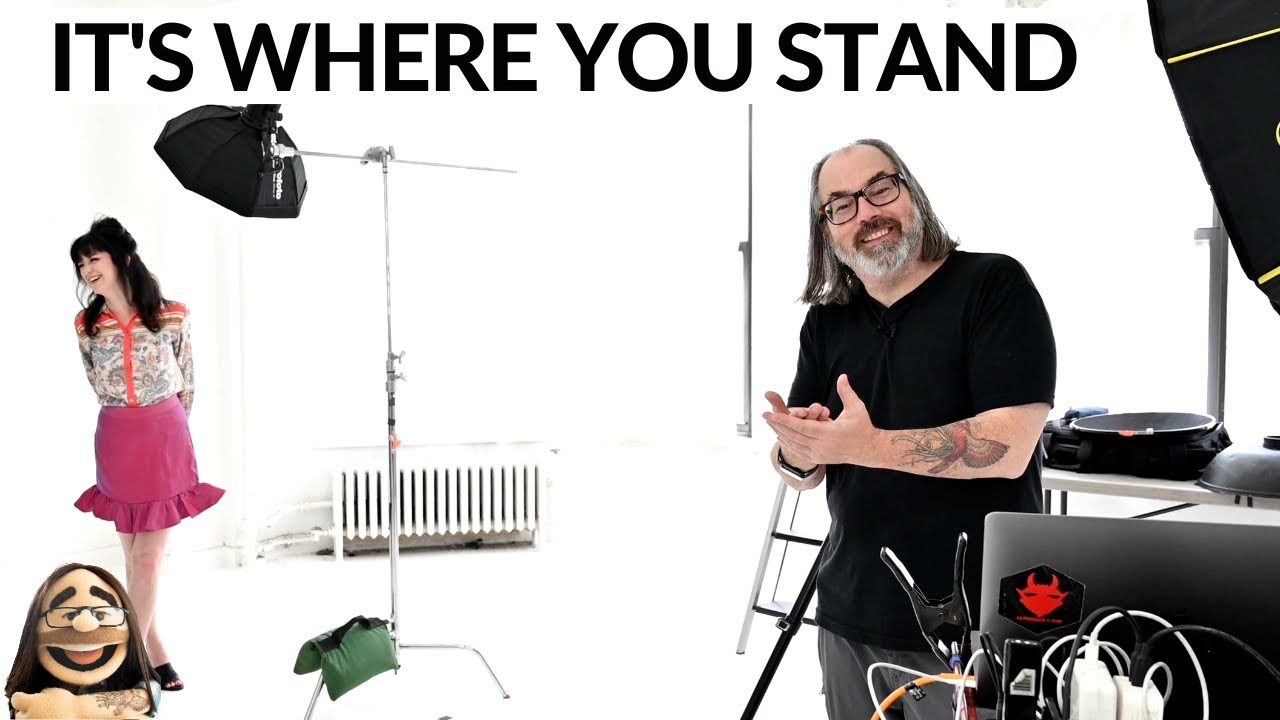
I spent way too long convincing myself that my portraits would improve the moment I bought a longer lens. I’d look at shots that felt flat or slightly off and immediately start browsing used gear listings. Then I watched a shooting demo from Daniel Norton, a New York-based professional photographer, and had one of those frustrating moments where the fix was embarrassingly simple. The problem wasn’t my glass. It was where I was standing when I fired the shutter.

Changing Lenses in a Sandstorm: What Thomas Heaton's Namibia Trip Taught Me About Field Craft

Changing Lenses in a Sandstorm: What Thomas Heaton's Namibia Trip Taught Me About Field Craft

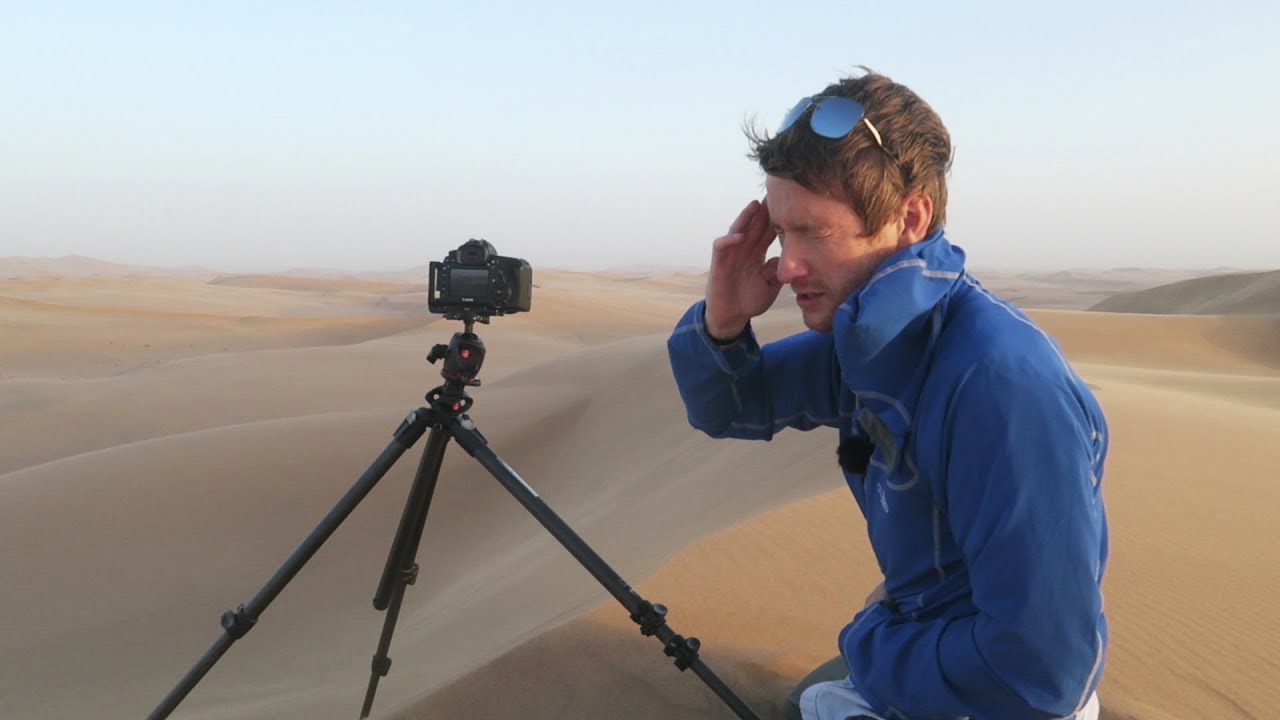
There’s a specific kind of panic that sets in when conditions turn bad and your gear is still in the bag. I know it well. I’ve stood on a snowy ridge in Colorado with wind coming sideways, trying to swap a filter while keeping sand and debris off my sensor, wondering why I never actually practiced this move before I needed it. Most of us treat lens changes like something we do at home on the couch.

How to Actually Use a Wide Angle Lens for Landscapes (Not Just Zoom Out and Hope)

How to Actually Use a Wide Angle Lens for Landscapes (Not Just Zoom Out and Hope)

Most of my landscape shots from my first year looked like postcards someone else already made. Nice light, decent subject, totally flat. I kept blaming my gear, which is ironic given what I do for a living. The real problem was simpler: I was using a wide angle lens like a telephoto, just pointing it at the main subject from standing height and calling it done. In this William Patino tutorial on wide angle lenses for landscape photography, he lays out the core habits that actually separate effective wide angle work from lazy snapping.

7 Wide Angle Lens Habits That Actually Make Your Shots Look Intentional

7 Wide Angle Lens Habits That Actually Make Your Shots Look Intentional

Wide angle lenses are one of those purchases that feel exciting in the cart and humbling in the field. I’ve tested more budget wide angles than I care to admit - there’s a whole tab in my gear spreadsheet dedicated to them - and the honest truth is that the lens itself is rarely the problem. Technique is. I’d hand someone a $200 wide angle and watch them produce flat, lifeless images, then hand the same lens to someone who understood how to use the field of view, and suddenly it looked like a completely different piece of glass.

What Happens When Two Photographers Swap Lenses Mid-Shoot (And What It Teaches You About Your Own Glass)

What Happens When Two Photographers Swap Lenses Mid-Shoot (And What It Teaches You About Your Own Glass)

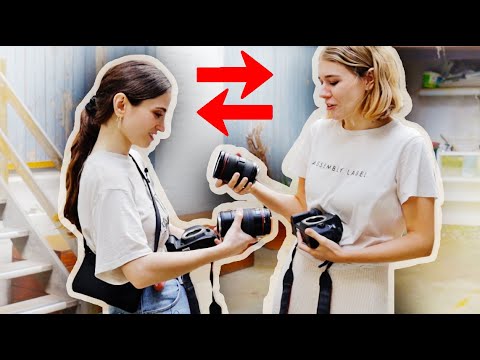
I spend a lot of time thinking about lenses in terms of specs and price points. That’s the job. But there’s a different kind of lens education that no MTF chart can give you, and it only happens when you’re forced to shoot with glass that doesn’t match how your brain works. That’s the real lesson hiding inside this Jessica Kobeissi tutorial, where she and beauty photographer Kaylee swap lenses entirely and each tries to shoot in the other’s style.

Get More Out of Your Wide Angle Lens: A Step-by-Step Guide to Shooting Like a Landscape Pro

Get More Out of Your Wide Angle Lens: A Step-by-Step Guide to Shooting Like a Landscape Pro

I’ll be honest: wide angle lenses have a reputation for being “easy” because they fit so much in the frame. Point them at a big landscape, click, done. Except that’s exactly the wrong way to use them, and it took me longer than I’d like to admit to figure that out. When I was starting out with a budget ultra-wide zoom, my landscape shots looked flat and lifeless even though I was standing in front of genuinely beautiful scenery.

Stop Shooting Wide: Why a Telephoto Lens Might Be Your Best Landscape Tool

Stop Shooting Wide: Why a Telephoto Lens Might Be Your Best Landscape Tool

Most landscape photographers reach for their widest lens by default. I did the same thing for years. Wide angle captures the sweeping scene, the dramatic sky, the sense of being there — but it also captures the ugly parking lot edge, the boring middle ground, and the dead space that kills an otherwise strong shot. The result looks like a postcard nobody wants to send. I’ve been testing budget telephoto options lately for an upcoming lens roundup, and I needed a clearer framework for actually using them in the field rather than just pixel-peeping test charts.

How to Stop Wasting Your Wide Angle Lens on Dead Foregrounds (Lessons from Nigel Danson)

How to Stop Wasting Your Wide Angle Lens on Dead Foregrounds (Lessons from Nigel Danson)

Wide angle lenses are the ones that separate photographers who “get it” from photographers who just think they do. I spent a solid year shooting wide and wondering why my images looked flat, boring, and weirdly empty despite having more of the scene in frame. More isn’t always more. The problem, almost every time, was the foreground. I was looking for something concrete to fix this, and I landed on a tutorial from Nigel Danson that clicked immediately.