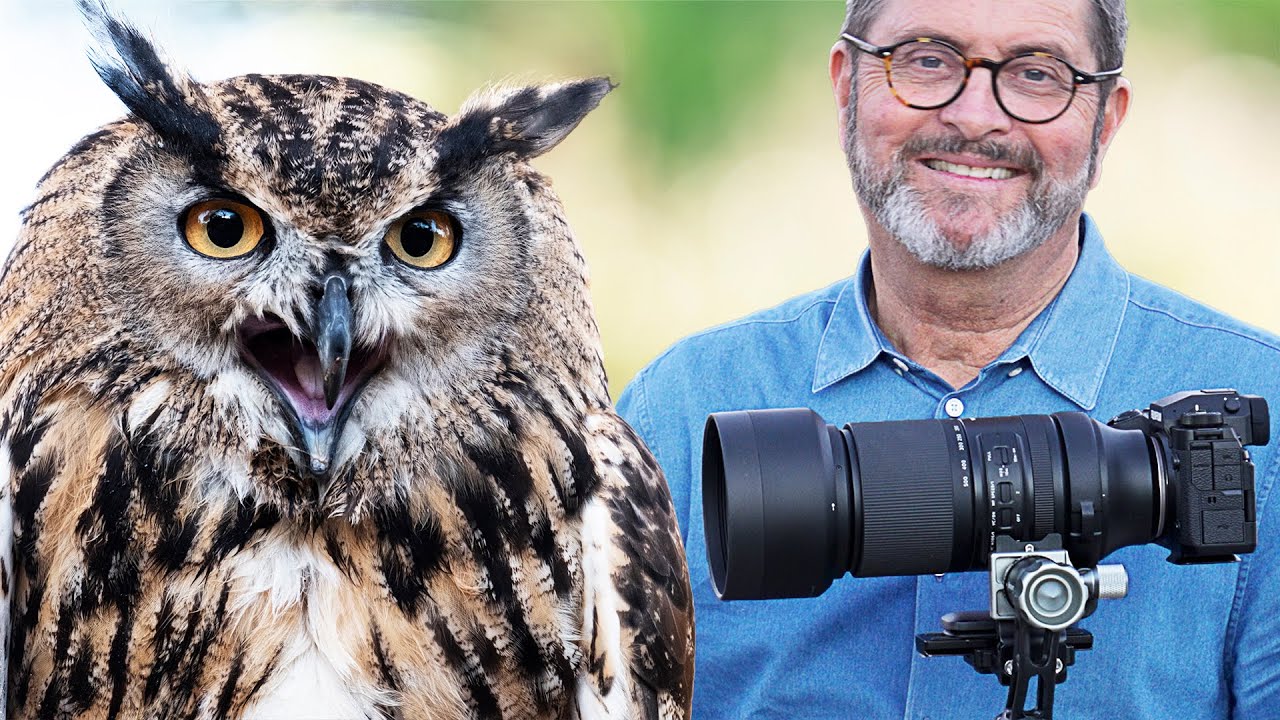
How to Photograph an Owl (or Any Fast Bird) With a Budget Telephoto: Lessons From Fuji X-H2 and the Tamron 150-500mm

How to Photograph an Owl (or Any Fast Bird) With a Budget Telephoto: Lessons From Fuji X-H2 and the Tamron 150-500mm

I’ll be honest: wildlife photography has always been the genre that made me feel like my budget philosophy falls apart. Fast-moving subjects, unpredictable light, and a traditional insistence on f/4 glass that costs more than my car. Every time I’d look into a serious telephoto setup, I’d end up on a spreadsheet comparing options I couldn’t justify buying. So when I saw The Slanted Lens put the Tamron 150-500mm on a Fujifilm X-H2 and walk away with genuinely stunning owl portraits, I needed to understand exactly how they pulled it off.
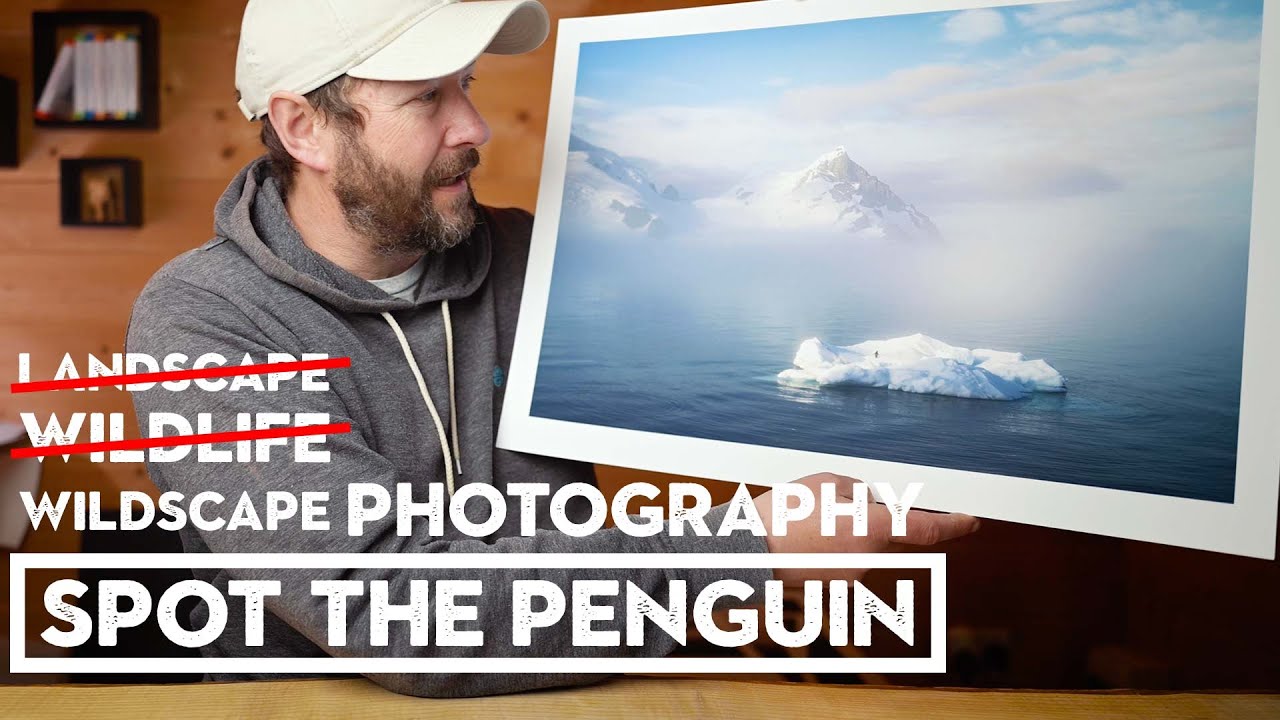
What a Landscape Photographer Shooting Antarctica Taught Me About Patience, Placement, and Wildscape Thinking

What a Landscape Photographer Shooting Antarctica Taught Me About Patience, Placement, and Wildscape Thinking

I’ve spent years arguing that technique beats gear, and most of the time I believe it. But every once in a while I watch someone work through a genuinely difficult photographic problem and realize the technique conversation goes a lot deeper than camera settings. That’s what happened when I sat down with Watch the full tutorial on YouTube - Nigel Danson’s breakdown of shooting wildlife in Antarctica as a landscape photographer.

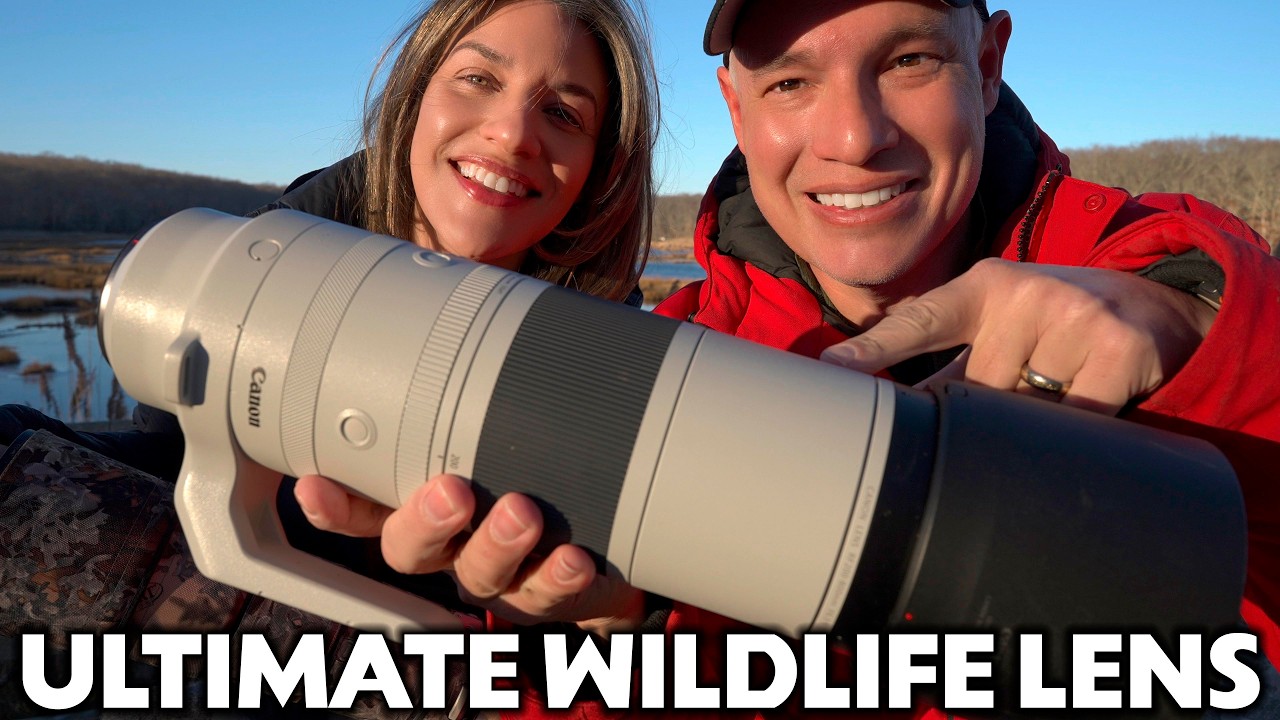
Canon 200-800mm vs. the Field: What Tony & Chelsea's Wildlife Lens Shootout Actually Proves

Canon 200-800mm vs. the Field: What Tony & Chelsea's Wildlife Lens Shootout Actually Proves

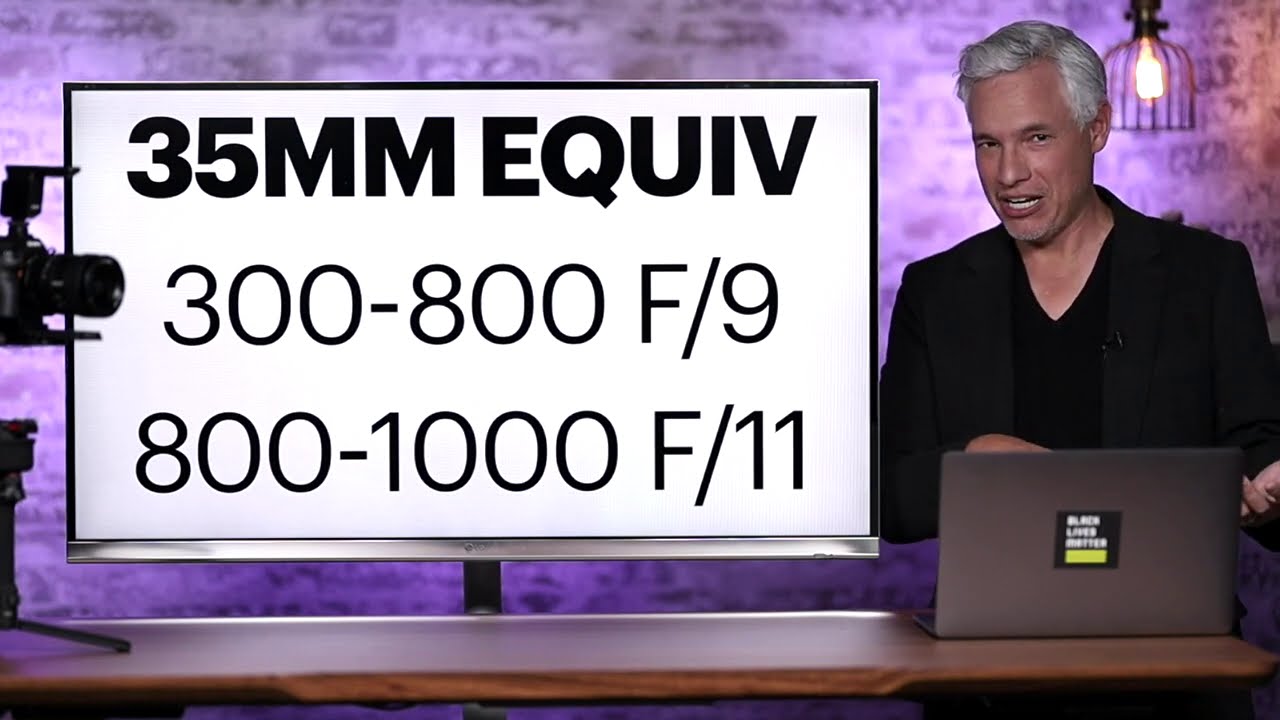
I’ve been down the wildlife lens rabbit hole more times than I care to admit. Every time I think I’ve landed on the right setup, something new drops and the math changes. The tension I keep running into is this: do you buy a dedicated super-telephoto zoom and be done with it, or do you stack a solid mid-range zoom with a teleconverter and call it good? That question has a real cost attached to it, and for Canon shooters especially, it’s been frustratingly hard to answer because the options until recently were either too short or too expensive.

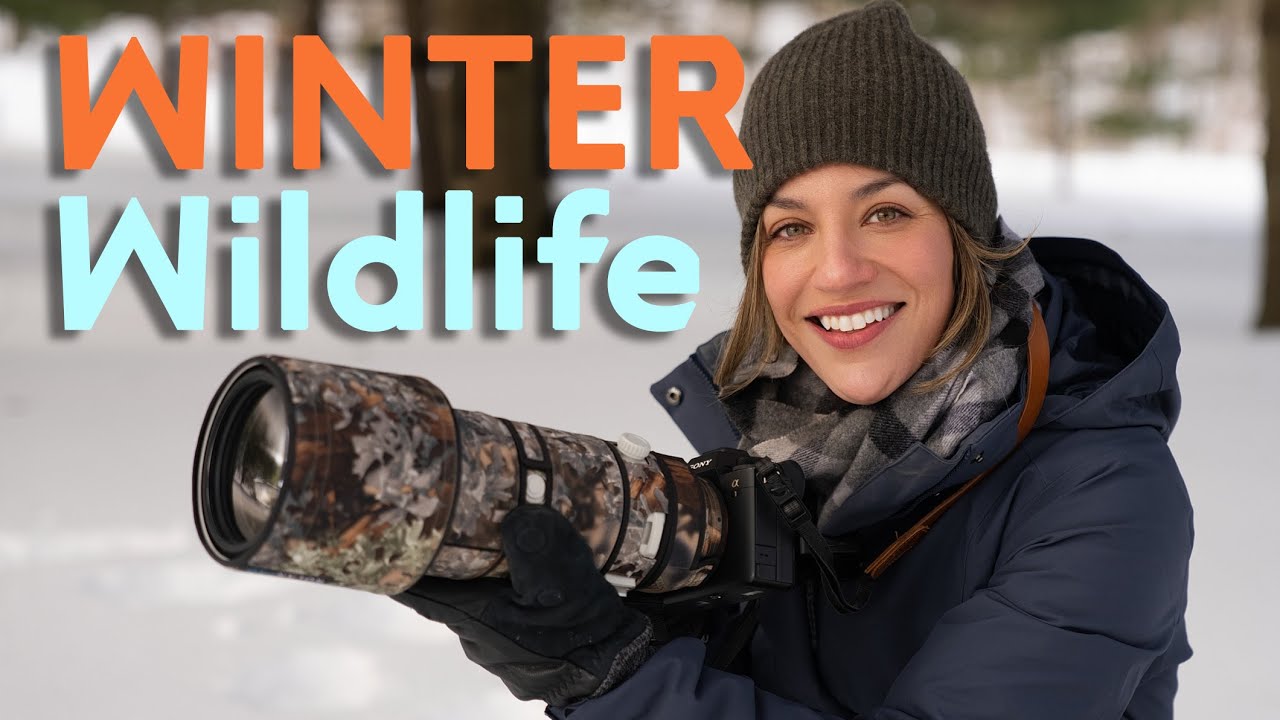
Winter Wildlife Photography: How to Keep Your Gear (and Yourself) Alive When It's Freezing Out

Winter Wildlife Photography: How to Keep Your Gear (and Yourself) Alive When It's Freezing Out

Living in Denver means I don’t get the luxury of skipping winter shooting seasons. The elk are out. The light is incredible. The temperatures are absolutely brutal. And for a while, I was doing everything wrong - bringing my camera straight from a 10-degree field into a 70-degree car, wondering why my lens kept fogging up, and draining batteries faster than I could swap them. I lost at least two solid shooting sessions to gear problems before I started taking cold-weather prep seriously.

The Edit Is Half the Photo: Chelsea Northrup's Step-by-Step Workflow for Natural-Looking Results

The Edit Is Half the Photo: Chelsea Northrup's Step-by-Step Workflow for Natural-Looking Results

I used to think good editing meant heavy editing. Crank the clarity, push the saturation, slap on a preset, done. It took me an embarrassingly long time to figure out that the best edits are the ones that look like you didn’t edit at all. They just make the photo feel more like what you actually saw when you pressed the shutter. That’s exactly what Chelsea Northrup demonstrates in this tutorial, and it reframed how I think about the entire post-processing step.

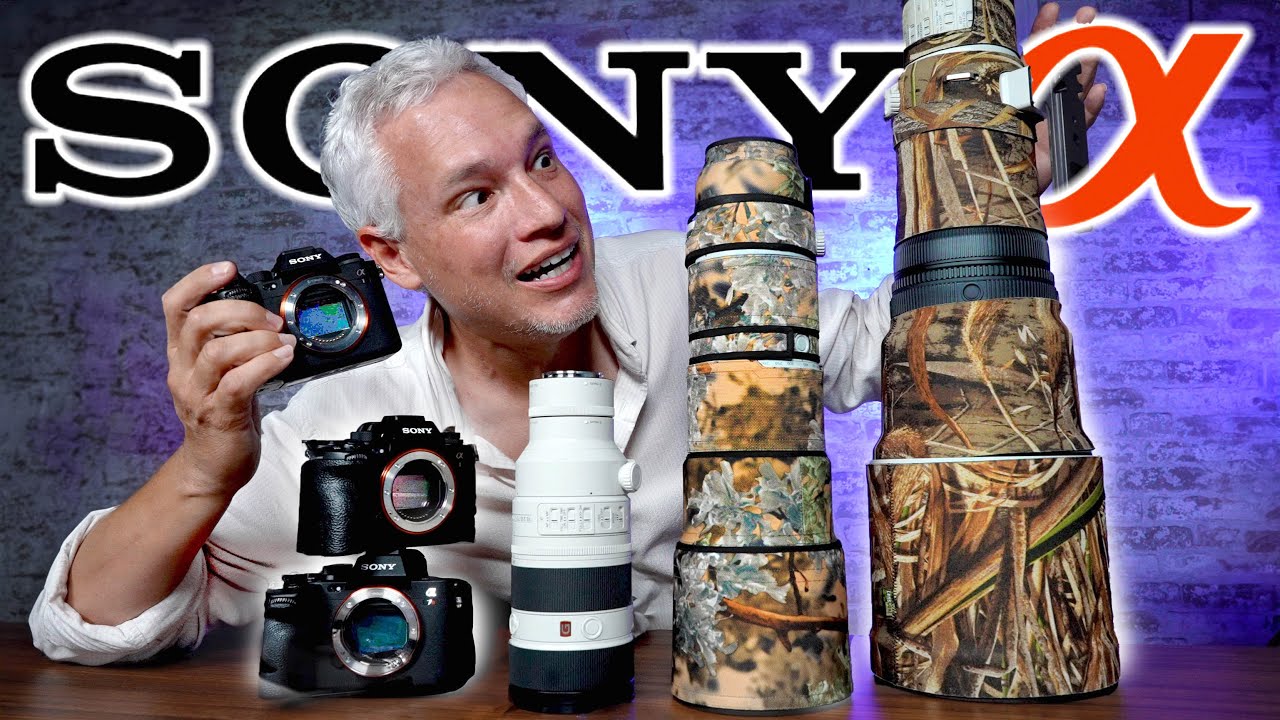
Sony Wildlife Photography Gear: What Actually Matters (And What to Skip)

Sony Wildlife Photography Gear: What Actually Matters (And What to Skip)

Wildlife photography is the one genre where I can’t tell you gear doesn’t matter. I’ve spent years arguing that a $500 camera can do most of what a $2,000 camera can do, and I stand by that for portraits, street work, and even landscapes. But when you’re tracking a bird of prey at 400mm while it banks hard left, your autofocus system and viewfinder refresh rate are not abstractions. They are the difference between a keeper and a blur.

The Canon 5DS/5DSR for Wildlife: 50 Megapixels Sounds Amazing Until You Actually Think It Through

The Canon 5DS/5DSR for Wildlife: 50 Megapixels Sounds Amazing Until You Actually Think It Through

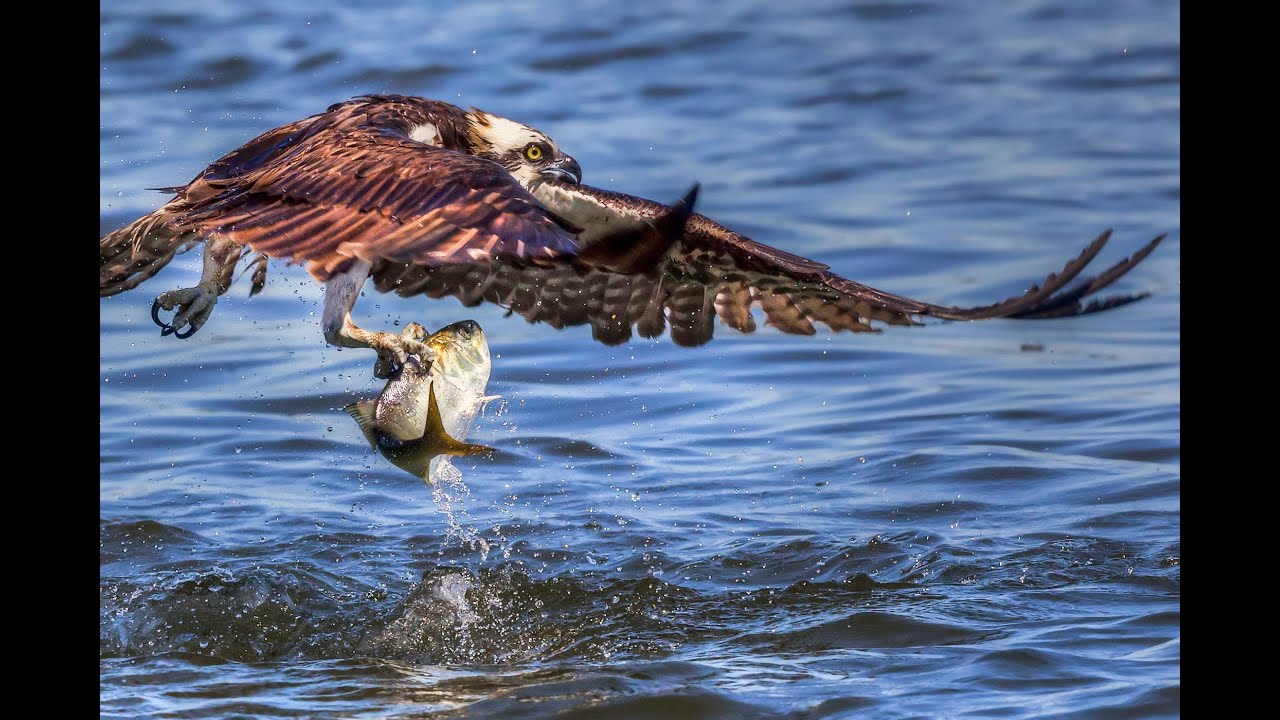
I’ll be honest - when Canon dropped the 5DSR with 50 megapixels and no anti-aliasing filter, my first instinct was to add it to a wishlist. More megapixels for wildlife cropping? That sounds like exactly the kind of upgrade that changes everything. But I’ve learned the hard way that specs on paper have a way of falling apart when you’re standing in a field at 5am waiting for an osprey to move.

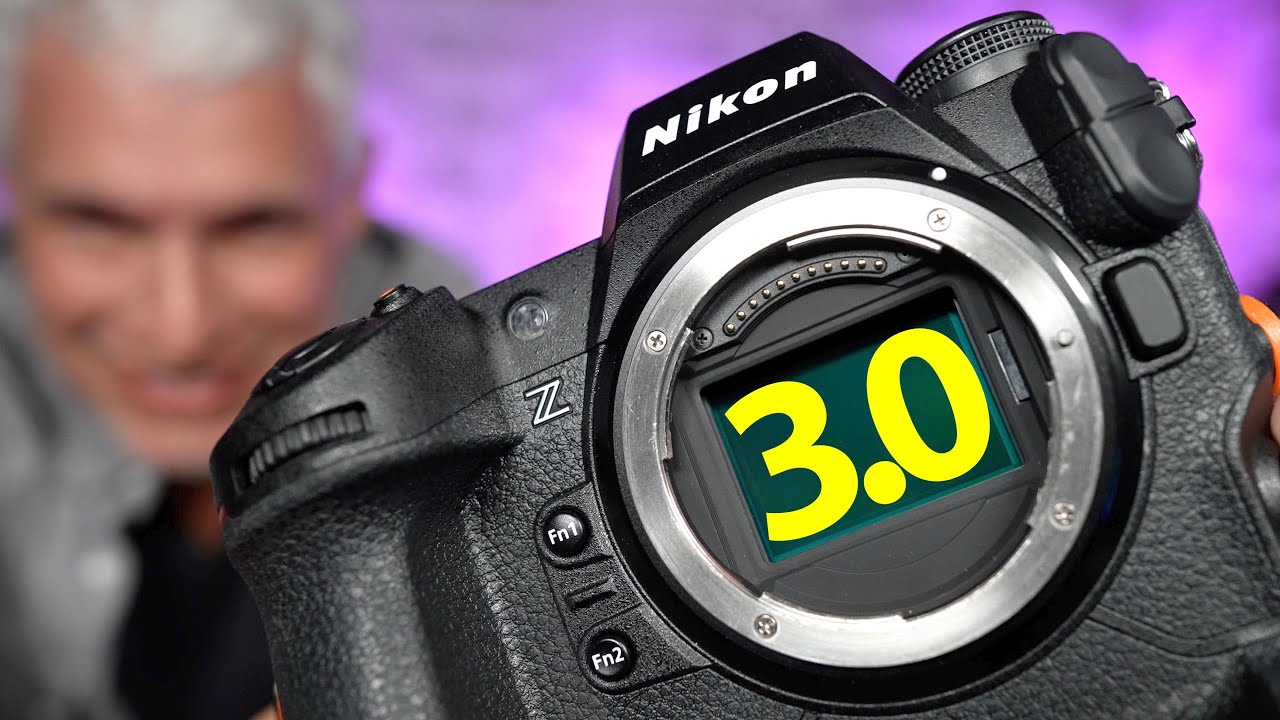
Nikon Z9 Firmware 3.0 Breakdown: The Features That Actually Change How You Shoot

Nikon Z9 Firmware 3.0 Breakdown: The Features That Actually Change How You Shoot

I’ll be straight with you: I don’t cover $5,500 cameras very often. That’s not exactly the deals-hunter beat. But firmware updates are a different conversation, because a major update on a camera you already own is essentially free gear. And if you’re shopping the used market, knowing what firmware version a body is running can be the difference between a frustrating experience and one that punches well above its price. That’s what pulled me into this review.

Olympus's Last Lens Is a $7,500 Mistake (And the Sony FX6 Might Be the Pro Video Camera I've Been Waiting For)

Olympus's Last Lens Is a $7,500 Mistake (And the Sony FX6 Might Be the Pro Video Camera I've Been Waiting For)

I spend a lot of mornings doing something most photographers don’t bother with: running the actual math on gear before I get excited about it. Manufacturer spec sheets are written to make things sound impressive, and that gap between “sounds impressive” and “is actually worth your money” is exactly where bad purchasing decisions live. When I watched the latest Tony & Chelsea Northrup tutorial covering Olympus’s final-ever lens release and the newly announced Sony FX6, I had that familiar feeling of someone else doing the homework I would have done anyway.

Is the Panasonic Lumix 100-500mm the Wildlife Lens Budget Shooters Have Been Waiting For?

Is the Panasonic Lumix 100-500mm the Wildlife Lens Budget Shooters Have Been Waiting For?

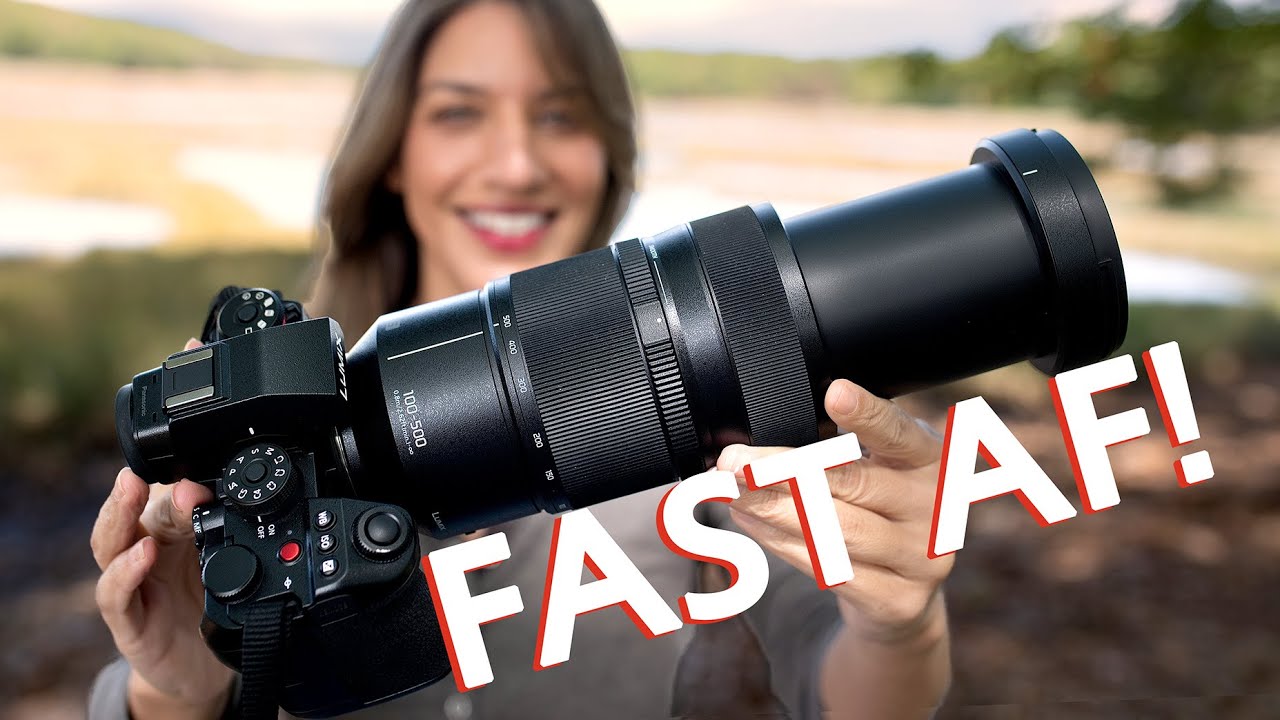
Finding a wildlife lens that won’t destroy your bank account while still delivering usable results is genuinely hard. The sweet spot everyone is hunting for - enough reach, fast enough autofocus, light enough to actually carry - keeps moving just out of reach depending on your budget. I’ve been tracking telephoto options in my lens comparison spreadsheet for a while now, and the $2,100 Panasonic Lumix 100-500mm F5-7.1 recently jumped to the top of my “keep watching” list.

3 Wildlife Photography Tricks That Will Make You a Better Landscape Shooter (Yes, Really)

3 Wildlife Photography Tricks That Will Make You a Better Landscape Shooter (Yes, Really)

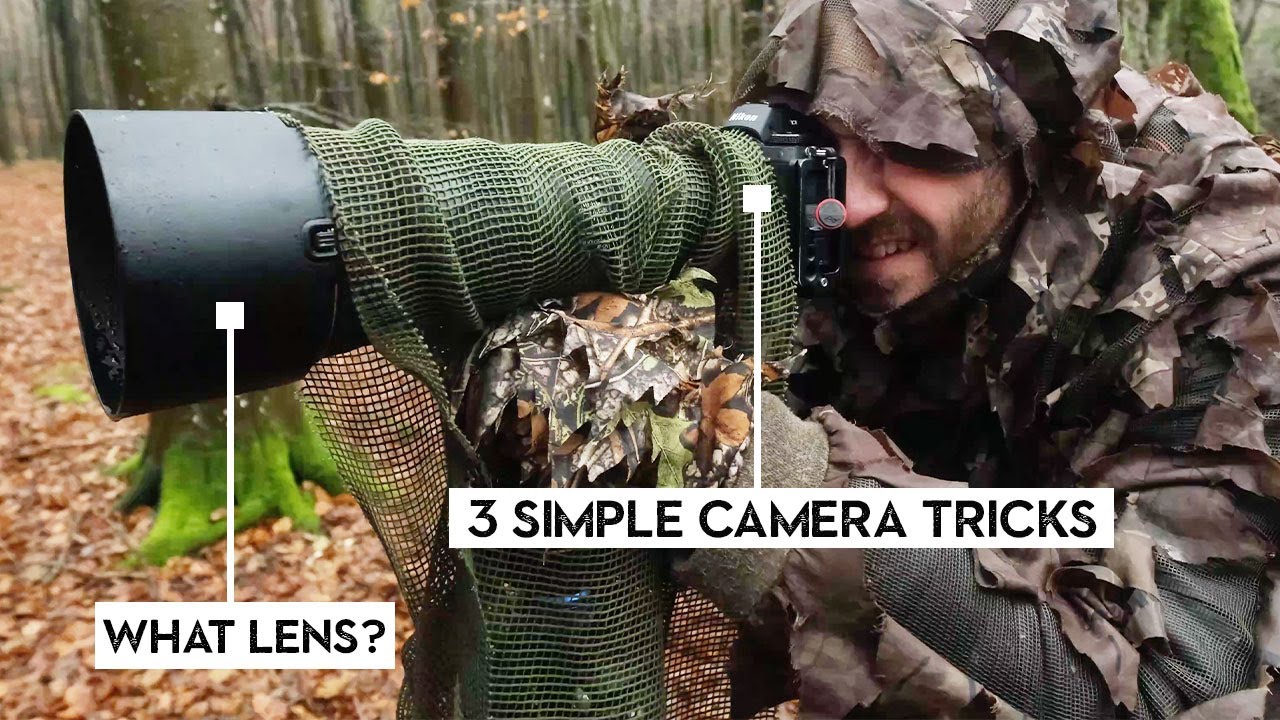
I shoot mostly landscapes. Cityscapes, mountain trails around Colorado, the occasional golden-hour field that makes my Instagram followers forget I mostly post budget gear breakdowns. Wildlife has always felt like a different sport entirely, one that requires patience I don’t have and glass I can’t afford. So when I watched Nigel Danson, a landscape photographer known for his disciplined, deliberate style, throw himself into a full wildlife shoot in the woods, I expected to learn some autofocus tricks and move on.

Canon 1DX Mark II vs Nikon D5: What Sports Shooters Actually Need to Know

Canon 1DX Mark II vs Nikon D5: What Sports Shooters Actually Need to Know

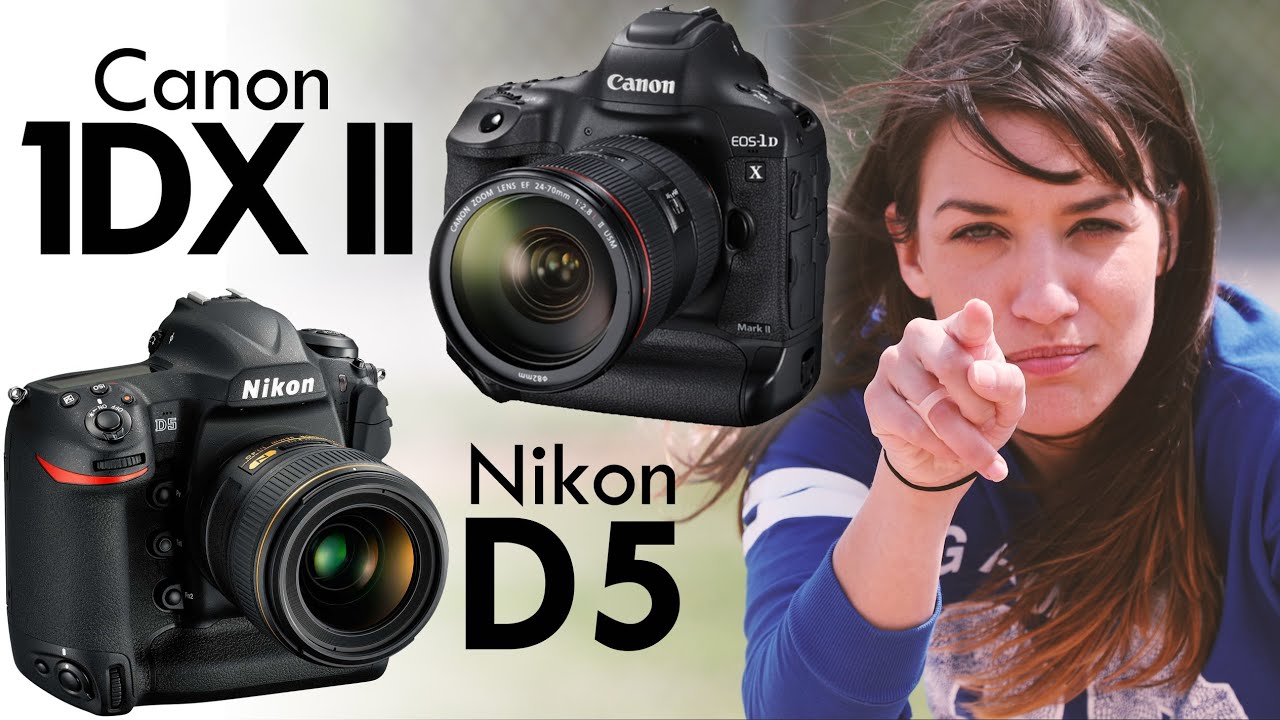
Every time I see someone drop $6,000 on a flagship sports body, I want to pull up a spreadsheet. Not to shame them, but because the numbers rarely tell the whole story on the spec sheet. I grew up shooting on gear most professionals would laugh at, and that experience made me obsessive about understanding exactly what you’re paying for before you pay it. So when Tony and Chelsea Northrup put the Canon 1DX Mark II and the Nikon D5 through a serious head-to-head review, I watched the whole thing twice and took notes.