Your Photos Aren't Bad — Your Composition Awareness Is (Here's How to Fix It)

Your Photos Aren't Bad — Your Composition Awareness Is (Here's How to Fix It)

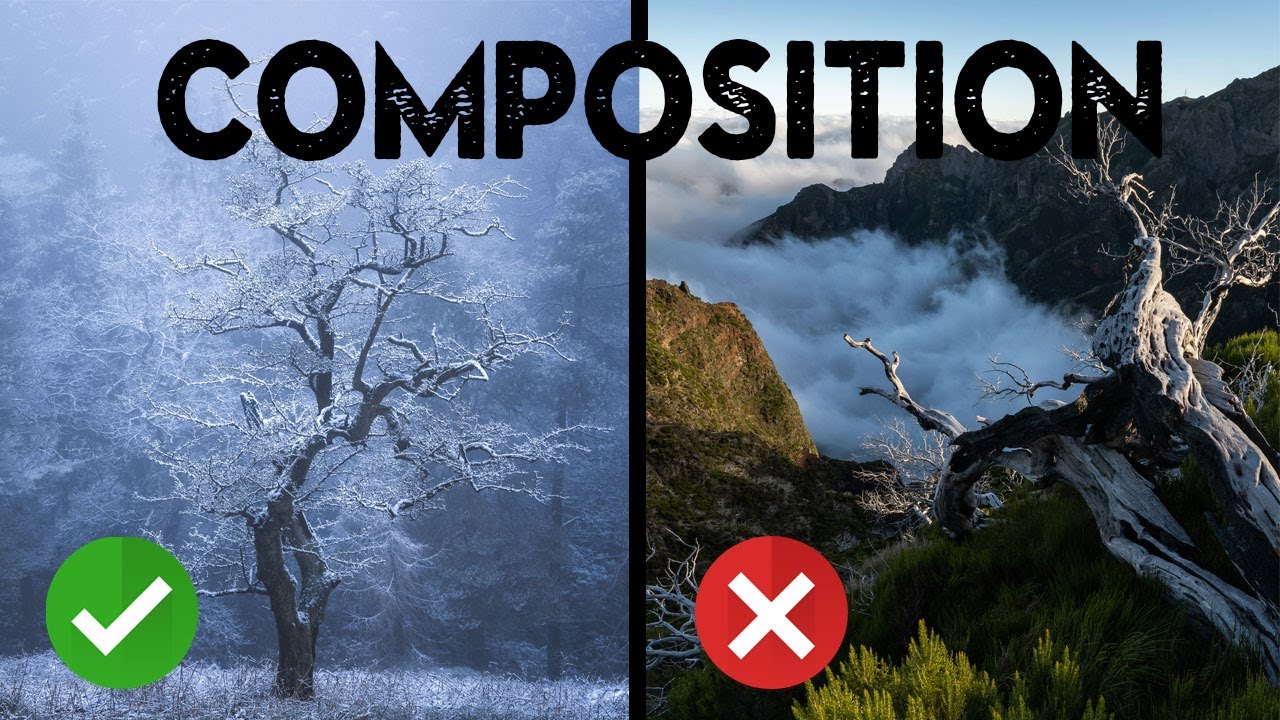
There’s a specific kind of disappointment I know too well: you’re out shooting, the light is perfect, the subject is right there, and you feel like you’re absolutely nailing it. Then you get home, pull the images up on your monitor, and something is just… off. The photo doesn’t land. You can’t quite explain why, but it doesn’t work. For a long time I chalked this up to gear. Different lens, maybe.
Edit Faster in Lightroom: Keyboard Shortcuts and the Loupedeck+ Explained

Edit Faster in Lightroom: Keyboard Shortcuts and the Loupedeck+ Explained

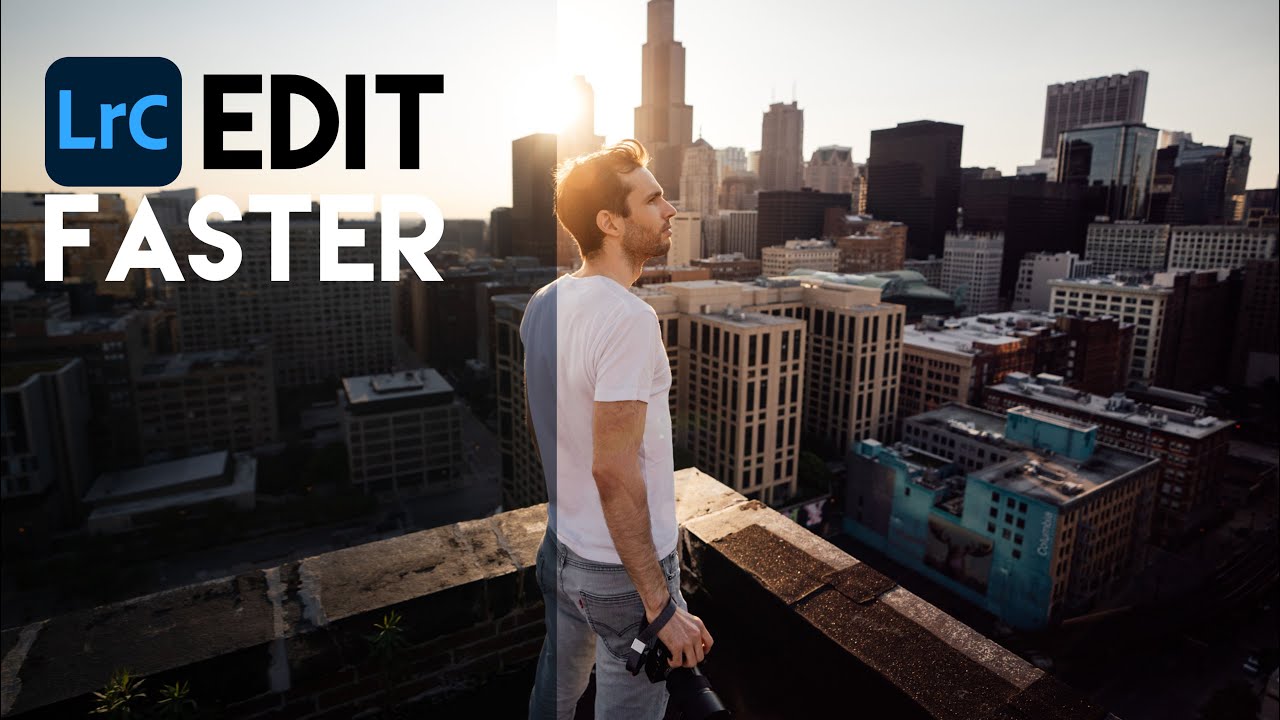
Speed is the thing nobody talks about when they teach editing. Tutorials love to obsess over which preset looks most cinematic or how many luminosity masks you should stack, but the real killer of a good editing session is friction. Every time you reach for a slider with your mouse, hunt for a panel, or break your visual focus to click something, you’re slowing down your creative momentum. I’ve felt this acutely working through large batches of photos where the difference between a productive evening and a frustrating one is almost entirely about how efficiently I can move through images.

The £500 Landscape Kit That Actually Works (And Why We've All Been Brainwashed Into Spending More)

The £500 Landscape Kit That Actually Works (And Why We've All Been Brainwashed Into Spending More)

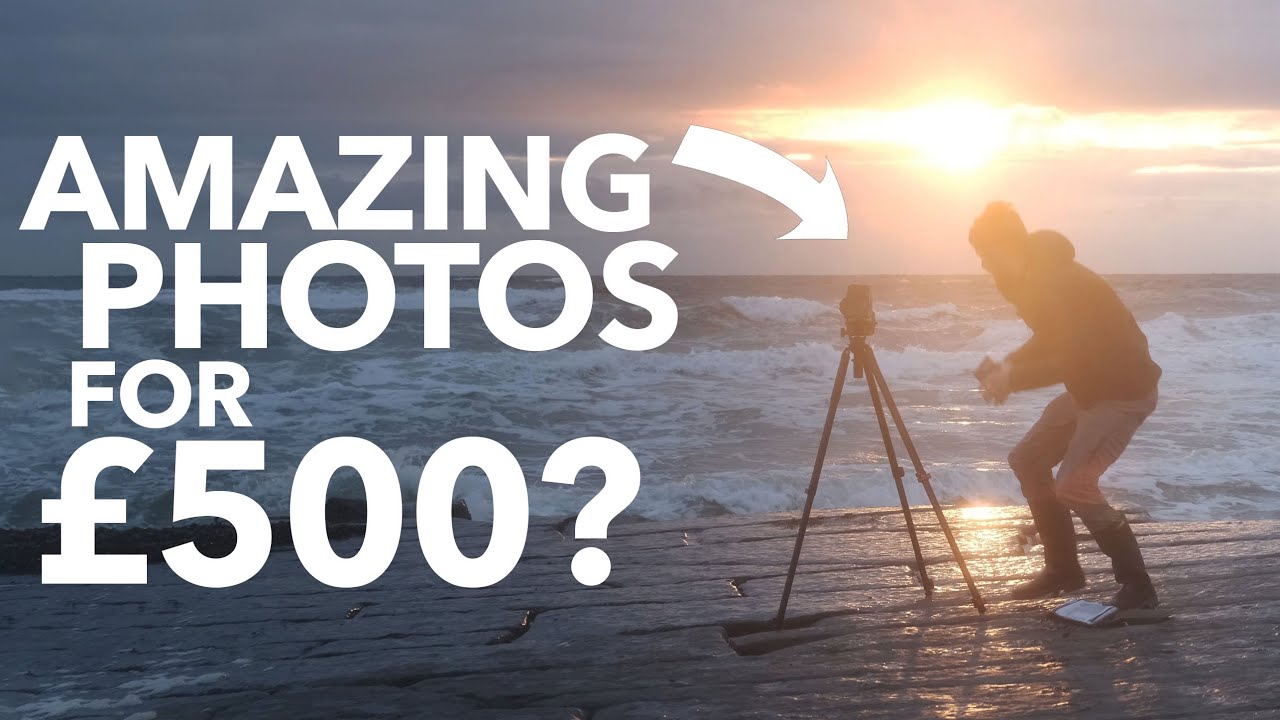
I run a blind test at almost every local meetup I attend. I hand people two sets of prints, one shot on a $500 kit, one on a $2,000 kit, and ask them to pick the “professional” photos. They’re wrong more often than they’re right. I’ve been making that point for years, but it still feels like swimming upstream when the broader photography world treats a four-figure budget as the bare minimum to get started.

How Pierre T. Lambert Uses a 70-200mm for Street Photography (And Why It Actually Works)

How Pierre T. Lambert Uses a 70-200mm for Street Photography (And Why It Actually Works)

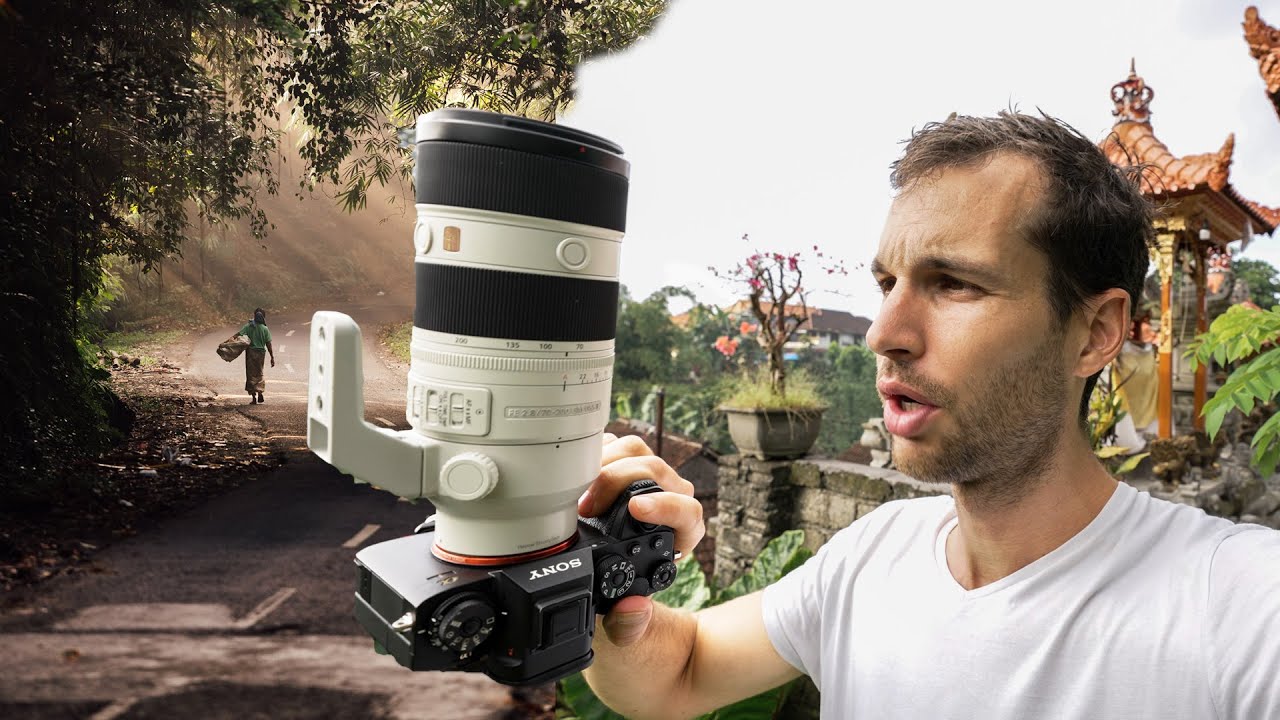
Street photography is one of those disciplines where everyone has an opinion about the “right” gear. Prime lenses only. Go wide or go home. You need to be close to make it real. I’ve heard all of it, and honestly, I’ve repeated some of it myself. So when I came across this Pierre T. Lambert tutorial shot entirely on location in Ubud, Bali, using a 70-200mm zoom for street work, it stopped me mid-scroll.

Tamron's Lens Utility Mobile 4.0 Turns Your Android Into a Cinematic Focus Controller

Tamron's Lens Utility Mobile 4.0 Turns Your Android Into a Cinematic Focus Controller

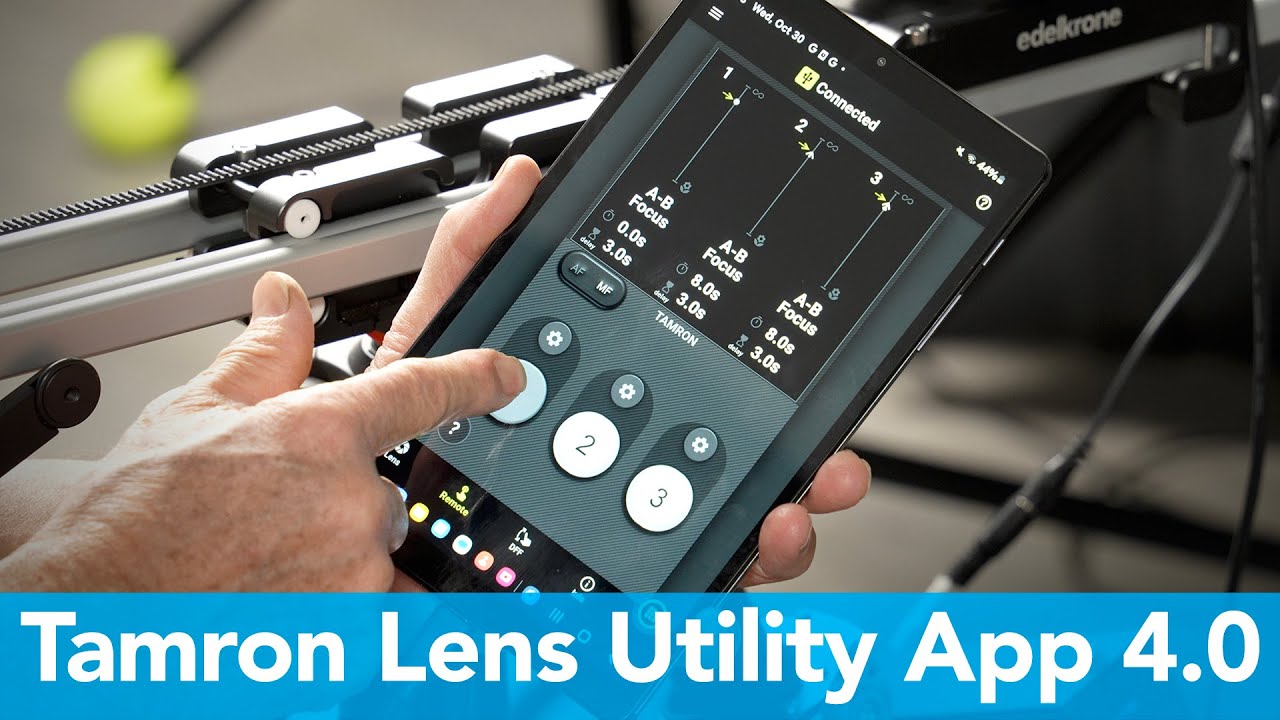
I shoot a lot of solo video work. No focus puller, no assistant, just me, a camera, and whatever I can rig together to make the footage not look like a disaster. For a long time, pulling focus manually mid-shot meant either a botched take or buying into a follow focus system that cost more than my first camera kit. So when I came across this The Slanted Lens tutorial on Tamron’s Lens Utility Mobile app version 4.

What a Tilt-Shift Lens Actually Does (And Why You Should Rent One Before You Buy)

What a Tilt-Shift Lens Actually Does (And Why You Should Rent One Before You Buy)

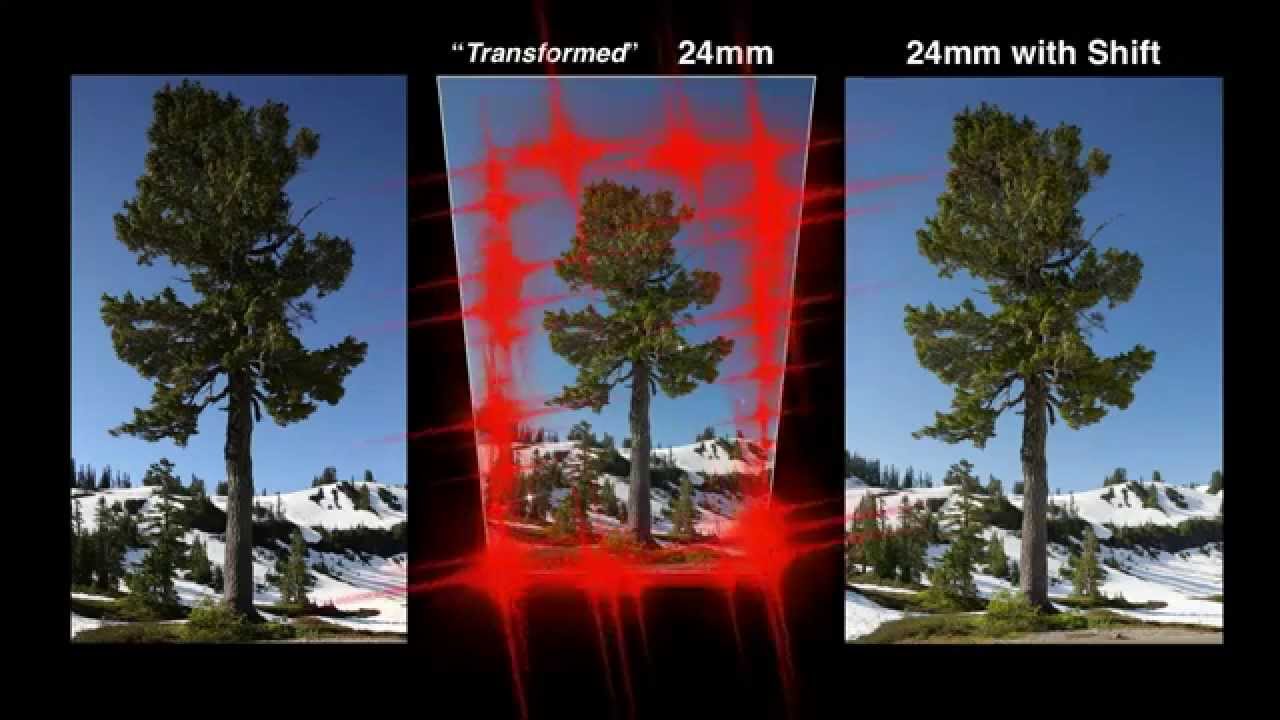
Most photographers never touch a tilt-shift lens. They’re expensive, they’re manual-everything, and the learning curve is steep enough that most people just skip them entirely. I get it. For years I filed them under “gear I’ll worry about when I’m rich,” right next to medium format backs and cinema-grade gimbals. But I kept running into situations where my shots of tall trees, building interiors, and wide landscape scenes looked just slightly wrong, and I couldn’t fix it cleanly in post without weird stretching artifacts.

Canon 70D for Video: What the Moire Tests, ISO Comparisons, and Dual Pixel AF Actually Tell You

Canon 70D for Video: What the Moire Tests, ISO Comparisons, and Dual Pixel AF Actually Tell You

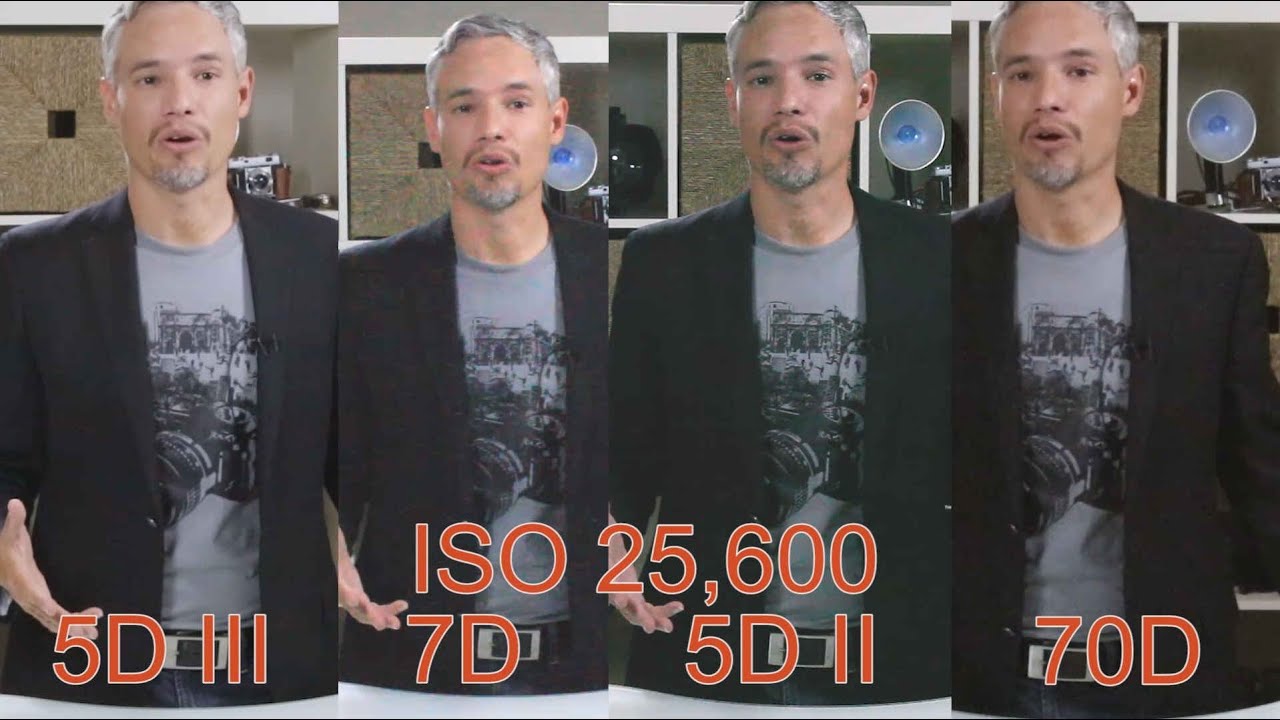
Every time a new mid-range Canon body drops, the same argument starts up in forums and comment sections: is it actually worth upgrading, or is the marketing team just doing its job? I’ve been on both sides of that debate more times than I can count. When I first started shooting video seriously, I was working with whatever body I could justify on a gear-budget that also had to cover rent.

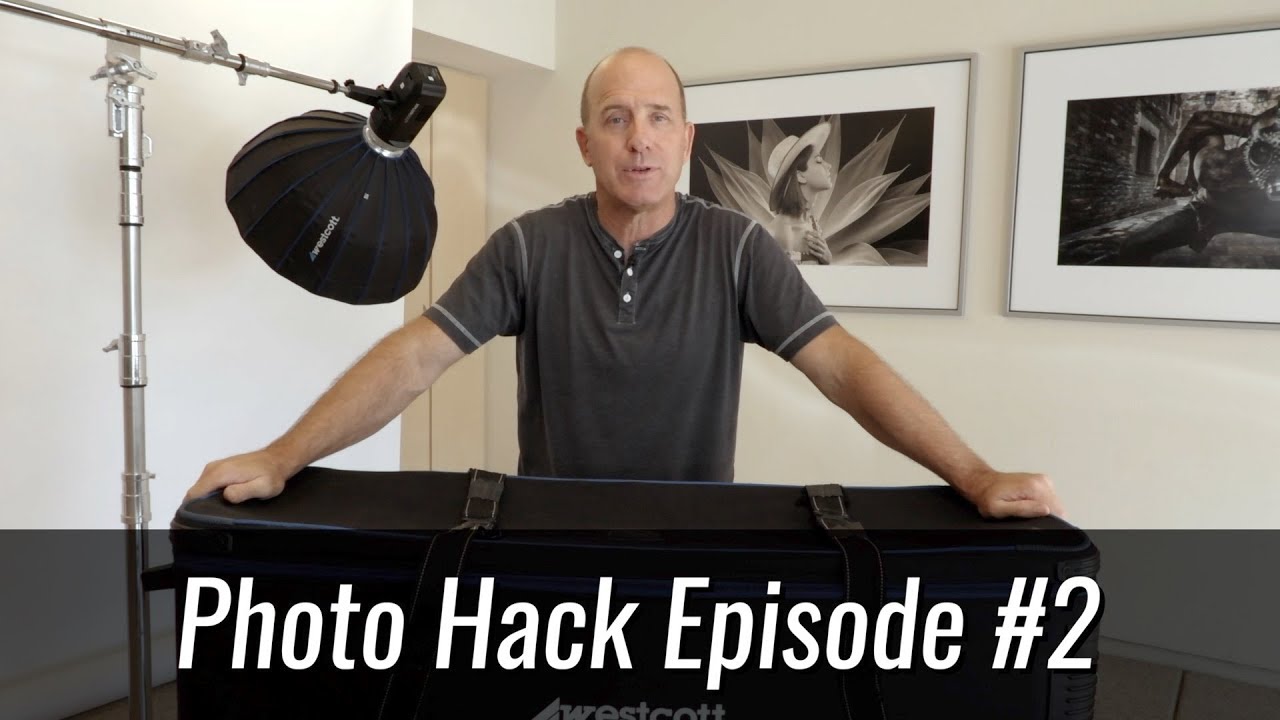
The $69 Airline Hack That Pro Photographers Have Been Using for Decades

The $69 Airline Hack That Pro Photographers Have Been Using for Decades

I track gear costs obsessively. Spreadsheets, price alerts, deal sites before my coffee’s done brewing. So when I realized photographers were routinely dropping $200 round-trip just to fly their light stands somewhere, it hit me the way a bad lens deal does: there has to be a smarter way. It turns out there is, and it’s been hiding in plain sight at every golf shop and Amazon storefront for years.

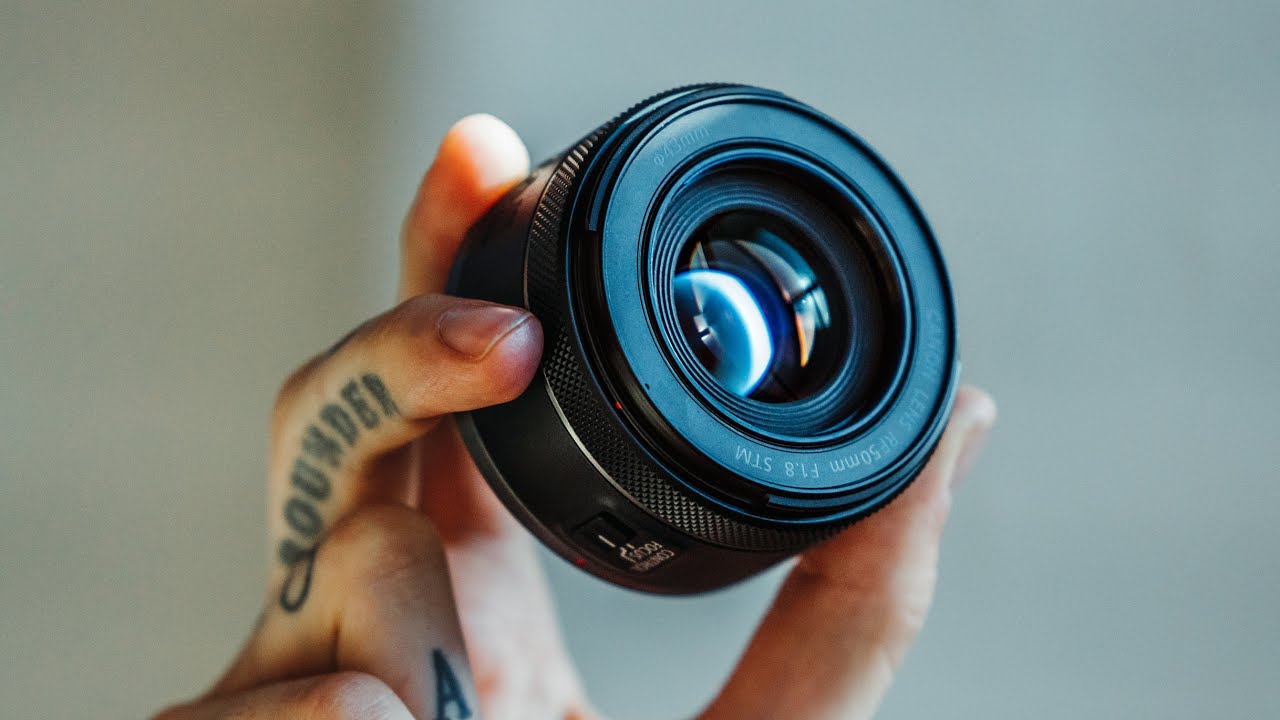
Canon RF 50mm f/1.8: The Budget Lens That Actually Delivers (And Why You Should Stop Waiting to Buy It)

Canon RF 50mm f/1.8: The Budget Lens That Actually Delivers (And Why You Should Stop Waiting to Buy It)

The question I get more than any other from people starting out is some version of “what lens should I buy next?” I’ve answered it so many times I almost have a script. But the honest answer is almost always the same one, and it has been for years: get a 50mm f/1.8. It’s the lens I wish someone had pushed me toward faster when I was shooting everything on a kit zoom and wondering why my photos looked flat.

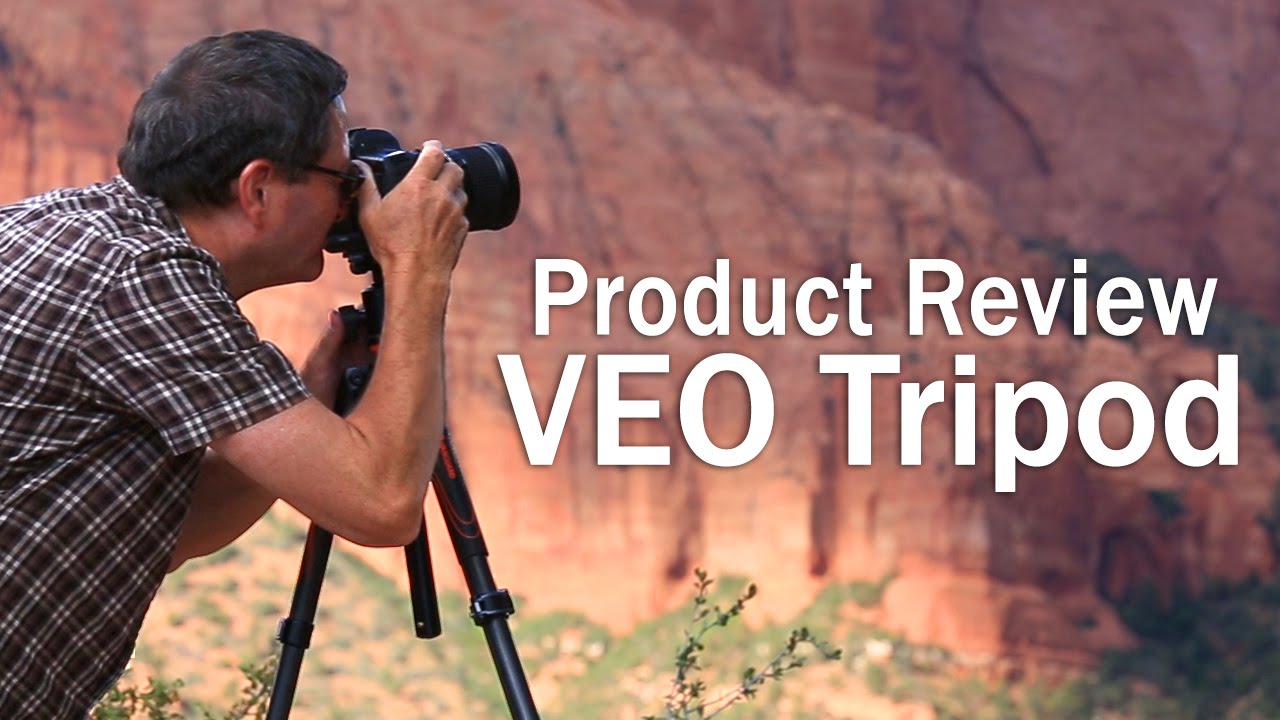
The Vanguard VEO 265CB Is the Travel Tripod I Wish I'd Had Before I Wasted Money on Four Cheap Ones

The Vanguard VEO 265CB Is the Travel Tripod I Wish I'd Had Before I Wasted Money on Four Cheap Ones

I have a problem that I suspect a lot of photographers share: I never bring a tripod when I travel because my good one is too bulky, and then I end up buying some $25 garbage stick from a drugstore or a tourist shop and wondering why my long exposures look like they were shot during an earthquake. I’ve done this more times than I’d like to admit. I’ve got a spreadsheet tracking every piece of budget gear I’ve tested, and the “emergency travel tripod” category is embarrassingly long, all of them disappointing.

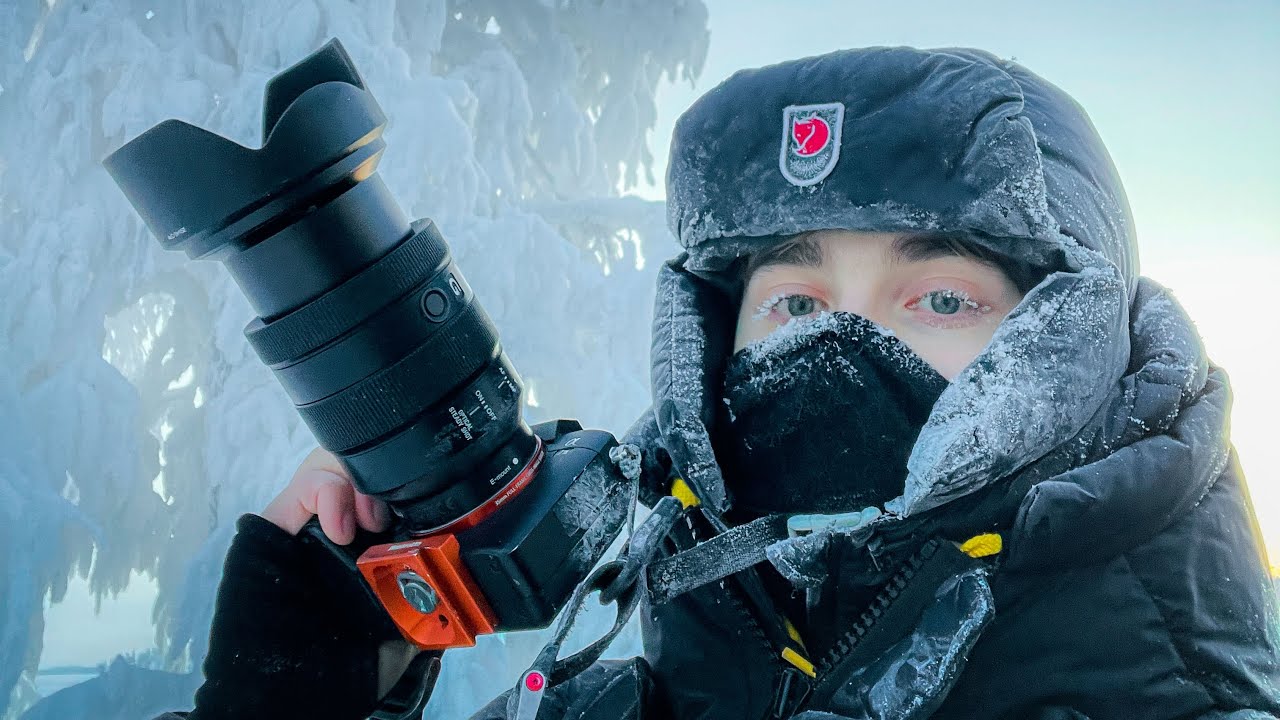
Cold-Weather Camera Survival: A Finnish Photographer's 3-Step System That Actually Works

Cold-Weather Camera Survival: A Finnish Photographer's 3-Step System That Actually Works

I live in Denver, which means I’m not exactly shooting in Finnish tundra conditions. But Colorado winters are no joke either, and I’ve had my share of moments where a camera started acting weird mid-shoot because I yanked it out of a warm car into 10-degree air. Fogged lenses, sluggish shutters, batteries that dropped from 80% to dead in twenty minutes. If you’ve shot in serious cold, you know the specific kind of dread that comes with watching your camera struggle.

Get More Out of Your Wide Angle Lens: A Step-by-Step Guide to Shooting Like a Landscape Pro

Get More Out of Your Wide Angle Lens: A Step-by-Step Guide to Shooting Like a Landscape Pro

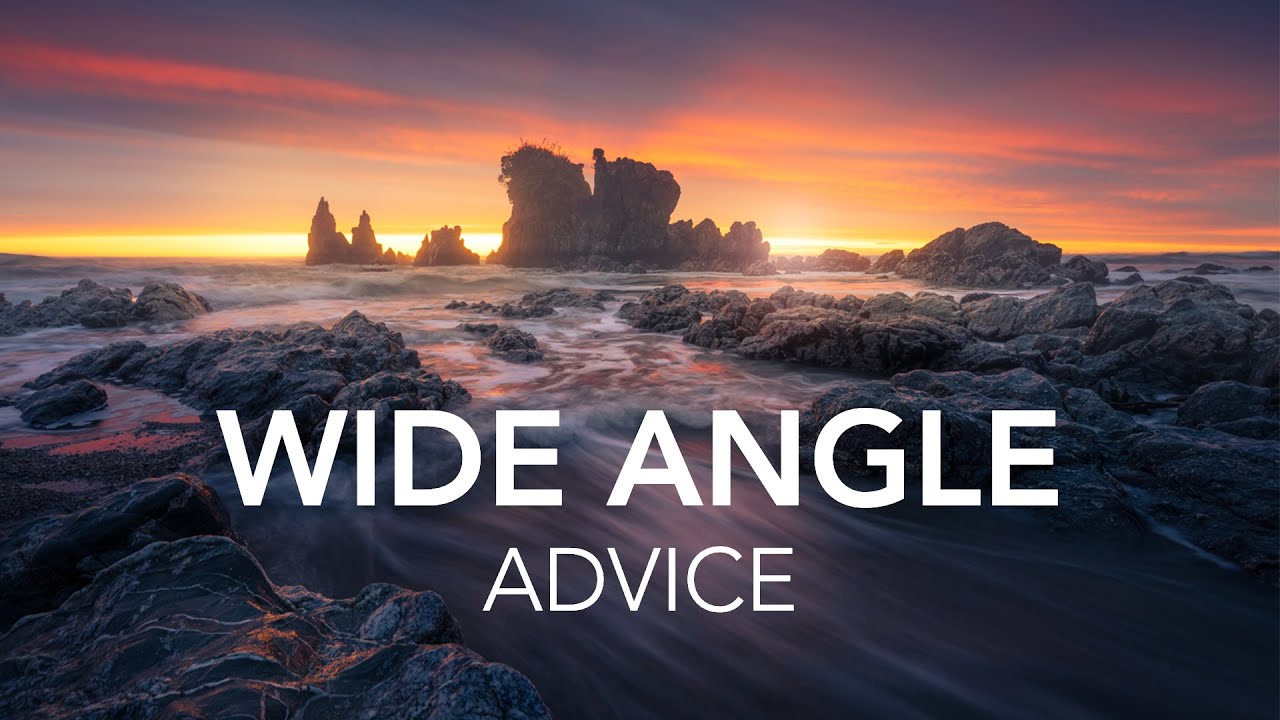
I’ll be honest: wide angle lenses have a reputation for being “easy” because they fit so much in the frame. Point them at a big landscape, click, done. Except that’s exactly the wrong way to use them, and it took me longer than I’d like to admit to figure that out. When I was starting out with a budget ultra-wide zoom, my landscape shots looked flat and lifeless even though I was standing in front of genuinely beautiful scenery.