The Tamron 17-70mm f/2.8 Is the One Lens I'd Tell APS-C Shooters to Buy First

The Tamron 17-70mm f/2.8 Is the One Lens I'd Tell APS-C Shooters to Buy First

I’ve tested a lot of lenses in the sub-$500 range. I keep a running spreadsheet, which yes, my friends think is unhinged, but it’s saved me from buying garbage more times than I can count. The question I get most often from newer shooters is some version of: “What’s the one lens I should own?” It’s a fair question, and for APS-C users it’s actually answerable. The problem is that most “do-it-all” zoom lenses either sacrifice aperture or image quality to hit a price point, and you end up with something that’s fine but never great.

Stop Making Lens Flares Look Fake: A Photoshop Technique That Actually Works

Stop Making Lens Flares Look Fake: A Photoshop Technique That Actually Works

Lens flares are one of those effects that photographers either overuse into oblivion or avoid entirely because they’ve seen too many bad examples. I’ve been guilty of both. The overuse phase hit me hard around year two of shooting, and the avoidance phase lasted a lot longer than it should have. What changed my mind was stumbling across a technique that treats the lens flare not as a gimmick slapped on top of a photo, but as a lighting tool that earns its place in the image.

Why a Telephoto Lens Might Be the Smartest Landscape Lens You're Not Using

Why a Telephoto Lens Might Be the Smartest Landscape Lens You're Not Using

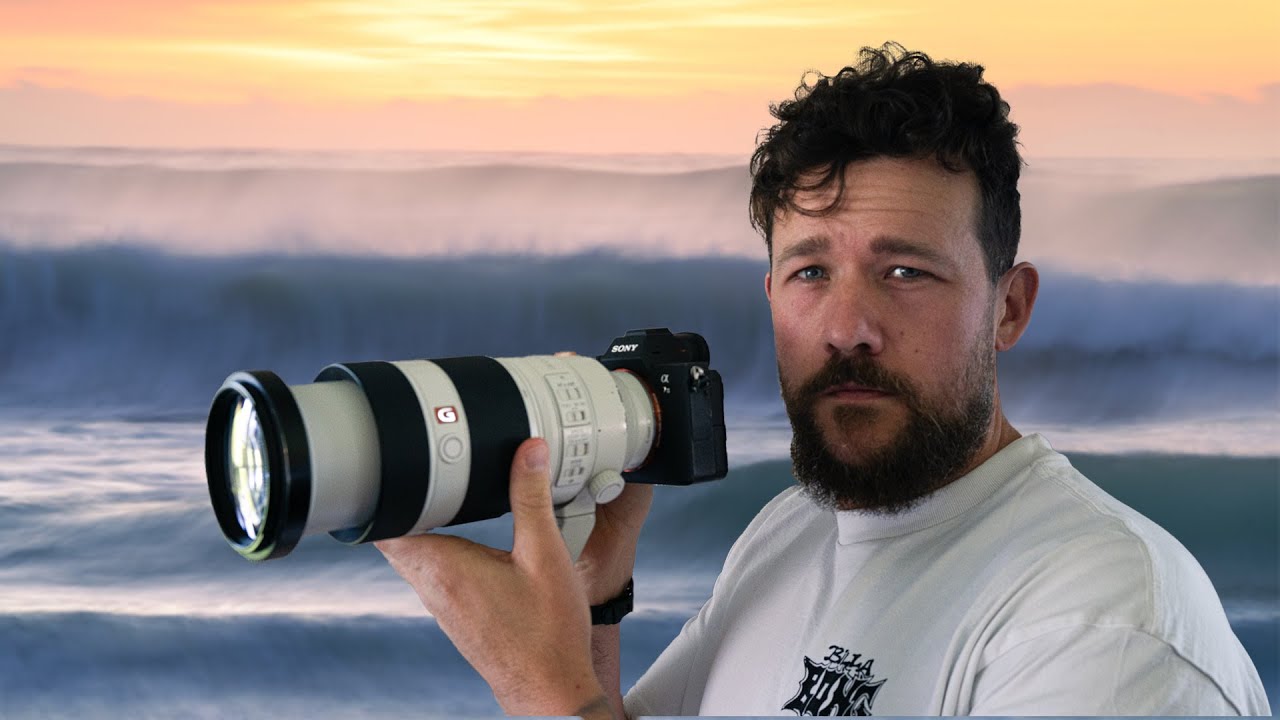
I’ll be honest: for a long time I wrote off telephoto lenses for landscape work. My mental model was wide-angle or bust. Get close to the rocks, show the sweeping sky, fill the frame with drama. It wasn’t until I started stress-testing budget telephoto options for a comparison piece that I realized I’d been leaving a whole category of images on the table. Then I came across this William Patino tutorial, shot on the east coast of Australia at sunrise, and it reframed how I think about coastal photography entirely.

A Photographer's Honest Verdict on Kim Kardashian's Selfish — What It Actually Teaches Us About Photography

A Photographer's Honest Verdict on Kim Kardashian's Selfish — What It Actually Teaches Us About Photography

I have a spreadsheet with notes on 40-something budget lenses. I have bought five tripods under $50 just to rank them. I once spent three weeks researching the resale market on used mirrorless bodies before I bought a single one. So when I say I understand the impulse to deeply analyze something just to extract whatever value it holds, I mean it. That’s exactly what photographer Jessica Kobeissi did when she picked up Kim Kardashian’s photo book “Selfish” on eBay for $10, cracked it open, and gave it a full critical review from a working photographer’s perspective.

How to Stitch a Super-Wide Pano in Photoshop Using a Single Zoom Lens (No Specialty Gear Required)

How to Stitch a Super-Wide Pano in Photoshop Using a Single Zoom Lens (No Specialty Gear Required)

Most of my readers know I’m not the guy who tells you to go buy more glass to solve a compositional problem. So when I came across this KelbyOne tutorial from photographer RC — Watch the full tutorial on YouTube — it immediately clicked with me. The core idea is dead simple: if your widest lens still can’t capture the full scope of a scene, shoot two overlapping frames and stitch them into a single super-wide panorama.

What Lens Should You Actually Buy? Breaking Down Mango Street's No-BS Q&A

What Lens Should You Actually Buy? Breaking Down Mango Street's No-BS Q&A

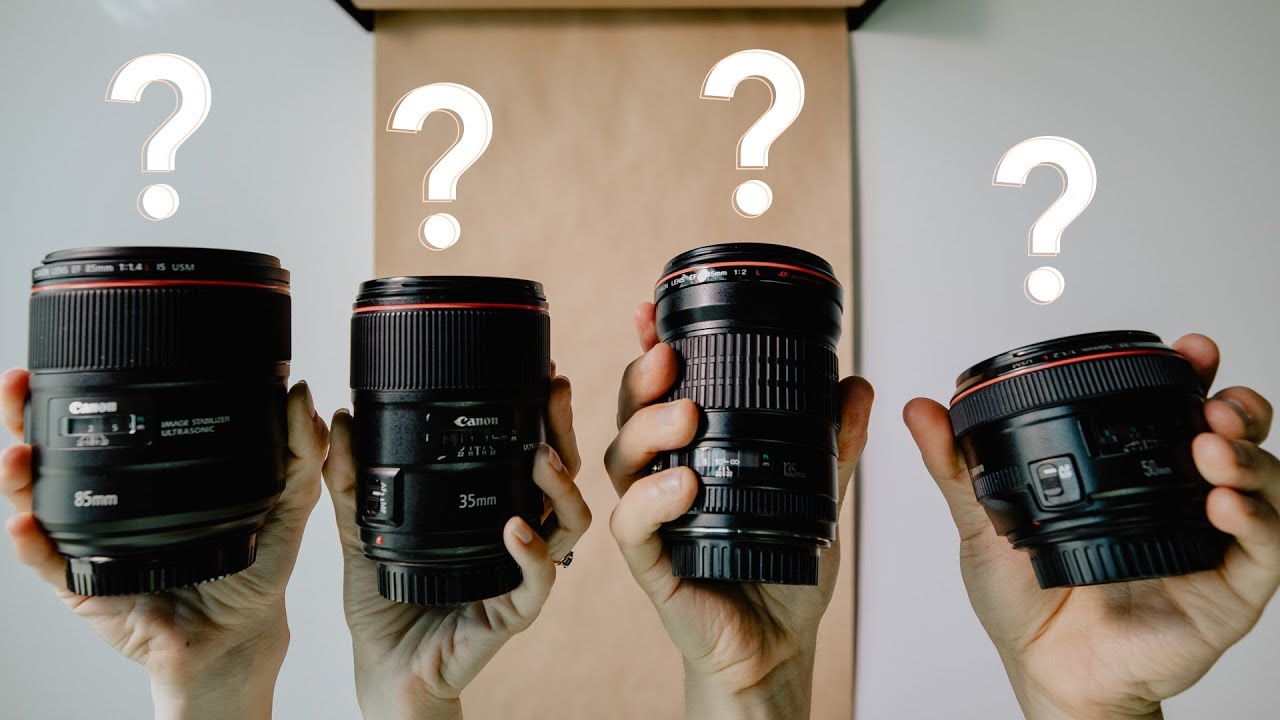
I’ve spent more hours researching lenses than I care to admit. Before I even touch breakfast, I’m usually knee-deep in price trackers and forum threads trying to figure out whether a deal is real or just marketing noise. So when Mango Street dropped a mega Q&A covering everything from bokeh settings to whether beginners should trust autofocus, I watched it twice and took notes. Not because it’s flashy, but because it cuts through the kind of overthinking that keeps new photographers from actually buying something and going out to shoot.

Canon 24-240mm for Mirrorless: A Real-World Field Report (And the One Reason You Might Want to Skip It)

Canon 24-240mm for Mirrorless: A Real-World Field Report (And the One Reason You Might Want to Skip It)

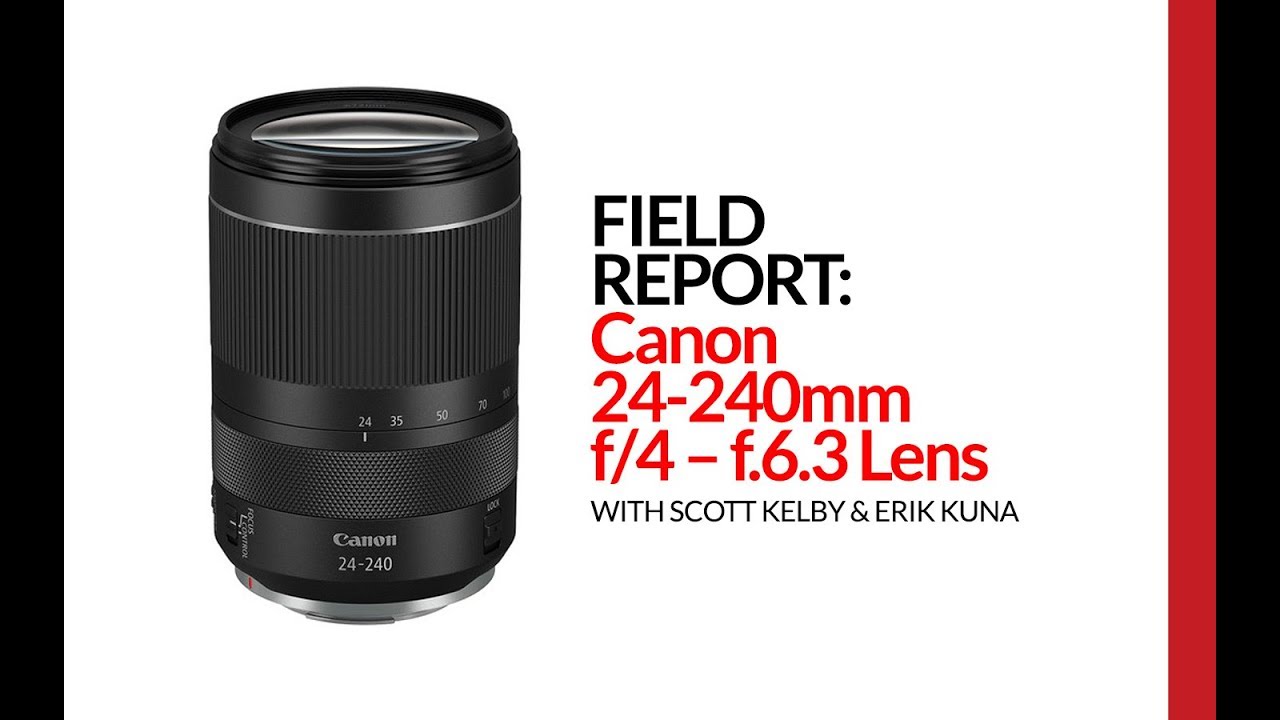
I have a rule I follow when evaluating any zoom lens: if it makes you stop reaching for your other glass, it’s doing its job. That’s a high bar. Most budget superzooms feel like compromises from the moment you put them on the camera. You keep thinking about the sharper prime sitting in your bag. So when Scott Kelby came back from a 10-day trip to China having barely touched his 16-35mm, I paid attention.

Probe Lens Shootout: What Peter McKinnon and Daniel Schiffer's Shot-for-Shot Battle Actually Teaches You

Probe Lens Shootout: What Peter McKinnon and Daniel Schiffer's Shot-for-Shot Battle Actually Teaches You

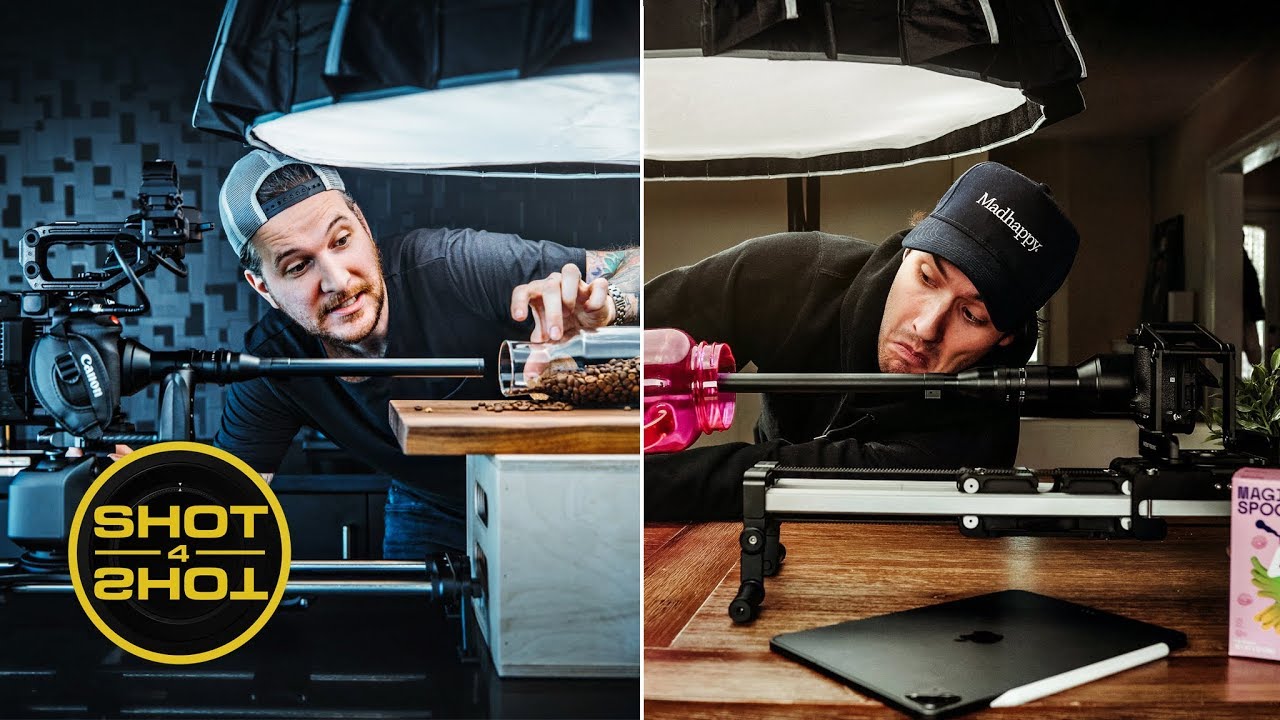
There’s a specific frustration I’ve come back to more times than I can count: two shooters, same location, same subject, wildly different results. Not because one person had better gear, but because they saw the shot differently. Probe lenses are one of those tools that strip that problem down to its bones. Either you understand spatial storytelling or you don’t, and the glass just makes that gap obvious. I came across this Peter McKinnon video, a shot-for-shot creative battle with filmmaker Daniel Schiffer, right around the time I was evaluating whether probe lenses were worth the price-per-use for the kind of work I do.

Fuji X100V Real-World Review: What a Fixed-Lens Street Camera Actually Delivers

Fuji X100V Real-World Review: What a Fixed-Lens Street Camera Actually Delivers

I’ve been shooting with budget bodies long enough to know that a camera’s spec sheet and a camera’s actual output are two very different conversations. So when Fujifilm announced the X100V, I paid attention, but I didn’t get excited. Not yet. What got me to actually dig in was Watch the full tutorial on YouTube from The Slanted Lens, where JP Morgan and his team put the camera through a proper structured test, not a vlog grab-and-go, but an actual picture quality workflow with a model, controlled lighting, and back-to-back dynamic range comparisons.

What Should You Charge for Photography? Joel Grimes Breaks Down the Math Nobody Teaches You

What Should You Charge for Photography? Joel Grimes Breaks Down the Math Nobody Teaches You

Pricing is where most photographers either undersell themselves into burnout or overbid themselves out of work entirely. I know this firsthand. When I shot my first paid wedding, I charged $400, lost a Saturday, spent three days editing, and walked away feeling like I’d done something wrong even though the client was thrilled. The problem wasn’t my camera or my skill. It was that I had no framework for what my time and gear were actually worth.

Why Your Wide Angle Shots Look Flat (And the Field Fix That Actually Works)

Why Your Wide Angle Shots Look Flat (And the Field Fix That Actually Works)

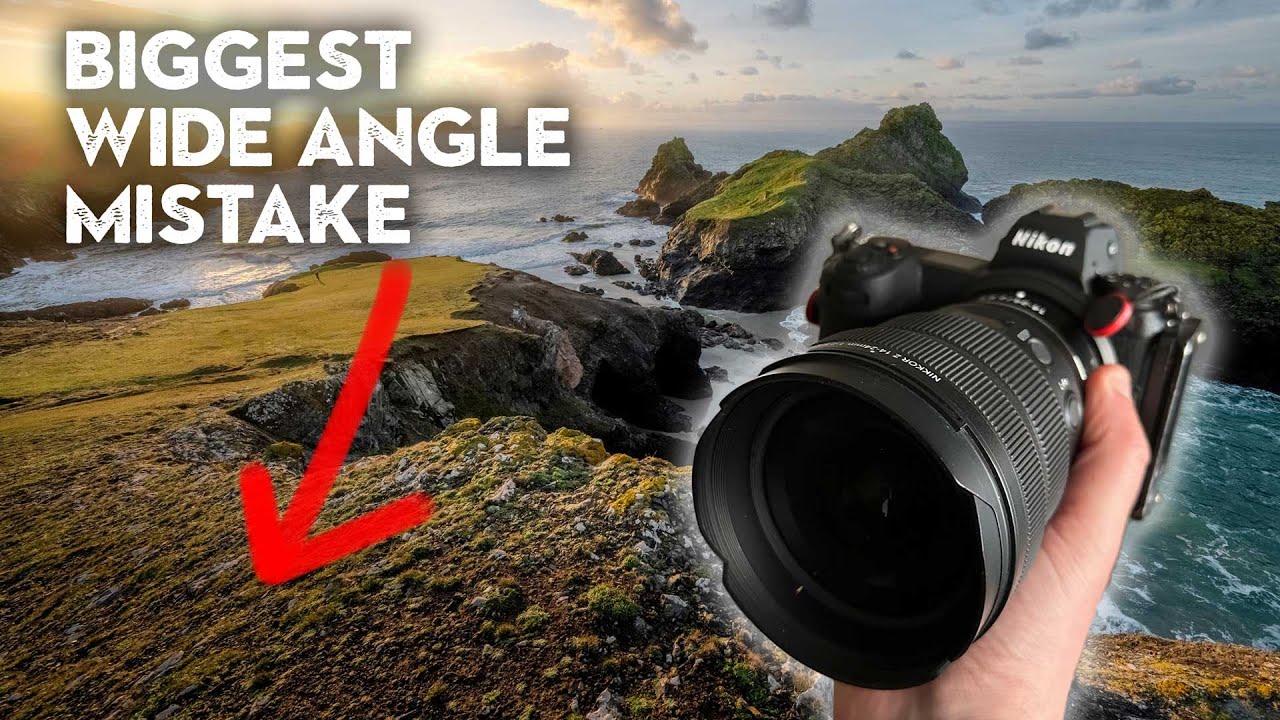
I used to blame my wide angle lens every time a shot came back looking empty and lifeless. The foreground was boring, the subject felt distant, and the whole image had that stretched-out, “nothing going on here” quality that kills otherwise great light. I spent months thinking I needed a sharper, more expensive optic. Turns out the glass wasn’t the problem. My approach to using it was. In this Nigel Danson tutorial, he heads out to Gannet’s Cove at sunrise with his camera and a very honest field report, including what happens when you go the wrong direction and arrive fifteen minutes late to your own location.

What a $2,300 Lens Repair Taught Me About Protecting Every Lens You Own

What a $2,300 Lens Repair Taught Me About Protecting Every Lens You Own

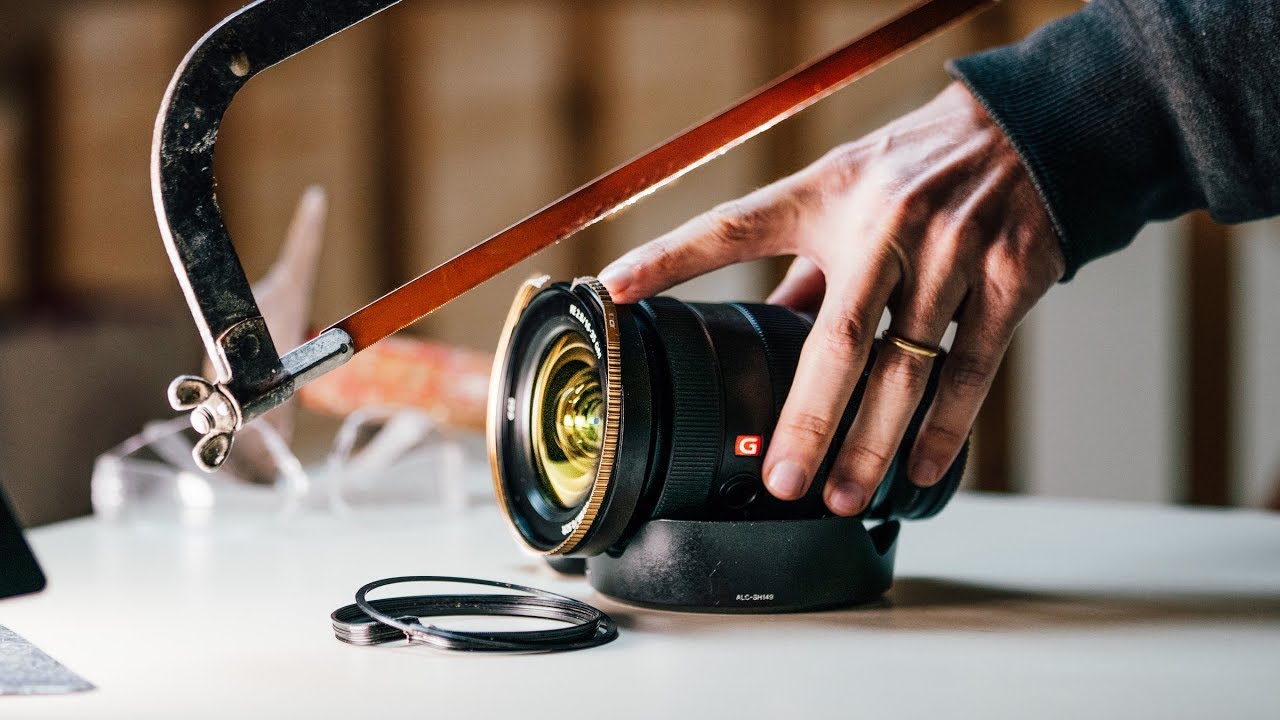
I track every lens I’ve ever tested in a spreadsheet. Budget primes, kit zooms, third-party glass — I’ve run hundreds of dollars of gear through its paces specifically to figure out what’s worth your money and what’s marketing. So when a photographer drops a $2,300 Sony 16-35mm f/2.8 GM and then fixes it for $100 using a spare part he guessed at online, that gets my attention fast. Not because I’ll ever drop two grand on a single lens without serious hand-wringing, but because the repair logic applies to every piece of glass you own, regardless of what you paid for it.