Adapting Lenses to Any Camera Body: What Actually Works (And What Doesn't)

Adapting Lenses to Any Camera Body: What Actually Works (And What Doesn't)

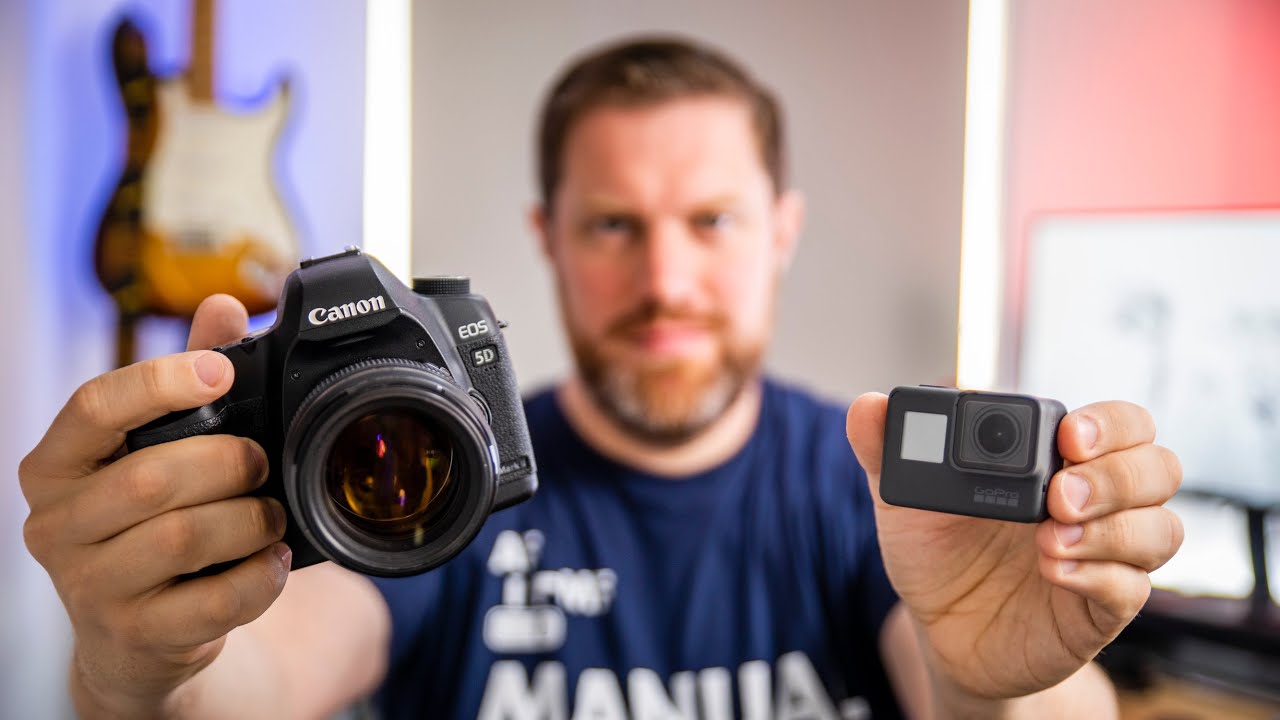
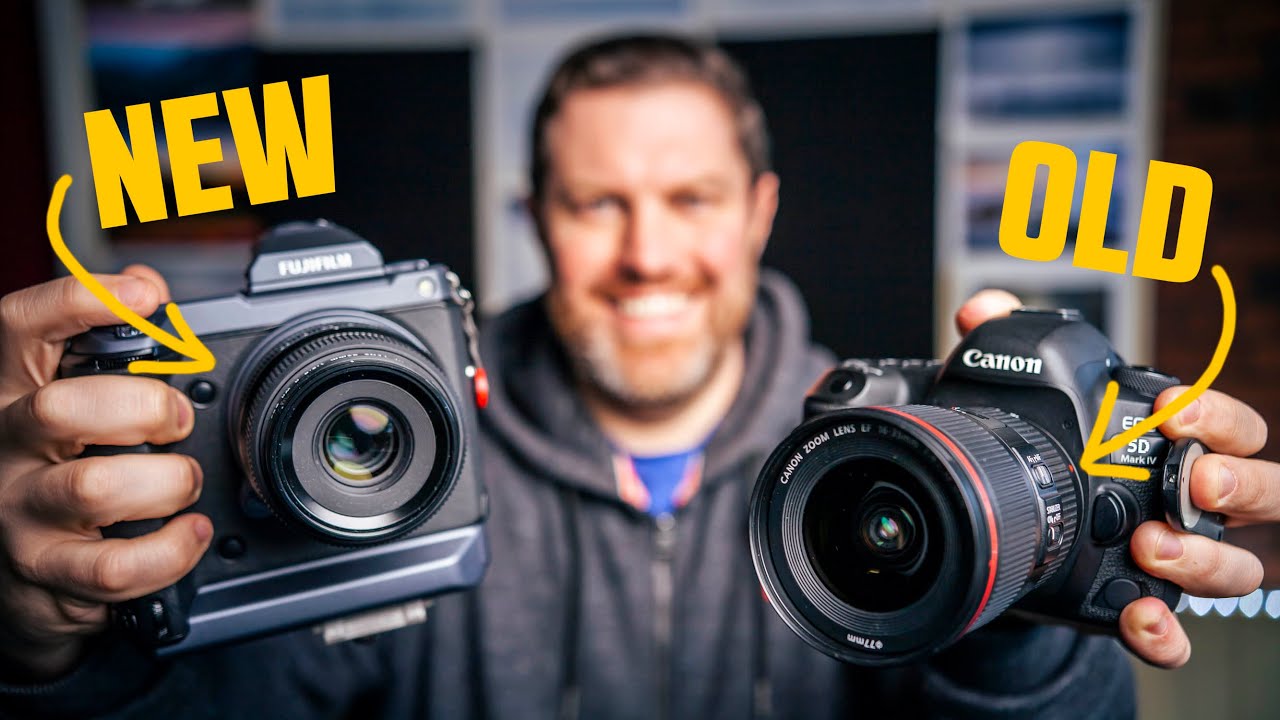
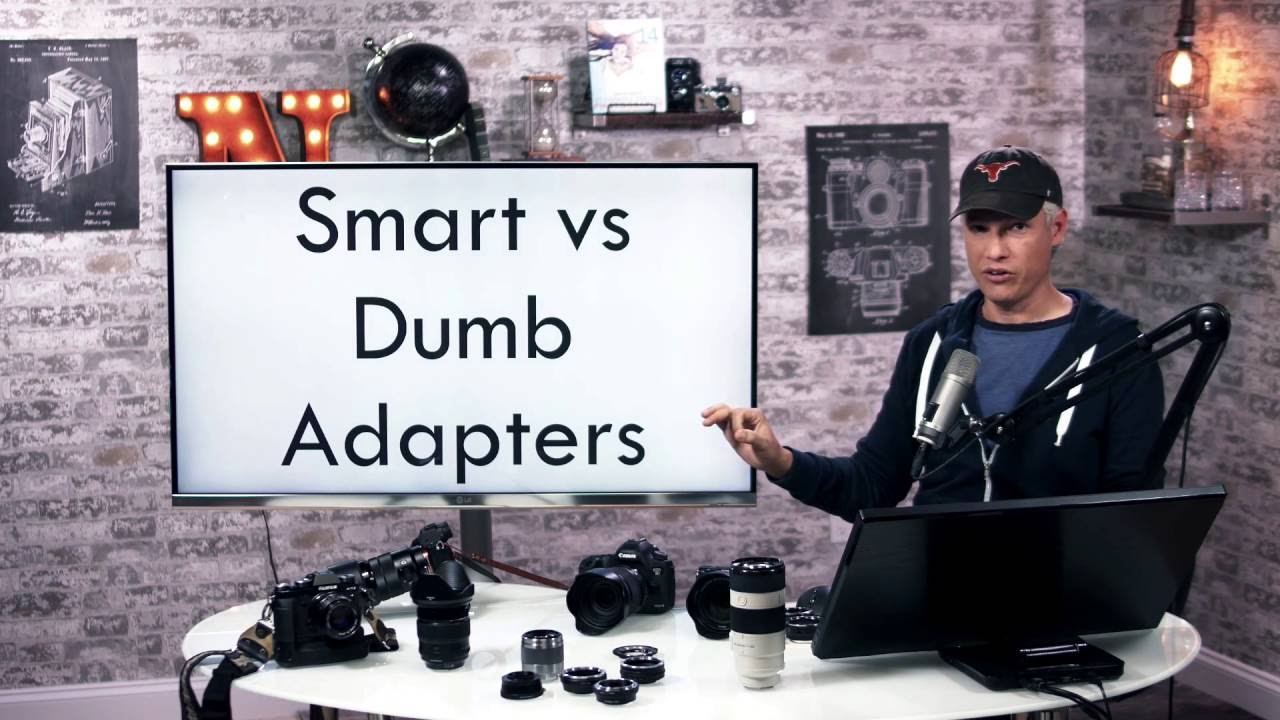
I’ve been chasing the budget angle on photography gear long enough to know that one of the fastest ways to stretch your kit is adapting lenses you already own to a new body. When I made the jump from a crop-sensor DSLR to a mirrorless system a couple of years back, I had a small collection of glass I wasn’t willing to sell at a loss. The question was whether I could actually use it or whether I’d just be buying a pile of junk adapters that turned sharp primes into manual-focus paperweights.
Camera Gear I Stopped Defending: Lessons From Pierre T. Lambert's Regret List

Camera Gear I Stopped Defending: Lessons From Pierre T. Lambert's Regret List

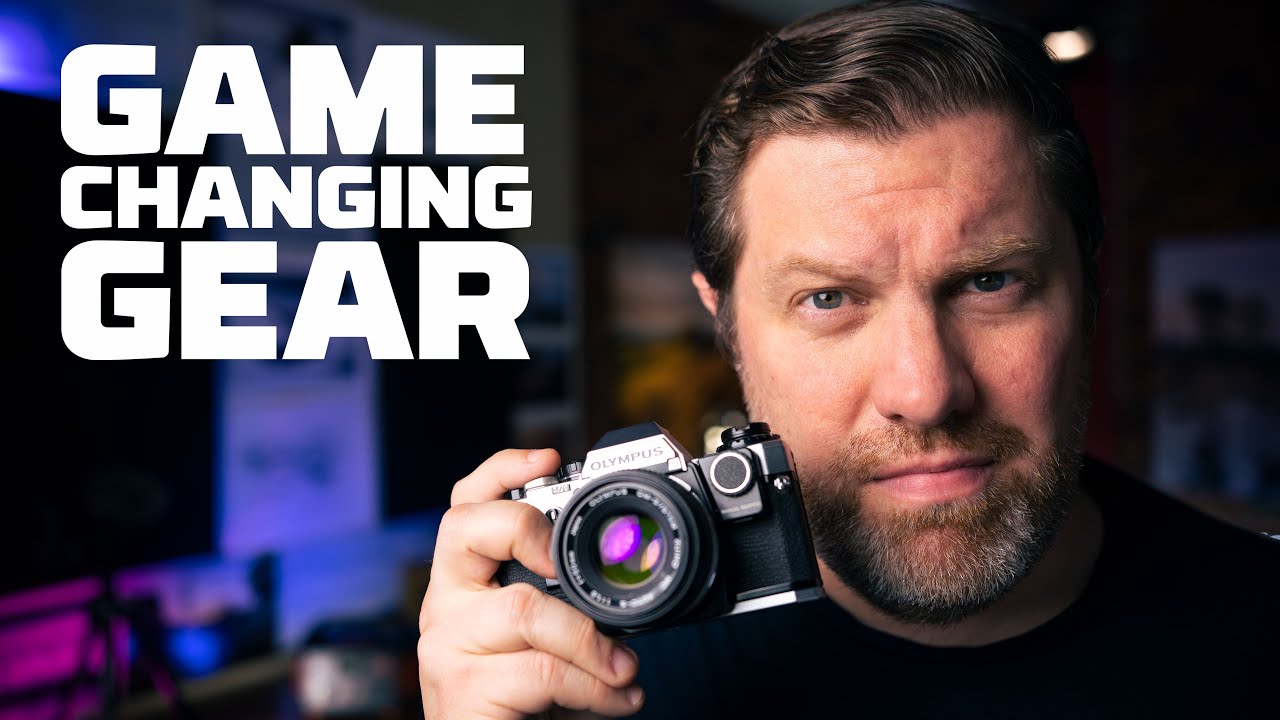
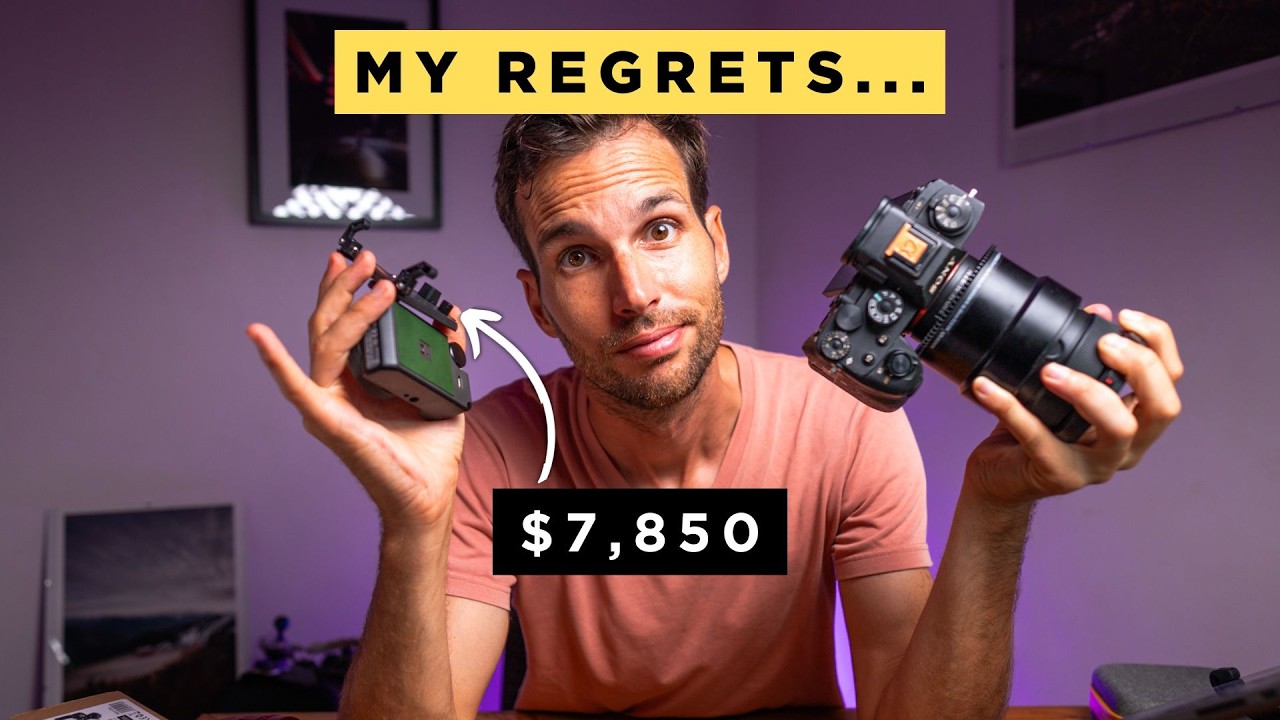
There’s a specific kind of photographer pain that doesn’t get talked about enough: the gear that sits in a drawer, fully paid for, fully charged, and completely ignored. Not broken. Not lost. Just quietly judged every time you open that drawer and close it again. I’ve been there more times than I want to count, and honestly, some of my worst purchases came after watching a genuinely great creator get excited about something new.

Canon RF 50mm f/1.2 vs f/1.8: Is a $2,000 Price Difference Actually Worth It?

Canon RF 50mm f/1.2 vs f/1.8: Is a $2,000 Price Difference Actually Worth It?

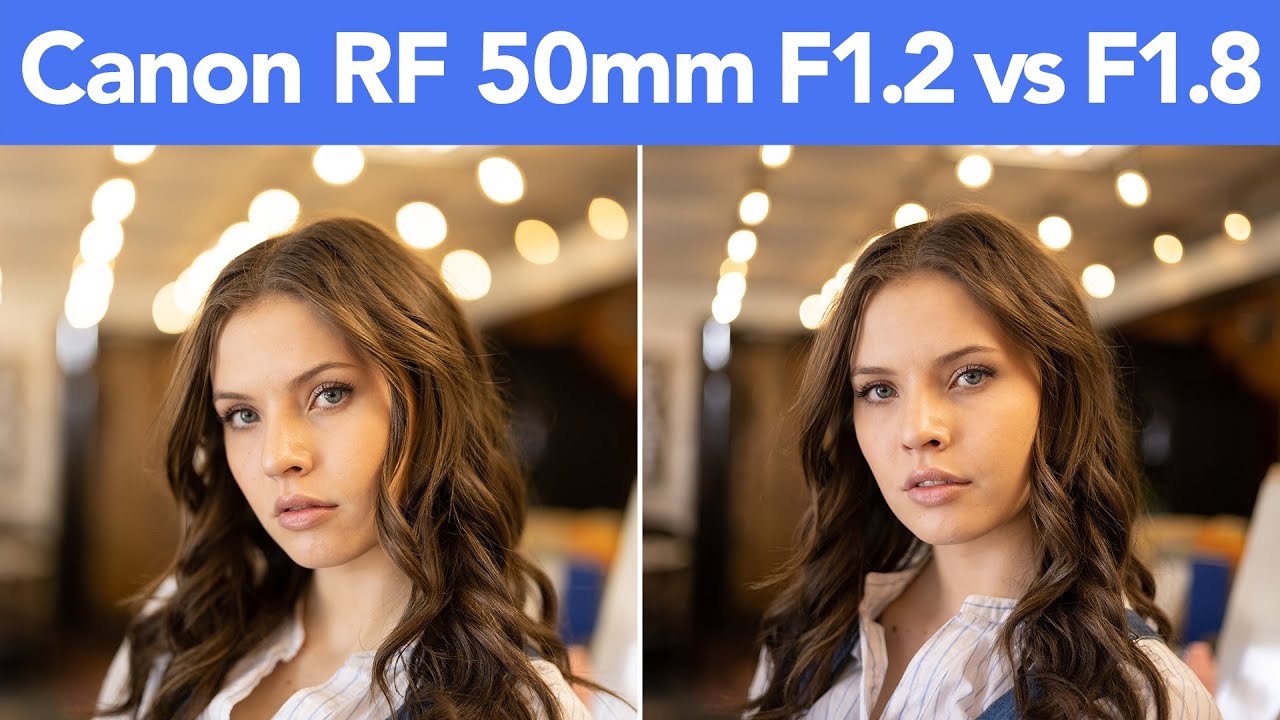
Here’s the question I get more than almost any other: “Do I really need to spend more to get better results?” I’ve built my whole review approach around answering that honestly, without defaulting to “well, more expensive is always better” or the equally useless contrarian take that gear never matters. Most of the time the truth lives somewhere specific and boring in the middle. But occasionally a comparison comes along that actually surprises you.

Honest Gear Lessons From a Pro: What's Actually Worth Your Money (And What Isn't)

Honest Gear Lessons From a Pro: What's Actually Worth Your Money (And What Isn't)

I spend an embarrassing amount of time thinking about gear. Not because I’m obsessed with specs, but because I’ve learned the hard way that the wrong purchase can sit in your bag for two years making you feel guilty every time you open it. When I started out with a $300 kit and somehow shot a wedding that ended up in print, I realized quickly that the decision about what to buy matters more than how much you spend.

Cheap Layers, Good Boots, and the Hiking Gear That Actually Keeps You Shooting

Cheap Layers, Good Boots, and the Hiking Gear That Actually Keeps You Shooting

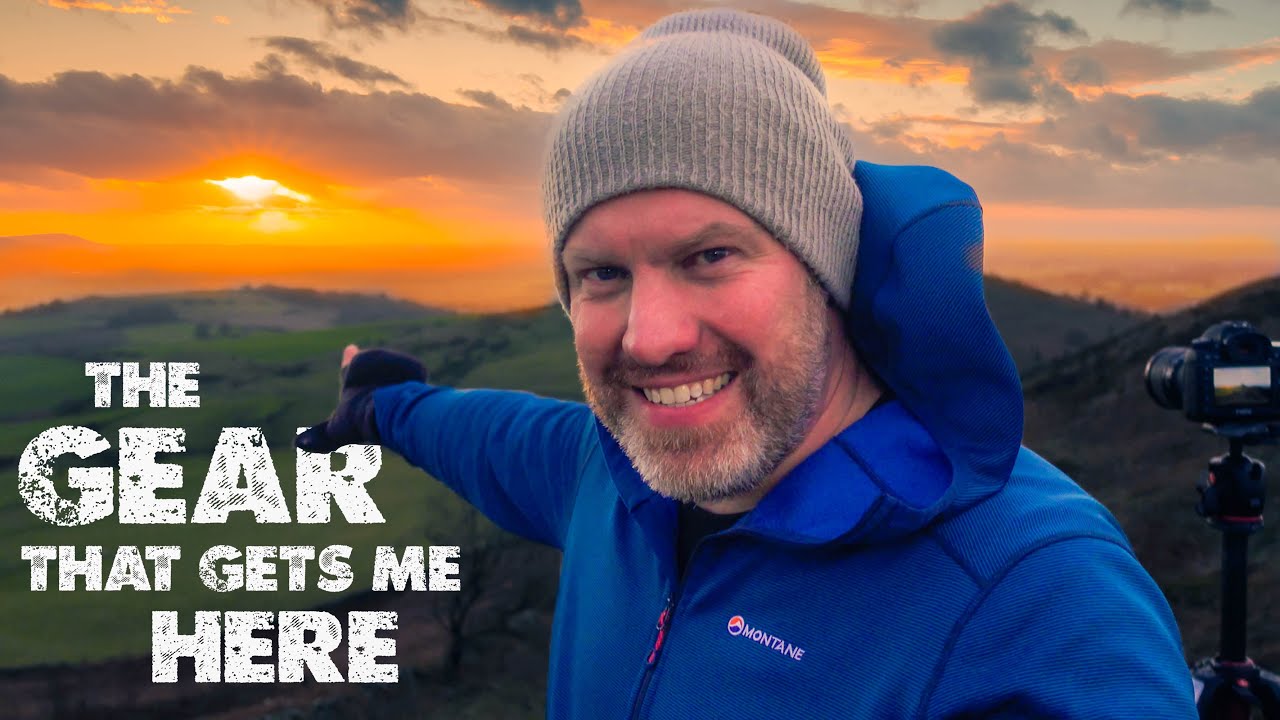
I’ve lost count of how many times I’ve bailed on a shoot early because I was cold, wet, or my feet were wrecked. Not because the light wasn’t there. Not because I lacked the right lens. Because I was miserable and couldn’t focus on anything except getting back to the car. That’s a gear problem, but not the kind most photography sites talk about. It’s not about your camera body or your filters.

Before You Buy That New Camera Body, Ask Yourself These 5 Questions

Before You Buy That New Camera Body, Ask Yourself These 5 Questions

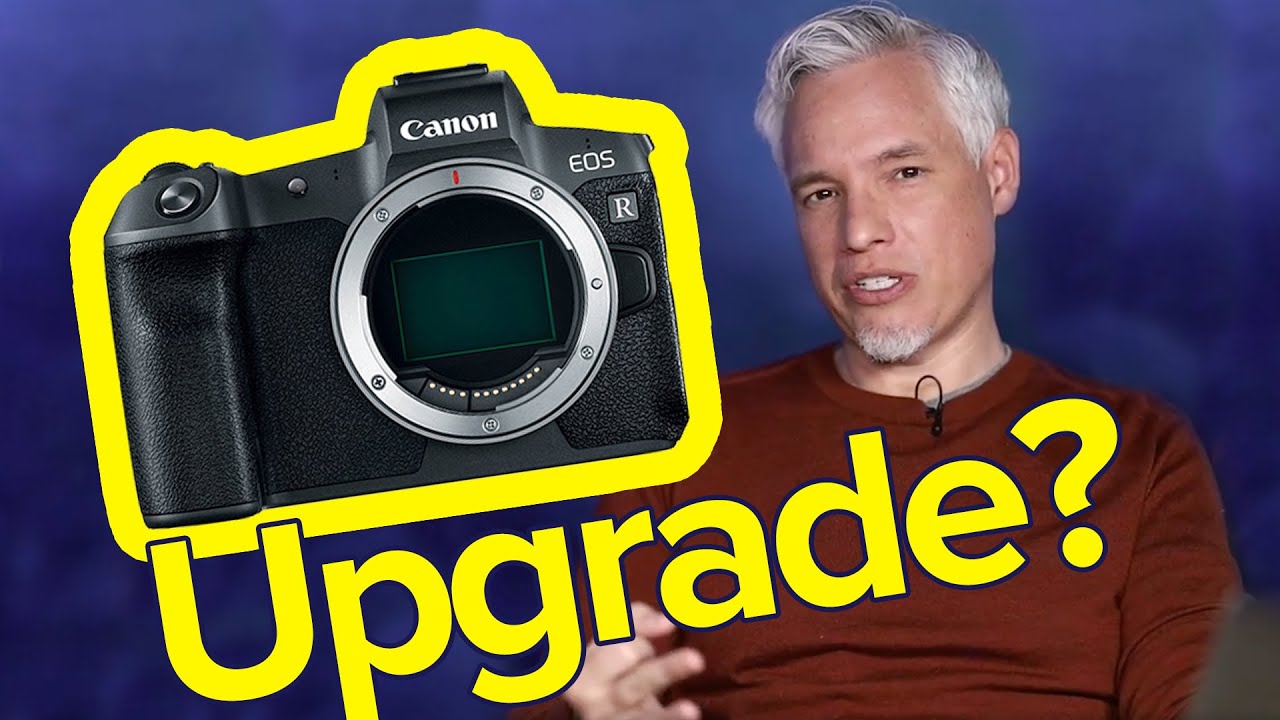
Every few weeks I get a message that goes something like this: “I’ve been shooting for two years, should I upgrade my camera?” My answer is almost always another question, and usually several of them. It took me an embarrassingly long time to develop that instinct. Early on I was just as guilty of assuming a new body would fix problems that were really about light, location, or my own skill gaps.

The 50mm f/1.8 Is the Only Lens You Actually Need Right Now (Here's How to Use It)

The 50mm f/1.8 Is the Only Lens You Actually Need Right Now (Here's How to Use It)

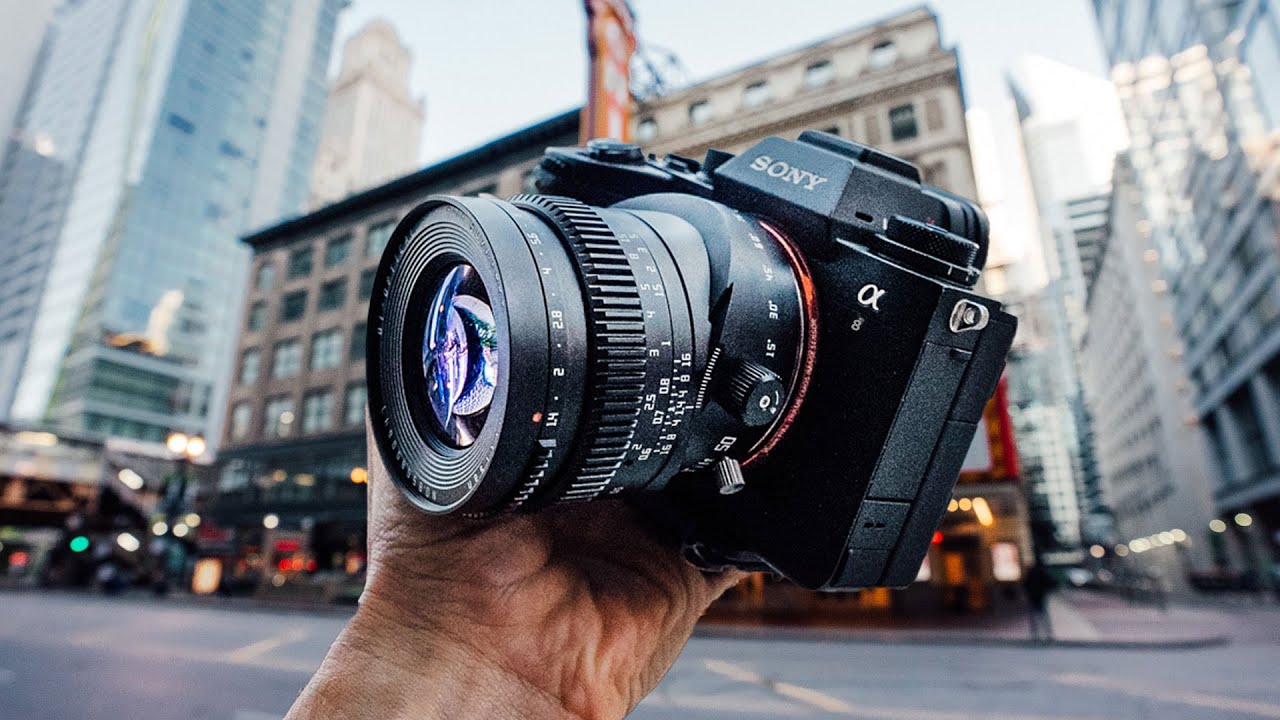
I have a spreadsheet with 47 lenses on it. Budget zooms, tilt-shifts, third-party primes, a few oddball manual focus options I bought off eBay at midnight. I’ve tested most of them. And after all of that, the one lens I still recommend first to anyone who asks is the 50mm f/1.8. Not because it’s the most exciting answer. Because it’s the correct one. In this Pierre T. Lambert tutorial filmed on the streets of Chicago, Lambert does something refreshing: he makes the case for the 50mm f/1.

Forget the Fancy Gear: Sean Tucker's Food Photography Tips Actually Work in a Real Kitchen

Forget the Fancy Gear: Sean Tucker's Food Photography Tips Actually Work in a Real Kitchen

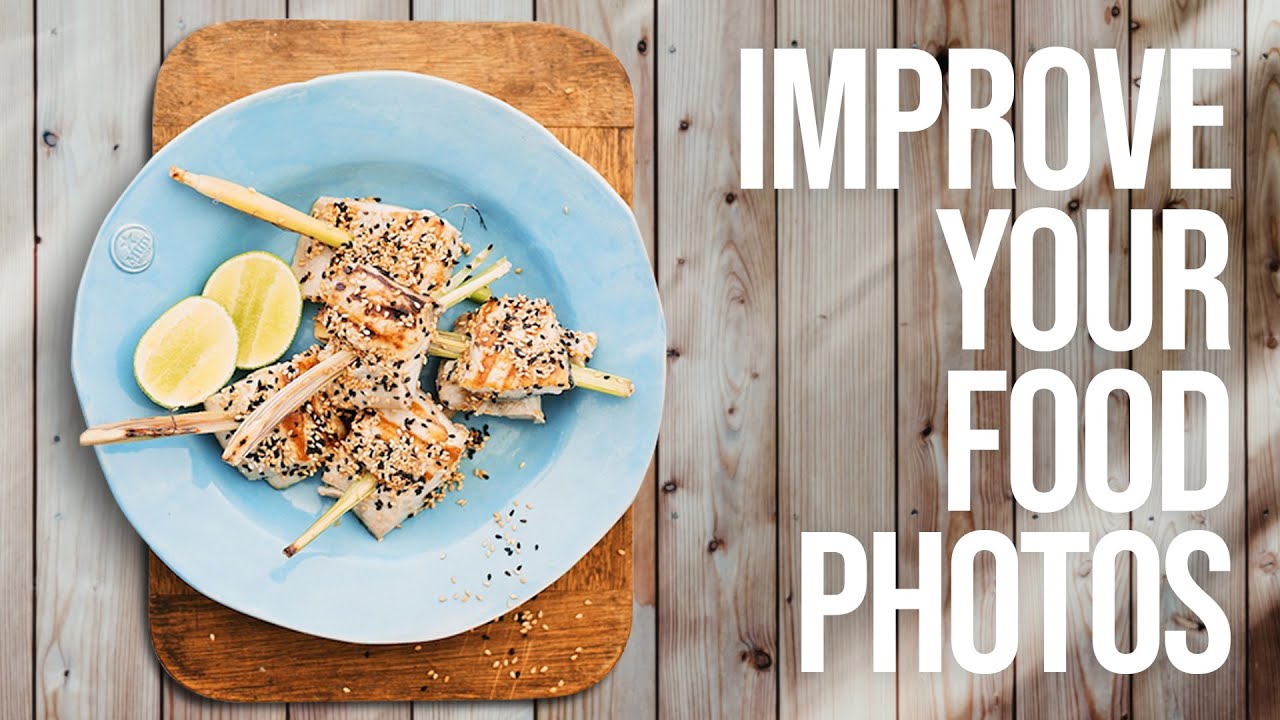
I shoot gear for a living. Tripods, lenses, light modifiers — I’ve tested more budget versions of those things than I care to admit. But food photography kept humbling me, and for a long time I couldn’t figure out why. I’d have a decent camera, decent light, and the result still looked like a cafeteria tray. It wasn’t a gear problem. I just didn’t understand what actually makes food photography work.

Tamron 24-70 f/2.8 vs Nikon 24-70 f/2.8: The $600 Question Every Nikon Shooter Needs to Answer

Tamron 24-70 f/2.8 vs Nikon 24-70 f/2.8: The $600 Question Every Nikon Shooter Needs to Answer

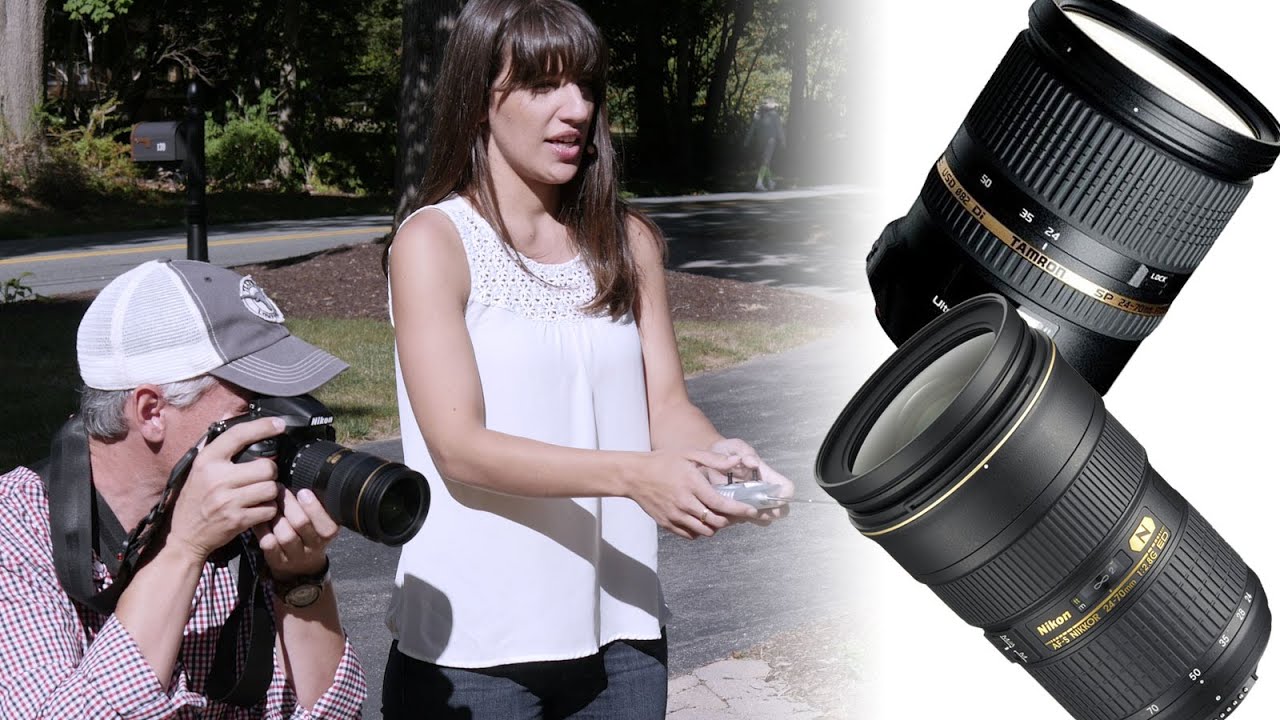
Every time I put together a lens buying guide, someone in the comments asks some version of the same question: “Is the name-brand version actually worth the premium, or am I just paying for the logo?” With standard zooms, that question hits hardest in the 24-70 f/2.8 range, because these are working lenses. Photographers buy them to shoot weddings, events, portraits, travel – the stuff that actually pays or matters. The price gap between the Nikon and Tamron versions of this focal range sits around $600 at most price points, which is not rounding error money.

5 Pieces of Photography Gear That Actually Earn Their Keep (And One Is Under $100 Used)

5 Pieces of Photography Gear That Actually Earn Their Keep (And One Is Under $100 Used)

I’ll be straight with you: I’m suspicious of gear lists. Most of them are just wishlists dressed up as advice, full of $3,000 lenses that nobody asking the question can actually afford. So when I watched Adam’s recent video over at First Man Photography, I wasn’t expecting much. What I got instead was a genuinely honest breakdown of five things he’s actually used, not just unboxed, over the past year or more.

How to Protect Your Camera Gear in Rain, Cold, and Beach Conditions (Without Spending a Fortune)

How to Protect Your Camera Gear in Rain, Cold, and Beach Conditions (Without Spending a Fortune)

Shooting outdoors in unpredictable conditions is where a lot of photographers lose confidence fast. Not because they don’t know how to compose a shot or read light, but because they’re quietly terrified of what humidity, sand, or a sudden downpour might do to their equipment. I’ve been there. I once stood at the edge of a mountain trail in Colorado, watching storm clouds roll in, and spent more mental energy worrying about my camera than thinking about the shot in front of me.

Does Switching Your Photography Gear Actually Make You Better? Here's the Honest Answer

Does Switching Your Photography Gear Actually Make You Better? Here's the Honest Answer

I spent more time last year researching gear prices than I did actually shooting. I have a spreadsheet with 47 budget lenses ranked by sharpness-per-dollar, and I check deal aggregators before I’ve had coffee. So when I came across a First Man Photography tutorial asking whether switching your gear makes you a better photographer, I figured I either had a lot to learn or a lot to argue with. Turns out it was both.