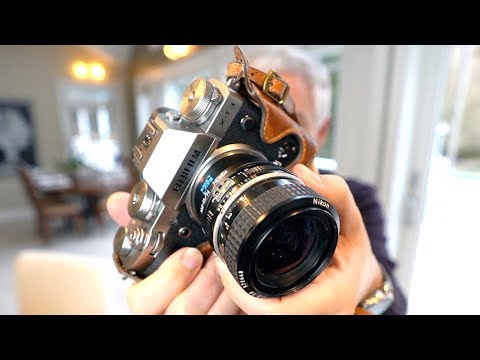
Vintage Nikon Glass on a Fuji X-T3: How a Speed Booster Changes the Math on Legacy Lenses

Vintage Nikon Glass on a Fuji X-T3: How a Speed Booster Changes the Math on Legacy Lenses

I spend a lot of time chasing the best gear-to-dollar ratio, and most of that time I’m looking at new releases. But the vintage lens market keeps pulling me back, mostly because the prices are absurd in the best possible way. A Nikon 105mm f/2.5 AI for under $100? A 50mm f/1.4 that renders like a dream? These lenses have been sitting on eBay for years while photographers chase autofocus. The problem I kept running into was the crop factor penalty on APS-C bodies.


Two Onions, One Light, and the Photography Lesson I Wish I'd Learned Before Buying Anything

Two Onions, One Light, and the Photography Lesson I Wish I'd Learned Before Buying Anything

I’ve bought a lot of gear I didn’t need. Five tripods under $50, testing each one to death. A drawer full of adapters. More filters than I’ve used in a year. And for a long time, I assumed my lighting work was mediocre because I hadn’t bought the right softbox yet. That was the wrong assumption, and it cost me more money than I’d like to admit before I figured it out.

Baby Plates: The $15 Grip Accessory That Unlocks a Permanent Studio Setup

Baby Plates: The $15 Grip Accessory That Unlocks a Permanent Studio Setup

If you shoot in a small studio or on location with any regularity, you’ve probably hit this wall: you need a light somewhere there’s no logical place to put a stand. Maybe the corner is too tight, the floor is too cluttered, or you’re working in a space where you’ll be back every week and setting up stands every single time is eating into your shoot time. This is the problem that baby plates solve, and once you understand what they are, you’ll wonder how you worked without them.

Lightroom vs Capture One vs DxO: Which Editing Software Is Actually Worth Paying For?

Lightroom vs Capture One vs DxO: Which Editing Software Is Actually Worth Paying For?

I spent three hours last Tuesday doing something I’m not proud of: recalculating my annual software subscriptions while my actual photos sat unedited on my hard drive. When you add up Lightroom at $9.99/month (bundled with Photoshop through the Photography Plan at $119.88/year), Capture One’s subscription at $179/year, and the one-time purchase I made for DxO PhotoLab 7 at $219, the numbers get uncomfortable fast. And that’s before you factor in Luminar Neo or any of the AI-upscaling tools that keep landing in my inbox.

Cyber Monday Camera Deals Worth Actually Buying (And a Few That Surprised Me)

Cyber Monday Camera Deals Worth Actually Buying (And a Few That Surprised Me)

Every year around this time, my inbox turns into a graveyard of forwarded deal links from photographer friends who don’t have time to vet anything themselves. I get it. The window is short, the discounts are loud, and separating genuinely good deals from repackaged mediocrity takes more homework than most people want to do on a holiday weekend. I’ve been tracking gear prices in a spreadsheet long enough to know that “50% off” sometimes means “50% off a price nobody ever paid.

Stop Asking Which Lens Is Best for Landscape Photography (Here's What to Ask Instead)

Stop Asking Which Lens Is Best for Landscape Photography (Here's What to Ask Instead)

Every few weeks I get a version of the same question in my inbox: “Tyler, I have $X saved up — which lens should I buy for landscapes?” I used to give a confident answer. Wide angle, obviously. Get the 16-35 and you’re set. Then I watched Thomas Heaton basically call out people like me for contributing to the noise. He’s right, and it stung a little. In this Thomas Heaton tutorial, he works through the single most common landscape photography question on YouTube and lands on an answer that’s genuinely more useful than the confident hot takes most of us dish out.

Crop Aggressively and Skip the Telephoto: What Pierre T. Lambert Gets Right

Crop Aggressively and Skip the Telephoto: What Pierre T. Lambert Gets Right

There’s a lens-shaped hole in a lot of photographers’ budgets, and most of the time it doesn’t need to be filled. I’ve reviewed enough budget glass to know that the gear acquisition spiral usually starts the same way: you’re too far from your subject, the shot doesn’t look the way you wanted, and your brain immediately jumps to “I need a 200mm.” I’ve been there. I built my whole following on proving that instinct wrong.

How to Actually Choose Your Next Lens (Without Getting Lost in Gear Lust)

How to Actually Choose Your Next Lens (Without Getting Lost in Gear Lust)

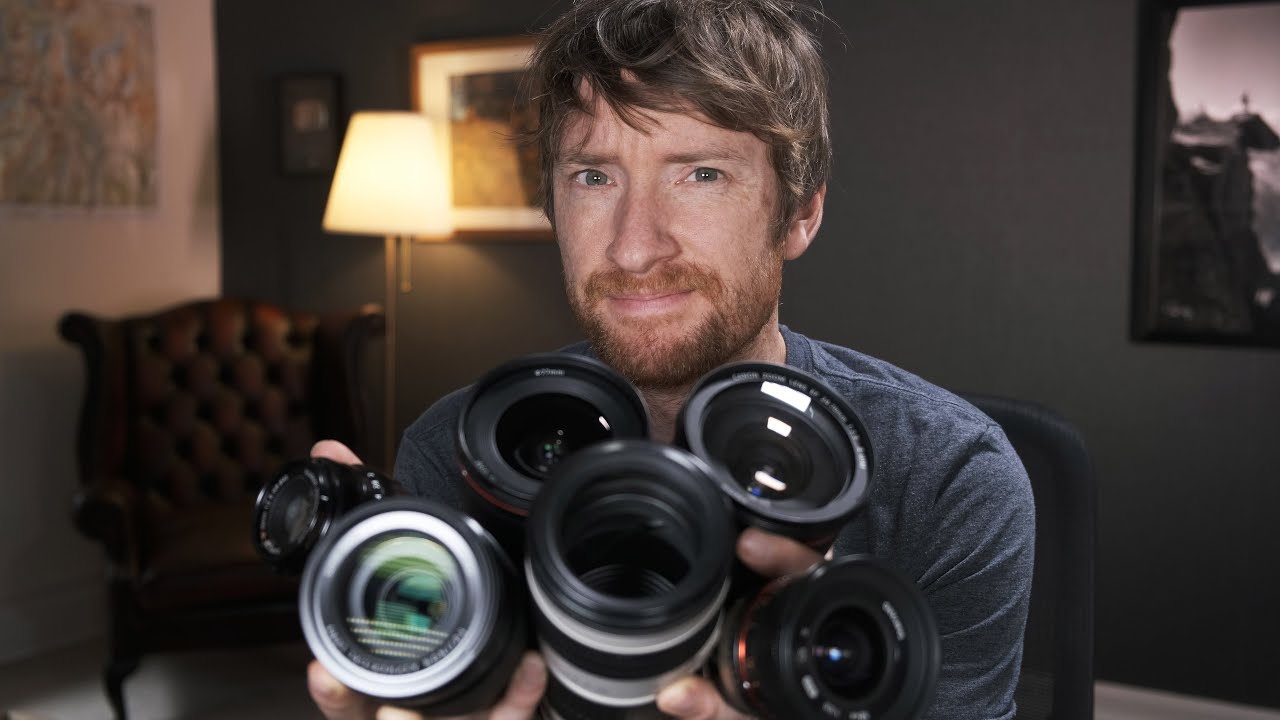
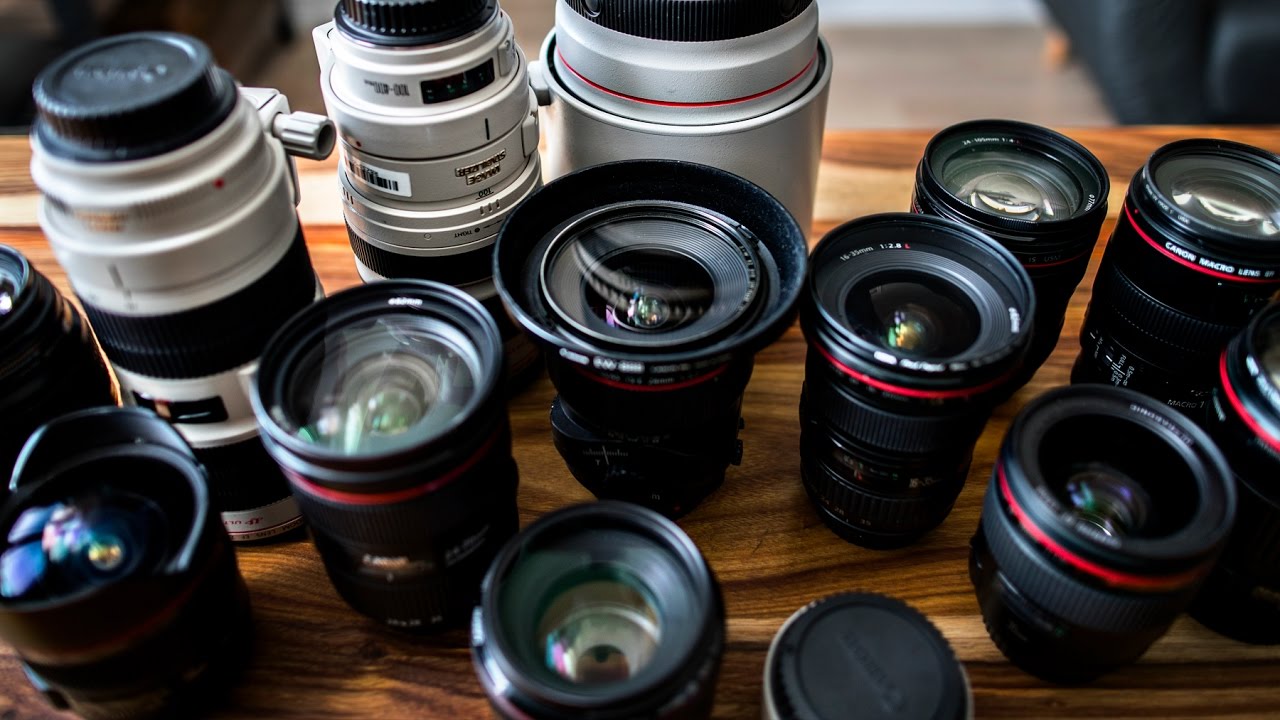
I spent an embarrassing amount of time last year researching lenses I couldn’t afford instead of actually shooting with the ones I had. Sound familiar? The problem isn’t that there’s too little information out there. It’s that most of it is written by people who are trying to sell you on a specific lens rather than help you figure out which one actually fits your situation. In this Peter McKinnon tutorial, he cuts through the noise with a deceptively simple framework that I wish someone had handed me when I was first building out my kit.

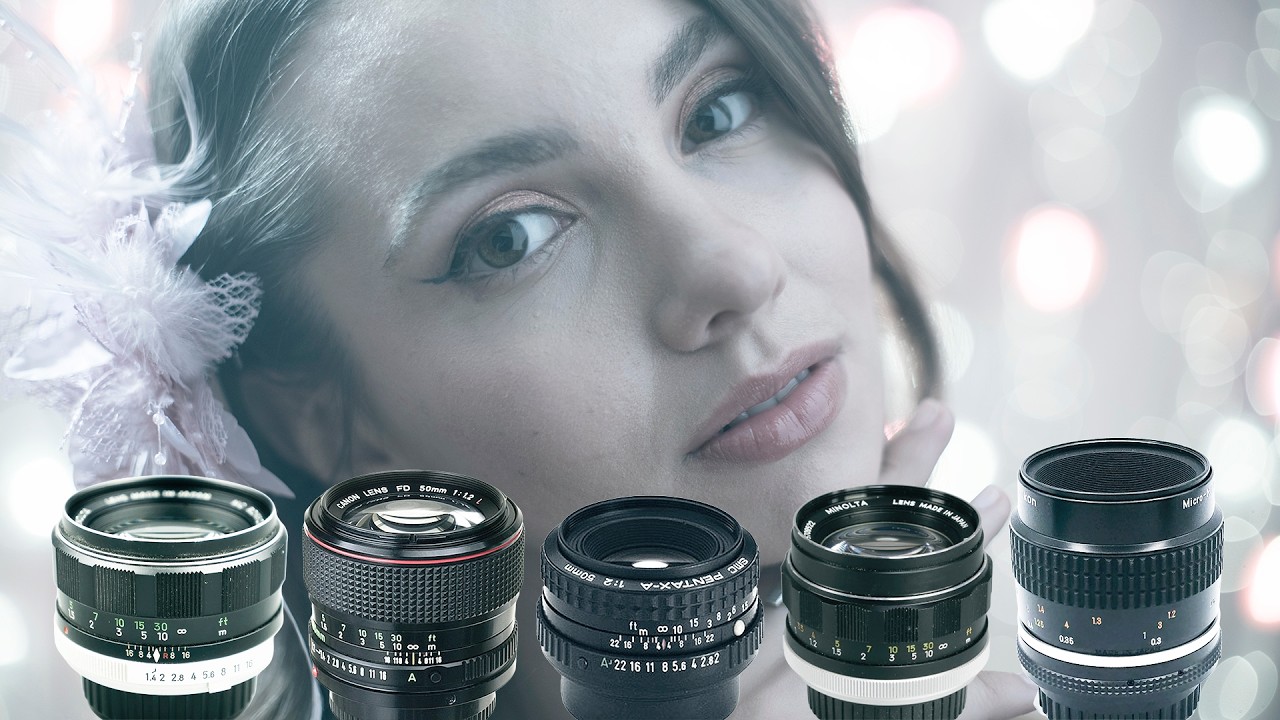
Canon FD vs. Nikkor vs. Pentax vs. Minolta: What 4 Vintage 50mm Lenses Actually Look Like on a Modern Sensor

Canon FD vs. Nikkor vs. Pentax vs. Minolta: What 4 Vintage 50mm Lenses Actually Look Like on a Modern Sensor

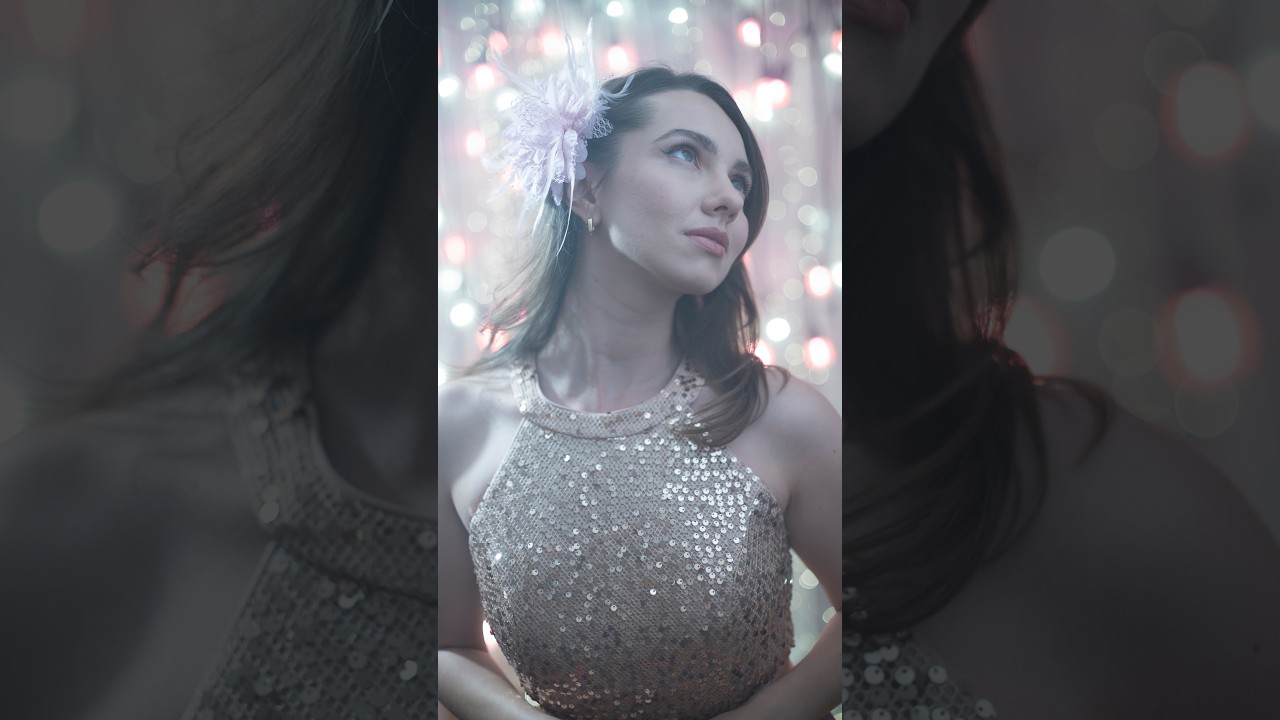
I spend a lot of time on eBay before breakfast. It’s a problem, or a system, depending on how you look at it. And one question I get constantly from readers is some version of: “I found a cheap vintage 50mm on eBay, is it actually worth buying?” My honest answer used to be “depends on the brand” — but that’s not good enough. Different vintage glass renders differently, and if you’re shooting portraits, those differences matter more than most people realize.

Canon FD vs Nikon vs Pentax vs Minolta: Which Vintage 50mm Actually Fits Your Shooting Style?

Canon FD vs Nikon vs Pentax vs Minolta: Which Vintage 50mm Actually Fits Your Shooting Style?

I’ve been chasing the vintage lens rabbit hole for a while now. My spreadsheet has entries for somewhere around thirty budget lenses at this point, and a solid chunk of them are old manual-focus glass from the 70s and 80s. The appeal is obvious if you’ve been paying attention to used gear prices: you can pick up Canon FD, Minolta MD, Pentax SMC, or Nikkor primes for under $50 in a lot of cases, mount them on a Sony mirrorless body with a cheap adapter, and get images that feel genuinely different from what modern lenses produce.

How to Actually Use a Telephoto Lens for Landscape Photography (Without Wasting Its Best Features)

How to Actually Use a Telephoto Lens for Landscape Photography (Without Wasting Its Best Features)

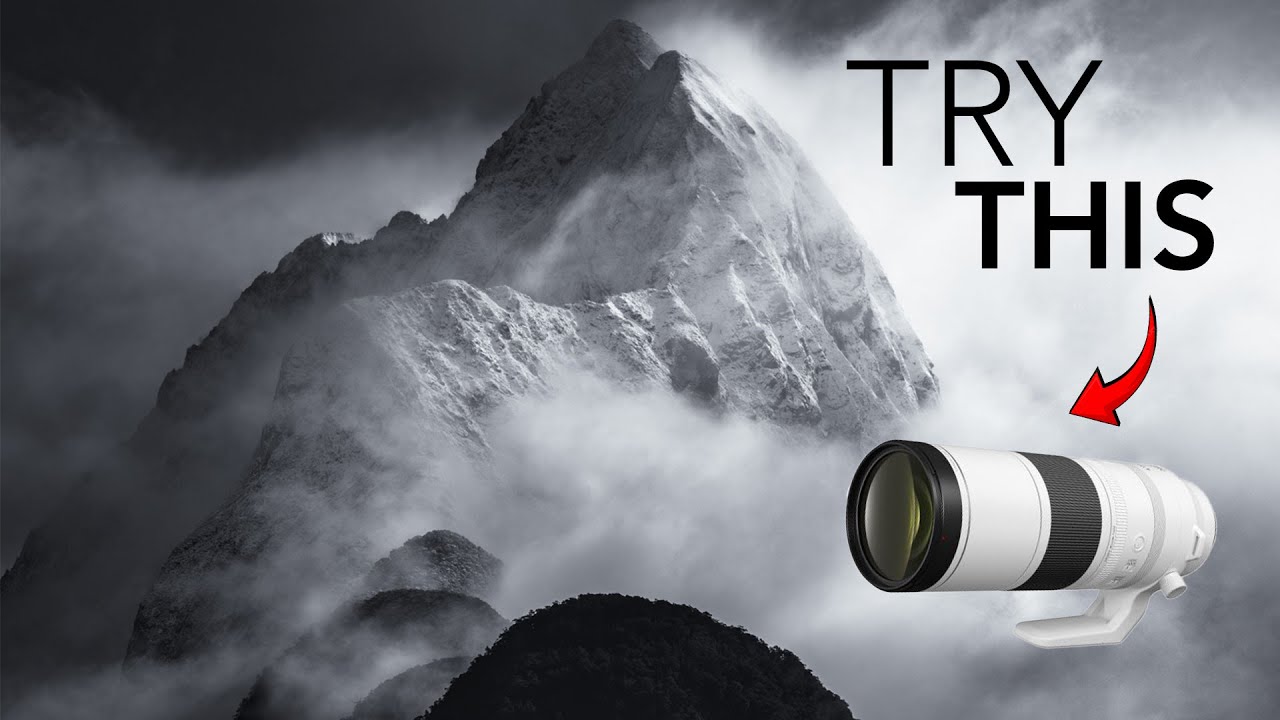
I came up through the budget-gear world convincing people that a kit lens could do more than they thought. And for years, I kind of overlooked the telephoto as a landscape tool because it felt like a specialty item, something wildlife shooters needed, not landscape photographers. Then I sat down with William Patino’s tutorial on making the most of your telephoto lens, and it reframed how I think about the whole focal length category.

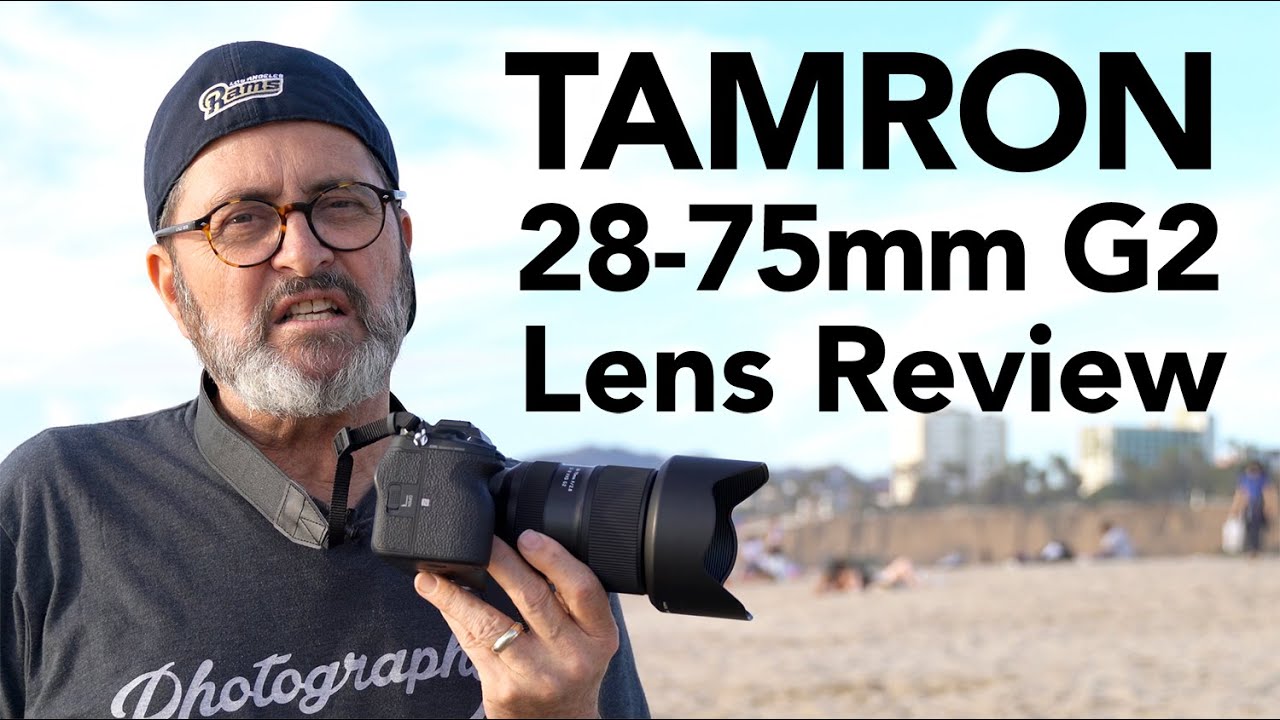
The Tamron 28-75mm f/2.8 G2 Is the Lens I'd Buy If I Had to Start Over

The Tamron 28-75mm f/2.8 G2 Is the Lens I'd Buy If I Had to Start Over

The hardest question I get from readers is some version of: “I have $800 to spend on a lens, what do I actually buy?” Not “what’s the best lens money can buy,” but what delivers the most usable image quality for real shooting situations without burning through your whole budget. That question used to take me 20 minutes to answer. Now I send them one link. In this The Slanted Lens tutorial, Jay P.