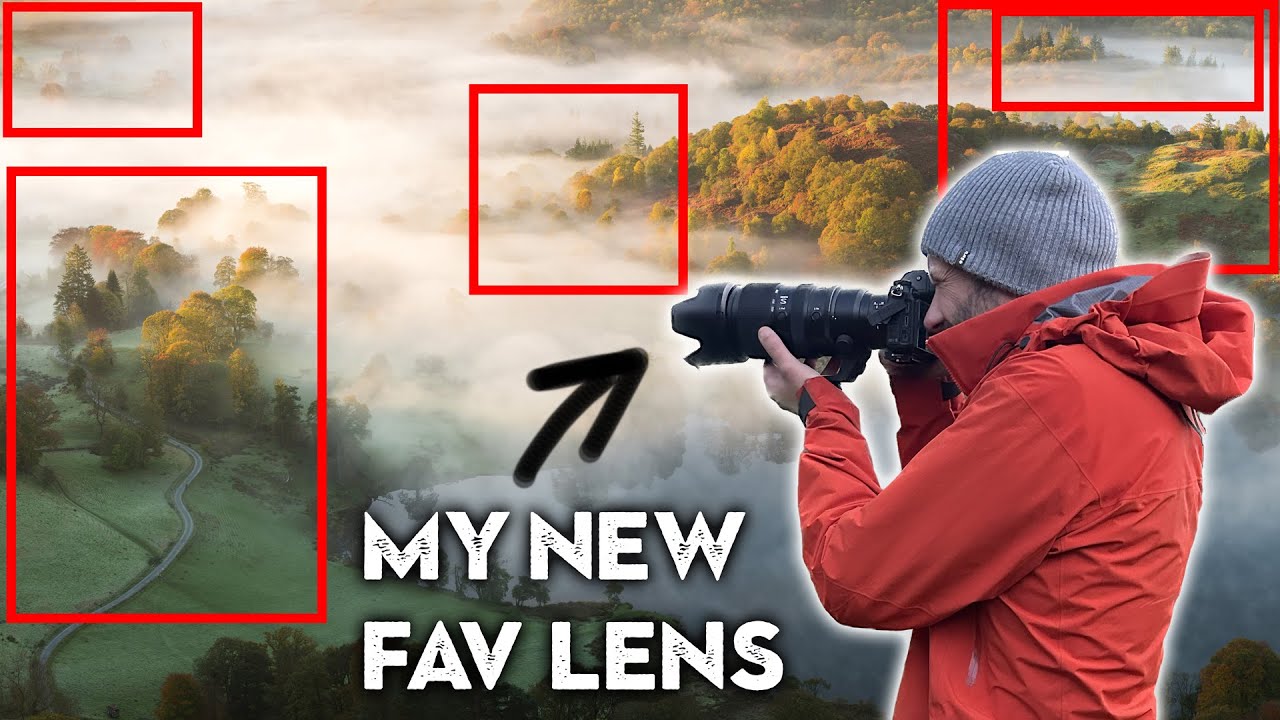
How a 100-400mm Lens Can Give You 100+ Compositions From a Single Hillside

How a 100-400mm Lens Can Give You 100+ Compositions From a Single Hillside

There’s a specific kind of frustration I used to feel constantly: I’d hike to a viewpoint, shoot the obvious wide-angle scene in about twenty minutes, and then just… stand there. Waiting. Watching other photographers keep shooting while I mentally checked out. The problem wasn’t the location. It was that I was treating every scene like it only had one composition in it, the big sweeping one you see on the postcard.
Why Your Wide-Angle Lens Is Holding You Back (And What to Do About It)

Why Your Wide-Angle Lens Is Holding You Back (And What to Do About It)

I spent my first two years shooting landscapes almost exclusively with a wide-angle lens. Made sense at the time - wide glass is cheap, it’s what every “landscape photography beginner” listicle recommends, and the dramatic foreground-to-sky shots look impressive as a thumbnail. But I kept running into the same wall: if the light wasn’t cooperating, if there wasn’t a compelling foreground element within arm’s reach, or if the scene just didn’t have that sweeping cinematic quality, I’d come home with nothing worth keeping.

Why Dramatic Daytime Clouds Beat Sunset Every Time (And the One Lens to Have With You)

Why Dramatic Daytime Clouds Beat Sunset Every Time (And the One Lens to Have With You)

Most photographers I know are chasing golden hour like it’s the only game in town. I get it. I spent my first two years setting alarms for 5 a.m. and treating every flat midday sky like a personal insult. But here’s the thing I kept missing: some of the most dramatic landscape light happens in the middle of the afternoon, under clouds that most people would pack their bags and go home for.

How to Find and Frame Spring Woodland Shots with a 24-70mm (Lessons from Nigel Danson)

How to Find and Frame Spring Woodland Shots with a 24-70mm (Lessons from Nigel Danson)

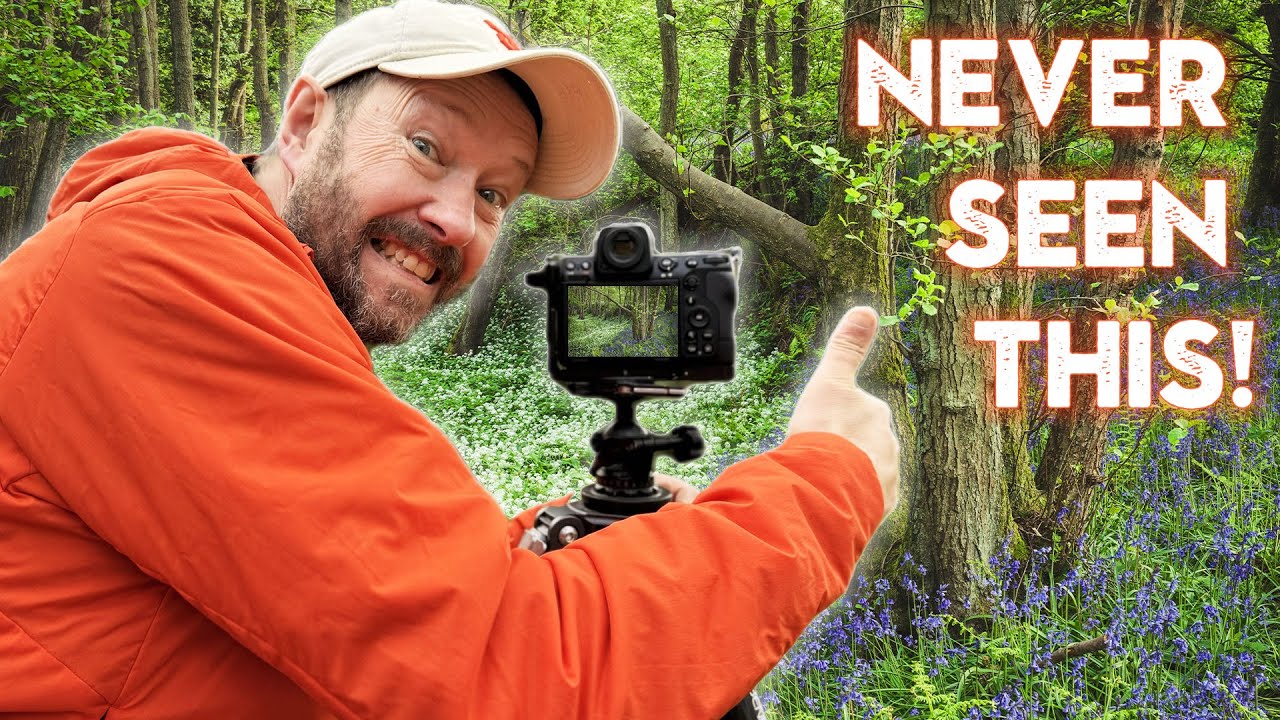
Spring woodland shooting sounds easy until you’re actually standing in one. Trees everywhere, light doing unpredictable things, and a carpet of flowers that looks stunning to your eyes but turns into a flat green mess on your screen. I’ve been there more times than I want to admit, usually after dragging myself out of bed at 5am for nothing I’d actually post. In this Nigel Danson tutorial filmed in the spring woodlands of North Yorkshire, Danson works through a real shooting session, live decisions and all, covering composition logic, how to read woodland light before you fire a single frame, and the specific settings he leans on when conditions get tricky.

How to Use AI as Your Street Photography Coach (And Actually Learn From It)

How to Use AI as Your Street Photography Coach (And Actually Learn From It)

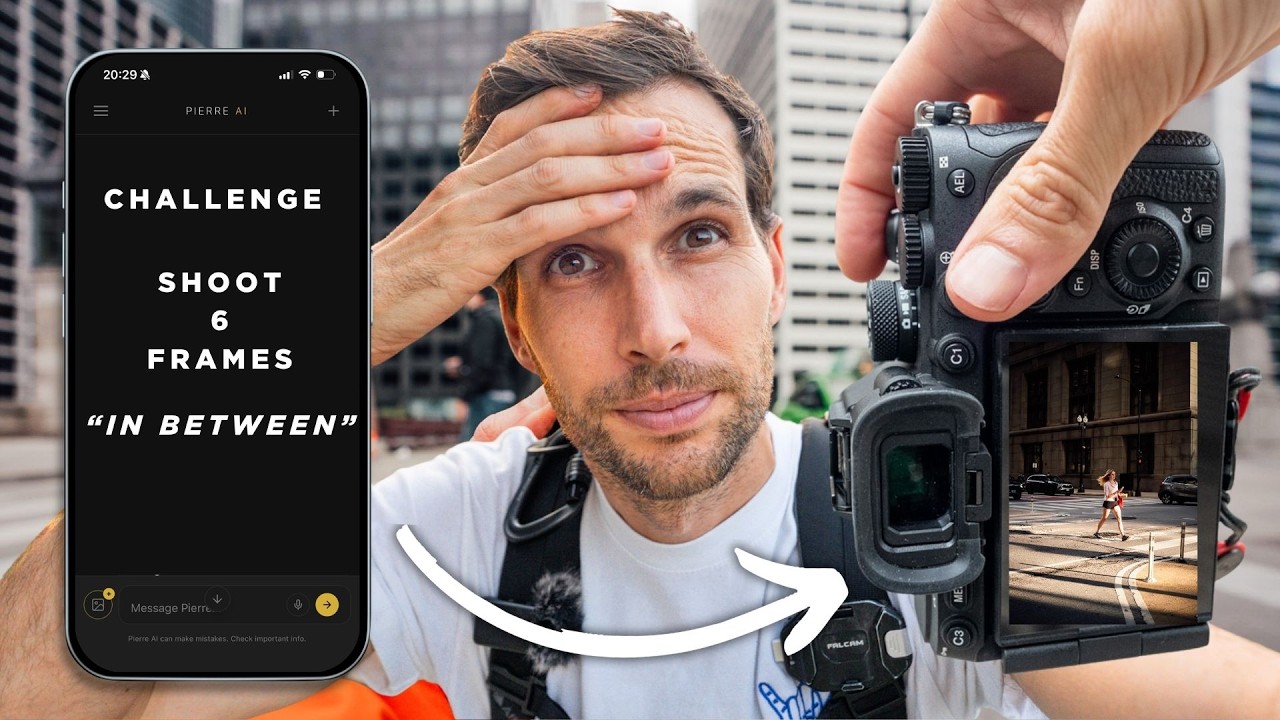
Street photography has a motivation problem. You show up somewhere you’ve shot a dozen times, you wander around for a while, you come home with okay images, and you wonder why you bothered. The location isn’t the issue. The lack of a mission is. That’s the real thing this technique solves, and I say that as someone who spent more hours than I’d like to admit researching gear when what I actually needed was a reason to go outside and shoot.

How to Actually Use a Wide Angle Lens for Landscapes (Not Just Zoom Out and Hope)

How to Actually Use a Wide Angle Lens for Landscapes (Not Just Zoom Out and Hope)

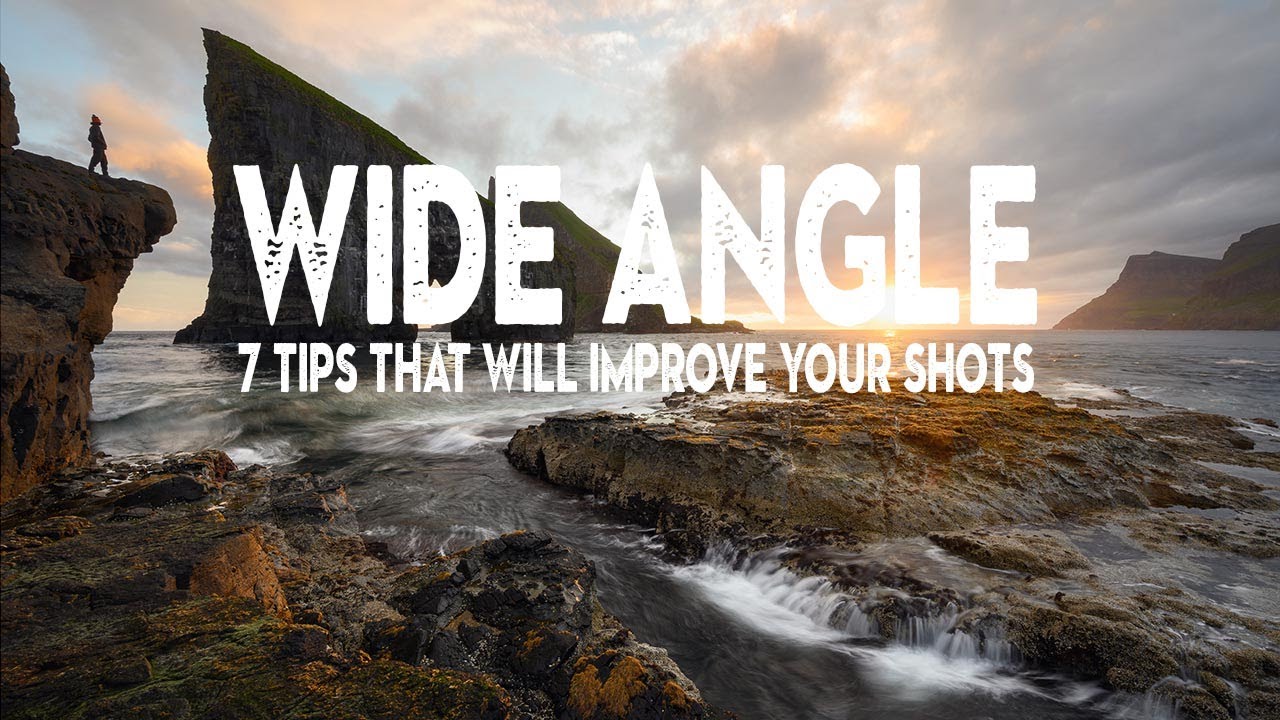
Most of my landscape shots from my first year looked like postcards someone else already made. Nice light, decent subject, totally flat. I kept blaming my gear, which is ironic given what I do for a living. The real problem was simpler: I was using a wide angle lens like a telephoto, just pointing it at the main subject from standing height and calling it done. In this William Patino tutorial on wide angle lenses for landscape photography, he lays out the core habits that actually separate effective wide angle work from lazy snapping.

7 Wide Angle Lens Habits That Actually Make Your Shots Look Intentional

7 Wide Angle Lens Habits That Actually Make Your Shots Look Intentional

Wide angle lenses are one of those purchases that feel exciting in the cart and humbling in the field. I’ve tested more budget wide angles than I care to admit - there’s a whole tab in my gear spreadsheet dedicated to them - and the honest truth is that the lens itself is rarely the problem. Technique is. I’d hand someone a $200 wide angle and watch them produce flat, lifeless images, then hand the same lens to someone who understood how to use the field of view, and suddenly it looked like a completely different piece of glass.

Crop Aggressively and Skip the Telephoto: What Pierre T. Lambert Gets Right

Crop Aggressively and Skip the Telephoto: What Pierre T. Lambert Gets Right

There’s a lens-shaped hole in a lot of photographers’ budgets, and most of the time it doesn’t need to be filled. I’ve reviewed enough budget glass to know that the gear acquisition spiral usually starts the same way: you’re too far from your subject, the shot doesn’t look the way you wanted, and your brain immediately jumps to “I need a 200mm.” I’ve been there. I built my whole following on proving that instinct wrong.

Why I Now Take My 100-400mm Lens on Every Landscape Shoot (And How to Actually Use It)

Why I Now Take My 100-400mm Lens on Every Landscape Shoot (And How to Actually Use It)

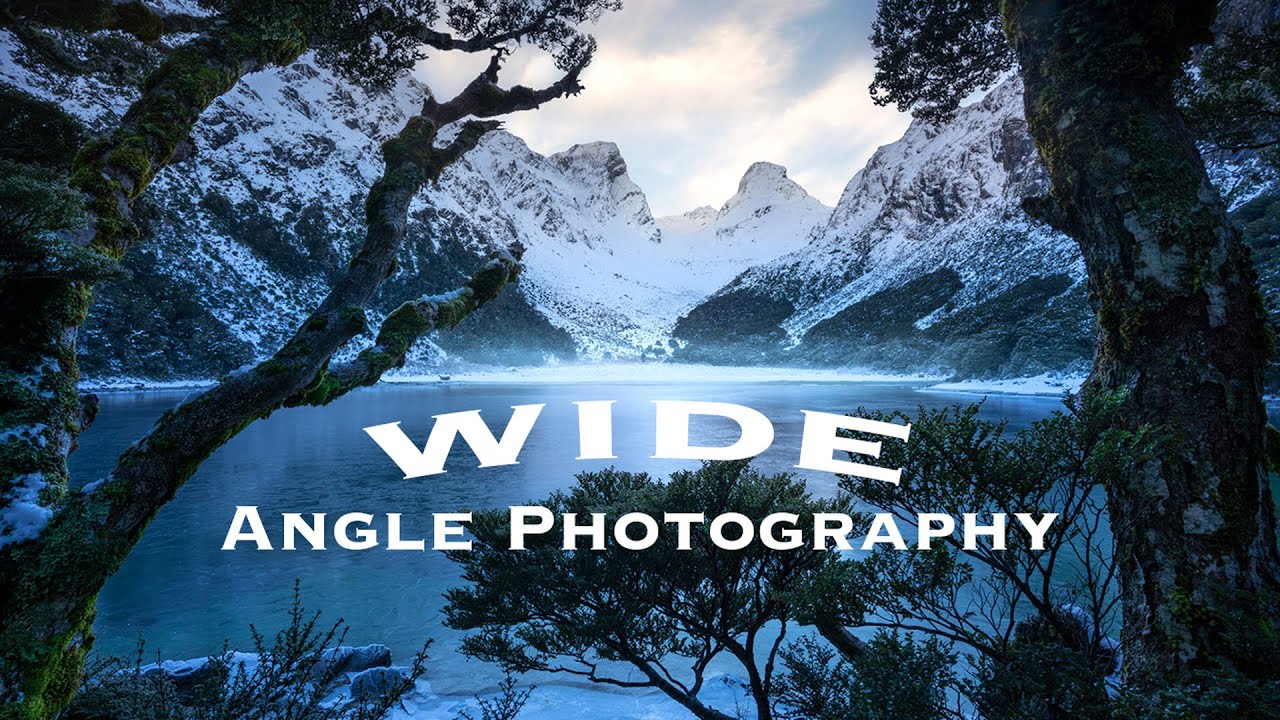
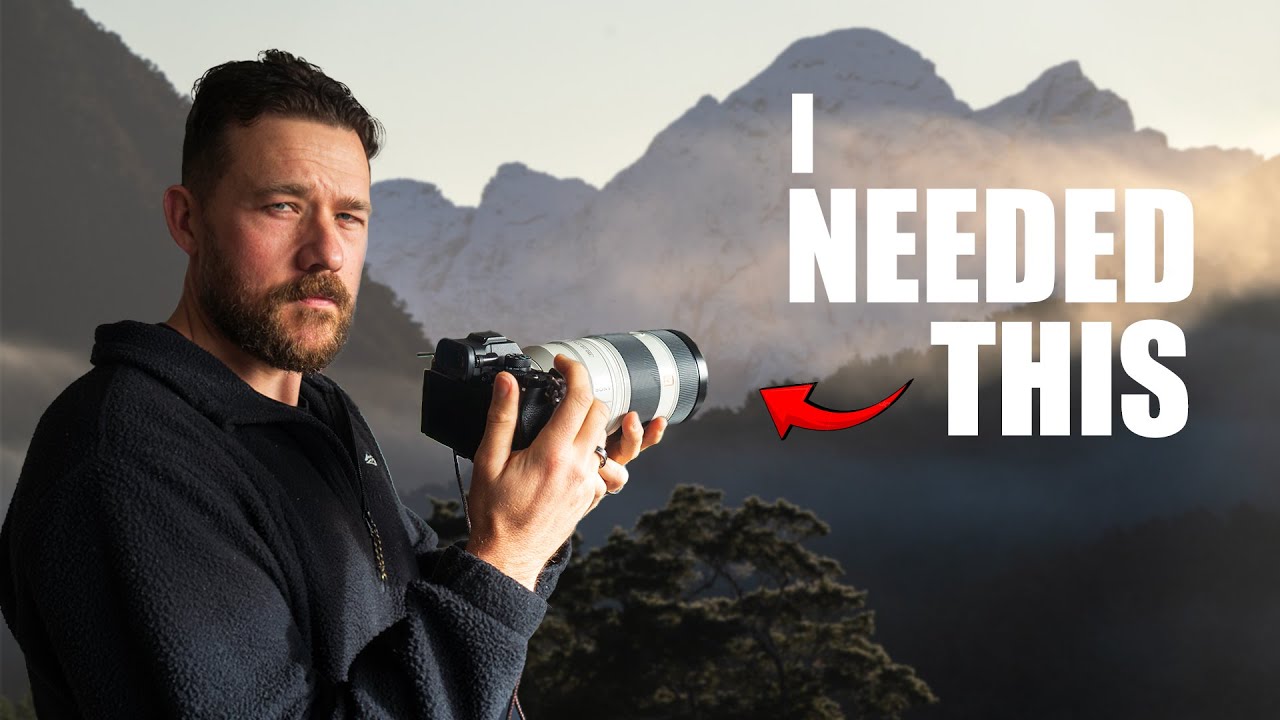
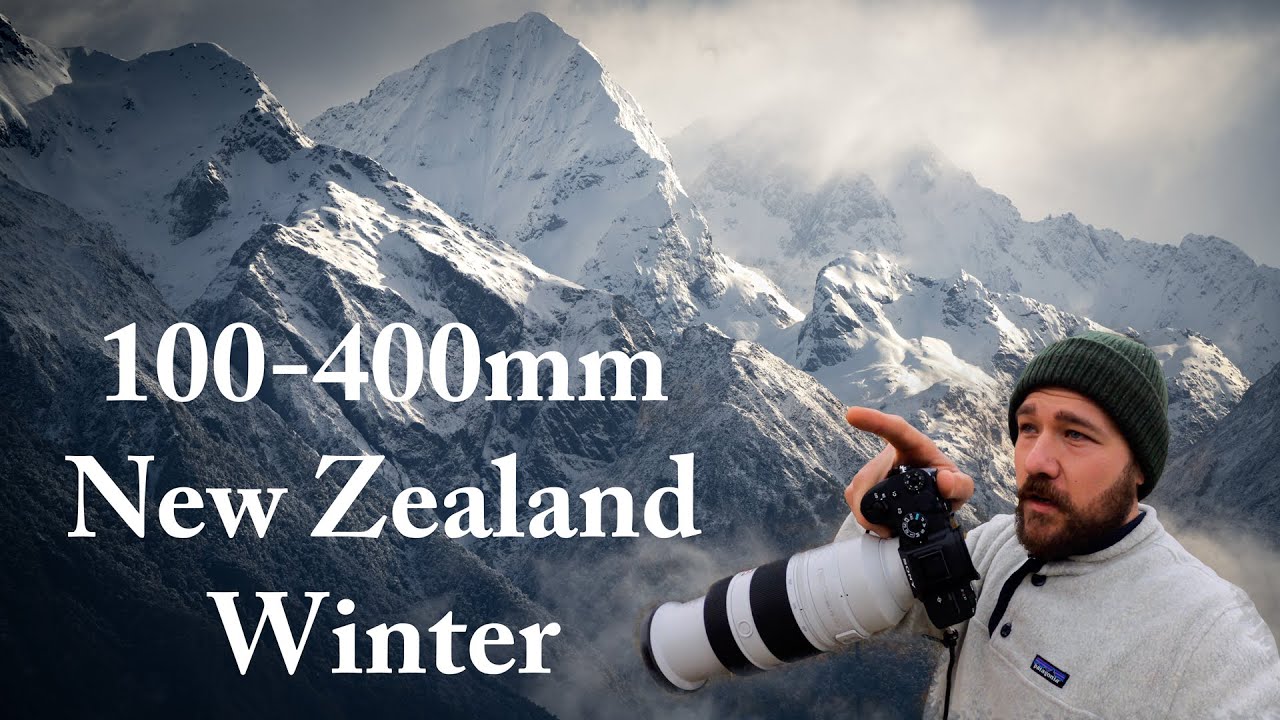
Most landscape photographers treat their telephoto lens like a backup option. It stays in the bag while the wide angle does all the work. I used to do the same thing. My 100-400mm would come out maybe once a session, usually when I spotted wildlife, then back in it went. Watching William Patino work through a frosty winter morning in New Zealand’s South Island genuinely changed how I think about that piece of glass.

Do You Actually Need an Ultra Wide Angle Lens? Here's How to Decide

Do You Actually Need an Ultra Wide Angle Lens? Here's How to Decide

I’ve tested a lot of lenses on a tight budget. My spreadsheet has entries for focal lengths most people have never heard of, and I’ve run side-by-side comparisons on lenses that cost $89 versus $890. But one question keeps showing up in my inbox more than any other: “Do I need to go wider than 24mm?” It sounds simple. It’s not. Spend enough time in the field and you realize that buying an ultra wide angle lens without understanding how to use it is one of the fastest ways to end up with disappointing, distorted images you’ll never post.

How to Use a Telephoto Lens for Landscape Photography (And Why It Changes Everything)

How to Use a Telephoto Lens for Landscape Photography (And Why It Changes Everything)

Most landscape photographers reach for their widest lens by default. I did the same thing for years. Wide angle felt “epic,” and telephoto felt like something you pulled out for wildlife or sports. Then I started paying closer attention to photographers who were coming back from the same locations I’d shot a dozen times with images that looked completely different from mine. They weren’t finding better light. They were using a longer lens and finding smaller, tighter stories inside the big scene I’d been trying to capture in one frame.

The Telephoto Lens Most Landscape Photographers Ignore (And Why I Keep Coming Back to It)

The Telephoto Lens Most Landscape Photographers Ignore (And Why I Keep Coming Back to It)

I’ll be upfront: I spent years dismissing telephoto lenses for landscape work. My logic was simple - wide glass captures the scene, and scene is what landscape photography is about. Then I started actually stress-testing that assumption against my own portfolio, and the images I kept coming back to, the ones that felt different from everything else on my hard drive, were almost never the ultra-wide shots. That pattern bothered me enough that I went looking for someone who could explain it better than I had thought it through myself.