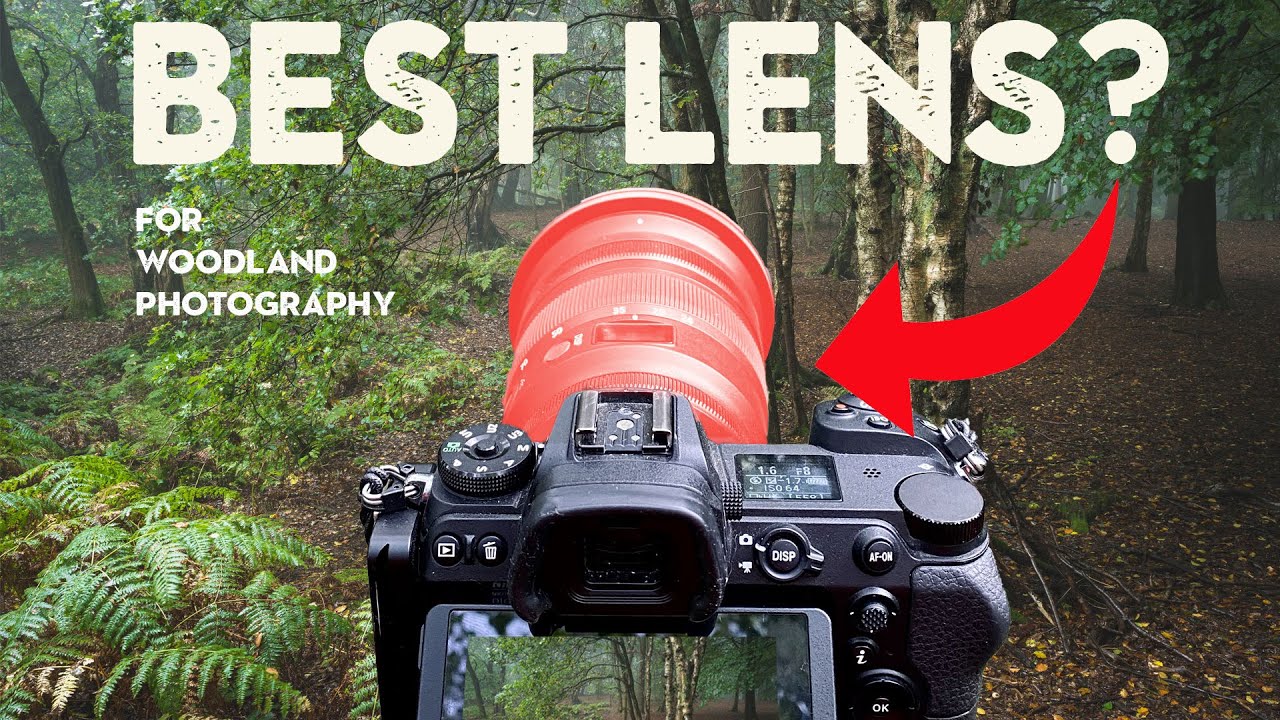
Why Photographers Who Shoot Woodland Keep Coming Back to the 24-70mm (And Why It's Not Hype)

Why Photographers Who Shoot Woodland Keep Coming Back to the 24-70mm (And Why It's Not Hype)

I’ve tested a lot of lenses. I have a spreadsheet to prove it. And one pattern that shows up constantly in my data is that the “boring” mid-range zoom outperforms specialty glass far more often than photographers expect, especially in environments where you’re reacting to light rather than controlling it. Woodland photography is the clearest example of this. You’re moving fast, the light is changing by the minute, and the difference between a good shot and a great one often comes down to being able to shift focal length without swapping glass.
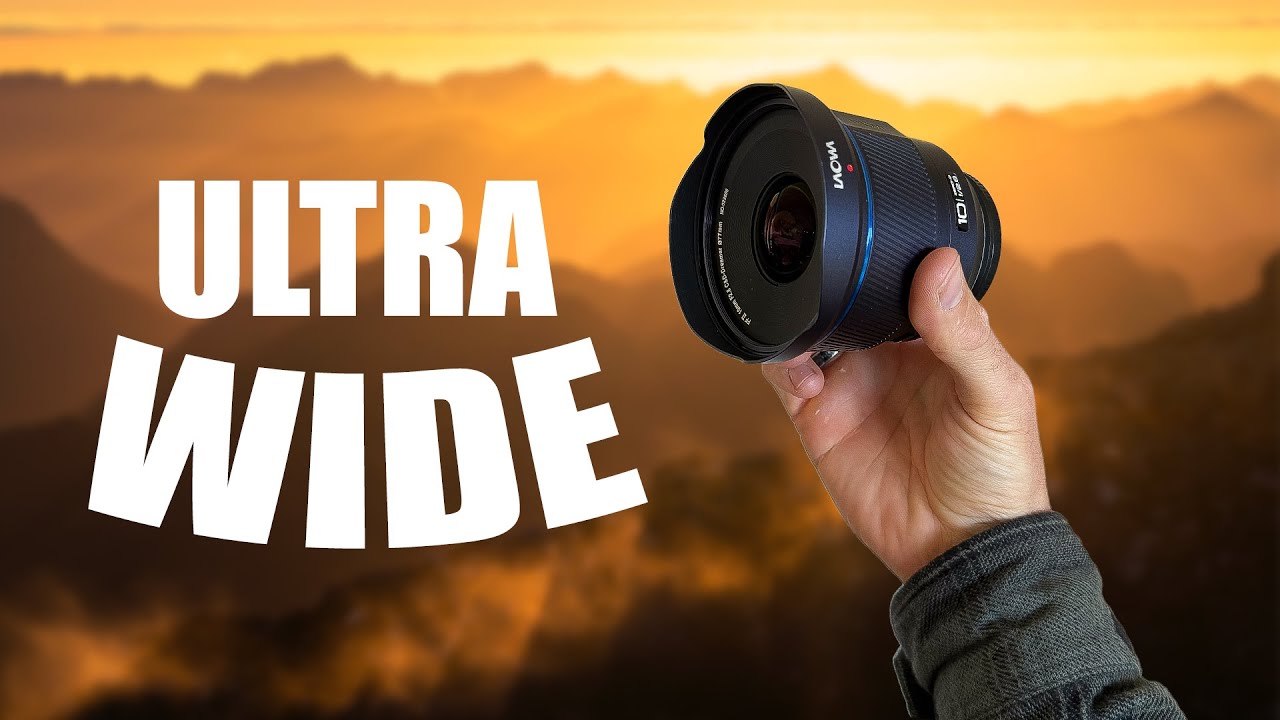
The Laowa 10mm f/2.8 in the Field: What a First Shoot Actually Teaches You About Ultra-Wide Composition

The Laowa 10mm f/2.8 in the Field: What a First Shoot Actually Teaches You About Ultra-Wide Composition

I’ve spent a embarrassing number of hours in spreadsheets comparing budget wide-angle lenses. Focal length, distortion, corner sharpness, price per millimeter of field of view - yes, I actually track that. So when I saw someone doing a genuine first-shoot field test of the Laowa 10mm f/2.8 full-frame lens with zero sponsorship attached, I stopped scrolling immediately. In this William Patino tutorial, he takes the lens out at golden hour in a forest and shoots through it in real time, talking through decisions as he makes them.

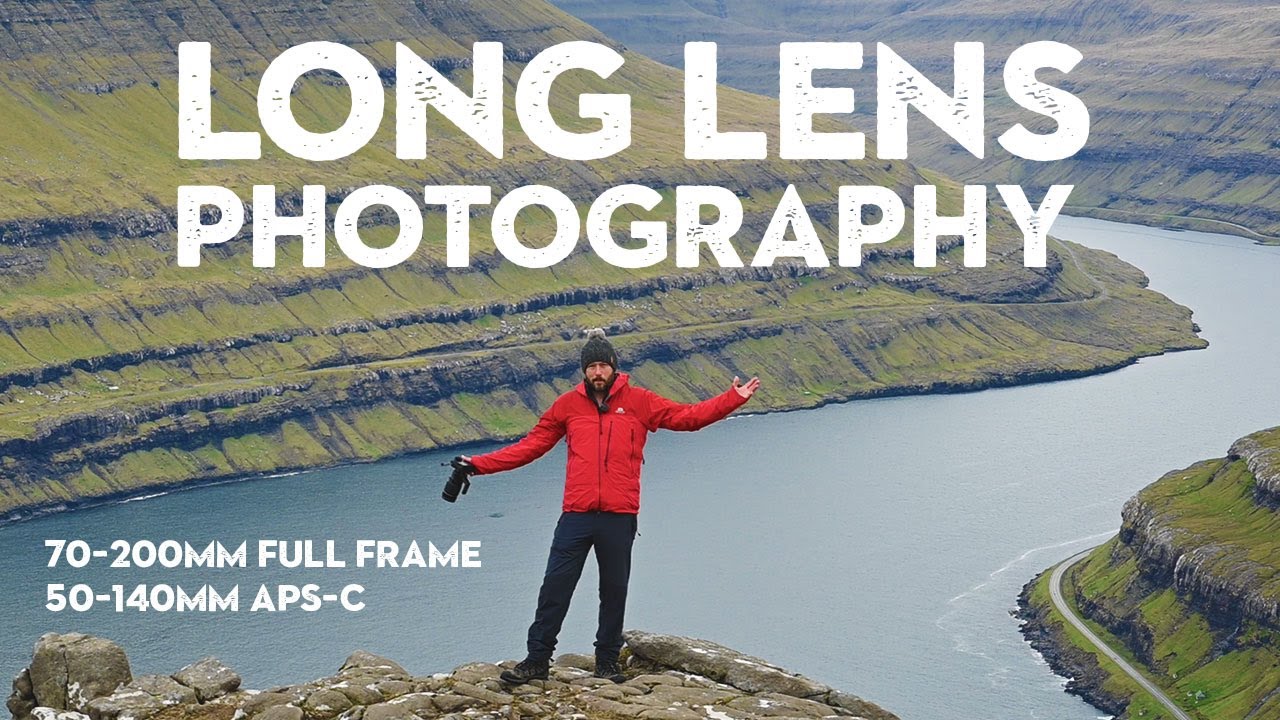
How a 70-200mm Lens Fixed My Worst Compositional Habit (Lessons from Nigel Danson)

How a 70-200mm Lens Fixed My Worst Compositional Habit (Lessons from Nigel Danson)

I have a problem with wide-angle lenses. I lean on them too hard, too fast, and too often. When I’m out shooting and the scene feels cluttered or I can’t find a strong composition, my default is to get closer and go wider, which usually makes things worse, not better. I’ve been aware of this habit for a while, but it took watching someone else work through the exact opposite approach to actually shift how I think about it.

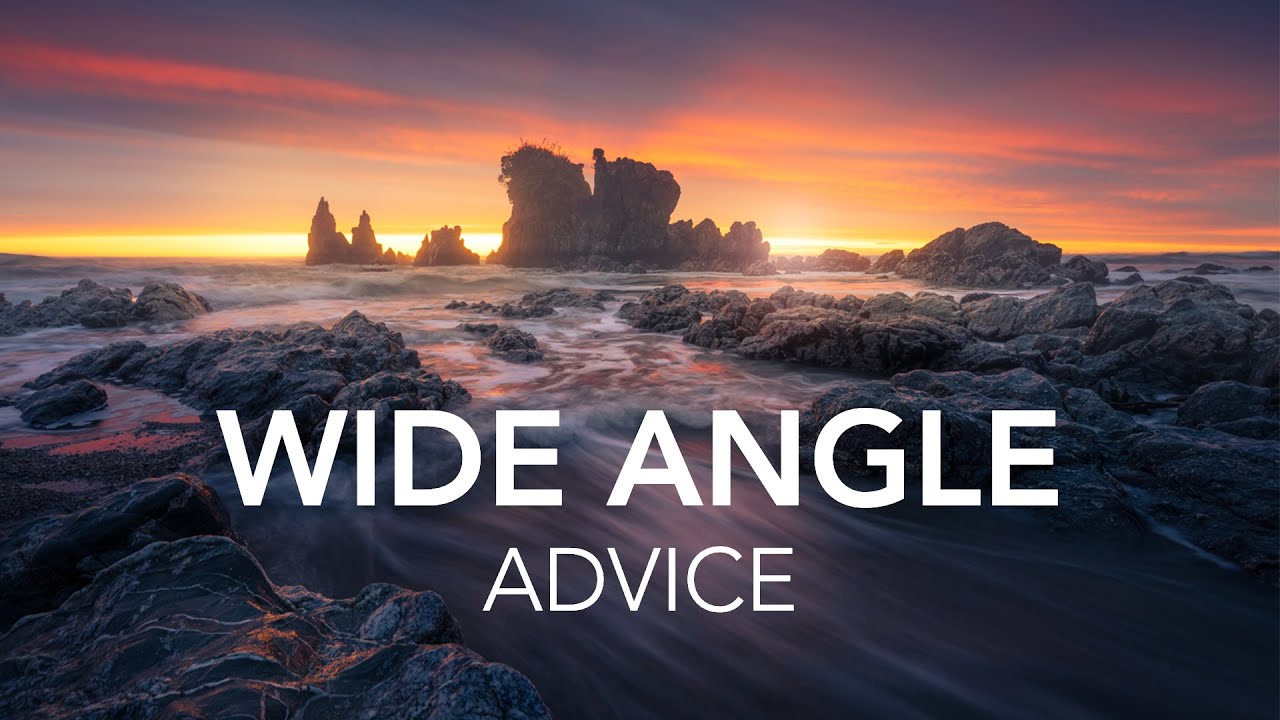
Get More Out of Your Wide Angle Lens: A Step-by-Step Guide to Shooting Like a Landscape Pro

Get More Out of Your Wide Angle Lens: A Step-by-Step Guide to Shooting Like a Landscape Pro

I’ll be honest: wide angle lenses have a reputation for being “easy” because they fit so much in the frame. Point them at a big landscape, click, done. Except that’s exactly the wrong way to use them, and it took me longer than I’d like to admit to figure that out. When I was starting out with a budget ultra-wide zoom, my landscape shots looked flat and lifeless even though I was standing in front of genuinely beautiful scenery.

The 50mm Street Photography Trick That Changed How I Read a Scene

The 50mm Street Photography Trick That Changed How I Read a Scene

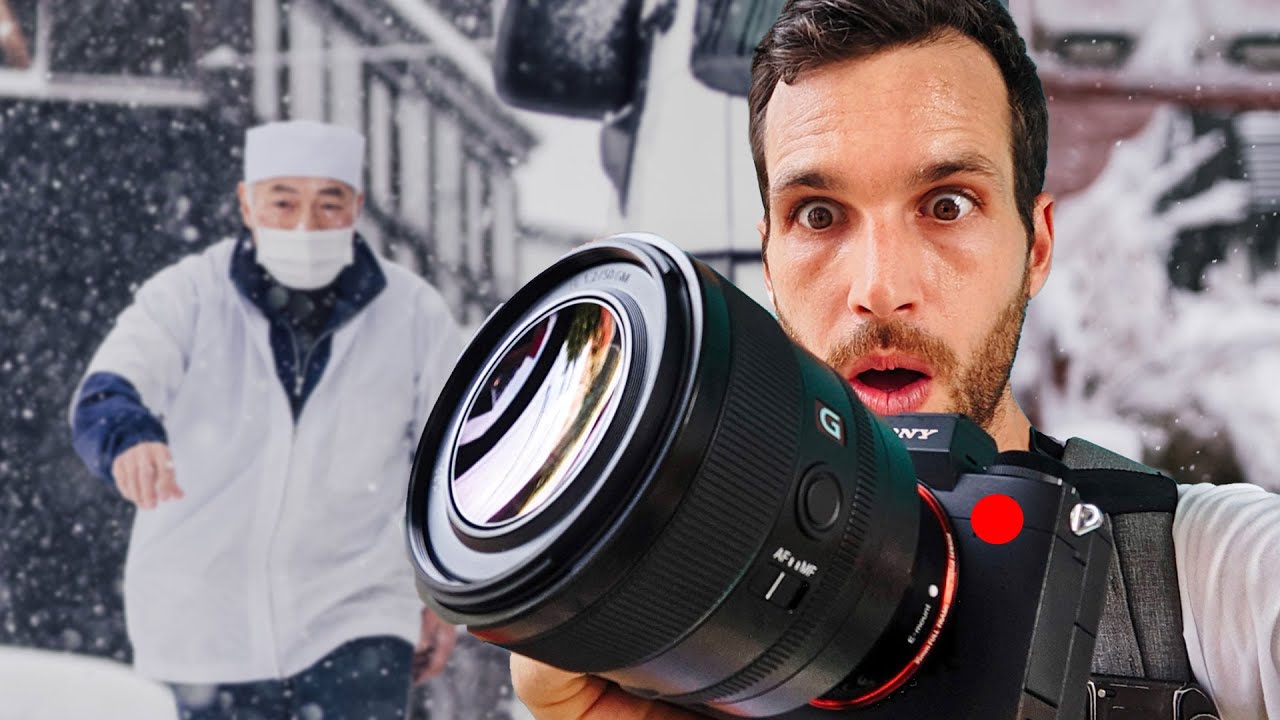
Street photography has a way of punishing hesitation. You either see the shot and commit, or you end up with a memory card full of “almost” frames. For a long time, my problem wasn’t confidence, it was framework. I’d walk a block, raise my camera, and react. But reacting isn’t the same as reading a scene, and the difference shows up in the final images. In this Pierre T. Lambert tutorial, shot entirely on the snowy streets of a small Japanese town, Lambert works through exactly that gap between reacting and reading.

Why a Telephoto Lens Might Be the Smartest Landscape Lens You're Not Using

Why a Telephoto Lens Might Be the Smartest Landscape Lens You're Not Using

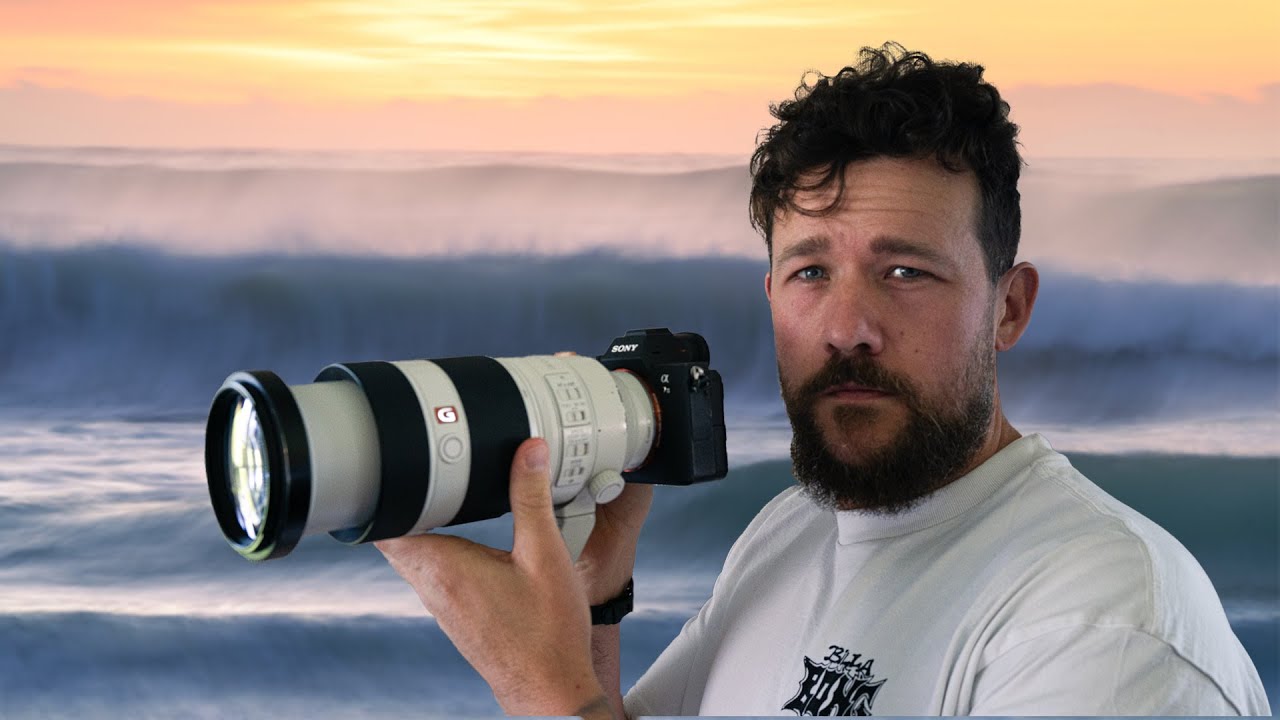
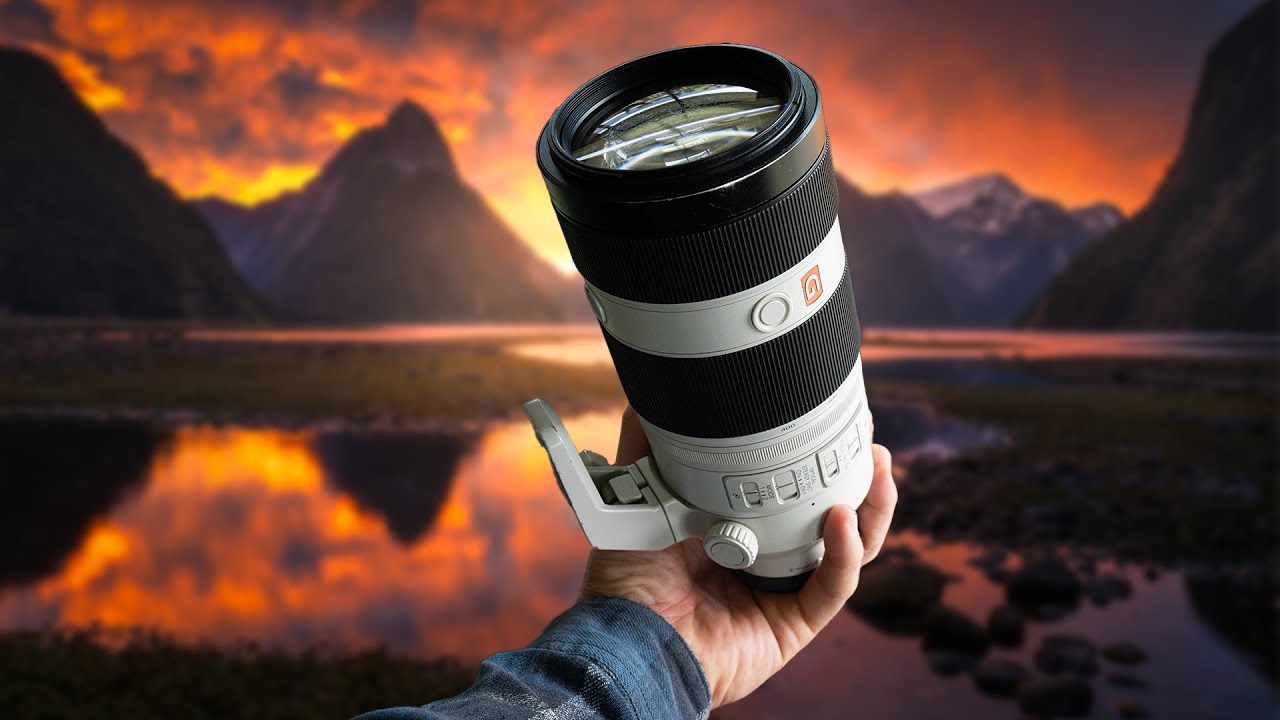
I’ll be honest: for a long time I wrote off telephoto lenses for landscape work. My mental model was wide-angle or bust. Get close to the rocks, show the sweeping sky, fill the frame with drama. It wasn’t until I started stress-testing budget telephoto options for a comparison piece that I realized I’d been leaving a whole category of images on the table. Then I came across this William Patino tutorial, shot on the east coast of Australia at sunrise, and it reframed how I think about coastal photography entirely.

A Photographer's Honest Verdict on Kim Kardashian's Selfish — What It Actually Teaches Us About Photography

A Photographer's Honest Verdict on Kim Kardashian's Selfish — What It Actually Teaches Us About Photography

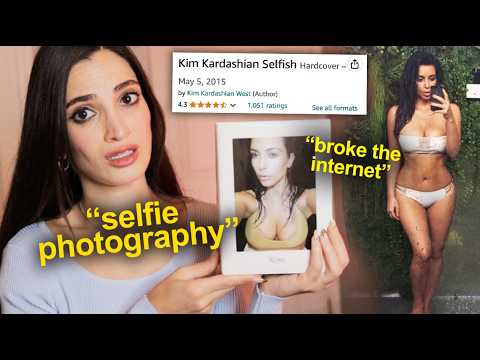
I have a spreadsheet with notes on 40-something budget lenses. I have bought five tripods under $50 just to rank them. I once spent three weeks researching the resale market on used mirrorless bodies before I bought a single one. So when I say I understand the impulse to deeply analyze something just to extract whatever value it holds, I mean it. That’s exactly what photographer Jessica Kobeissi did when she picked up Kim Kardashian’s photo book “Selfish” on eBay for $10, cracked it open, and gave it a full critical review from a working photographer’s perspective.

Stop Shooting Wide: Why a Telephoto Lens Might Be Your Best Landscape Tool

Stop Shooting Wide: Why a Telephoto Lens Might Be Your Best Landscape Tool

Most landscape photographers reach for their widest lens by default. I did the same thing for years. Wide angle captures the sweeping scene, the dramatic sky, the sense of being there — but it also captures the ugly parking lot edge, the boring middle ground, and the dead space that kills an otherwise strong shot. The result looks like a postcard nobody wants to send. I’ve been testing budget telephoto options lately for an upcoming lens roundup, and I needed a clearer framework for actually using them in the field rather than just pixel-peeping test charts.

Why Your Ultra Wide Lens Is Collecting Dust (And How to Actually Use It for Landscapes)

Why Your Ultra Wide Lens Is Collecting Dust (And How to Actually Use It for Landscapes)

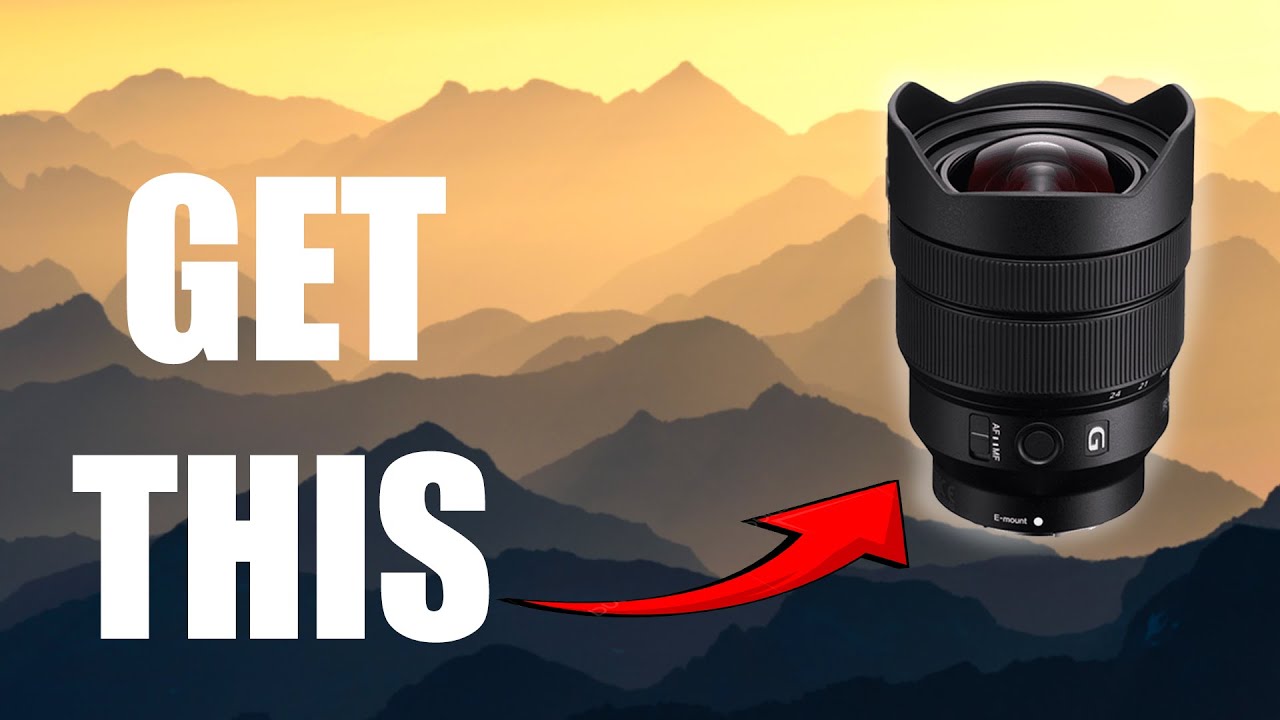
I’ve tested more budget lenses than I care to admit. I’ve got a spreadsheet to prove it. And one pattern shows up over and over in my notes: ultra wide lenses consistently get underused, not because they’re bad, but because photographers don’t change how they shoot when they put one on. They treat it like a regular lens with a wider field of view. It’s not. It’s a completely different compositional tool, and using it wrong produces flat, empty, weirdly distorted images that make you want to sell it immediately.

How to Stop Wasting Your Wide Angle Lens on Dead Foregrounds (Lessons from Nigel Danson)

How to Stop Wasting Your Wide Angle Lens on Dead Foregrounds (Lessons from Nigel Danson)

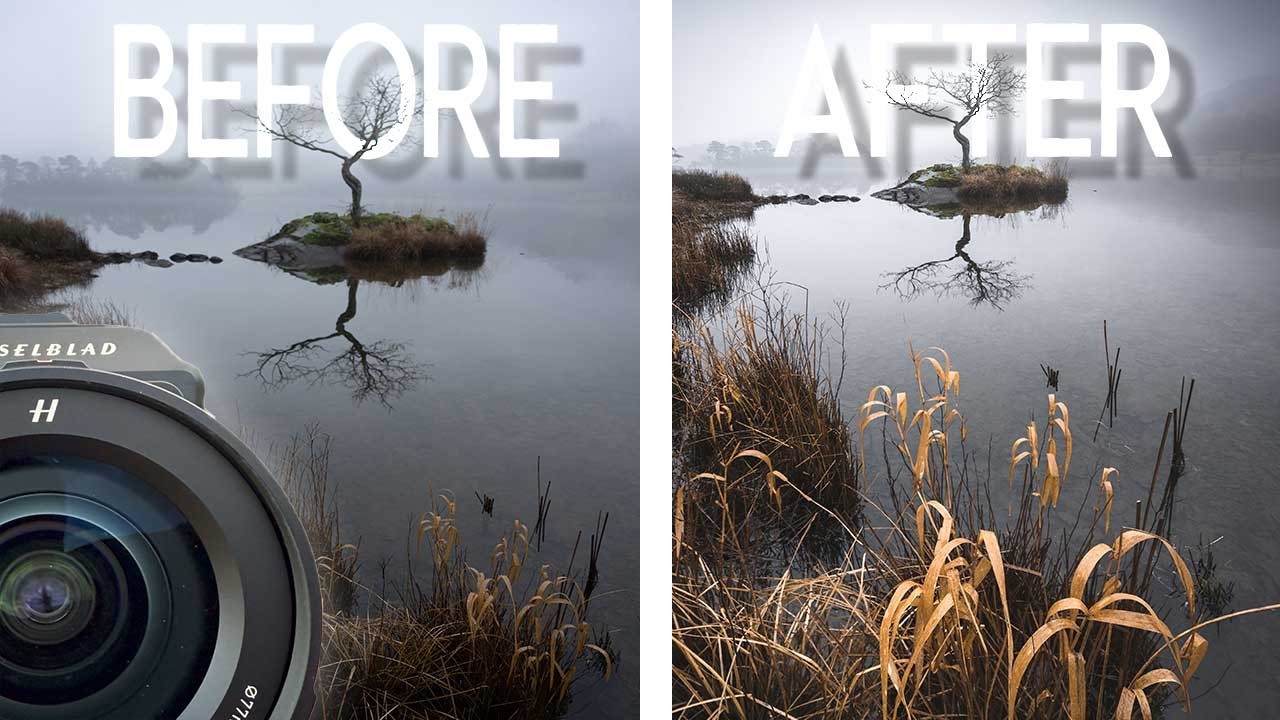
Wide angle lenses are the ones that separate photographers who “get it” from photographers who just think they do. I spent a solid year shooting wide and wondering why my images looked flat, boring, and weirdly empty despite having more of the scene in frame. More isn’t always more. The problem, almost every time, was the foreground. I was looking for something concrete to fix this, and I landed on a tutorial from Nigel Danson that clicked immediately.

Why Your Woodland Photos Feel Flat (And What Nigel Danson's Composition Review Fixed For Me)

Why Your Woodland Photos Feel Flat (And What Nigel Danson's Composition Review Fixed For Me)

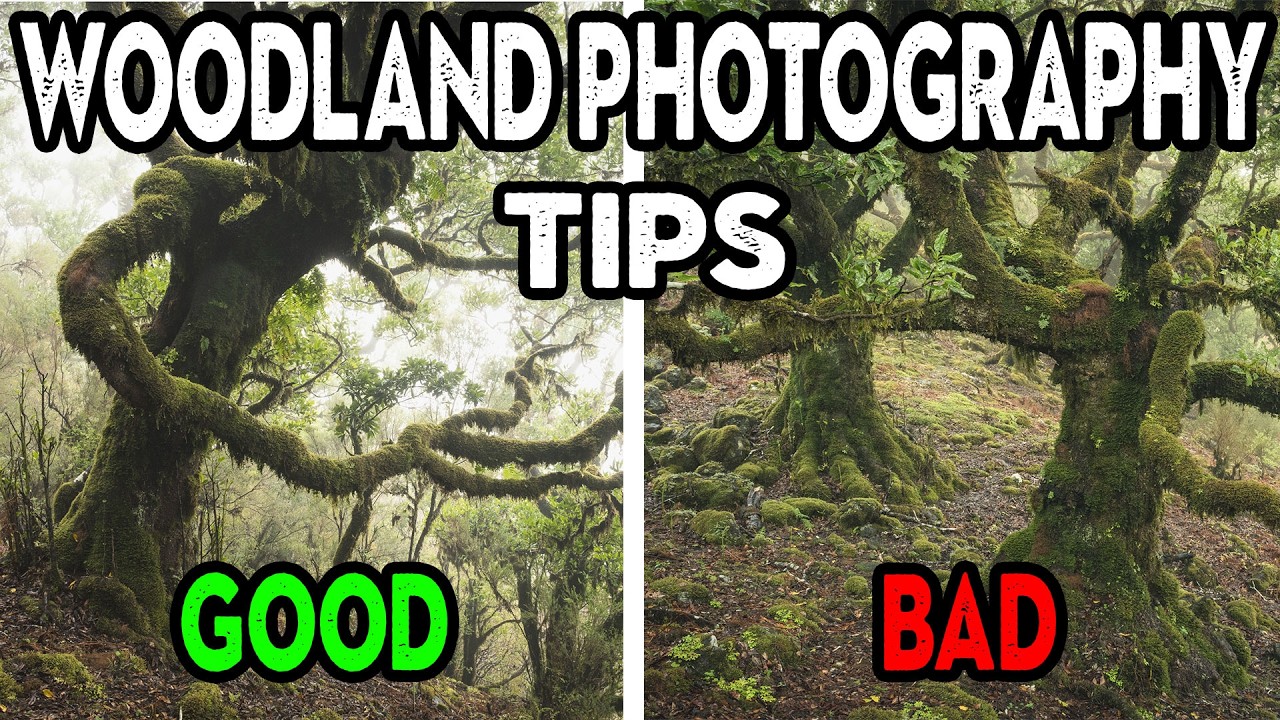
I used to think woodland photography was just about showing up when the light was good and pointing your camera at trees. Then I’d get home, pull the files into Lightroom, and wonder why half of them felt flat or chaotic despite looking great on the LCD. The problem wasn’t my gear. It was that I had no systematic way to evaluate what was actually working in a composition before I pressed the shutter.