Sony 20mm f/1.8 vs Sigma 20mm f/2: Which Wide-Angle Actually Wins for Landscape and Astro Work?

Sony 20mm f/1.8 vs Sigma 20mm f/2: Which Wide-Angle Actually Wins for Landscape and Astro Work?

Every time I’m about to pull the trigger on a lens, I end up in the same rabbit hole: spec sheets, forum arguments, and sample images shot under perfect studio conditions that tell me almost nothing about how the thing behaves when I’m freezing at 2 a.m. trying to photograph the Milky Way outside Denver. That’s why I stopped trusting spec sheets and started trusting side-by-side field tests. Tony and Chelsea Northrup do some of the most methodical lens comparisons on YouTube, and their recent shootout between the Sony 20mm f/1.

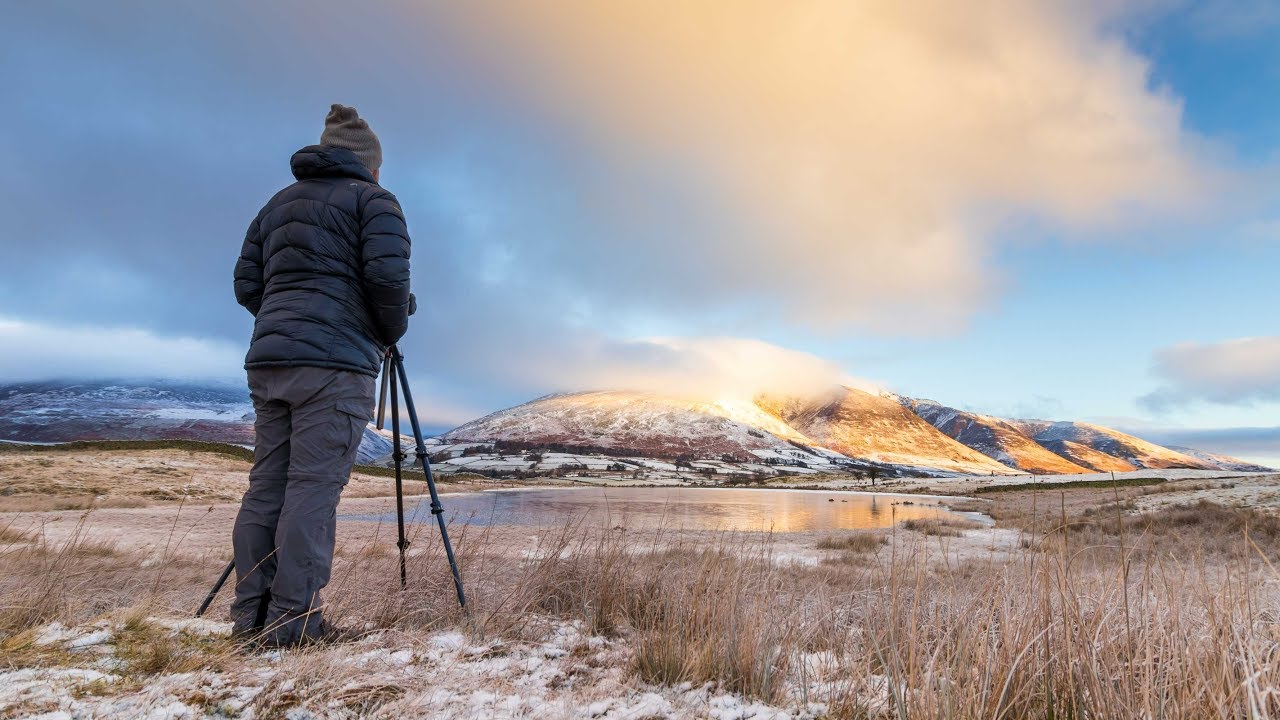
Wide Lens Landscape Shooting in Snow: What This New Zealand Winter Scene Teaches About Light, Framing, and Patience

Wide Lens Landscape Shooting in Snow: What This New Zealand Winter Scene Teaches About Light, Framing, and Patience

Wide lenses punish lazy composition. That’s the honest truth I’ve had to sit with since I started doing serious landscape work. A telephoto can compress a mediocre scene into something that looks intentional. A wide lens at 16mm in a forest full of snow-covered trees will expose every weak framing decision you make. So when I came across a tutorial that spends real time in a real winter environment showing how to think through wide-angle landscape shots, I paid attention.

How to Shoot Scotland Like a Pro With One Lens and No Camera Bag

How to Shoot Scotland Like a Pro With One Lens and No Camera Bag

If you shoot landscapes, you’ve probably had this argument with yourself: pack light and move fast, or haul the full kit and get the shot. I’ve landed on the “pack light” side more times than I can count, mostly because I’ve seen what happens when fatigue kills creativity. Carrying three lenses and a full bag up a steep trail means you’re thinking about your back, not the light. That tension is exactly what makes this Nigel Danson tutorial so worth your time.

How to Use a Telephoto Lens for Landscape Photography (And Why It Changes Everything)

How to Use a Telephoto Lens for Landscape Photography (And Why It Changes Everything)

Most landscape photographers reach for their widest lens by default. I did the same thing for years. Wide angle felt “epic,” and telephoto felt like something you pulled out for wildlife or sports. Then I started paying closer attention to photographers who were coming back from the same locations I’d shot a dozen times with images that looked completely different from mine. They weren’t finding better light. They were using a longer lens and finding smaller, tighter stories inside the big scene I’d been trying to capture in one frame.

The Telephoto Lens Most Landscape Photographers Ignore (And Why I Keep Coming Back to It)

The Telephoto Lens Most Landscape Photographers Ignore (And Why I Keep Coming Back to It)

I’ll be upfront: I spent years dismissing telephoto lenses for landscape work. My logic was simple - wide glass captures the scene, and scene is what landscape photography is about. Then I started actually stress-testing that assumption against my own portfolio, and the images I kept coming back to, the ones that felt different from everything else on my hard drive, were almost never the ultra-wide shots. That pattern bothered me enough that I went looking for someone who could explain it better than I had thought it through myself.

How to Actually Use a Telephoto Lens for Landscape Photography (Without Wasting Its Best Features)

How to Actually Use a Telephoto Lens for Landscape Photography (Without Wasting Its Best Features)

I came up through the budget-gear world convincing people that a kit lens could do more than they thought. And for years, I kind of overlooked the telephoto as a landscape tool because it felt like a specialty item, something wildlife shooters needed, not landscape photographers. Then I sat down with William Patino’s tutorial on making the most of your telephoto lens, and it reframed how I think about the whole focal length category.

Irix 11mm f/4 Blackstone Review: Is This Ultra-Wide Worth the Premium Price Tag?

Irix 11mm f/4 Blackstone Review: Is This Ultra-Wide Worth the Premium Price Tag?

There’s a question I get more than almost any other from photographers stepping up their landscape game: “What’s the widest I can go before my images start looking like a funhouse mirror?” It’s a fair concern. Ultra-wide lenses are either revelatory or a regret, and there isn’t much middle ground. When I came across this review from First Man Photography covering the Irix 11mm f/4 Blackstone, I paid close attention, because this lens sits in a price bracket that gets real consideration from shooters who aren’t ready to drop a mortgage payment on a first-party prime.

Why Photographers Who Shoot Woodland Keep Coming Back to the 24-70mm (And Why It's Not Hype)

Why Photographers Who Shoot Woodland Keep Coming Back to the 24-70mm (And Why It's Not Hype)

I’ve tested a lot of lenses. I have a spreadsheet to prove it. And one pattern that shows up constantly in my data is that the “boring” mid-range zoom outperforms specialty glass far more often than photographers expect, especially in environments where you’re reacting to light rather than controlling it. Woodland photography is the clearest example of this. You’re moving fast, the light is changing by the minute, and the difference between a good shot and a great one often comes down to being able to shift focal length without swapping glass.

The First Lens Every Beginner Should Actually Buy (And the Reasoning That Changes Everything)

The First Lens Every Beginner Should Actually Buy (And the Reasoning That Changes Everything)

I spent an embarrassing amount of time early on convinced that the right lens was just a matter of budget. Scrape together enough money, buy the most versatile zoom you can find, done. What I didn’t understand was that “versatile” means completely different things depending on how you shoot, and buying the wrong first lens doesn’t just waste money, it actively slows down how fast you learn to see like a photographer.

Why a High-Zoom All-in-One Lens Might Be the Smartest Landscape Purchase You Make This Year

Why a High-Zoom All-in-One Lens Might Be the Smartest Landscape Purchase You Make This Year

I have a spreadsheet with 47 lenses on it. I have bought, borrowed, and stress-tested more budget glass than most photographers will touch in a lifetime. And the question I keep coming back to is never “which lens is sharpest?” It’s always “which lens are you actually going to bring?” That distinction matters more than any MTF chart, and it’s exactly what pushed me to pay close attention when Nigel Danson made his case for adding a 24-200mm all-in-one zoom to his landscape kit.

The Laowa 10mm f/2.8 in the Field: What a First Shoot Actually Teaches You About Ultra-Wide Composition

The Laowa 10mm f/2.8 in the Field: What a First Shoot Actually Teaches You About Ultra-Wide Composition

I’ve spent a embarrassing number of hours in spreadsheets comparing budget wide-angle lenses. Focal length, distortion, corner sharpness, price per millimeter of field of view - yes, I actually track that. So when I saw someone doing a genuine first-shoot field test of the Laowa 10mm f/2.8 full-frame lens with zero sponsorship attached, I stopped scrolling immediately. In this William Patino tutorial, he takes the lens out at golden hour in a forest and shoots through it in real time, talking through decisions as he makes them.

What a Pro Landscape Photographer Actually Carries (And What It Means For the Rest of Us)

What a Pro Landscape Photographer Actually Carries (And What It Means For the Rest of Us)

I’ll be honest with you. Most “what’s in my bag” videos are just excuse to show off expensive gear with zero explanation of why any of it was chosen. So when I came across William Patino’s breakdown of his landscape photography kit, I was ready to scroll past. I didn’t. Because Patino actually explains the reasoning behind every piece of gear he carries, and that reasoning holds up whether you’re spending $500 or $5,000.