How to Actually Use an Ultra-Wide Angle Lens for Landscape Photography (Not Just Slap It On and Hope)

How to Actually Use an Ultra-Wide Angle Lens for Landscape Photography (Not Just Slap It On and Hope)

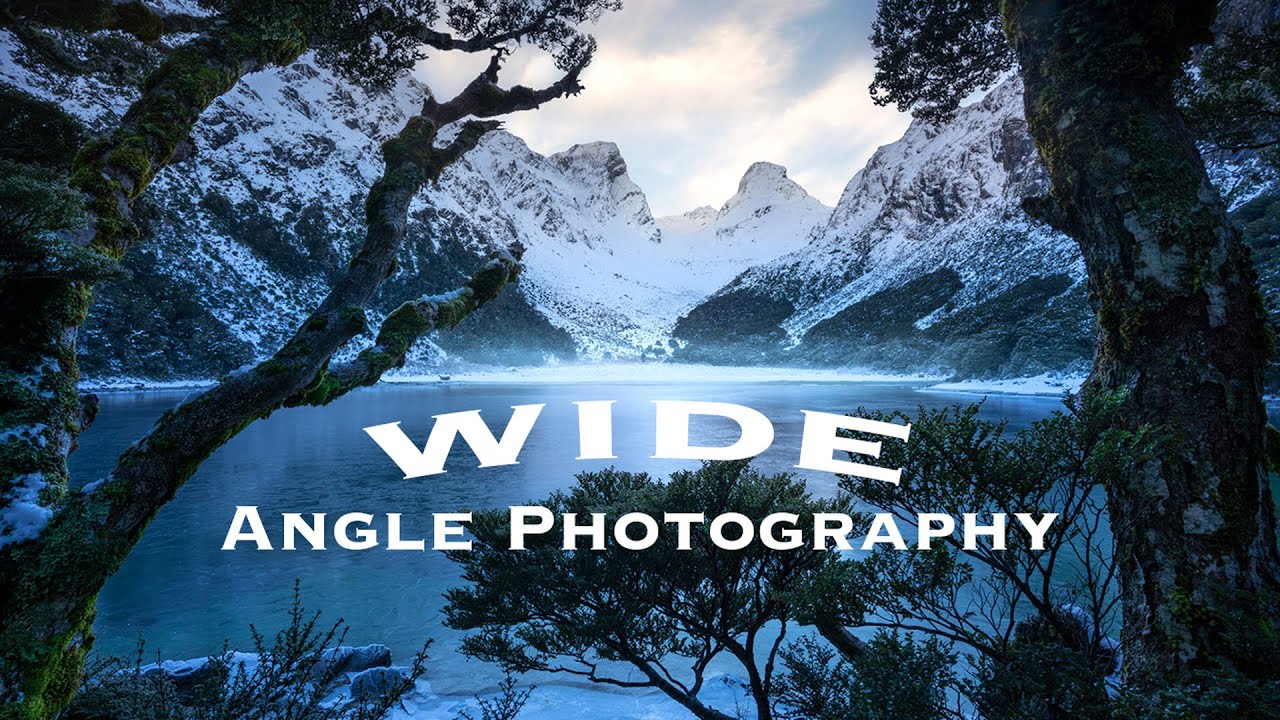
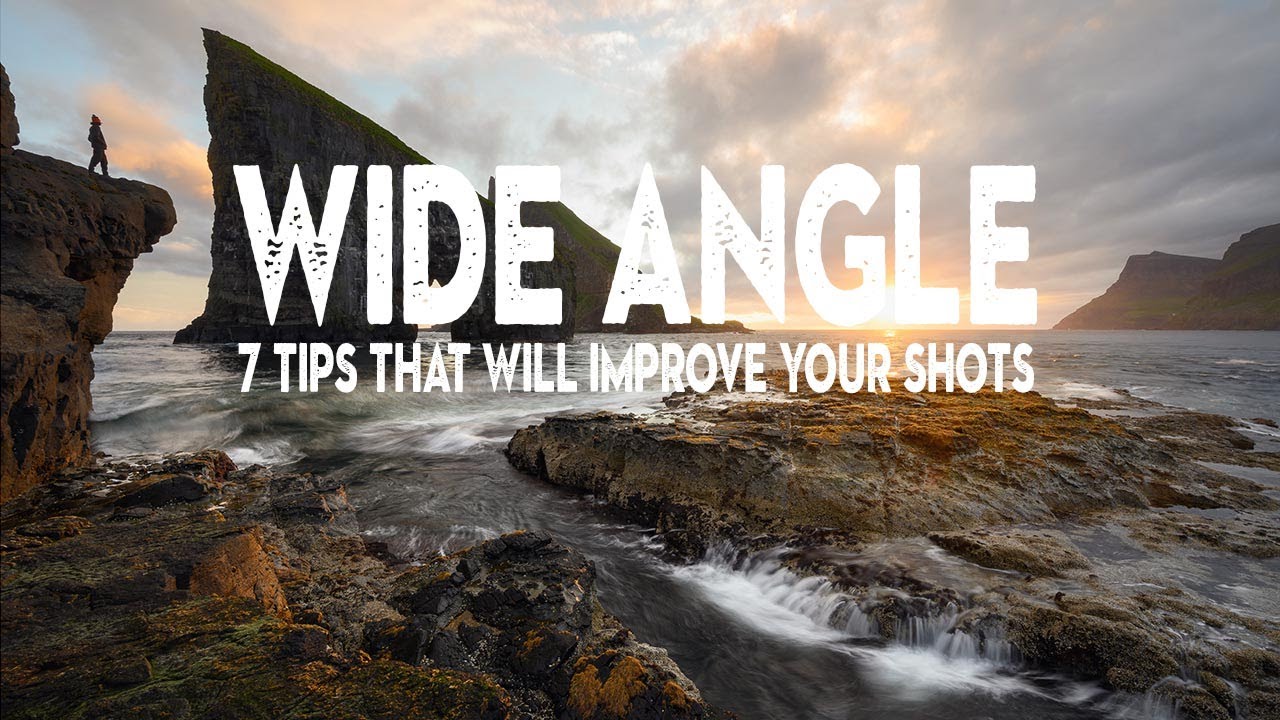
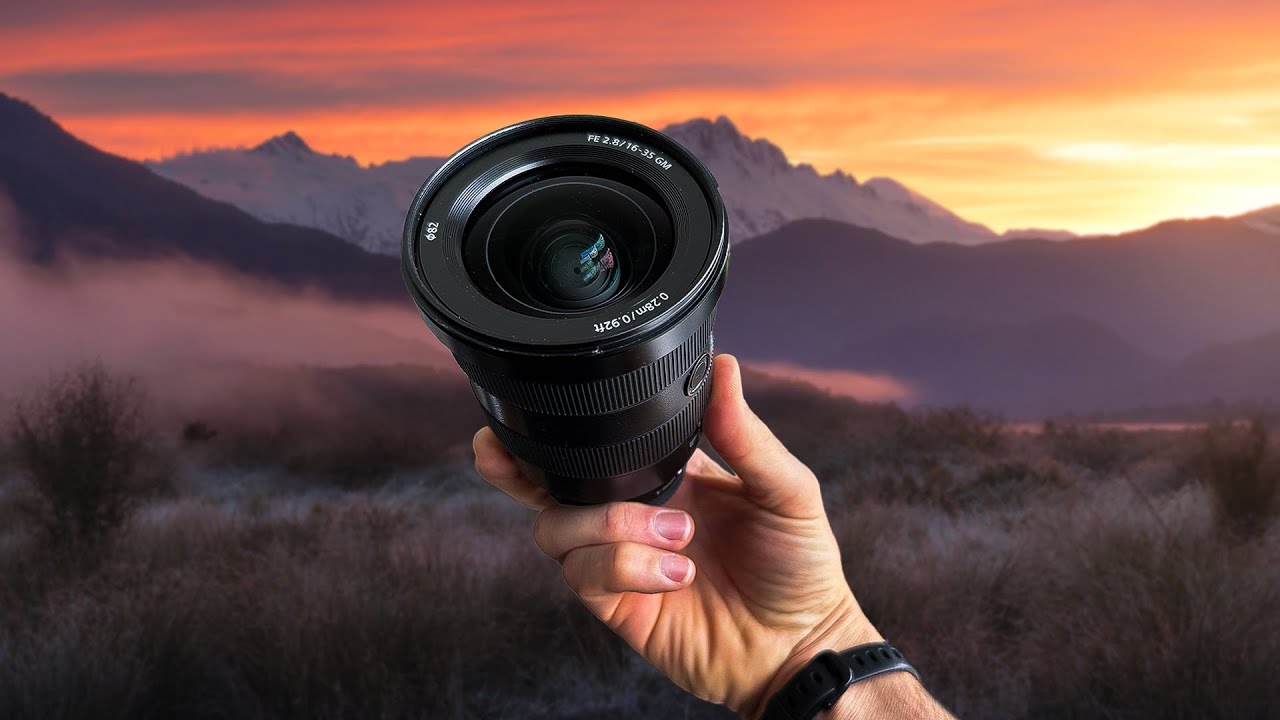
I spent a long time thinking ultra-wide lenses were a flex move. Like, you buy the 12mm, you point it at a mountain, and the sheer field of view does the heavy lifting. Spoiler: it doesn’t. What I kept getting was flat, busy images that looked like I just stood far back from everything. No sense of scale. No pull. Just… wide. That changed when I worked through Watch the full tutorial on YouTube by William Patino, where he breaks down exactly how to think about ultra-wide lenses for landscape work.
Find Your Lens's Sweet Spot in 20 Minutes (And Never Wonder Again)

Find Your Lens's Sweet Spot in 20 Minutes (And Never Wonder Again)

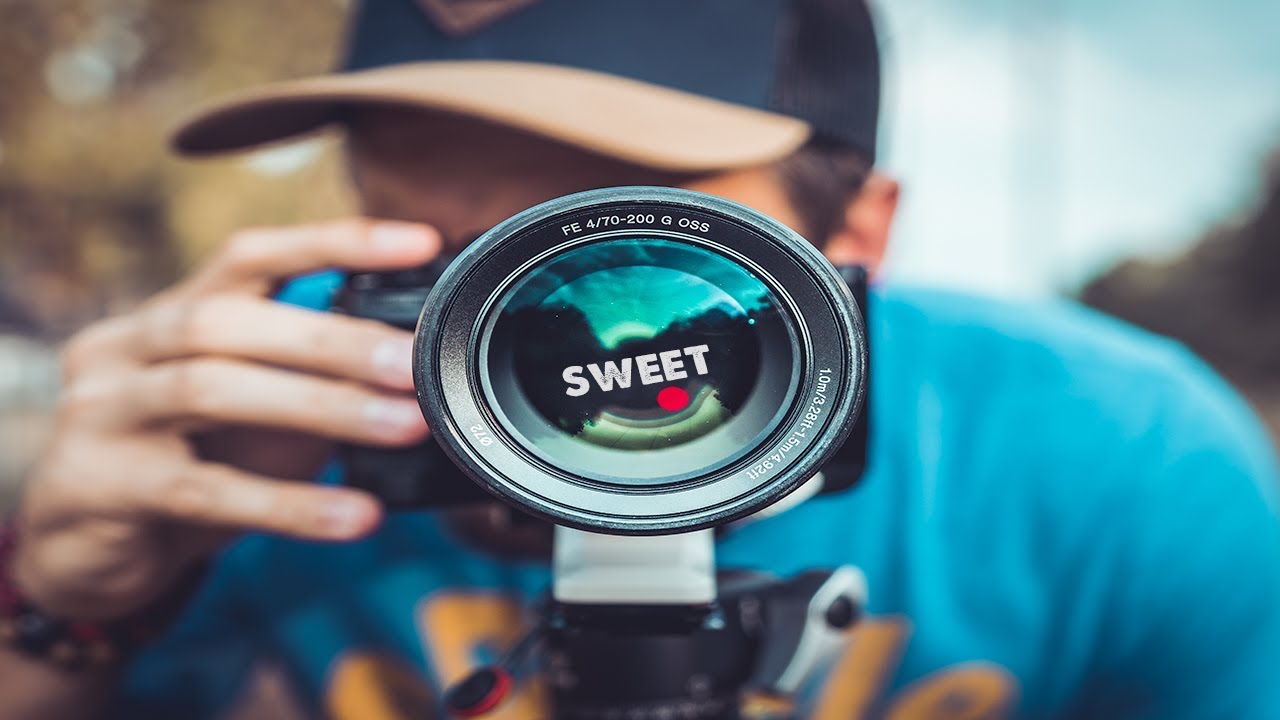
I spend an embarrassing amount of time researching lenses before I buy them. Price first, sharpness second — every single time, without fail. I’ve got a spreadsheet with resolution test results, sample image comparisons, and user forum complaints going back three years across probably 40 different lenses. But here’s the thing I kept overlooking: knowing a lens is sharp on paper is not the same as knowing where it’s sharpest on your actual camera, at the focal lengths you actually shoot.

Why Dramatic Daytime Clouds Beat Sunset Every Time (And the One Lens to Have With You)

Why Dramatic Daytime Clouds Beat Sunset Every Time (And the One Lens to Have With You)

Most photographers I know are chasing golden hour like it’s the only game in town. I get it. I spent my first two years setting alarms for 5 a.m. and treating every flat midday sky like a personal insult. But here’s the thing I kept missing: some of the most dramatic landscape light happens in the middle of the afternoon, under clouds that most people would pack their bags and go home for.

How to Find and Frame Spring Woodland Shots with a 24-70mm (Lessons from Nigel Danson)

How to Find and Frame Spring Woodland Shots with a 24-70mm (Lessons from Nigel Danson)

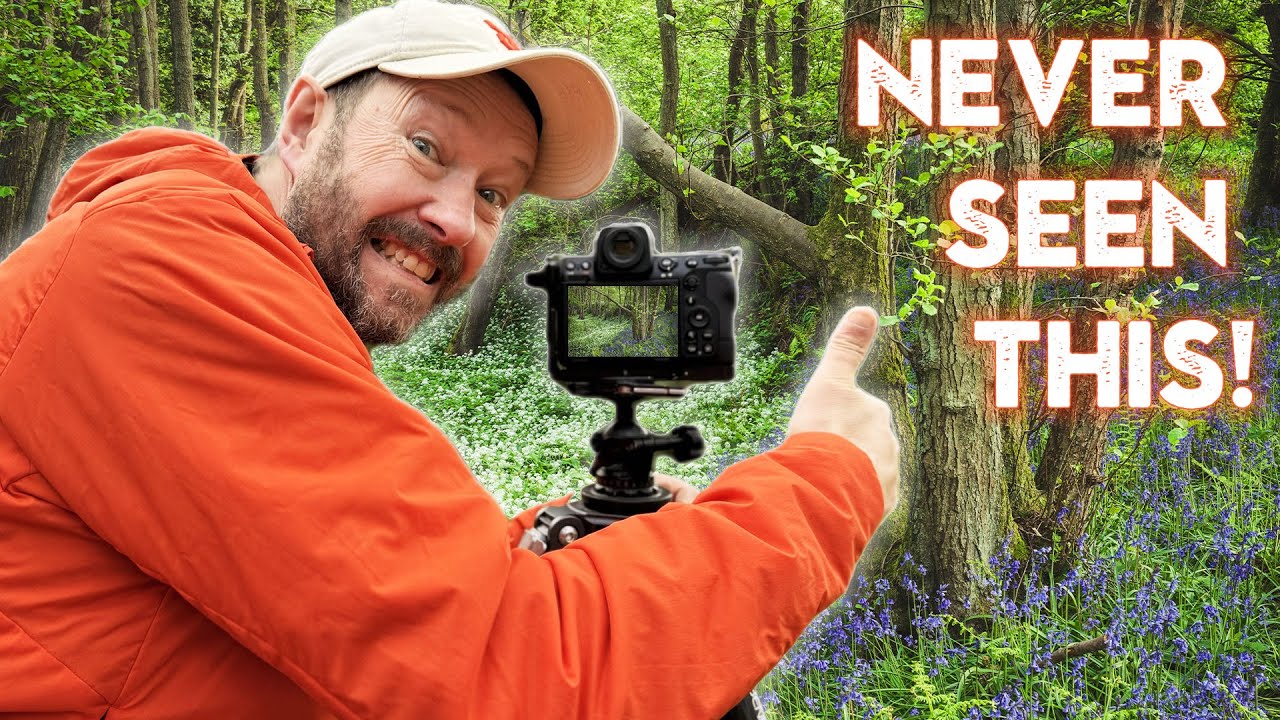
Spring woodland shooting sounds easy until you’re actually standing in one. Trees everywhere, light doing unpredictable things, and a carpet of flowers that looks stunning to your eyes but turns into a flat green mess on your screen. I’ve been there more times than I want to admit, usually after dragging myself out of bed at 5am for nothing I’d actually post. In this Nigel Danson tutorial filmed in the spring woodlands of North Yorkshire, Danson works through a real shooting session, live decisions and all, covering composition logic, how to read woodland light before you fire a single frame, and the specific settings he leans on when conditions get tricky.

Changing Lenses in a Sandstorm: What Thomas Heaton's Namibia Trip Taught Me About Field Craft

Changing Lenses in a Sandstorm: What Thomas Heaton's Namibia Trip Taught Me About Field Craft

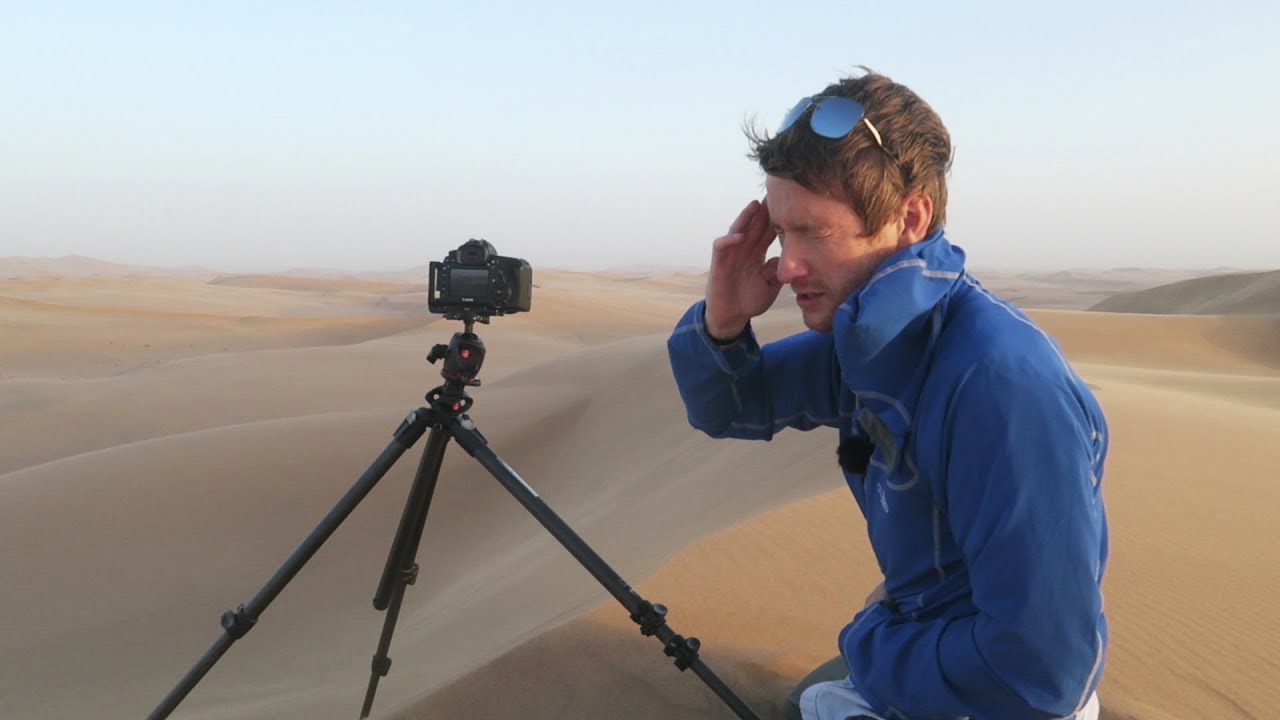
There’s a specific kind of panic that sets in when conditions turn bad and your gear is still in the bag. I know it well. I’ve stood on a snowy ridge in Colorado with wind coming sideways, trying to swap a filter while keeping sand and debris off my sensor, wondering why I never actually practiced this move before I needed it. Most of us treat lens changes like something we do at home on the couch.

What a Pro Photographer Actually Packs for Iceland (And What You Can Learn From His Choices)

What a Pro Photographer Actually Packs for Iceland (And What You Can Learn From His Choices)

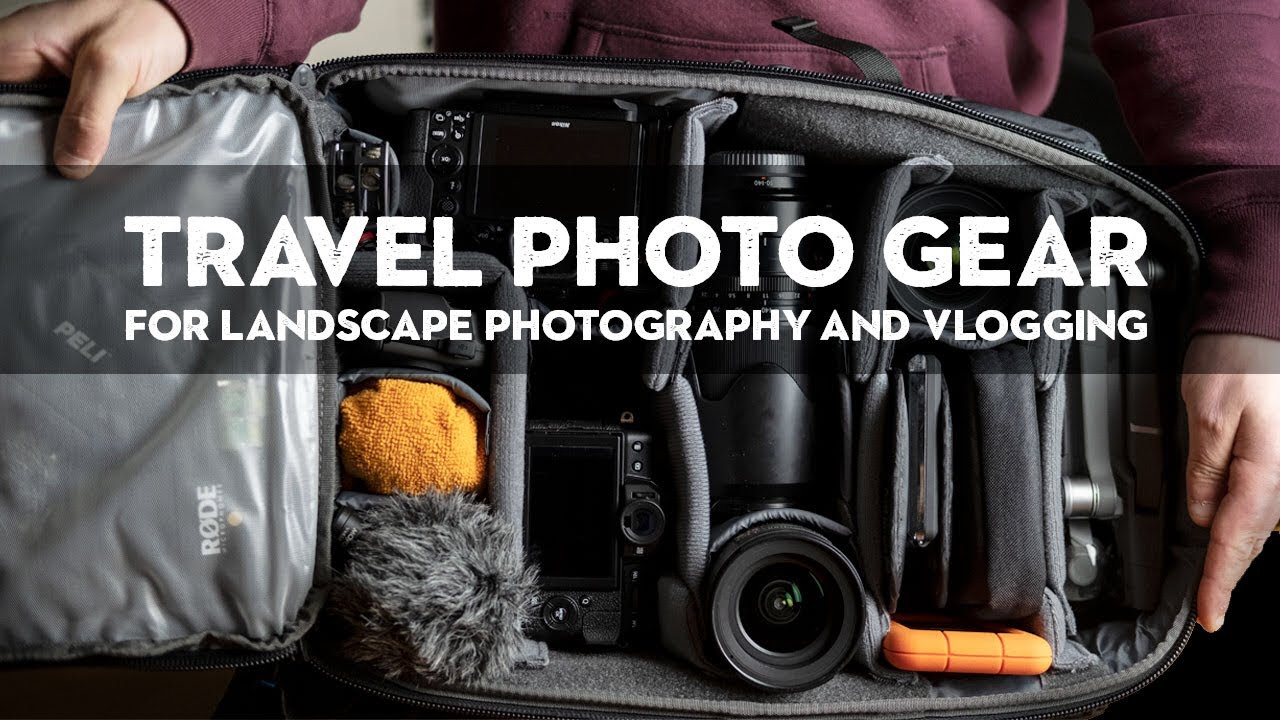
I’ve spent an embarrassing amount of time researching other photographers’ gear lists. Not because I’m chasing the same kit, but because the reasoning behind someone’s choices is often more useful than the choices themselves. When a working professional explains why they packed three lenses instead of five, or why one camera goes in the carry-on and another doesn’t, that’s real-world decision-making you can apply regardless of your budget. In this Nigel Danson tutorial, he does exactly that, walking through everything he brought to Iceland for a landscape photography workshop, including cameras, lenses, and the supporting accessories that actually made the trip work.

The Camera You Don't Need Might Be the One You Should Keep

The Camera You Don't Need Might Be the One You Should Keep

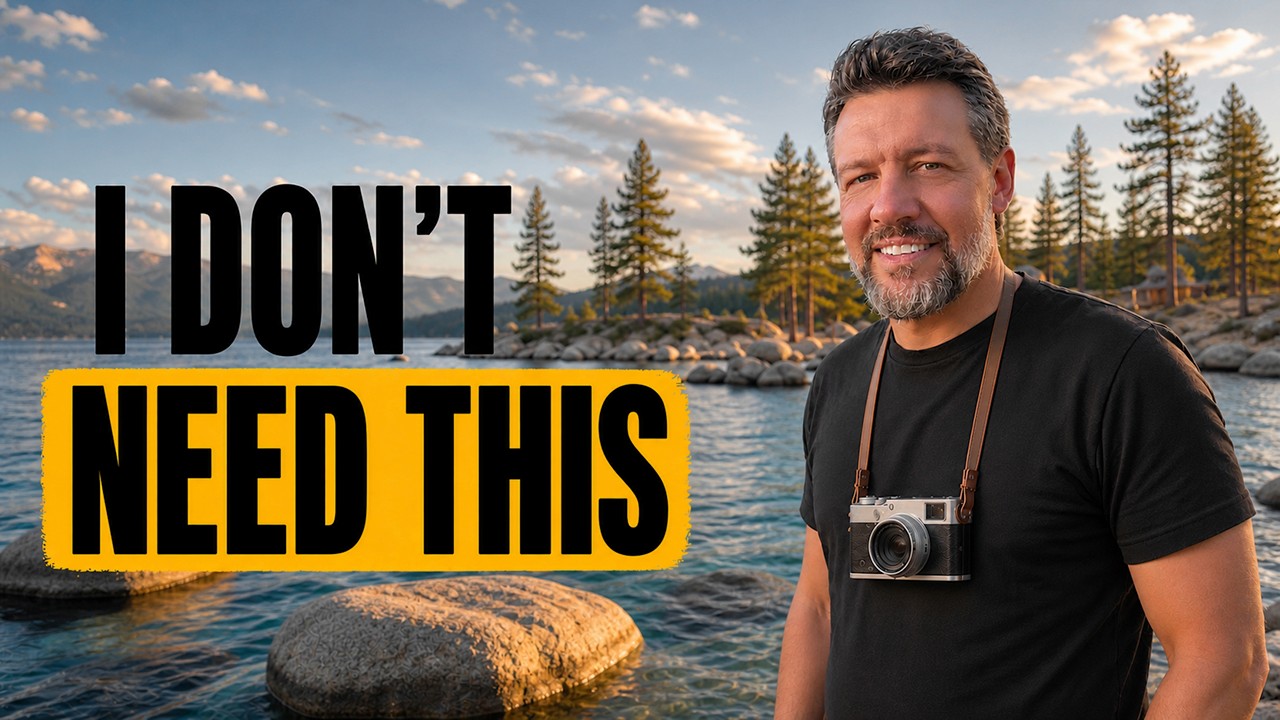
I’ve built my whole corner of the internet on a simple argument: you don’t need expensive gear to make great photos. I’ve stress-tested budget lenses, ranked five sub-$50 tripods, and written a breakdown of a $12 Amazon accessory that outperformed a $200 brand-name version. Specs and price-per-performance ratios are my native language. So when I came across a video where a professional landscape photographer wrestles with whether to keep a camera he openly admits he doesn’t need, I expected to roll my eyes.

How to Actually Use a Wide Angle Lens for Landscapes (Not Just Zoom Out and Hope)

How to Actually Use a Wide Angle Lens for Landscapes (Not Just Zoom Out and Hope)

Most of my landscape shots from my first year looked like postcards someone else already made. Nice light, decent subject, totally flat. I kept blaming my gear, which is ironic given what I do for a living. The real problem was simpler: I was using a wide angle lens like a telephoto, just pointing it at the main subject from standing height and calling it done. In this William Patino tutorial on wide angle lenses for landscape photography, he lays out the core habits that actually separate effective wide angle work from lazy snapping.

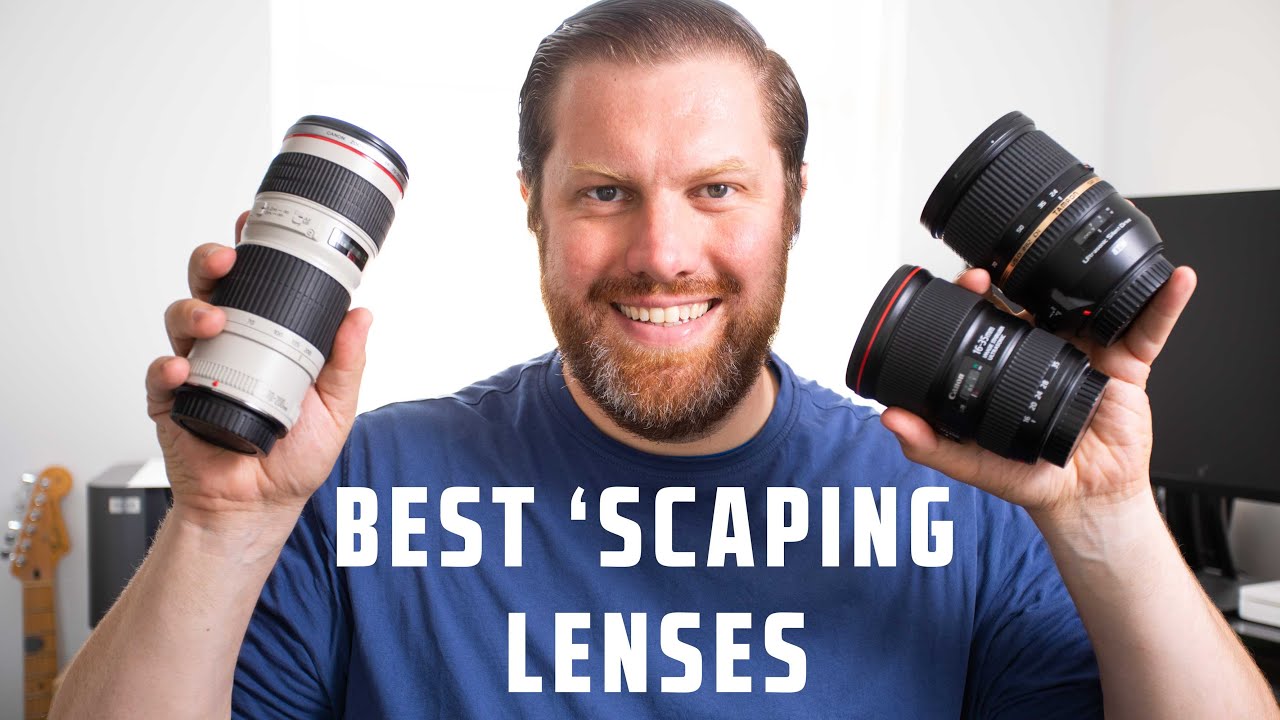
The Holy Trinity of Landscape Lenses: What Each Focal Length Actually Does for Your Story

The Holy Trinity of Landscape Lenses: What Each Focal Length Actually Does for Your Story

Every time I head into the mountains outside Denver for a shoot, I end up standing at a trailhead making the same decision: which lens stays in the bag. For years I defaulted to wide angle for everything outdoors because, honestly, that’s what the internet told me landscape photographers use. It wasn’t until I started paying closer attention to why certain focal lengths work in certain situations that my compositions actually improved.

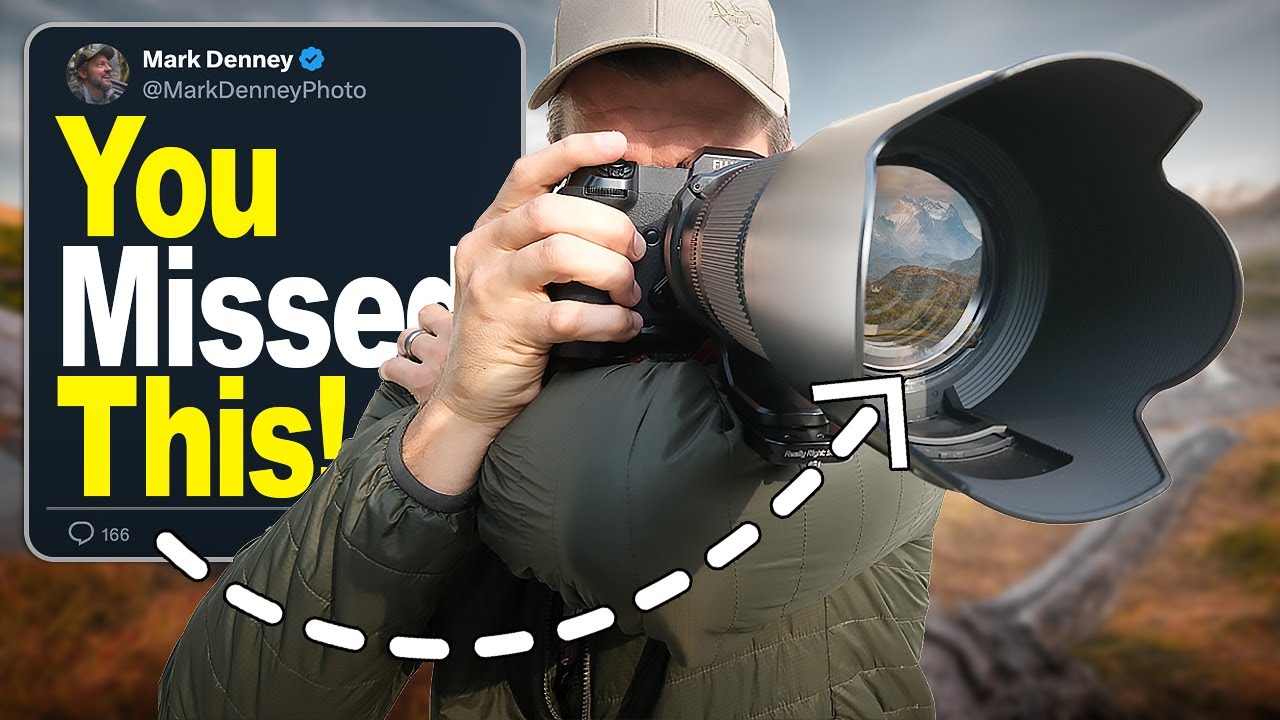
How to Actually See with a Telephoto Lens (Most Landscape Photographers Never Learn This)

How to Actually See with a Telephoto Lens (Most Landscape Photographers Never Learn This)

I spent way too long treating my telephoto lens like a specialty item I only reached for when something was far away. Wide angle on, walk around, find a composition, done. The telephoto stayed in the bag unless I spotted a bird or a distant mountain peak I wanted to pull in. Sound familiar? The problem wasn’t the gear. I’ve tested enough budget telephotos to fill a spreadsheet, and even the cheap ones are optically capable of stunning landscape shots.

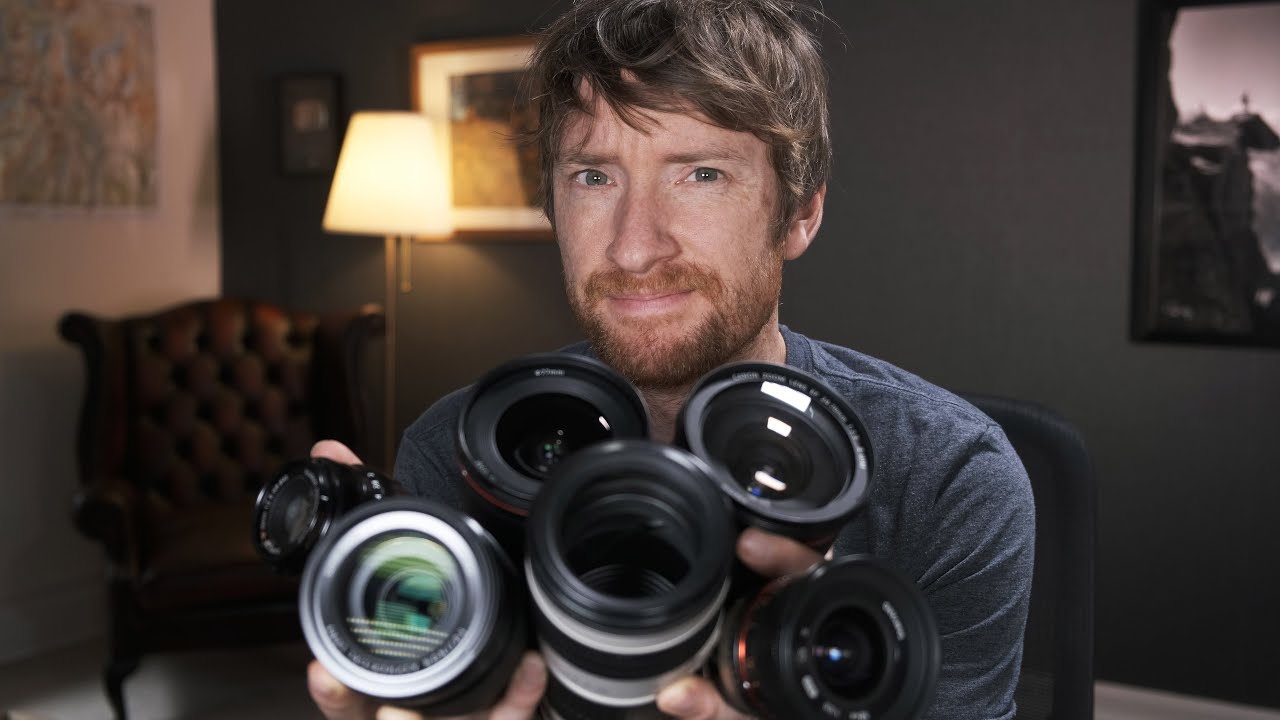
Stop Asking Which Lens Is Best for Landscape Photography (Here's What to Ask Instead)

Stop Asking Which Lens Is Best for Landscape Photography (Here's What to Ask Instead)

Every few weeks I get a version of the same question in my inbox: “Tyler, I have $X saved up — which lens should I buy for landscapes?” I used to give a confident answer. Wide angle, obviously. Get the 16-35 and you’re set. Then I watched Thomas Heaton basically call out people like me for contributing to the noise. He’s right, and it stung a little. In this Thomas Heaton tutorial, he works through the single most common landscape photography question on YouTube and lands on an answer that’s genuinely more useful than the confident hot takes most of us dish out.

7 Wide Angle Lens Habits That Actually Make Your Shots Look Intentional

7 Wide Angle Lens Habits That Actually Make Your Shots Look Intentional

Wide angle lenses are one of those purchases that feel exciting in the cart and humbling in the field. I’ve tested more budget wide angles than I care to admit - there’s a whole tab in my gear spreadsheet dedicated to them - and the honest truth is that the lens itself is rarely the problem. Technique is. I’d hand someone a $200 wide angle and watch them produce flat, lifeless images, then hand the same lens to someone who understood how to use the field of view, and suddenly it looked like a completely different piece of glass.