Stop Buying Lenses You'll Never Use: A Landscape Photographer's Buying Guide

Stop Buying Lenses You'll Never Use: A Landscape Photographer's Buying Guide

The single most expensive mistake I see newer landscape photographers make isn’t buying a bad lens. It’s buying six decent lenses when two great ones would have done the job. I’ve watched people drop two grand spread across a half-dozen focal lengths, only to shoot 90% of their images with the same two glass options every single time. I know this pattern well because I’ve tracked it obsessively in a spreadsheet I started years ago, and the data is embarrassingly consistent.
Fast Lenses vs. Cheap Lenses: What That Price Gap Is Actually Buying You

Fast Lenses vs. Cheap Lenses: What That Price Gap Is Actually Buying You

I’ll be honest with you: I built this whole site on the premise that cheap gear gets underestimated. My spreadsheet has dozens of budget lenses on it. I’ve defended the kit lens in comment sections. I’ve run blind tests at local meetups where nobody could tell which shots came from the $500 body versus the $2,000 one. So when I say a video made me genuinely rethink how I talk about lens pricing, that’s not nothing.

Ditch the Trinity: Why Four Primes (and One Zoom) Might Be Your Smarter Lens Kit

Ditch the Trinity: Why Four Primes (and One Zoom) Might Be Your Smarter Lens Kit

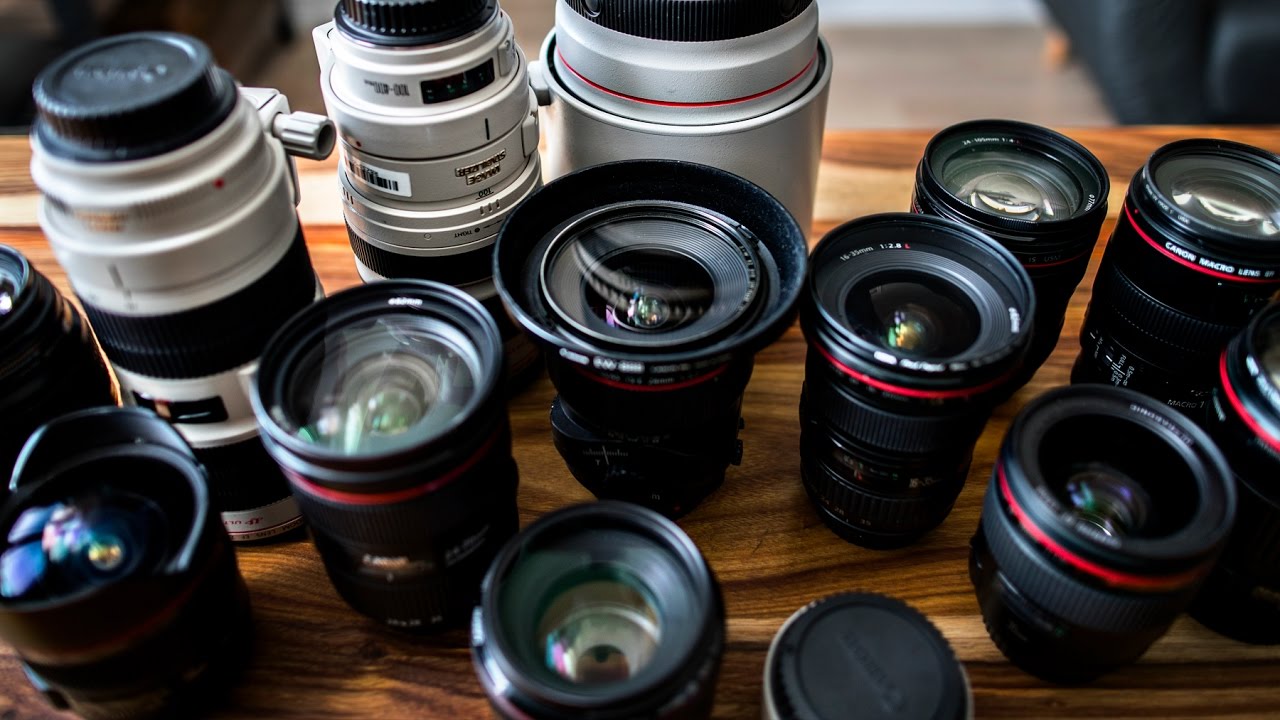
I’ve spent more hours than I care to admit building spreadsheets comparing lens prices, and the question I get asked more than any other is some version of “should I just buy the trinity?” It makes sense. The 16-35mm, 24-70mm, and 70-200mm zoom trinity is the default answer to “what lenses do I need?” It’s tidy, it covers everything, and every working photographer seems to own it. But tidy isn’t always right.

Full Frame Lenses on Crop Bodies: The Math That Proves You're Probably Wasting Money

Full Frame Lenses on Crop Bodies: The Math That Proves You're Probably Wasting Money

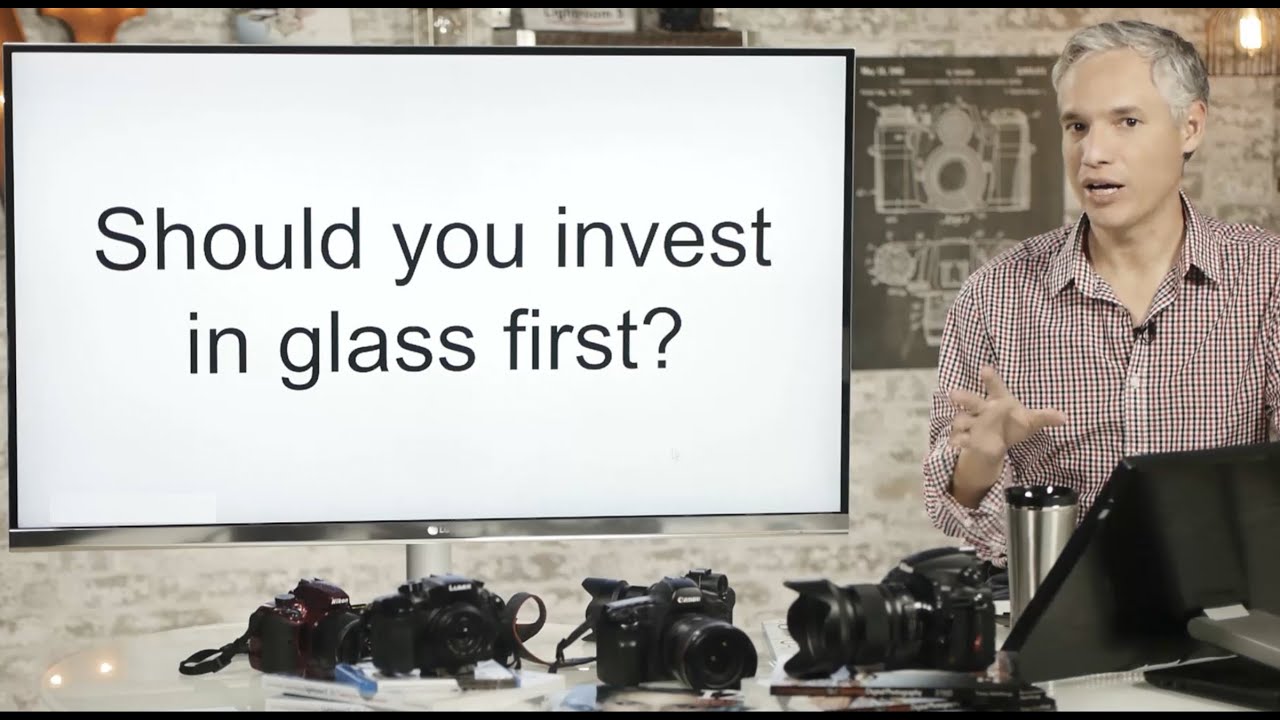
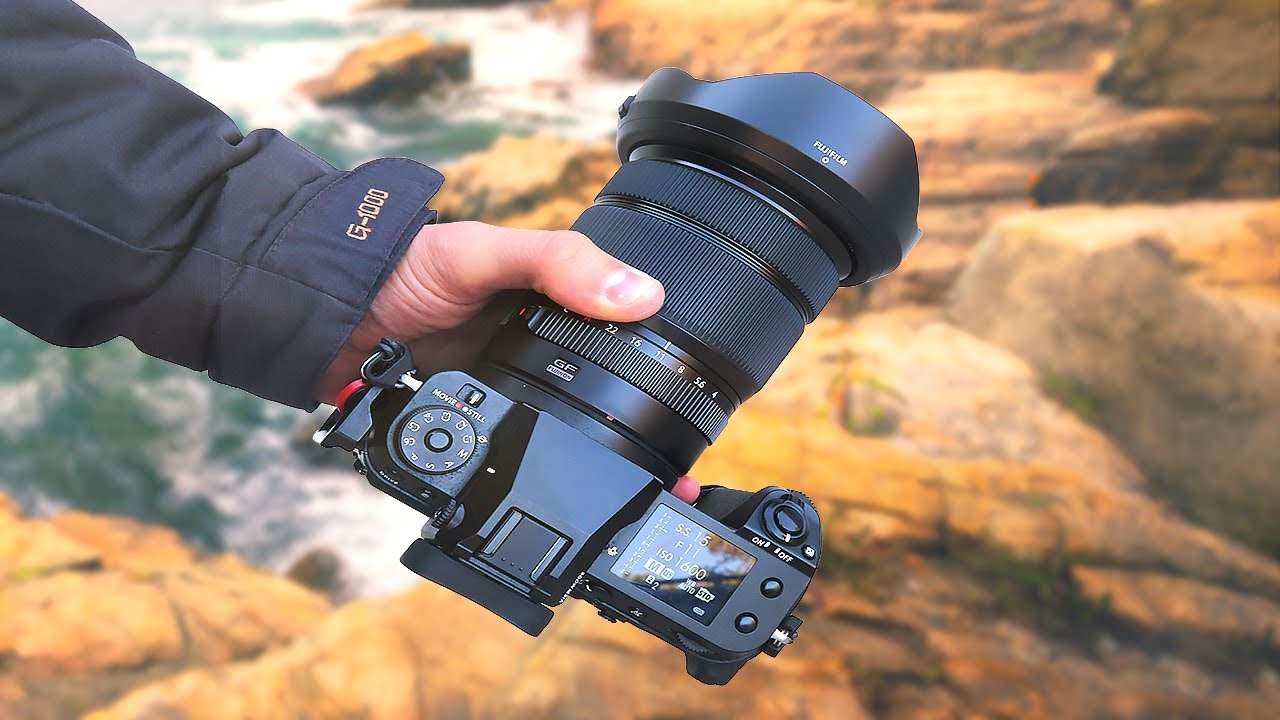
Every few weeks someone in a photography forum drops the advice like it’s gospel: “Invest in glass first, bodies come and go.” I’ve heard it so many times I used to repeat it myself. And honestly, the logic sounds solid until you actually look at the numbers. I got burned chasing that advice early on, buying into the idea that a more expensive lens would automatically produce sharper, better images on whatever body I was running at the time.

Prime vs. Zoom, Focal Length Explained: What Every Lens Buyer Actually Needs to Know

Prime vs. Zoom, Focal Length Explained: What Every Lens Buyer Actually Needs to Know

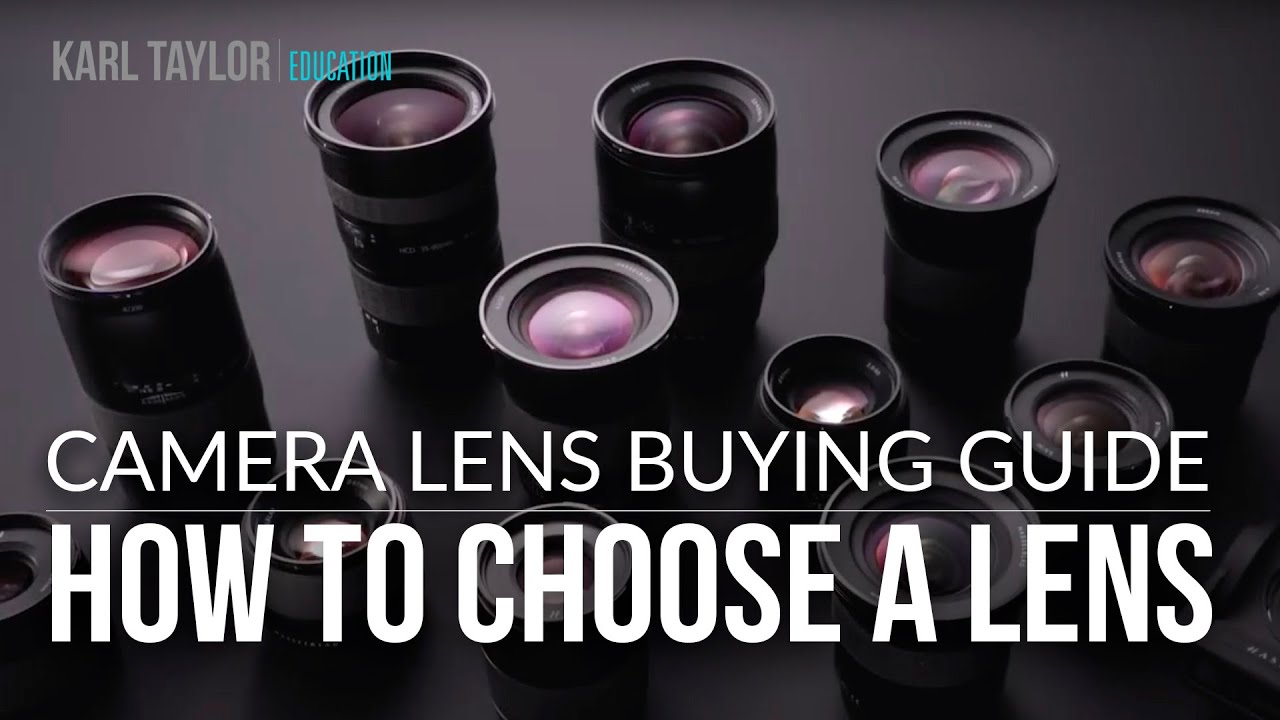
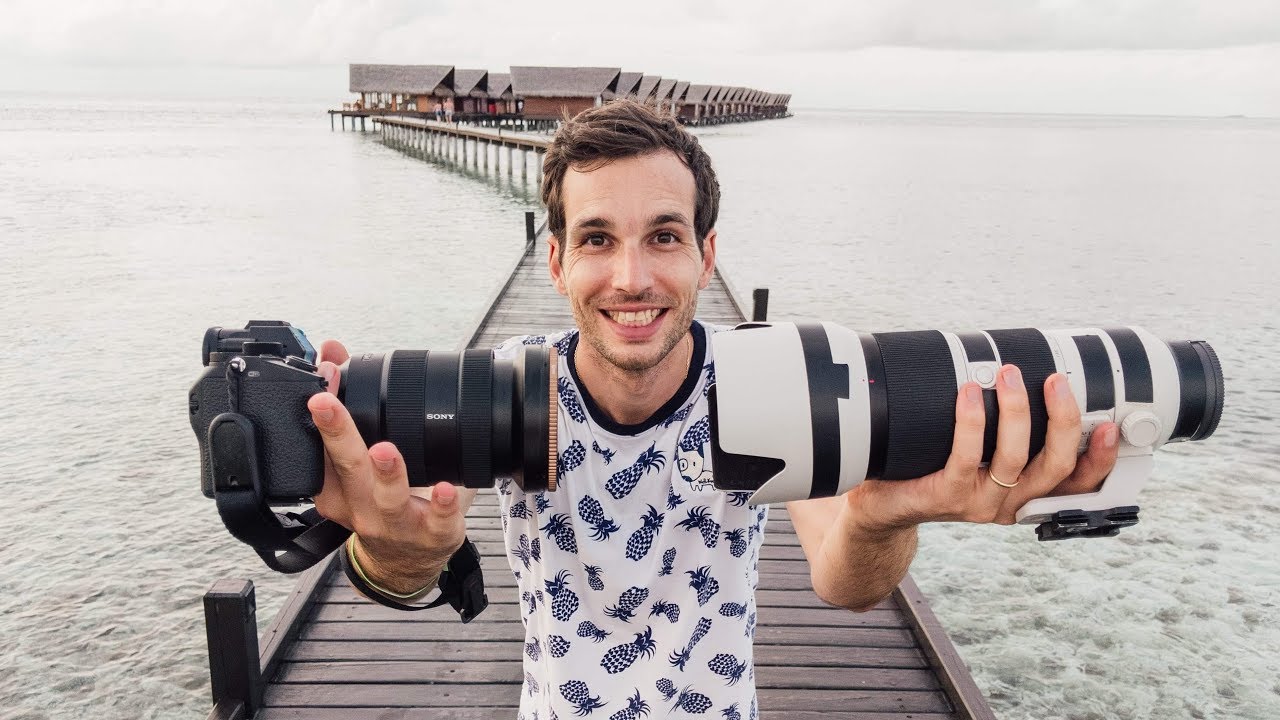
I’ll be honest with you: the question I get asked more than any other is not “which camera should I buy?” It’s “which lens should I buy?” And that makes sense, because camera bodies come and go but a good lens can follow you for decades. The problem is that lens marketing is dense, the jargon is thick, and the price range runs from $80 to $14,000 on the same camera mount.

Your Kit Lens Is a Starting Point, Not a Sentence: What to Buy Next

Your Kit Lens Is a Starting Point, Not a Sentence: What to Buy Next

The question I get more than any other from people just starting out is some version of: “I bought my camera, now what?” Not “how do I use it” - but specifically, “what lens do I buy next?” I spent an embarrassing amount of time early on researching that question instead of actually shooting, which is exactly how I ended up in the deals-hunting rabbit hole in the first place. So when I came across this tutorial from Jay P Morgan at The Slanted Lens, I wanted to break it down properly, because he covers the lens upgrade question in a way that’s practical, opinionated, and grounded in real shooting experience.

Stop Asking Which Lens Is Best for Landscape Photography (Here's What to Ask Instead)

Stop Asking Which Lens Is Best for Landscape Photography (Here's What to Ask Instead)

Every few weeks I get a version of the same question in my inbox: “Tyler, I have $X saved up — which lens should I buy for landscapes?” I used to give a confident answer. Wide angle, obviously. Get the 16-35 and you’re set. Then I watched Thomas Heaton basically call out people like me for contributing to the noise. He’s right, and it stung a little. In this Thomas Heaton tutorial, he works through the single most common landscape photography question on YouTube and lands on an answer that’s genuinely more useful than the confident hot takes most of us dish out.

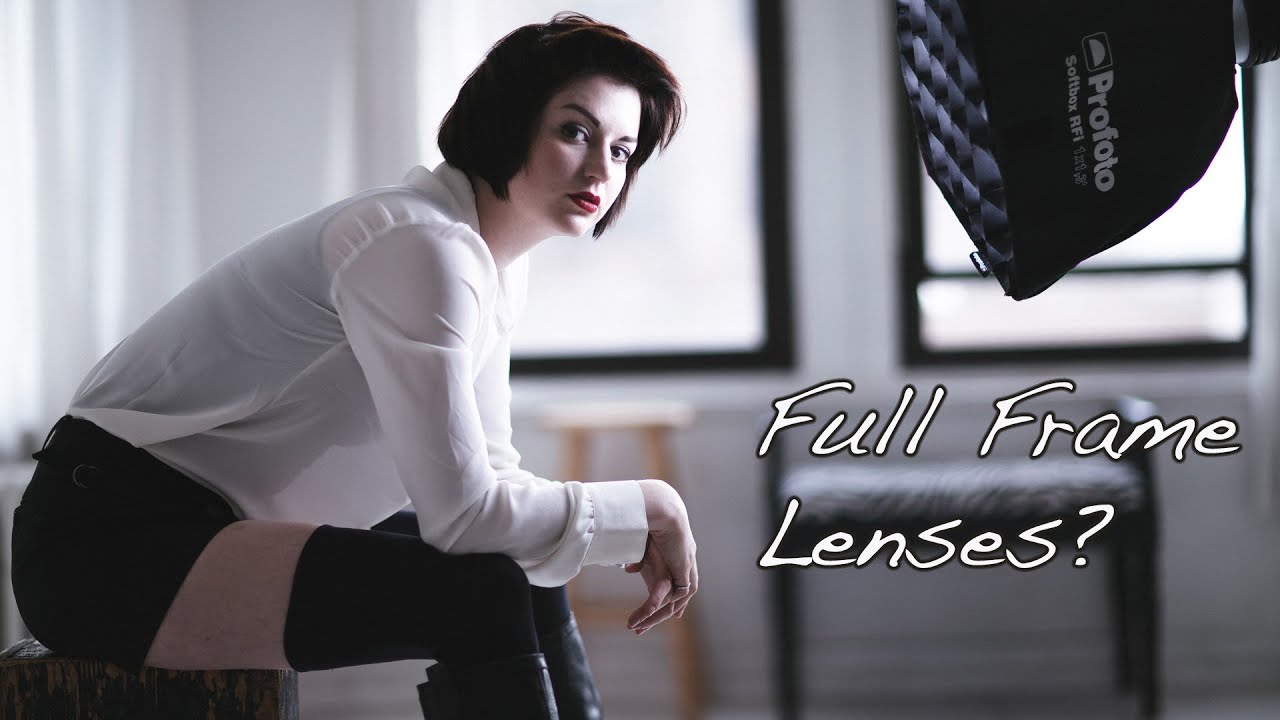
Full Frame Lenses on a Crop Camera: When It's Smart and When It's Just Expensive

Full Frame Lenses on a Crop Camera: When It's Smart and When It's Just Expensive

Every few weeks someone emails me asking some version of the same question: “I’m still on a crop sensor but should I just start buying full frame lenses now so I’m ready when I upgrade?” I’ve been dodging a complete answer because the honest truth is more complicated than a yes or no. Turns out Daniel Norton, a working photographer out of New York, laid out the clearest framework I’ve seen for thinking through this decision.

How to Actually Choose Your Next Lens (Without Getting Lost in Gear Lust)

How to Actually Choose Your Next Lens (Without Getting Lost in Gear Lust)

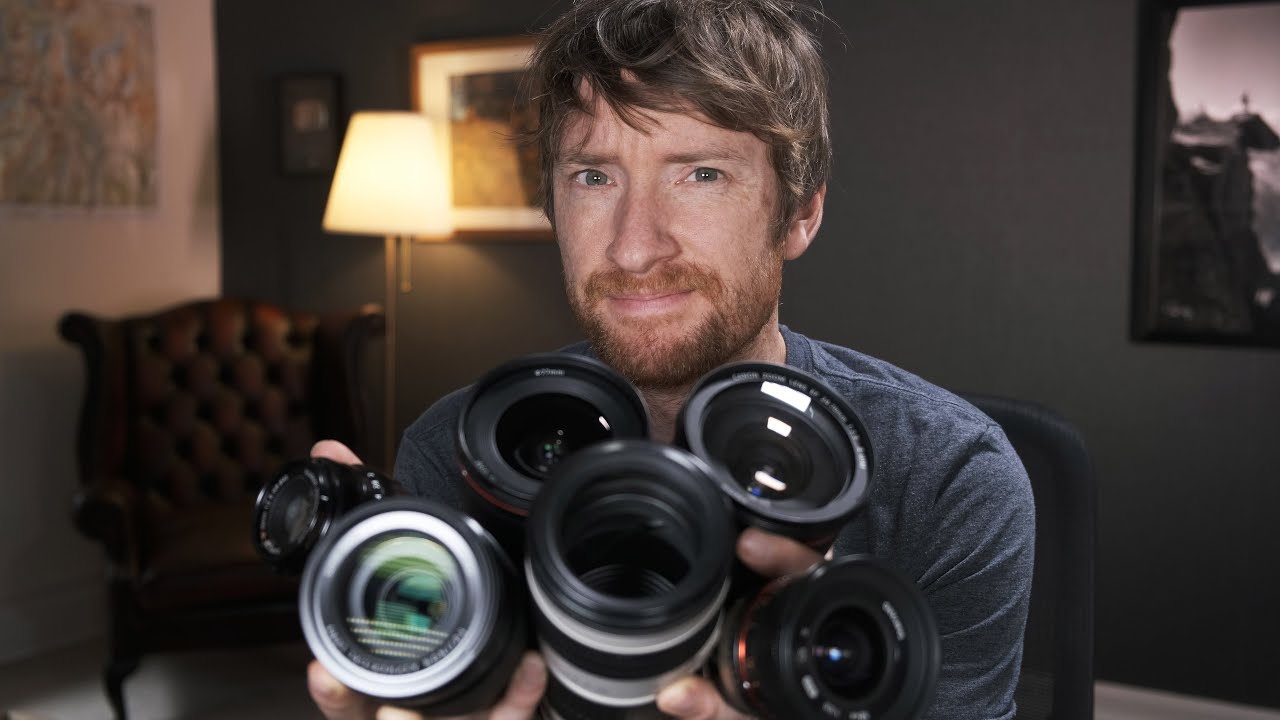
I spent an embarrassing amount of time last year researching lenses I couldn’t afford instead of actually shooting with the ones I had. Sound familiar? The problem isn’t that there’s too little information out there. It’s that most of it is written by people who are trying to sell you on a specific lens rather than help you figure out which one actually fits your situation. In this Peter McKinnon tutorial, he cuts through the noise with a deceptively simple framework that I wish someone had handed me when I was first building out my kit.

The First Lens Every Beginner Should Actually Buy (And the Reasoning That Changes Everything)

The First Lens Every Beginner Should Actually Buy (And the Reasoning That Changes Everything)

I spent an embarrassing amount of time early on convinced that the right lens was just a matter of budget. Scrape together enough money, buy the most versatile zoom you can find, done. What I didn’t understand was that “versatile” means completely different things depending on how you shoot, and buying the wrong first lens doesn’t just waste money, it actively slows down how fast you learn to see like a photographer.

What 7 Focal Lengths Actually Do to Your Photos (A Side-by-Side Breakdown)

What 7 Focal Lengths Actually Do to Your Photos (A Side-by-Side Breakdown)

Every time I’m about to buy a lens, I open a spreadsheet. I know how that sounds. But when you’ve tested as many budget lenses as I have, you stop trusting marketing copy and start trusting data. The problem is that most lens comparisons focus on sharpness charts and bokeh rendering, and they skip the one thing that actually changes how your photos feel - how focal length reshapes the relationship between your subject and the background.

Sony Alpha Lens Codes Decoded: What Those Letters Actually Mean Before You Buy

Sony Alpha Lens Codes Decoded: What Those Letters Actually Mean Before You Buy

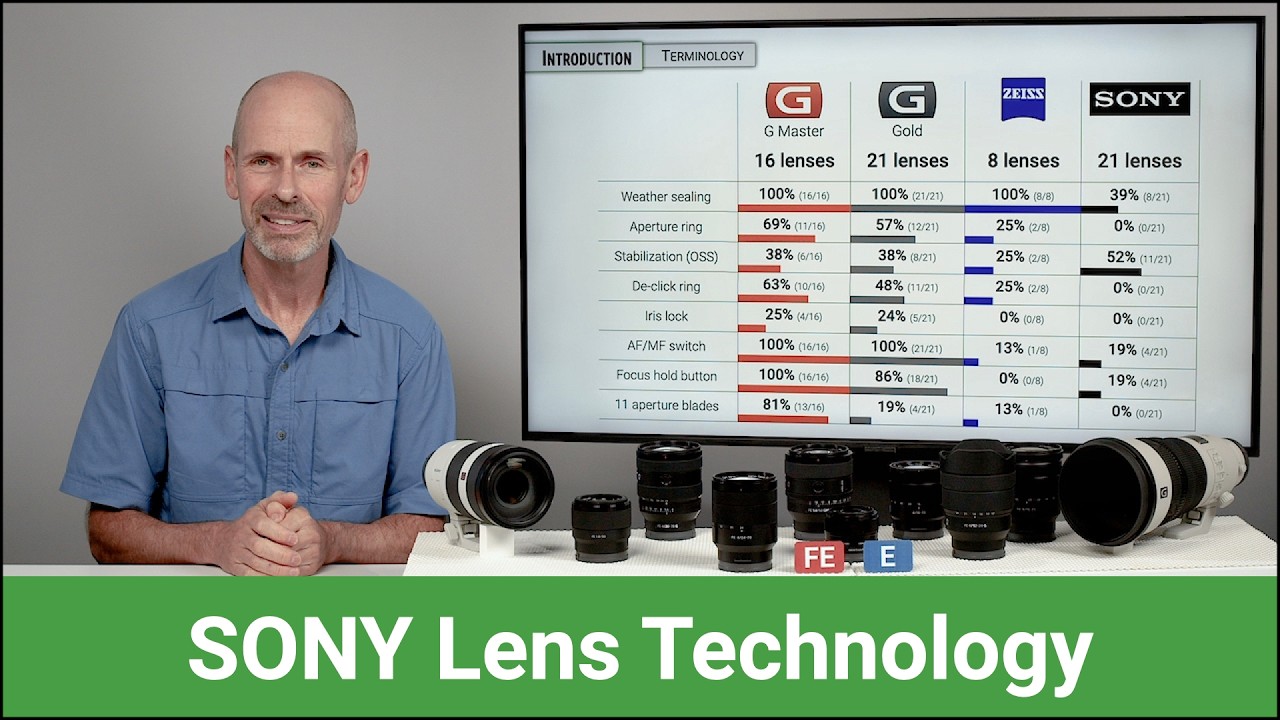
When I first started seriously shopping Sony glass, I did what most people do: I filtered by price, squinted at sample images, and then got completely lost in the alphabet soup printed on the barrel. FE. G. GM. Zeiss T*. I had no idea which letters actually mattered for my shooting and which ones were just Sony marketing their way into my wallet. Every forum thread I found either assumed I already knew or dissolved into brand wars.