Moment's Anamorphic Drone Lens Changes What Drone Footage Can Look Like

Moment's Anamorphic Drone Lens Changes What Drone Footage Can Look Like

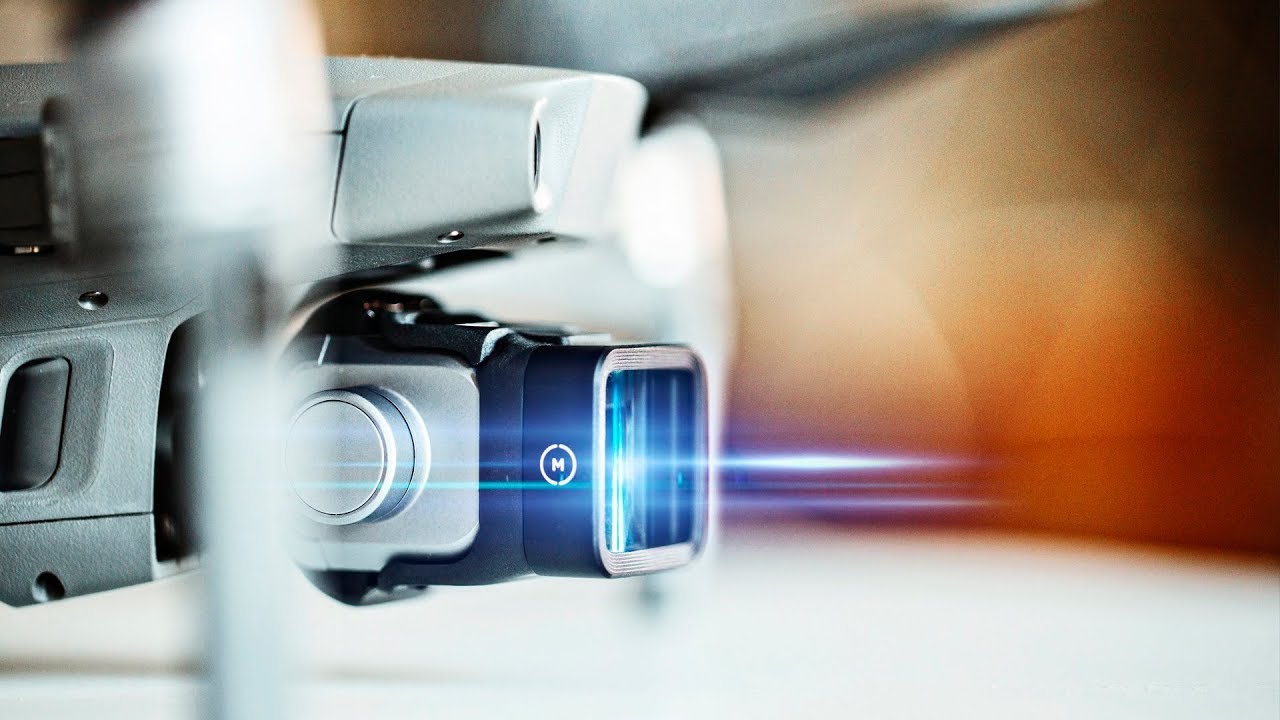
Drone footage has a sameness problem. I noticed it a while back when I was cutting a short travel piece and kept cycling through clip after clip of the same top-down reveal, the same slow dolly-forward, the same color-graded sky. The shots were technically clean. They were also completely forgettable. Regulations have pushed everyone into similar flight envelopes, and when everyone’s working with the same restrictions and the same default wide angle, the footage starts to blur together.
10 Cheap Photography Tools That Actually Change How You Shoot

10 Cheap Photography Tools That Actually Change How You Shoot

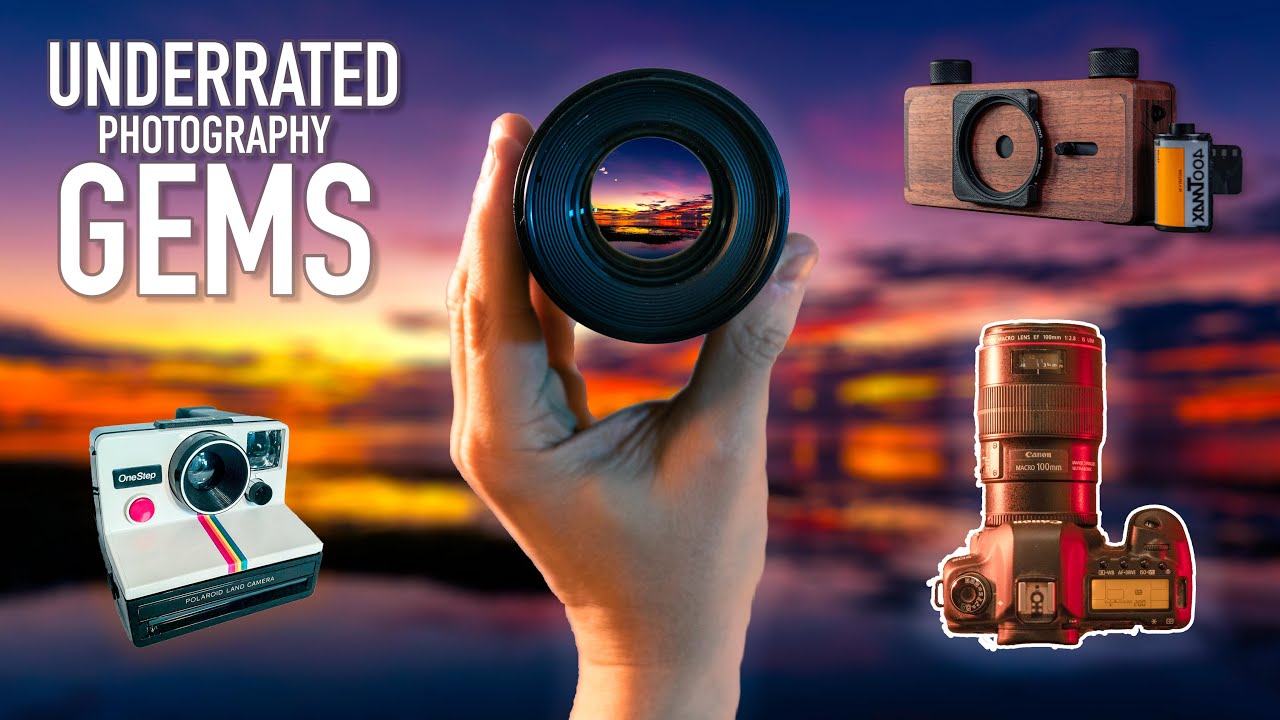
I’ve said it before and I’ll keep saying it: the gear that sits in your bag between the expensive stuff is often what actually makes the shot. The $8 reflector. The magnetic LED panel. The cheap phone mount you grabbed on a whim. That’s the category of tool I’ve been obsessed with since I started shooting, and it’s exactly why a recent video from First Man Photography caught my attention and kept it.

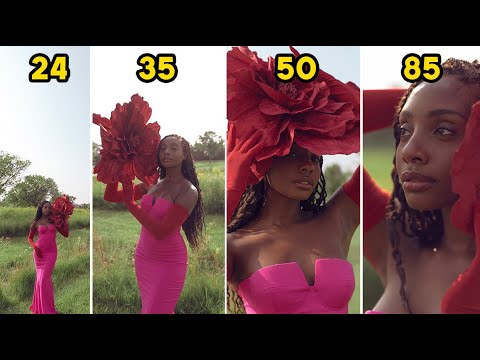
24mm, 35mm, 50mm, or 85mm: What a Real Fashion Shoot Reveals About Each Prime Lens

24mm, 35mm, 50mm, or 85mm: What a Real Fashion Shoot Reveals About Each Prime Lens

The question I get more than any other from people just getting serious about photography is this: which prime lens should I buy first? I have a whole spreadsheet on this. Dozens of lenses, price points, sharpness charts, real-world test shots. But numbers only tell part of the story. What I always want to see is a working photographer actually running the same subject through multiple focal lengths back to back, so the differences are impossible to ignore.

Why I Started Shooting Portraits With a 24mm (And Why You Should Try It Too)

Why I Started Shooting Portraits With a 24mm (And Why You Should Try It Too)

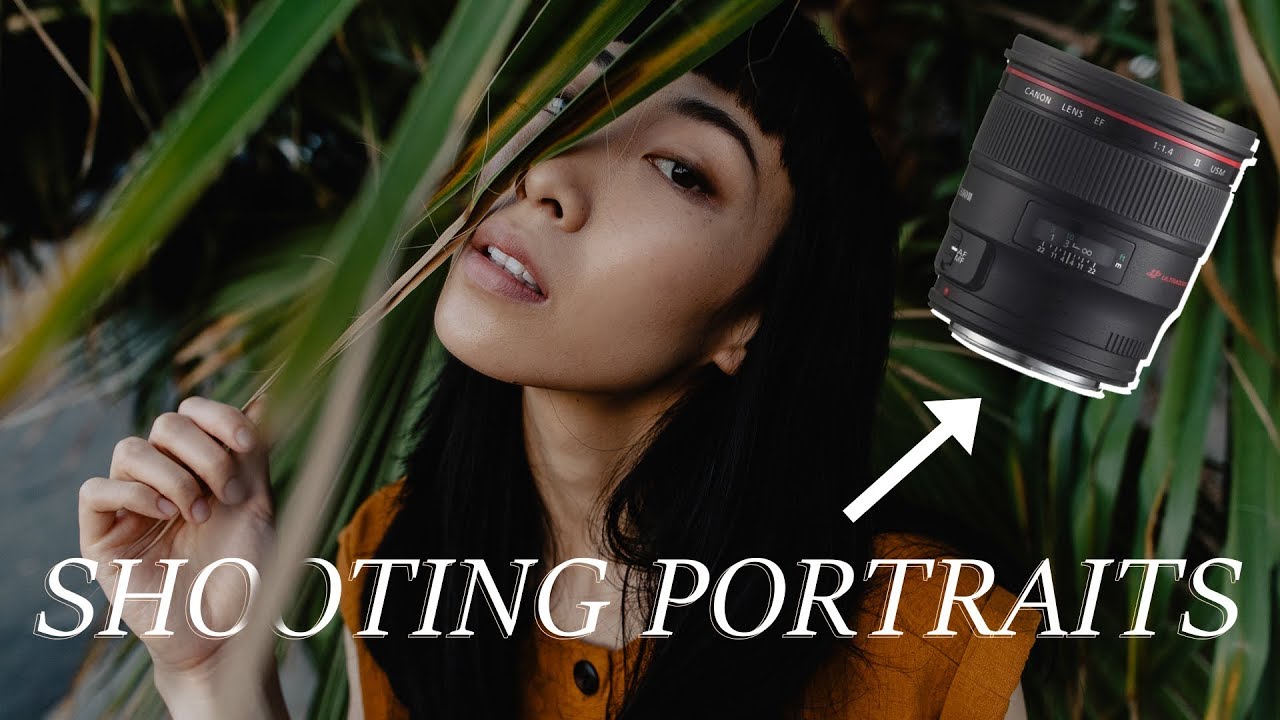
Every photographer I know has a comfort zone lens. For most portrait shooters, that’s an 85mm, a 50mm, maybe a 70-200mm if they’re feeling fancy. I get it. Those focal lengths are forgiving, flattering, and predictable. But predictable is also another word for boring, and I’ve been trying to push myself out of that rut lately. What finally cracked things open for me was watching Mango Street take their brand new Canon 24mm f/1.

How to Put a Lens Flare on Its Own Layer in Photoshop (So You Can Actually Control It)

How to Put a Lens Flare on Its Own Layer in Photoshop (So You Can Actually Control It)

If you’ve ever applied Photoshop’s built-in lens flare filter and immediately regretted where you put it, you’re not alone. The filter has one deeply annoying limitation: it bakes directly onto whatever layer you’re working on, and if that layer is empty, Photoshop won’t even let you run it. You’re stuck either flattening your whole image first or stamping a visible layer just to have something for the filter to grab onto.

Sigma's Fuji X-Mount Lenses Are Here — But Should Budget Shooters Actually Care?

Sigma's Fuji X-Mount Lenses Are Here — But Should Budget Shooters Actually Care?

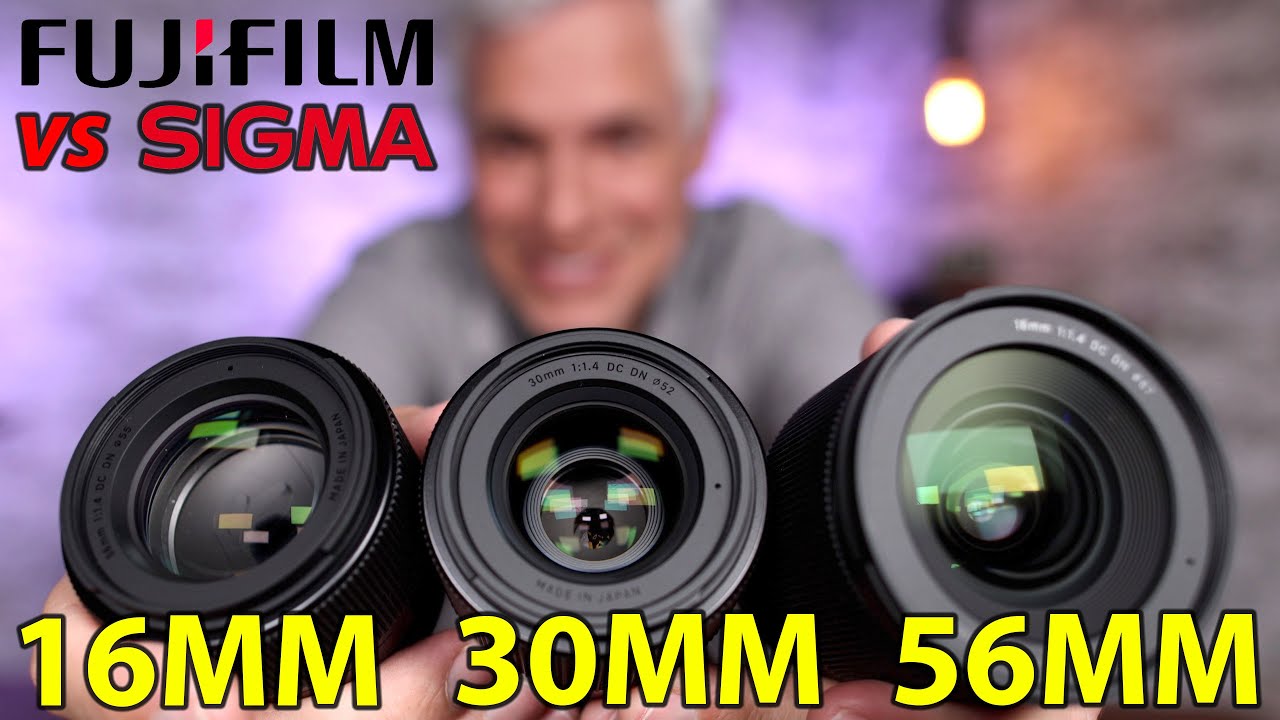
If you shoot Fuji and you’ve been eyeing Sigma’s APS-C lens lineup with envy, the wait is finally over. Sigma has ported their popular 16mm, 30mm, and 56mm trio to the Fuji X-mount, bringing autofocus and auto exposure to a system that’s long deserved more third-party love. That sounds like a win on paper, but the real question for anyone who cares about value is whether these lenses actually earn their price tag when stacked against what already exists.

How a Tilt-Shift Lens Gives You Control Over What's Sharp (And What Isn't)

How a Tilt-Shift Lens Gives You Control Over What's Sharp (And What Isn't)

Most of us chase sharpness. We pixel-peep, we chimp, we stop down to f/8 and call it safe. But there’s a whole category of creative focus control that doesn’t get enough attention outside of architecture and product photography circles, and that’s the tilt-shift lens. I spent years assuming it was a specialty tool for correcting buildings and nothing else. A recent tutorial from The Slanted Lens changed that for me, and I want to break it down in a way that actually sticks.

Sony 16-35mm f/2.8 GM vs Nikon 14-24 vs Tamron 15-30: Which Wide-Angle Actually Wins for Landscapes?

Sony 16-35mm f/2.8 GM vs Nikon 14-24 vs Tamron 15-30: Which Wide-Angle Actually Wins for Landscapes?

Every time a new “best lens” drops, I get the same question from readers: “Should I switch systems to get it?” It’s the kind of question that sounds like a gear problem but is usually a spending problem in disguise. So when Sony launched the 16-35mm f/2.8 G Master and people started asking me whether it was worth ditching their Nikon kit, I wanted actual data before I gave an opinion.

Why the 70-200mm Is Actually the Most Underrated Lens for Landscape Photography

Why the 70-200mm Is Actually the Most Underrated Lens for Landscape Photography

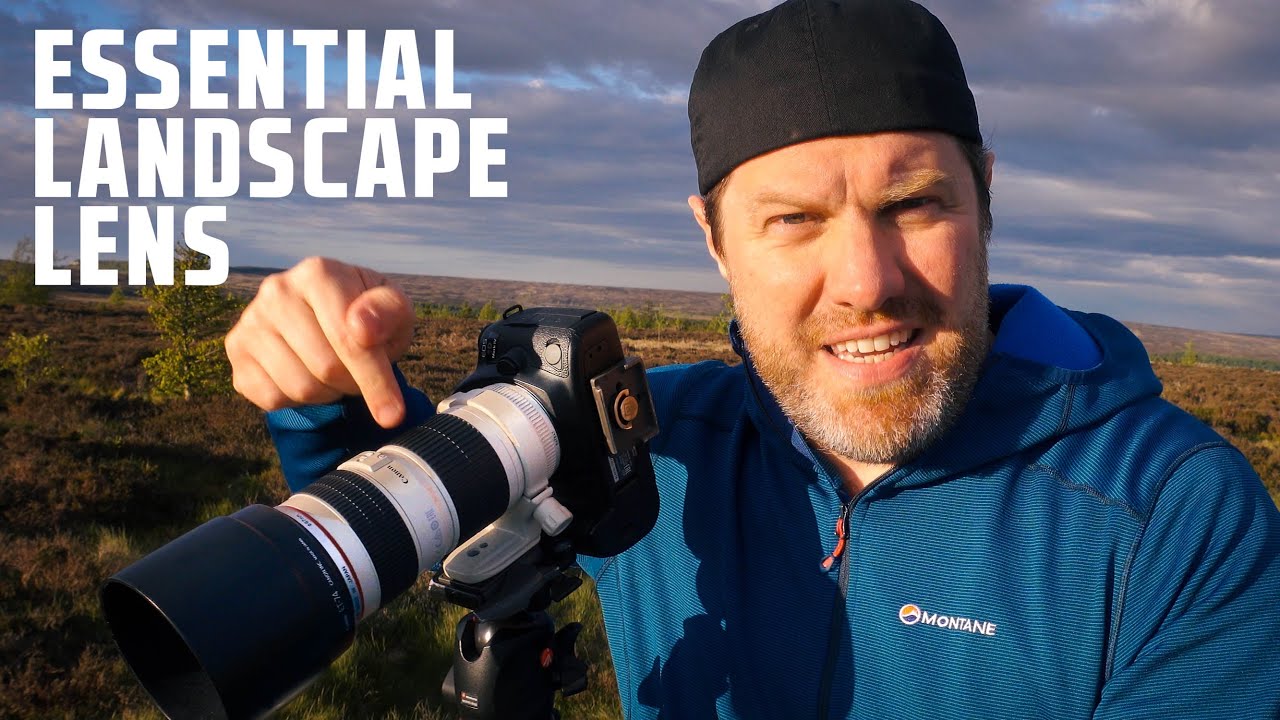
Every landscape photographer I know owns a wide-angle lens. Most of them own two. I get it — wide-angle feels like the obvious call when you’re standing in front of a mountain range or a sweeping coastline. For a long time I defaulted to the same instinct. The problem is that “sweeping and epic” starts to look the same after a while, both in your own portfolio and across every Instagram feed you’ve ever scrolled.

What Pierre T. Lambert's Nepal Camera Bag Teaches Us About Packing Smart (Not Heavy)

What Pierre T. Lambert's Nepal Camera Bag Teaches Us About Packing Smart (Not Heavy)

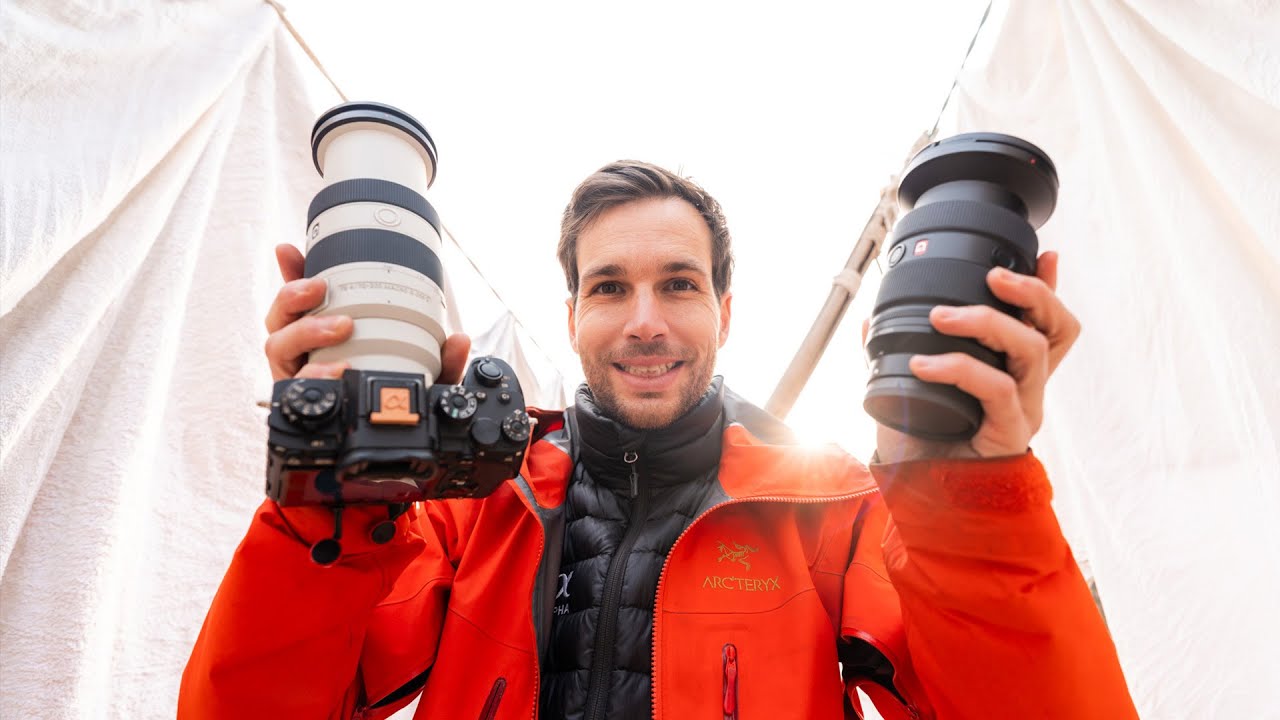
Packing camera gear for an international trip is one of those problems that sounds simple until you’re standing in your living room at midnight surrounded by three camera bodies, a tangle of cables, and a carry-on that weighs as much as a golden retriever. I’ve been there more times than I want to admit. The question is never really “what do I want to bring?” It’s “what can I actually justify carrying through two airports and a crowded street market?

Sony's New 70-200mm f/4 Macro: The Case For Ditching the f/2.8 (And When Not To)

Sony's New 70-200mm f/4 Macro: The Case For Ditching the f/2.8 (And When Not To)

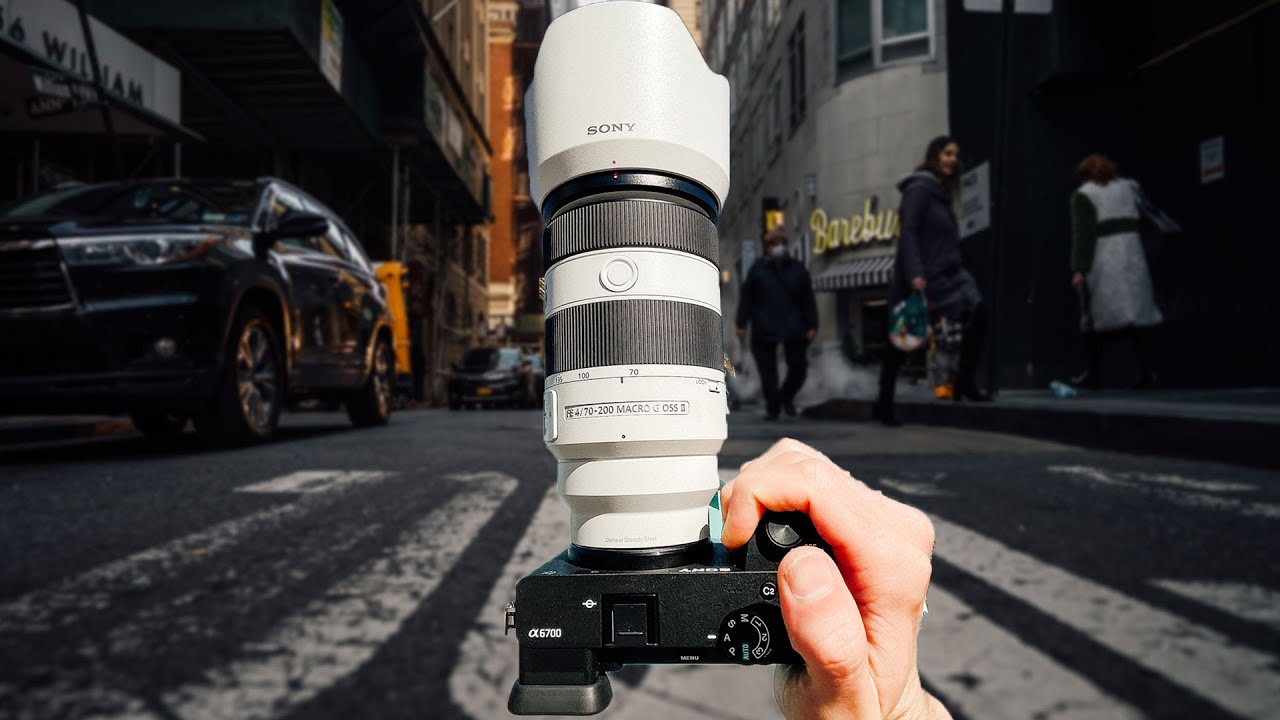
I keep a running spreadsheet of every lens I’ve tested against its price-to-performance ratio. Most of the time, the “Holy Grail” options sit at the top because of reputation, not results. The 70-200mm f/2.8 is the perfect example. It’s the lens everyone points to as the gold standard for telephoto work, and honestly, it earns that reputation. But I’ve been asking myself lately whether that reputation is making photographers overpay for capabilities they don’t actually use.

How a 100-400mm Lens Can Give You 100+ Compositions From a Single Hillside

How a 100-400mm Lens Can Give You 100+ Compositions From a Single Hillside

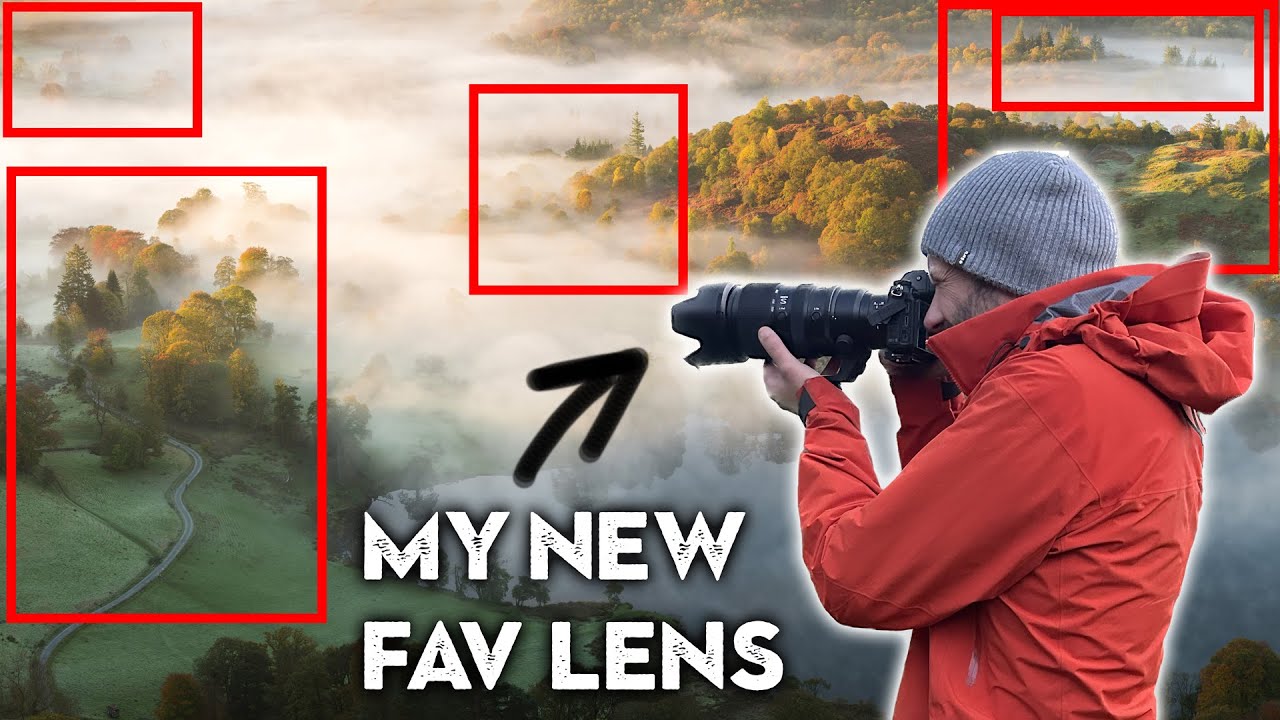
There’s a specific kind of frustration I used to feel constantly: I’d hike to a viewpoint, shoot the obvious wide-angle scene in about twenty minutes, and then just… stand there. Waiting. Watching other photographers keep shooting while I mentally checked out. The problem wasn’t the location. It was that I was treating every scene like it only had one composition in it, the big sweeping one you see on the postcard.