Stop Wasting Money on Fancy Camera Bags—Here's What Actually Works

Stop Wasting Money on Fancy Camera Bags—Here's What Actually Works

I’ve spent more money on camera bags than I care to admit. Peak regret moment? Dropping $320 on a “premium” shoulder bag that looked amazing in photos but destroyed my shoulder within an hour of real shooting. The padding was thick but poorly distributed, the strap was basically decorative, and it screamed “steal me” to every opportunistic thief within eyeshot. That’s when I stopped buying based on brand names and started actually testing bags like a normal person who uses them.

Stop Wasting Money on Essential Camera Accessories — Here's What Actually Matters

Stop Wasting Money on Essential Camera Accessories — Here's What Actually Matters

Stop Wasting Money on “Essential” Camera Accessories — Here’s What Actually Matters I’ve been reviewing camera gear for years, and if there’s one thing that drives me crazy, it’s how the industry convinces photographers they need accessories that range from pointless to actively harmful for their workflow. Walk into any camera store (or scroll through any gear site), and you’ll see endless aisles of straps, cases, filters, and gadgets marketed as “must-haves.

Stop Wasting Money on Designer Office Chairs — Here's What Actually Works for Photographers

Stop Wasting Money on Designer Office Chairs — Here's What Actually Works for Photographers

Your Editing Suite Deserves Better Than Hype Marketing I’ve spent way too much time in photography forums watching people debate whether a $1,500 ergonomic chair is “worth it” for their home studio. Spoiler alert: it’s usually not. Look, I get it. When you’re dropping serious cash on lighting gear, cameras, and lenses, it feels natural to invest in your workspace too. But here’s the honest truth — the premium office chair market is absolutely stuffed with marketing nonsense and brand prestige pricing.

Stop Waiting for the Perfect Gear—Budget Equipment That Actually Works

Stop Waiting for the Perfect Gear—Budget Equipment That Actually Works

Stop Waiting for the Perfect Gear—Budget Equipment That Actually Works I’m going to be direct: the photography industry is built on making you feel like your gear isn’t good enough. It’s exhausting, and it’s mostly nonsense. I’ve spent the last six months intentionally shooting with budget equipment—not as a challenge or a stunt, but because I wanted to answer a real question: What’s the actual minimum you need to take great photos?

Stop Waiting for the Perfect Camera – Budget Gear is Good Enough

Stop Waiting for the Perfect Camera – Budget Gear is Good Enough

I’m going to say something that’ll get me hate mail from camera manufacturers: you don’t need to spend $3,000 on a camera body to take stunning photos. In fact, I’ve seen more creative work come from photographers shooting entry-level gear than from gear-obsessed pros with six-figure kits. The real problem isn’t your equipment—it’s that marketing has convinced you it is. The Trap of “Just One More Upgrade” I fell into this myself about five years ago.

Stop Waiting for the Perfect Camera — Budget Gear Gets You Better Faster

Stop Waiting for the Perfect Camera — Budget Gear Gets You Better Faster

Stop Waiting for the “Perfect” Camera — Budget Gear Gets You Better Faster I’m going to say something that’ll get me hate mail from YouTubers with sponsorships: the $400 used camera in your local classifieds will teach you more than the $4,000 flagship sitting in a box because you’re too scared to scratch it. I’ve been reviewing camera gear for years, and I’ve watched way too many people paralyzed by choice, waiting for the perfect budget to align with the perfect camera.

Stop Paying $2K for a 35mm Prime — Viltrox is Disrupting the Market

Stop Paying $2K for a 35mm Prime — Viltrox is Disrupting the Market

The 35mm f/1.2 Problem Nobody Wanted to Solve Let’s be honest: the 35mm focal length is having a moment. Street photographers love it. Portraitists swear by it. Content creators are obsessed. But there’s been a massive elephant in the room — if you wanted a fast 35mm prime for Sony or Nikon full-frame cameras, you were looking at dropping between $1,800 and $2,500 on glass alone. That’s a tough pill to swallow, especially when you’re already investing in bodies and other lenses.

Stop Overpaying for Camera Bags: The Real Features That Matter

Stop Overpaying for Camera Bags: The Real Features That Matter

Stop Overpaying for Camera Bags: The Real Features That Matter I’ve been reviewing photography gear for years, and the camera bag market is absolutely drowning in hype. You’ve got brands charging $400 for a bag that costs $80 to manufacture, slapping on some Instagram-friendly aesthetics, and calling it “premium.” Meanwhile, solid bags that’ll outlast your camera sit in the clearance bin because they don’t have the right brand logo. Let me be direct: most of us are buying the wrong bags for the wrong reasons.

Stop Falling for the Hype: The Real Lens Comparison Framework That Actually Works

Stop Falling for the Hype: The Real Lens Comparison Framework That Actually Works

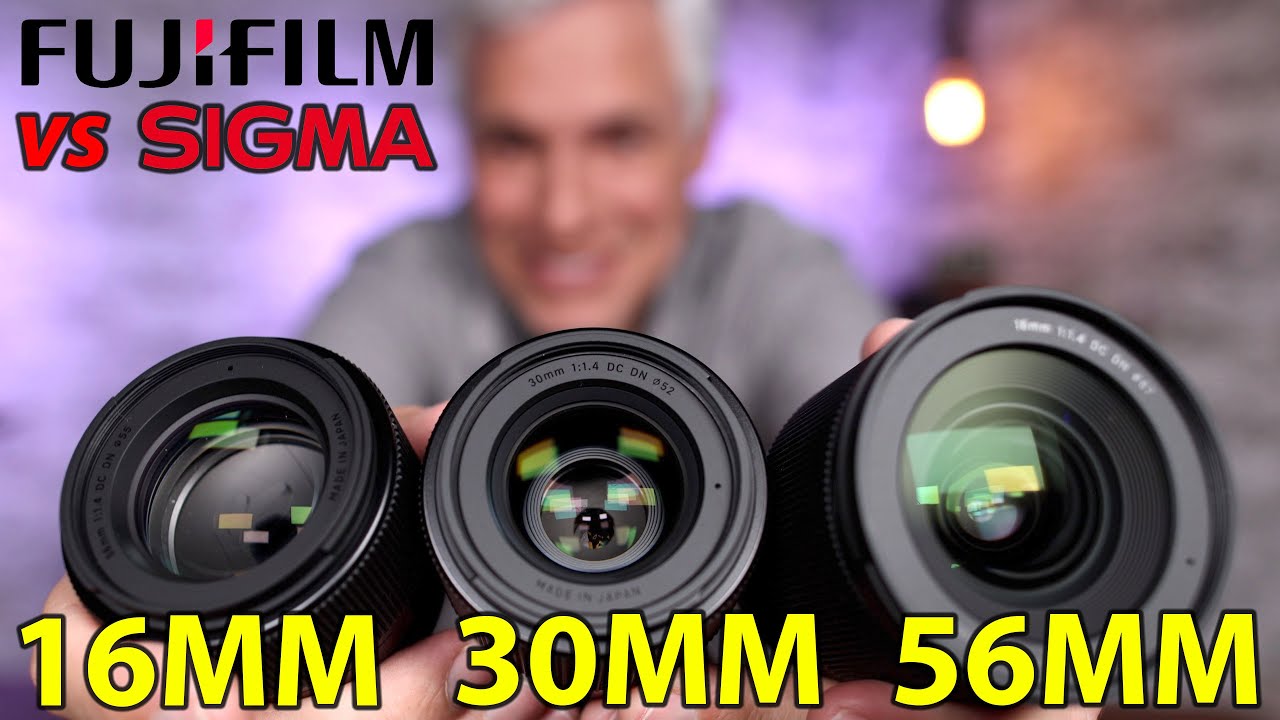
Stop Falling for the Hype: The Real Lens Comparison Framework That Actually Works I’ve spent the last five years watching photographers buy lenses they don’t need because a YouTuber with sponsorship money told them to. It’s exhausting to watch, honestly. So I’m going to give you the framework I actually use when comparing lenses—no brand loyalty, no prestige pricing, just real-world value. The Three Metrics That Actually Matter When I’m comparing two lenses, I ignore the spec sheet obsession.

Stop Falling for Lens Hype: A Real Comparison Framework

Stop Falling for Lens Hype: A Real Comparison Framework

Stop Falling for Lens Hype: A Real Comparison Framework I’ve watched too many photographers drop $800 on a lens they didn’t need because a YouTube influencer said it was “absolutely essential.” I’ve been that photographer. So I’m going to give you a framework I actually use when comparing lenses—one that ignores the hype and focuses on what matters to your workflow. Forget the Spec Sheet (Sort Of) Here’s the uncomfortable truth: two lenses with identical focal lengths and apertures can feel completely different in your hands.

Stop Buying Lenses Based on Specs — Here's How I Actually Compare Them

Stop Buying Lenses Based on Specs — Here's How I Actually Compare Them

Stop Buying Lenses Based on Specs — Here’s How I Actually Compare Them I’ve tested hundreds of lenses over the past decade, and I can tell you with absolute certainty: the lens with the best specs sheet is rarely the best lens for your wallet or your work. Here’s the problem. Most lens comparisons focus on MTF charts, distortion percentages, and coma aberrations at f/16. Nobody shoots at f/16. And more importantly, those numbers don’t tell you if a lens feels good to use, holds its value, or actually solves your creative problems.

Stop Buying Lenses Based on Brand Names – Here's How to Actually Compare Them

Stop Buying Lenses Based on Brand Names – Here's How to Actually Compare Them

I’ve watched photographers spend $2,000 on a lens because it has a fancy name on the barrel, then complain about image quality. That’s not photography knowledge—that’s brand worship. Let me give you the actual framework I use when comparing lenses, and I promise it’ll save you money and buyer’s remorse. Forget the Specs Sheet (Sort Of) Yeah, I said it. Your new lens’s f/2.8 aperture doesn’t matter if you can’t actually use it.