Jasmine Star's 5-Lens Wedding Kit: What Actually Matters (And What You Can Rent)

Jasmine Star's 5-Lens Wedding Kit: What Actually Matters (And What You Can Rent)

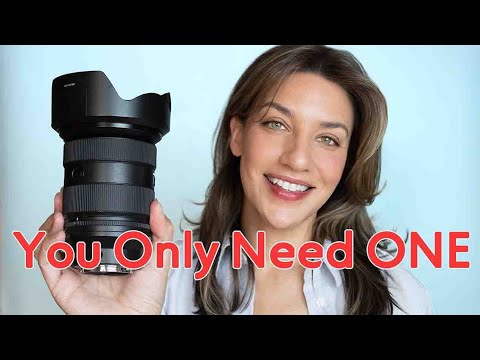
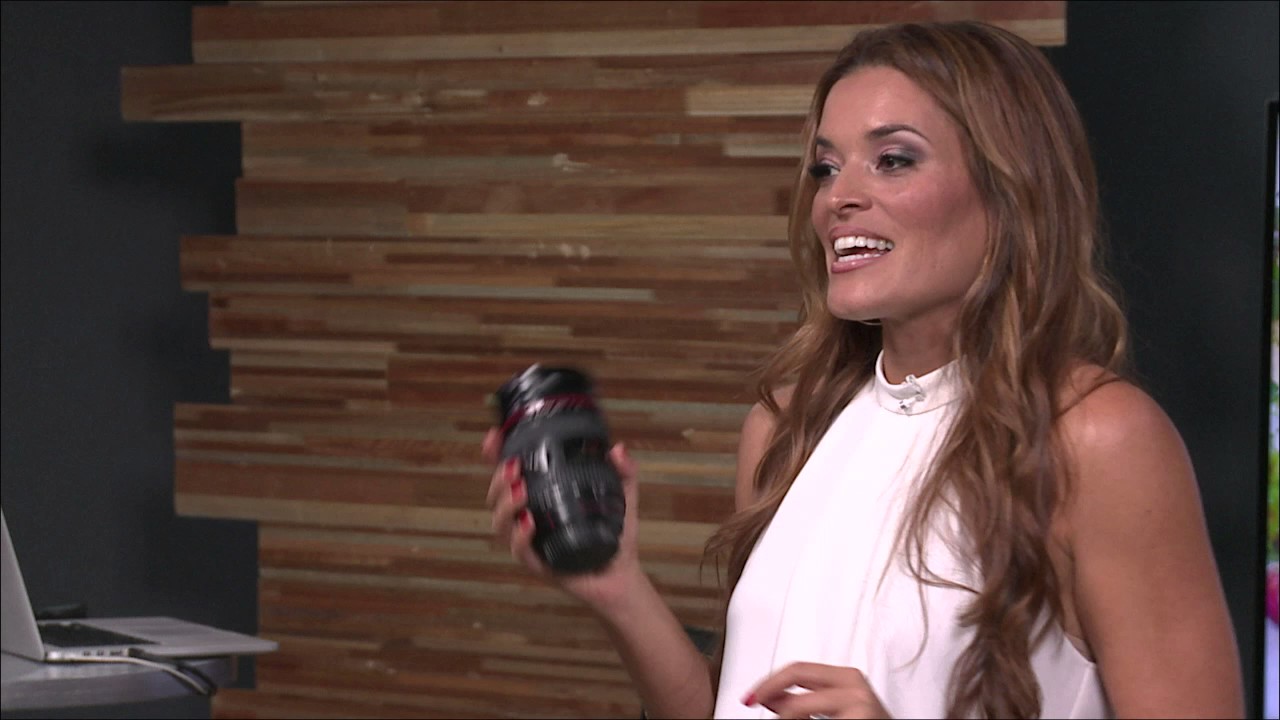
Wedding season has a way of exposing every gap in your kit. I learned that the hard way shooting my first wedding with a nifty fifty and a kit zoom, praying the reception venue had decent lighting. What I wish I’d had back then was a clear, prioritized list from someone who’d already figured out which lenses actually earn their keep on a wedding day versus which ones just look impressive in a gear bag.
4 Sony Mirrorless Lenses a Landscape Pro Actually Uses (And What Each One Is Really For)

4 Sony Mirrorless Lenses a Landscape Pro Actually Uses (And What Each One Is Really For)

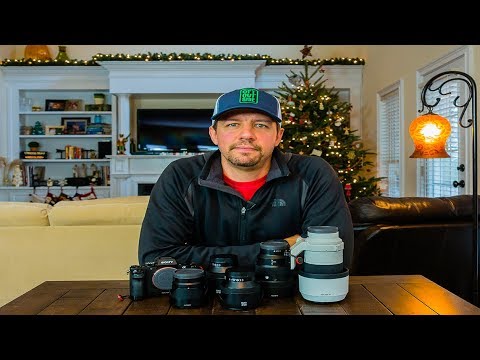
One of the questions I get most often from readers is some version of “what lenses should I actually own?” Not what the spec sheets say, not what wins lab tests, but what a working photographer reaches for when they’re standing on a wet coastline at 5am trying not to drop anything. That’s a harder question to answer than it looks, because the honest answer is almost always “it depends on how you shoot.

Which Lens Should You Actually Reach For? A Practical Breakdown for Real Shooters

Which Lens Should You Actually Reach For? A Practical Breakdown for Real Shooters

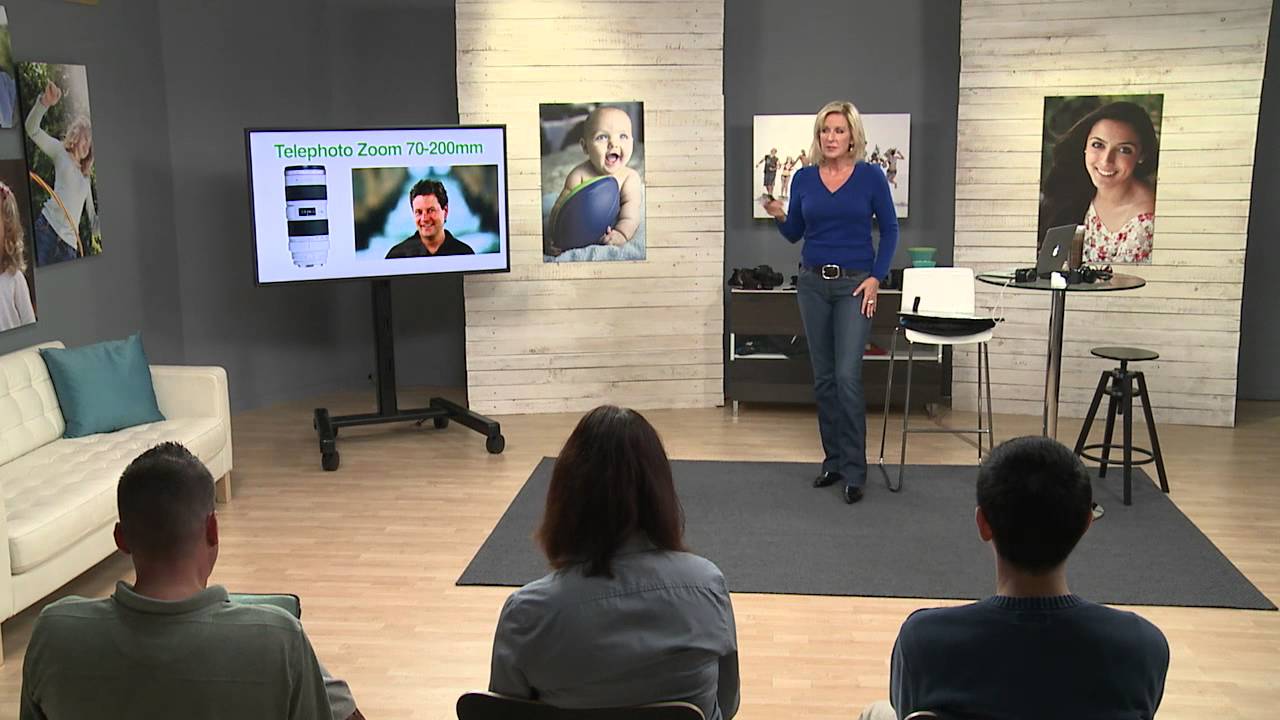
I used to swap lenses by feel. No real logic, just instinct built from trial and error and a lot of blurry test shots I’ll never show anyone. The question “which lens do I put on right now?” sounds basic, but it’s the kind of decision that quietly makes or breaks a photo. Get it wrong and you’re fighting your gear instead of making pictures. In this CreativeLive tutorial, photographer Erin Manning does something I wish I’d had when I was starting out: she stands in one fixed spot, swaps three different lenses, and shows you exactly what changes in the frame.

Why I Was Wrong About Prime Lenses (And What Three Zoom Lenses Actually Cover for Landscape Work)

Why I Was Wrong About Prime Lenses (And What Three Zoom Lenses Actually Cover for Landscape Work)

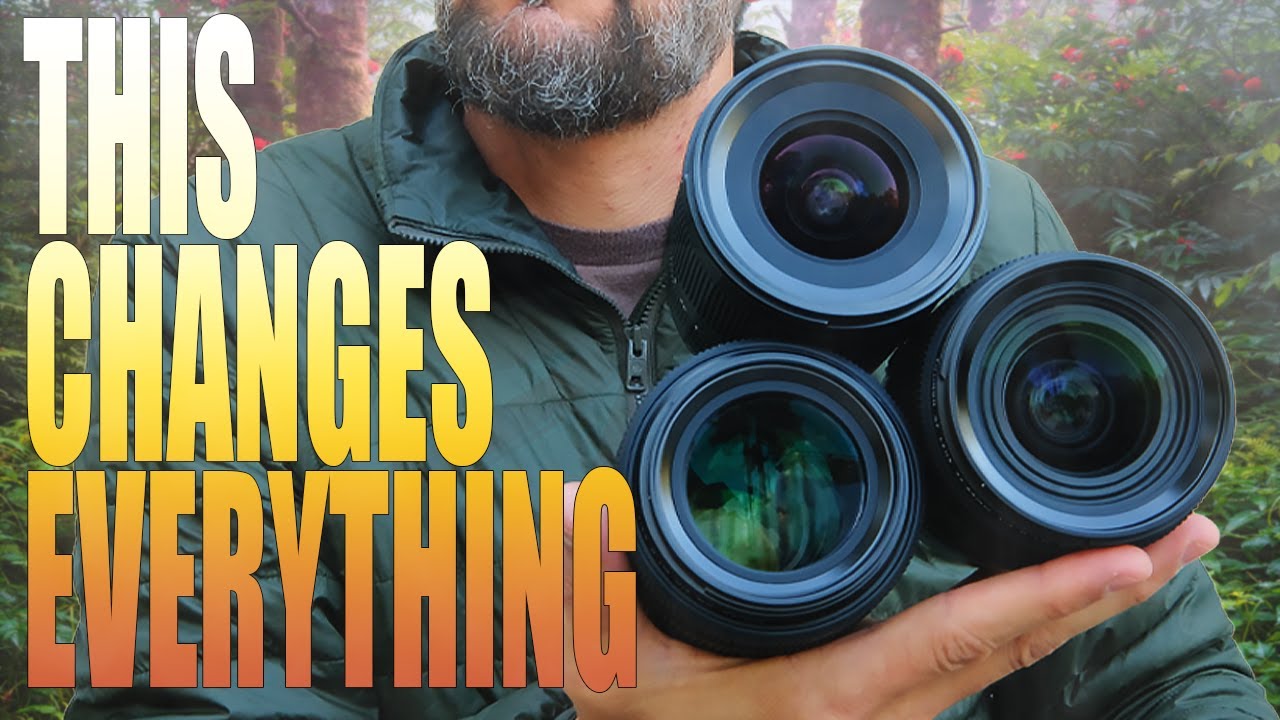
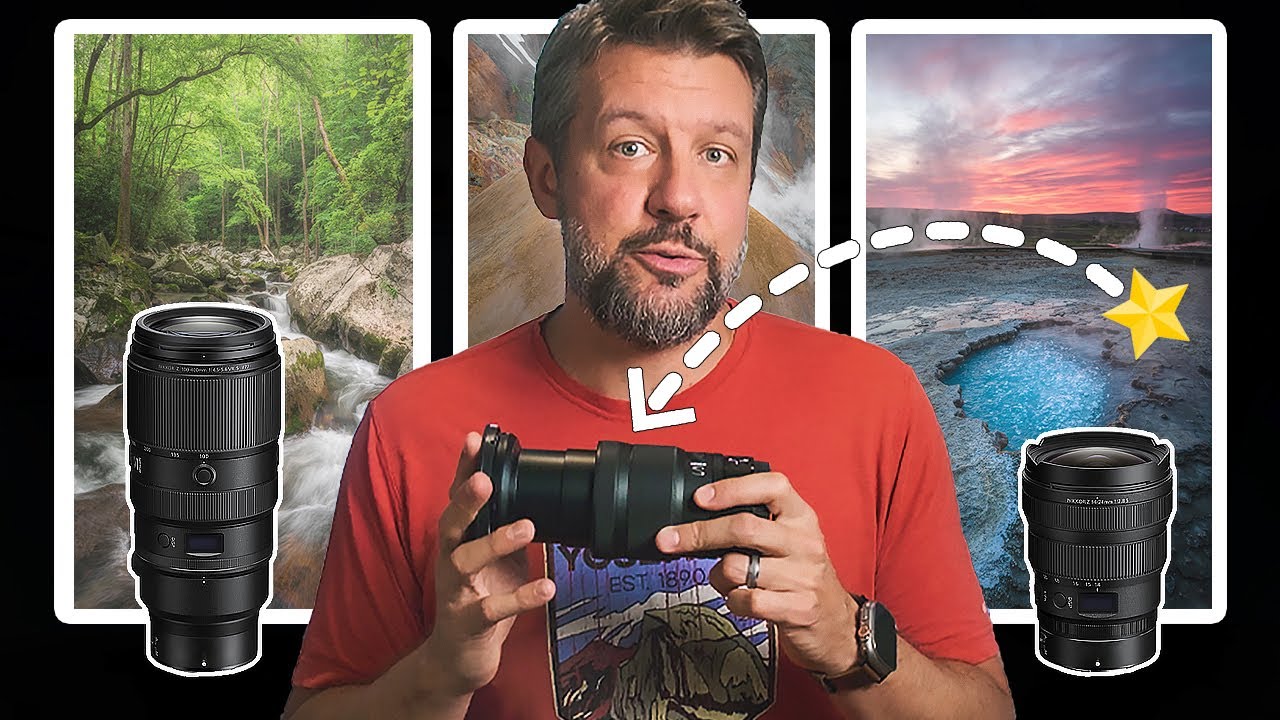
There’s a version of me from a few years back who would have nodded along confidently while someone explained why prime lenses are the “serious” choice for landscape photography. Fixed focal lengths, sharper glass, lighter pack. It all sounds logical until you’re standing at the edge of a canyon with nowhere to move and a composition that’s almost right but not quite. That gap between almost and actually is where gear decisions either pay off or bite you.

Why Your Portrait Lens Focal Length Matters More Than Your Aperture

Why Your Portrait Lens Focal Length Matters More Than Your Aperture

I spent years thinking portrait quality came down to two things: a fast aperture and a sharp lens. Get an f/1.8 prime, shoot wide open, blur the background into oblivion, done. It took an embarrassingly long time for me to realize I was missing the bigger picture, literally. Focal length isn’t just a cropping tool. It fundamentally changes how your subject’s face looks, how the background relates to them, and what emotional story the image tells.

Does a 50mm Lens Become a Portrait Lens on a Crop Sensor Camera? Here's the Actual Answer

Does a 50mm Lens Become a Portrait Lens on a Crop Sensor Camera? Here's the Actual Answer

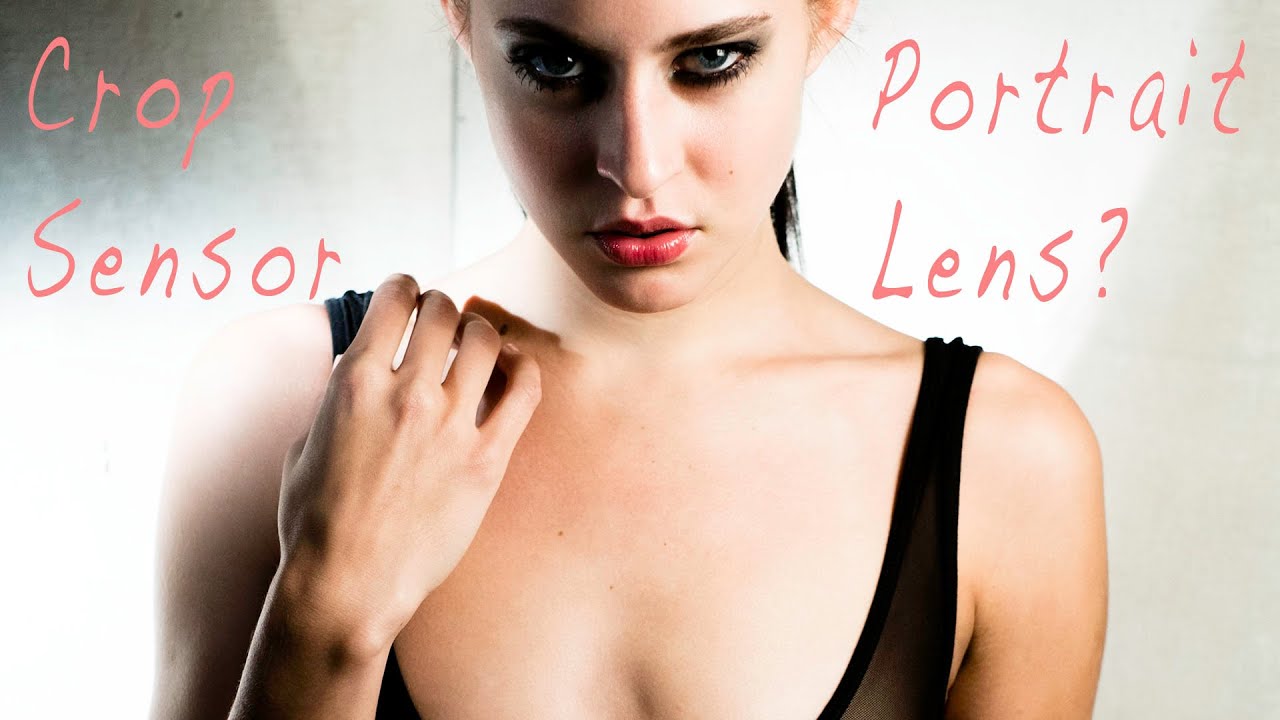
One question I kept seeing pop up in beginner photography groups — and honestly one I wrestled with myself when I was shooting on a crop sensor body — is whether a 50mm lens “counts” as a portrait lens when you’re not on full frame. It sounds like a simple question, but the answer touches on focal length compression, field of view, and how lens manufacturers actually design their glass. In this Daniel Norton Photographer tutorial, Watch the full tutorial on YouTube, Daniel works through the physics and the practical logic in about five minutes flat.

Which Portrait Lens Actually Wins? A Focal Length Breakdown From 24mm to 135mm

Which Portrait Lens Actually Wins? A Focal Length Breakdown From 24mm to 135mm

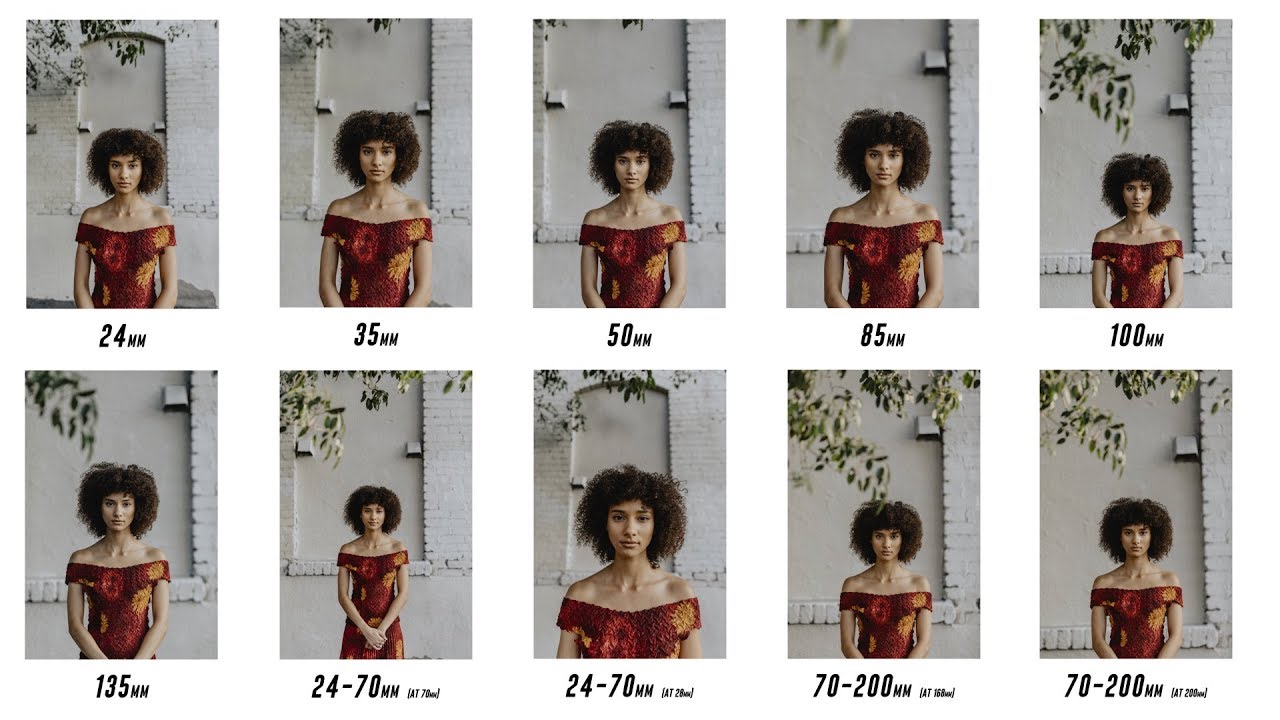
The question I get more than any other from photographers just building out their kits is some version of: “Which lens should I buy for portraits?” It sounds simple. It is not simple. The answer depends on your shooting style, your sensor size, your working distance, and honestly, your personality as a photographer. I’ve tested a lot of glass, and I’ve made a lot of bad purchases chasing someone else’s answer to that question.

The 50mm f/1.8 Is the Only Lens You Actually Need Right Now (Here's How to Use It)

The 50mm f/1.8 Is the Only Lens You Actually Need Right Now (Here's How to Use It)

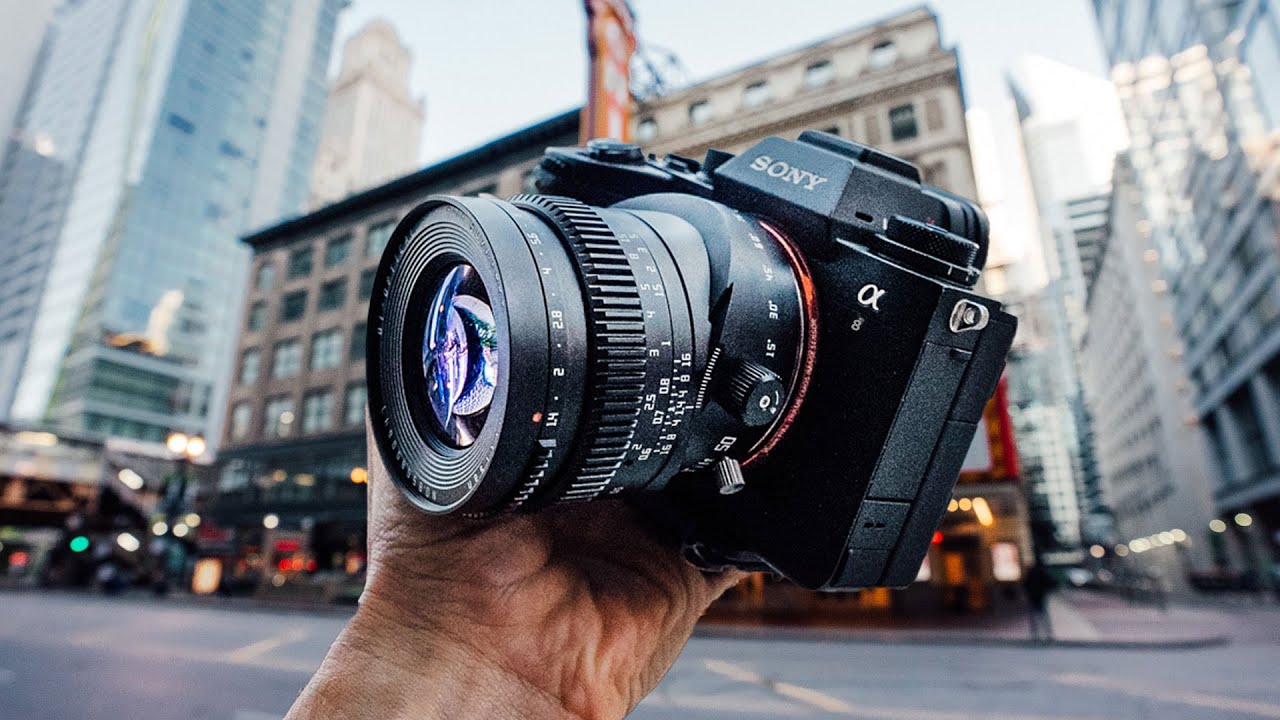
I have a spreadsheet with 47 lenses on it. Budget zooms, tilt-shifts, third-party primes, a few oddball manual focus options I bought off eBay at midnight. I’ve tested most of them. And after all of that, the one lens I still recommend first to anyone who asks is the 50mm f/1.8. Not because it’s the most exciting answer. Because it’s the correct one. In this Pierre T. Lambert tutorial filmed on the streets of Chicago, Lambert does something refreshing: he makes the case for the 50mm f/1.

The 3-Lens Landscape Kit That Actually Makes Sense (Built Around Real-World Use)

The 3-Lens Landscape Kit That Actually Makes Sense (Built Around Real-World Use)

One of the questions I get more than almost anything else is some version of “which lenses do I actually need?” Not which ones are technically best. Not which ones win on spec sheets. Which ones should I pack when I’m already carrying water, a tripod, and layers for weather I didn’t expect. That is a real question with a real cost attached to it, and most lens recommendation articles dodge it completely.

Two Lenses, One Year of World Travel: What Pierre T. Lambert Got Right (And What I'd Do Differently)

Two Lenses, One Year of World Travel: What Pierre T. Lambert Got Right (And What I'd Do Differently)

There’s a question I get more than any other: “What lenses should I actually carry?” Not what’s on the spec sheet. Not what a camera store employee suggests because it moves margin. What actually works when you’re out in the field trying to cover a wide range of subjects without blowing your back out or your budget. In this Pierre T. Lambert tutorial, he answers that question from a very specific and useful vantage point: a full year of shooting around the world, covering landscape, portrait, street, and lifestyle work with just two lenses.

Do You Actually Need an Ultra Wide Angle Lens? Here's How to Decide

Do You Actually Need an Ultra Wide Angle Lens? Here's How to Decide

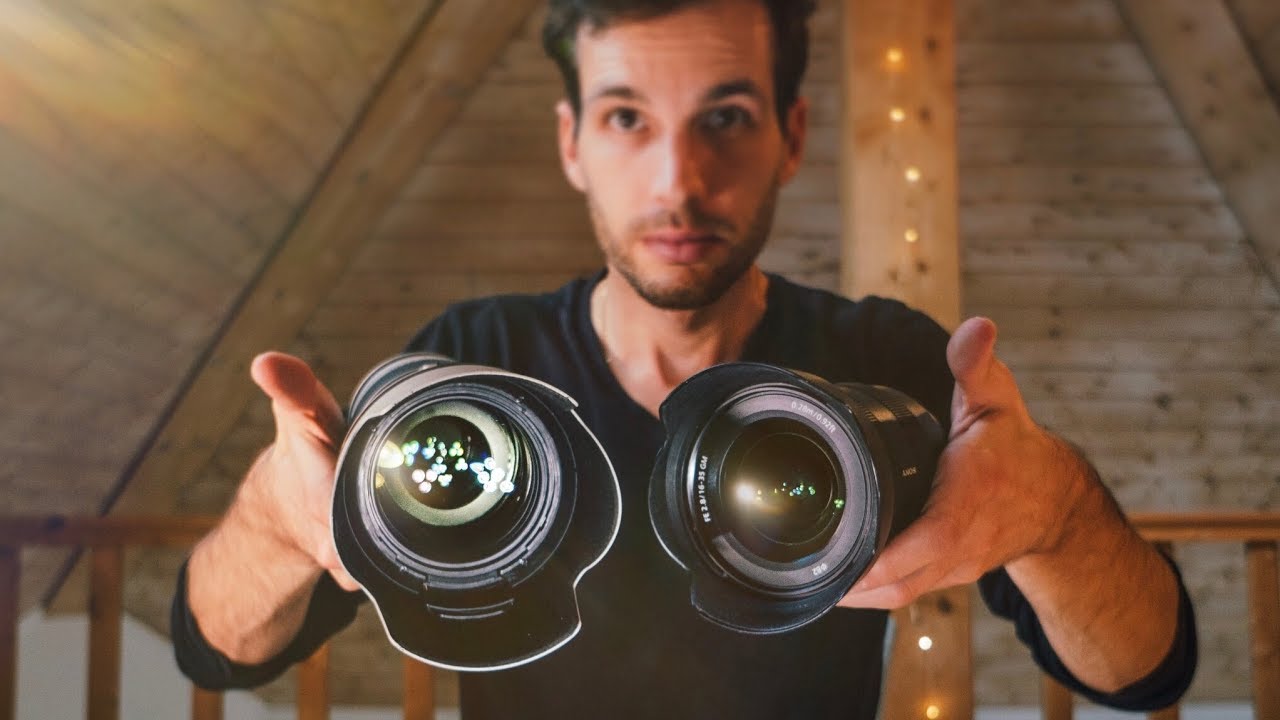
I’ve tested a lot of lenses on a tight budget. My spreadsheet has entries for focal lengths most people have never heard of, and I’ve run side-by-side comparisons on lenses that cost $89 versus $890. But one question keeps showing up in my inbox more than any other: “Do I need to go wider than 24mm?” It sounds simple. It’s not. Spend enough time in the field and you realize that buying an ultra wide angle lens without understanding how to use it is one of the fastest ways to end up with disappointing, distorted images you’ll never post.

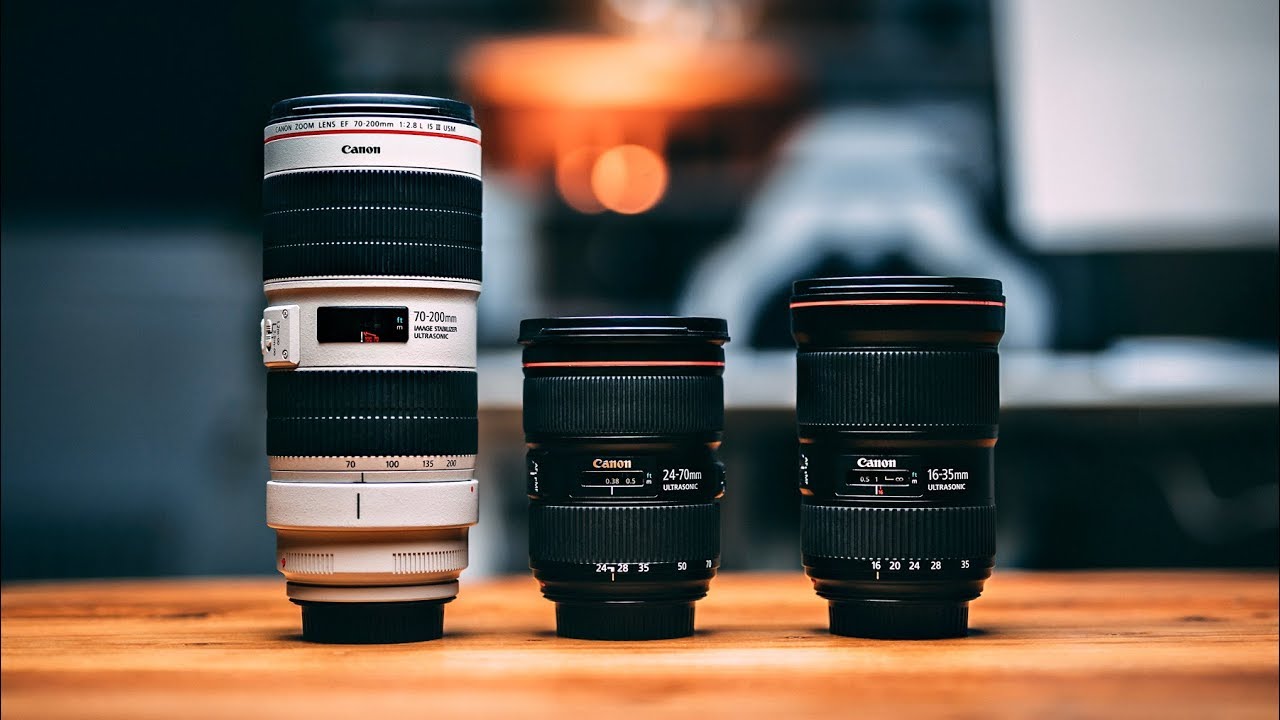
The Holy Trinity of Lenses: Why Three Zooms Beat a Bag Full of Primes

The Holy Trinity of Lenses: Why Three Zooms Beat a Bag Full of Primes

I used to approach lens buying the same way I approached buying tripods – impulsively, one at a time, without a system. I’d grab whatever seemed like the best deal that week, end up with overlapping focal lengths, and still find myself in situations where I didn’t have the right tool for the shot. It took me an embarrassingly long time to realize the problem wasn’t my budget. It was that I had no framework for building a kit that actually covered everything.